Da Gennaro
On Mulberry Street in the heart of Little Italy, Da Gennaro represents the kind of red-sauce institution that Manhattan's shifting dining scene keeps threatening to erase but never quite does. The room operates on the logic of the neighbourhood itself: familiar, unapologetic, and deeply rooted in the southern Italian immigrant tradition that shaped this block more than a century ago. For visitors and locals navigating New York's Italian dining tier, it reads as a reliable anchor point.
Pearl is the En Primeur Club membership app — saves, bookings, and concierge access live there. Same editors, same standards.
- Address
- 129 Mulberry St, New York, NY 10013
- Phone
- +12124313934
- Website
- dagennarorestaurant.com
- Directions
- Get directions
 Saves & bookings on Pearl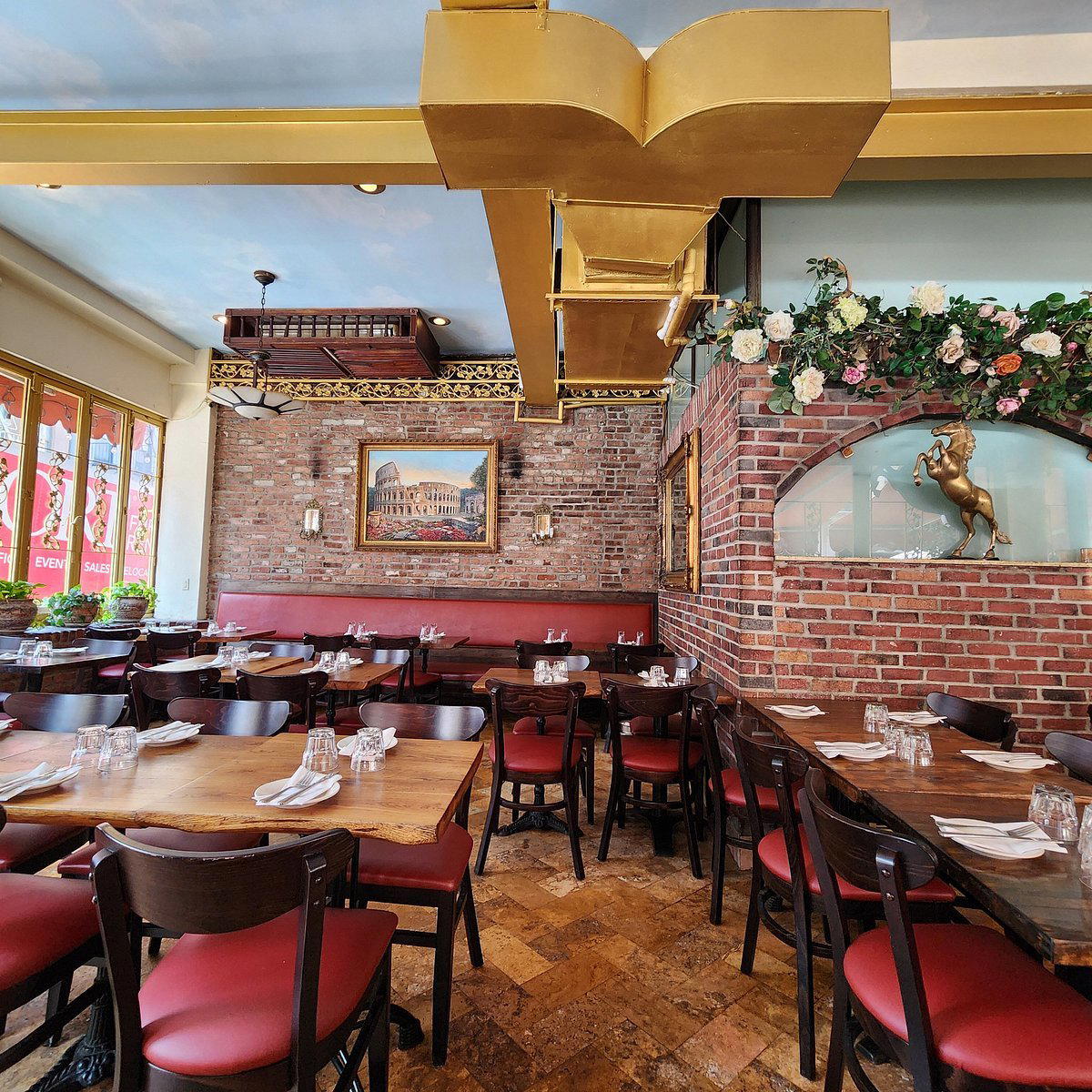
Mulberry Street and the Grammar of Little Italy
Da Gennaro is an authentic Italian restaurant in New York City, at 129 Mulberry St, with. A single address on Mulberry Street carries more culinary history per square foot than most neighbourhoods manage across entire districts. At 129 Mulberry St, Da Gennaro occupies a stretch that once defined how Italian-American cooking entered the mainstream American imagination: red sauce, checked tablecloths, candles in bottles, and a hospitality register borrowed from the trattoria tradition of Naples and Campania. That tradition did not arrive polished. It arrived in tenement kitchens, adapted to what the markets of lower Manhattan offered, and gradually hardened into something distinctly its own. The result is a cuisine that is neither purely Italian nor purely American, but a documented culinary dialect with its own internal logic.
Understanding Da Gennaro requires understanding what Mulberry Street has always been: a corridor where the local and the imported coexist under pressure. Tomatoes from New Jersey fields stood in for San Marzanos. Local mozzarella producers, many operating within blocks of this address, supplied dairy that tracked the Campanian original closely enough to sustain the tradition. The southern Italian technique of slow-cooked ragù, of blistered dough, of anchovy-laced sauces built on patience rather than complexity, mapped well onto the raw materials available to immigrant cooks. Little Italy did not dilute Italian cooking. It translated it.
Where Da Gennaro Sits in New York's Italian Dining Tier
New York's Italian restaurant market has fractured sharply over the past two decades. At the upper end, you have tasting-menu-format Italian that competes in the same bracket as Le Bernardin, Atomix, or Eleven Madison Park on prestige and price. In that tier, imported technique meets hyper-local sourcing in explicit, chef-driven frameworks, and the result is covered extensively by publications chasing the same institutional signals as Masa or Per Se. The restaurant operates as a mid-tier neighbourhood trattoria, where the measure of success is consistency across decades, not innovation across seasons. The restaurant operates in an entirely different register: the mid-tier neighbourhood trattoria, where the measure of success is consistency across decades, not innovation across seasons.
That tier is harder to sustain than it looks. Real estate pressure on Mulberry Street has thinned the number of independently operated Italian restaurants considerably since the 1990s. Many of the neighbourhood's former institutions either closed or converted to tourist-facing formats that preserved the visual language of Little Italy while abandoning its culinary commitments. The restaurants that remain, the restaurant among them, do so because they maintained enough local patronage and operational continuity to weather repeated cycles of neighbourhood change. Longevity in this context is not sentiment. It is evidence of a working model.
The Technique Behind the Tradition
The editorial angle that matters for the restaurant is how southern Italian technique meets the ingredient geography of the American Northeast. The answer is not fusion in the contemporary sense. It is adaptation under constraint, which is historically where durable cooking traditions come from.
Campanian cooking, the dominant regional influence on this stretch of Mulberry Street, is built around a small set of techniques applied with precision: the emulsification of pasta water and fat, the reduction of tomato into something concentrated and slightly sweet, the calibration of salt across multiple components. Those techniques do not require Italian provenance in the ingredients to function. They require attention. When applied to locally sourced products, whether that means New York state dairy, Hudson Valley vegetables, or Eastern Seaboard seafood, they produce results that are recognisably within the tradition while being materially different from what you would eat in Naples. That gap is a defining characteristic of Italian-American cooking. Venues like Frasca Food and Wine in Boulder have worked a similar seam from the Friulian end of the spectrum, bringing regional Italian frameworks into American ingredient contexts with deliberate care. The Little Italy tradition does the same thing from a position of decades rather than design.
For comparison, properties like Atelier Moessmer Norbert Niederkofler in Brunico or Dal Pescatore in Runate represent what the Italian dining tradition looks like when it operates within its own geography, drawing on indigenous products and unbroken regional context. The restaurant represents what happens when that tradition travels and takes root somewhere else entirely. Neither is a lesser version of Italian cooking. They are different arguments about what the cuisine can be.
Placing Da Gennaro in a Broader American Context
The question of imported technique meeting local ingredients is not distinctive to New York's Italian corridor. It is, in many ways, the defining tension of American fine dining. The French Laundry in Napa built its reputation on French classical technique applied to Northern California produce. Blue Hill at Stone Barns in Tarrytown pushes that further toward the ingredient side, letting the farm drive the menu. Single Thread Farm in Healdsburg works from Japanese kaiseki structure applied to Sonoma County seasonality. Providence in Los Angeles, Smyth in Chicago, Lazy Bear in San Francisco, Addison in San Diego, Emeril's in New Orleans, and The Inn at Little Washington all participate in the same broader conversation about what American cooking owes to European training and what it can do with that training on its own terms.
The restaurant participates in that conversation from street level rather than from a chef's tasting menu. The stakes are different and so is the vocabulary, but the underlying question is the same: what does a culinary tradition become when it is transplanted, and what new identity does it earn over time? Little Italy's answer, accumulated over more than a century, is more complex than its tourist-facing surface suggests.
How It Stacks Up
Comparable venues nearby, for context on price, style, and recognition.
| Venue | Cuisine | Price | Notes |
|---|---|---|---|
| Da GennaroThis venue — the venue you are viewing | Authentic Italian | $$ | Not listed |
| L’Industrie | Modern New York-Style Pizza | $$ | Williamsburg |
| Gelso & Grand | Modern Italian | $$ | SoHo-Little Italy-Hudson Square |
| Piccola Cucina Osteria Siciliana | Sicilian Osteria | $$ | SoHo-Little Italy-Hudson Square |
| Love & Dough | Neapolitan Pizza | $$ | Downtown Brooklyn-DUMBO-Boerum Hill |
| Paul & Jimmy's Ristorante | Traditional Italian | $$ | Gramercy |
Continue exploring
More in New York City
Restaurants in New York City
Browse all →
Bars in New York City
Browse all →
Hotels in New York City
Browse all →





At a Glance
- Classic
- Rustic
- Cozy
- Date Night
- Family
- Casual Hangout
- Standalone
Current opening hours
- Monday
- 11 AM–12 AM
- Tuesday
- 11 AM–12 AM
- Wednesday
- 11 AM–12 AM
- Thursday
- 11 AM–12 AM
- Friday
- 11 AM–12 AM
- Saturday
- 11 AM–12 AM
- Sunday
- 11 AM–12 AM
Hours can change for holidays and private events. Last verified .
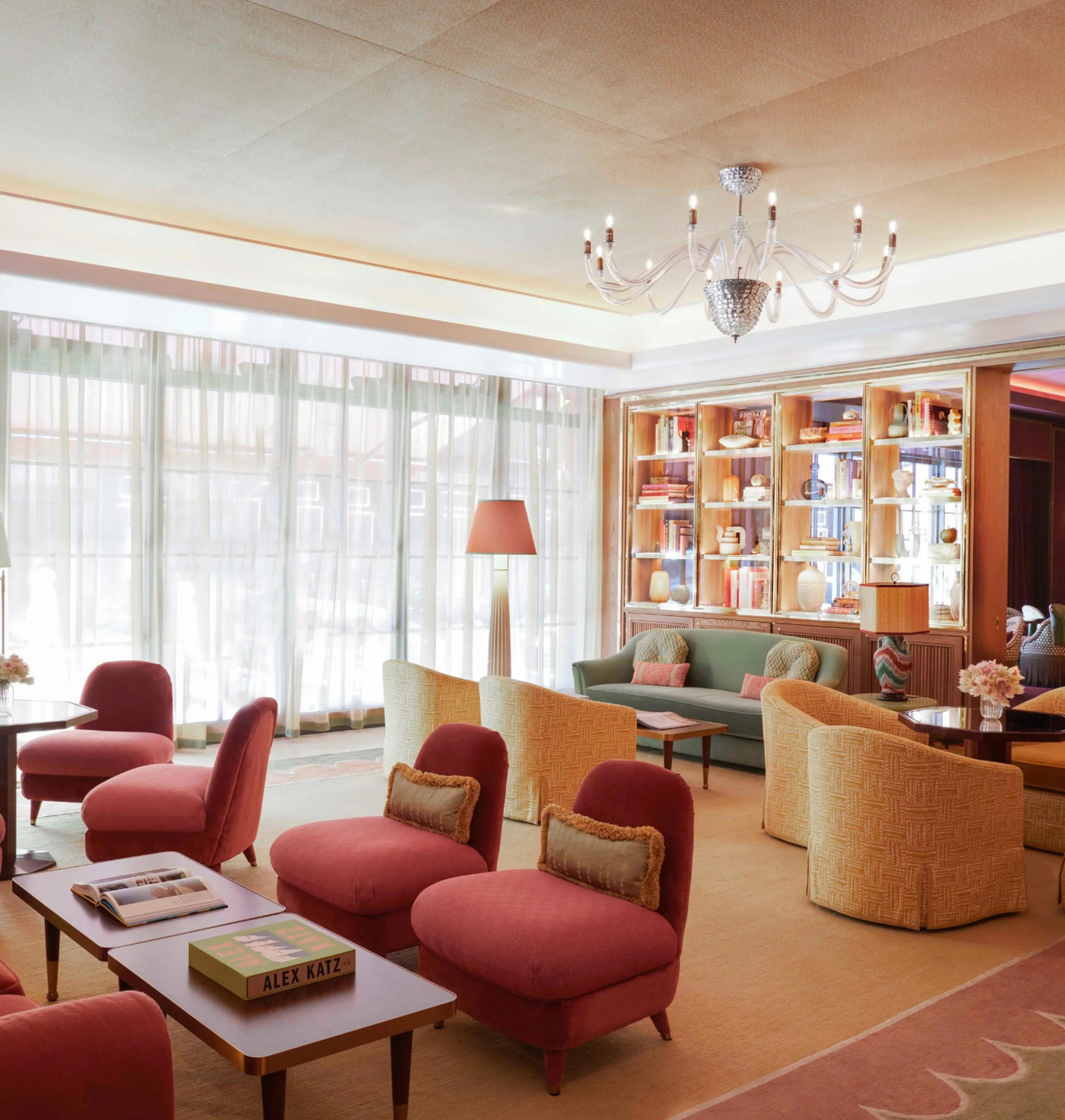
Warm and welcoming with charming rustic Italian decor, well-suited for romantic dates, family meals, or celebrations.