Da Gaspar sits in the hill town of Tarcento, in Friuli-Venezia Giulia, a region where the cooking draws on centuries of Alpine, Slavic, and Venetian crosscurrents. The address places it within walking distance of Tarcento's small centro storico, making it a reference point for those tracing the province's trattoria tradition beyond the better-publicised restaurants of Udine.
Pearl is the En Primeur Club membership app — saves, bookings, and concierge access live there. Same editors, same standards.
- Address
- Via Gaspar, 1, 33017 Tarcento UD, Italy
- Phone
- +39432785950
- Directions
- Get directions
 Saves & bookings on Pearl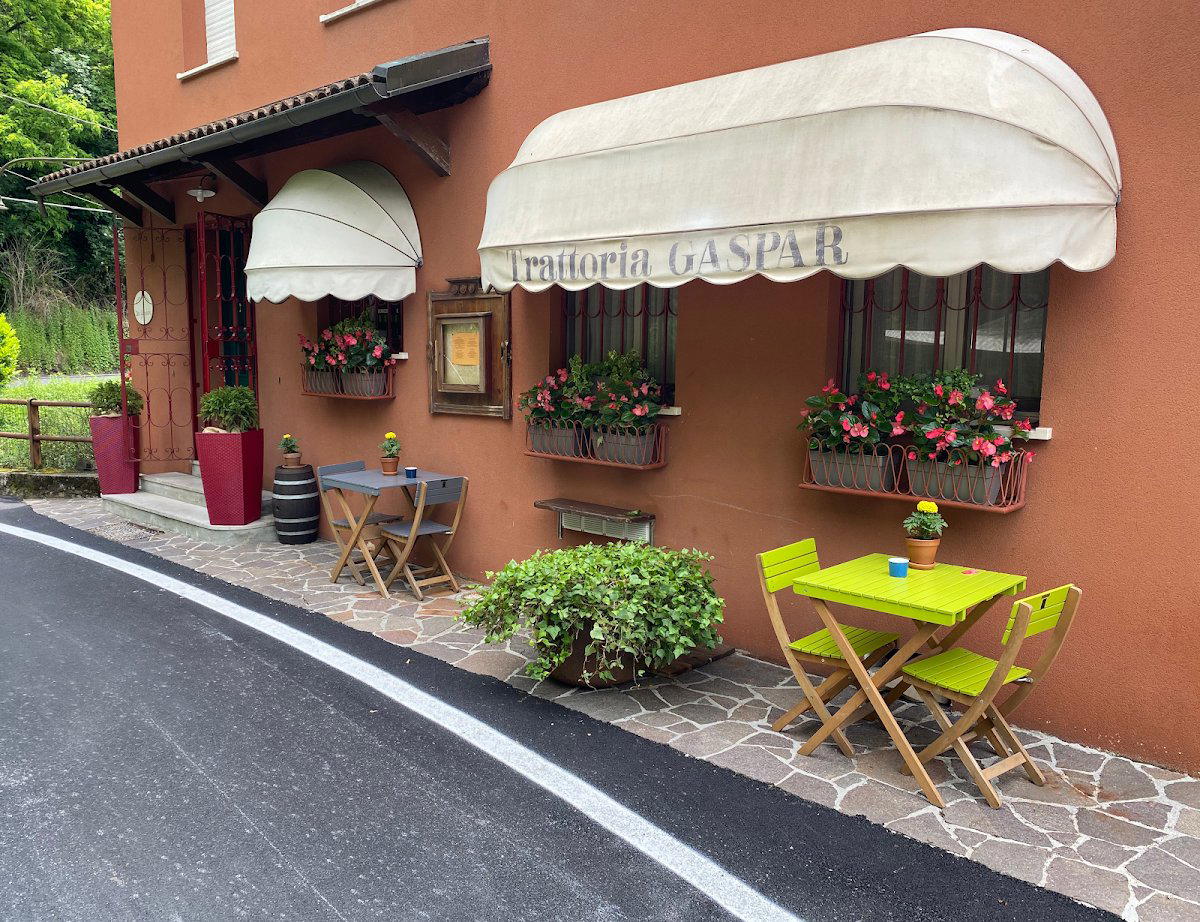
Where Friuli's Trattoria Tradition Takes Hold
Tarcento sits about twenty kilometres north of Udine, in the foothills of the Julian Prealps, and the town's dining culture reflects the layered history of Friuli-Venezia Giulia as a whole. This is a region that spent centuries as a crossing point between the Italian peninsula, the Habsburg Empire, and the Slavic east, and its cooking carries those marks plainly: cured meats inflected with central European spicing, polenta in forms that predate the standardised northern-Italian canon, game and freshwater fish from the Tagliamento basin, and a wine-producing tradition, Friulano, Ribolla Gialla, Schioppettino, that has earned serious international attention over the past two decades. Da Gaspar, addressed at Via Gaspar 1, operates within this context. Its name connects it to a longstanding local convention of family-run houses where the proprietor's identity becomes the shorthand for the table itself.
The trattoria format in Friuli is distinct from its Emilian or Tuscan counterparts. Here, the cooking tends to be more restrained in technique and more insistent on seasonal and regional sourcing, shaped partly by geography, mountain winters that historically required preservation and careful larder management, and partly by a regional pride that sits quietly but firmly behind the food. That cultural character is the right frame for understanding what Da Gaspar represents within Tarcento's small dining circuit, which also includes Costantini and Osteria di Villafredda as reference points for the town's range of registers.
The Friulian Table in Practice
Across the broader Friuli-Venezia Giulia region, particularly compelling restaurants sit at the intersection of deep local knowledge and a willingness to present that knowledge without theatrical elaboration. The province has produced some of Italy's most considered dining outside the major cities, though the international conversation tends to concentrate on the Michelin-tier houses elsewhere in the country. Restaurants like Dal Pescatore in Runate and Piazza Duomo in Alba illustrate the national appetite for formal Italian dining with strong regional roots, while Atelier Moessmer Norbert Niederkofler in Brunico shows how the Alpine-Italian corridor produces its own distinct high-end register. Da Gaspar operates at a different scale and with different ambitions, fitting more naturally into the category of places where the cooking is the point and the surroundings are straightforwardly local.
The trattoria category in Italy is under pressure in both directions: on one side from the growth of casual-global formats, on the other from the upward drift of formerly modest regional houses into tasting-menu territory. Places that hold the middle ground, honest, place-specific, seasonally responsive, have become harder to find and, in some ways, more instructive for understanding regional food culture than the formal houses that appear in award lists. In that context, a Tarcento address like Da Gaspar carries a particular kind of relevance for those who travel to eat through a region rather than simply to collect destination restaurants.
Reading the Address
Via Gaspar 1 places the restaurant in Tarcento's fabric in a way that is itself meaningful. Hill towns in Friuli tend to develop dining cultures that serve both the local community and the seasonal traffic of visitors from Udine and beyond who come for the cooler air and the walking terrain of the Prealps. The leading of these places function as genuine local institutions rather than visitor concessions, which is a distinction that matters when choosing between them. For comparison, the highly recognised end of the Italian dining spectrum, Osteria Francescana in Modena, Enoteca Pinchiorri in Florence, Le Calandre in Rubano, operates in a different category entirely, one defined by advance booking windows, tasting-menu architecture, and international press attention. Tarcento's dining circuit answers a different question: what does the region actually eat?
That question has real weight in Friuli. The province's food culture involves ingredients and preparations that rarely appear on menus elsewhere in Italy, frico (a crisp or soft preparation of Montasio cheese), cjalzons (a stuffed pasta with sweet-savoury fillings that varies village by village), brovada (turnips fermented with grape marc), and a range of smoked and cured meats from the Carnia highlands. These are not novelty items positioned for visitors; they are the actual substance of the local table, and the restaurants that carry them with conviction are worth seeking out ahead of more visible options.
Placing Da Gaspar in the Italian Dining Conversation
Italy's dining geography rewards the kind of deliberate travel that takes smaller towns seriously. Some of the country's most instructive meals happen well away from the cities and the Michelin corridors, in places where the cooking reflects a specific soil, a specific livestock tradition, or a specific wine-producing microclimate rather than a chef's international training. The northeastern corner of Italy is particularly dense with this kind of specificity. Friuli-Venezia Giulia borders both Slovenia and Austria, and its food shows that proximity without apologising for it.
Readers who want to understand the full range of Italian regional cooking, from the formally spectacular end represented by Reale in Castel di Sangro, Quattro Passi in Marina del Cantone, Uliassi in Senigallia, Enrico Bartolini in Milan, Villa Crespi in Orta San Giulio, Da Vittorio in Brusaporto, and Casa Perbellini 12 Apostoli in Verona, to the trattoria and osteria tier in provincial towns, will find Tarcento a productive stop. The comparison with internationally recognised restaurants in other countries, such as Le Bernardin in New York City or Lazy Bear in San Francisco, underlines how different the reference points are: Tarcento is not competing for that kind of attention, and that is precisely what makes it worth visiting on its own terms.
Planning a Visit
Tarcento is accessible by car from Udine in under thirty minutes, and the town itself is compact enough to cover on foot. Plan any visit through direct contact via the address at Via Gaspar 1, 33017 Tarcento UD, Italy. Pairing a meal in Tarcento with a broader Friulian itinerary, including the wine zones of Collio and Colli Orientali del Friuli to the south and east, makes geographic sense.
Price and Recognition
Comparable venues nearby, for context on price, style, and recognition.
| Venue | Cuisine | Price | Notes |
|---|---|---|---|
| Da GasparThis venue — the venue you are viewing | Tarcento, Traditional Friulian Trattoria | $$ | Not listed |
| Costantini | Collalto, Traditional Friulian Italian | $$$ | Not listed |
| Osteria di Villafredda | Not listed | $$ | Loneriacco di Tarcento, Traditional Friulian Osteria |
| Al Postiglione | Not listed | $$ | Corno di Rosazzo, Traditional Italian Trattoria |
| Trattoria Antica Maddalena | Not listed | $$ | Udine city center, Traditional Friulian Trattoria with Seafood |
| Agli Artisti | Not listed | $$ | historical center, Traditional Italian Seafood |
Continue exploring
More in Tarcento
Restaurants in Tarcento
Browse all →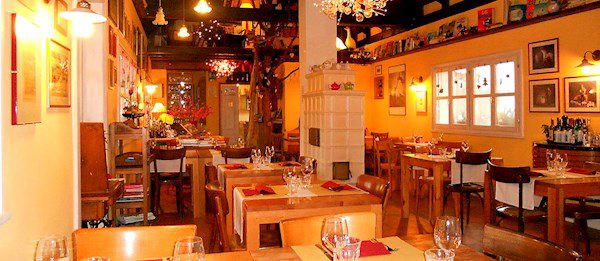
Bars in Tarcento
Browse all →
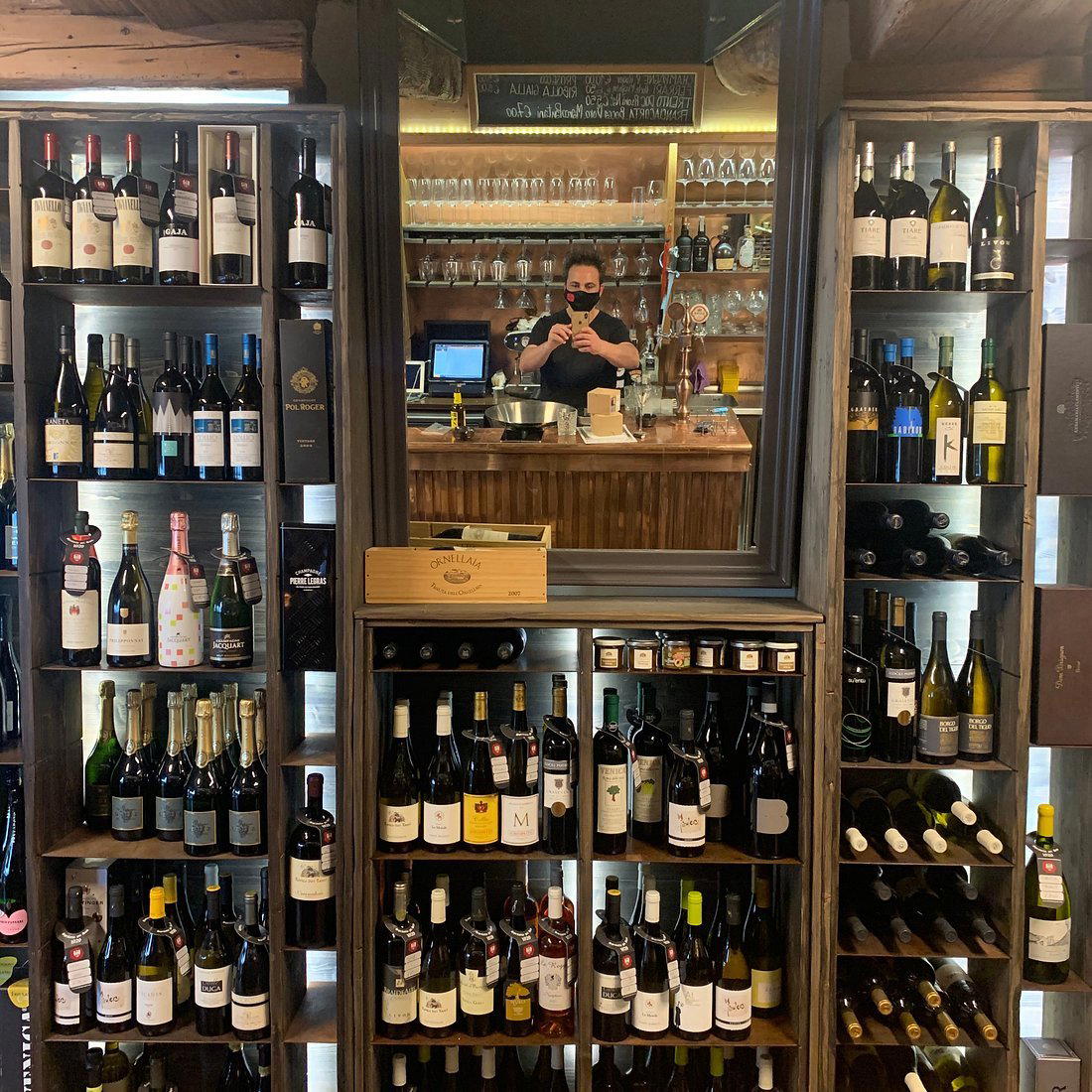
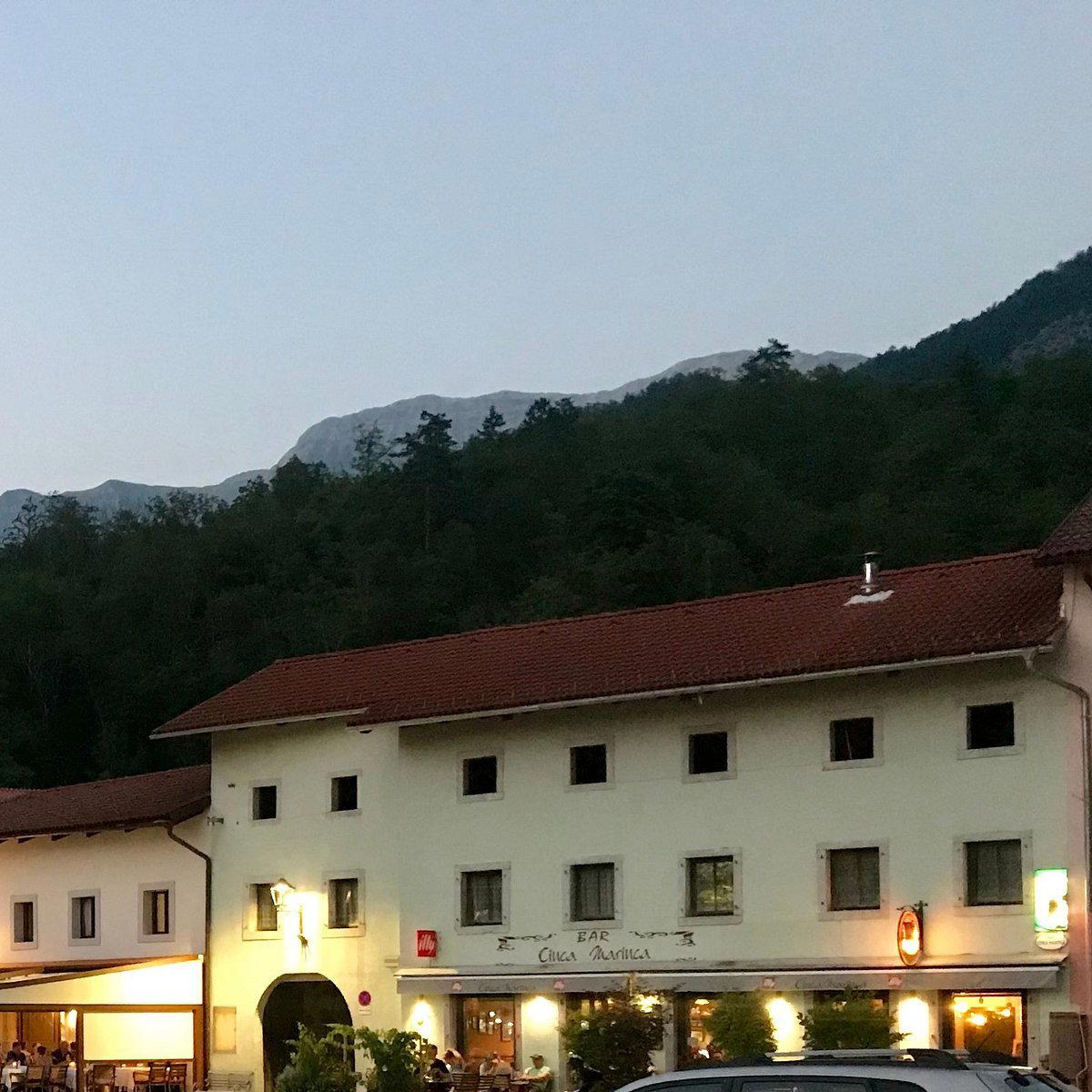
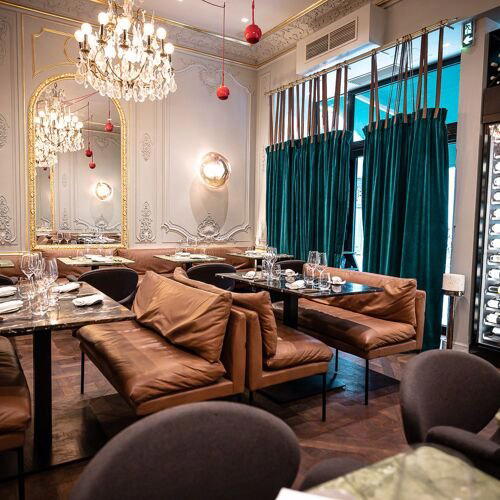
Hotels in Tarcento
Browse all →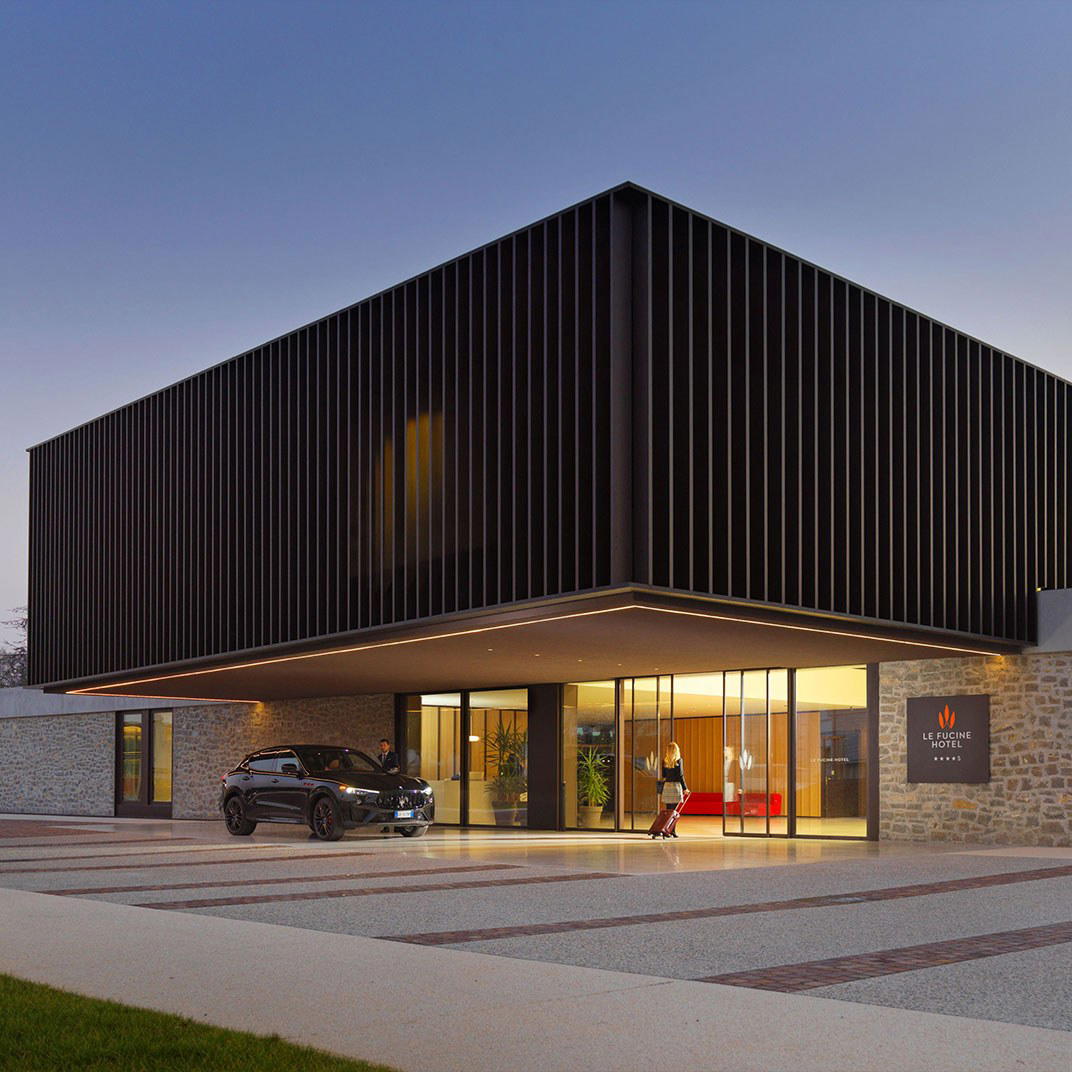
At a Glance
- Cozy
- Rustic
- Intimate
- Classic
- Special Occasion
- Family
- Historic Building
- Local Sourcing
Current opening hours
- Monday
- Closed
- Tuesday
- Closed
- Wednesday
- Closed
- Thursday
- 12–2:30 PM, 7–10 PM
- Friday
- 12–2:30 PM, 7–10 PM
- Saturday
- 12–2:30 PM, 7–10 PM
- Sunday
- 12–2:30 PM
Hours can change for holidays and private events. Last verified .
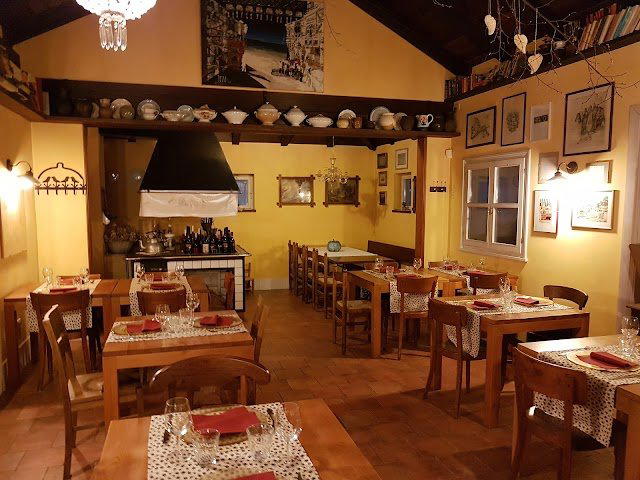
Refined and cosy atmosphere evoking family idyll with attentive service that makes guests feel at home.