Cut


Michelin Plate
Our verdict
Cut sits on the Bergamo plain in the small town of Caravaggio, pairing a modern interior with vintage furnishings to frame a menu of contemporary meat and fish dishes. The evening à la carte leans toward the latter, while a competitively priced business lunch draws a local midday crowd.

Pearl is the En Primeur Club membership app, where members save venues, book tables and use the concierge.
Where the Bergamo Plain Meets Contemporary Italian Cooking
The Lombardy lowlands between Bergamo and Cremona do not attract the same culinary attention as the city of Bergamo itself, where the upper town's restaurants pull critics and tourists in roughly equal measure. But the territory between these points has its own dining rhythm: grounded, practically minded at lunch, more considered in the evening, and largely indifferent to the kind of destination-restaurant theatre that drives reservation lists in Milan, fifty kilometres to the west. Cut, situated on Via Amilcare Bietti in Caravaggio, belongs to this quieter register. The town is known primarily for its Renaissance pilgrimage shrine and as the birthplace of the Baroque painter Michelangelo Merisi, better known simply as Caravaggio. The restaurant carrying the same name operates in that same unassuming civic context, without fanfare, without a flagship hotel address, and without the kind of Michelin architecture that defines the northern Italian restaurants most international visitors seek out.
That positioning matters for understanding what Cut actually is. The three-starred Lombardy tier, represented by restaurants such as Dal Pescatore in Runate, operates under entirely different conditions: deep wine cellars, multi-course tasting formats, and a clientele that has travelled specifically for the meal. Cut operates a tier below that in price (€€€ rather than €€€€) and ambition, closer in spirit to the well-run Italian contemporary restaurant that serves its town well across both lunch and dinner without necessarily pursuing national recognition. For the wider regional picture, see our full Caravaggio restaurants guide.
The Interior: Modern Frame, Vintage Detail
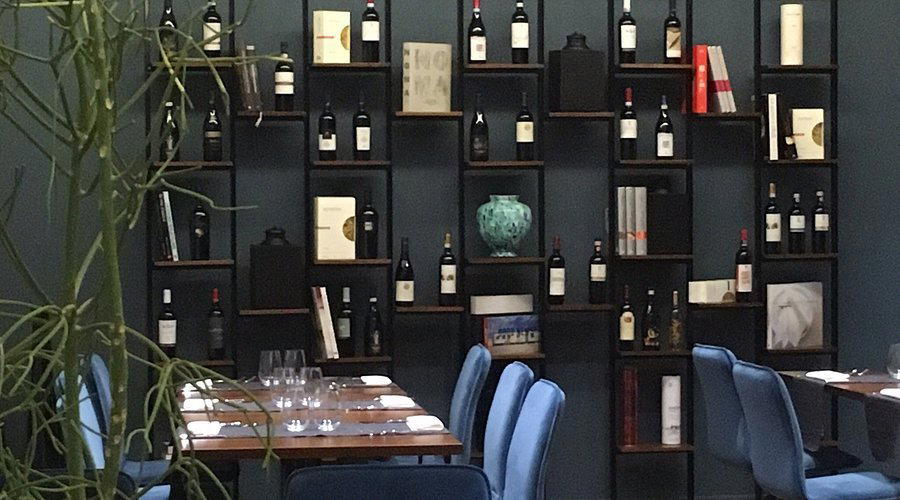
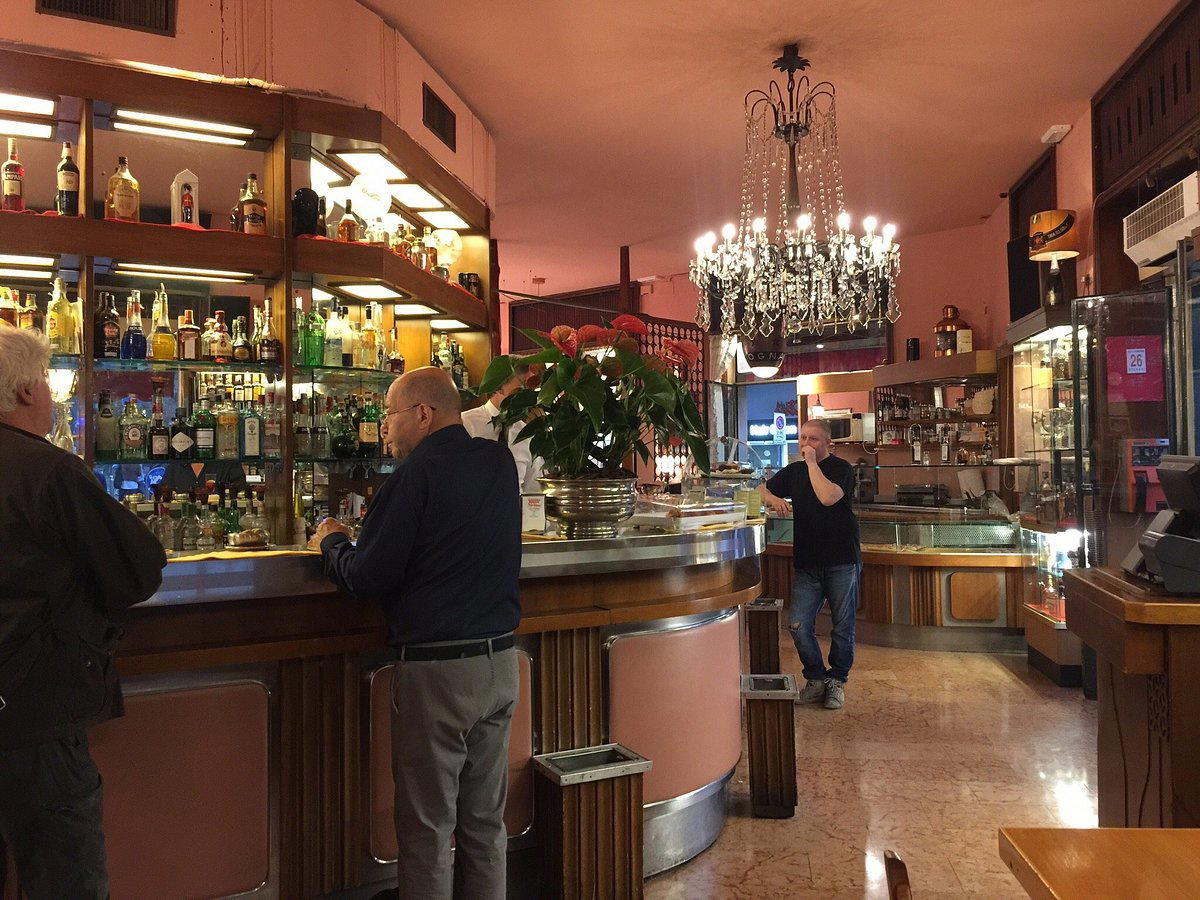
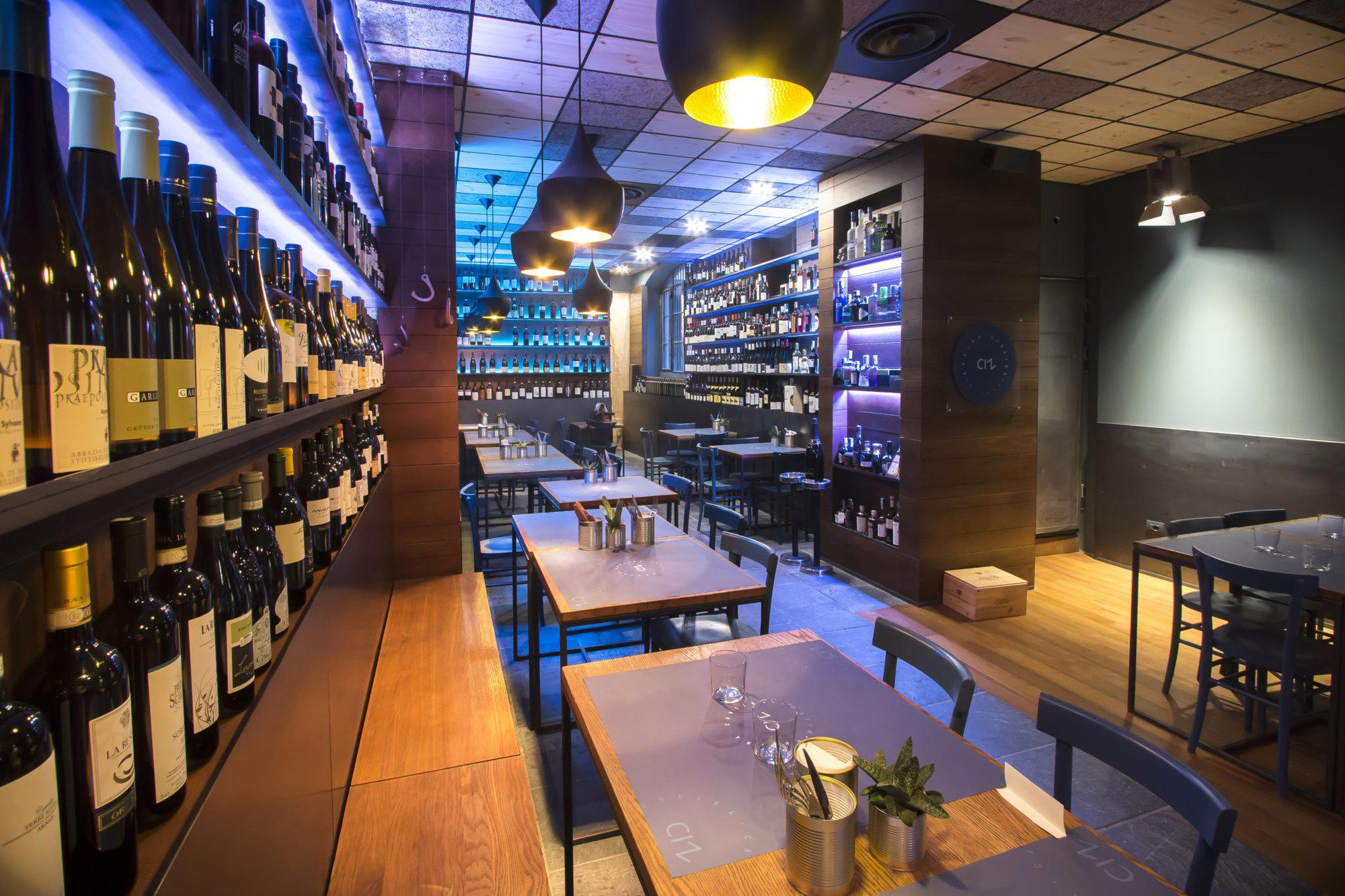
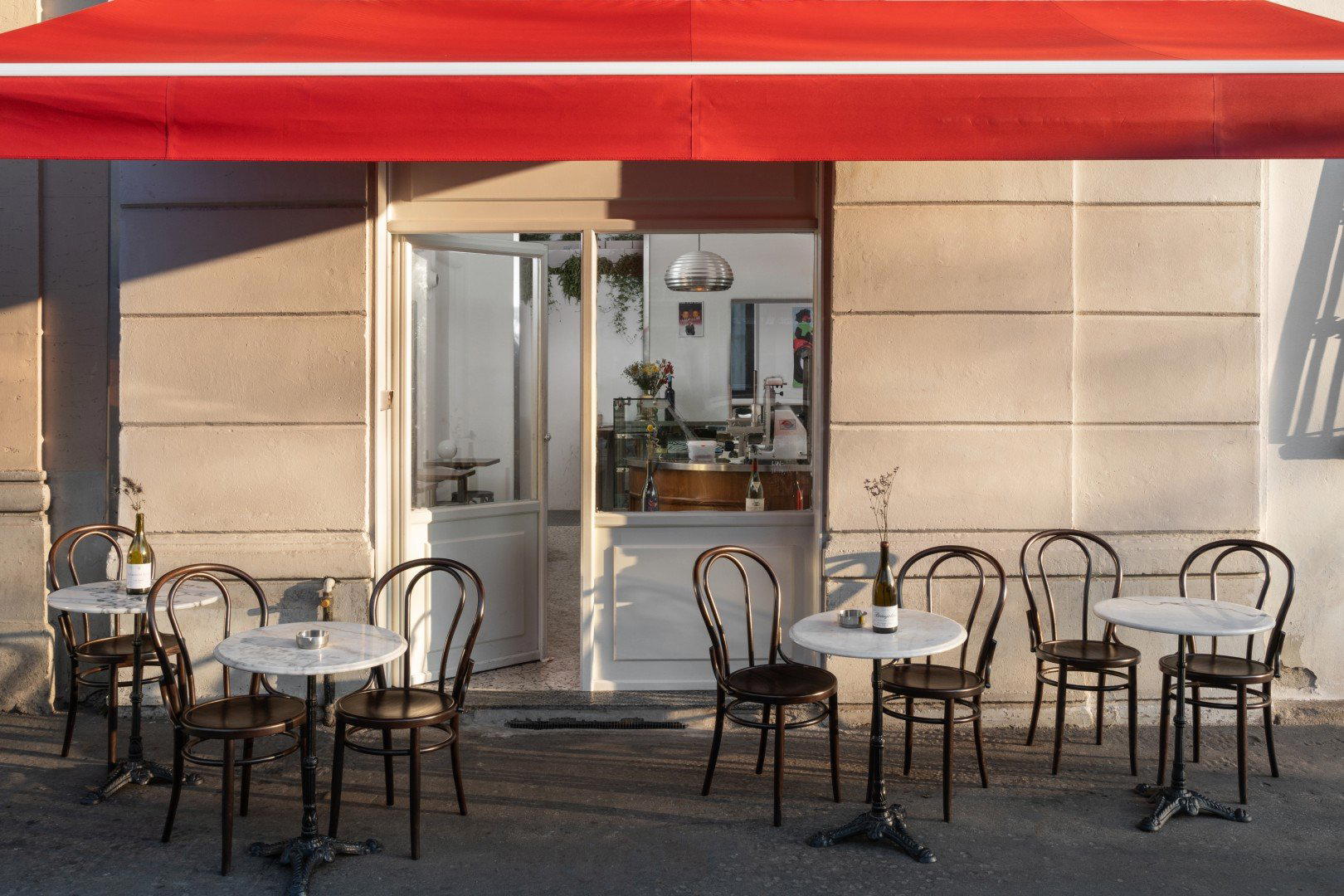
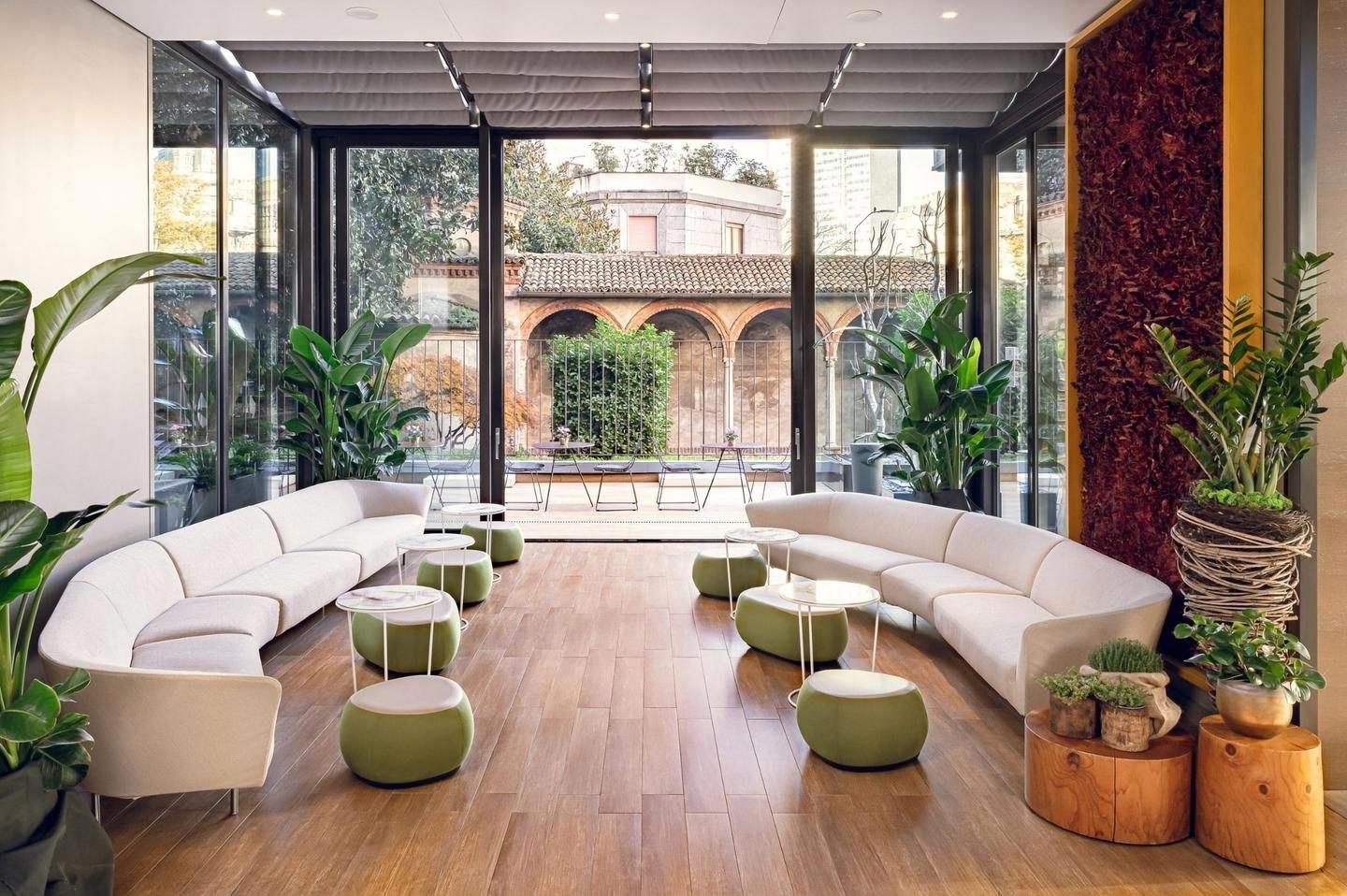
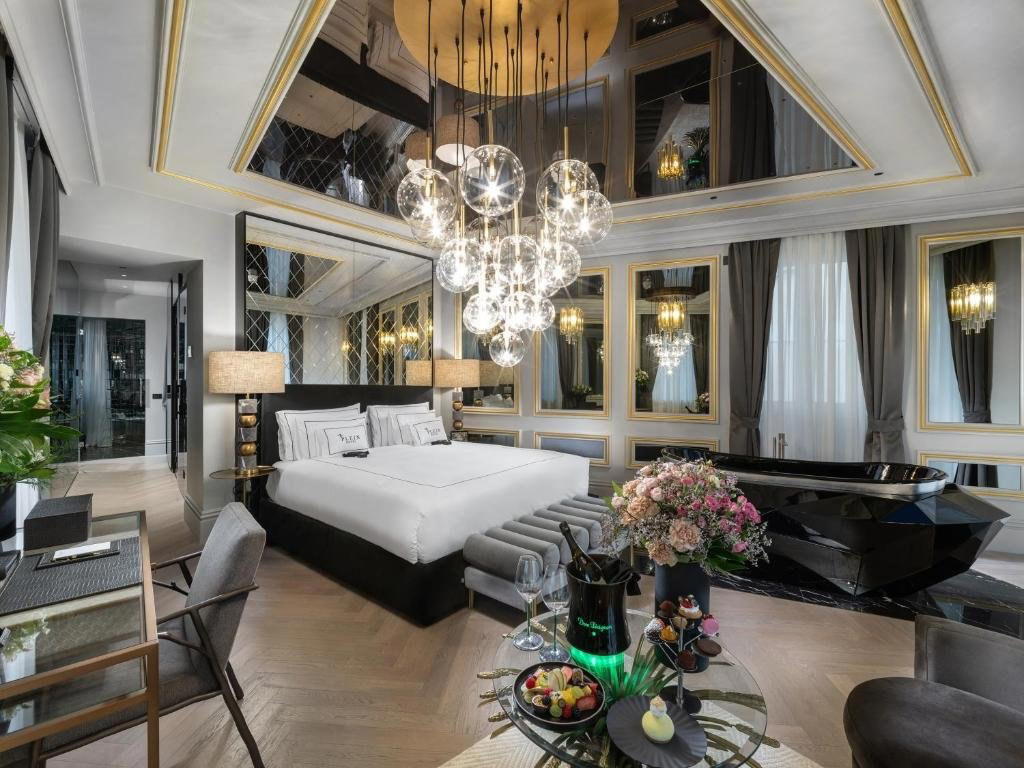
Northern Italian restaurant design has moved in two directions over the past decade. One track runs toward the minimal and austere, favoured by kitchens that want the plate to carry all the visual weight. The other reintroduces warmth through reclaimed materials, older furniture, and domestic-scale objects that resist the coldness of a purely contemporary fit-out. Cut takes the second approach. The interior pairs modern decor with vintage furnishings, a combination that reads less as a stylistic statement and more as a practical warmth suited to the Bergamo plain's working-town character. This is a room designed for people who eat here regularly, not for first-time visitors staging photographs.
That welcoming quality is consistent with how the restaurant functions across the day. The midday format, a competitively priced business menu, draws the professional lunch crowd that populates small Italian provincial towns at 12:30 on weekdays: local business owners, tradespeople, office workers. The evening shifts toward something more deliberate, with an à la carte that features contemporary meat and fish preparations, weighted toward fish. These are not the same crowd or the same experience, and Cut makes no effort to pretend otherwise.
The Menu's Lean Toward Fish
Within Lombardy, the dominant culinary reference points are rich and land-bound: ossobuco with saffron risotto in Milan, the butter-led pastas of Mantova, the slow-braised meats of Brescia. Fish cookery exists in this tradition, but it has historically been associated more with the lake towns of Como and Garda than with the flat agricultural plain around Bergamo. A contemporary Italian restaurant in Caravaggio that leans its evening à la carte toward fish is therefore making a slightly counterintuitive choice against regional type, one that signals a kitchen more interested in navigating its own path than reproducing the expected local canon.
This kind of positioning is not uncommon in the broader Italian contemporary category. Restaurants like Uliassi in Senigallia and Quattro Passi in Marina del Cantone have built serious reputations around Italian seafood at the higher end of the price scale. Cut operates well below that tier, but the emphasis on fish over meat in the evening menu places it in a conceptual conversation with that strand of Italian cooking, even if the address and price point suggest otherwise. The meat dishes remain part of the à la carte, and the balance between the two gives the kitchen room to move depending on what the season and the market support.
Cut in the Context of Northern Italian Contemporary Dining
To understand where Cut sits in the wider northern Italian dining picture, it helps to sketch the full range. At the leading, the starred houses set the terms: Le Calandre in Rubano, Osteria Francescana in Modena, and Enoteca Pinchiorri in Florence represent the kind of three-Michelin-star gravity that shapes how the international market perceives Italian fine dining. Below that, a dense middle tier of respected regional restaurants (some holding one or two stars, others none) serves the actual day-to-day dining life of Italian cities and towns. Cut belongs to this middle-to-accessible tier, where the currency is consistency, local trust, and value across formats rather than tasting-menu prestige.
For small-town provincial Italy, that kind of sustained local confidence is the relevant measure of performance.
Chef Matt Hurley leads the kitchen, a detail that sits slightly against the expected pattern for a small-town Bergamo province restaurant, where the kitchen team is almost always Italian by background. An anglophone name in this context suggests either an international career arc that brought Hurley here or a particular kind of contemporary Italian approach that draws from outside the regional tradition. Without additional sourced detail, the culinary direction speaks more clearly than the biography: contemporary Italian, evening fish-forward, with a practical midday format that keeps the restaurant embedded in its town rather than floating above it.
For those planning a wider Bergamo province visit, the area supports several other categories worth considering: our full Caravaggio hotels guide, our full Caravaggio bars guide, our full Caravaggio wineries guide, and our full Caravaggio experiences guide cover the surrounding territory. For those extending into northern Italy more broadly, the range runs from Enrico Bartolini in Milan and Atelier Moessmer Norbert Niederkofler in Brunico at the higher end, to Piazza Duomo in Alba and Reale in Castel di Sangro for a sense of how Italian contemporary cooking operates in smaller towns with serious culinary ambition. Casa Perbellini 12 Apostoli in Verona also represents the genre well in the Veneto. Further comparisons for the Italian contemporary category at an accessible price point can be drawn from Agli Amici in Rovinj and L'Olivo in Anacapri, both operating €€€ formats with regional character.
Planning Your Visit
Cut is at Via Amilcare Bietti 28 in Caravaggio, roughly 35 kilometres east of Milan by road and accessible via the A35 Brebemi motorway. Caravaggio is a small town with limited late-night infrastructure, so the evening à la carte is leading approached as a destination dinner rather than a prelude to further activity. The €€€ price tier places the evening meal above casual but well short of the €€€€ tasting-menu bracket; a table of two at dinner with wine and a full à la carte should be budgeted accordingly. The midday business menu is the more economical format and suits visitors combining lunch with a visit to the Sanctuary of Caravaggio, the major pilgrimage site on the town's eastern edge.
Frequently asked questions
Is Cut expensive?
Pricing at Cut is listed as €€€.
Comparable Spots, Quickly
| Venue | Cuisine | Price | Awards | Notes |
|---|---|---|---|---|
| CutThis venue (the venue you are viewing) | Italian Contemporary | Not listed | Michelin Plate | Not listed |
| Atelier Moessmer Norbert Niederkofler | Modern Alpine Fine Dining | $300–500 | 3 Michelin Stars · World's 50 Best #20 | Italian, Creative |
| Dal Pescatore | Classic Italian Fine Dining | $200–300 | 3 Michelin Stars · World's 50 Best #38 | Italian, Italian Contemporary |
| Enoteca Pinchiorri | Contemporary Italian Fine Dining | $200–300 | 3 Michelin Stars · World's 50 Best #32 | Italian - French, Italian Contemporary |
| Enrico Bartolini | Modern Italian Fine Dining | $300–500 | 3 Michelin Stars · World's 50 Best #85 | Creative |
| Osteria Francescana | Avant-Garde Italian Contemporary | $300–500 | 3 Michelin Stars · World's 50 Best #1 | Progressive Italian, Creative |
Recognition history
Dated appearances from independent guides and award organizations, with the underlying list record or original source where available.
Michelin Plate
Michelin
Opinionated About Dining Top Restaurants in North America Ranked #204
Opinionated About Dining
Full recognition history (4 entries)
Michelin Plate
Michelin
Opinionated About Dining Top Restaurants in North America Recommended
Opinionated About Dining
Continue exploring
More in Caravaggio
Restaurants in Caravaggio
All restaurants in Caravaggio →
Bars in Caravaggio
Browse all →
Details
- Modern
- Elegant
- Sophisticated
- Date Night
- Business Dinner
- Special Occasion
- Open Kitchen
- A La Carte
- Vegetarian Friendly
- Gluten Free Options
Current opening hours
- Monday
- Closed
- Tuesday
- Closed
- Wednesday
- 12–2 p.m., 7:30 p.m.–12 a.m.
- Thursday
- 12–2 p.m., 7:30 p.m.–12 a.m.
- Friday
- 12–2 p.m., 7:30 p.m.–12 a.m.
- Saturday
- 12–2:30 p.m., 7:30 p.m.–12 a.m.
- Sunday
- 12:30–2:30 p.m.
Hours can change for holidays and private events. Hours as of .
Welcoming atmosphere with modern decor and vintage furnishings, praised for refined and friendly service.