On Rue Berryer in the 8th arrondissement, Baronne occupies one of Paris's most storied dining corridors, steps from the Champs-Élysées and the grand hotels that define the city's upper tier. The address alone places it in a competitive set where kitchen craft, floor precision, and wine program depth are all measured against some of France's most scrutinised rooms. A reservation here is a read on how collaborative service culture evolves in contemporary Paris.
Pearl is the En Primeur Club membership app — saves, bookings, and concierge access live there. Same editors, same standards.
- Address
- 11 Rue Berryer, 75008 Paris, France
- Phone
- +33142257335
- Website
- baronne-restaurant.com
- Directions
- Get directions
 Saves & bookings on Pearl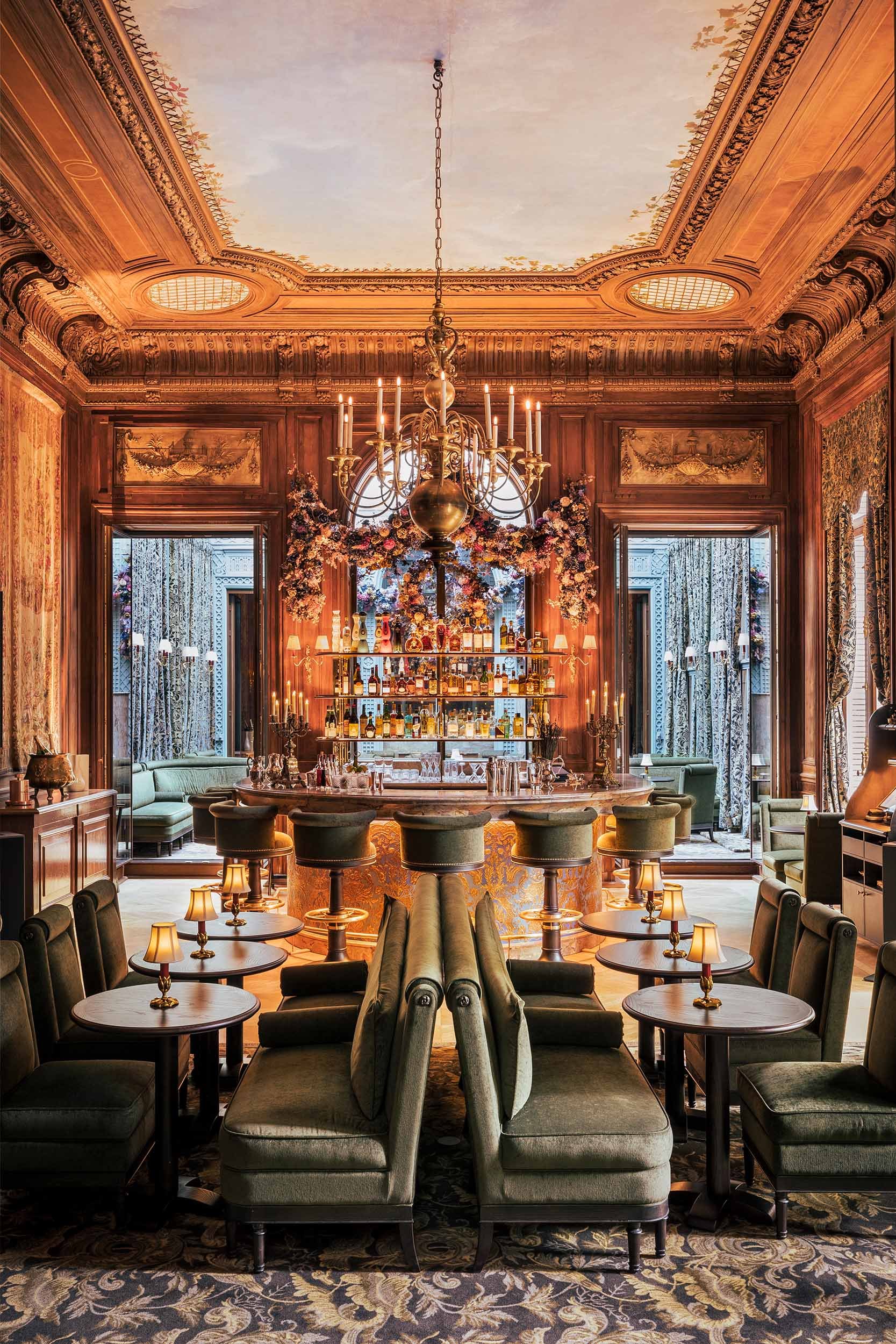
The 8th Arrondissement and the Weight of Its Dining Address
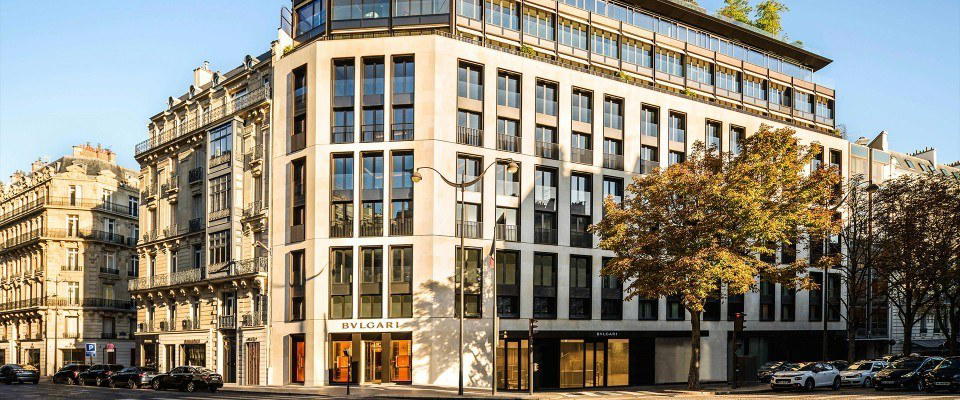
Rue Berryer sits at the quieter, residential edge of the 8th arrondissement, just far enough from the Champs-Élysées to avoid the tourist throughput that softens ambition in so many nearby rooms. The 8th has long been contested dining territory in Paris: it houses Le Cinq at the Four Seasons Hôtel George V, one of the city's most closely watched French modern rooms, and sits within walking distance of some of the capital's highest-scrutiny tables. Opening in this postcode is a statement about ambition before a single plate arrives.
That context matters when assessing Baronne. The 8th does not reward complacency. Diners arriving on Rue Berryer carry expectations shaped by what the neighbourhood has historically delivered: formal rooms with deep wine lists, front-of-house teams with institutional memory, and kitchens that treat classical French technique as a baseline rather than an aspiration. Whether Baronne positions itself against that tradition or in deliberate counterpoint to it is precisely what makes the address worth watching.
Collaboration as the Central Structure
In Paris's upper dining tier, the conversation about restaurant quality has shifted over the past decade from individual chef prominence to the coherence of an entire room. The city's most interesting openings now tend to be read as team products: how the kitchen and floor communicate, how the sommelier's selections frame the cooking, how pacing decisions are made across multiple services per day. This is the framework through which Baronne's approach is most legibly understood.
The model that has gained traction in contemporary Paris dining treats the sommelier not as a beverage executor but as a co-author of the experience. At tables like Alléno Paris au Pavillon Ledoyen, wine selection is woven into the menu construction rather than appended afterward. At Arpège, the floor team's ability to explain Passard's seasonal sourcing philosophy is as much a part of the meal as the cooking itself. Baronne's location in the 8th places it in a neighbourhood where that standard of integration is already set by its closest peers.
Front-of-house performance in this tier is rarely incidental. Rooms at this level in Paris typically employ career professionals who have moved through kitchens and dining rooms across the country's training circuit. The institutional knowledge they carry, about pacing, about reading a table's rhythm, about when to present and when to leave space, is part of what separates a technically accomplished dinner from one that feels considered from arrival to close.
The French Fine Dining Tradition This Address Inherits
France's fine dining infrastructure remains especially geographically distributed in the world. The country's multi-generational restaurant families, from Troisgros in Ouches to Auberge de l'Ill in Illhaeusern and Georges Blanc in Vonnas, have sustained three-star recognition across decades by treating the dining room as an ecosystem rather than a stage for a single performer. Provincial anchors like Bras in Laguiole, Les Prés d'Eugénie in Eugénie-les-Bains, and Auberge du Vieux Puits in Fontjoncouse built reputations on total hospitality rather than kitchen virtuosity alone.
Paris restaurants inheriting that tradition operate under a different pressure: they must perform consistently across a higher volume of covers, in a city where critical attention is continuous rather than occasional. Tables like L'Ambroisie on the Place des Vosges have managed this by treating stillness and restraint as a service philosophy. Others, like Kei in the 1st arrondissement, have found their footing by fusing classical French technique with a distinct cultural perspective. The spectrum of approaches within the city's top tier is wide, and Baronne's position within it will be read against both classical precedent and more recent creative departures.
For comparison, France's most destination-driven rooms outside Paris, including Flocons de Sel in Megève, Mirazur in Menton, and La Table du Castellet, benefit from the geographic specificity of their settings. A Paris room earns its place differently, on the density of competition and the sophistication of a dining public that moves between multiple high-tier tables each month.
Where Baronne Sits in the Current Paris Conversation
The 8th arrondissement's dining identity is not monolithic. It spans the grand-hotel dining room format, the chef-driven modern French room, and a growing number of addresses that operate between those modes. Baronne's Rue Berryer address places it in a quieter register than the avenue-facing rooms, which typically carry different expectations about theatrical presentation and international visitor volume.
Paris has also produced a generation of collaborative openings that consciously resist the auteur-chef model. The emphasis on team coherence, on a dining room where the sommelier's pairings are as deliberated as the sauces and the front-of-house reads the room with the same attention the kitchen gives to timing, reflects a broader shift in how the city's most thoughtful restaurants are now structured. Internationally, comparable collaborative approaches can be seen at rooms like Le Bernardin in New York and Lazy Bear in San Francisco, where the relationship between kitchen output and floor delivery is treated as a single craft rather than two separate departments.
The Paul Bocuse legacy, most durably expressed at L'Auberge du Pont de Collonges, established the idea that a French restaurant could carry a coherent identity across every element of the experience, from the brigade's structure to the table settings. Contemporary Paris has adapted that principle, but distributes authorship more broadly across the team.
Planning a Visit
Baronne is located at 11 Rue Berryer, 75008 Paris, in the 8th arrondissement. The nearest access point from central Paris is the Charles de Gaulle-Étoile or George V metro stations, both within a short walk. Reservations are recommended. Timing: Mon to Fri 12 to 2:30 PM and 7 to 11 PM; Sat and Sun 12 to 3 PM and 7 to 11 PM.
Reputation First
Comparable venues nearby, for context on price, style, and recognition.
| Venue | Cuisine | Price | Notes |
|---|---|---|---|
| BaronneThis venue — the venue you are viewing | Modern French Grill | $$$$ | Not listed |
| Cléo | Modern French Bistro | $$$$ | 7e Arr. – Palais Bourbon |
| Les Jardins du Presbourg | Modern French Bistro | $$$$ | 16e Arr. |
| Ledoyen | Modern French Fine Dining | $$$$ | Champs-Élysées |
| Maison de l'Amerique Latine | French Seafood | $$$$ | Saint-Germain-des-Prés |
| Le Georges | Modern French Fusion with Rooftop Views | $$$$ | 4th arrondissement |
Continue exploring
More in Paris
Restaurants in Paris
Browse all →
Bars in Paris
Browse all →
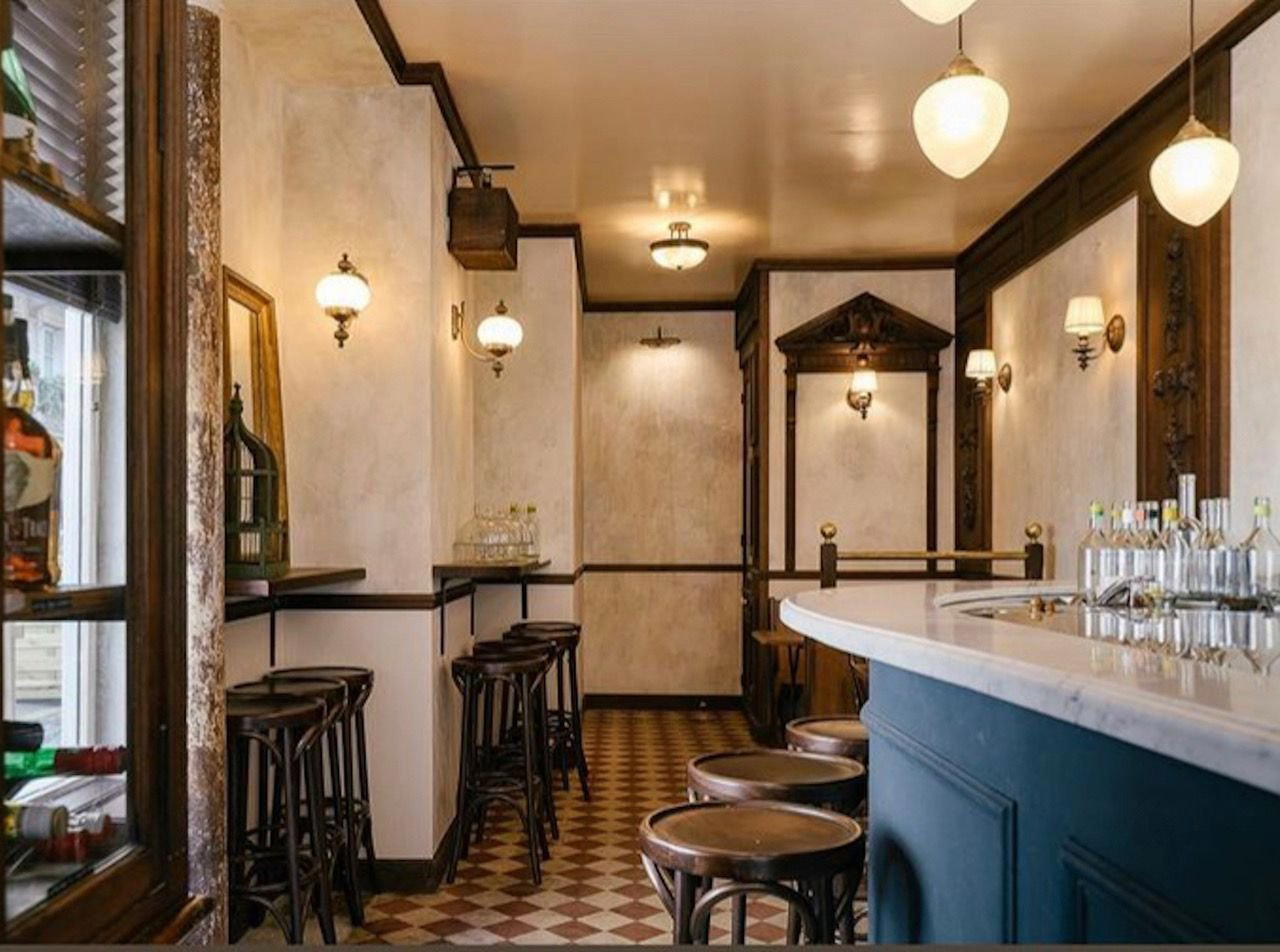
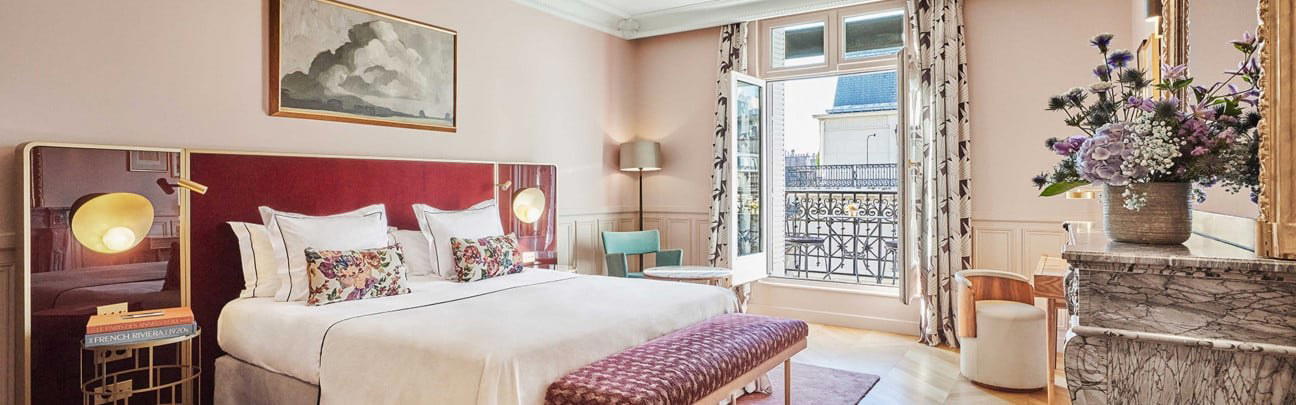
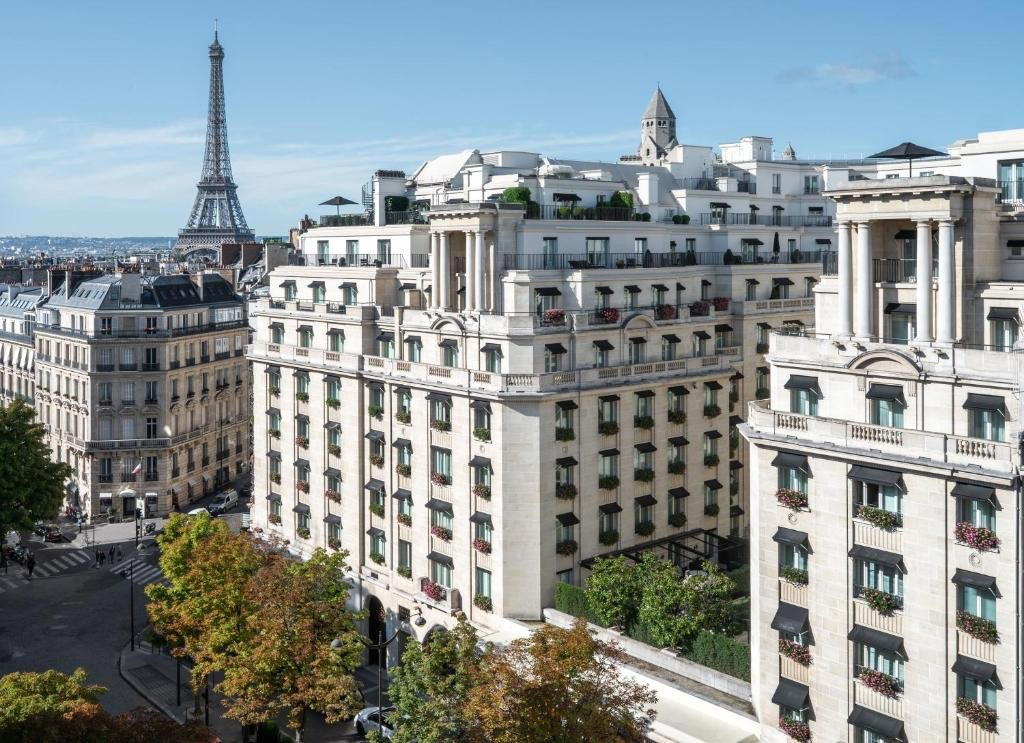
Hotels in Paris
Browse all →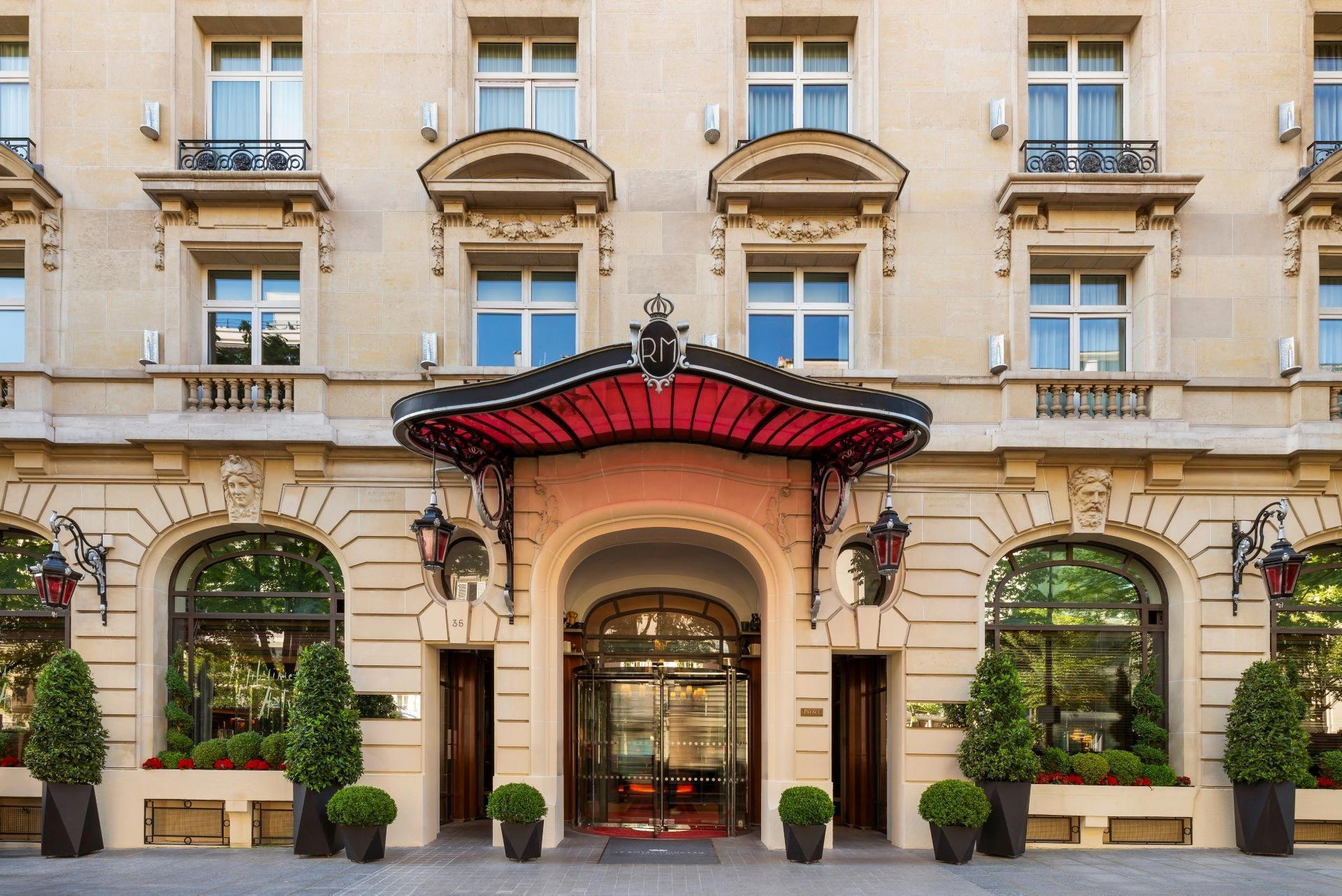
At a Glance
- Elegant
- Sophisticated
- Historic
- Well Known
- Business Dinner
- Special Occasion
- Late Night
- Historic Building
Current opening hours
- Monday
- 12–2:30 PM, 7–11 PM
- Tuesday
- 12–2:30 PM, 7–11 PM
- Wednesday
- 12–2:30 PM, 7–11 PM
- Thursday
- 12–2:30 PM, 7–11 PM
- Friday
- 12–2:30 PM, 7–11 PM
- Saturday
- 12–3 PM, 7–11 PM
- Sunday
- 12–3 PM, 7–11 PM
Hours can change for holidays and private events. Last verified .
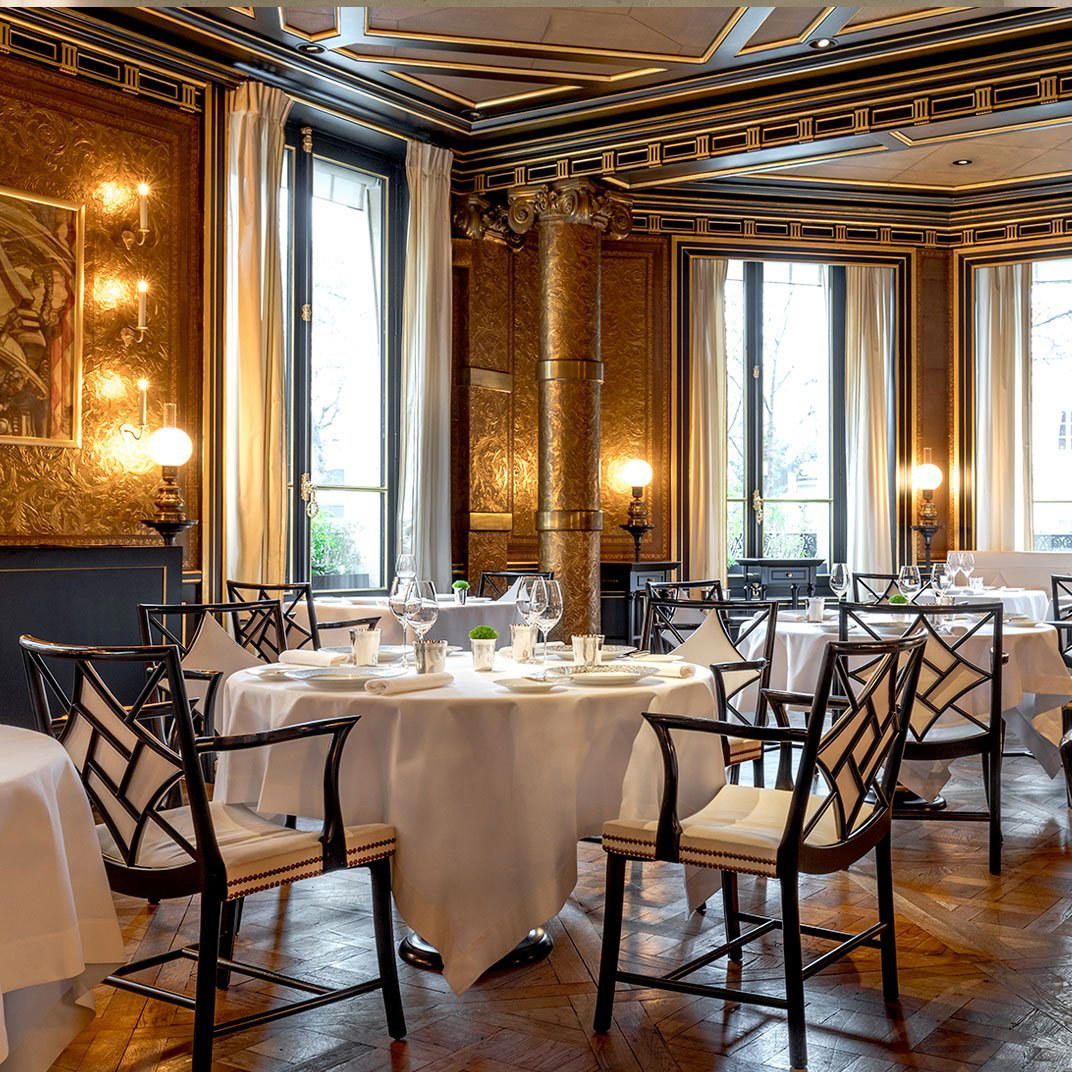
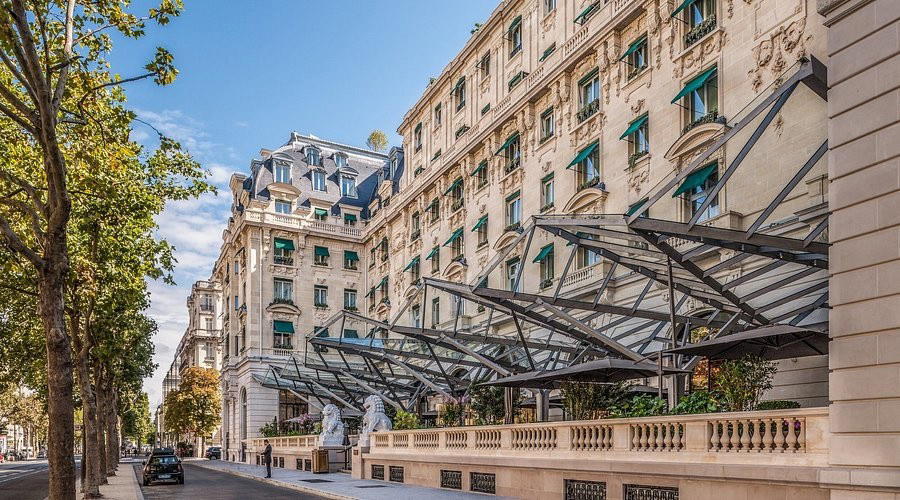
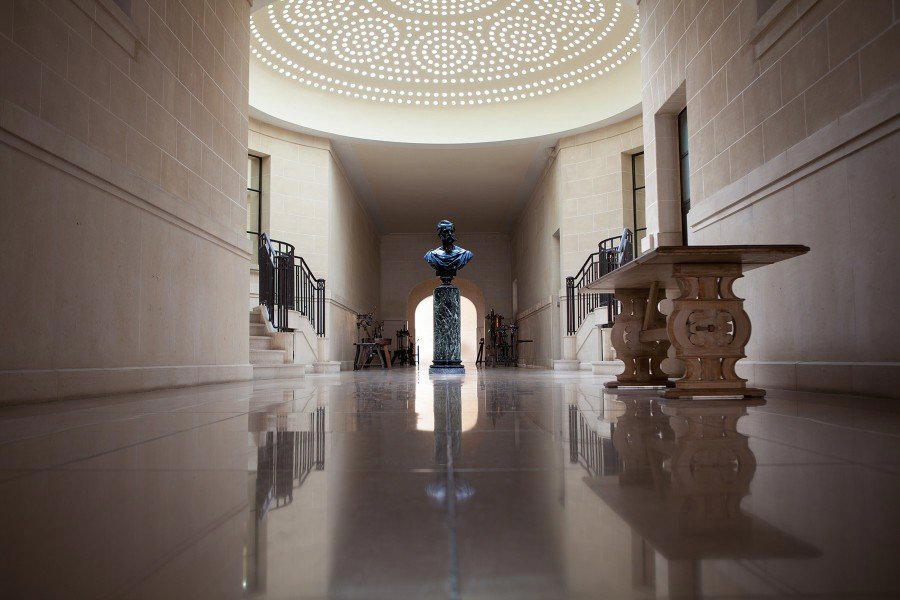
Enchanting decor combining historical splendor with contemporary elegance, featuring plush smoking lounge under glass ceiling and festive Parisian atmosphere.