
Men Mitsui is a compact Tawaramachi ramen counter in Tokyo’s Taito ward, selected for Tabelog Ramen TOKYO “Tabelog 100” in 2024 and 2025. The appeal is practical rather than theatrical: counter seating, solo-friendly pacing, no reservations, and a JPY 1,000–1,999 spend that keeps it inside Tokyo’s serious everyday ramen tier.
Pearl is the En Primeur Club membership app — saves, bookings, and concierge access live there. Same editors, same standards.
- Address
- Japan, 〒111-0042 Tokyo, Taito City, Kotobuki, 2 Chome−9−15 サカエビル 1階
- Website
- men-mitsuwi.tumblr.com
 Saves & bookings on Pearl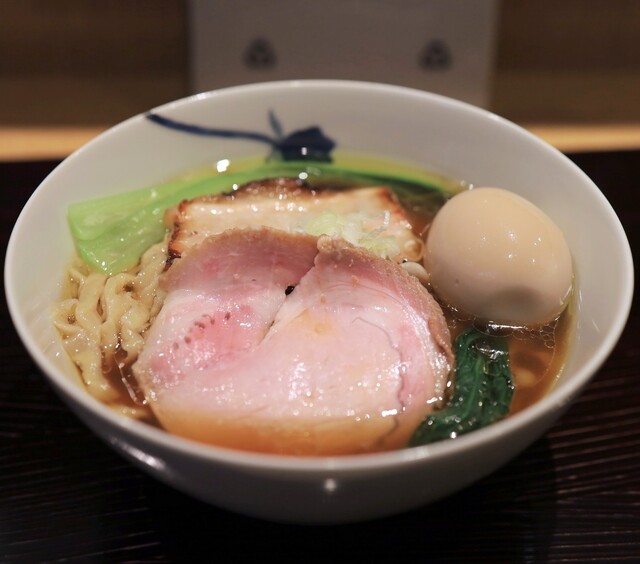
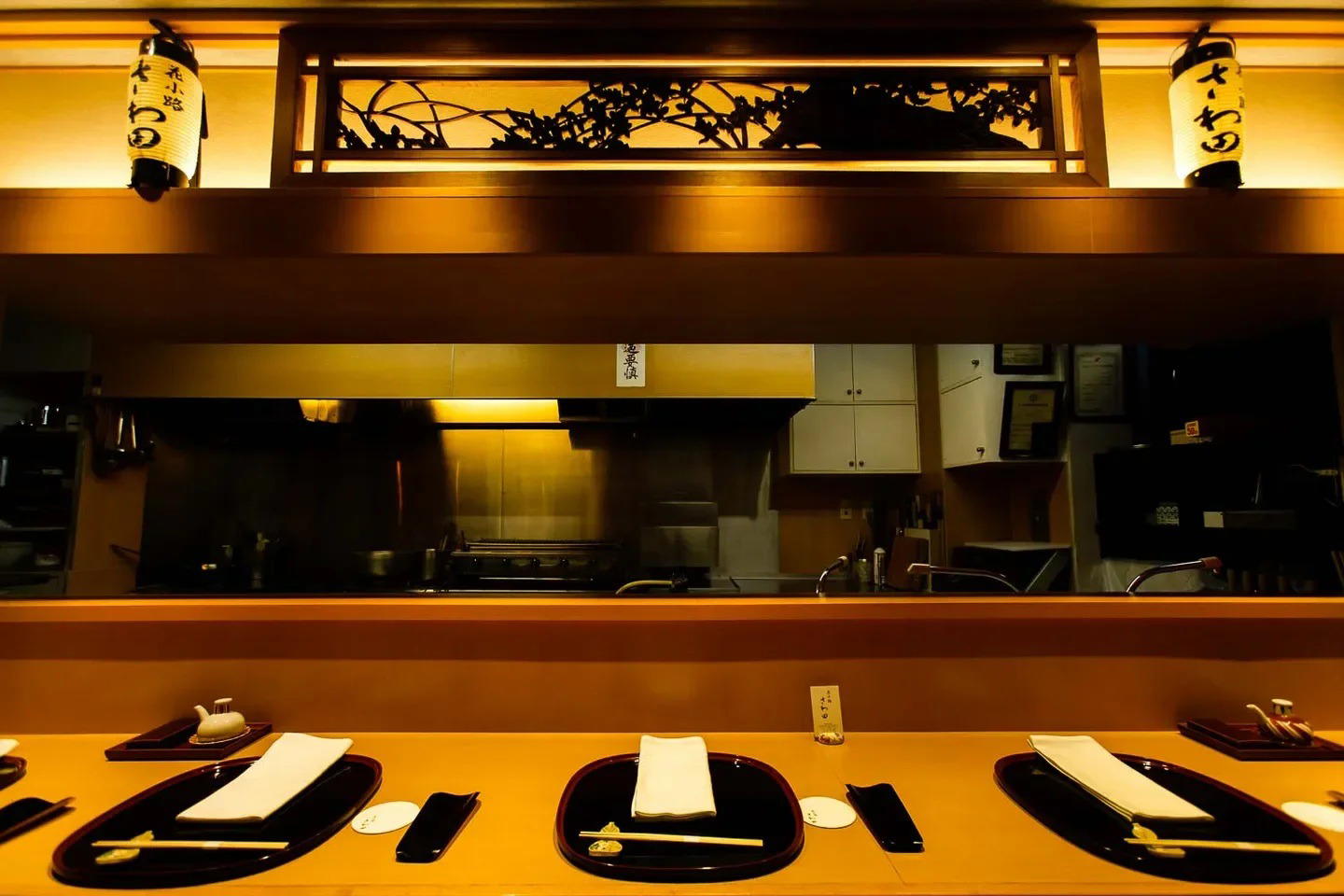
Approaching the Kotobuki side of Tawaramachi, the rhythm shifts from Asakusa sightseeing to the tighter choreography of local lunch counters. Men Mitsui belongs to that second Tokyo: small frontage, short service windows, counter seating, and a queue system that asks diners to understand the rules before they think about lingering. The room is built for concentration rather than ceremony, with 11 counter seats and a format that suits solo diners as naturally as groups elsewhere suit banquets.
Tokyo ramen has never been only about bowls. It is a citywide argument over timing, portion, ticketing, broth style, noodle texture, neighborhood loyalty, and how much patience a diner will spend for a meal priced below many hotel breakfasts. In that context, Men Mitsui sits in a compelling bracket: accessible in cost, constrained in capacity, and validated by selection for Tabelog Ramen TOKYO “Tabelog 100” in both 2024 and 2025. That combination explains why regulars return. The meal is not positioned as luxury; the scarcity comes from seats, hours, and local demand.
A Tawaramachi counter where repeat diners matter more than spectacle
The eastern side of Tokyo rewards specialization. Tawaramachi, between Asakusa’s visitor traffic and Ueno’s denser transit pull, has room for small shops that survive on repeat custom rather than destination theatrics. Men Mitsui’s category is listed as ramen and donburi, a pairing that places it within the practical grammar of Tokyo counter dining: fast enough for lunch, precise enough to attract dedicated ramen followers, and compact enough that the room’s pace becomes part of the experience.
The regulars’ perspective matters here because the format leaves little space for indecision. Reservations are unavailable, tickets for the morning session are issued from 10:00, and afternoon tickets from 17:30, with timing subject to change. That system turns the visit into a small act of planning. For diners used to Tokyo’s high-end counters, the discipline will feel familiar, even if the price tier is radically different. The better comparison is not a luxury tasting menu but the city’s broader culture of narrow, highly repeatable formats: curry specialists, standing bars, bakeries, and ramen shops where fluency with the process is part of the appeal.
Against nearby casual addresses, the restaurant occupies a leaner and more tightly focused position. Pelican and Pelican Cafe trade in the old-Tokyo appeal of bread and café routine; Tachinomi Asakusa Sharemon belongs to the standing-drink tradition; West India Spice Gayabaji sits in a different lunch-and-dinner price lane. The restaurant’s case rests on a smaller equation: recognized ramen, 11 seats, counter-only service, and a spend listed at JPY 1,000–1,999 for both lunch and dinner.
Why the format works in Tokyo's ramen culture
Ramen in Tokyo rewards repetition because the category is narrow enough for comparison and broad enough for obsession. Diners can calibrate a shop against hundreds of others without needing a long menu or a formal service arc. Selection for Tabelog’s ramen list signals that the restaurant has moved beyond neighborhood convenience into a citywide conversation, but the experience remains grounded in everyday mechanics: no private rooms, no parking, non-smoking policy, counter seating, and a service style that includes take-out.
The relocation history also matters. The previous restaurant closed on July 31, 2022, and the current location opened on April 19, 2023. In a city where small food businesses often depend on micro-location, station access, and repeat patterns, a move can reset a shop’s audience. The 2024 and 2025 Tabelog selections suggest that the current Tawaramachi address has not diluted its pull. For regulars, continuity is measured less by décor than by whether the new room preserves the pace and focus they came for.
There is a useful lesson here for visitors building a Tokyo food itinerary. Not every serious meal requires a tasting menu, hotel concierge, or bilingual booking platform. Some of the city’s most instructive dining happens at counters where the constraints are visible: a small number of seats, short hours, and a local audience that knows when to arrive. The restaurant fits that pattern cleanly. It is not a place to overcomplicate. It is a place to respect the system, arrive with flexibility, and understand that the value lies in a focused ramen counter operating at high demand within a low price band.
How to place it in a wider Tokyo itinerary
For travelers, the practical advantage is geography. Tawaramachi is an easy hinge between Asakusa, Ueno, and the Ginza Line’s central spine, which makes the counter easier to fold into a day than more remote ramen addresses. The trade-off is capacity. Eleven seats compress demand quickly, and the ticket system gives disciplined diners a better shot than those arriving casually at peak appetite.
That makes the restaurant especially useful for a Tokyo itinerary built around contrasts. Pair a focused ramen lunch with a more expansive dinner elsewhere, or use it as a low-cost anchor before a bar-heavy evening. Readers comparing categories can move from this ramen counter to broader city coverage through Our full Tokyo restaurants guide, then branch into Our full Tokyo bars guide, Our full Tokyo hotels guide, Our full Tokyo wineries guide, or Our full Tokyo experiences guide. The point is not to rank Tokyo by luxury, but to read how different formats define the city: counter ramen, yakitori, curry, café culture, standing drinks, and hotel dining each run on different rules.
For nearby and related restaurant research, compare the everyday counter logic here with. 鮪と炭火焼き うお炭 秋葉原店, 12/10 Shinjuku ten, 124. KAGURAZAKA (Yakitori), 2D Cafe, and 3 Chome no Curry Ya San. Outside Tokyo, the same Japanese dining map stretches through -Grilled beef Sukiyaki- KAMAKURA TANUKIAN 鎌倉 たぬき庵 in Kamakura.cafe in Osaka.know in Kumamoto, (Shoku) Vietnam in Kawasaki, [Curry Senmon Ten] Maruyama Kyoju. in Sapporo, and [ki:] in Kyoto. For a trans-Pacific view of Japanese casual formats, Jōdo Saké Bar in Los Angeles and Onigiri Time in Pasadena show how specific Japanese categories change when they leave their home market.
Cost and Credentials
Comparable venues at the same tier.
| Venue | Cuisine | Price | Notes |
|---|---|---|---|
| Men Mitsui | Taitō, Refined Tokyo Ramen | $ | Not listed |
| Arry 8Bites | Tokyo, Japanese Small Bites | $ | Not listed |
| Kikumaru | Not listed | $ | Taitō, Traditional Japanese sweets café (anmitsu & wagashi) |
| Coffee Senmon Ten Tomii | Not listed | $ | Sumida, Traditional Japanese kissaten & pancake café |
| Kamu Nabi | Bunkyō, Classic Ramen Shop | $ | Not listed |
| Heckeln | Not listed | $ | Minato, Classic Japanese kissaten & pudding café |
Recognition history
Dated appearances from independent guides and award organizations, with the underlying list record or original source where available.
Tabelog 100 #2 · No. 2
Tabelog · Tabelog 100 - Ramen - TOKYO - 2025








At a Glance
- Cozy
- Classic
- Intimate
- Solo
- Casual Hangout
- Late Night
- After Work
- Chefs Counter
- Standalone
- Design Destination
- Beer Program
- Sake Program
Current opening hours
- Monday
- Closed
- Tuesday
- 11 AM–2:30 PM, 6–8 PM
- Wednesday
- 11 AM–2:30 PM, 6–8 PM
- Thursday
- 11 AM–2:30 PM, 6–8 PM
- Friday
- 11 AM–2:30 PM, 6–8 PM
- Saturday
- 11 AM–4 PM
- Sunday
- Closed
Hours can change for holidays and private events. Last verified .