Cravan occupies a quietly serious position in the 16th arrondissement's dining fabric, at 17 Rue Jean de la Fontaine. The address places it within one of Paris's most architecturally coherent residential quarters, where the dining room format tends toward intimacy over spectacle. For visitors working through Paris's broader fine dining geography, Cravan represents the neighbourhood's considered, low-profile register.
 Discover on Pearl
Pearl is the En Primeur Club membership app — saves, bookings, and concierge access live there. Same editors, same standards.
- Address
- 17 Rue Jean de la Fontaine, 75016 Paris, France
- Phone
- +33146518542
- Website
- instagram.com
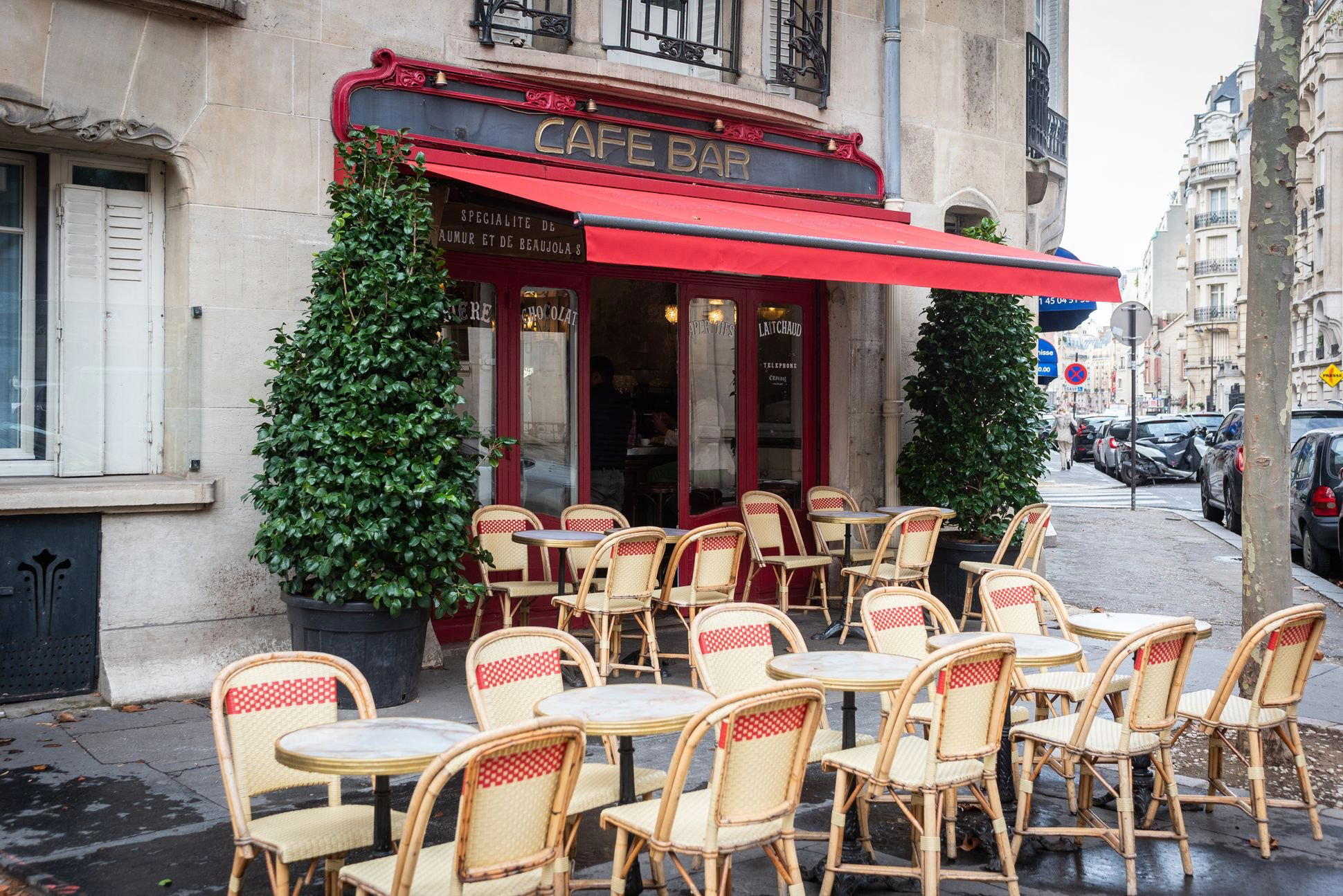
The 16th Arrondissement and the Architecture of a Quiet Meal
Paris's 16th arrondissement has never competed with the 8th or the Left Bank for culinary headlines. Its dining identity is built on a different premise: residential discretion, regulars who return weekly rather than annually, and a set of addresses that earn their reputations without press campaigns. Rue Jean de la Fontaine, named for the fabulist whose literary precision still feels appropriate to the neighbourhood's character, sits within that register. Cravan, a Modern French Cocktail Bar at 17 Rue Jean de la Fontaine in Paris, is priced at about $60 per person and belongs to this tradition of addresses that reward those who seek them out rather than those who stumble upon them.
The broader 16th has produced a particular dining culture over the decades. It is not a neighbourhood of debut restaurants or trend-testing menus. Kitchens here tend to operate with a settled confidence, serving a clientele that knows what it wants and returns because it receives it consistently. This is the opposite of the theatrical omakase counter or the chef's-table spectacle model that has come to define destination dining elsewhere in the city. The 16th's version of ambition is quieter, and Cravan is positioned squarely within that quieter register.
Situating Cravan Within Paris's Fine Dining Geography
To understand where Cravan sits, it helps to map the broader topology of serious Parisian dining. The city's highest-profile addresses cluster in the 8th: Alléno Paris au Pavillon Ledoyen operates from one of the most architecturally significant dining rooms in Europe, and Le Cinq at the Four Seasons Hôtel George V offers the full grand-hotel performance. On the Left Bank, Arpège has spent decades redefining what vegetable-led cooking can achieve at the highest level. In the Marais, L'Ambroisie holds its position as one of the most formally composed dining experiences in the country. And Kei represents the Franco-Japanese synthesis that has become one of the more interesting structural shifts in Parisian fine dining over the past two decades.
Cravan's address in the 16th places it outside those high-visibility clusters, in a neighbourhood where the dining relationship between kitchen and guest tends to be less mediated by reputation management and more shaped by consistency over time. For visitors to Paris's broader restaurant scene, Cravan functions as an argument for the city's residential dining culture, which operates in parallel with the headline addresses rather than in competition with them.
The Tasting Progression: How a Meal Takes Shape
The logic of a multi-course progression in a room like this follows a different rhythm from the high-drama tasting menus that define places like Mirazur in Menton or Troisgros in Ouches. Those kitchens build meals around narrative arc and conceptual provocation. The 16th's dining tradition leans instead toward classical sequencing: an opening that establishes register, a middle that delivers the kitchen's central argument, and a close that returns the guest to a state of ease rather than stimulation.
This format has deep roots in French provincial dining too. The great destination addresses of the French regions, Paul Bocuse's Auberge du Pont de Collonges outside Lyon, Auberge de l'Ill in Illhaeusern, Bras in Laguiole, Georges Blanc in Vonnas, Les Prés d'Eugénie in Eugénie-les-Bains, Auberge du Vieux Puits in Fontjoncouse, and Flocons de Sel in Megève, share a commitment to the meal as an unhurried total experience rather than a sequence of plated moments. Parisian residential dining absorbs some of that same instinct, transposed to an urban context where the guests may live ten minutes away rather than having driven three hours.
The progression at Cravan sits within this tradition. The opening courses do their work of calibration: establishing what the kitchen values, how it handles acidity and weight, what its relationship to classical technique looks like in practice. The mid-meal courses carry the kitchen's main argument. The close, whether a pre-dessert pause, a cheese moment, or a sweet sequence, functions as a form of punctuation, signalling that the kitchen has thought about how a guest should feel at the end rather than just at the peak.
This is a different proposition from the maximalist tasting formats exported globally from Paris. It has more in common with the quiet authority of La Table du Castellet or the sustained focus of Lazy Bear in San Francisco, which also organises its meal around a narrative arc rather than individual dish impact. The difference is that the 16th arrondissement version of this format carries no theatrical framing: the architecture of the meal is visible only to those paying attention.
Planning a Visit
Cravan is located at 17 Rue Jean de la Fontaine in the 16th arrondissement, a short walk from the Jasmin Métro station on Line 9. The 16th is not a neighbourhood that operates on spontaneous walk-in logic, particularly at the more considered addresses. Visitors planning a serious evening here should treat the reservation process with the same forethought they would apply to any of the higher-profile Paris addresses. Reservations are recommended. Visitors arriving in Paris for a specific date should prioritise this early. The 16th's better addresses sit below that threshold, but they are not casual drop-in options.
The neighbourhood itself rewards a full evening. Rue Jean de la Fontaine runs through the heart of the arrondissement's Hector Guimard architectural corridor, where the same decorative vocabulary that produced the Paris Métro entrances is visible on residential facades. Arriving before the meal allows for a proper read of the street's character, which provides useful context for understanding why this particular neighbourhood produces the kind of dining culture it does.
A Pricing-First Comparison
Comparable venues nearby, for context on price, style, and recognition.
| Venue | Price | Awards | Notes |
|---|---|---|---|
| CravanThis venue — the venue you are viewing | $$$$ | , | |
| Cléo | $$$$ | , | 7e Arr. – Palais Bourbon, Modern French Bistro |
| Bel Canto | $$$$ | , | Hôtel de Ville, French Bistronomic with Opera |
| Orgueil | $$$$ | , | 11th arrondissement, Modern French Bistronomy |
| D'Chez Eux | $$$$ | , | 7th Arrondissement, Traditional French Bistro |
| Cèna | $$$$ | , | 8th arrondissement, Modern French Bistro |
Continue exploring
More in Paris
Restaurants in Paris
Browse all →
Bars in Paris
Browse all →
Hotels in Paris
Browse all →

At a Glance
- Sophisticated
- Elegant
- Trendy
- Modern
- Date Night
- Special Occasion
- After Work
- Open Kitchen
- Design Destination
- Craft Cocktails
- Extensive Wine List
Parisian chic atmosphere blending heritage and modernity with elegant, simple presentation.