On Rue Treilhard in the 8th arrondissement, Cèna occupies a corner of Paris where formal dining tradition and contemporary service disciplines converge. The address places it within reach of the 8th's established fine-dining corridor, from Le Cinq to Alléno, inviting comparison with neighbours who set a high bar for precision and hospitality craft.
Pearl is the En Primeur Club membership app — saves, bookings, and concierge access live there. Same editors, same standards.
- Address
- 23 Rue Treilhard, 75008 Paris, France
- Phone
- +33142890209
- Website
- cena.restaurant
- Directions
- Get directions
 Saves & bookings on Pearl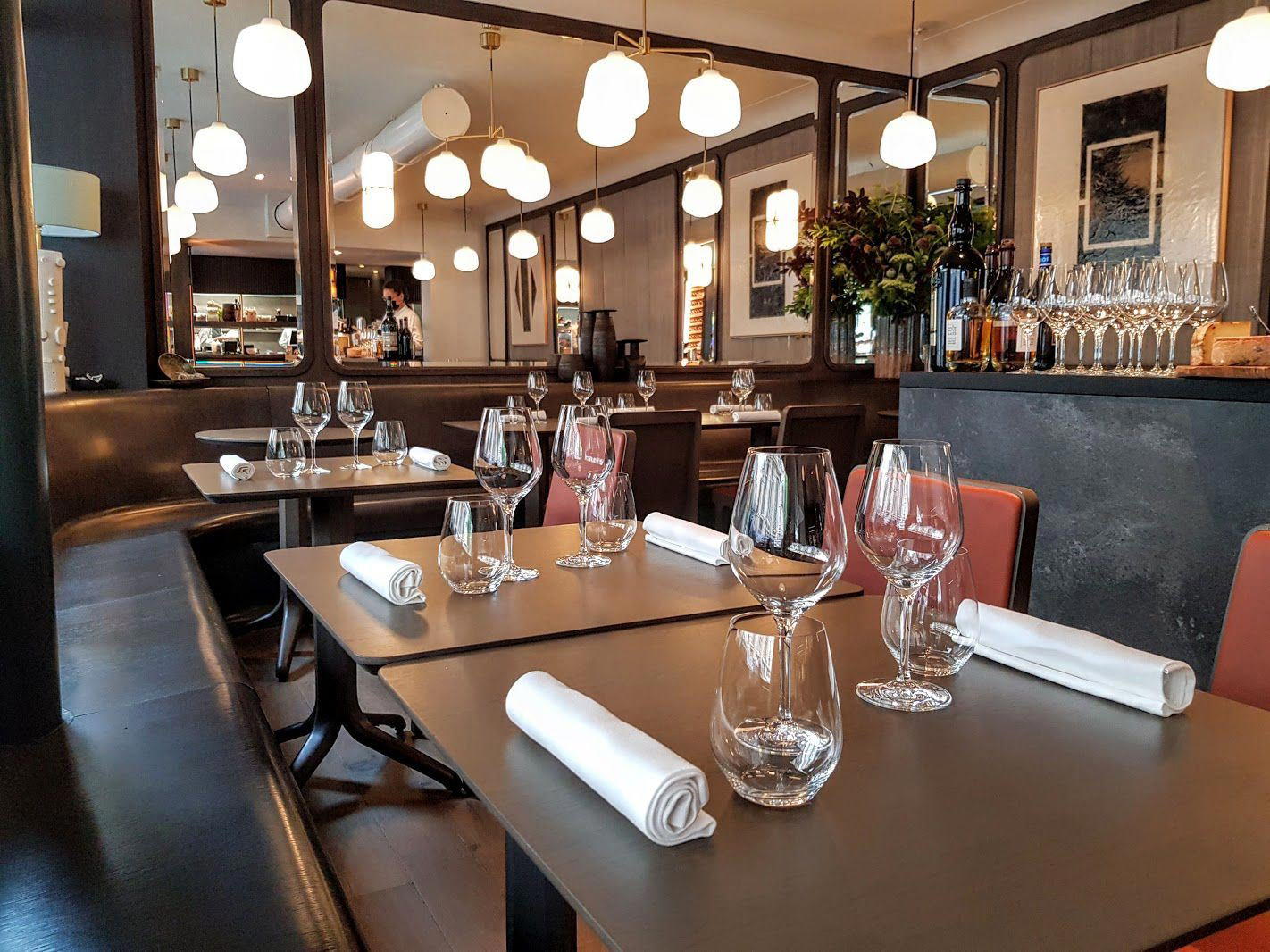
The 8th Arrondissement and Where Cèna Fits
Paris's 8th arrondissement carries more fine-dining density per square kilometre than almost any district in Europe. The stretch running from the Champs-Élysées toward Parc Monceau encompasses a tier of restaurants that price against each other and compete on the same small pool of well-travelled diners: Le Cinq at the Four Seasons Hôtel George V, Alléno Paris au Pavillon Ledoyen, and a handful of others that have defined the neighbourhood's culinary identity for decades. Rue Treilhard, where Cèna is addressed at number 23, sits on the quieter residential edge of this corridor, away from the boulevard theatre and closer to the discreet register that characterises the 8th's more considered dining rooms.
That positioning matters. In a district where grand hotel dining rooms set the visual tempo, a standalone address on a side street signals a different kind of ambition: one less concerned with spectacle and more invested in the details of the room itself, the pacing of service, and the relationship between the components of a meal.
Reading the Room
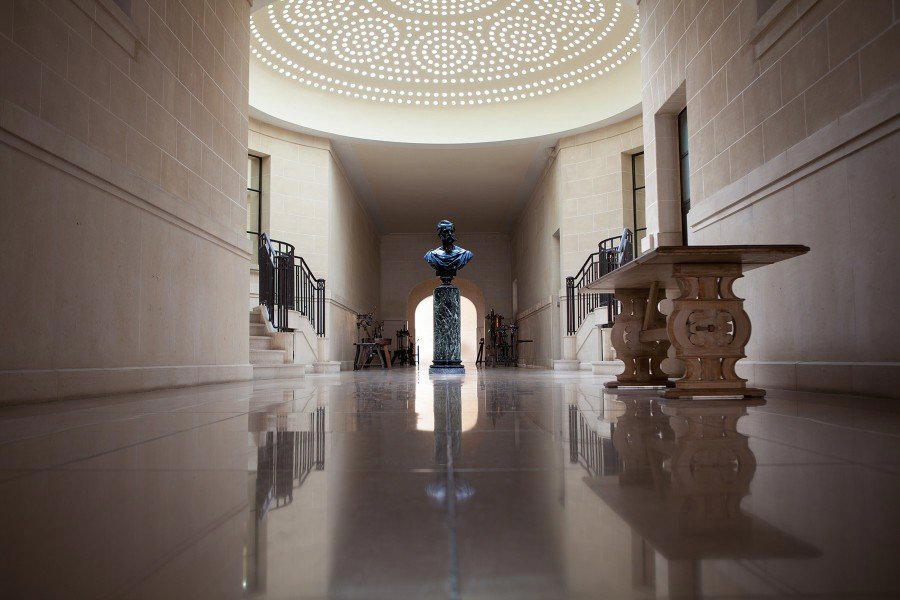
Entering a French fine-dining room of this type, the first thing that orients you is proportion. Paris's premier dining rooms tend toward one of two architectural registers: the high-ceilinged, chandelier-heavy grandeur of the palace hotel tradition, or the quieter, more intimate scale of a converted townhouse or bourgeois apartment. The latter format has gained ground in recent years as the city's serious-eating audience has grown less interested in rooms that ask to be photographed and more interested in rooms that sustain a three-hour meal without fatigue. Cèna's address on a residential Haussmann-era street places it plausibly within that second register, though the specifics of the interior are best confirmed at the time of booking.
What this neighbourhood context does establish is a tone. The 8th's residential streets north of the Parc de Monceau axis attract a clientele that knows fine dining well enough to notice when service falters or when a room tries too hard. That pressure tends to produce either polished hospitality or, in less disciplined kitchens, a kind of studied neutrality that mistakes restraint for engagement.
Team Dynamics in the French Fine-Dining Model
The French fine-dining tradition has long structured itself around the interplay of three professional disciplines: the kitchen brigade, the sommelier corps, and the salle. Where many international markets treat the sommelier as a secondary figure, Paris's leading addresses have historically treated wine service as co-equal to the kitchen, with some houses making the sommelier's choices the formal anchor of the meal. The same logic applies to front-of-house: at this level, the maître d' and their team are not facilitators but interpreters, translating the kitchen's intentions through timing, sequence, and the small calibrations of hospitality that determine whether a meal reads as warm or merely correct.
This collaborative model, where chef, sommelier, and salle function as a single integrated team rather than as separate departments, is what separates the 8th's upper tier from technically accomplished but less cohesive addresses. Restaurants like Arpège and L'Ambroisie have sustained their reputations across decades partly because that three-way coordination has remained consistent even as the broader dining market has shifted. A newer address on Rue Treilhard earns its place in this conversation by demonstrating the same discipline, and Paris's informed dining audience is quick to identify where the seams show.
Contemporary French dining has also absorbed influences from outside the classical tradition. Kei, for instance, applies Japanese precision to French structure with results that have been recognised at Michelin level. The conversation between French technique and external culinary traditions is no longer confined to fusion experiments; it is now part of how serious Paris kitchens think about both menu architecture and service choreography.
France's Wider Fine-Dining Geography
Understanding where a Paris address sits also requires placing it against France's broader fine-dining geography, which distributes its weight more evenly across the country than almost any comparable food culture. The restaurants that have defined French cuisine's international reputation include addresses well outside the capital: Mirazur in Menton, which has held a position at the apex of international rankings; Troisgros in Ouches, a multi-generational house with a sustained Michelin three-star record; Bras in Laguiole, which built a reputation on terroir-driven cooking long before that term became ubiquitous; and Flocons de Sel in Megève, which operates at altitude with a distinctly alpine sensibility. Provincial addresses like Auberge de l'Ill in Illhaeusern, Les Prés d'Eugénie in Eugénie-les-Bains, Georges Blanc in Vonnas, Auberge du Vieux Puits in Fontjoncouse, and La Table du Castellet represent the breadth of serious French cooking beyond the capital. Even Paul Bocuse's Auberge du Pont de Collonges continues to operate as a reference point for how a house can carry culinary history without becoming a museum.
A Paris address competes in a different register, shaped by higher operating costs, a denser comparable set, and an audience that includes both international visitors and a local fine-dining public with long institutional memory. For context on how French cuisine's ambitions have travelled internationally, Le Bernardin in New York remains the clearest example of French fine-dining discipline transplanted and sustained abroad, while Lazy Bear in San Francisco shows how collaborative, team-driven formats have developed differently in the American context.
Planning Your Visit
Cèna is located at 23 Rue Treilhard, 75008 Paris. The address is in the 8th arrondissement, within walking distance of the Miromesnil and Saint-Augustin Métro stations on lines 9 and 3 respectively. Given the address is on a quieter residential street rather than a major boulevard, arriving on foot or by taxi is the more practical approach; street parking in the 8th is limited and metered.
How It Stacks Up
Comparable venues nearby, for context on price, style, and recognition.
| Venue | Cuisine | Price | Notes |
|---|---|---|---|
| CènaThis venue — the venue you are viewing | Modern French Bistro | $$$$ | Not listed |
| Victoria 1836 | Modern French Brasserie | $$$$ | 16th Arrondissement |
| Sphère | Modern French Gastronomy with Japanese Influences | $$$$ | 8ème arrondissement |
| L'Avenue | Modern French Brasserie | $$$$ | Élysée |
| L'Aventure | Modern French with Japanese influences | $$$$ | 16th arrondissement |
| Atelier Carnem | French Steakhouse | $$$$ | Quartier Latin |
Continue exploring
More in Paris
Restaurants in Paris
Browse all →

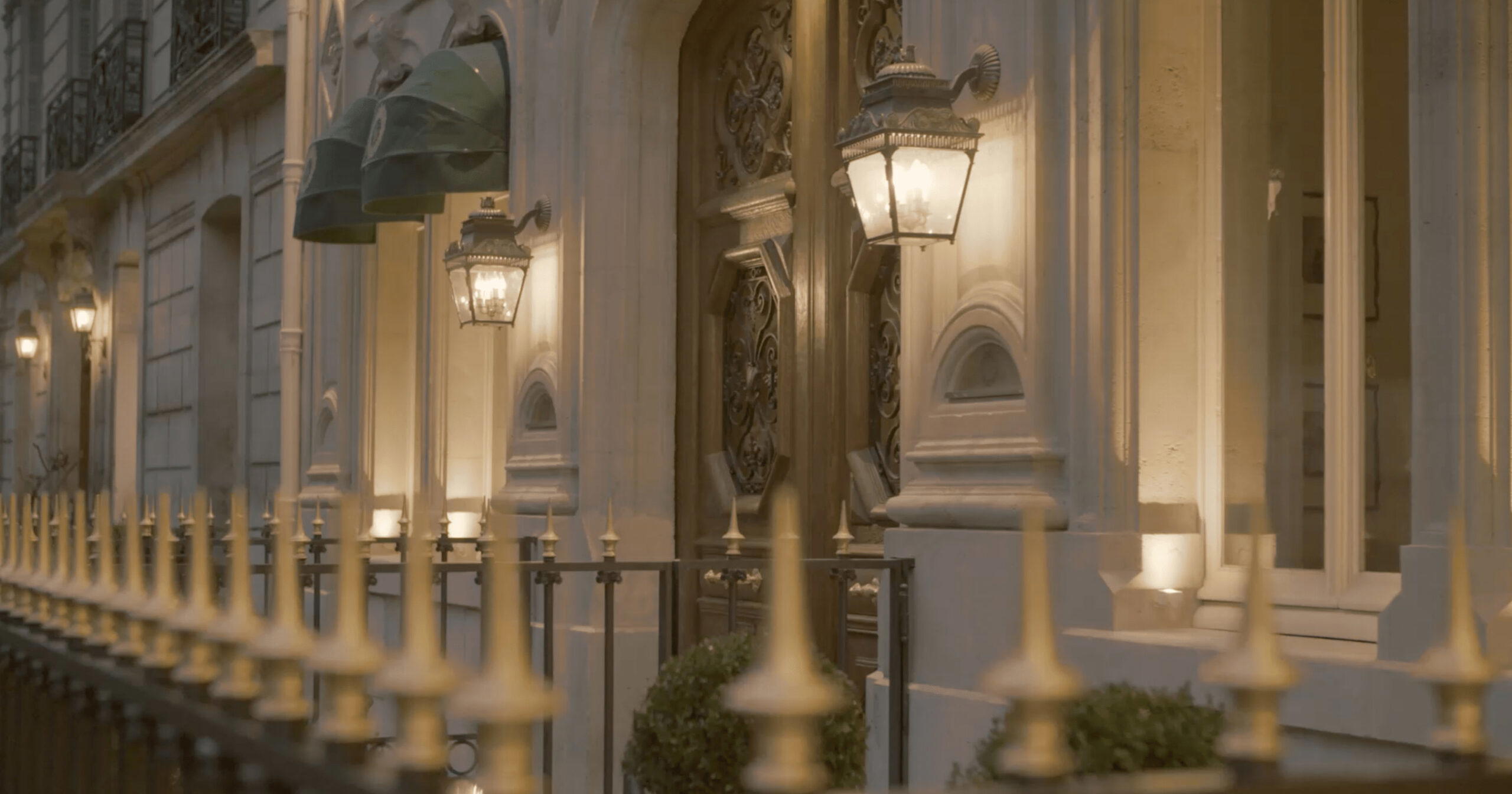
Bars in Paris
Browse all →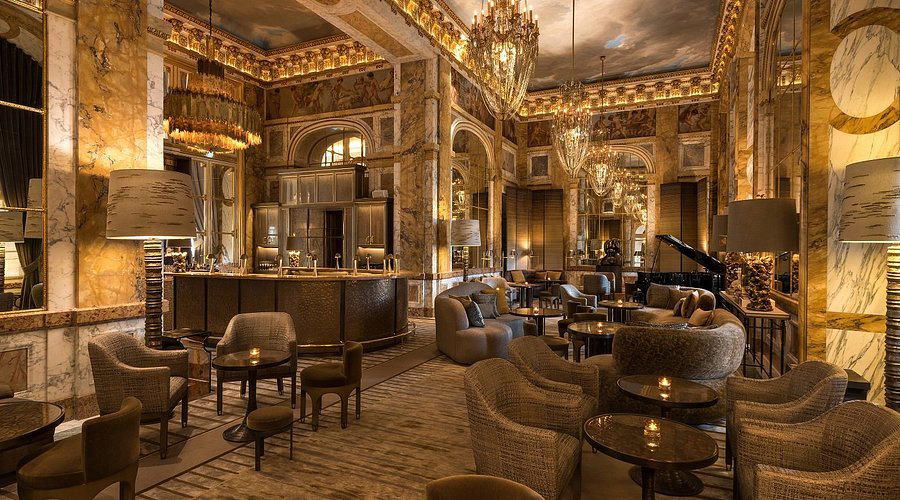
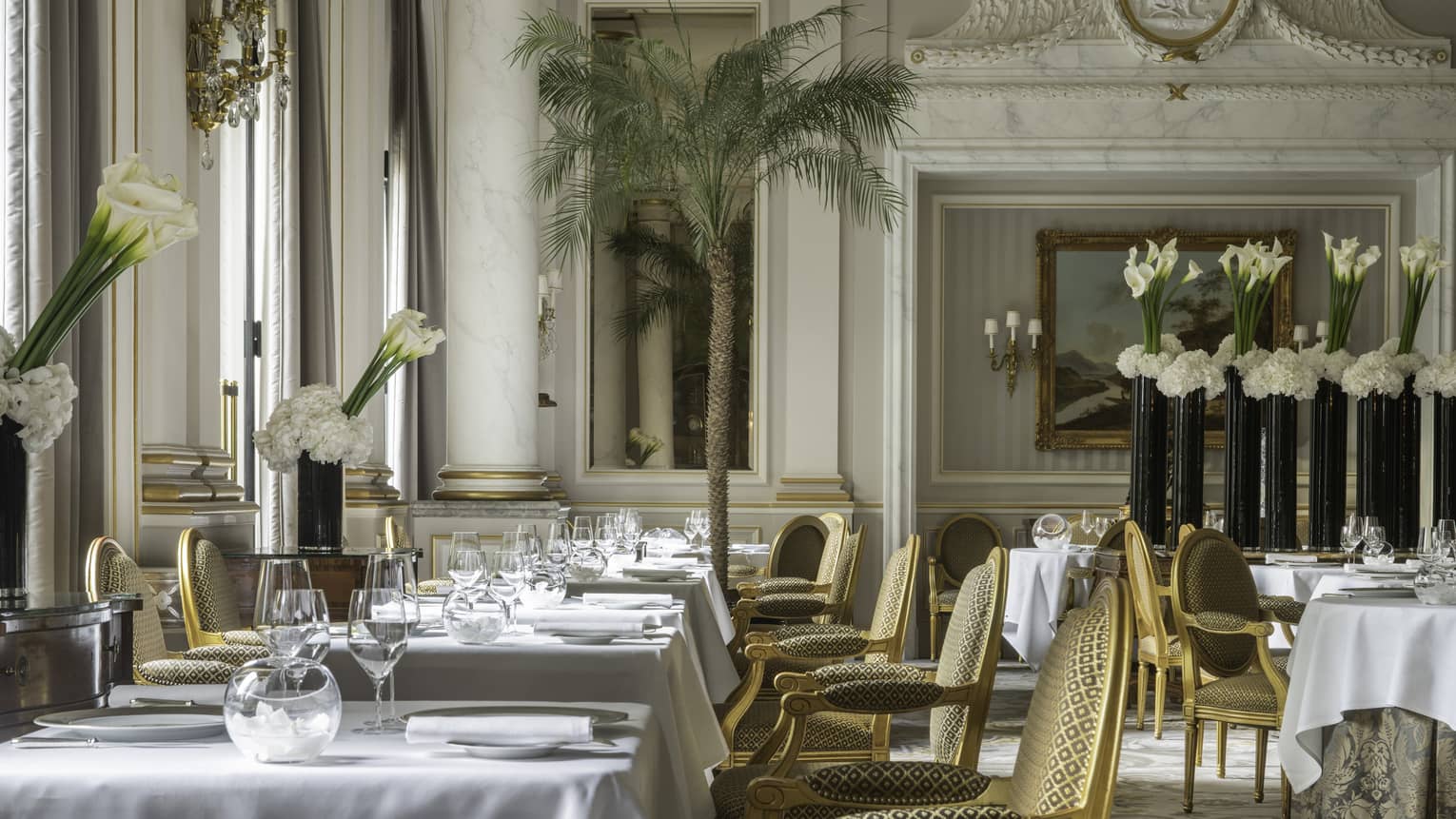
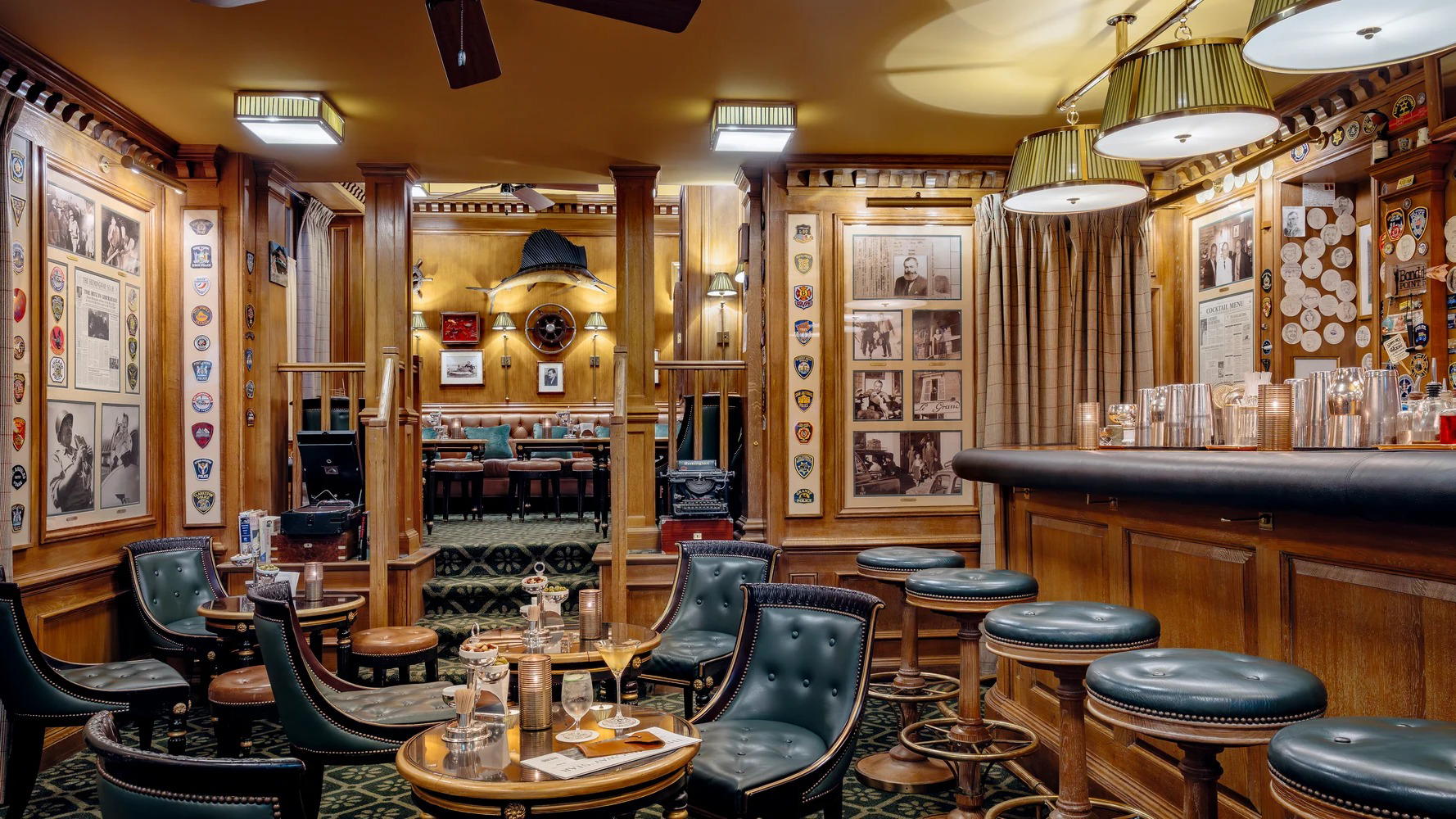
Hotels in Paris
Browse all →

At a Glance
- Elegant
- Modern
- Intimate
- Minimalist
- Date Night
- Business Dinner
- Special Occasion
- Open Kitchen
Current opening hours
- Monday
- 12–2 PM
- Tuesday
- 12–2 PM, 7:30–10 PM
- Wednesday
- 12–2 PM, 7:30–10 PM
- Thursday
- 12–2 PM, 7:30–10 PM
- Friday
- 12–2 PM
- Saturday
- Closed
- Sunday
- Closed
Hours can change for holidays and private events. Last verified .
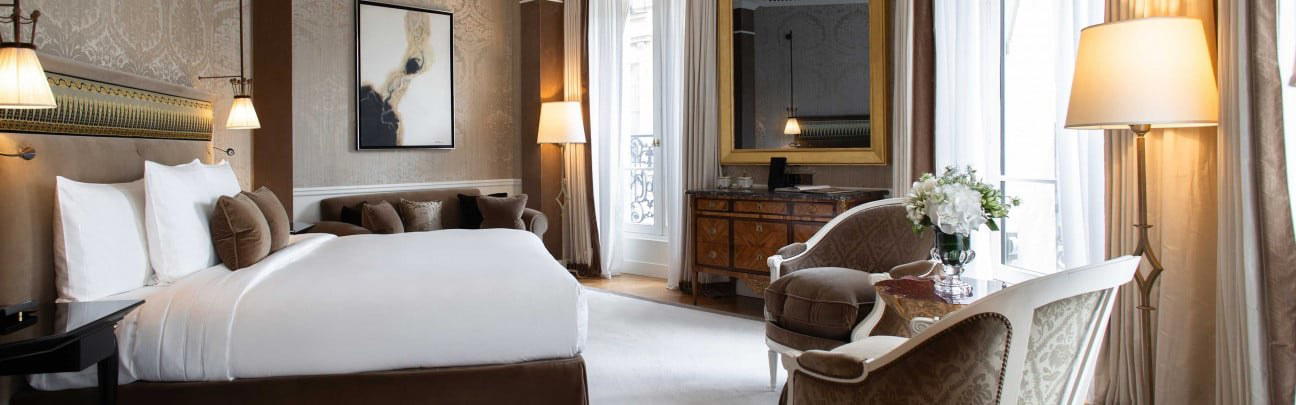
Meticulously decorated interior with leather banquettes, mirrors, and wood in a minimalist style; terrace hints at romantic interludes.