Fritz Reuter Stuben occupies a side street in Rostock's western residential quarters, placing it at some remove from the tourist-facing harbour district. Rostock's dining scene has historically been overshadowed by Hamburg and Berlin, making venues with genuine neighbourhood roots worth tracking. Fritz Reuter Stuben sits in that local category, drawing residents rather than passing visitors.
Pearl is the En Primeur Club membership app — saves, bookings, and concierge access live there. Same editors, same standards.
- Address
- Fritz-Reuter-Straße 17, 18057 Rostock, Germany
- Phone
- +493812003888
- Website
- fritzreuterstuben-rostock.de
- Directions
- Get directions
 Saves & bookings on Pearl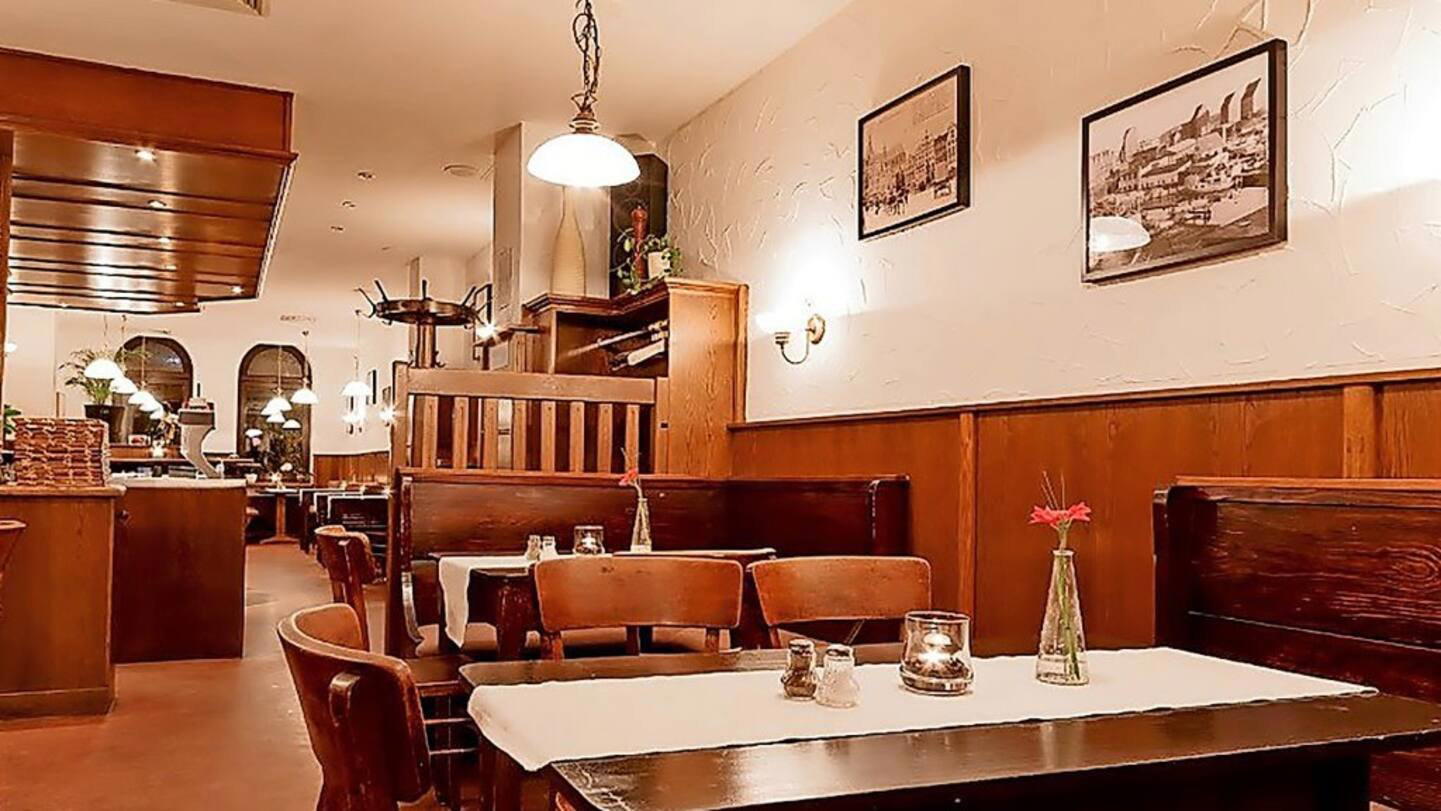
A Street Address That Tells You Something
Fritz-Reuter-Straße runs through one of Rostock's quieter residential areas, west of the Altstadt and well outside the Kröpeliner Straße pedestrian axis that most visitors use to orient themselves. The name references Fritz Reuter, the nineteenth-century Low German dialect writer whose work is closely tied to Mecklenburg-Vorpommern's literary identity, a detail that signals something about the neighbourhood's character before you have even found the door. Streets named after regional cultural figures in German cities tend to sit in older, settled residential fabric rather than commercial or tourist corridors, and this one is no exception. Arriving here, you are already in a different register than the waterfront restaurants clustered around the Stadthafen.
That geographic positioning matters because Rostock's dining scene divides fairly sharply between venues oriented toward the city's considerable summer tourist traffic and those sustained by a local, repeat-customer base. Fritz Reuter Stuben, by virtue of its address alone, places itself in the latter camp. Venues that depend on neighbourhood loyalty rather than footfall tend to operate with a different set of priorities: consistency over novelty, familiarity over spectacle.
Rostock's Position in the Northern German Dining Map
Mecklenburg-Vorpommern is not a region that generates significant fine-dining coverage by German food media. The state's restaurant conversation is dominated by seasonal fish houses along the Baltic coast and the handful of hotel restaurants in larger spa towns. Against that backdrop, Rostock functions as the region's urban dining anchor, and its serious dining options remain limited relative to comparable-sized cities further west or south. For context, the closest reference points for ambitious German regional cooking at the highest tier sit considerably further afield: Gourmet-Restaurant Der Butt represents Rostock's most formally recognised modern cuisine entry, while the full range of Germany's three-Michelin-star operators, from Schwarzwaldstube in Baiersbronn to Aqua in Wolfsburg and Vendôme in Bergisch Gladbach, operates in a separate geography entirely.
That gap is not a criticism of Rostock; it is simply an accurate description of where the city sits in the national dining hierarchy. Knowing that hierarchy helps a visitor calibrate what to expect from a neighbourhood restaurant on a residential street in the western part of the city. This is not a destination for the kind of experience that brings guests in from Hamburg or Berlin. It is a venue that serves its surrounding area, and on those terms it is worth understanding on its own conditions rather than measured against a frame it was never designed to fit.
The Neighbourhood Dining Category in German Cities
German cities support a category of restaurant that has no precise English equivalent: the Stammlokal-adjacent dining room that sits between a traditional Gaststätte and a modern bistro without fully committing to either. These are places where the regulars know the staff by name, where the menu changes with some seasonal logic but rarely with dramatic reinvention, and where the physical space reflects decades of incremental decisions rather than a single design concept. They tend to be more interesting to eat in than either a heritage-frozen Gaststätte or a trend-chasing modern restaurant, precisely because they carry actual local use.
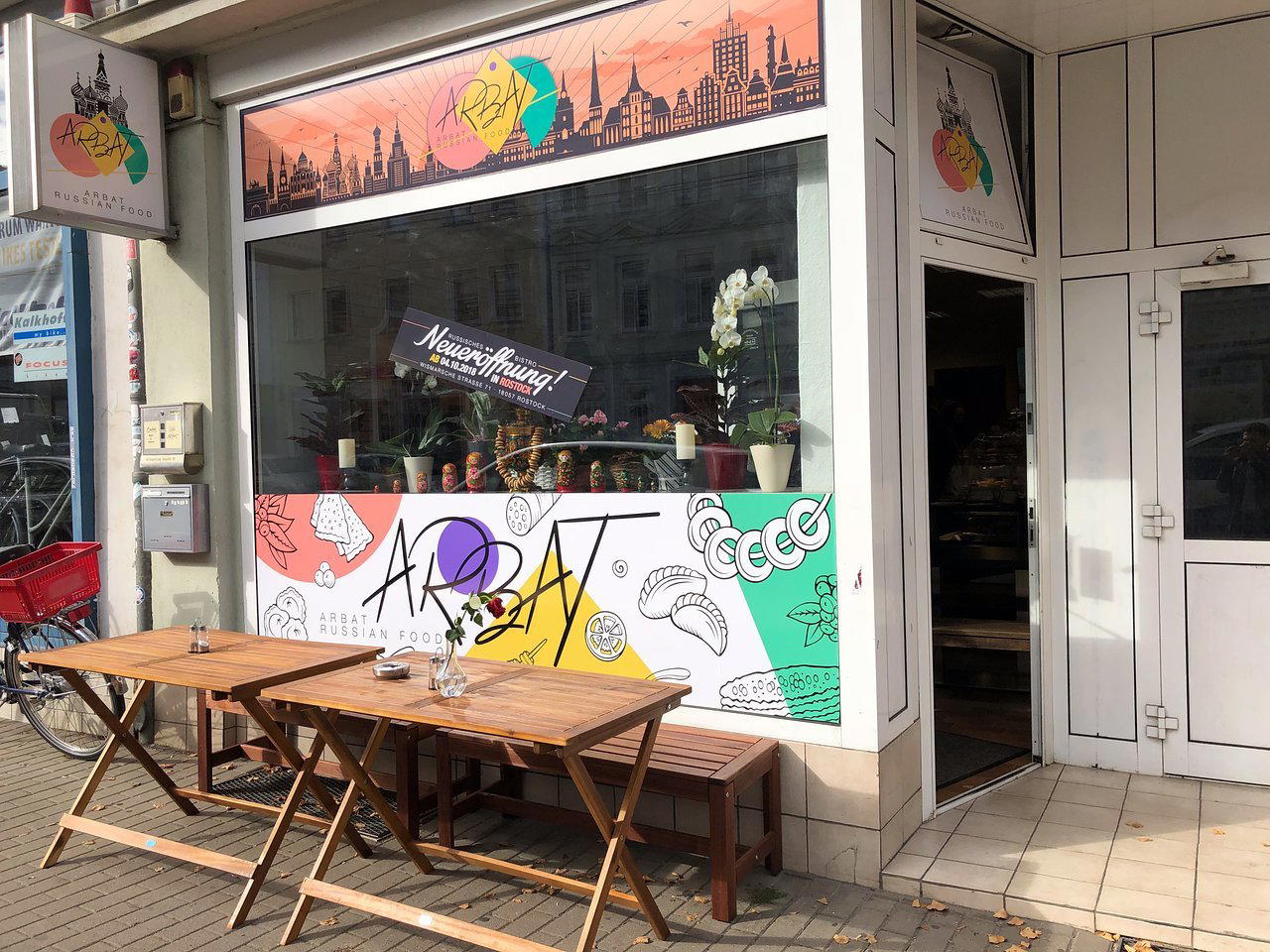
Rostock has a small cluster of venues worth knowing in this middle register. Café A Rebours and Café Arbat represent the café end of that spectrum, while Craftbar Rostock and Küche des Friedens occupy more contemporary positions. Fritz Reuter Stuben, from its address and name, reads as the more traditional end of this informal neighbourhood category.
Reading the Name
"Stuben" in German carries a specific domestic register. It refers to a room in a house, a sitting room or parlour, rather than a formal dining hall or a restaurant in the modern commercial sense. The word appears frequently in the names of Central and Northern European restaurants that want to signal warmth and informality: Weinstube, Gastsube, Bürgerstube. Pairing it with "Fritz Reuter" places the name in explicitly regional territory, invoking the Mecklenburg writer as a kind of cultural shorthand for local rootedness. Whether or not the interior delivers on that implied atmosphere is a separate question, but the naming decision itself communicates intent: this is a place that presents itself as belonging to its neighbourhood and its region.
That kind of naming operates differently in a port city with significant post-reunification development pressure than it would in a smaller market town. Rostock's western residential quarters have retained more of their pre-1990 urban character than the heavily renovated Altstadt, which means a venue here can credibly claim a form of continuity that would be harder to sustain in a more thoroughly gentrified district.
Where Fritz Reuter Stuben Sits Relative to Visiting Priorities
For visitors coming to Rostock primarily for the Stadthafen, the university architecture, or access to the nearby Warnemünde beach resort, Fritz Reuter Stuben requires a deliberate detour rather than a convenient stop. That is not unusual for neighbourhood restaurants in any German city; the venues that serve local residents rarely align with tourist itineraries, and the expectation should be adjusted accordingly. Getting there on foot from the Altstadt takes approximately fifteen to twenty minutes depending on your starting point, and the surrounding streets offer little in the way of pre- or post-dinner entertainment.
The Hamburg comparison is worth noting briefly: visitors who arrive in Rostock after spending time at Restaurant Haerlin in Hamburg are operating in a different price tier and expectation bracket entirely. Rostock's neighbourhood restaurants, including this one, address a different reader. The relevant frame is the city's own dining ecology, not the northern German fine-dining circuit.
Planning a Visit
The restaurant is located at Fritz-Reuter-Straße 17, 18057 Rostock. Given the residential address, contacting the venue directly before visiting is advisable, particularly outside the summer season when opening hours can be irregular. The surrounding neighbourhood has limited parking demand relative to the city centre, which makes arrival by car easier than at waterfront locations. Public transport from the Hauptbahnhof serves the western residential districts, though the specific walk from the nearest stop will depend on the route taken.
The Minimal Set
Comparable venues nearby, for context on price, style, and recognition.
| Venue | Cuisine | Price | Notes |
|---|---|---|---|
| Fritz Reuter StubenThis venue — the venue you are viewing | Not listed | $$ | Not listed |
| Restaurant CarLo615 | Not listed | $$ | Mitte, German Fusion with Mediterranean Influences |
| Restaurant Käthe | Not listed | $$ | Kröpeliner-Tor-Vorstadt, German & International |
| Café Arbat | Not listed | $$ | :null, Traditional Russian Bistro |
| StromGold Warnemünde | Warnemünde, Baltic Seafood | $$ | Not listed |
| Marktkrug Inh. Barbara Schmidt | Mitte, Traditional German Gastropub | $$ | Not listed |
At a Glance
- Cozy
- Rustic
- Classic
- Historic
- Casual Hangout
- After Work
- Historic Building
- Beer Program
- Local Sourcing
Current opening hours
- Monday
- Closed
- Tuesday
- 5–10 PM
- Wednesday
- 5–10 PM
- Thursday
- 5–10 PM
- Friday
- 5–10 PM
- Saturday
- 5–10 PM
- Sunday
- Closed
Hours can change for holidays and private events. Last verified .
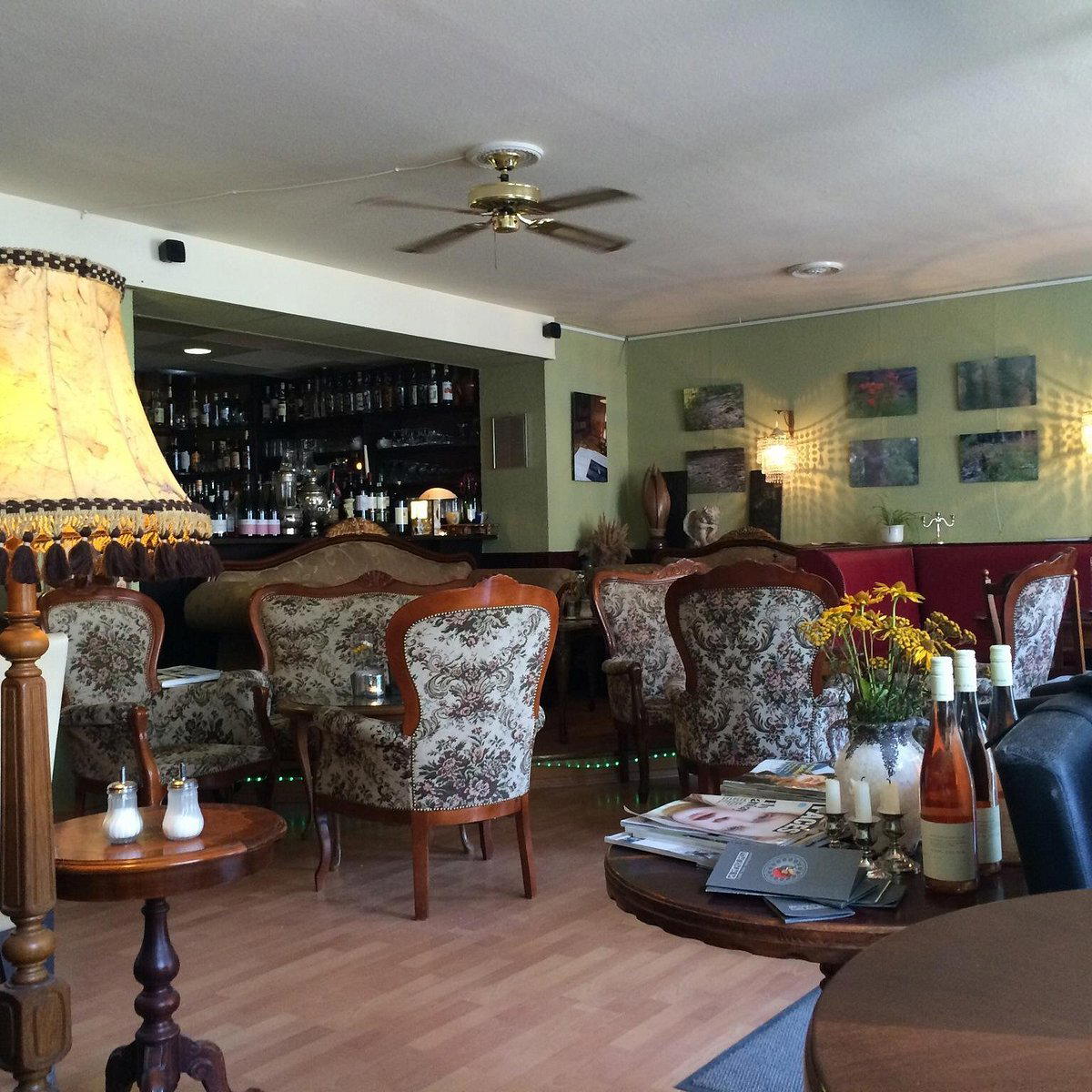
Warm and cozy with lots of wood and candlelight, inviting lingering in a traditional pub atmosphere.