Café Arbat sits on Bergstraße in central Rostock, occupying a corner of the city's café scene with roots that suggest Eastern European influence. Visitors looking for a relaxed stop in the city centre will find it at Bergstraße 1.
Pearl is the En Primeur Club membership app — saves, bookings, and concierge access live there. Same editors, same standards.
- Address
- Bergstraße 1, 18057 Rostock, Germany
- Phone
- +4938137139079
- Website
- arbat-rostock.de
- Directions
- Get directions
 Saves & bookings on Pearl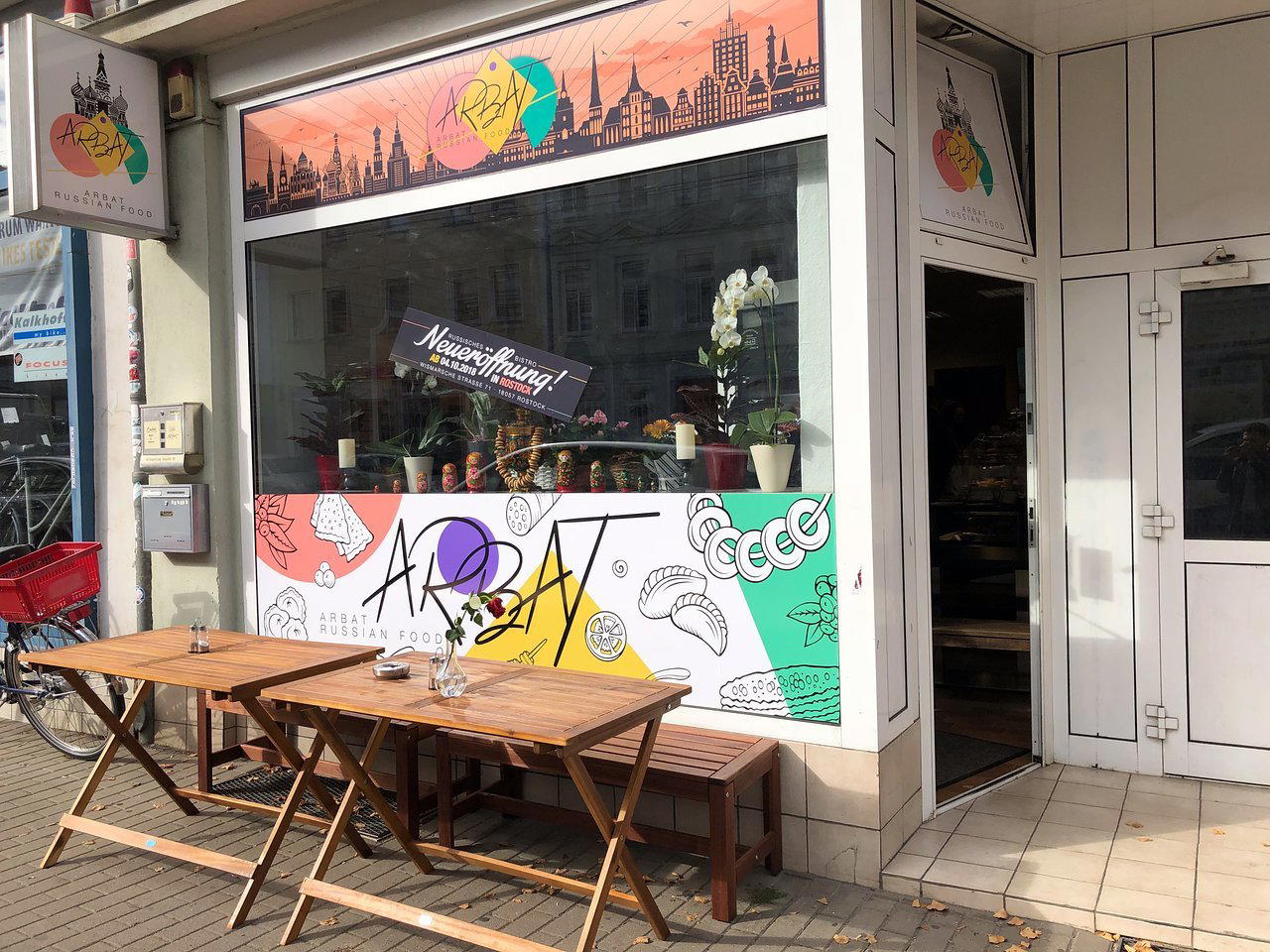
Where Rostock's Café Culture Meets an Eastern European Thread
Bergstraße cuts through central Rostock with the unhurried quality of a street that has survived considerable reinvention. The city rebuilt itself after wartime damage and then navigated decades of GDR urban planning before re-emerging as a port city with a café culture of its own. On that street, at number one, Café Arbat occupies a position that immediately signals something different from the Baltic seafood and modern German cooking that dominates Rostock's more prominent dining narrative. The name alone carries weight: Arbat, borrowed from one of Moscow's oldest pedestrian streets, is a reference that places this café inside a long tradition of Russian and Eastern European café culture transplanted westward.
That tradition has deep roots. Across Central and Eastern Europe, the café was never simply a place to drink coffee. It was a social institution, a reading room, a meeting point, a place where hours could pass without obligation. That format travelled with emigrants and cultural exchange throughout the twentieth century, landing in port cities like Rostock where cross-border connections were part of daily life. A café operating under the Arbat name in a German port city is not an accident of branding. It positions itself within a specific cultural lineage, one that values lingering over transaction.
Rostock's Independent Café Tier
To understand where Café Arbat sits in Rostock's dining map, it helps to look at the city's broader café and restaurant structure. Rostock operates on a clear split between its higher-end dining venues and its neighbourhood-scale independents. At the formal end, Gourmet-Restaurant Der Butt represents modern cuisine at its most ambitious in this city, benchmarked against peers like Schwarzwaldstube in Baiersbronn or Aqua in Wolfsburg rather than the neighbourhood café tier. Further down the scale, venues like Café A Rebours and Craftbar Rostock represent the city's independent, character-driven middle ground, places that build identity through consistency and setting rather than tasting menus and timed sittings.
Café Arbat belongs to that independent middle tier. It does not compete with the formal dining rooms that draw serious food travellers to Rostock, nor does it try to. The competitive set here is the city's daily-use café and light-dining scene: places where Rostock residents return not because a reservation is required but because the rhythm is right.
The Cultural Logic of Eastern European Café Traditions
Eastern European café culture operates on different assumptions from the Nordic or Western European models. Where a Scandinavian café optimises for efficiency and the Berlin café tilts toward creative community, the Russian and Soviet-era café tradition placed emphasis on the long sit, the unhurried conversation, and the presence of food as company to drink rather than as the primary commercial purpose. Pastries, small plates, and tea sat alongside coffee; the menu was secondary to the environment.
Port cities have always been natural landing points for these transplanted traditions. Rostock's history as a trading port, and its particular position during the GDR period as one of East Germany's primary maritime gateways, created long-standing connections eastward. A café name like Arbat, in this city, is less a novelty than a nod to a relationship that shaped the city for decades. That context doesn't tell you exactly what's on the menu at Bergstraße 1, but it frames the register of the experience: this is not a venue performing Eastern European identity for tourists. It is a café operating within a tradition that has genuine local resonance in Rostock.
Germany's broader café scene has seen independent venues with cultural specificity hold their ground against the international chain formats that have eroded independent café culture in many Western cities. In that respect, a café with a defined cultural orientation, whether it derives from Viennese coffeehouse tradition, Italian bar culture, or the Russian Arbat lineage, tends to develop a more loyal local following than a generalist competitor. The specificity itself becomes a form of trust signal.
Planning a Visit to Café Arbat
The restaurant sits at Bergstraße 1, 18057 Rostock, in the city's central district. The address places it within walking distance of Rostock's main pedestrian zone and the university quarter, areas that sustain café culture through the academic year and into the summer tourist season, when the city's population expands significantly around the nearby Baltic coast. For those spending time in Rostock across a longer trip, it functions as a daytime stop rather than a destination in its own right, leading folded into a broader exploration of the city's independent food and drink scene alongside venues like Fritz Reuter Stuben and Küche des Friedens.
Current hours are Mon: Closed; Tue: 4–10 PM; Wed: 4–10 PM; Thu: 11 AM–10 PM; Fri: 11 AM–10 PM; Sat: 12:30–10 PM; Sun: 12:30–10 PM. The restaurant is walk-in friendly.
Budget Reality Check
Comparable venues nearby, for context on price, style, and recognition.
| Venue | Cuisine | Price | Notes |
|---|---|---|---|
| Café ArbatThis venue — the venue you are viewing | Not listed | $$ | Not listed |
| Café A Rebours | Rostock City Center, Mediterranean Café | $$ | Not listed |
| StromGold Warnemünde | Warnemünde, Baltic Seafood | $$ | Not listed |
| Craftbar Rostock | International Bar Cuisine | $$ | Not listed |
| Küche des Friedens | KTV, Vegan German Fast Food | $ | Not listed |
| Restaurant Käthe | Not listed | $$ | Kröpeliner-Tor-Vorstadt, German & International |
At a Glance
- Cozy
- Rustic
- Classic
- Casual Hangout
- Family
- Standalone
- Beer Program
Current opening hours
- Monday
- Closed
- Tuesday
- 4–10 PM
- Wednesday
- 4–10 PM
- Thursday
- 11 AM–10 PM
- Friday
- 11 AM–10 PM
- Saturday
- 12:30–10 PM
- Sunday
- 12:30–10 PM
Hours can change for holidays and private events. Last verified .
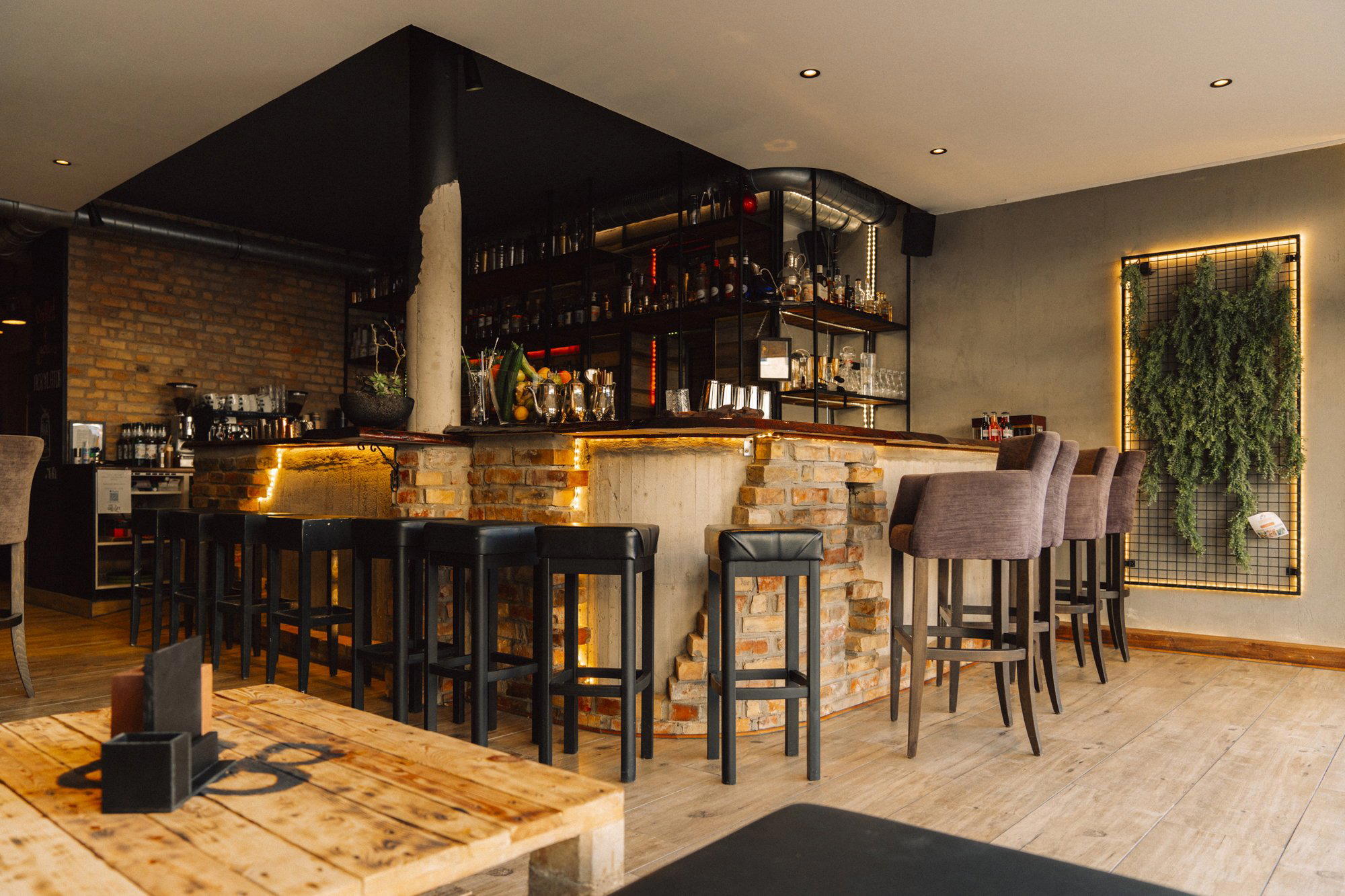
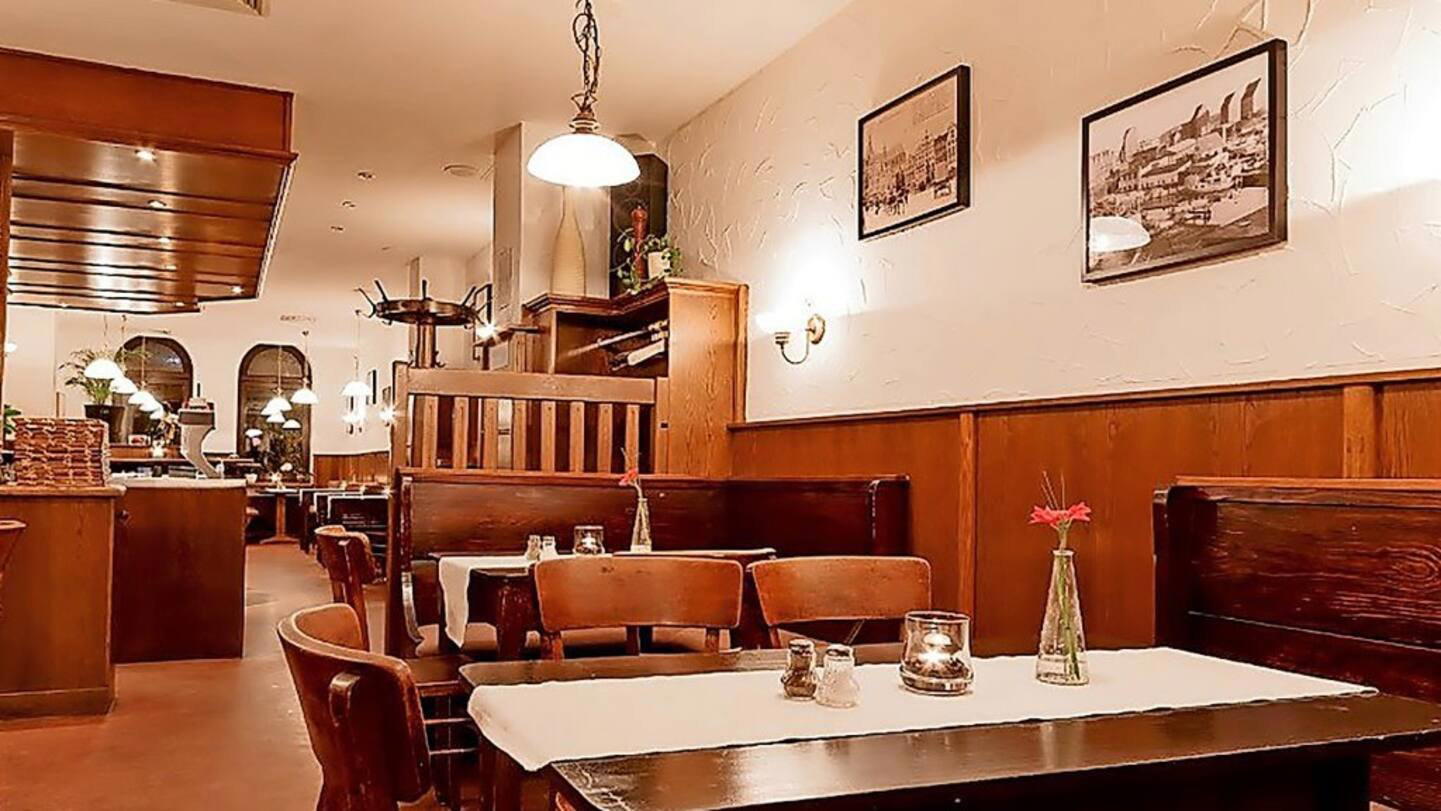
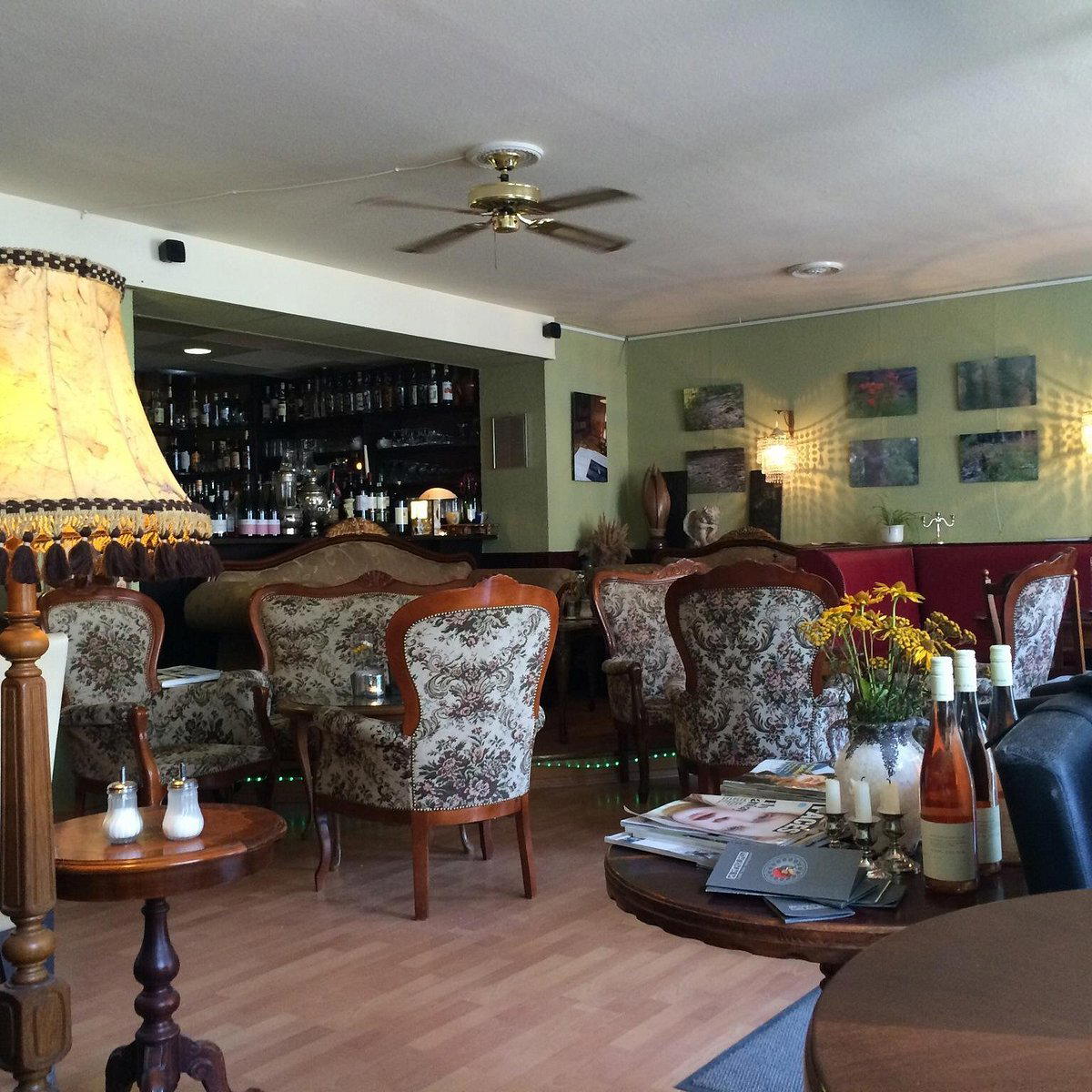
Laid-back and unpretentious with cozy, relaxed atmosphere.