Marktkrug Inh. Barbara Schmidt on Ulmenstraße sits within Rostock's everyday dining circuit, where neighbourhood establishments carry the tradition of straightforward North German cooking. With sparse public data on the record, this address is best approached as a local fixture rather than a destination venue, the kind of place Rostock residents return to without ceremony, and visitors discover through proximity rather than planning.
 Discover on Pearl
Pearl is the En Primeur Club membership app — saves, bookings, and concierge access live there. Same editors, same standards.
- Address
- Ulmenstraße 18, 18057 Rostock, Germany
- Phone
- +493814997813
- Website
- speisekartenweb.de
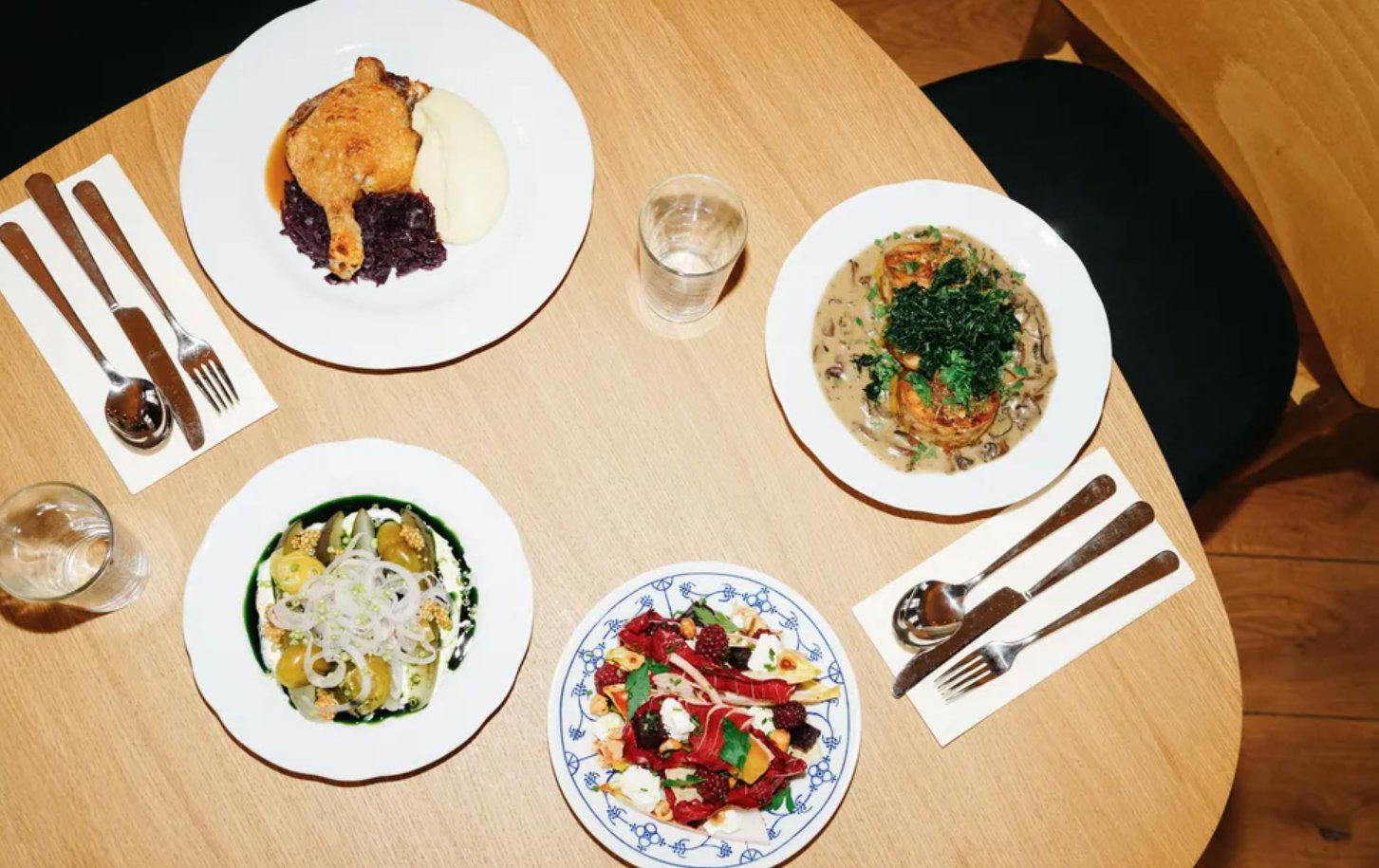
Rostock's Neighbourhood Dining Character and Where Marktkrug Fits
Marktkrug Inh. Barbara Schmidt is a traditional German gastropub in Rostock, Germany, at Ulmenstraße 18, with a 4.8 Google rating and a mid-range price tier. Rostock's restaurant scene divides more sharply than visitors often expect. On one side sits a small tier of destination kitchens: Gourmet-Restaurant Der Butt operates at the formal end of the city's dining spectrum, applying Modern Cuisine technique to Baltic ingredients in a way that pulls bookings from beyond the region. On the other side, and far more representative of how Rostockers actually eat on weekday evenings, is a denser layer of neighbourhood establishments that work without press attention, without awards profiles, and without the machinery of reservation platforms. Marktkrug Inh. Barbara Schmidt, at Ulmenstraße 18 in the 18057 postal district, belongs to that second tier. It is the kind of address that functions as a local anchor rather than a destination, and understanding it requires understanding the neighbourhood dining tradition it operates within.
Ulmenstraße sits in a residential-commercial corridor west of the old town, removed from the harbour-facing concentration of tourist-facing restaurants. North German neighbourhood dining in this register has a recognisable grammar: portions calibrated to appetite rather than presentation, a menu range that does not pivot seasonally for its own sake, and a relationship between regulars and the house that prefers familiarity to novelty. The name above the door, Inh. Barbara Schmidt, meaning Inhaberin, owner, signals a sole-proprietor model that was once the dominant format for German Gaststätten and has grown increasingly rare as operating costs have compressed margins for independent operators across the country.
The Sourcing Logic Behind North German Neighbourhood Kitchens
The editorial angle that matters most for venues in this category is not what they cook but where the ingredients come from and what that sourcing logic implies about the food on the plate. North German cooking at the neighbourhood level has always drawn on a relatively short supply chain, not as a philosophical position, but as a practical consequence of geography. The Baltic and North Sea coasts sit close enough to Rostock that fish sourced the previous morning is a realistic baseline, not a marketing claim. Herring, flounder, and cod have anchored coastal German menus for centuries, and the surrounding agricultural belt in Mecklenburg-Vorpommern supplies root vegetables, pork, and game through distribution networks that favour shorter routes than those supplying urban centres further south.
This sourcing proximity is what separates a Rostock neighbourhood Gaststätte from its equivalents in, say, Berlin or Munich, where the same produce travels further and the connection between local agriculture and daily cooking is more attenuated. For comparison, the kitchen ambitions at venues like JAN in Munich or Schwarzwaldstube in Baiersbronn involve sourcing as a curated, documented component of the dining proposition, provenance stated on the menu, relationships with named producers highlighted. At the neighbourhood level in Rostock, that same sourcing proximity operates quietly, embedded in the food without being announced. The herring is local because the harbour is close, not because a purchasing team built a supplier relationship.
Germany's fine dining circuit, represented by addresses like Aqua in Wolfsburg, Vendôme in Bergisch Gladbach, or Victor's Fine Dining by Christian Bau in Perl, has developed a highly formalised sourcing language. The contrast with a Rostock Gaststätte like Marktkrug is not a hierarchy, it is a difference in what the kitchen is doing with the same geographical advantage. One tier documents and theatricalises the supply chain; the other absorbs it without comment.
Rostock's Broader Dining Context
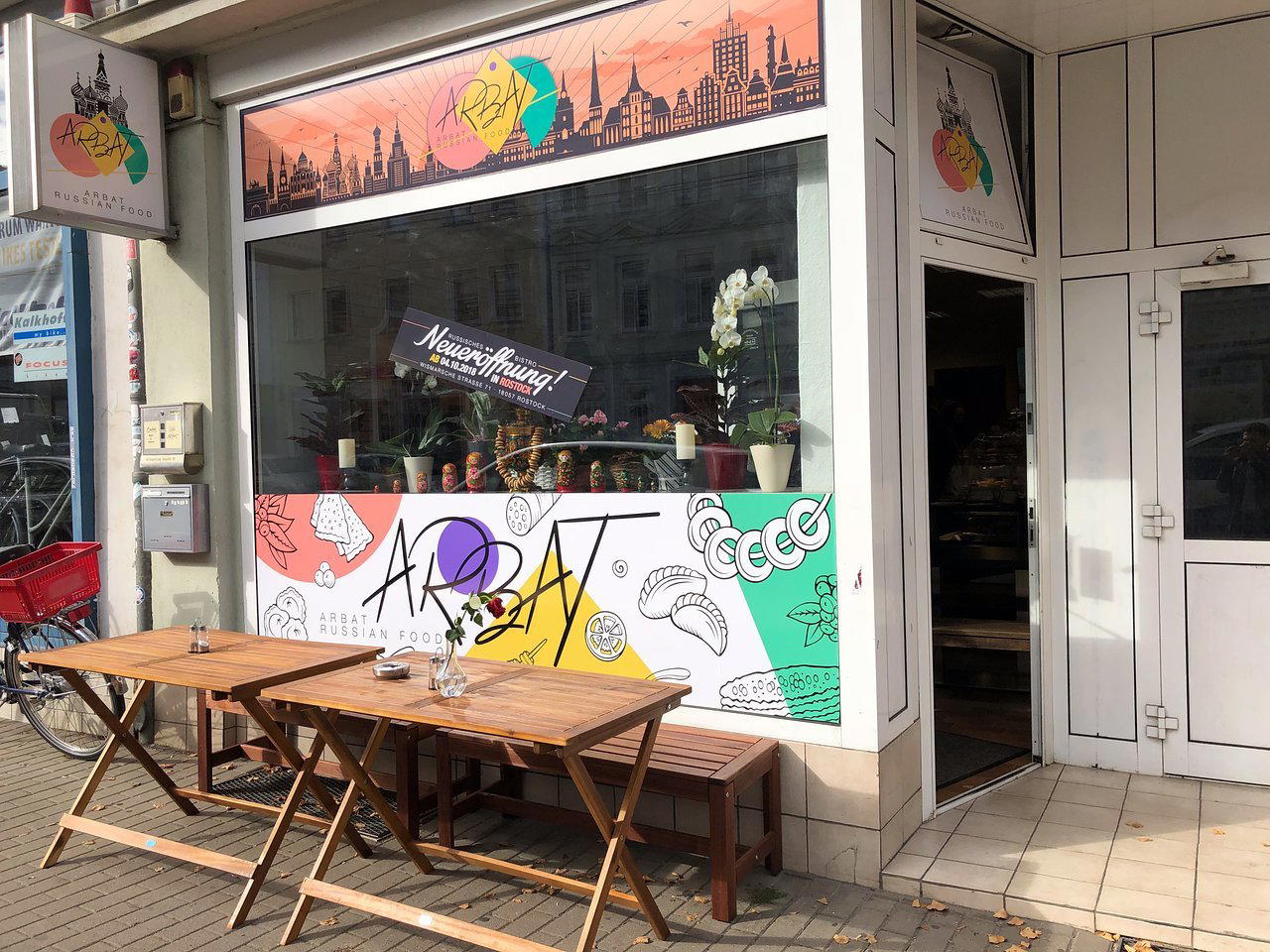
Visitors approaching Rostock from a food-interest perspective would do well to read the city's dining scene as a set of distinct registers rather than a single ranked list. Café A Rebours and Café Arbat operate within the city's café culture, which functions on different rhythms to the evening restaurant circuit. Craftbar Rostock represents a newer format, drinks-led, younger in demographic, that has gained ground in northern German cities over the past decade. Fritz Reuter Stuben carries a more traditional dining-room character. None of these venues sits in the same competitive tier as Marktkrug, and the comparison is not meant to rank them, it is to illustrate how varied Rostock's scene is at the mid-market and neighbourhood level, below the point where formal recognition enters the picture.
For a fuller reading of how these venues map against each other and what the city offers across price points and styles, Germany's decorated dining tier, for reference, extends from Baltic-adjacent addresses down to venues like Waldhotel Sonnora in Dreis, Schanz in Piesport, and ES:SENZ in Grassau, none of which share operational logic with a neighbourhood Gaststätte, but which define the upper pole of the German dining spectrum that venues at every level implicitly sit beneath. At the international level, technically demanding kitchens like Le Bernardin in New York City, Atomix in New York City, or CODA Dessert Dining in Berlin and Restaurant Haerlin in Hamburg operate in a register that shares nothing with the Gaststätte format except, occasionally, the same regional produce.
Planning a Visit
Marktkrug Inh. Barbara Schmidt is located at Ulmenstraße 18, 18057 Rostock. No website, phone number, or booking platform is listed for Marktkrug at Ulmenstraße 18 in Rostock. The practical implication is that visiting during off-peak hours on a weekday reduces uncertainty. Hours are Tue to Fri, 5 PM to 12 AM; closed Mon, Sat, and Sun.
Comparable Spots, Quickly
Comparable venues nearby, for context on price, style, and recognition.
| Venue | Cuisine | Price | Awards | Notes |
|---|---|---|---|---|
| Marktkrug Inh. Barbara SchmidtThis venue — the venue you are viewing | Traditional German Gastropub | $$ | , | |
| Craftbar Rostock | International Bar Cuisine | $$ | , | Rostock |
| Fritz Reuter Stuben | Traditional North German | $$ | , | Kröpeliner-Tor-Vorstadt |
| Restaurant CarLo615 | German Fusion with Mediterranean Influences | $$ | , | Mitte |
| Restaurant Käthe | German & International | $$ | , | Kröpeliner-Tor-Vorstadt |
| Küche des Friedens | Vegan German Fast Food | $ | , | KTV |
Continue exploring
More in Rostock
Restaurants in Rostock
Browse all →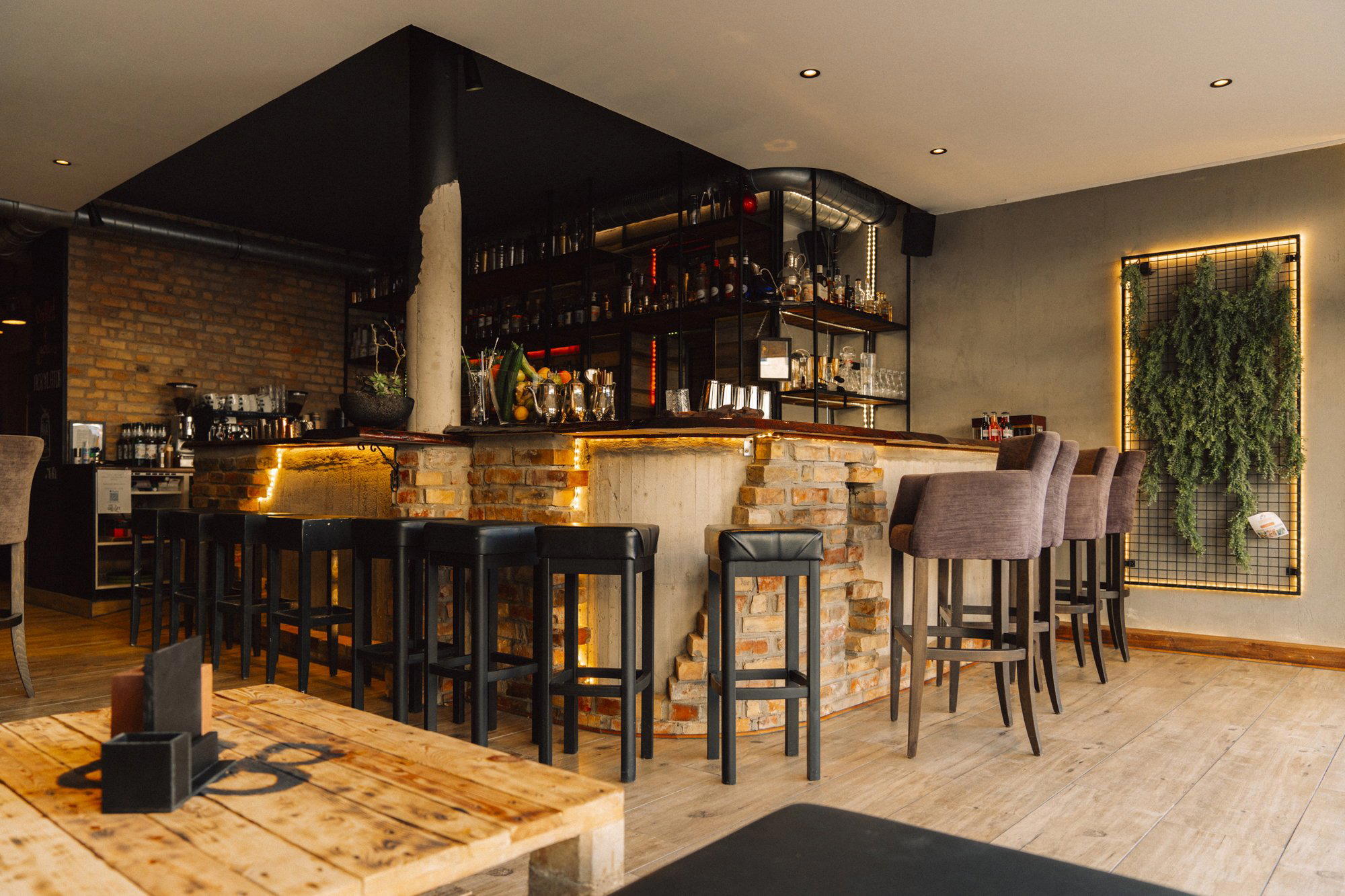
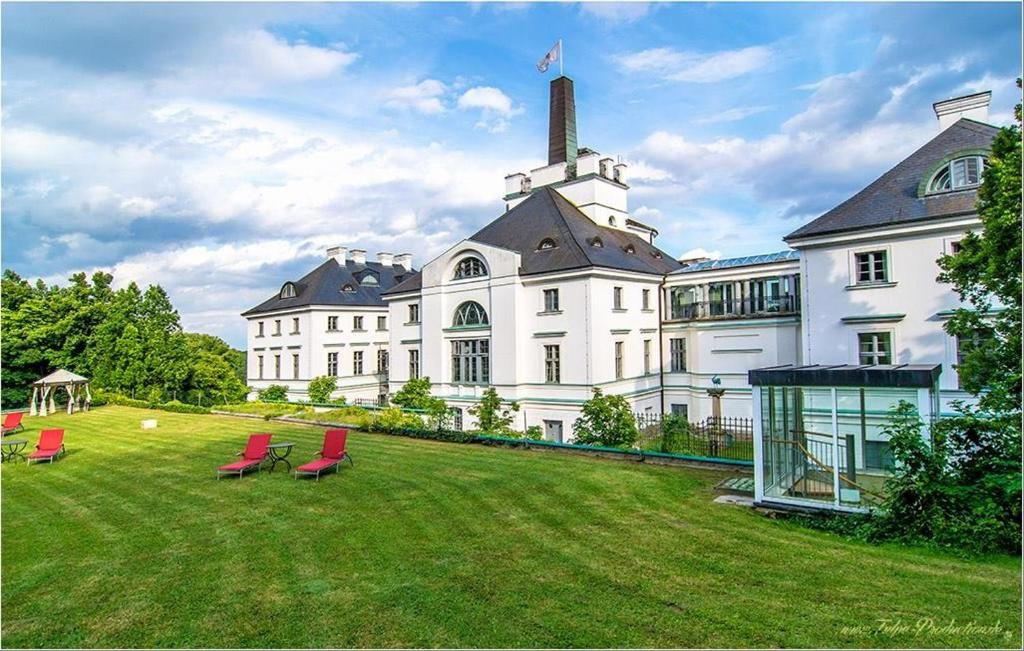
At a Glance
- Cozy
- Rustic
- Classic
- Casual Hangout
- Family
- Historic Building
- Beer Program
- Local Sourcing
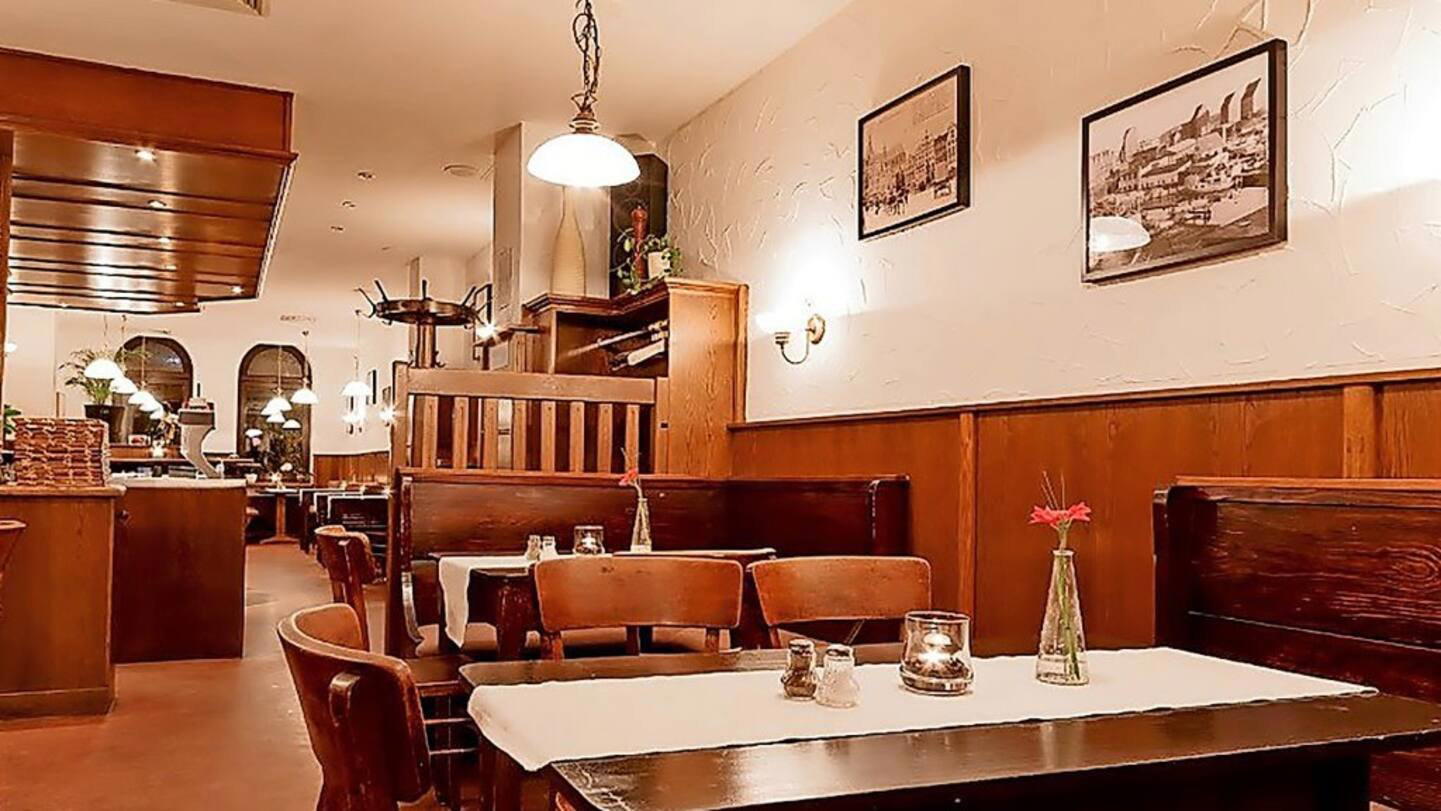
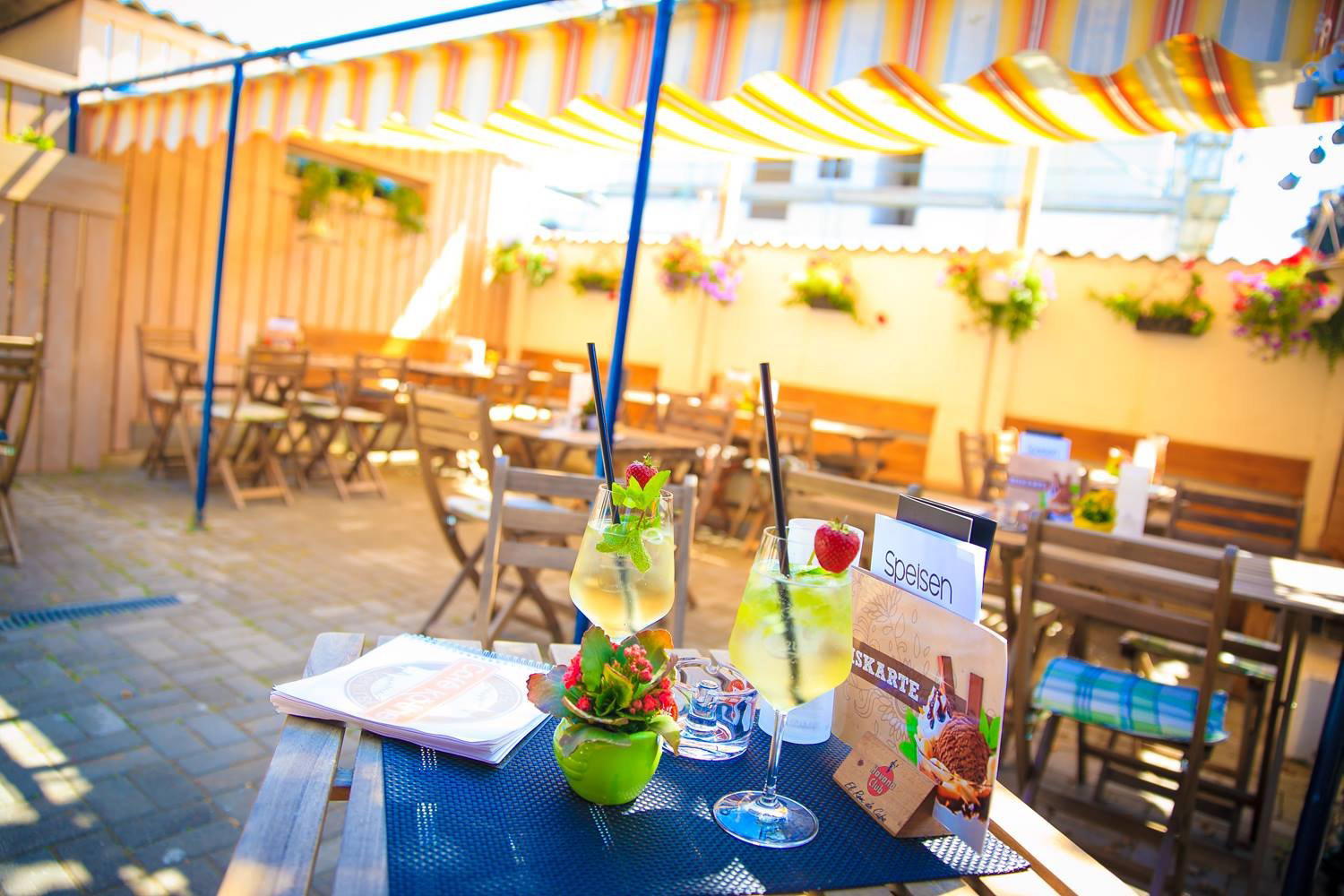
Cozy and gemütlich with warm hospitality, ideal for casual meals.