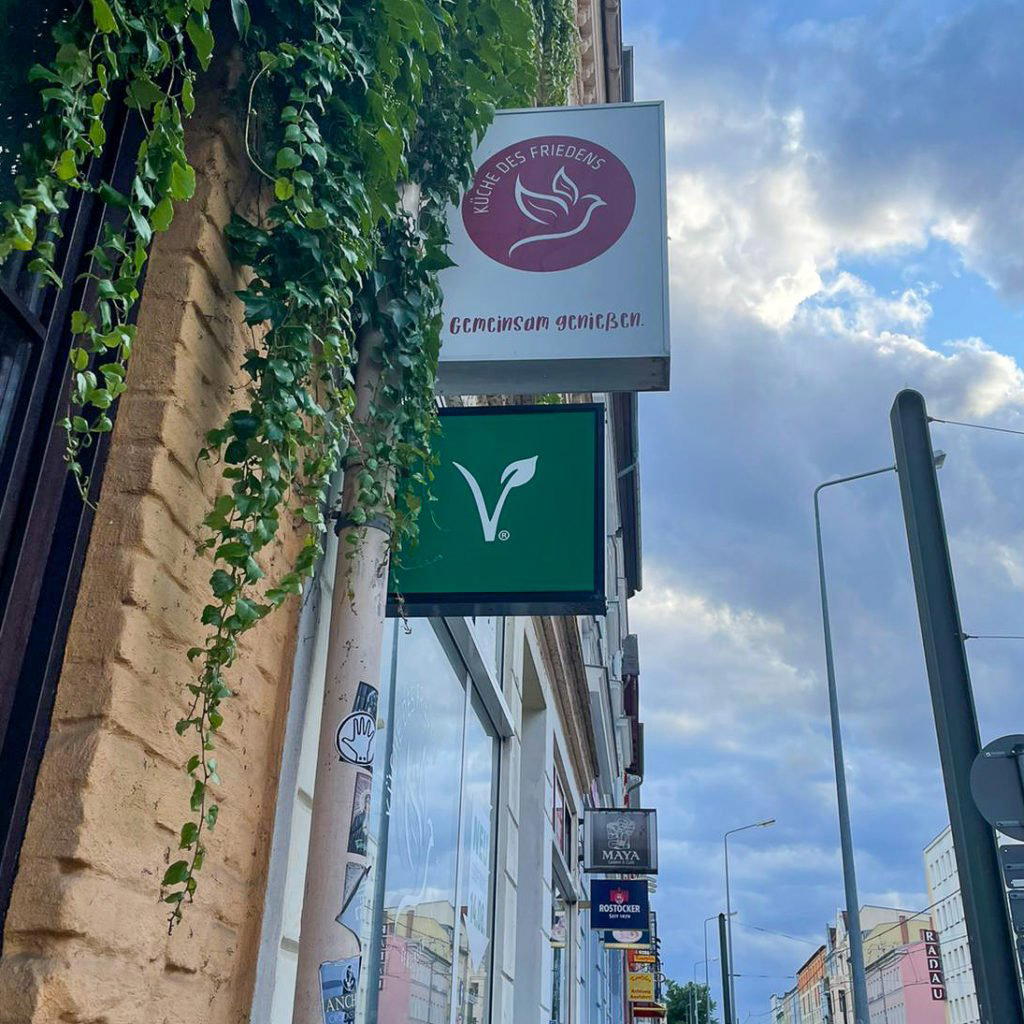
Küche des Friedens sits on Wismarsche Strasse in Rostock's western inner city, placing it within reach of the Hanseatic quarter's layered dining scene. With limited public data available, the venue invites direct discovery rather than digital pre-screening. It represents the kind of neighbourhood address that defines itself through presence rather than profile.
- Address
- Wismarsche Str. 21, 18057 Rostock, Germany
- Phone
- +4938151071785
- Website
- kueche-des-friedens.de
Rostock's Quieter Dining Register
Küche des Friedens is a casual vegan German fast-food restaurant in Rostock at Wismarsche Str. 21, 18057 Rostock, Germany. The country's decorated restaurant circuit concentrates heavily in the south and west: Schwarzwaldstube in Baiersbronn, Waldhotel Sonnora in Dreis, Vendôme in Bergisch Gladbach. Further north, the culinary energy shifts register. Rostock, a Hanseatic port city of around 200,000, operates a dining scene that is smaller in scale, more locally oriented, and considerably less legible to outside visitors. That opacity is not a flaw. It reflects a city that feeds itself without performing for a national audience.
Küche des Friedens occupies an address on Wismarsche Strasse, a westward artery running from the old town toward residential Rostock. The name translates loosely as "Kitchen of Peace", a phrase that carries different weight in a city whose postwar rebuilding under the GDR shaped everything from its architecture to its restaurant culture. In cities like Rostock, where the hospitality industry was effectively state-managed until reunification, the independent neighbourhood dining room carries a different cultural charge than it does in Hamburg or Munich. These spaces are not just restaurants. They are assertions of local civic life.
The Wismarsche Strasse Setting
Approaching from the city centre, Wismarsche Strasse moves through a gradient of building ages: Hanseatic gable fronts giving way to DDR-era blocks, then postunification infill. Number 21 sits in that mixed fabric. The street is functional rather than scenic, which means venues here draw from the surrounding neighbourhood rather than from passing tourism. That distinction shapes what kind of room you are likely to find: one calibrated for regulars, for proximity, for return visits rather than occasion dining.
This contrasts with Rostock's more prominently positioned addresses. Gourmet-Restaurant Der Butt operates at the decorated end of the city's spectrum, with a modern cuisine format and a price point that places it in a different tier entirely. Fritz Reuter Stuben carries the weight of its namesake, the Low German writer Fritz Reuter, as regional cultural anchoring. Küche des Friedens does not carry that kind of institutional weight. It is a neighbourhood address, and neighbourhood addresses in this part of Germany tend to define themselves through consistency and community rather than through concept.
Northern German Dining Traditions and What They Ask of a Room
The culinary tradition of Germany's Baltic coast draws on what the land and water provide: fish from the Baltic, root vegetables, rye, game from the inland forests, preserved and pickled preparations that predate refrigeration as a practical necessity. These are not delicate traditions. They are built around preservation, repetition, and the kind of cooking that sustains a working port city through a northern winter.
At a European scale, this places the northern German table in a lineage shared with Scandinavian, Polish, and Baltic coastal cuisines, all shaped by similar geography and, in many cases, by centuries of Hanseatic trade that moved salted herring, grain, and amber across the same waters. The Rostock dining scene, where it engages seriously with local tradition, reflects that inheritance. The question for any given address is how consciously it draws on those roots versus how far it has moved toward the internationalised Central European restaurant format that dominates in larger German cities.
Germany's most decorated addresses work far outside this regional register. Aqua in Wolfsburg, Victor's Fine Dining by Christian Bau in Perl, and ES:SENZ in Grassau represent a highly technical, internationally framed approach to German fine dining. What the neighbourhood addresses of Rostock offer is something different: regional specificity, local pricing, and the kind of daily cooking that does not translate neatly to a tasting menu format.
Rostock's Broader Dining Context
The city's dining scene has developed unevenly since reunification. The early 1990s saw a rapid proliferation of new formats, Italian trattorias, Vietnamese canteens, Greek tavernas, that followed the standard post-reunification pattern across eastern German cities. Over the following decades, a more considered local hospitality culture has emerged alongside those imported formats.
Cafés and casual venues have carved out the most consistent identities. Café A Rebours and Café Arbat represent the city's café culture, operating in a register that prioritises daily rhythm over destination dining. Craftbar Rostock speaks to the city's younger hospitality generation, which has imported craft-bar formats from Berlin and Hamburg without wholesale transplanting the associated price structures. Küche des Friedens occupies a position adjacent to these addresses in spirit if not in format: a neighbourhood room, locally oriented, operating at a scale and price point suited to Rostock's economic register rather than to the aspirational pricing that dominates Germany's decorated restaurant tier.
For visitors arriving from Hamburg, the reference point shifts considerably. Restaurant Haerlin in Hamburg represents what the northern German dining circuit looks like when it reaches for formal recognition. Rostock does not attempt to replicate that model. The city's hospitality is built on different expectations, and venues that succeed here do so by meeting those expectations rather than overriding them.
At the international scale, the contrast becomes more pronounced still. The format discipline of Atomix in New York City or the technical rigour of Le Bernardin exist at a structural remove from what a Wismarsche Strasse address is doing. That is not a failure of ambition. It is a reflection of what different cities ask of their restaurants and what their restaurants ask of their cities.
Planning a Visit
Küche des Friedens is located at Wismarsche Str. 21, 18057 Rostock. Public transport connections to the western inner city are reliable from the central station (Rostock Hauptbahnhof), with tram lines serving the Wismarsche Strasse corridor. No website, phone number, or booking data is currently confirmed for this address. Those interested in how Germany's decorated dining tier operates at the technical end should look at JAN in Munich or CODA Dessert Dining in Berlin for contrast. Schanz in Piesport offers another data point in German regional fine dining, operating at a price and format level that clarifies how far the Rostock neighbourhood register sits from the national decorated tier, and why that distance is, for certain kinds of travel, exactly the point.
Booking and Cost Snapshot
Comparable venues nearby, for context on price, style, and recognition.
| Venue | Cuisine | Price | Awards | Notes |
|---|---|---|---|---|
| Küche des FriedensThis venue — the venue you are viewing | KTV, Vegan German Fast Food | $ | , | |
| Restaurant CarLo615 | $$ | , | Mitte, German Fusion with Mediterranean Influences | |
| Restaurant Käthe | $$ | , | Kröpeliner-Tor-Vorstadt, German & International | |
| Café Arbat | Traditional Russian Bistro | $$ | , | |
| Café A Rebours | Rostock City Center, Mediterranean Café | $$ | , | |
| StromGold Warnemünde | Warnemünde, Baltic Seafood | $$ | , |
Continue exploring
More in Rostock
Restaurants in Rostock
Browse all →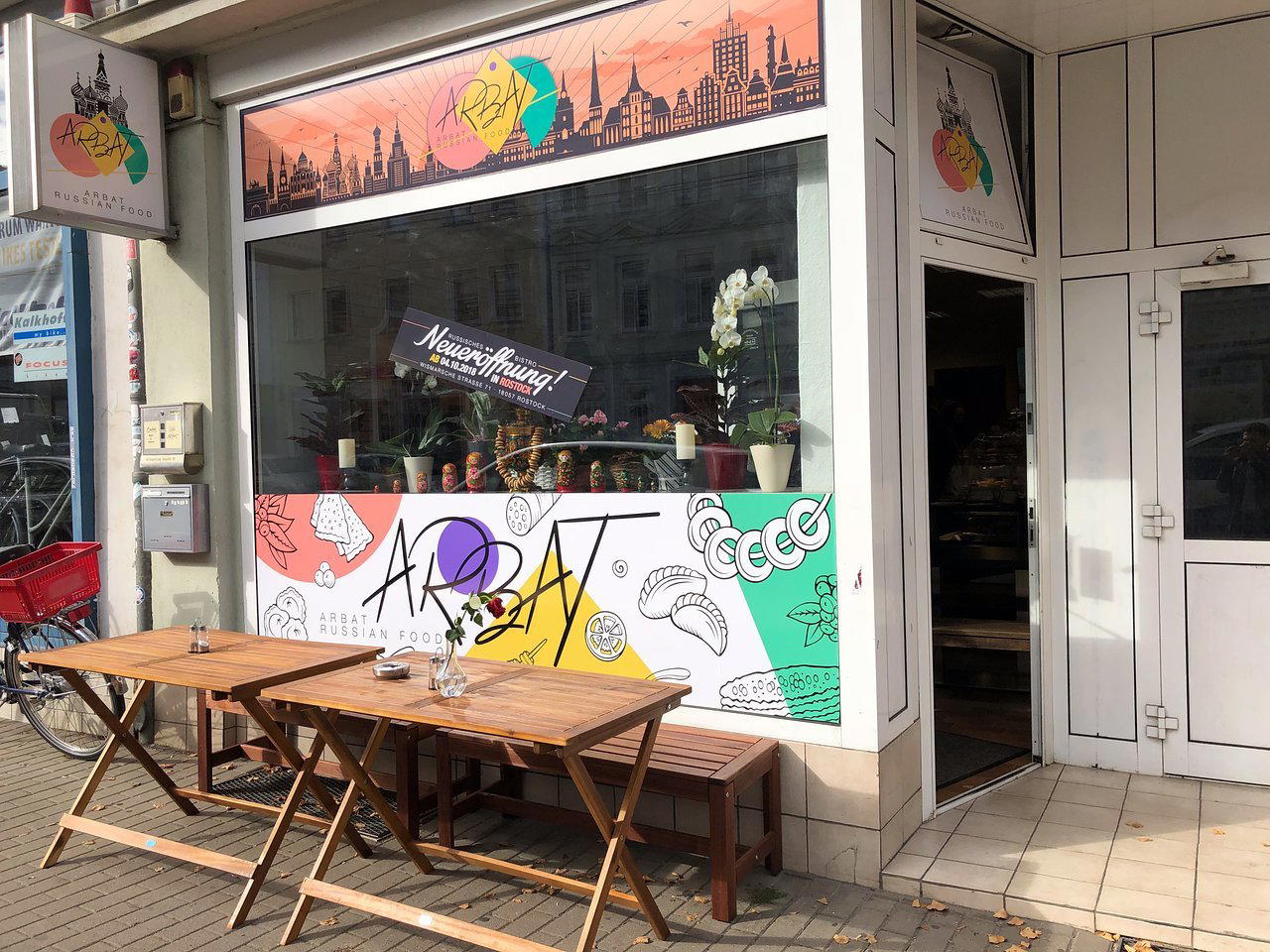
At a Glance
- Cozy
- Casual
- Casual Hangout
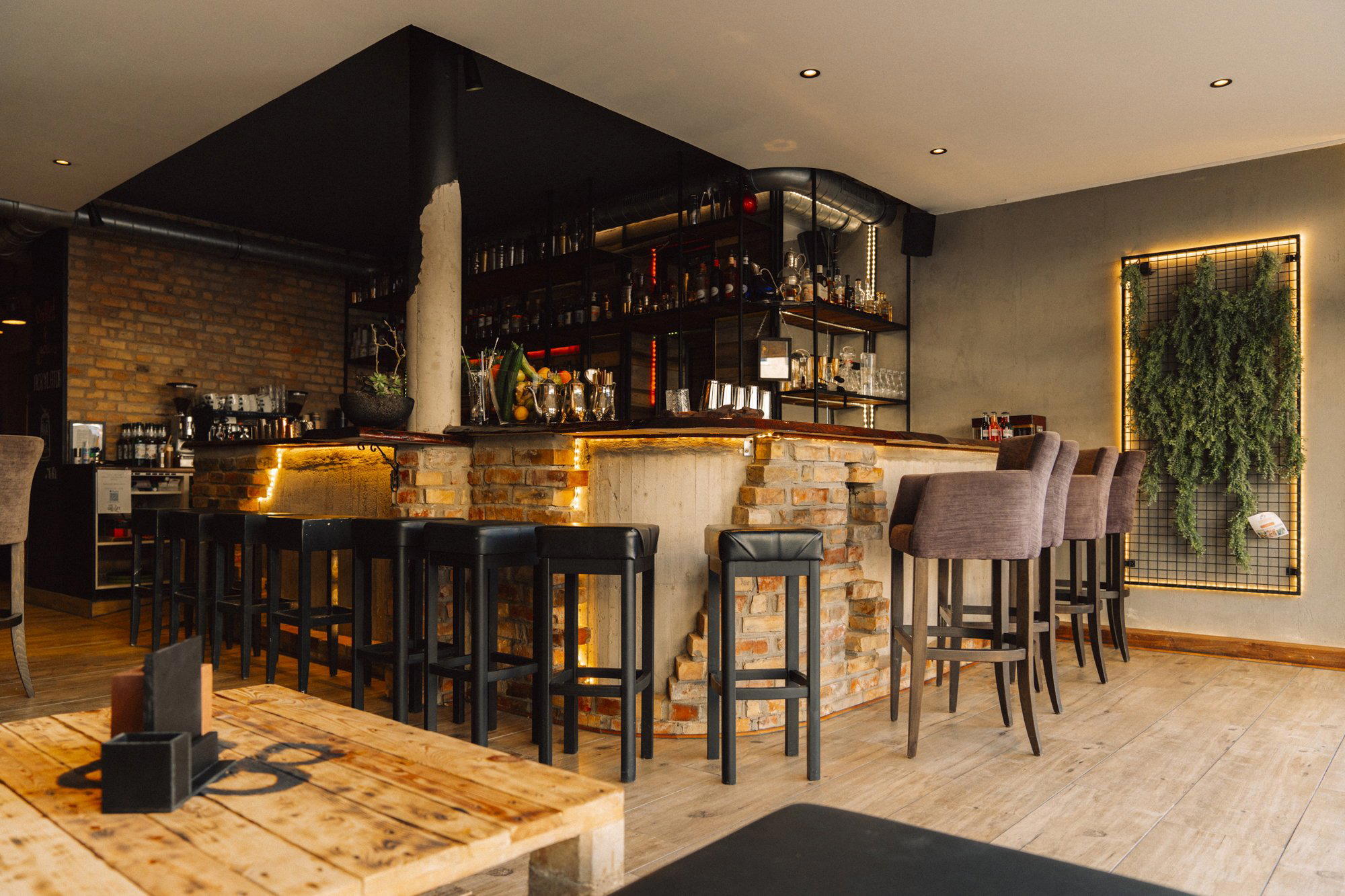
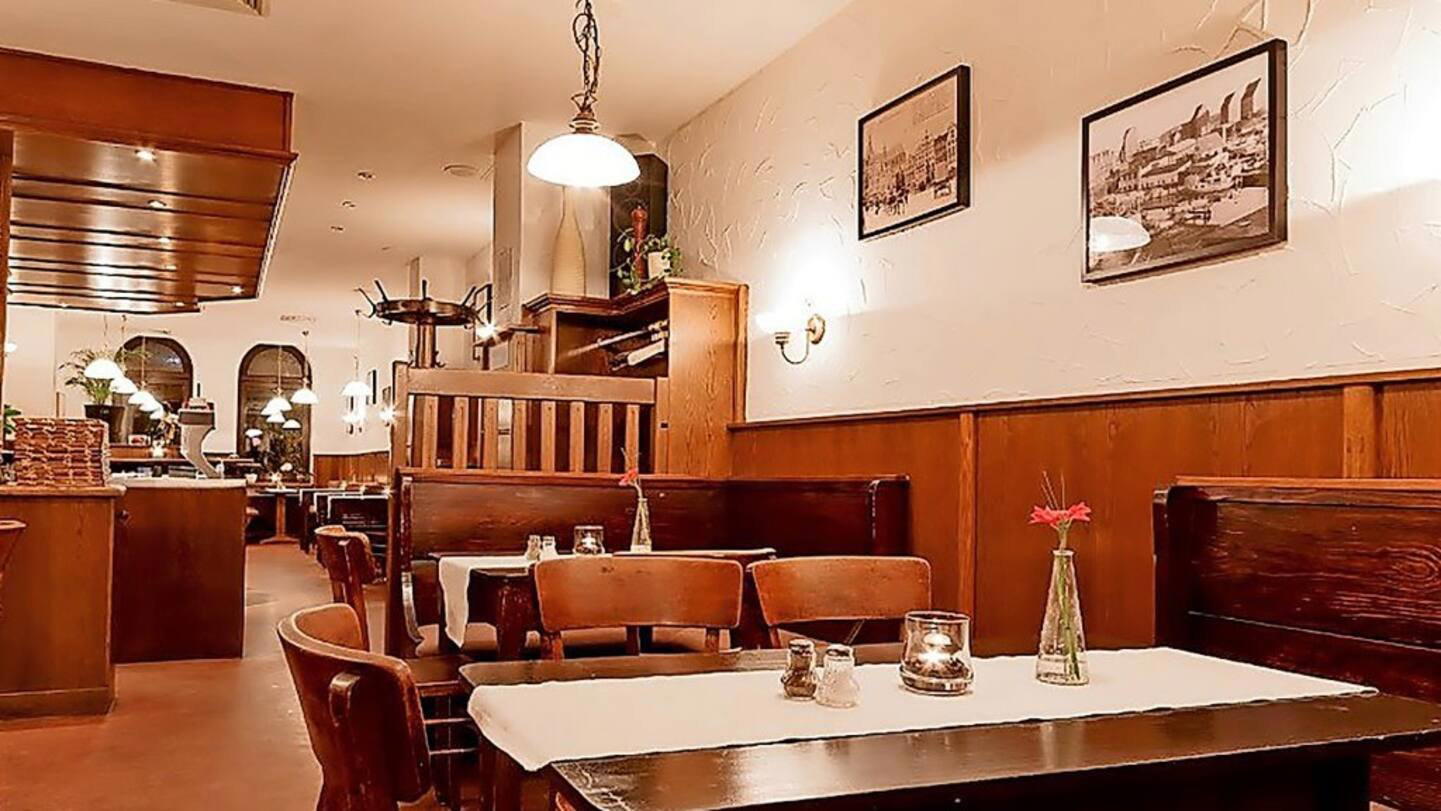
Cozy and vibrant fast-food atmosphere focused on fresh, flavorful vegan dishes.