Counter Culture
Counter Culture occupies a suite on Bay to Bay Boulevard in South Tampa, sitting within a dining corridor that has grown steadily more ambitious over the past decade. The name signals a self-aware positioning within Tampa's evolving restaurant scene, where independent operators are increasingly pushing against casual defaults. Specific details on format, cuisine, and pricing remain sparse, making a visit a reliable way to take a read.
Pearl is the En Primeur Club membership app — saves, bookings, and concierge access live there. Same editors, same standards.
- Address
- 2909 W Bay to Bay Blvd Suite 100, Tampa, FL 33629
- Phone
- +18135708660
- Website
- cc-tampa.com
- Directions
- Get directions
 Saves & bookings on Pearl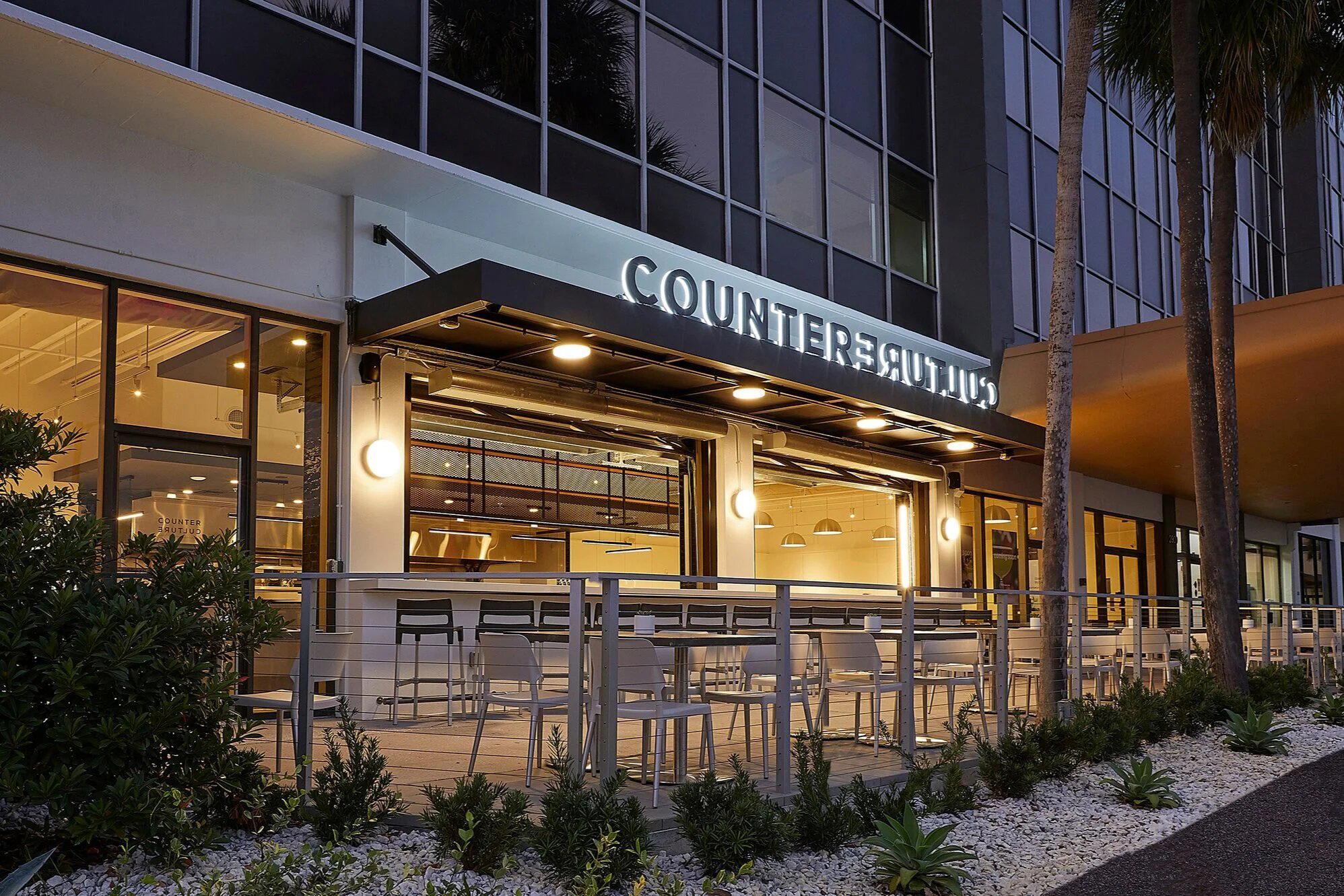
South Tampa's Shifting Appetite
Tampa's dining identity has long been shaped by a handful of anchor traditions: the Cuban sandwich as civic shorthand, Bern's Steak House as the ceiling of occasion dining, and a waterfront casual register that dominated the mid-price tier for years. What has changed in the past decade is the emergence of a more restless independent layer, concentrated in neighborhoods like Hyde Park, Seminole Heights, and South Tampa, where operators are building formats that answer to local demand rather than tourist expectation. Counter Culture, addressed at 2909 W Bay to Bay Boulevard, sits in that South Tampa corridor, a location that speaks less to foot traffic than to a deliberate neighborhood anchoring.
Bay to Bay connects some of South Tampa's denser residential blocks to the commercial stretch near Bayshore Boulevard. Restaurants that choose this address are typically pitching at a local repeat clientele rather than convention visitors, which tends to shape everything from format discipline to ingredient sourcing. It is the kind of positioning that distinguishes genuinely neighborhood-rooted operations from those optimizing for visitor volume.
What the Name Suggests About the Scene
Names are editorial choices, and "Counter Culture" carries deliberate weight. In the context of American restaurant naming conventions, the counter reference points to a physical format: the chef's counter, the tasting counter, the bar counter, the diner counter. Each version implies a different register of hospitality. The cultural half implies a self-conscious departure from a prevailing norm. Together, the phrase signals something that sees itself as positioned against a default, whether that default is the white-tablecloth occasion room, the fast-casual throughput machine, or the nostalgia-driven heritage format.
Tampa's dining scene offers instructive comparisons. Koya anchors the Japanese fine-dining end at the $$$$ tier. Lilac, also at $$$$, has brought a Mediterranean precision to the market that would not have been out of place in a larger coastal city. Rocca operates the Italian register at $$, demonstrating that the city's independent operators are now covering a meaningful price spread. Where Counter Culture fits in that spread is part of its appeal. What the address and name together suggest is a deliberate, neighborhood-scaled ambition rather than a high-volume play.
Cultural Context: The Counter as a Dining Format
Counter-format dining has a layered cultural history in American restaurants. At its most democratic, the counter is the diner stool, a format that collapsed the distance between cook and customer long before open kitchens became a fine-dining signifier. In mid-century America, the lunch counter carried specific social meaning, particularly during the Civil Rights movement, when the right to sit at one became a measure of civic equality. That history does not disappear when a contemporary restaurant invokes the word; it adds resonance, whether intentional or not.
In the premium tier, the counter has been reframed by the omakase model imported through Japanese fine dining, where a small number of seats face a working kitchen and the meal unfolds as a sequence controlled by the kitchen rather than the guest. Nationally, this format now operates across a wide price range, from $85 counters in neighborhood sushi spots to multi-hundred-dollar sequences at venues like Atomix in New York City. The discipline required to run a counter format well, whether the counter is literal or metaphorical, is distinct from à la carte service: timing, pacing, and host presence carry more weight when there is no menu to hide behind.
Across American cities where independent restaurant culture has accelerated, the counter or chef's table format has become a marker of seriousness. Lazy Bear in San Francisco formalized the communal counter model into a ticketed, prix-fixe event. Smyth in Chicago uses an intimate kitchen-facing format to foreground the sourcing narrative that drives the menu. Blue Hill at Stone Barns in Tarrytown grounds its counter experience in agricultural transparency. Each of these represents a version of the counter ethos applied to a specific culinary argument.
Tampa's Independent Tier in 2024
The broader context for any independent restaurant opening in Tampa over the past several years is a market that has attracted genuine national culinary attention. The city's food media profile has risen, driven partly by a younger resident base and partly by the arrival of chefs and operators who would previously have gone directly to Miami, Atlanta, or Nashville. Ebbe, operating in the contemporary register, and Kōsen, representing Tampa's Japanese dining breadth, both illustrate how the independent tier has diversified in format and ambition.
The comparison set matters for understanding where the restaurant might sit. At the national level, the restaurants defining counter-format fine dining include Le Bernardin in New York City, The French Laundry in Napa, Providence in Los Angeles, Addison in San Diego, Single Thread Farm in Healdsburg, The Inn at Little Washington, Emeril's in New Orleans, and Atelier Moessmer Norbert Niederkofler in Brunico. The restaurant sits outside that award-registered tier, but the national examples help frame what the counter format has come to mean as a culinary signal.
Planning a Visit
The restaurant is located at 2909 W Bay to Bay Boulevard, Suite 100, Tampa, FL 33629. The Suite 100 designation suggests a multi-tenant commercial building rather than a standalone footprint, which is consistent with how several South Tampa independent operators have chosen to reduce overhead while maintaining a dedicated dining room. Booking is recommended, and the venue’s standard hours are Monday to Thursday 4 to 9 PM, Friday 4 to 10 PM, and Saturday and Sunday 8 AM to 10 PM. Plan ahead, especially for weekend dining.
Peers You’d Cross-Shop
Comparable venues nearby, for context on price, style, and recognition.
| Venue | Cuisine | Price | Notes |
|---|---|---|---|
| Counter CultureThis venue — the venue you are viewing | Modern American Counter Dining | $$$ | Not listed |
| Bouzy | Modern New American with French Influences | $$$ | Historic Hyde Park |
| 1983 | Polished American Comfort Food | $$ | Palma Ceia |
| Tampa Burgers and Pirates | American Grill & Burgers | $$ | North Franklin Street |
| Kona Grill - Tampa | American Grill with Sushi | $$ | Carver City |
| Oxford Exchange | Contemporary American Bistro | $$$ | River Arts District |
At a Glance
- Modern
- Scenic
- Lively
- Elegant
- Date Night
- Special Occasion
- Celebration
- Group Dining
- Brunch
- Open Kitchen
- Chefs Counter
- Waterfront
- Private Dining
- Craft Cocktails
- Extensive Wine List
- Sommelier Led
- Waterfront
Current opening hours
- Monday
- 4–9 PM
- Tuesday
- 4–9 PM
- Wednesday
- 4–9 PM
- Thursday
- 4–9 PM
- Friday
- 4–10 PM
- Saturday
- 8 AM–10 PM
- Sunday
- 8 AM–10 PM
Hours can change for holidays and private events. Last verified .
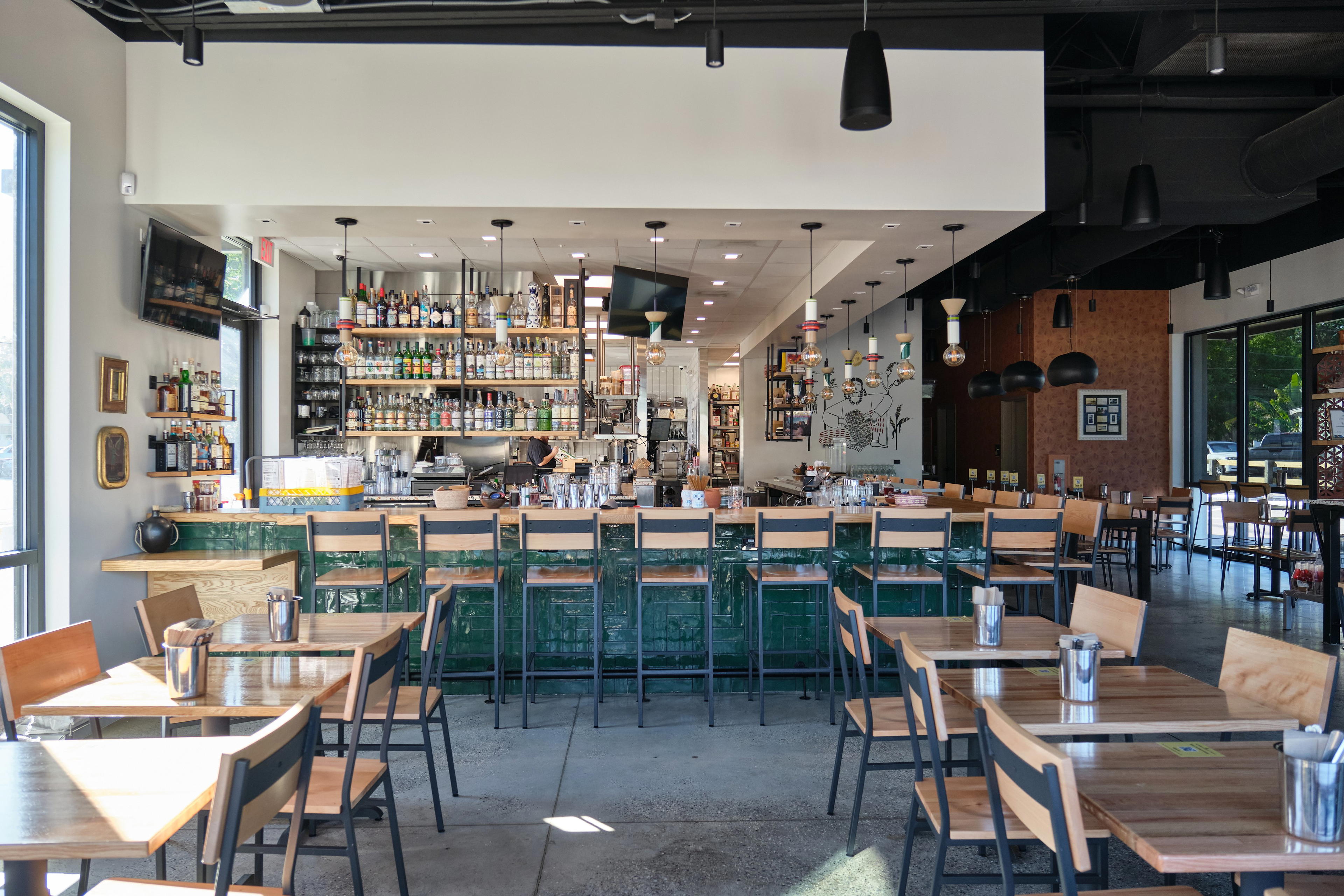
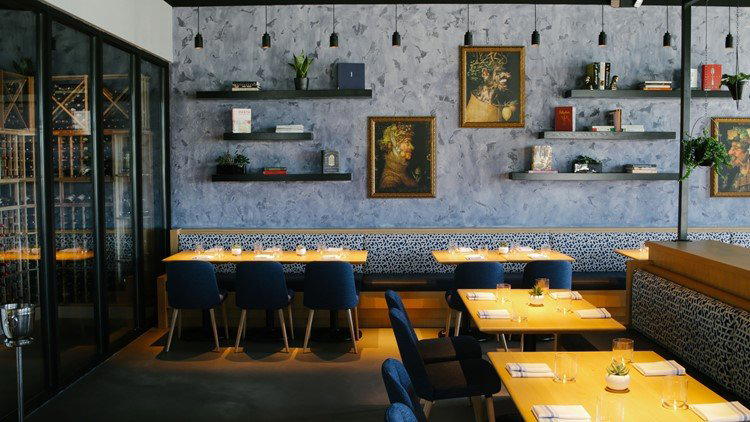
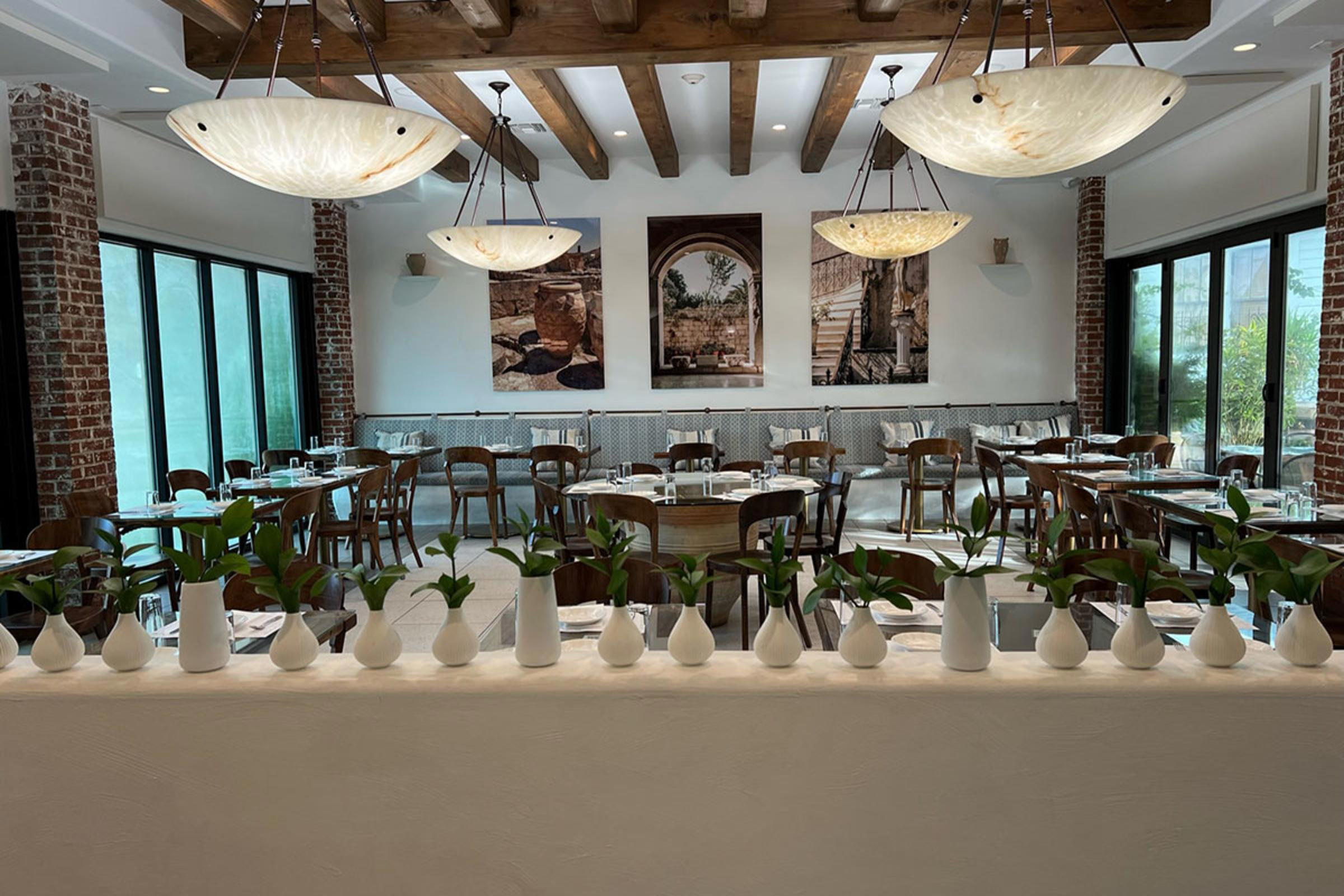
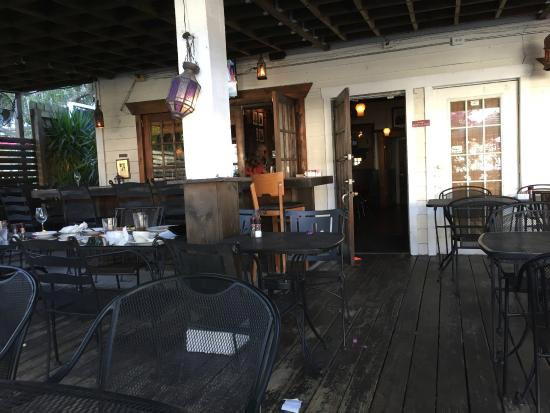
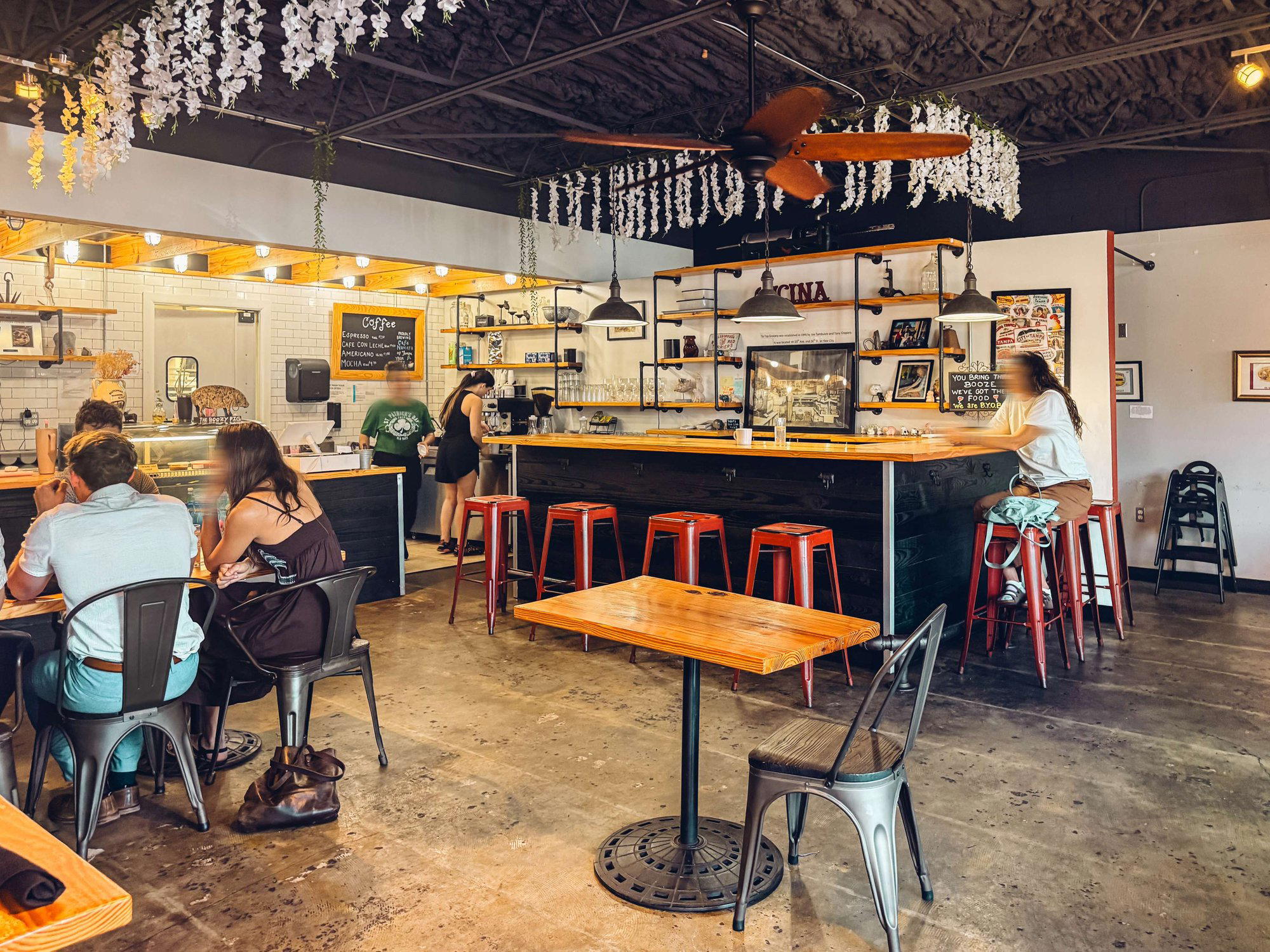
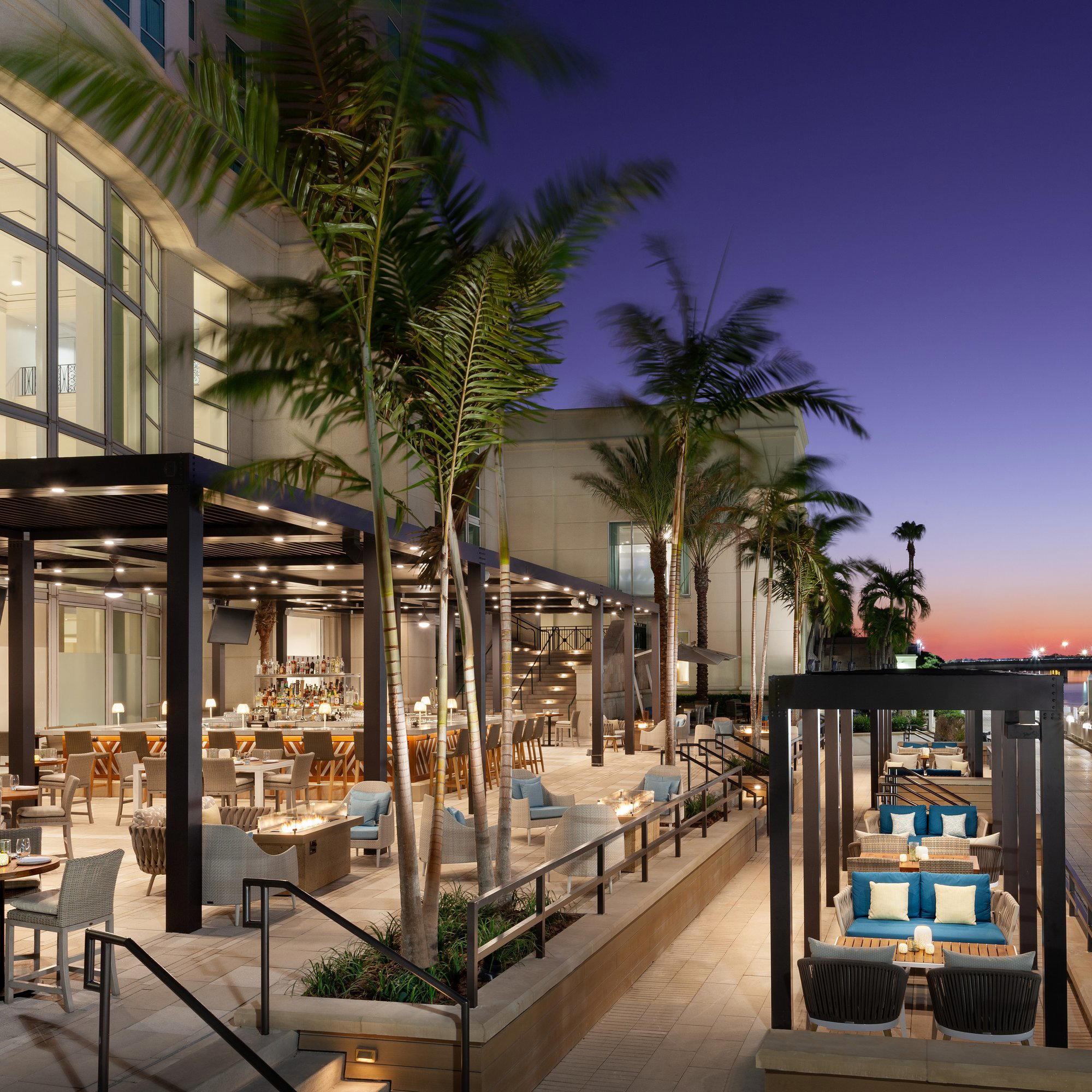
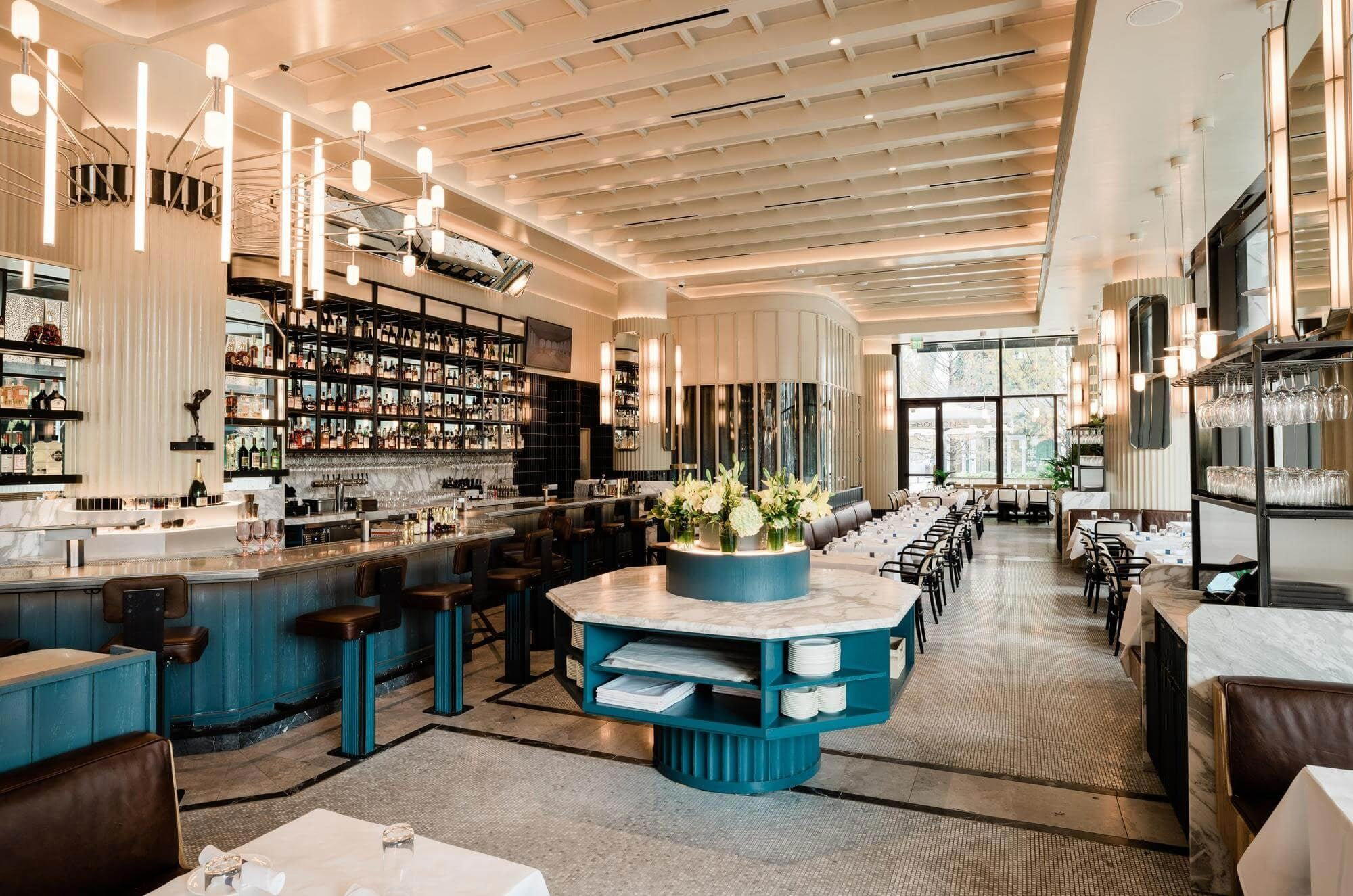
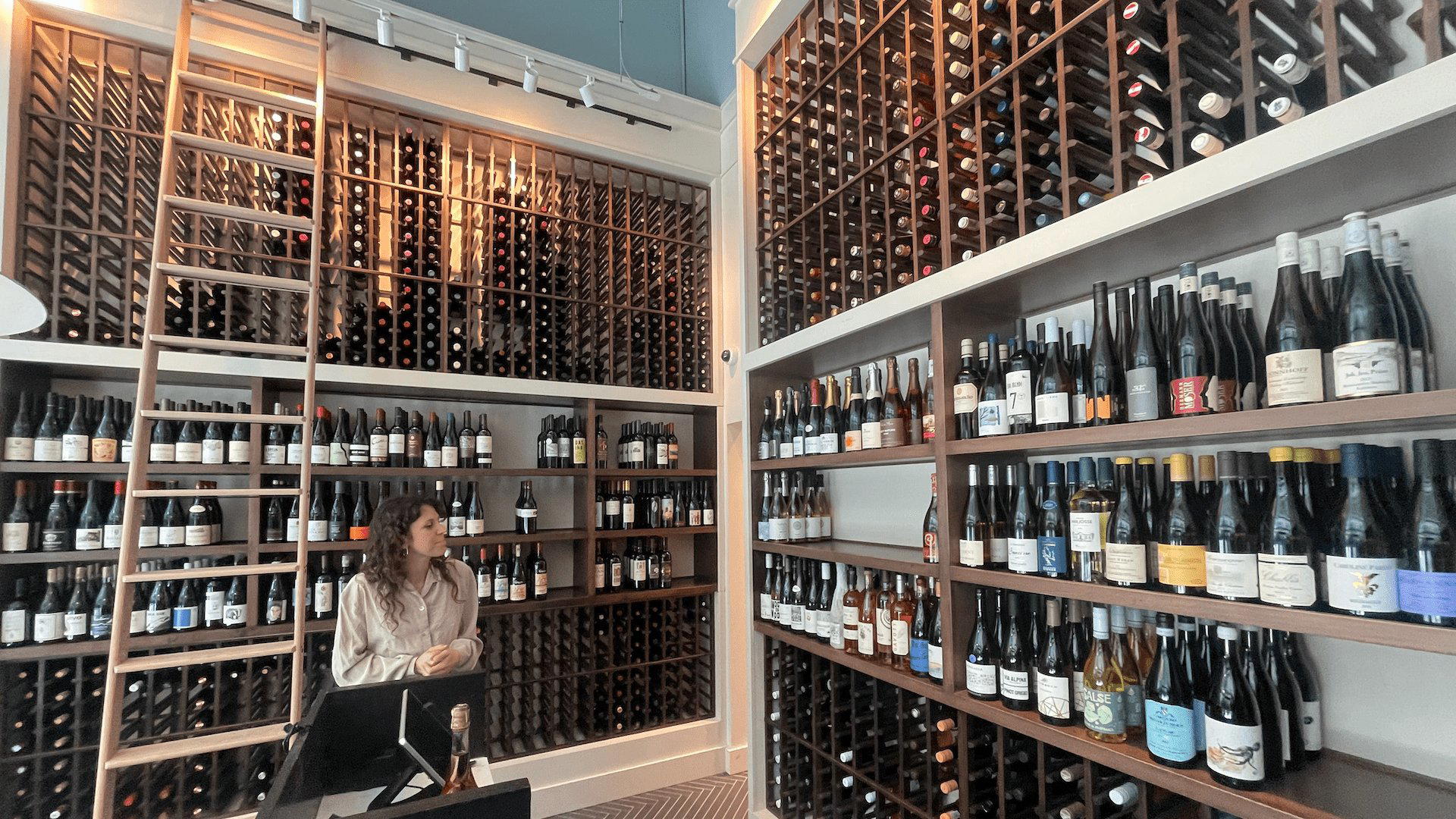
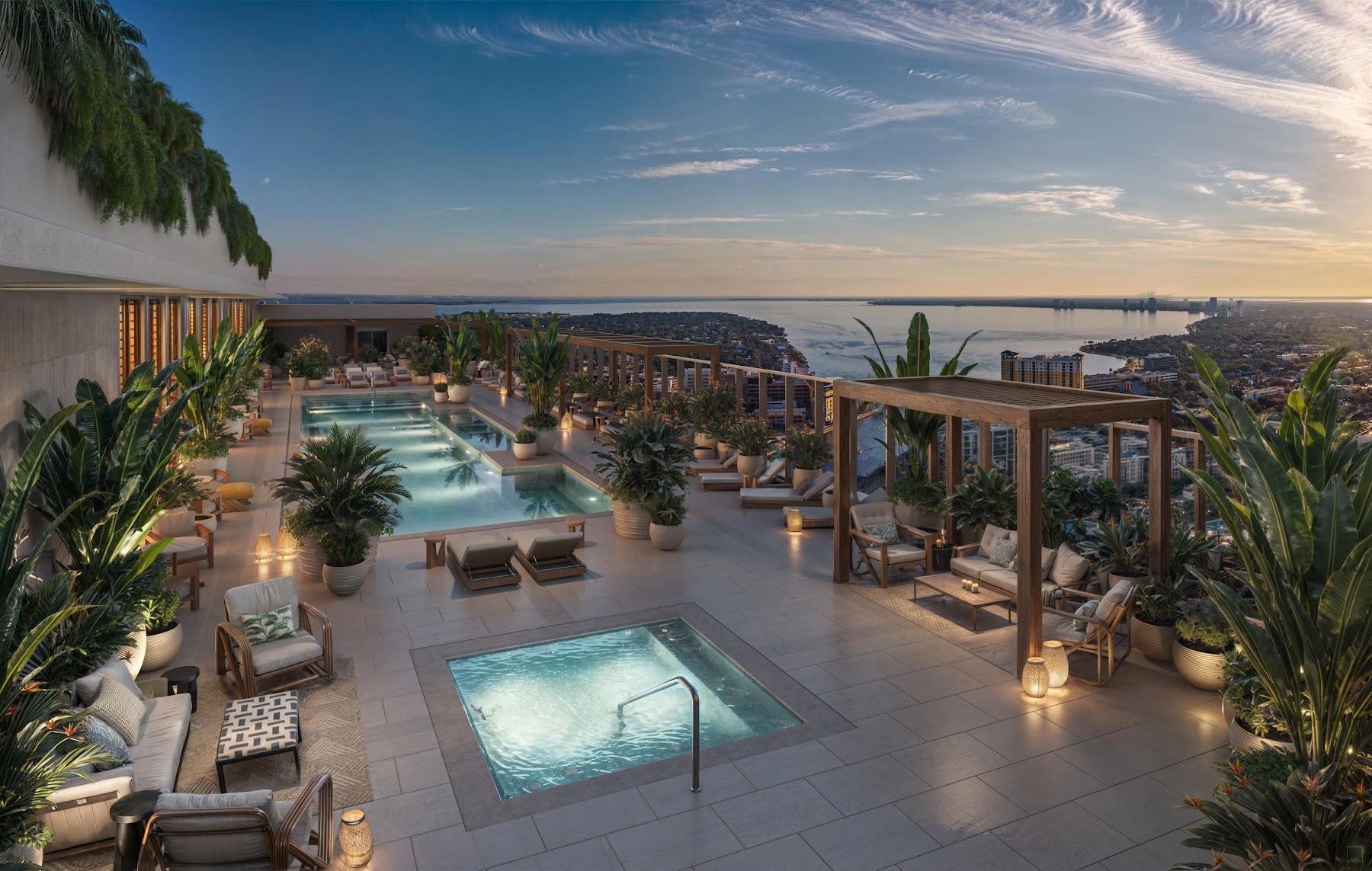
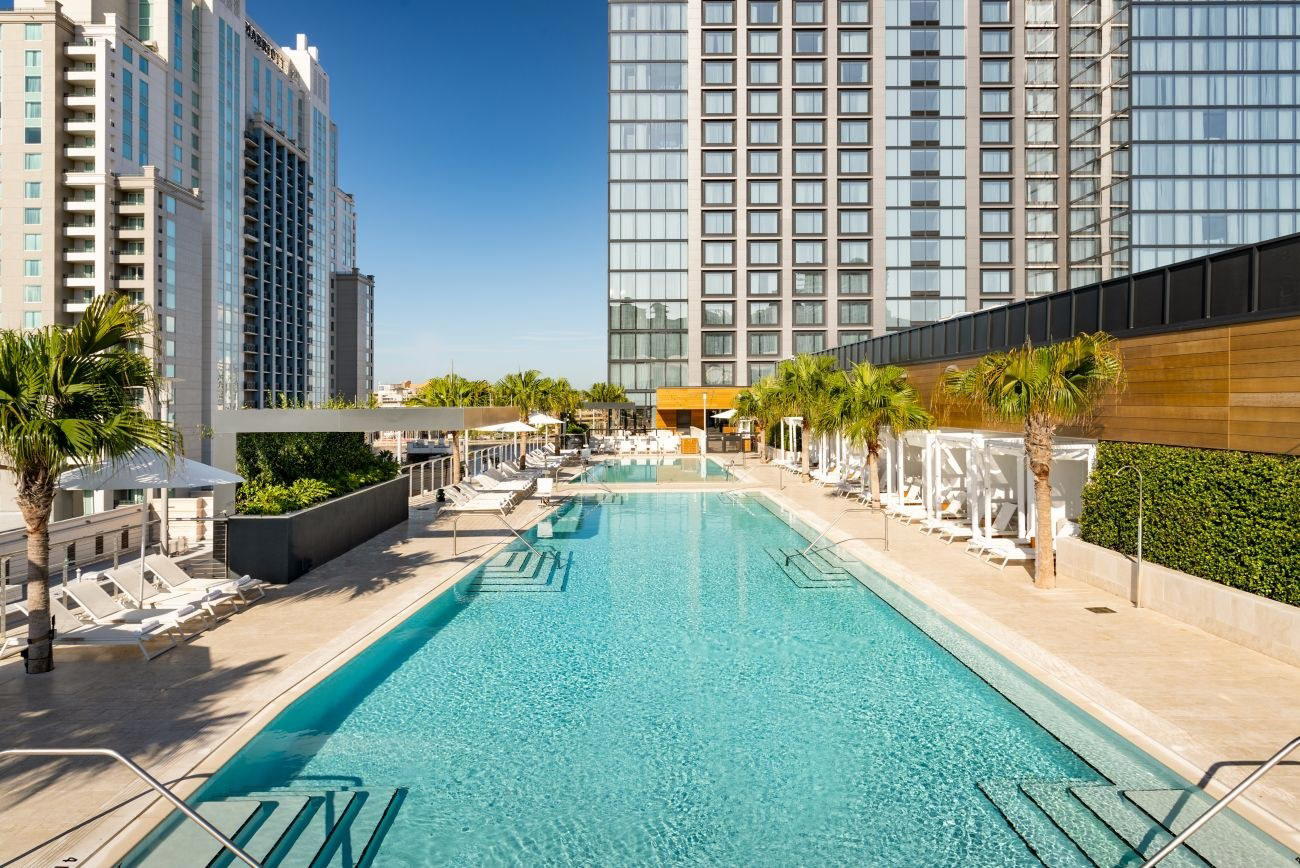
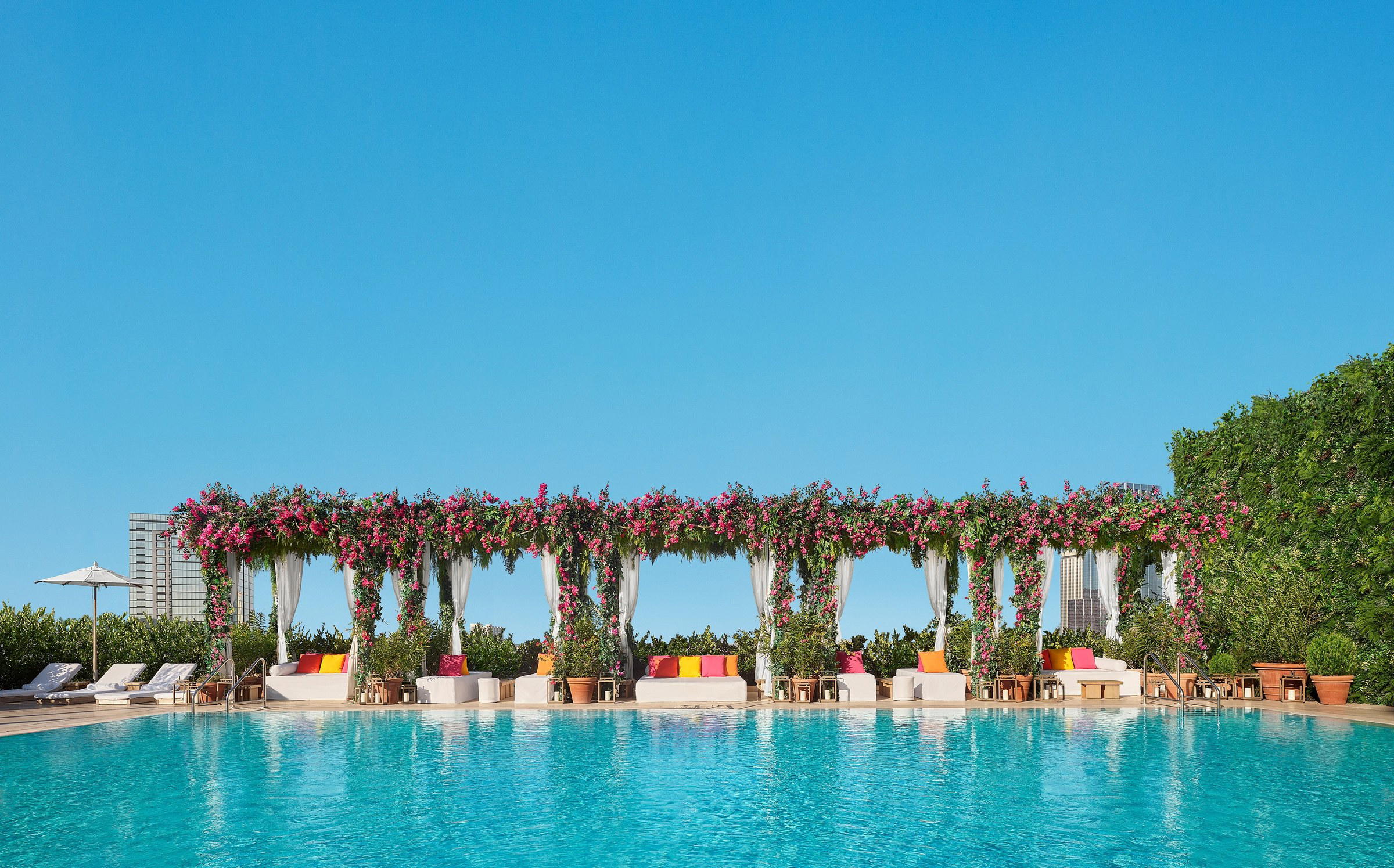
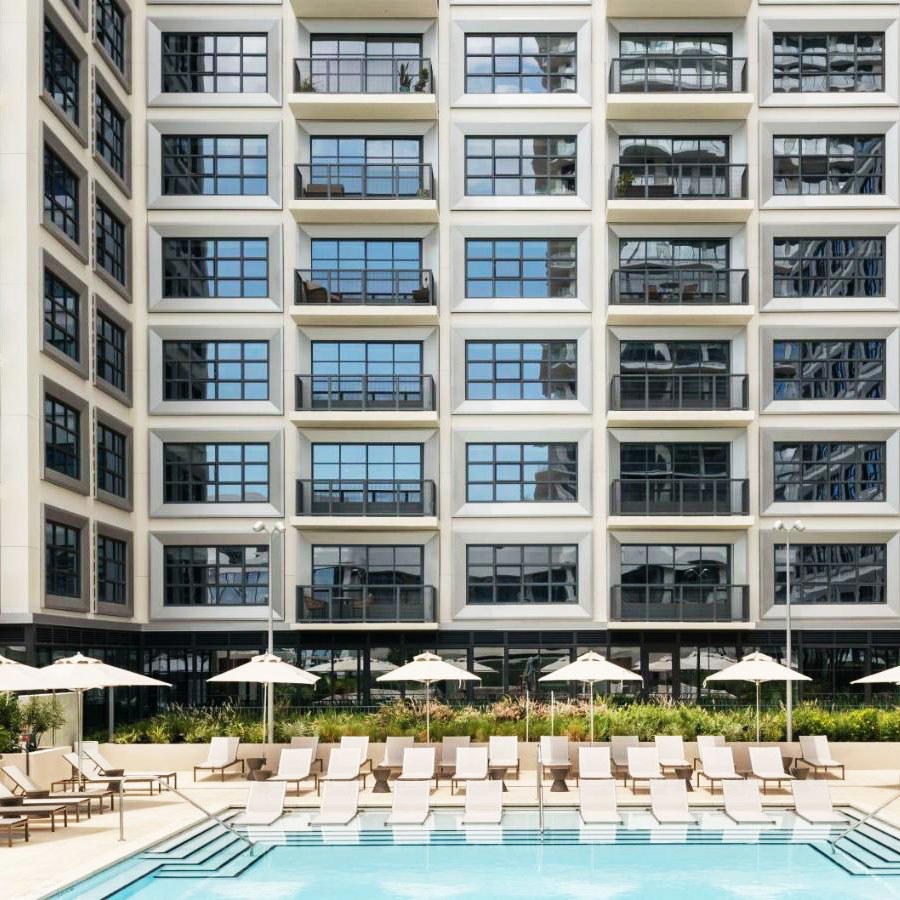
Bright, energetic space with open kitchen concept, natural light from bay views, and a lively bar atmosphere; can be loud during peak hours.