1983
On South MacDill Avenue, 1983 occupies a stretch of Tampa that has quietly accumulated serious dining ambition over the past decade. The name anchors the restaurant to a specific cultural moment, and the kitchen appears to take that sense of provenance seriously, applying it to sourcing, technique, and the seasonal logic that shapes what arrives on the plate. For Tampa diners tracking where ingredient-led cooking has taken root, this address belongs on the list.
Pearl is the En Primeur Club membership app — saves, bookings, and concierge access live there. Same editors, same standards.
- Address
- 2616 S MacDill Ave, Tampa, FL 33629
- Phone
- +18137388560
- Website
- 1983tampa.com
- Directions
- Get directions
 Saves & bookings on Pearl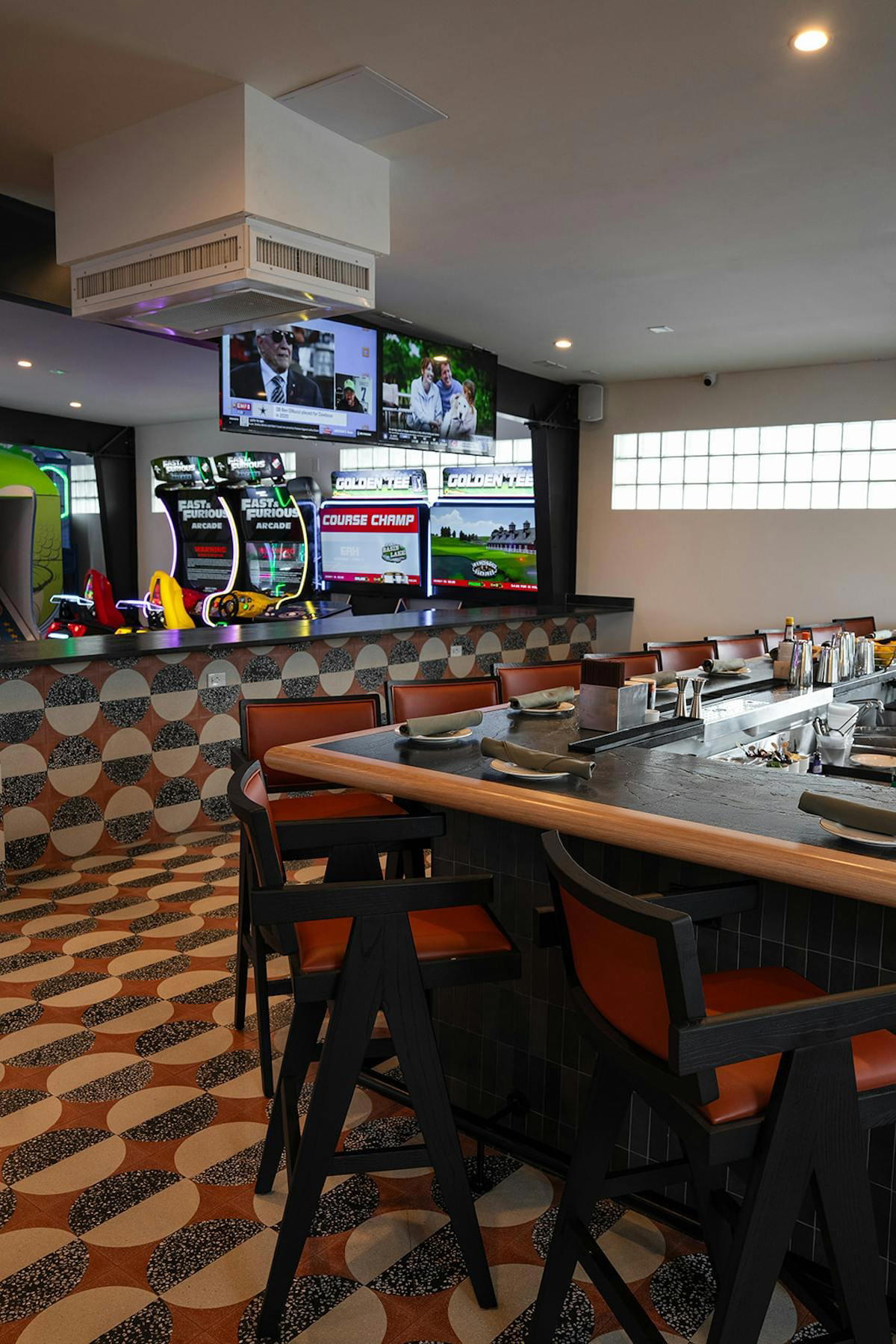
South MacDill and the Rise of Ingredient-Driven Dining in Tampa
South MacDill Avenue has become one of Tampa's more reliable corridors for serious eating. It lacks the concentrated density of the Armature Works cluster or the tourist-facing energy of Ybor City, which means the restaurants that open here tend to do so with a different kind of confidence. Into this context, 1983 has positioned itself as a kitchen interested in provenance: where the food comes from, and why that origin shapes what ends up on the plate.
Operations like Blue Hill at Stone Barns in Tarrytown established the high-end model, where the farm relationship is the entire editorial premise of the meal. Single Thread Farm in Healdsburg extended it into multi-day hospitality. What is more interesting now is watching that sensibility migrate into mid-sized cities where the supply chains are different, the growing seasons are more demanding, and the customer base is less conditioned to frame dinner in agricultural terms. Tampa, with its subtropical climate and access to Gulf seafood, actually offers a more varied local-ingredient story than many assume.
What the Name Signals
A restaurant named for a year is making a claim, even if that claim is left deliberately open. 1983 is not a launch date or a family founding year in any way the venue has publicized. It functions more as a cultural anchor point, a moment when American dining was in mid-transition, before the farm-to-table language became ubiquitous, when French technique still dominated fine-dining kitchens and regional identity was only beginning to be taken seriously as a culinary argument. Naming a restaurant after that year invites the question of what has been learned since, and what the kitchen chooses to hold onto.
That interpretive openness is itself a statement. Restaurants at the ingredient-sourcing end of the spectrum often resist over-labeling their philosophy. The food speaks through what is available and when. This is a different operating model from, say, the tasting-menu architecture of Alinea in Chicago or the precise seasonal progressions at The French Laundry in Napa, both of which exercise enormous control over the ingredient narrative. Sourcing-led kitchens in cities like Tampa tend to work with more variable inputs, which demands a different kind of flexibility from the kitchen and a different kind of openness from the diner.
Tampa's Sourcing Geography
Florida's Gulf Coast offers a specific and underutilized pantry. Grouper, snook, and stone crab operate on seasonal availability windows that reward kitchens paying attention. Inland, small farms in Hillsborough and Manatee counties have expanded vegetable and herb production in response to restaurant demand, a feedback loop that has accelerated as Tampa's dining scene has grown more serious. The city's food culture has matured considerably since the era when Bern's Steak House represented the ceiling of local ambition.
That maturation is visible across a range of restaurants in the city. Ebbe brings a contemporary approach that takes local produce as a baseline assumption rather than a marketing point. Lilac applies Mediterranean technique to a pantry that reads as distinctly Floridian. Koya and Kōsen represent the Japanese end of the spectrum, where sourcing discipline is structural rather than optional. Rocca works within Italian frameworks that have their own embedded sourcing logic. 1983 joins this cohort at a moment when Tampa diners have the reference points to appreciate what ingredient sourcing actually means in practice.
Comparable Venues
Placing 1983 in a national context requires some care. The restaurants that have defined ingredient-led fine dining in the United States, Providence in Los Angeles, Le Bernardin in New York City, Addison in San Diego, operate with established reputations, clear award histories, and dining rooms that price against an international benchmark. Lazy Bear in San Francisco and Atomix in New York City have built around tightly controlled formats where the sourcing story is delivered with considerable theatrical precision.
A younger operation in Tampa is working within a different set of constraints and opportunities. The diner expectations are different, the price sensitivity matters more, and the critical infrastructure, local reviewers, food media coverage, award consideration, operates on a slower cycle than in New York, Chicago, or San Francisco. Emeril's in New Orleans and The Inn at Little Washington in Washington demonstrate that ambitious sourcing-led kitchens outside the major coastal cities can build enduring reputations on their own terms. 8½ Otto e Mezzo Bombana in Hong Kong shows how ingredient sourcing travels as a philosophy across entirely different culinary traditions. The question for 1983 is whether it is building with the patience and consistency that kind of reputation requires.
Planning Your Visit
1983 sits at 2616 S MacDill Ave, Tampa, FL 33629, in a section of South MacDill that is easier to reach by car than on foot. The surrounding blocks are residential-commercial mixed use, without the street-level energy of downtown or the destination cluster of Hyde Park Village a few minutes north. That geographic modesty is part of what the restaurant's audience seems to appreciate, dinner here reads as a deliberate choice rather than a convenience. 1983 fits logically into an evening that prioritizes the kitchen over scene.
Comparison Snapshot
Comparable venues nearby, for context on price, style, and recognition.
| Venue | Cuisine | Price | Notes |
|---|---|---|---|
| 1983This venue — the venue you are viewing | Polished American Comfort Food | $$ | Not listed |
| 4 Rivers Smokehouse | Slow-Smoked Barbecue | $$ | Carrollwood |
| The Bricks | American Sandwiches & Bar Fare | $$ | Ybor City |
| Goody Goody Burgers | Classic American Burgers & Breakfast | $$ | Historic Hyde Park |
| Tampa Burgers and Pirates | American Grill & Burgers | $$ | North Franklin Street |
| Union New American | New American with Global Influences | $$ | WestShore District |
At a Glance
- Lively
- Modern
- Whimsical
- Energetic
- Casual Hangout
- Group Dining
- Family
- Brunch
- After Work
- Standalone
- Craft Cocktails
- Beer Program
Current opening hours
- Monday
- 3–10 PM
- Tuesday
- 11 AM–10 PM
- Wednesday
- 11 AM–10 PM
- Thursday
- 11 AM–10 PM
- Friday
- 11 AM–12 AM
- Saturday
- 9 AM–12 AM
- Sunday
- 9 AM–9 PM
Hours can change for holidays and private events. Last verified .
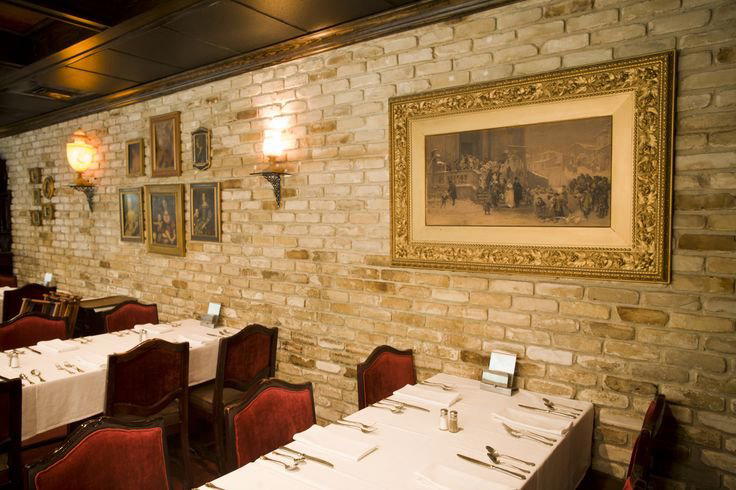
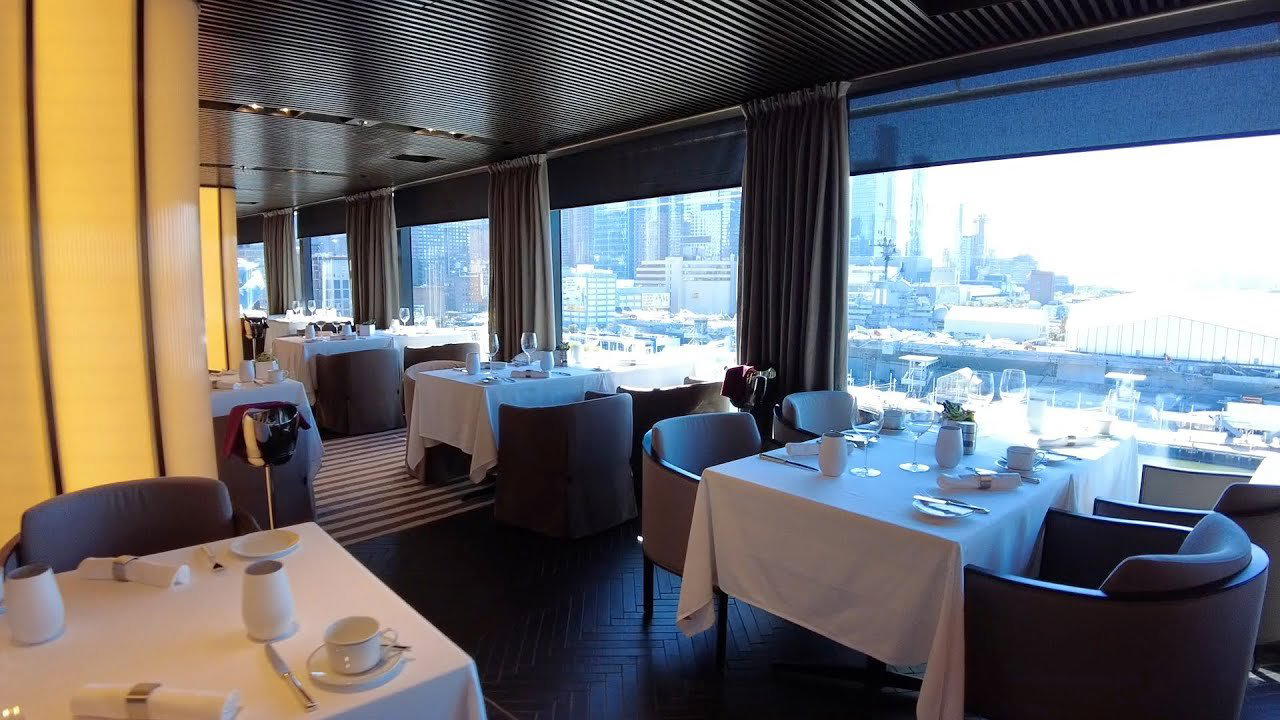
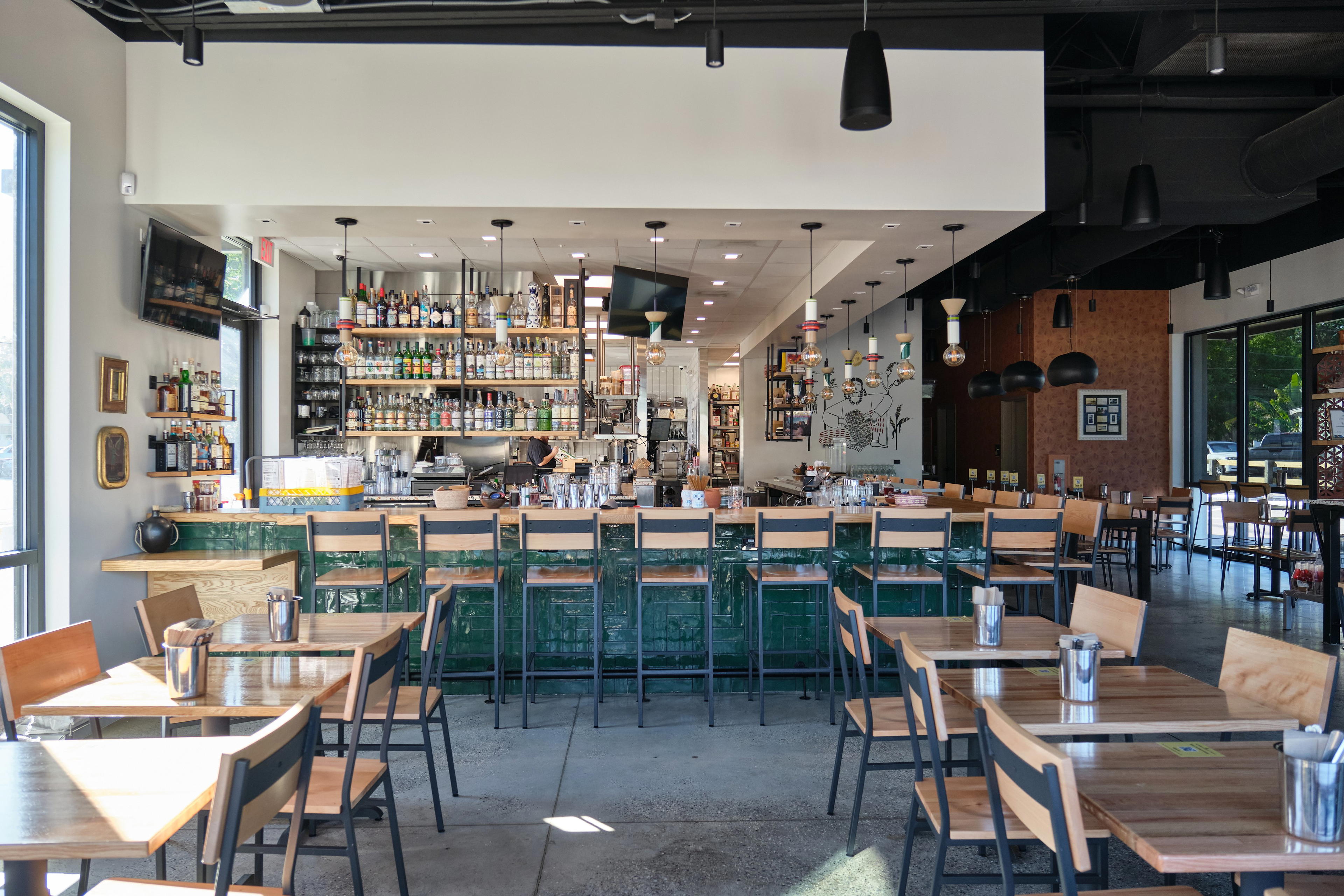
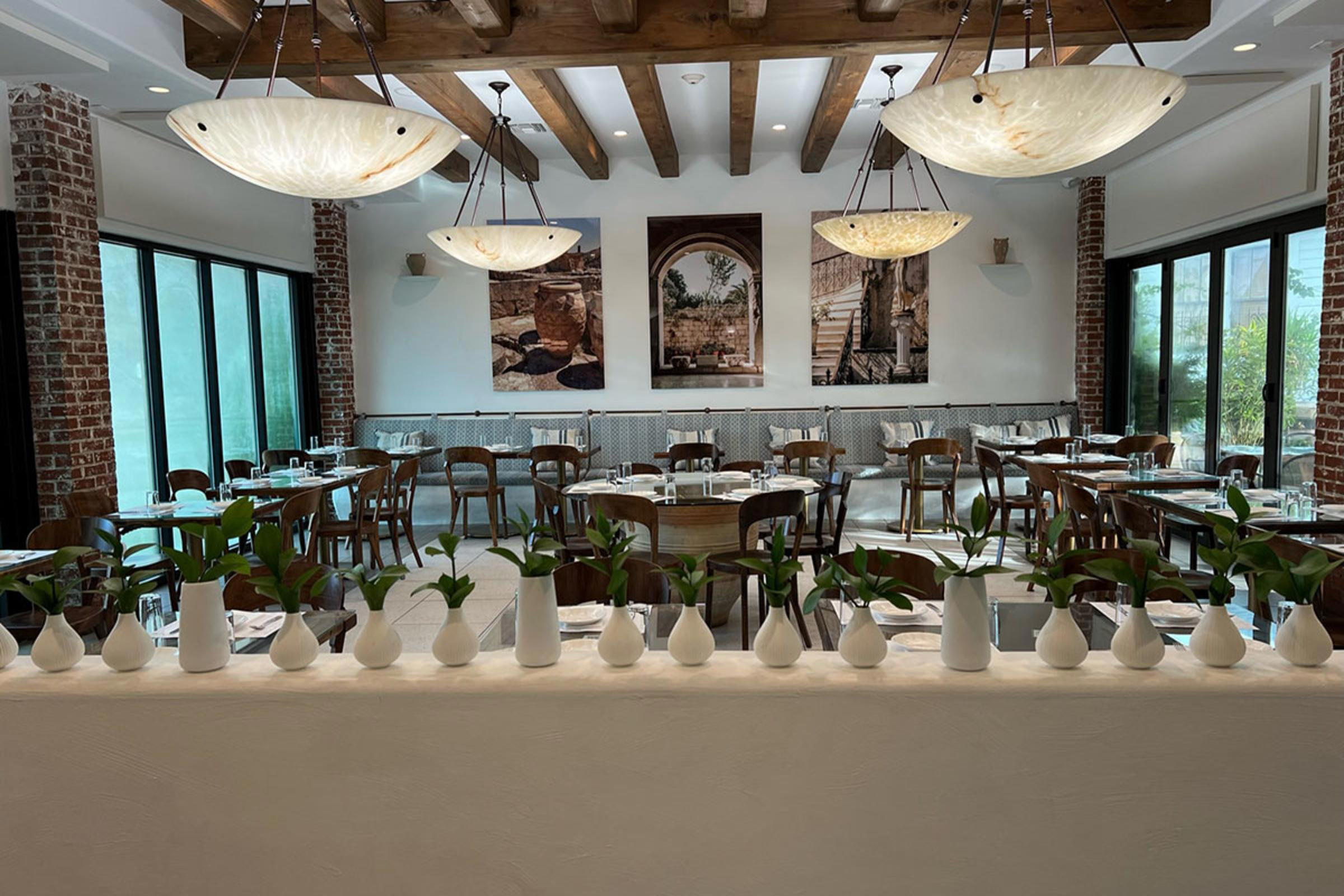
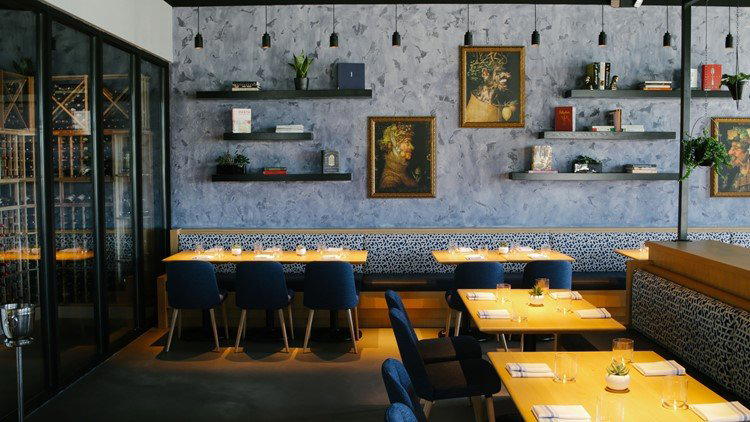
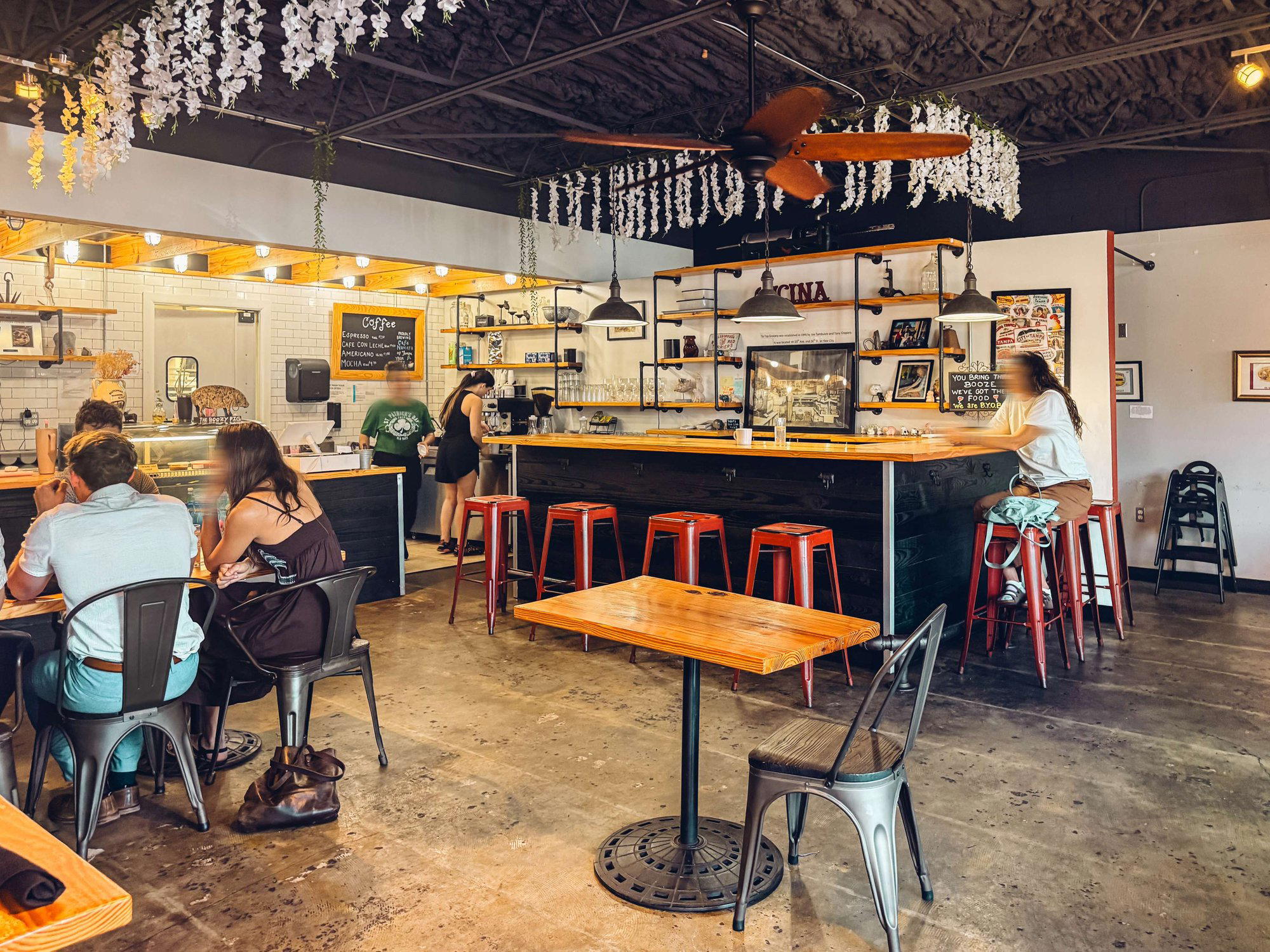
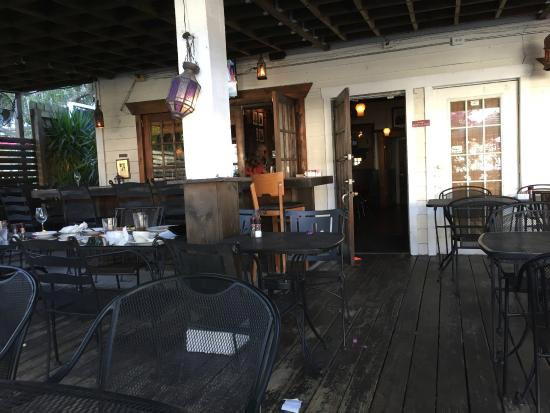
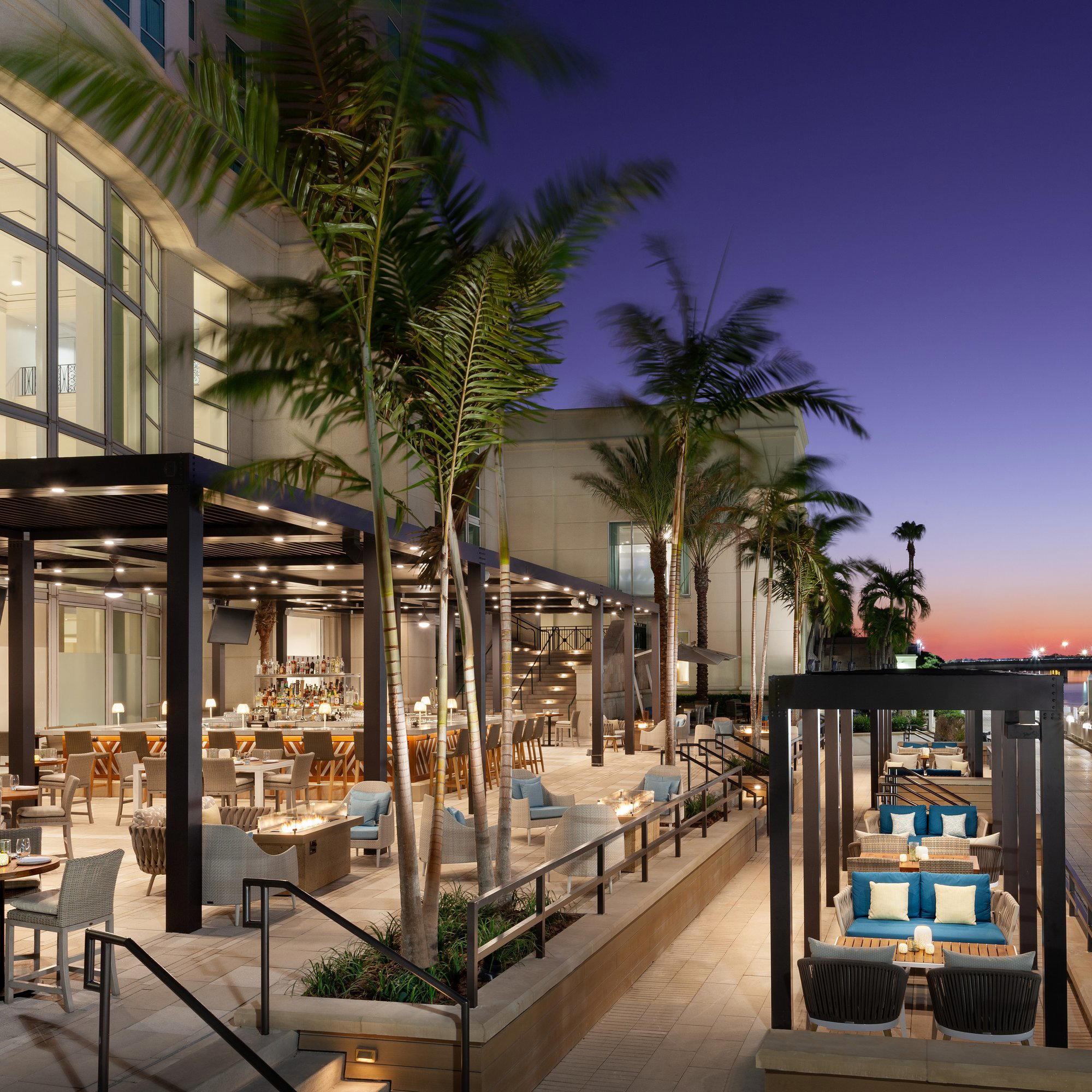
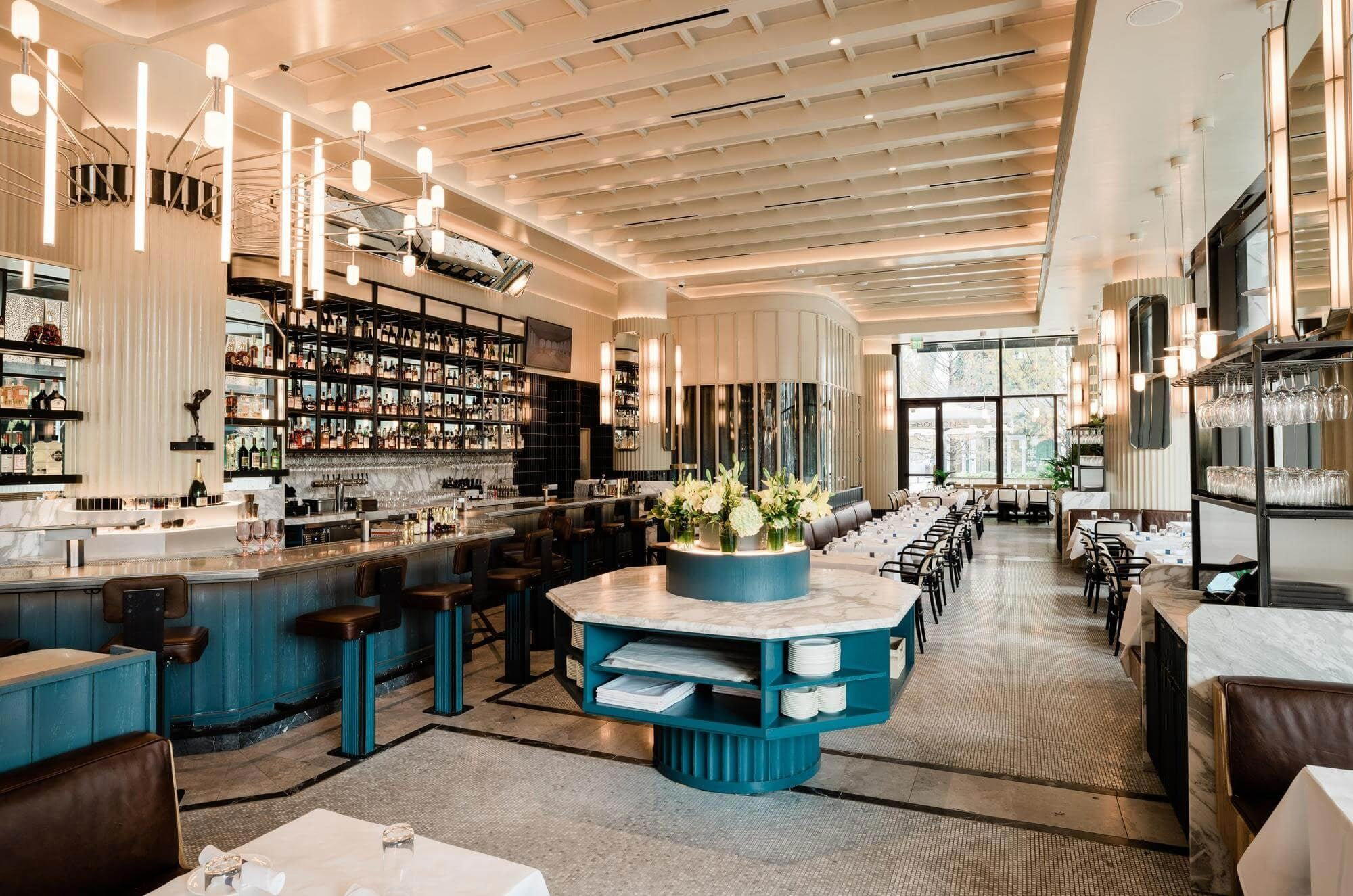
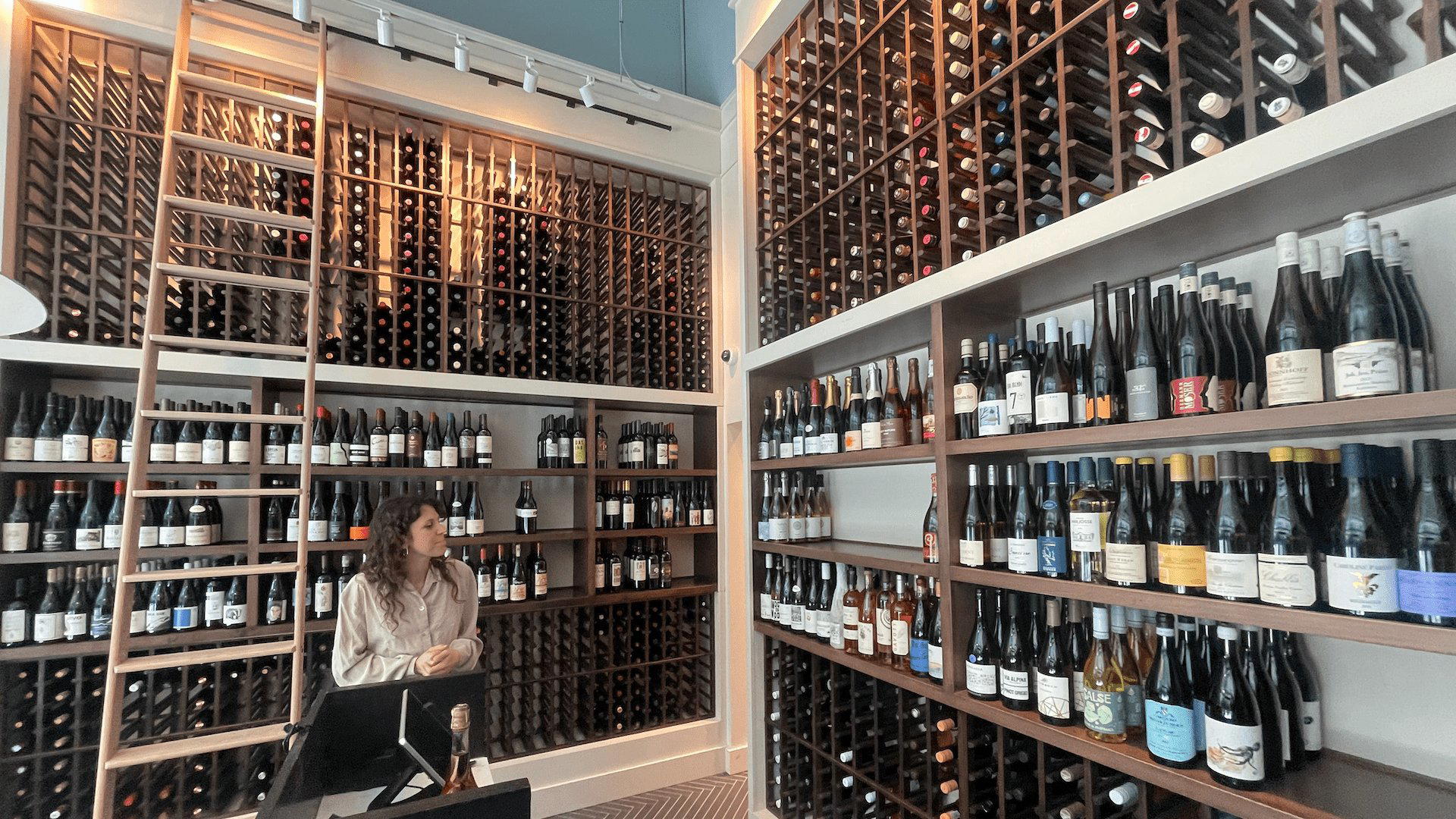
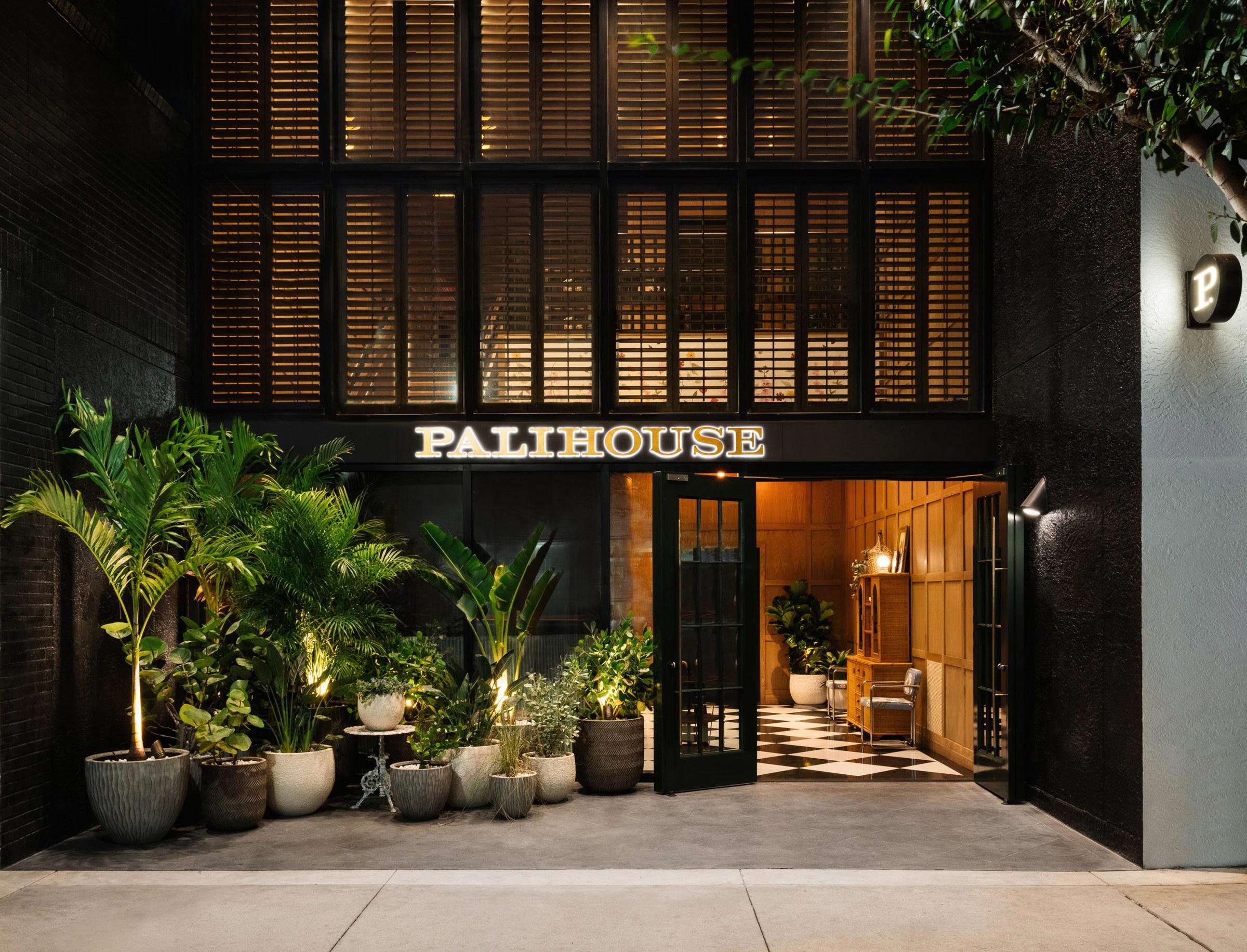
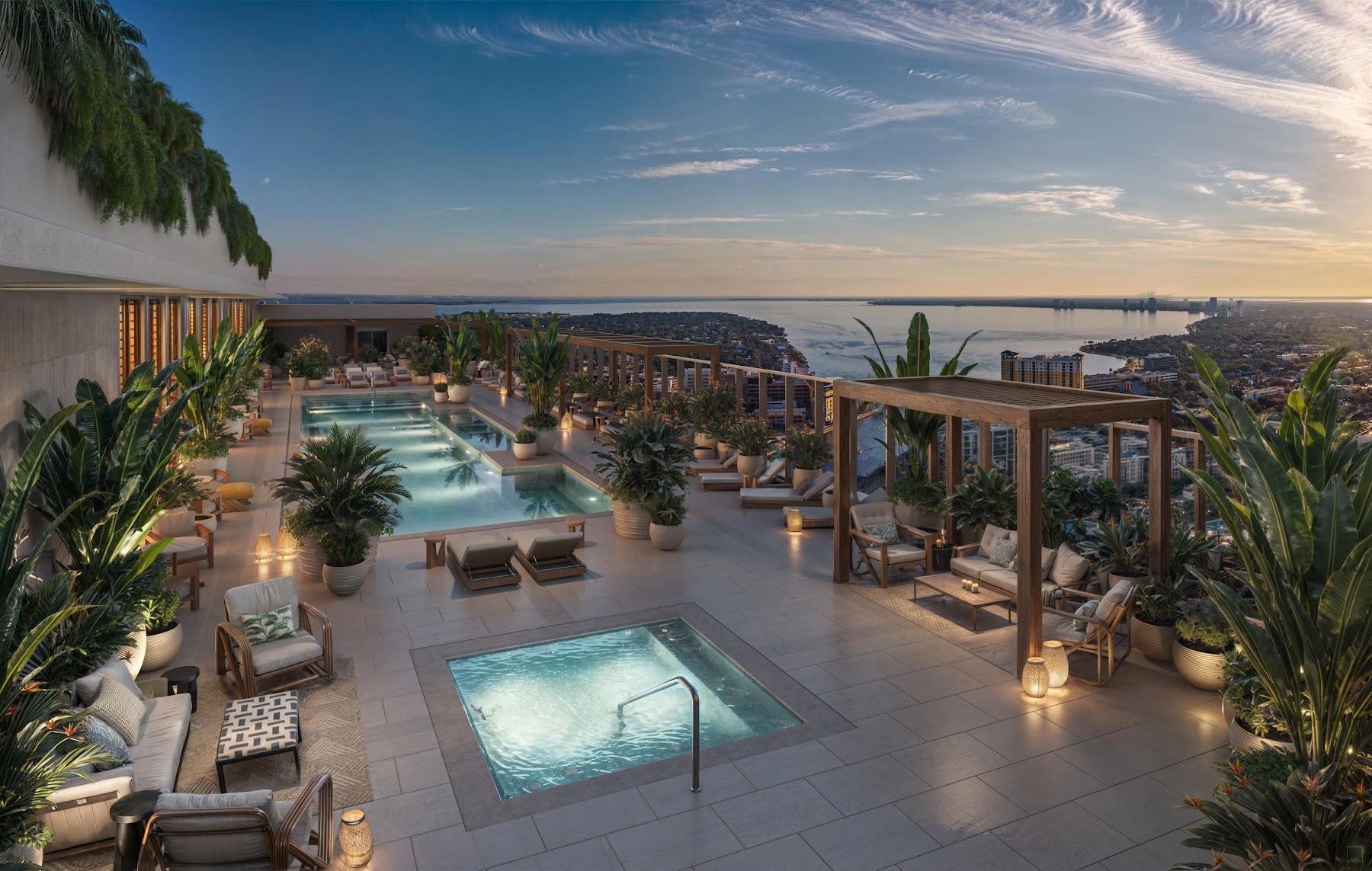
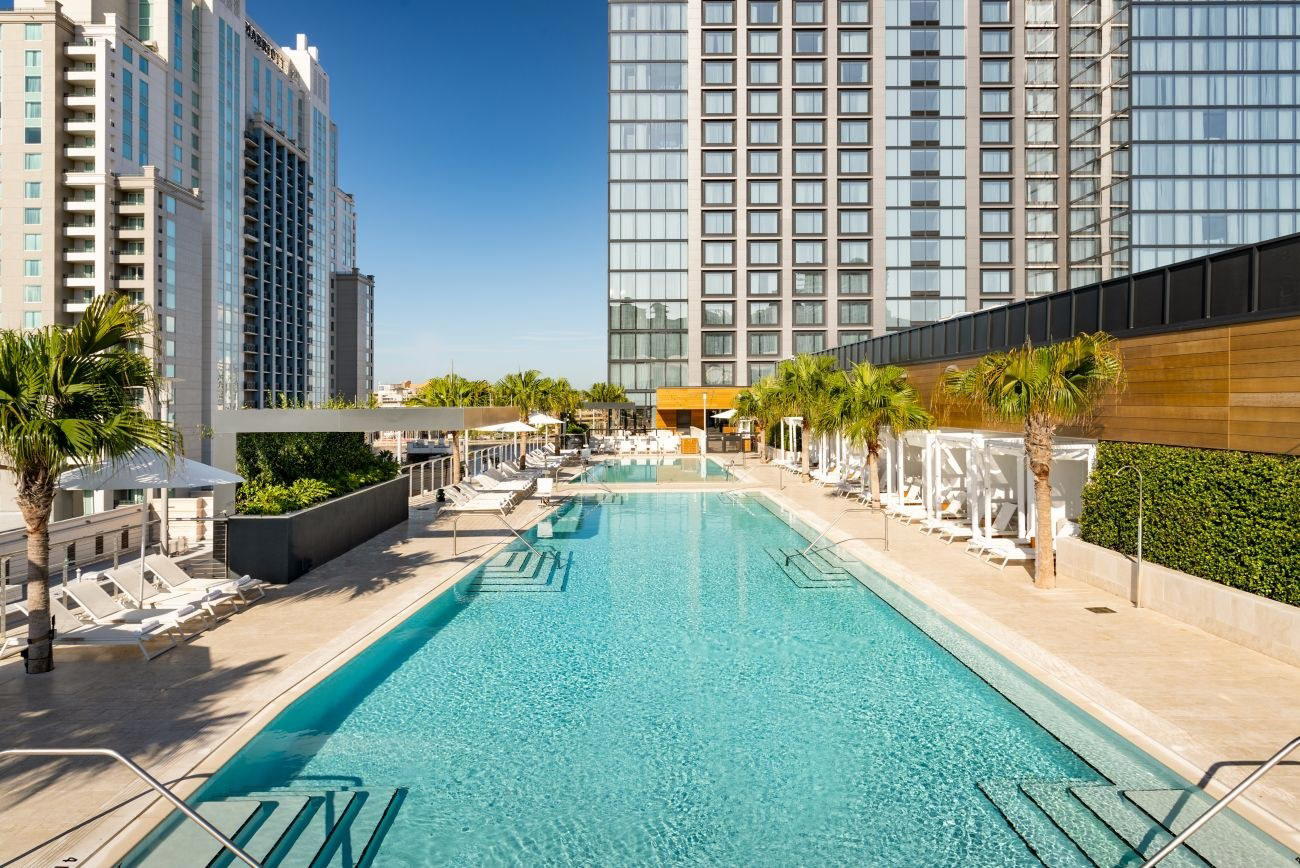
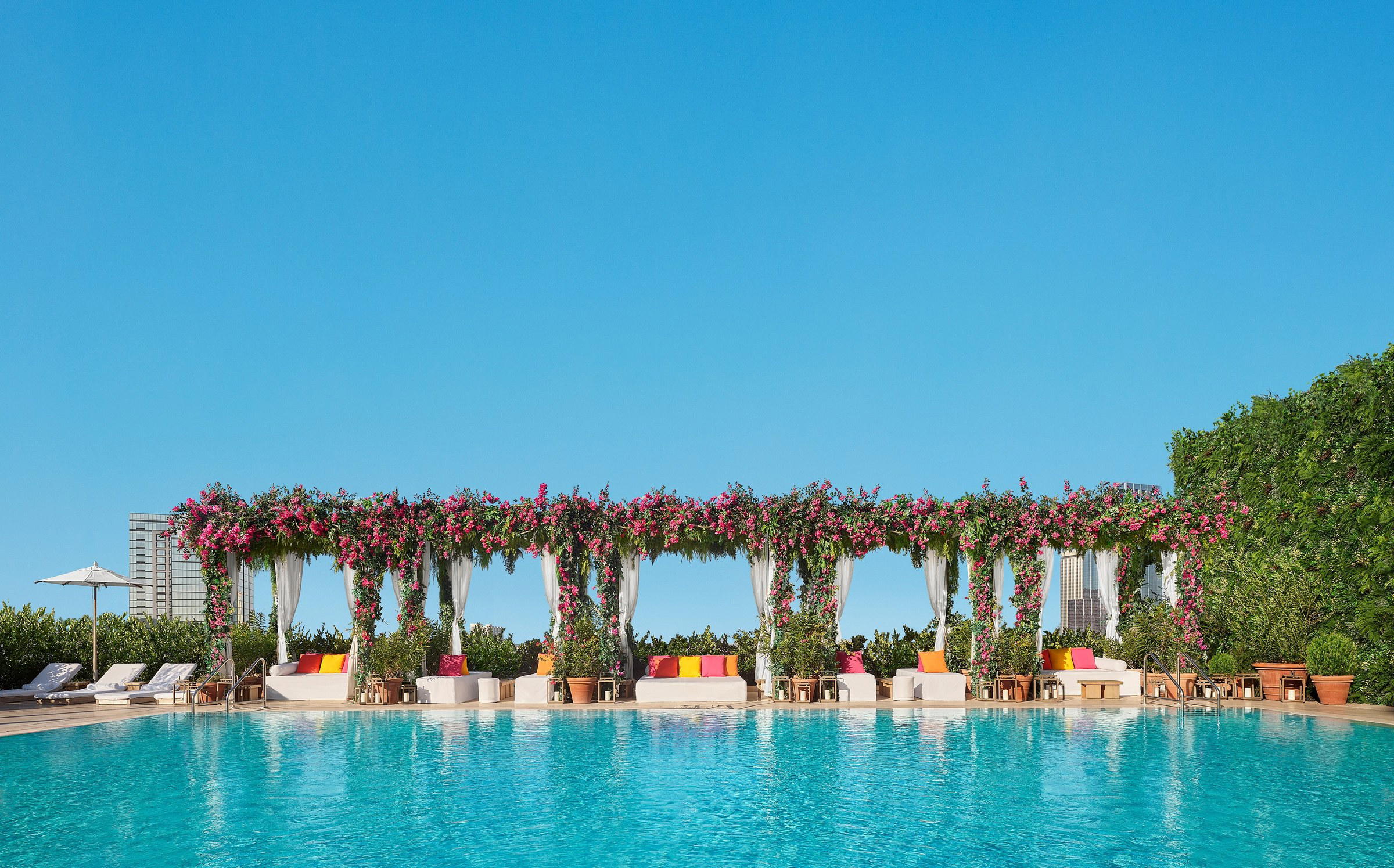
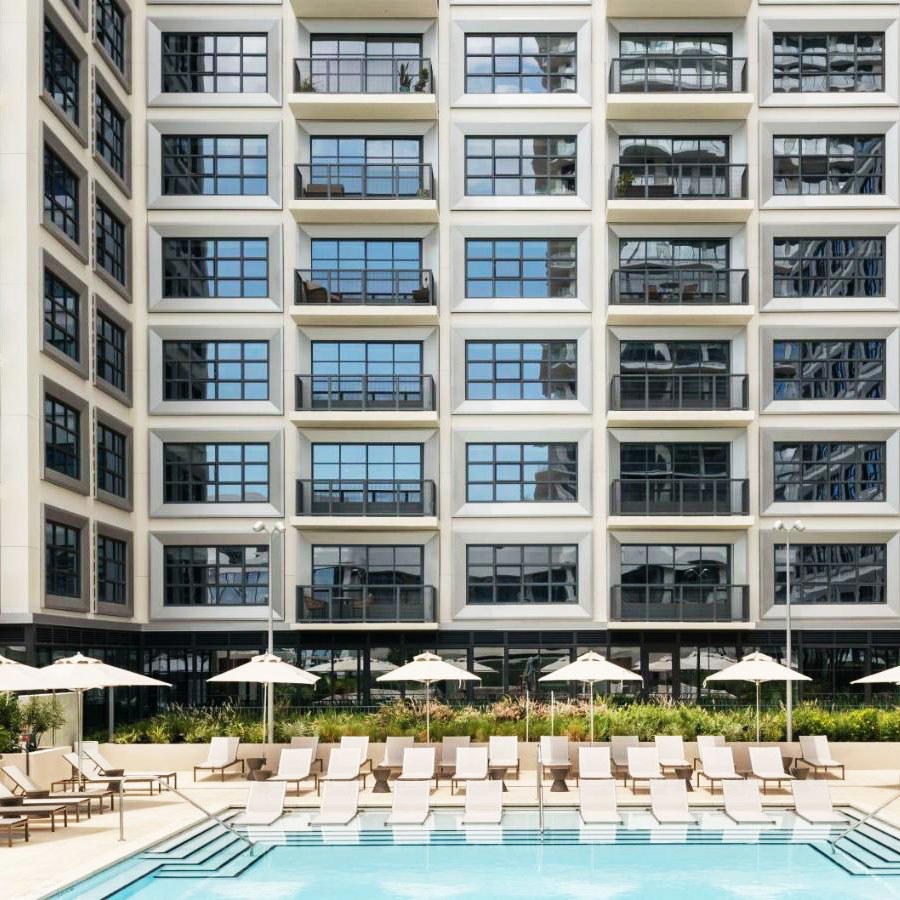
Laid-back energy blending timeless 1980s design with modern polish; framed TVs showcase live games and vintage visuals; welcoming space with both indoor and outdoor seating areas.