Copacabana Brazilian Steakhouse - Niagara
Copacabana Brazilian Steakhouse on Fallsview Boulevard puts the rodizio format — tableside carving, rotating cuts, continuous service — at the centre of one of Niagara Falls' most tourist-dense dining corridors. The format suits groups and families navigating a high-volume destination, where the spectacle of the gauchos and the volume of the meat are the proposition, not the quiet or the precision.
Pearl is the En Primeur Club membership app — saves, bookings, and concierge access live there. Same editors, same standards.
- Address
- 6671 Fallsview Blvd, Niagara Falls, ON L2G 5Y5, Canada
- Phone
- +12894028234
- Website
- thecopa.ca
- Directions
- Get directions
 Saves & bookings on Pearl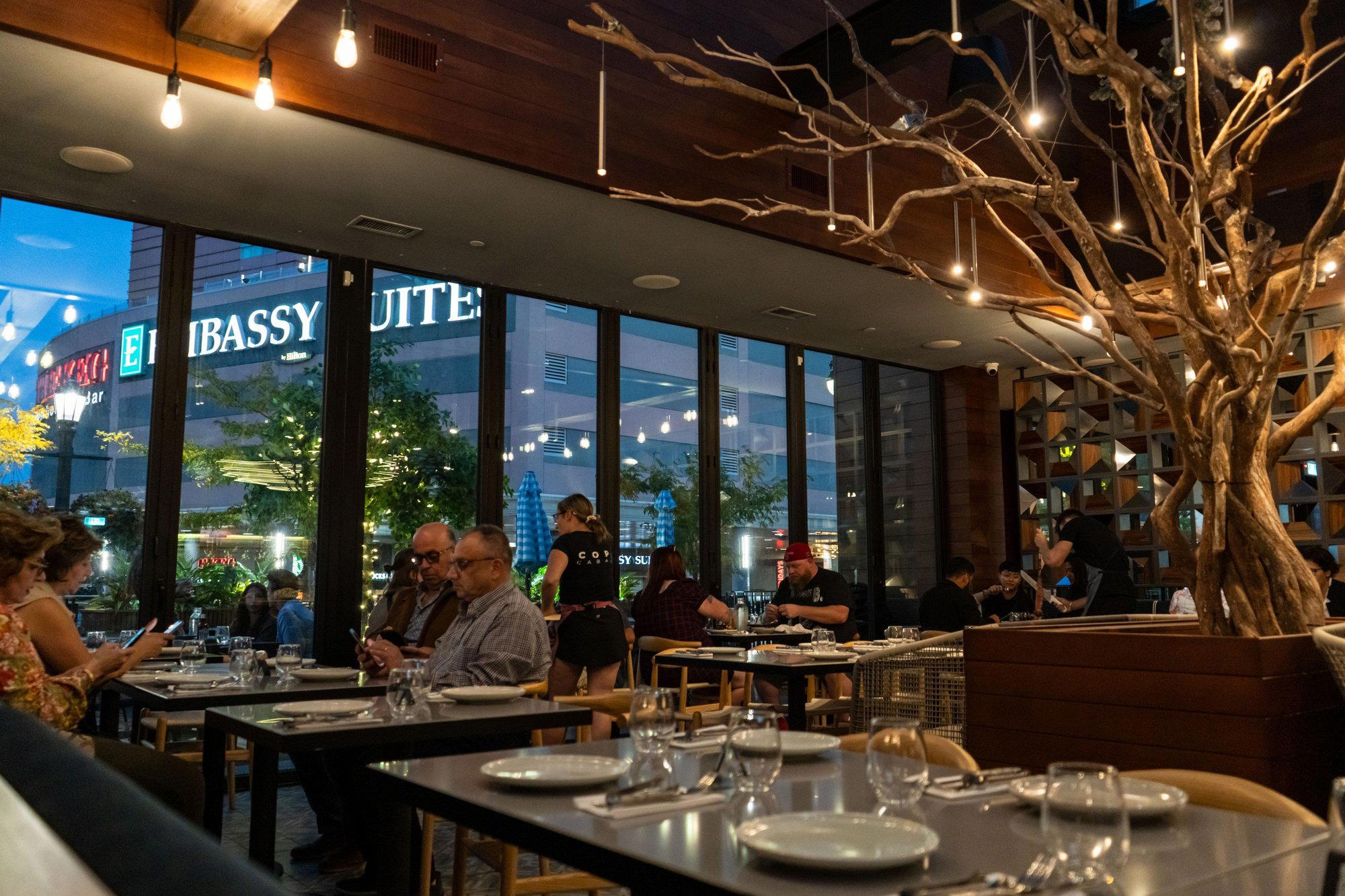
The Fallsview Corridor and the Case for Rodizio
Niagara Falls operates on a different dining calculus than most Canadian cities. The stretch of Fallsview Boulevard running south from the casino district draws millions of visitors annually, and the restaurants lining it are priced and formatted for groups, families, and tourists with a single evening to spend. In that context, the Brazilian churrascaria format has a structural advantage: it is theatrical, efficient, and inclusive enough to satisfy tables with wildly different preferences. Copacabana Brazilian Steakhouse, at 6671 Fallsview Blvd, occupies that format in a location where the competition includes hotel steakhouses and volume Italian concepts rather than the farm-to-table precision you would find at AG Inspired Cuisine or the refined tasting menus of Tanière³ in Quebec City.
The rodizio model itself is worth understanding before you arrive. It is not à la carte, and it is not a buffet in the conventional sense. Gauchos — the servers who carry long skewers of roasted and carved meats — circulate the room continuously, stopping at tables where a small indicator (typically a card or disc, green side up) signals that diners want more. When you need a pause, you flip it. The pacing is yours to control, and that element of interactive service is part of what makes the format work for large, mixed groups. A salad bar of sides, breads, and cold preparations anchors the meal between passes.
What the Setting Signals
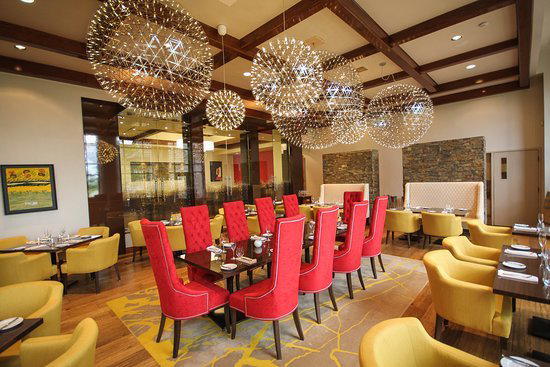
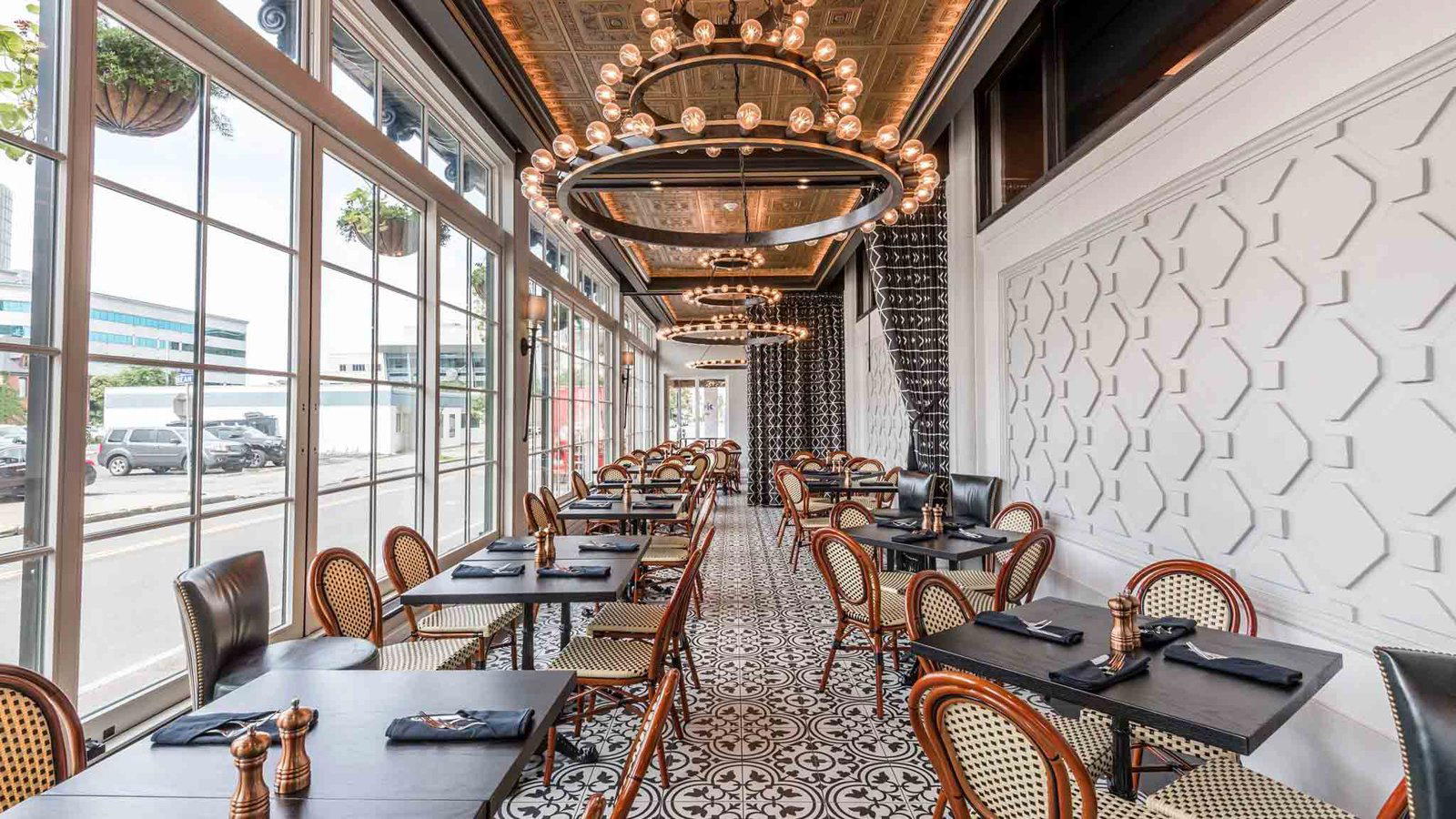
Fallsview Boulevard at this section of Niagara Falls is high-density tourist infrastructure: chain hotels, observation decks, casino-adjacent dining. The physical environment is not intimate, and the format does not ask it to be. Copacabana's address situates it among properties including Coco's Terrace Steakhouse and 21 Club Steak and Seafood, both of which occupy the Fallsview steakhouse tier. Against those peers, Copacabana differentiates not on the individual cut or the wine list but on format: the tableside carving ceremony, the noise level that rises with the room, the sense of volume and communal energy that a Brazilian steakhouse produces at full occupancy.
That energy is a deliberate product of the churrascaria tradition. Originating in the cattle regions of southern Brazil, Rio Grande do Sul in particular, the gaucho tradition of roasting large cuts over open flame and carving directly for diners was never quiet or minimalist. It is a format built for abundance and sociability. In that sense, the sensory register of a busy Copacabana service is not a side effect; it is the point. The smell of charred meat moving through the dining room, the sound of carving knives on steel, the visual parade of skewers: these are the mechanism, not the backdrop.
Placing It in the Niagara Dining Picture
Niagara Falls' restaurant scene divides fairly cleanly into several tiers. At the leading, a small group of destination restaurants draws visitors who have come specifically to eat: AG Inspired Cuisine is the clearest local example, and the Niagara wine country just west of the city supports serious table dining at properties like Restaurant Pearl Morissette in Lincoln. Below that, a large volume of hotel-adjacent and tourist-corridor dining handles the millions who visit primarily for the Falls and need a reliable, accessible dinner. Copacabana operates in the second tier, which is not a demotion, it is simply an accurate placement. The format is calibrated for throughput, for groups that span ages and dietary patience, and for an evening experience that does not require advance research or wine knowledge to enjoy.
For contrast, consider what the Niagara corridor does not offer in the churrascaria category. Italian and steakhouse formats dominate: Carpaccio Restaurant Niagara and Antica Pizzeria & Ristorante both represent the Italian-leaning half of the Fallsview dining offer. A Brazilian steakhouse at this location is a less crowded category choice, which may explain some of its consistent draw among visitors who have already eaten Italian twice on a long weekend.
The Practical Picture for Planning
Copacabana sits at 6671 Fallsview Blvd, walkable from the major hotel towers and the casino complex. For visitors staying along the Boulevard, this is a fifteen-minute walk from most properties, or a short cab ride from the American side of the Falls. Niagara Falls tourism peaks between May and October, when the Falls themselves are at their most visited; summer evenings at tourist-corridor restaurants see the longest waits, and the rodizio format, which fills tables efficiently and turns them at a pace determined partly by the diners themselves, can mean variable wait times during peak season. Arriving earlier in the evening service or booking ahead where the reservation system allows is the direct mitigation.
For groups with children, the all-inclusive rodizio format has practical advantages: there is no menu to negotiate, no à la carte ordering that creates awkward pricing conversations, and the side bar typically includes enough variety to accommodate selective eaters. This is a different proposition from the precision tasting experiences at Alo in Toronto or Eigensinn Farm in Singhampton, or the focused seafood focus at Le Bernardin in New York City. Those are singular-focus dining environments for specific audiences. Copacabana's format is deliberately broad in its appeal, which in a tourist destination like Niagara Falls is not a weakness.
Visitors coming from outside the immediate region who want to see the broader range of serious dining across Ontario and Canada will find context in our full Niagara Falls restaurants guide, and in EP Club's coverage of destination-level Canadian tables from The Pine in Creemore to AnnaLena in Vancouver, Jérôme Ferrer - Europea in Montréal, and Narval in Rimouski. For contrast at the extreme experiential end, Fogo Island Inn Dining Room and Lazy Bear in San Francisco represent the communal-but-curated end of the spectrum. Busters Barbeque in Kenora sits closer to the same casual, meat-forward register, if in a very different geography.
Continue exploring
More in Niagara Falls
Restaurants in Niagara Falls
Browse all →
Bars in Niagara Falls
Browse all →
Hotels in Niagara Falls
Browse all →

At a Glance
- Lively
- Energetic
- Group Dining
- Celebration
- Special Occasion
- Open Kitchen
Current opening hours
- Monday
- 5–10 PM
- Tuesday
- 5–10 PM
- Wednesday
- 5–10 PM
- Thursday
- 5–10 PM
- Friday
- 5–11 PM
- Saturday
- 4–11 PM
- Sunday
- 4–10 PM
Hours can change for holidays and private events. Last verified .
Lively and high-energy atmosphere with bold flavors and lively service.
Know Before You Go
- Getting there
- 6671 Fallsview Blvd, Niagara Falls, ON L2G 5Y5, Canada