Niagara Falls, NY 14301
Our verdict
Niagara Falls, NY sits at one of North America's most-visited natural corridors, yet its restaurant scene rewards those who look past the tourist perimeter. From steakhouses with gorge views to Italian kitchens drawing on regional produce, the city's dining options range wider than its reputation suggests.

Pearl is the En Primeur Club membership app — saves, bookings, and concierge access live there. Same editors, same standards.
- Address
- Niagara Falls, NY
- Directions
- Get directions
The menu
What to order
- Beef_on_weck
- Park_inspired_burgers
- Niagara_fish_and_chips
Dining at the Edge of the Falls: What the Niagara Restaurant Scene Actually Looks Like
The mist from Horseshoe Falls reaches further than most visitors expect. On a still morning, standing anywhere near the American side observation deck, you feel it before you see the cascade itself — a low, persistent cool that settles on clothing and carries the faint mineral smell of the Niagara River. The physical environment is that forceful, and it shapes everything around it, including where and how people eat. Niagara Falls, NY has long wrestled with the economics of a place where most visitors arrive for a single spectacle and leave by nightfall. That pressure has historically produced the kind of dining that serves crowds rather than curious eaters.
What has changed, gradually, is a tier of restaurants that operates somewhat independently of the tourist conveyor belt. These are kitchens that source with intention, hold longer hours because their regulars demand it, and price against a more considered guest. They do not always advertise themselves loudly, which is partly why travellers relying on waterfront signage miss them entirely. The pages below map that tier, placing each restaurant in the context of what Niagara's dining scene actually rewards and where it still falls short.
The Sourcing Question: What Western New York Produces and Why It Matters Here
Western New York is a credible agricultural region that rarely gets its due in national food conversations. The Niagara Escarpment — the same geological shelf that creates the falls, moderates temperatures across a band of land on both sides of the border, producing conditions that favour cold-climate fruit, dairy cattle, and field vegetables that carry more density of flavour than their warmer-climate counterparts. Lake-effect snowfall and a longer cool season push growing timelines outward in ways that benefit certain crops significantly.
Restaurants that acknowledge this geography rather than importing indiscriminately tend to produce menus with a coherence that is immediately legible on the plate. At AG Inspired Cuisine, the approach leans into regional produce as a structural commitment rather than a garnish to the menu copy. Similarly, Carpaccio Restaurant Niagara situates Italian technique against locally available ingredients in a way that makes the cuisine feel placed rather than generic. This sourcing logic connects Niagara to a broader movement visible at farms-to-table operations across the northeast, though the local version is quieter and less self-promotional than, say, what Blue Hill at Stone Barns in Tarrytown has built into its entire identity, or what Single Thread Farm in Healdsburg does with its on-site agricultural program.
The distinction matters for travellers making decisions. A kitchen that sources from the Niagara region is not simply marketing local sentiment, it is working with ingredients whose growing conditions produce specific textural and flavour outcomes. Apples from the escarpment carry more acidity than those from warmer climates. Dairy from small Erie County farms runs richer in fat content through the longer indoor season. These are not marketing claims; they are documented agricultural realities that show up in food when kitchens choose to use them.
The Steakhouse Tier and What It Tells You About the Market
A significant share of Niagara Falls, NY's sit-down dining runs through the steakhouse format. This is not accidental. The city draws a substantial convention and casino corridor audience, and that demographic consistently anchors dining spend at beef-focused menus where quality signals are legible and familiar. 21 Club Steak and Seafood and Coco's Terrace Steakhouse both operate in this tier, where the view of the gorge or the falls functions as part of the dining proposition, the physical environment doing work that the menu alone cannot always carry.
This is a different competitive logic from destination steakhouses in larger American cities, where provenance of the beef cut, dry-aging specifications, and sourcing transparency have become standard differentiators. In Niagara Falls, the view-premium remains the primary driver of seat value. That is worth understanding before booking, because it shapes what you are paying for. The comparison set here is not Le Bernardin in New York City or Addison in San Diego, it is waterfront dining at a destination that serves volume.
Italian and Mediterranean Kitchens: Where the Scene Has More Range
Niagara Falls, NY's Italian dining options cover more ground than the steakhouse tier suggests. Antica Pizzeria & Ristorante operates at the casual-to-mid register, where wood-fired technique and traditional Neapolitan dough ratios matter more than ambiance. Carpaccio Restaurant Niagara sits a rung higher in formality and price point, applying classic preparation to ingredients that lean regional where possible.
The Italian kitchen tradition in western New York is longer than most visitors assume, rooted in mid-twentieth-century immigration patterns that established cooking communities across Buffalo and Niagara. The best of that tradition does not require heavy marketing because it has local institutional memory behind it. For travellers accustomed to the rigour of European regional Italian cooking, or to what places like Atelier Moessmer Norbert Niederkofler in Brunico represent at the absolute fine-dining ceiling of the Alps, the Niagara version is self-evidently different in ambition. But on its own terms, grounded in community rather than destination prestige, it holds.
Planning a Meal in Niagara Falls, NY: Practical Orientation
The practical reality of dining in Niagara Falls, NY involves understanding that peak visitor periods, late spring through Labour Day, and major holiday weekends, compress table availability at the restaurants that operate with genuine care. Booking several days in advance for dinner, particularly on weekends between May and September, is not overcautious. The better-regarded kitchens fill quickly when conventions are in residence at the Seneca Niagara Resort corridor.
Downtown core of Niagara Falls, NY is walkable from the state park perimeter, though driving remains the most practical way to reach restaurants that sit away from the tourist spine. For travellers staying on the Canadian side, Niagara Falls, Ontario is a larger hospitality market with a wider hotel inventory, the Rainbow Bridge crossing adds a border checkpoint to any dinner plan. Timing that crossing for early evening, before the post-sunset pedestrian surge, reduces wait times considerably.
City does not currently have a Michelin-starred restaurant within its borders; for that tier of recognition, the nearest points of reference are in New York City itself, where Atomix and others operate at the awarded level. But the absence of formal recognition does not flatten all options to the same quality. The restaurants referenced in our full guide represent a genuine range. See our full Niagara Falls restaurants guide for ranked assessments across price tiers.
Frequently asked questions
What part of town is Niagara Falls, NY 14301 in?
Niagara Falls, NY 14301 is located at Niagara Falls, NY, Niagara Falls.
How does dining on the American side of Niagara Falls differ from the Canadian side?
The American side in Niagara Falls, NY 14301 has a smaller concentration of restaurants than Niagara Falls, Ontario directly across the border, and fewer venues with falls-view positioning. What the New York side offers is closer access to Western New York's agricultural supply chain, including Niagara Escarpment producers, which informs the sourcing practices of the area's better independent kitchens. Visitors prioritizing local ingredient provenance over view dining will find more of that on the American side.
What's the must-try dish at Niagara Falls, NY 14301?
No single signature dish defines the Niagara Falls, NY dining scene as a whole — the area spans steakhouses, Italian kitchens, and regionally sourced menus drawing on Western New York produce. The Niagara Escarpment supports stone fruit and wine-grape cultivation that surfaces in several local menus. Your best approach is to ask specifically about locally sourced specials when you arrive, as these shift with the season.
Should I book Niagara Falls, NY 14301 in advance?
During peak visitor periods — late spring through Labour Day and major holiday weekends — the more established sit-down restaurants on the American side fill quickly. Advance reservations of two to three days are advisable for dinner at steakhouses and Italian dining rooms during those windows. Walk-in availability improves considerably outside summer months.
What's Niagara Falls, NY 14301 best at?
The Niagara Falls, NY dining market has its clearest strengths in steakhouse-format dining and Italian and Mediterranean kitchens, both of which have a longer operational history here than other cuisine categories. Western New York's agricultural output — including produce from the Niagara Escarpment — gives the better local kitchens a credible sourcing story that distinguishes them from generic tourist-corridor dining.
Can Niagara Falls, NY 14301 adjust for dietary needs?
Dietary accommodation varies by individual restaurant rather than by any area-wide standard. Italian and Mediterranean kitchens in the area generally handle vegetarian requests with more flexibility than steakhouse-focused venues. Confirming specific requirements directly with the restaurant before visiting is the most reliable approach, particularly during busy summer periods when kitchens are operating at high volume.
Is Niagara Falls, NY 14301 good value for money?
Niagara Falls, NY sits below the price benchmarks of comparable tourist destinations in the Northeast. Steakhouse dinners and Italian restaurant meals here are generally priced for a mixed visitor and local market rather than a premium-capture model. That said, proximity to the falls observation areas tends to push prices up slightly at venues with direct views.
A Quick Peer Check
| Venue | Cuisine | Price | Awards |
|---|---|---|---|
| Niagara Falls, NY 14301This venue — the venue you are viewing | American Parkside Grill | $20–30 | Not listed |
| PONTE VECCHIO | Classic Italian Fine Dining | $50–100 | Wine Spectator Best of Award of Excellence |
| AG Inspired Cuisine | Contemporary Farm-to-Table Fine Dining | Not listed | Not listed |
| Antica Pizzeria & Ristorante | Authentic Italian Wood-Fired Pizza | $30–50 | Not listed |
| Carpaccio Restaurant Niagara | Modern Italian | Not listed | Not listed |
| Coco's Terrace Steakhouse | Wood-Fired Steakhouse & Pizza | Not listed | Not listed |
Continue exploring
More in Niagara Falls
Restaurants in Niagara Falls
Browse all →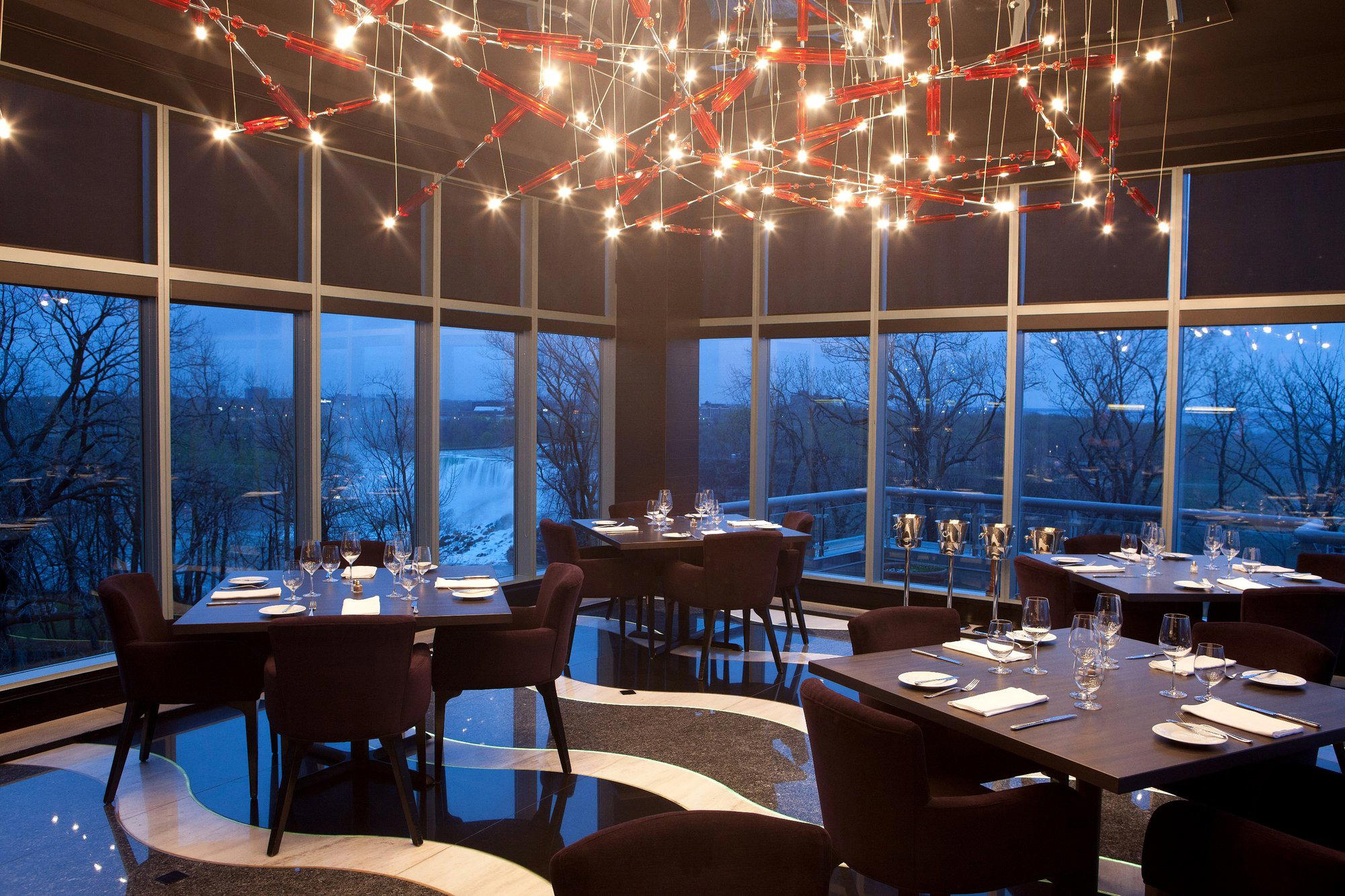
Bars in Niagara Falls
Browse all →
Hotels in Niagara Falls
Browse all →

Details
- Casual Hangout
- Family
- Waterfront
- Panoramic View
- Craft Cocktails
- Local Sourcing
- A La Carte
- Wine
- Lager
- Vegetarian Friendly
- Gluten Free Options
- Vegan Options
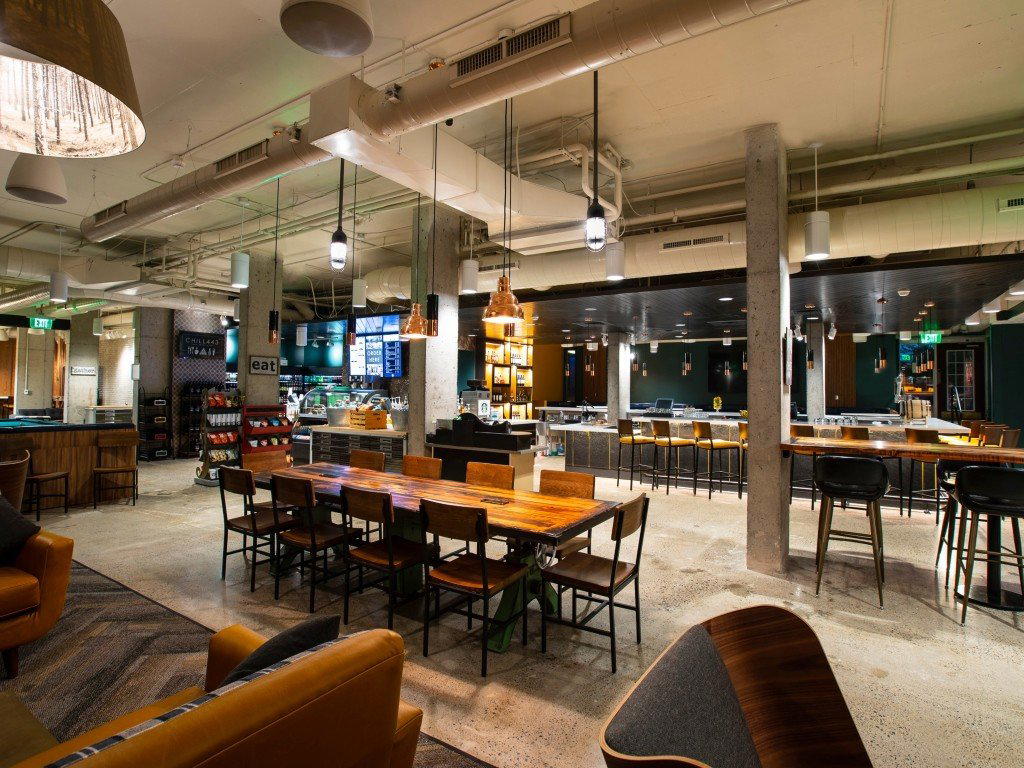
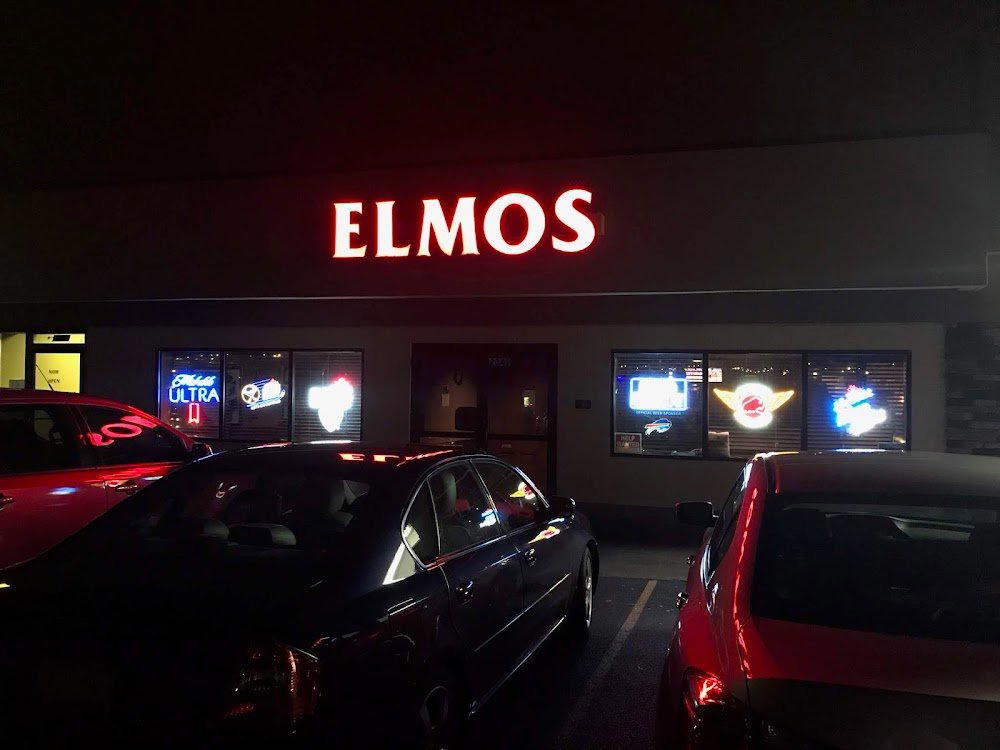
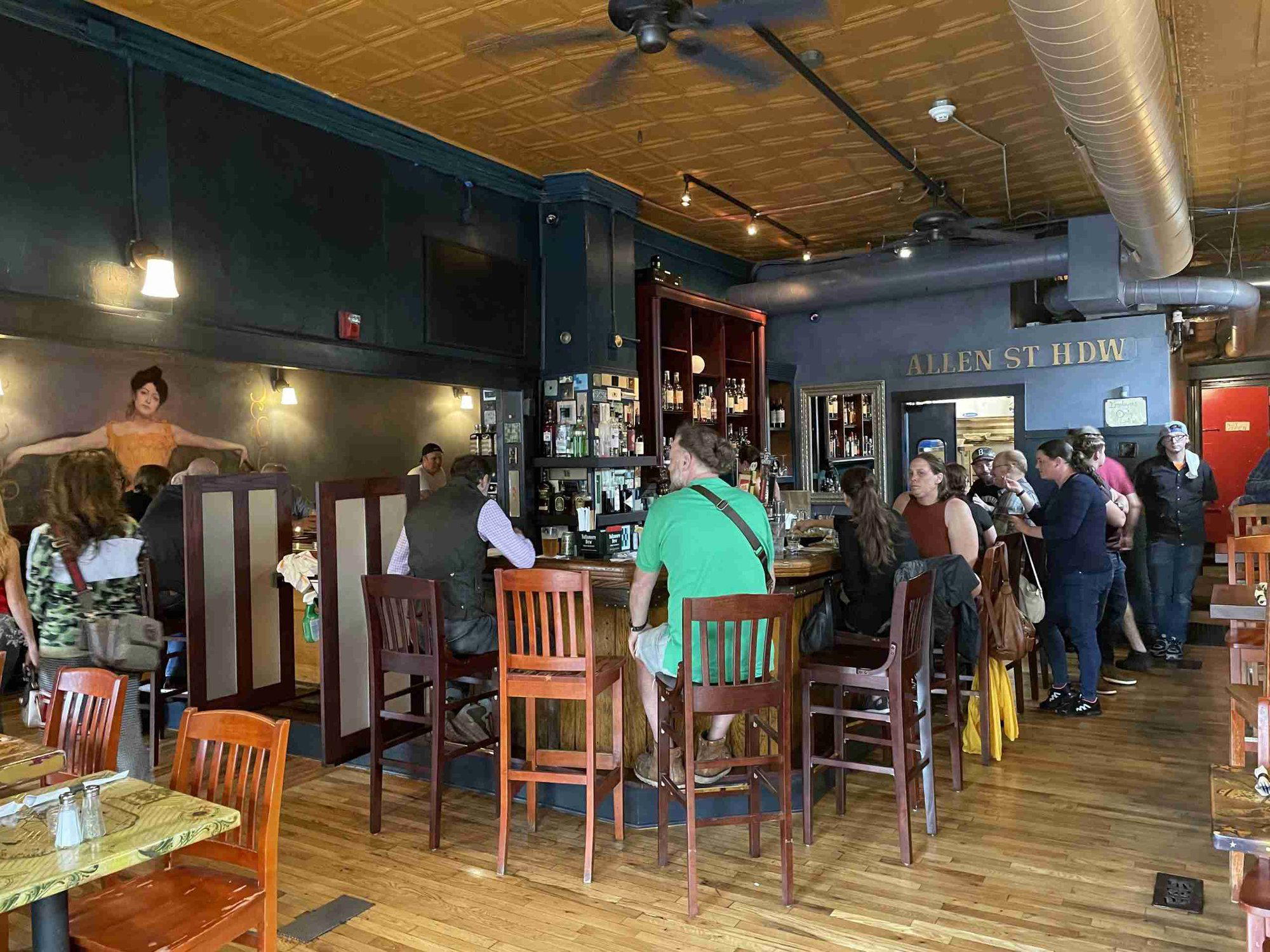
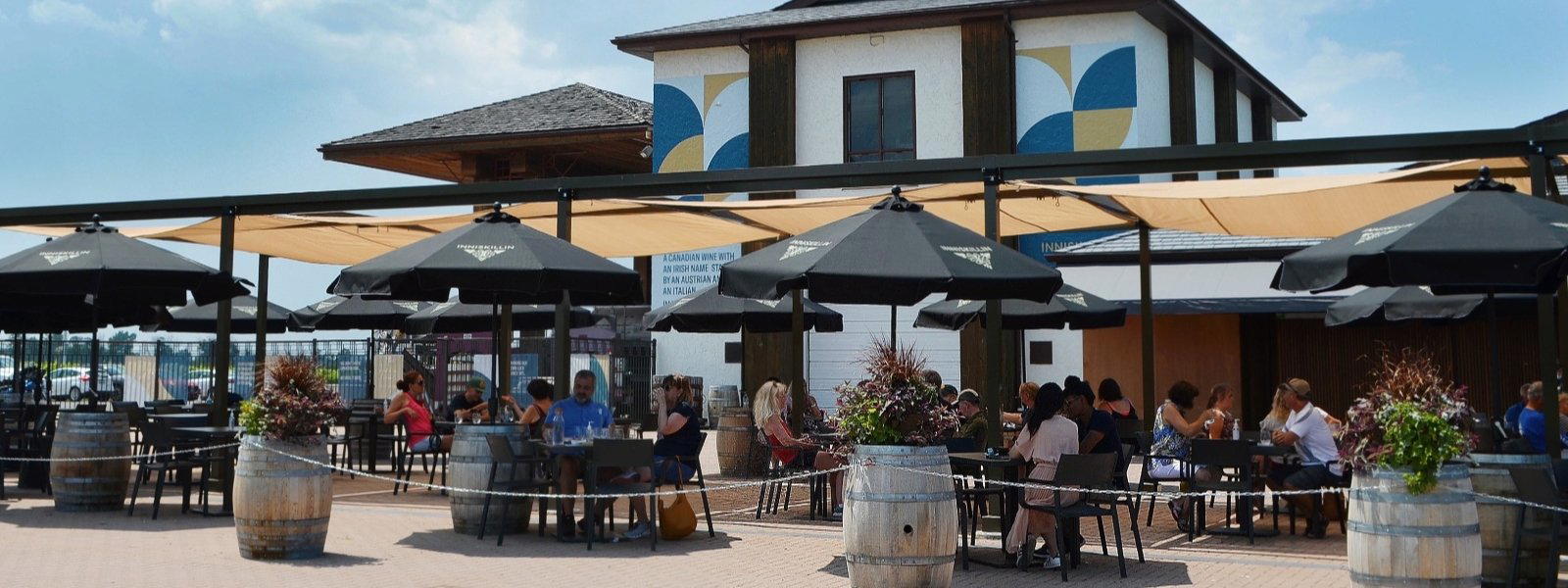
Scenic dining room overlooking the rushing waters of Niagara Falls with a casual park atmosphere.