Our verdict
Comorin occupies a considered position in Gurgaon's more serious dining tier, drawing on India's regional ingredient traditions rather than the pan-Indian shorthand that dominates the corporate corridor. Located in Two Horizon Center, DLF Phase 5, it represents a broader shift in NCR dining toward provenance-led menus that treat sourcing as the central editorial act, not an afterthought.

Pearl is the En Primeur Club membership app — saves, bookings, and concierge access live there. Same editors, same standards.
- Address
- 101, First Floor, Two Horizon Center, DLF Phase 5, Sector 43, Gurugram, Haryana 122009, India
- Phone
- +911244984224
- Hours
- Mon–Thu 12 PM–12 AMFri–Sat 12 PM–1 AMSun 12 PM–12 AM
- Website
- comorin.in
- Directions
- Get directions
- Booking
- Book on the venue's website
The menu
What to order
- Haleem Butter Toast
- Andhra Chicken
- Hot Buttered Seekh Kebabs
Where Gurgaon's Corporate Belt Gets Serious About Indian Ingredients
The approach to Two Horizon Center in DLF Phase 5 is familiar Gurgaon: glass towers, valet queues, the low hum of a city that runs on deadlines. What happens on the first floor of that building is a different proposition. Comorin occupies a register that few restaurants in the NCR's corporate dining corridor have attempted — a room and a menu built around the premise that Indian ingredients, sourced with some discipline and treated with some knowledge, can hold their own against any imported reference point. In a city where the default move is still to reach for European technique or Middle Eastern flavour as a signal of ambition, that is a meaningful editorial choice.
It is worth placing Comorin inside the broader pattern of what has happened to serious Indian restaurant-making over the past decade. The shift, visible in kitchens from Farmlore in Bangalore to Naar in Kasauli and Kappa Chakka Kandhari in Chennai, has been away from pan-Indian compilation menus toward something more territorial: specific regions, specific producers, specific growing conditions. The chef-as-archivist model, where the kitchen's primary job is to recover and articulate what Indian food actually is before it is westernised for export, has become a distinct competitive tier. Comorin belongs to that tier in the NCR context.
The Sourcing Argument at the Centre of the Menu
The most useful lens for reading Comorin's menu is not the dish list but the sourcing logic behind it. Indian cuisine's diversity is primarily an agricultural story: the spice routes of Kerala, the millet traditions of Rajasthan and Karnataka, the pickled and fermented pantries of the Northeast, the dairy culture of the Punjab plains. Restaurants that engage with that diversity seriously are making a different kind of promise than those that select familiar regional dishes and present them in a polished room. The promise is about fidelity to ingredient character — what a Byadgi chilli actually tastes like against a Kashmiri one, what aged kokum does to a sauce that fresh tamarind cannot replicate.
This sourcing-led approach carries operational weight. It means supplier relationships with smaller producers, seasonal constraints that cannot be smoothed over with frozen alternatives, and menu formats that need to shift more frequently than the quarterly reprint cycle most commercial restaurants prefer. In Gurgaon's dining market, where scale and consistency are typically prized above variation, that is a genuine commitment. The comparison set is not Copper Chimney Cyber Hub, which occupies an entirely different bracket of intent and price point, but rather the small cohort of NCR restaurants willing to absorb the cost and complexity of provenance-led menus. Kole represents another node in that same Gurgaon conversation.
The national picture for this kind of cooking is instructive. Adaa at Falaknuma Palace in Hyderabad anchors its menu in the Nizam-era kitchen traditions of the Deccan. Bomras in Anjuna draws on Burmese-inflected Goa as a sourcing and flavour frame. Inja in New Delhi works a Korean-Indian hybrid with defined produce logic. Palaash in Yavatmal and Dining Tent in Jaisalmer each make strong arguments for hyper-local ingredient identity. Comorin's version of this argument is pitched at a corporate-city audience with the spending capacity and curiosity to engage with it, which is itself a specific market read.
The Room and the Register
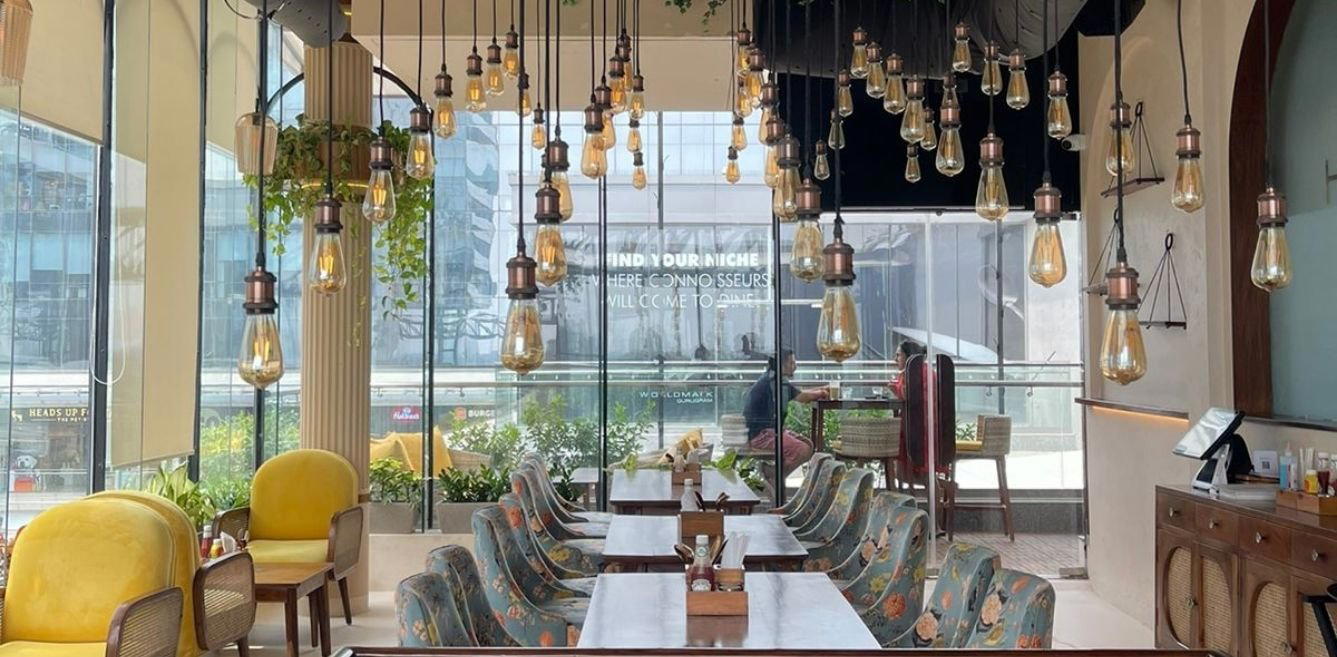
The physical setting at Two Horizon Center matters to the overall proposition. DLF Phase 5 is not a neighbourhood that historically signals culinary ambition; it signals efficiency, corporate convenience, and the kind of dining that gets expensed. Choosing to open a sourcing-conscious, format-disciplined restaurant in that postcode rather than in a more curated South Delhi address was a decision about where the audience actually is, not where it might aspire to be. The Gurgaon professional class has money and appetite, and restaurants that have treated them as an afterthought have generally paid for that assumption.
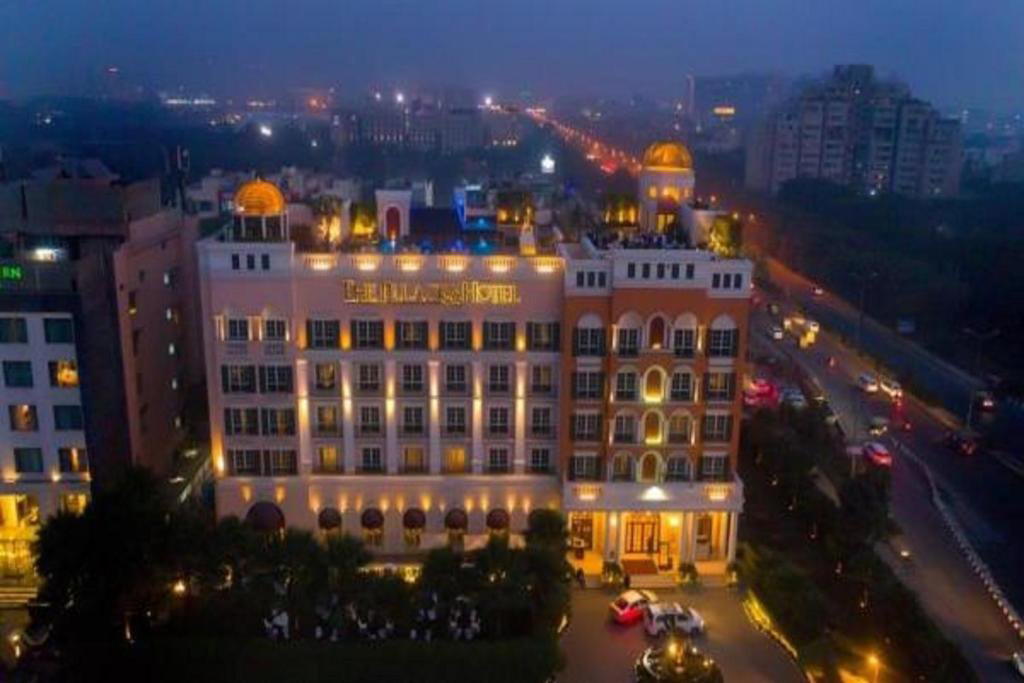
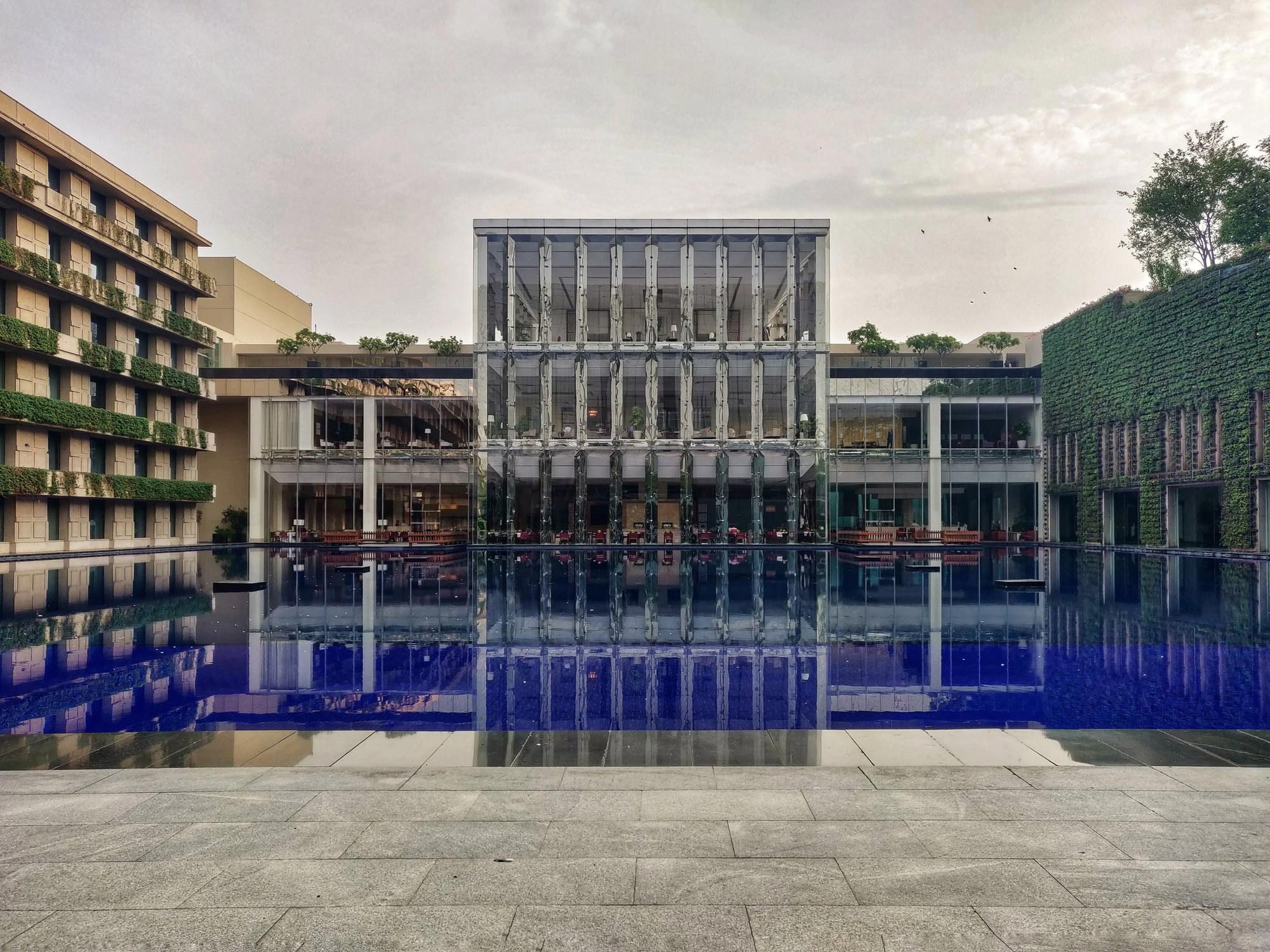
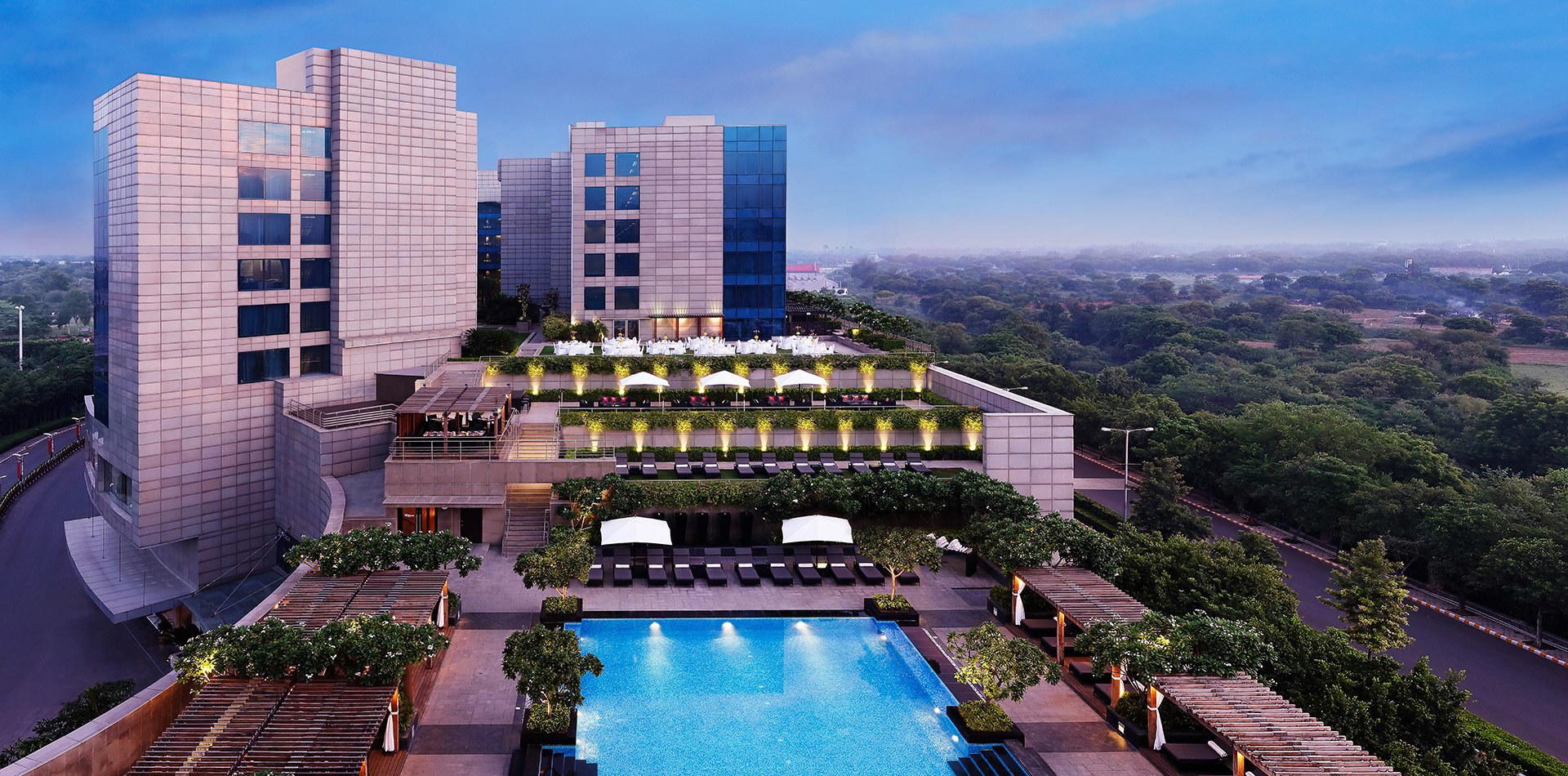
For a point of comparison on what a landmark hotel address does to dining perception in the same city, The Oberoi Gurgaon sits at the other end of that spectrum, institutional setting, institutional trust signals. Comorin's bet is different: that the room and the menu can generate their own authority without that kind of institutional scaffold. Among freestanding restaurants making similar bets internationally, the model of the tasting-format room inside a business-district building that earns credibility through ingredient seriousness rather than hotel affiliation is well established, Le Bernardin in New York City and Lazy Bear in San Francisco both demonstrate, in different ways, that dining room authority is a function of programme and precision, not address heritage.
Planning Your Visit
Comorin is located on the first floor of Two Horizon Center, DLF Phase 5, Sector 43, Gurugram, a building accessible by road from Golf Course Road and within a short cab ride of the Sikanderpur Metro station on the Yellow Line. The DLF Phase 5 corridor is dense with corporate offices, which means early evening slots, particularly those between 7 and 8 pm on weekdays, tend to fill with after-work bookings from nearby towers. Weekday lunch is the lower-traffic window for those who prefer a more considered pace. For context on the wider Gurgaon dining picture before committing to a booking, the full Gurgaon restaurants guide maps the category-by-category options across the city. Similarly, restaurants working in the provenance-led tier elsewhere in India, from Leela Kerala Terrace in Trivandrum to Neel in Patiala and Ran Baas The Palace in Qila Mubarak, all reward advance planning, Comorin operates in the same genre, and walk-in availability is not guaranteed.
Frequently asked questions
What part of town is COMORIN in?
COMORIN is located at 101, First Floor, Two Horizon Center, DLF Phase 5, Sector 43, Gurugram, Haryana 122009, India, Gurgaon.
What makes Comorin different from other modern Indian restaurants in Gurgaon?
Comorin's defining argument is an ingredient-first approach that foregrounds India's agricultural diversity rather than defaulting to pan-Indian comfort classics. The restaurant sits on the first floor of Two Horizon Center in DLF Phase 5, Sector 43, Gurugram, placing it squarely inside the city's corporate dining circuit yet operating with a sourcing philosophy more associated with destination restaurants. That tension between corporate-belt address and produce-led kitchen is what separates Comorin from the branded all-day-dining formats that dominate the same zip code.
What do regulars order at COMORIN?
Comorin's menu is built around sourcing logic rather than a fixed greatest-hits list, so returning guests tend to follow the seasonal and regional produce driving the kitchen at any given time. The dishes that generate the most consistent word-of-mouth sit at the intersection of lesser-known Indian regional traditions and specific named ingredients or producers. Asking the floor team what has arrived recently is the most reliable way to order well at the DLF Phase 5 address.
Is COMORIN reservation-only?
Comorin operates in a corporate-heavy Gurgaon corridor where weekday lunch and weekend dinner slots fill quickly. While walk-ins may be accommodated during off-peak hours at the Two Horizon Center location, booking ahead is the practical approach for groups or prime evening seatings. Contact or booking details are best confirmed directly via the restaurant, as hours and policies are subject to change.
Comparison Snapshot
| Venue | Cuisine | Price |
|---|---|---|
| COMORINThis venue — the venue you are viewing | Modern Regional Indian | $20–30 |
| Copper Chimney Cyber Hub- Gurugram | North Indian Mughlai | $20–30 |
| Kole | North Indian, Mughlai & Kebab | $1–10 |
| The Oberoi Gurgaon | Modern Indian Fine Dining | $50–100 |
Details
- Trendy
- Modern
- Cozy
- Sophisticated
- Group Dining
- Casual Hangout
- Date Night
- Open Kitchen
- Craft Cocktails
- Small Plates
- A La Carte
- Craft Cocktails
- Vegetarian Friendly
- Vegan Options
Current opening hours
- Monday
- 12 PM–12 AM
- Tuesday
- 12 PM–12 AM
- Wednesday
- 12 PM–12 AM
- Thursday
- 12 PM–12 AM
- Friday
- 12 PM–1 AM
- Saturday
- 12 PM–1 AM
- Sunday
- 12 PM–12 AM
Hours can change for holidays and private events. Last verified .
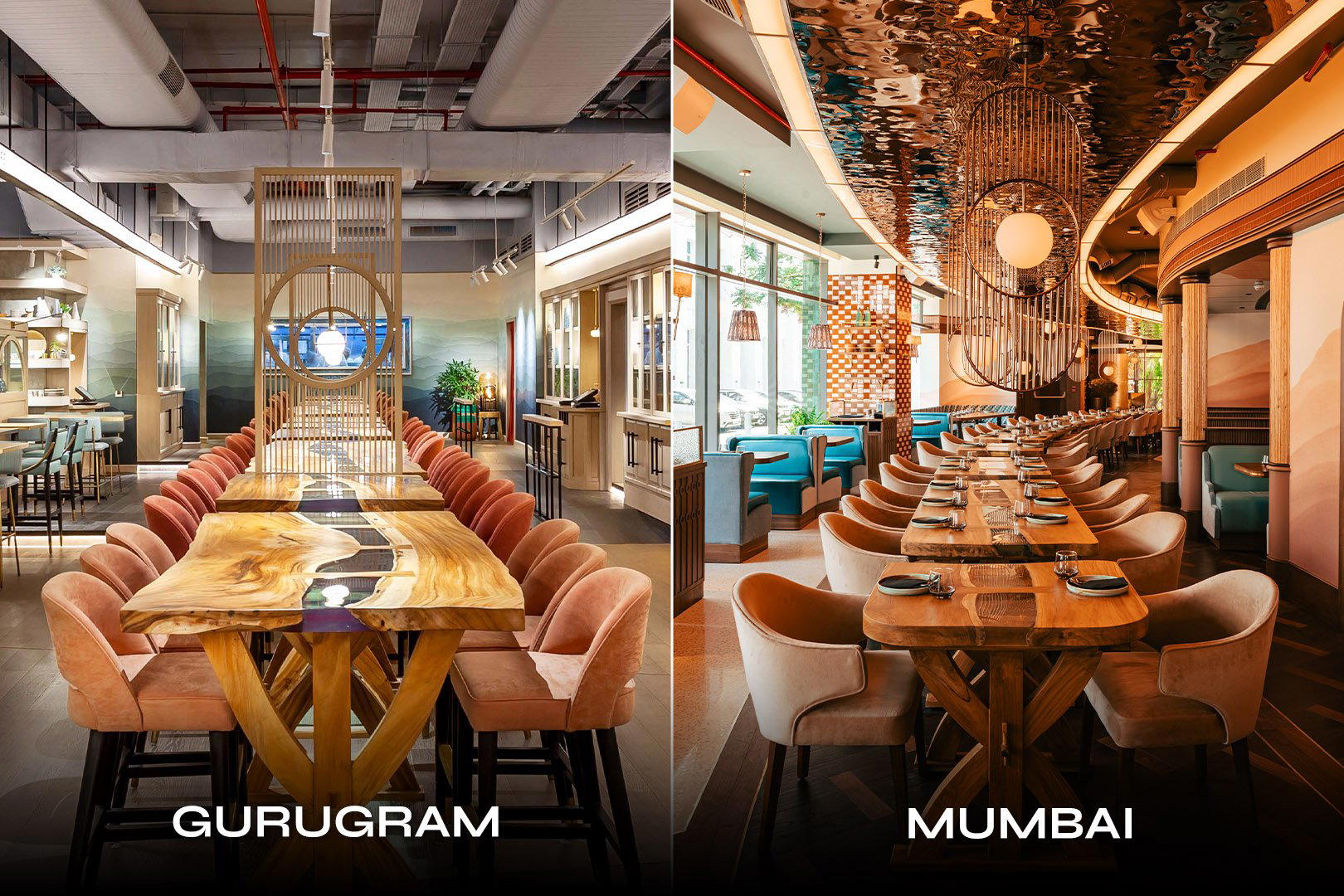
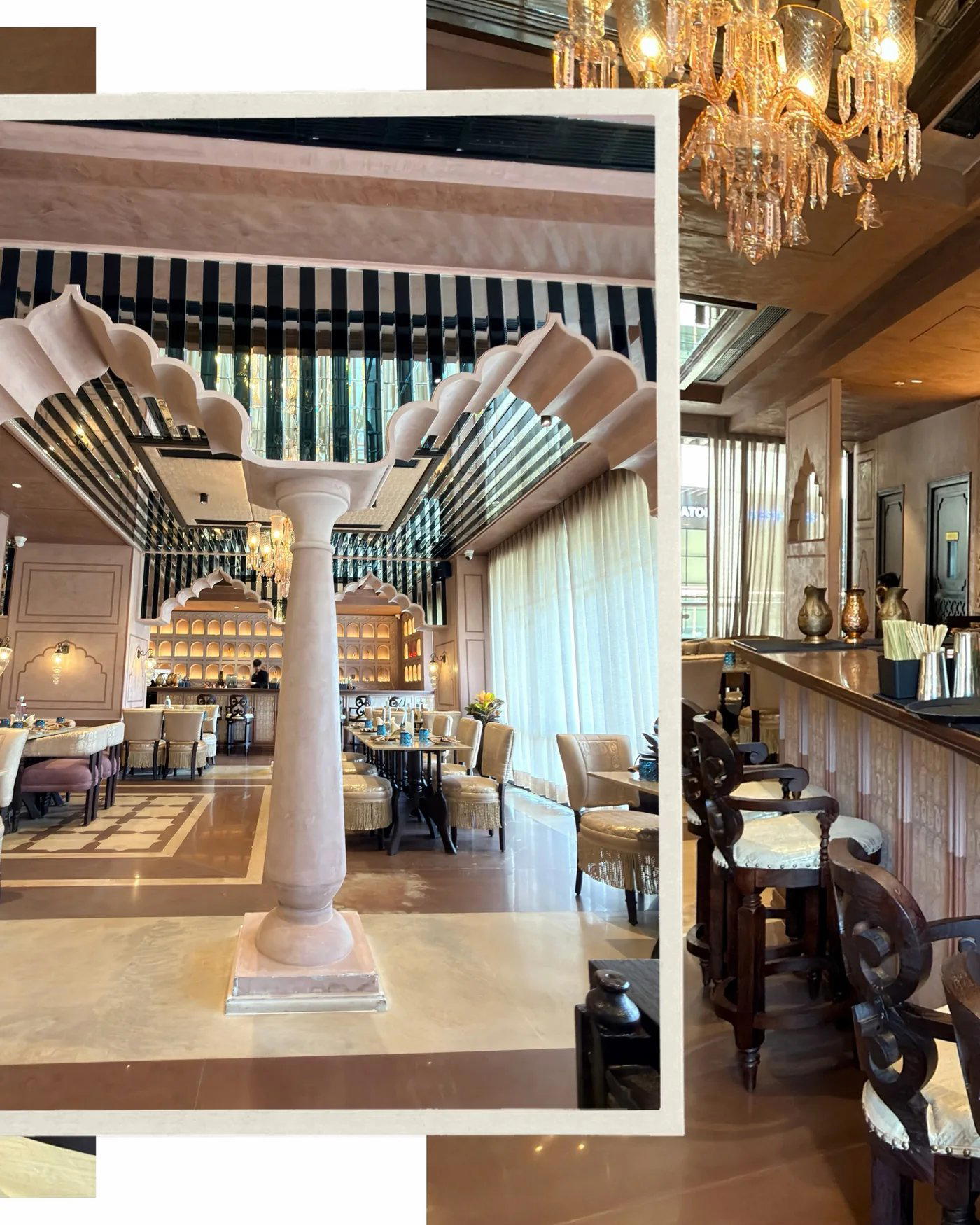
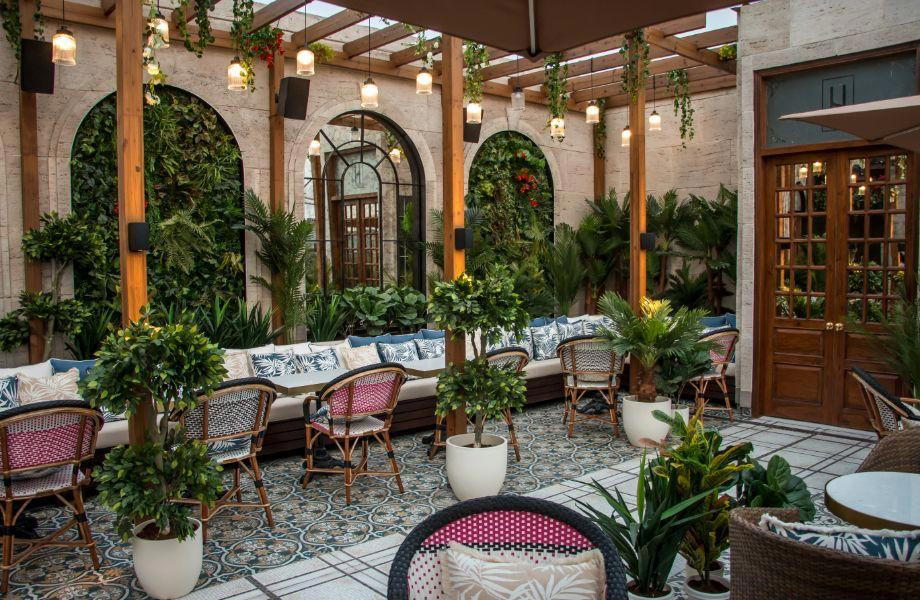
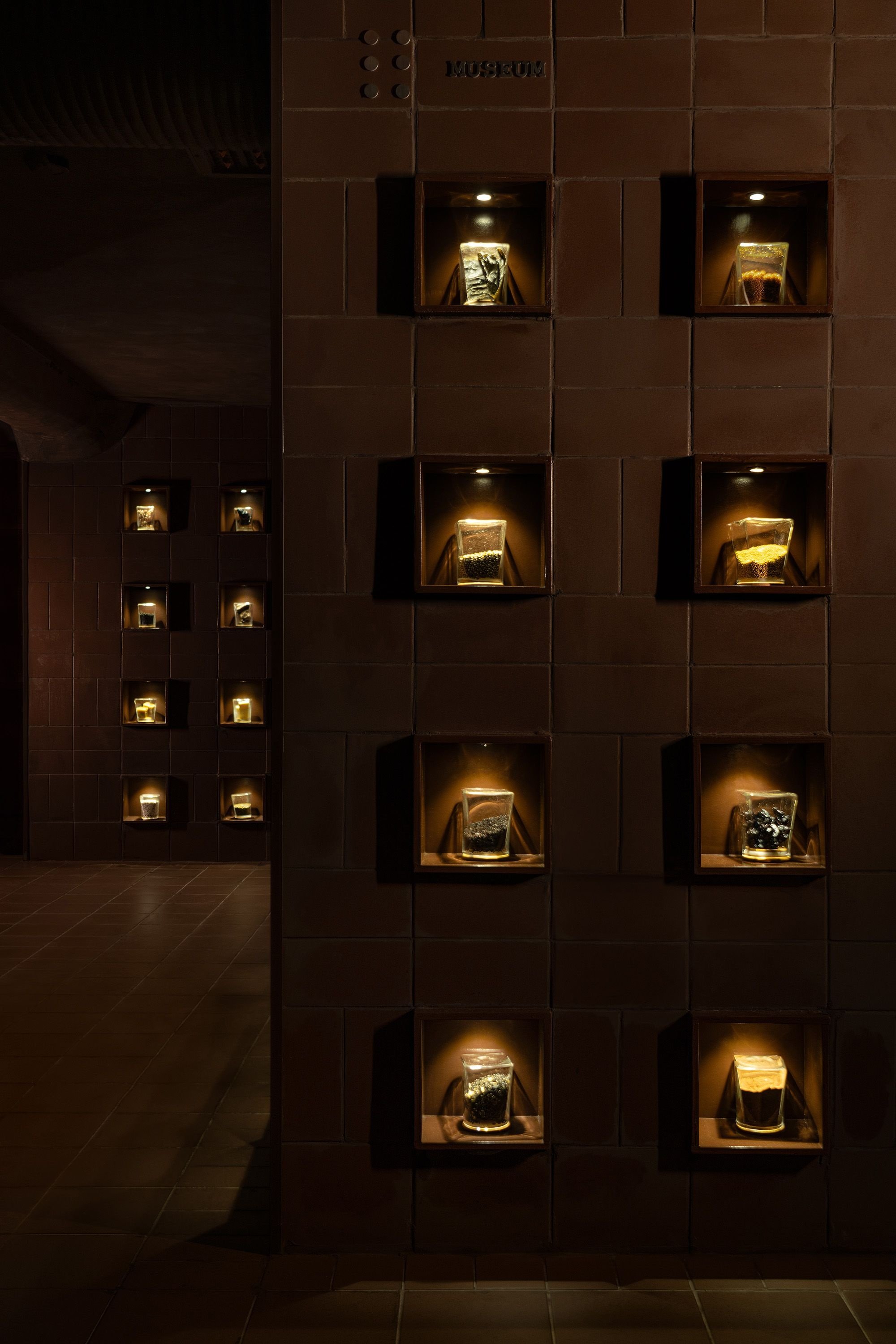
Earthy wooden interiors in warm muted tones create a welcoming, uber-chic vibe.