Our verdict
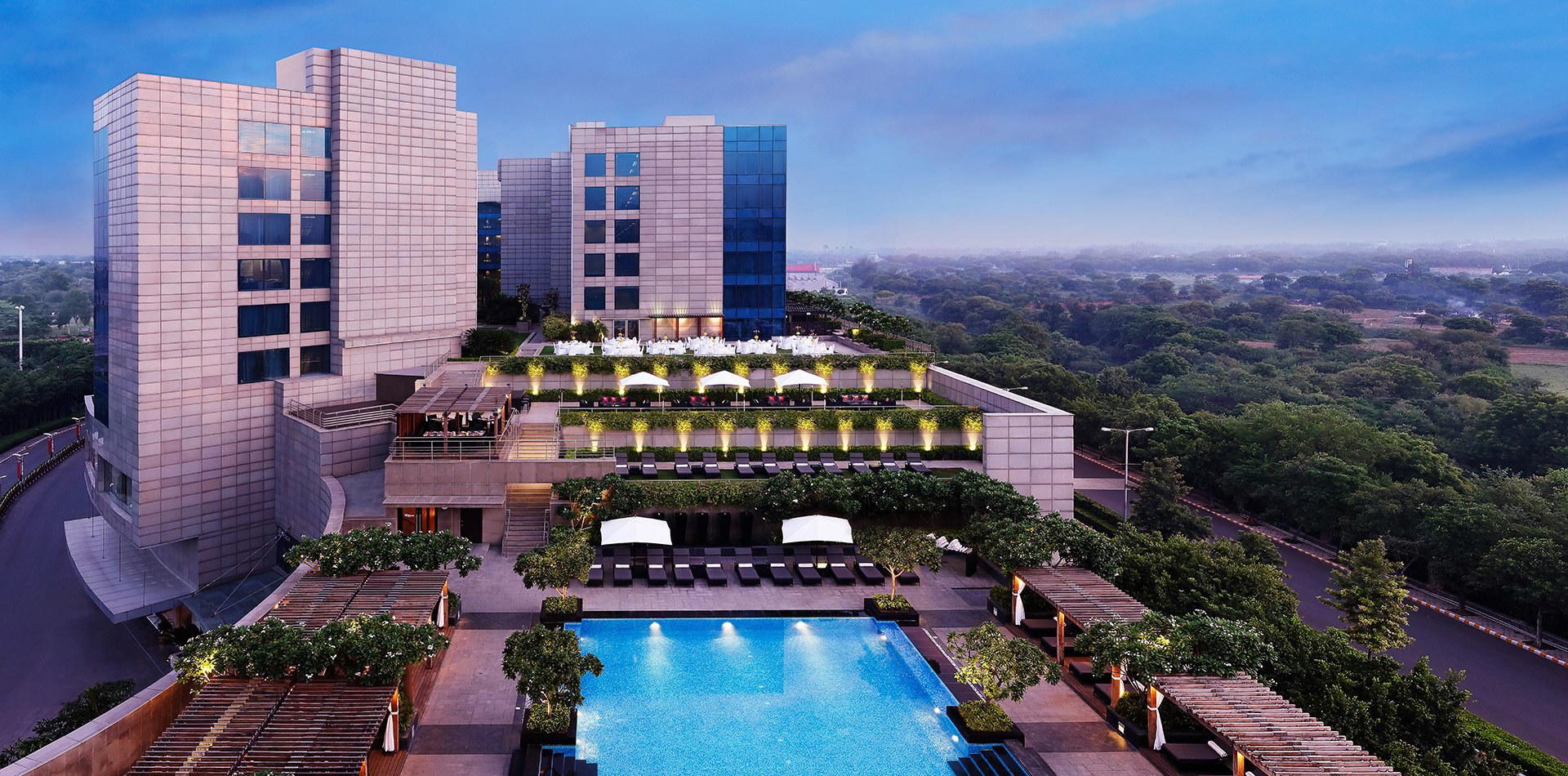
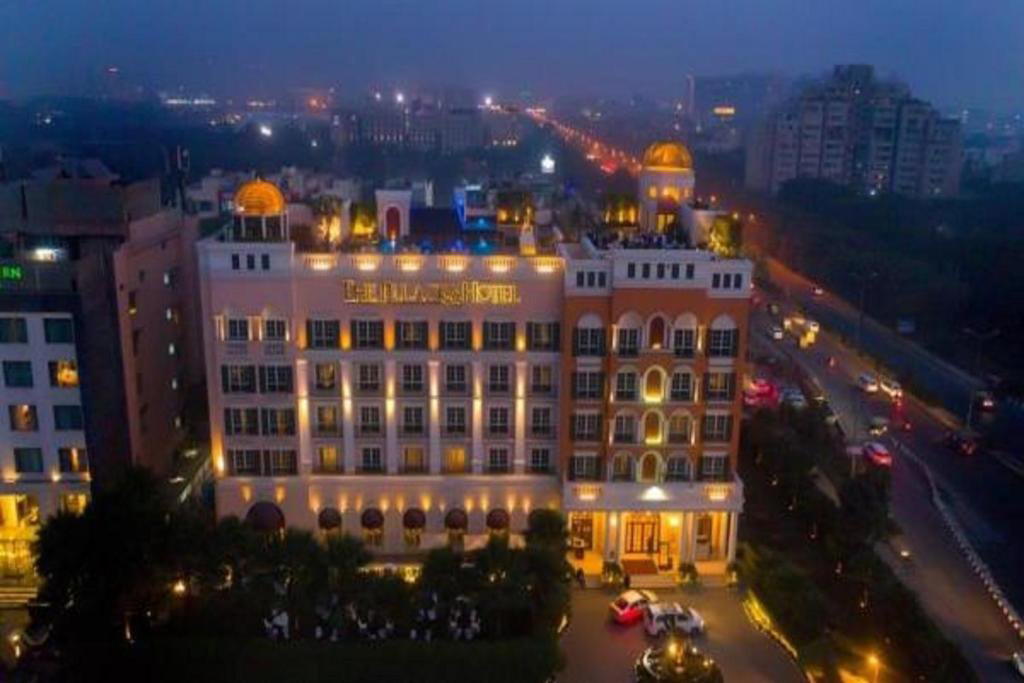
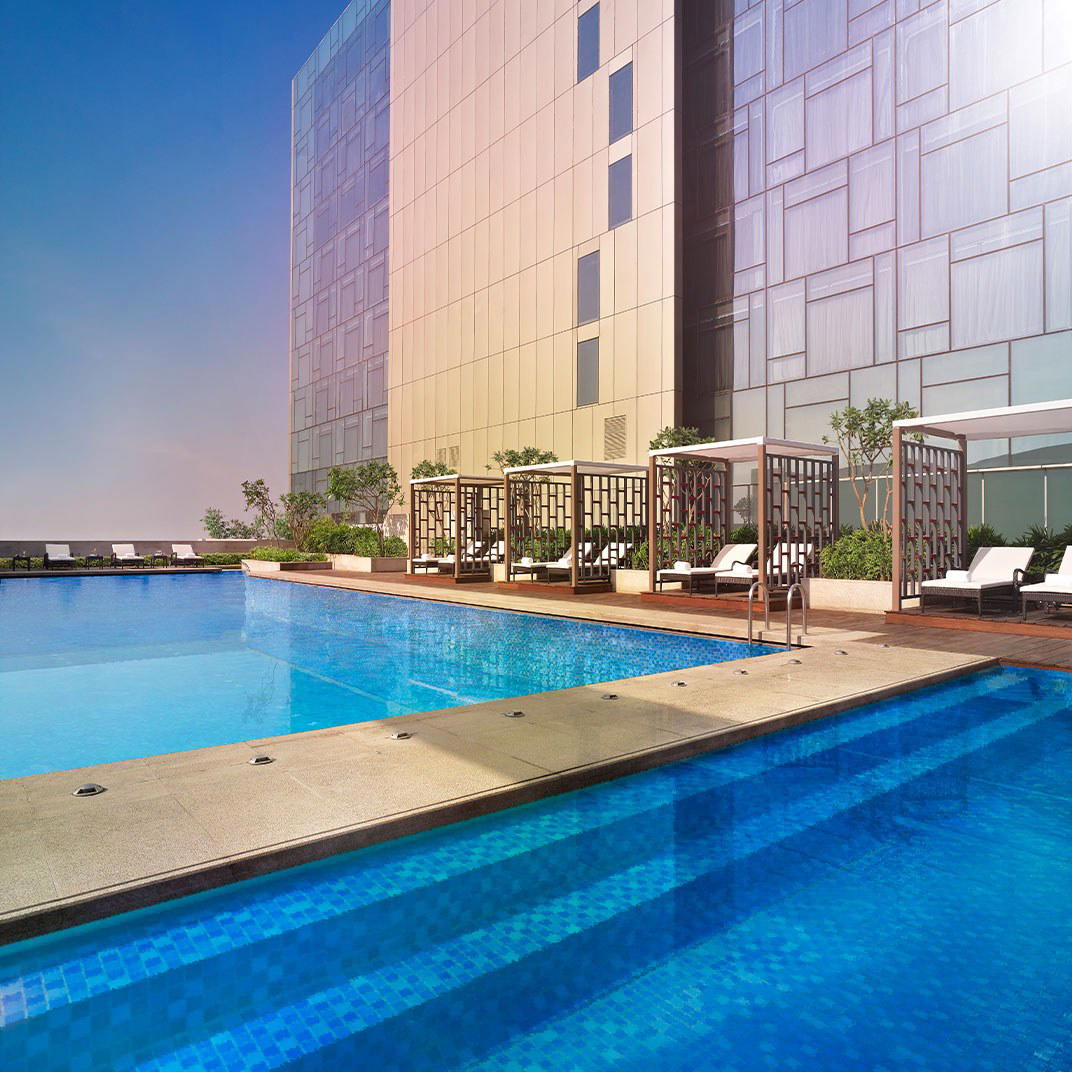
The Oberoi Gurgaon occupies a prominent position along Shankar Chowk Road in Udyog Vihar, placing one of India's most recognised hotel brands at the edge of the Delhi-NCR's corporate and dining corridor. For travellers already familiar with the Oberoi standard elsewhere in India, this Gurgaon address delivers the group's characteristic formality within a city that has developed its own distinct dining and hospitality character over the past decade.

Pearl is the En Primeur Club membership app — saves, bookings, and concierge access live there. Same editors, same standards.
- Address
- 443, Shankar Chowk Rd, opposite Metro Station, Phase V, Udyog Vihar, Sector 19, Gurugram, Haryana 122016, India
- Phone
- +911244831234
- Website
- oberoihotels.com
- Directions
- Get directions
The menu
What to order
- Aloo Toffee
- Pan-Grilled Sambhar Fish
- Ghee Roast Lamb
- Kulfi Falooda Cheesecake
- The Ziya Hug
- Curry Leaf Tofu
Where Delhi-NCR's Corporate Belt Meets Formal Indian Hospitality
Approach The Oberoi Gurgaon from Shankar Chowk Road and the building reads immediately as a different register from the glass-and-steel towers that define Udyog Vihar's Phase V. The Oberoi group's properties across India have long operated at the formal end of the country's hotel spectrum, and the Gurgaon address carries that inherited posture into a city that has grown, somewhat unexpectedly, into one of north India's more consequential dining destinations. Gurgaon is not Delhi — it has a faster, more transient energy, built on corporate relocation and weekend migration from the capital — and that context shapes what a property like this one is actually for. It is, in a meaningful sense, a fixed point in a city that keeps reinventing itself.
The Oberoi Standard in a City Finding Its Culinary Identity
India's luxury hotel dining has historically operated on a set of inherited assumptions: formal tablecloths, multi-cuisine offerings, and a dining room designed to function as neutral territory for business entertainment. The Oberoi group has, across its portfolio, largely maintained that framework while peer properties in Mumbai and Delhi have pushed harder toward destination-restaurant models. For context, Americano in Mumbai represents the kind of standalone restaurant identity that urban Indian dining increasingly favours, while Bukhara in New Delhi demonstrates how a hotel restaurant can achieve independent cultural authority over decades. The Oberoi Gurgaon sits within that broader tension, between the hotel-dining tradition and the growing expectation that a serious address should have a serious culinary point of view.
Gurgaon's dining scene has matured enough to sustain genuinely ambitious independent operators. COMORIN has built a reputation as one of the city's most considered addresses, drawing on Indian culinary traditions with a clarity of intent that places it in a competitive set with properties well beyond the NCR. Kole represents the newer wave of Gurgaon dining, while Copper Chimney Cyber Hub anchors the more accessible end of the city's Indian restaurant spectrum. The Oberoi occupies a different position from all three, not competing on culinary distinctiveness in the way independents must, but offering something those addresses cannot: the full architecture of a luxury hotel stay, with dining as one component of a larger offering.
Indian Hospitality as a Cultural Tradition, Not a Service Category
To understand what a property like The Oberoi Gurgaon is doing, it helps to understand where the Oberoi group sits within the longer history of formal Indian hospitality. The group was founded in 1934 and has operated at the premium end of Indian hotel culture through independence, economic liberalisation, and the arrival of every major international chain. That continuity is itself a form of credibility, not the credibility of a single signature dish or a Michelin star, but the credibility of institutional knowledge about how India's upper-tier guests expect to be received. This is not a trivial distinction in a country where hospitality carries deep cultural weight, where the concept of atithi devo bhava (the guest is god) runs beneath the surface of even the most formal hotel interaction.
Across India, Oberoi properties have developed dining outlets that anchor themselves in specific regional traditions rather than offering generic pan-Indian menus. Esphahan in Agra, for example, operates as a fine-dining expression of Mughal culinary heritage within an Oberoi property, demonstrating how the group can situate a restaurant within a genuine cultural argument. Farmlore in Bangalore shows what farm-to-table looks like when rooted seriously in South Indian agricultural traditions. These comparisons matter because they illustrate the range of approaches now operating across India's premium dining tier, from deep regional specificity to the broader international hotel-dining format.
Gurgaon's Position in the Wider North Indian Travel Circuit
For travellers moving through north India, Gurgaon functions primarily as a transit or business point rather than a destination in its own right. The city's proximity to Delhi means it draws visitors who need an alternative base to the capital's hotel density, as well as corporate travellers whose offices are concentrated in the Cyber City and Udyog Vihar corridors. Properties in this part of the city, particularly those positioned opposite metro stations, as The Oberoi Gurgaon is, serve a guest profile that values connectivity as much as atmosphere. The Rapid Metro link to Delhi's broader network makes the address functional for travellers who plan to move between the two cities during their stay.
For those planning a wider north India itinerary, the region's dining range extends well beyond the NCR. Naar in Kasauli represents the more recent interest in Himalayan culinary traditions, while Beera Chicken House in Amritsar anchors the kind of singular, decades-old street institution that no hotel dining room can replicate. Understanding what The Oberoi Gurgaon offers means understanding what it does not attempt to be: it is not chasing the authenticity of a local institution or the culinary ambition of an independent fine-dining address. It is providing a particular kind of reliability, formality, and service consistency that remains valuable within its specific guest context.
Planning Your Visit
The Oberoi Gurgaon is located at 443 Shankar Chowk Road, directly opposite a metro station in Udyog Vihar, Phase V, a positioning that makes it one of the more transit-accessible luxury properties in the Gurgaon corridor. Travellers arriving from Indira Gandhi International Airport will find the NH-48 expressway the most direct road route, with journey times varying significantly depending on time of day given the NCR's traffic patterns. Those who prefer the wider context of Gurgaon's dining scene before committing to a single address should consult our full Gurgaon restaurants guide for a broader view of what the city currently offers across price tiers and cuisines.
For those building a longer India itinerary, the country's premium hotel dining extends across very different registers. Leela Kerala Terrace in Trivandrum demonstrates how a hotel property can anchor itself in specific regional cuisine with genuine depth, while 5868 Restaurant in Gandhinagar and Harvest Kitchen Somnath in Veraval reflect the range of serious dining now available beyond India's three major metros. For international benchmarks, the structured precision of Le Bernardin in New York City or the Korean-American fine dining of Atomix in New York City illustrates the global tier to which India's most ambitious restaurants are increasingly being compared.
Frequently asked questions
Is The Oberoi Gurgaon good for families?
The Oberoi group operates on a formal hospitality framework that can accommodate families, but the property's position in Udyog Vihar's corporate belt means the atmosphere is calibrated primarily for business travellers. Families visiting Delhi-NCR for leisure may find the formal register a closer fit for older children or adults. That said, Oberoi properties across India are known for attentive, structured service that adapts to a range of guest needs.
What should I expect atmosphere-wise at The Oberoi Gurgaon?
The Oberoi group maintains a consistently formal, low-key register across its Indian properties, and Gurgaon is no exception. Located directly opposite the Udyog Vihar Metro Station on Shankar Chowk Road, the hotel sits at the edge of one of Delhi-NCR's densest commercial zones, yet the interior operates at a deliberate remove from that density. Expect measured service pacing, quiet common areas, and an atmosphere pitched at the business traveller or unhurried guest rather than a convivial social scene.
How does The Oberoi Gurgaon's location compare to Delhi's main hotel district for business travellers?
For travellers with meetings in Gurgaon's Udyog Vihar or Cyber City corridors, The Oberoi on Shankar Chowk Road is substantially more practical than staying in central Delhi, where road travel across the NCR can add two or more hours in peak traffic. The property sits directly opposite a metro station, providing a direct connection to central Delhi without relying on road transfers. For those whose schedule splits between the capital and Gurgaon's commercial zones, the location is a considered operational choice rather than a compromise.
What's the signature dish at The Oberoi Gurgaon?
The Oberoi group's dining programmes across India have historically drawn on formal North Indian and continental frameworks, but for current menus and any chef-driven specialities at the Gurgaon property, contacting the hotel directly or checking its official channels is the most reliable approach.
What's the address for The Oberoi Gurgaon?
The Oberoi Gurgaon is located at 443, Shankar Chowk Rd, opposite Metro Station, Phase V, Udyog Vihar, Sector 19, Gurugram, Haryana 122016, India, Gurgaon.
Do I need a reservation for The Oberoi Gurgaon?
For hotel stays, advance booking is advisable. The Oberoi Gurgaon's position as one of the area's more structured luxury addresses in Udyog Vihar means it draws steady demand from corporate accounts and business delegations passing through Delhi-NCR. Walk-in availability for rooms can be limited during the week; restaurant reservations, where applicable, follow similar demand patterns and are worth arranging ahead of arrival.
Price and Recognition
Comparable venues nearby, for context on price, style, and recognition.
| Venue | Cuisine | Price | Awards | Notes |
|---|---|---|---|---|
| The Oberoi GurgaonThis venue — the venue you are viewing | Modern Indian Fine Dining | $50–100 | Not listed | Not listed |
| COMORIN | Modern Regional Indian | $20–30 | Not listed | Golf Course Road, Modern Regional Indian |
| Copper Chimney Cyber Hub- Gurugram | North Indian Mughlai | $20–30 | Not listed | Cyber Hub, DLF Phase 2, Sector 25, North Indian Mughlai |
| Kole | North Indian, Mughlai & Kebab | $1–10 | Not listed | DLF Phase 4, North Indian Cuisine |
| Bukhara | North West Frontier Tandoori | $30–50 | World's 50 Best #37 · La Liste Top Restaurants | Chanakyapuri/Lutyens' Delhi, North West Frontier Indian |
| Jamavar Delhi | Traditional North Indian Fine Dining | $50–100 | Not listed | Chanakyapuri, Traditional North Indian Fine Dining |
Details
- Elegant
- Sophisticated
- Modern
- Scenic
- Date Night
- Business Dinner
- Special Occasion
- Celebration
- Open Kitchen
- Waterfront
- Garden
- Hotel Restaurant
- Design Destination
- Private Dining
- Craft Cocktails
- Sommelier Led
- Extensive Wine List
- Farm To Table
- Organic
- Local Sourcing
- Sustainable
- Garden
- Waterfront
- A La Carte
- Tasting Menu
- Craft Cocktails
- Signature Tea Service
- Vegetarian Friendly
- Organic Focus
- Allergy Accommodating
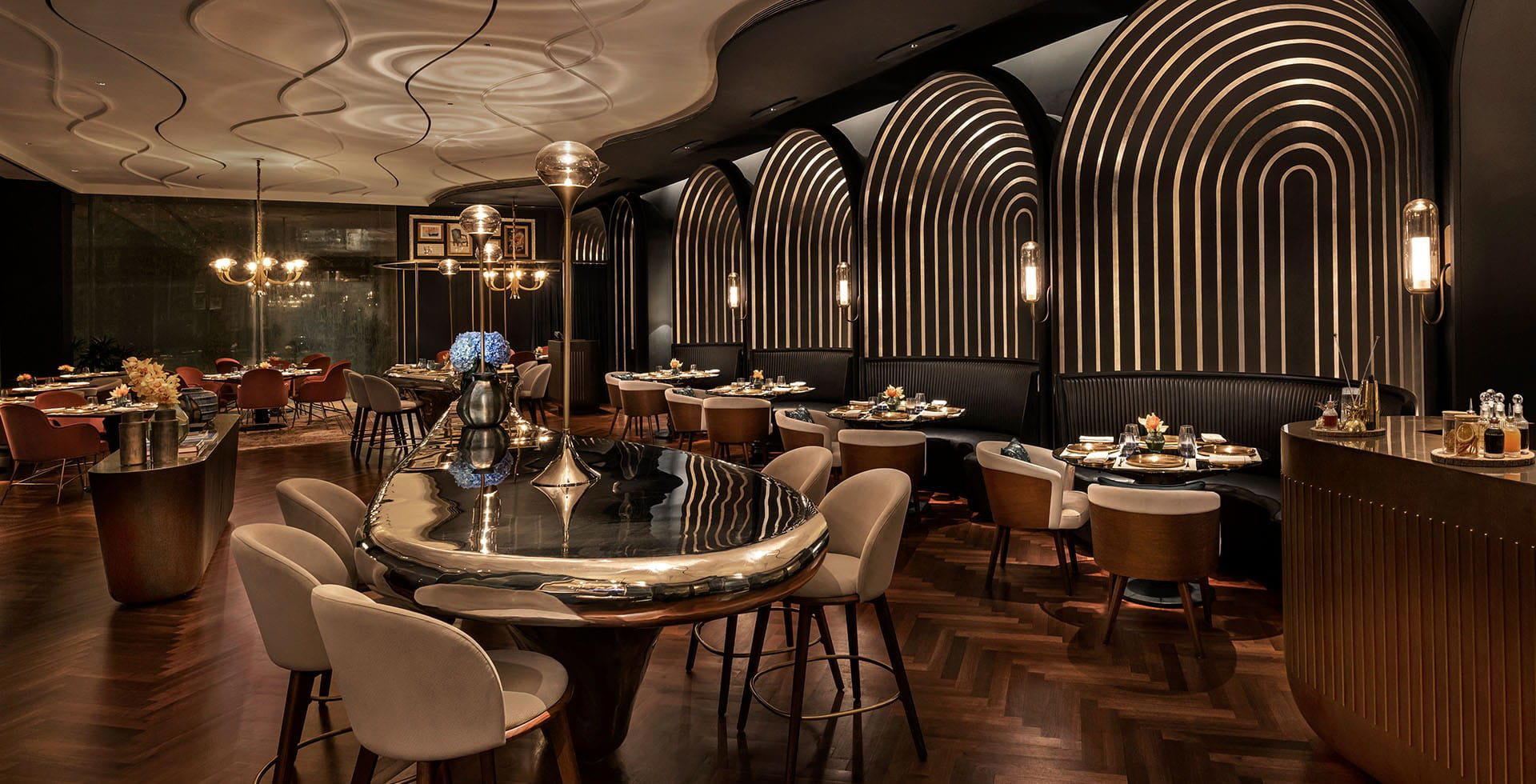
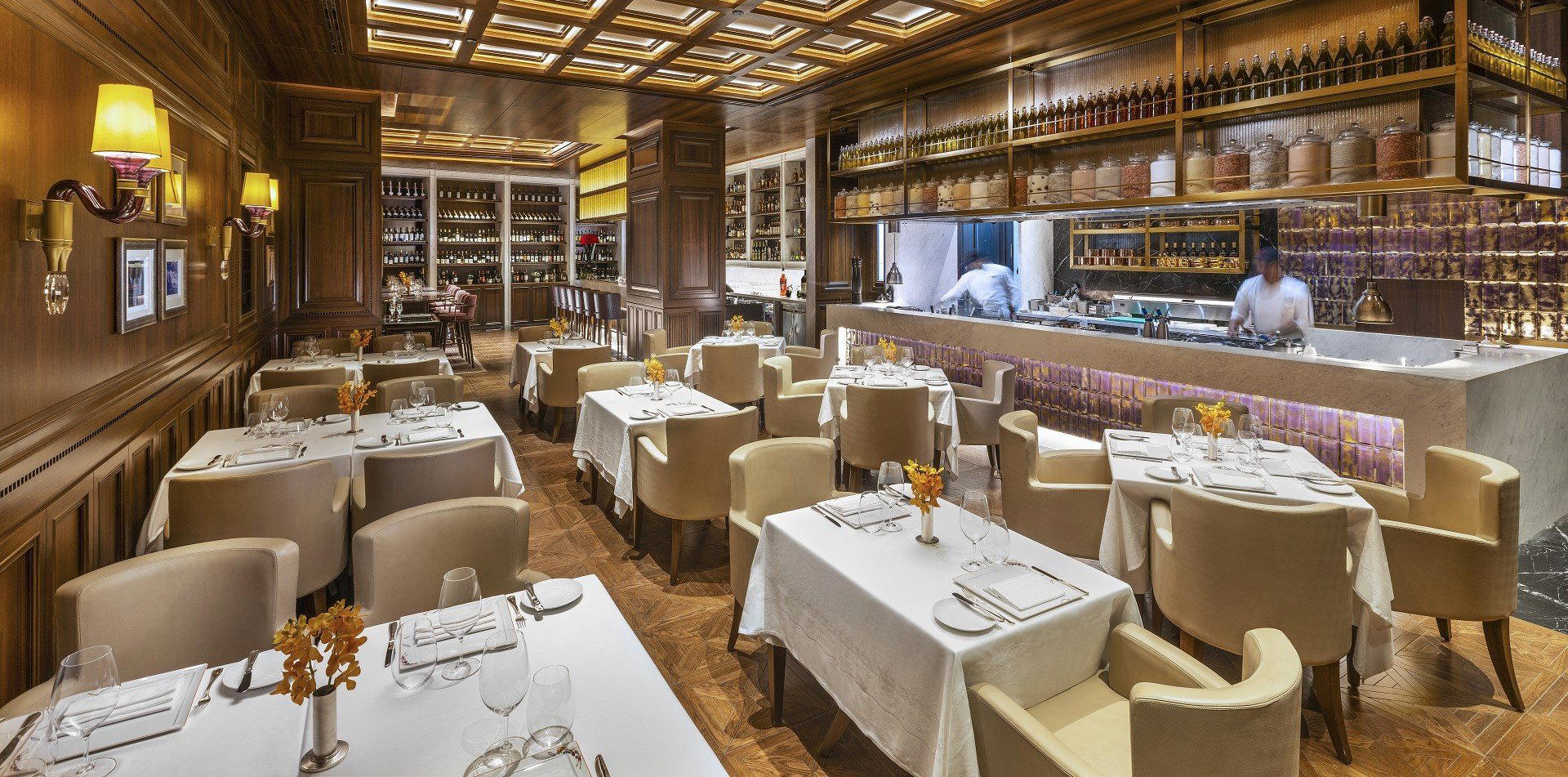
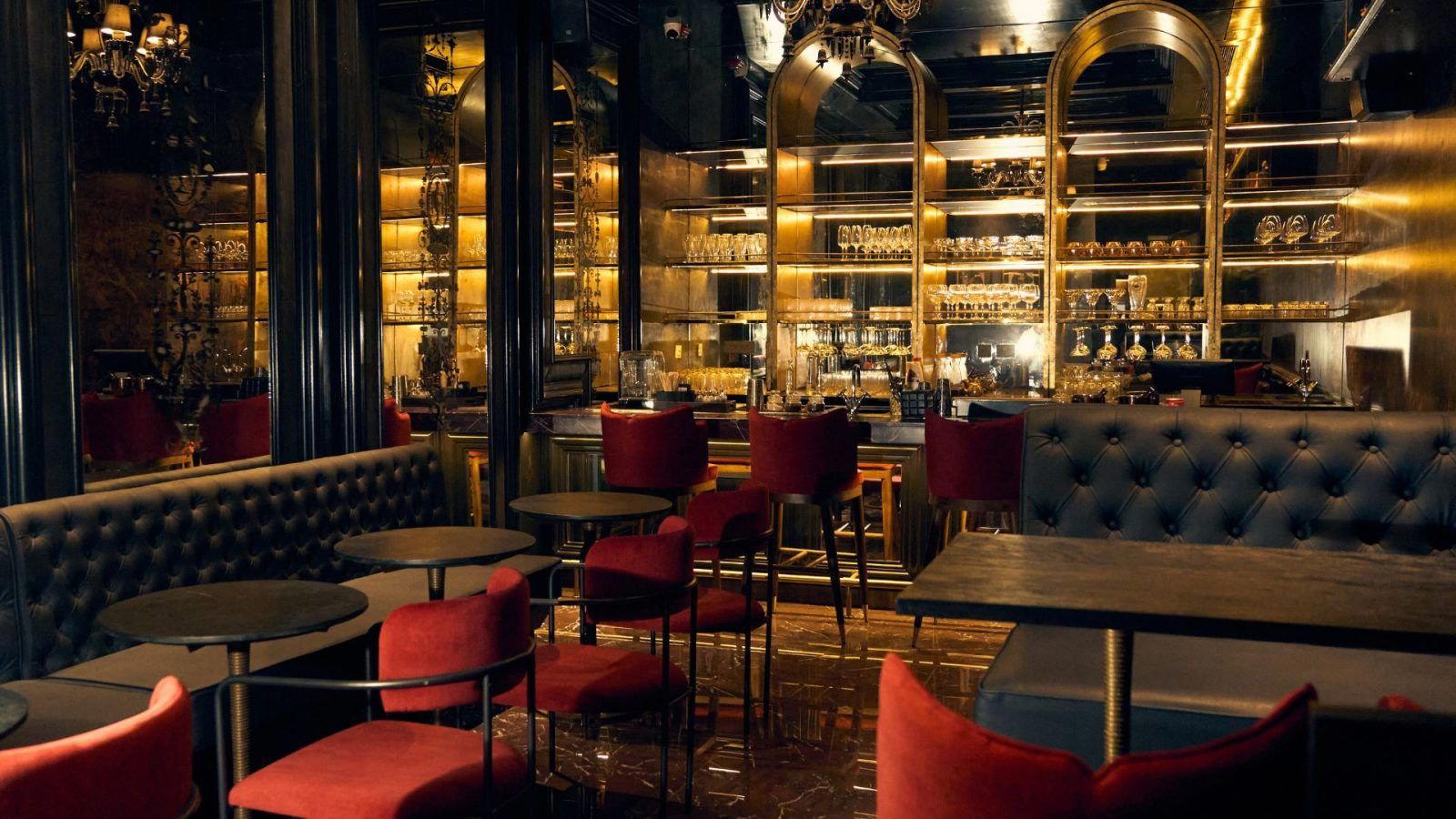
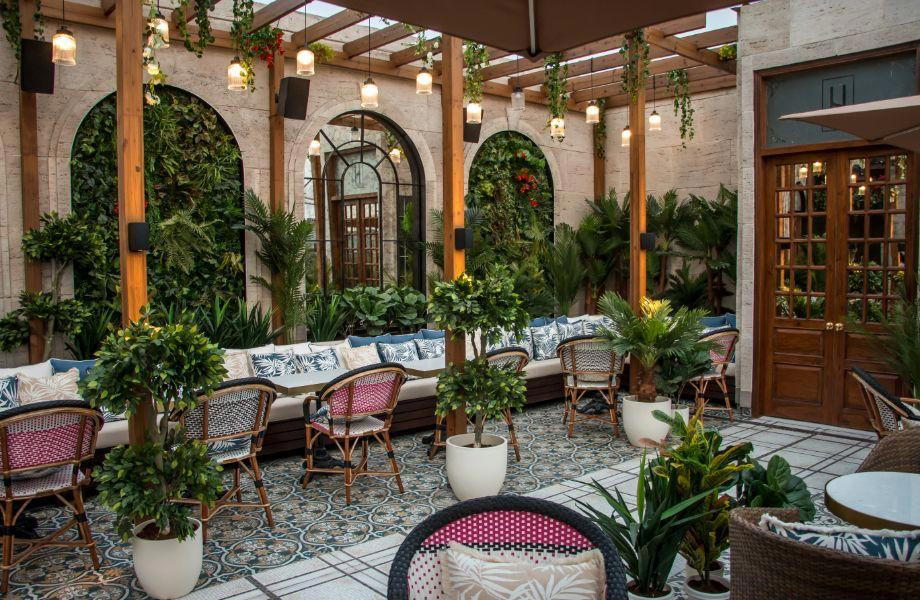
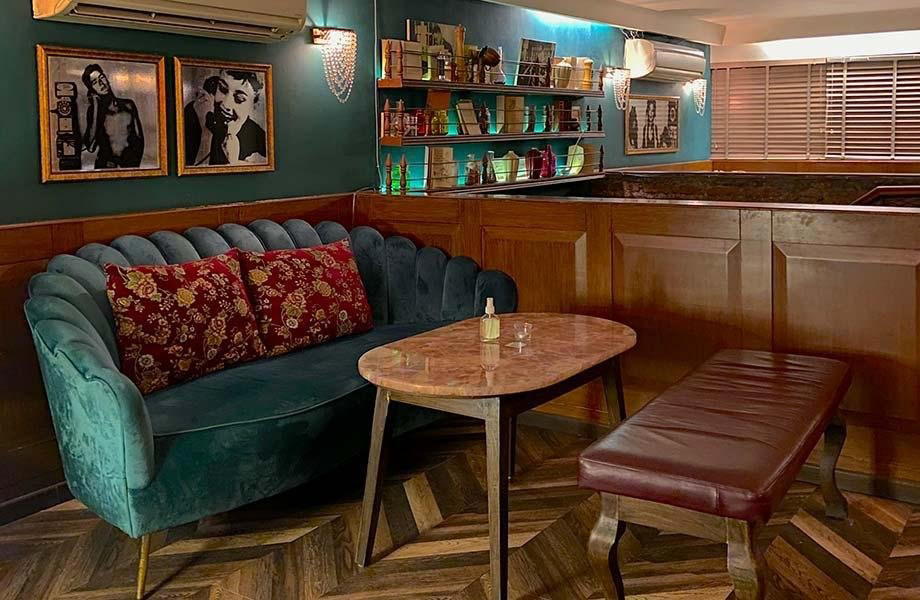
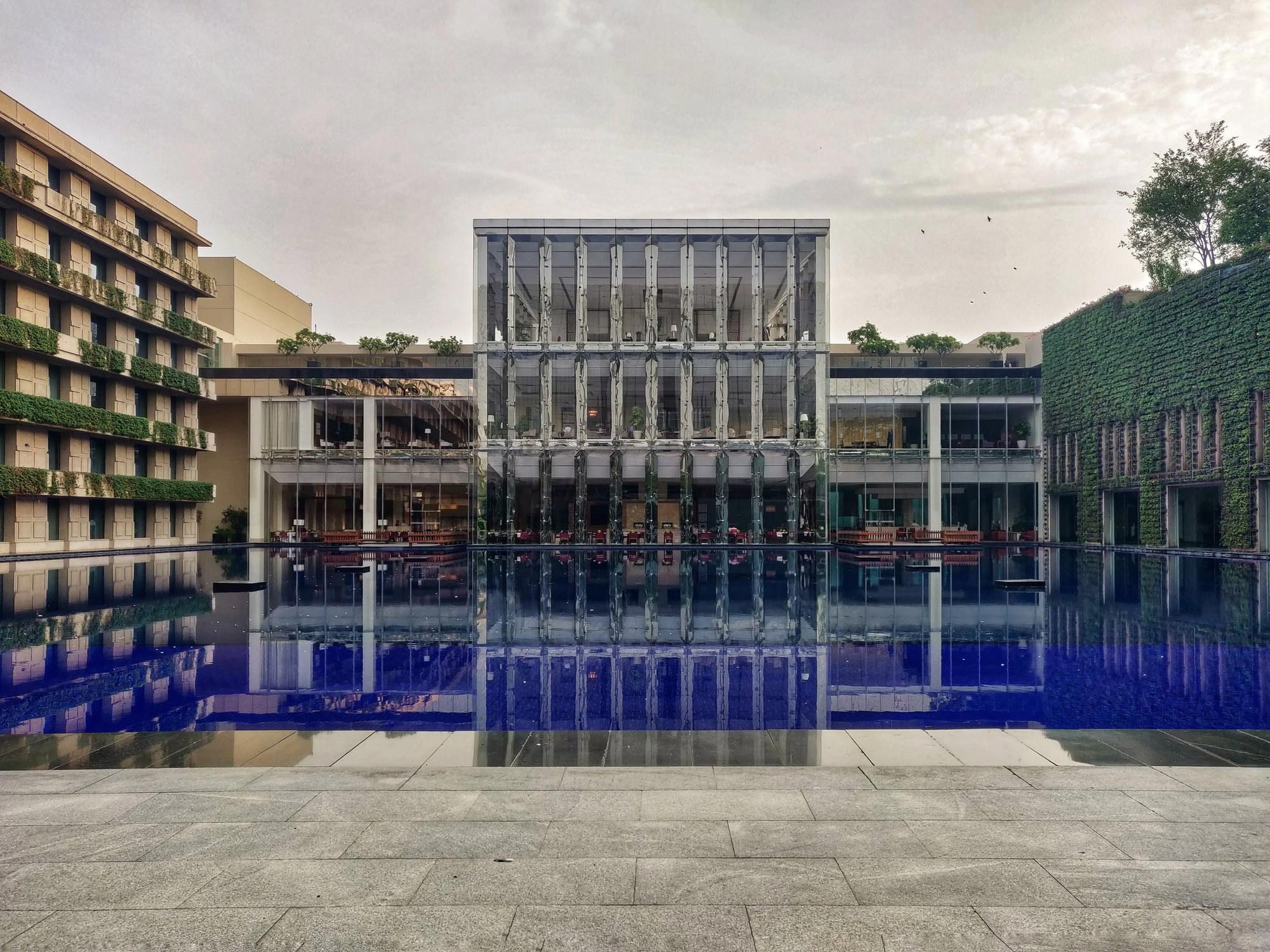
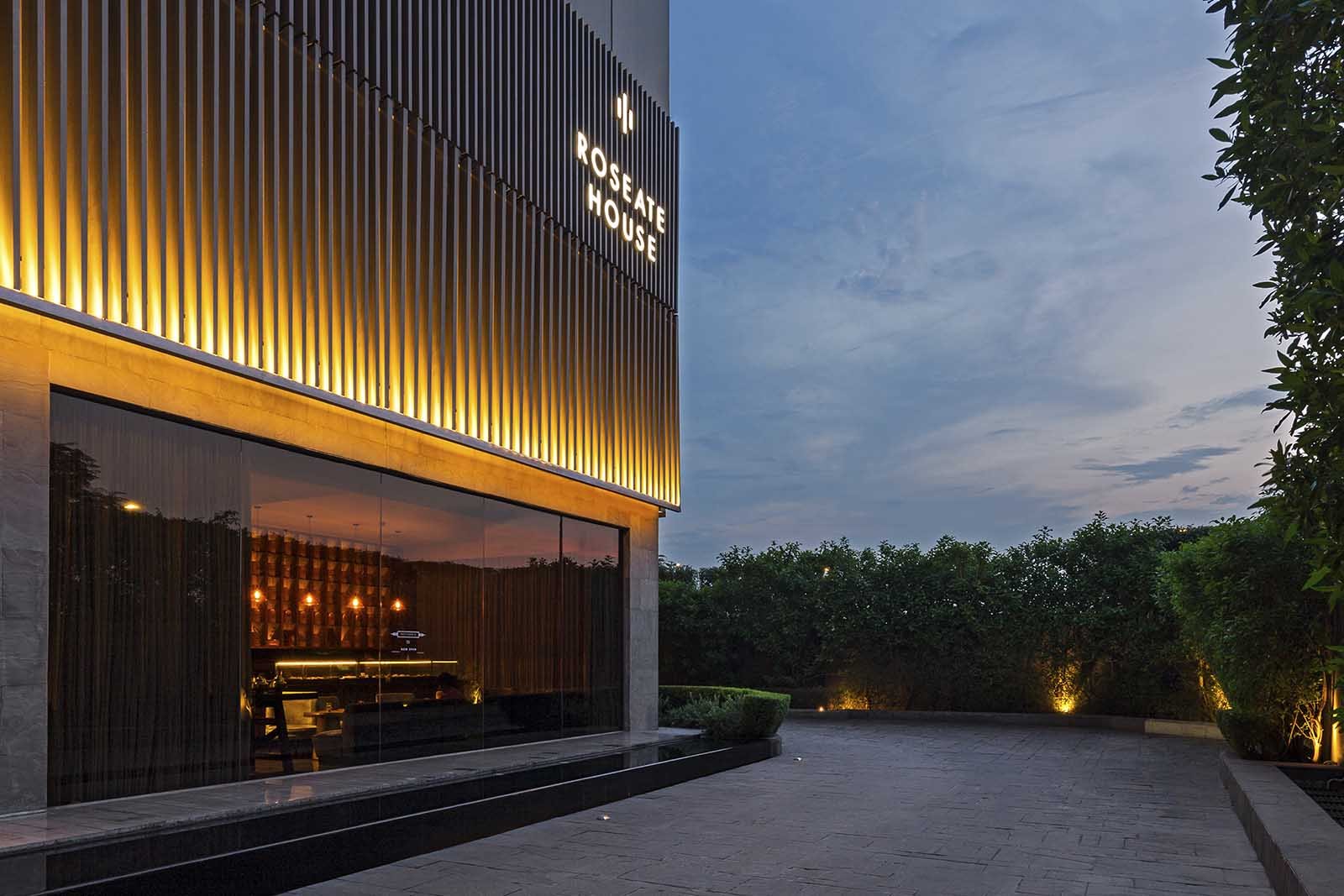
Contemporary luxury with high ceilings, reflective steel, and glass elements; fire-fused glass entrance; monumental communal table; nested arched seating pods with caramelised glass tops; hand-formed glass sconces and art-deco chandeliers creating dynamic ambience merging traditional elegance with modern sophistication.