Community Tavern
Community Tavern on Milwaukee Avenue occupies a stretch of Chicago's Portage Park corridor where neighborhood bars have slowly made room for more considered cooking. Set against the city's pricier tasting-menu circuit, it operates as a locally rooted alternative, a place where the surrounding block, not a chef's reputation, shapes the room's identity.
Pearl is the En Primeur Club membership app — saves, bookings, and concierge access live there. Same editors, same standards.
- Address
- 4038 N Milwaukee Ave, Chicago, IL 60641
- Phone
- +17732836080
- Website
- communitytavern.com
- Directions
- Get directions
 Saves & bookings on Pearl
Milwaukee Avenue and the Neighborhood Dining Divide
Chicago's dining conversation is often conducted at the level of the Loop or River North, where restaurants like Alinea, Smyth, and Oriole compete on tasting-menu ambition and press recognition. But Milwaukee Avenue tells a different story. The corridor runs northwest from the city's core through a sequence of working neighborhoods, Logan Square, Avondale, Portage Park, each with its own commercial density and dining register. Community Tavern sits at 4038 N Milwaukee Ave, deep into that northwest stretch, in a part of the city where the relevant question is not which Michelin inspector has visited, but whether the kitchen is earning the loyalty of people who live within walking distance.
That geographic placement is the first editorial fact about Community Tavern. It is not positioned against Kasama or Next Restaurant on any competitive axis that involves prix fixe architecture or destination dining. Its comparable set is the neighborhood tavern, a format Chicago has long taken seriously, where the bar anchors the room and the kitchen is expected to do honest, substantive work without theatrical ambition.
The Neighborhood Tavern as a Sustainable Dining Format
Across American cities, sustainability in hospitality is increasingly discussed in terms of sourcing certificates and zero-waste tasting menus. Properties like Single Thread Farm in Healdsburg or Blue Hill at Stone Barns in Tarrytown have built their entire editorial identity around farm-to-table provenance and ecological commitment. That model requires scale, capital, and a dining public willing to pay for the narrative as much as the food.
The neighborhood tavern format offers a quieter version of the same impulse. When a tavern on a residential corridor draws repeat business from within a half-mile radius, it is, by definition, reducing food-miles at the consumption end. It is also reducing the carbon footprint associated with destination dining, no ride-share surge pricing, no hotel booking, no multi-hour commitment that removes a meal from the texture of ordinary life. The structural logic of neighborhood hospitality, lower rent corridors, less theatrical overhead, durable community relationships, tends to produce kitchens that operate closer to the scale of what they actually need rather than what impresses at a distance.
This is worth framing against the broader US dining circuit. Operations like The French Laundry in Napa, Le Bernardin in New York City, or Providence in Los Angeles represent one legitimate answer to what serious American cooking looks like. Community Tavern, if it is doing its job, represents another: the restaurant that is accountable first to the block, not to a critical consensus assembled from outside the neighborhood.
What the Room Likely Signals
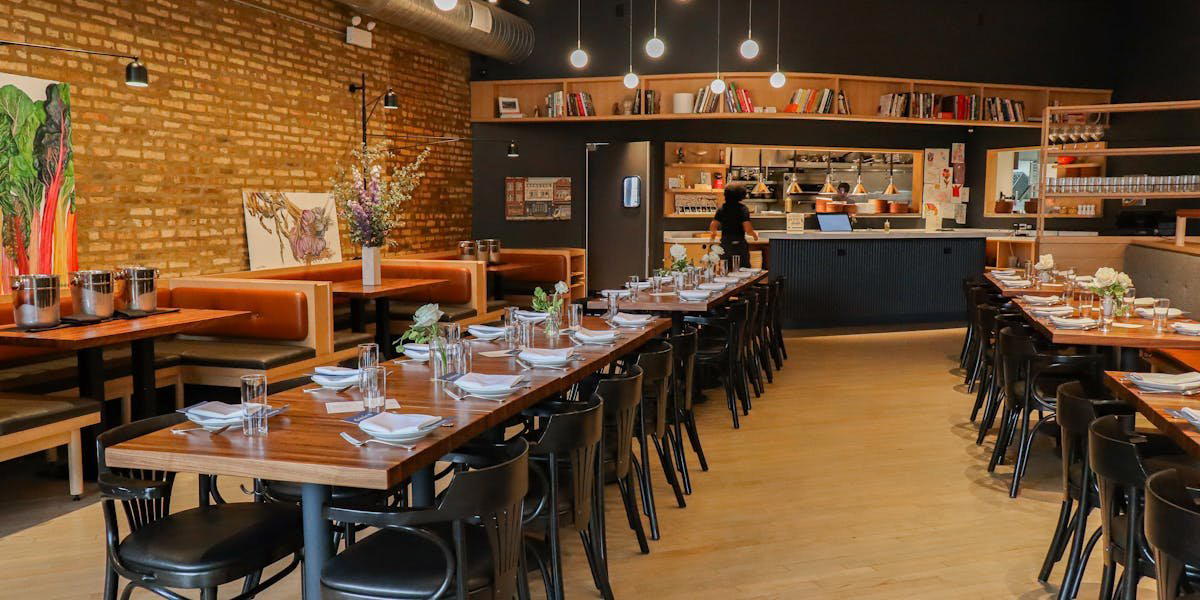
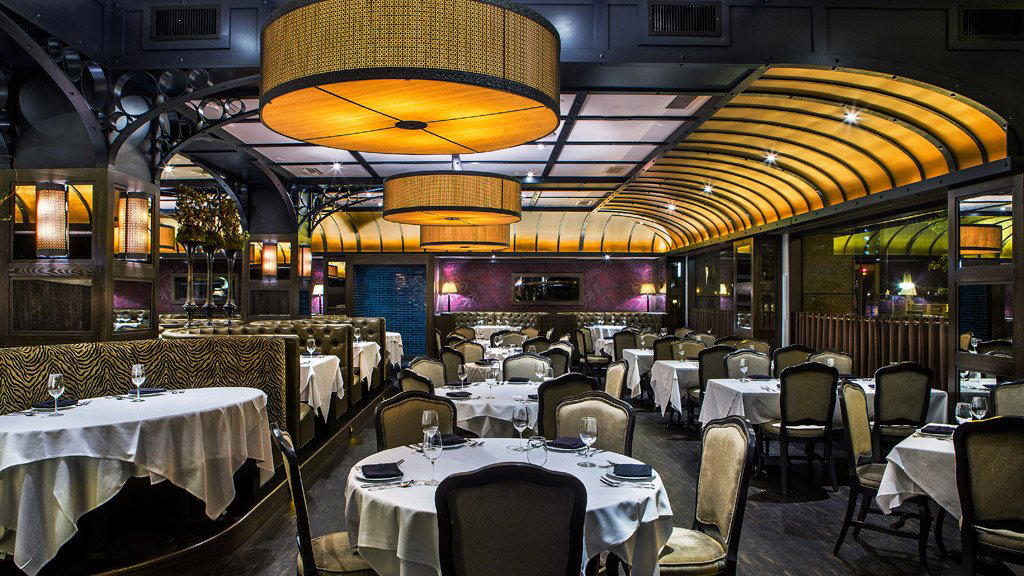
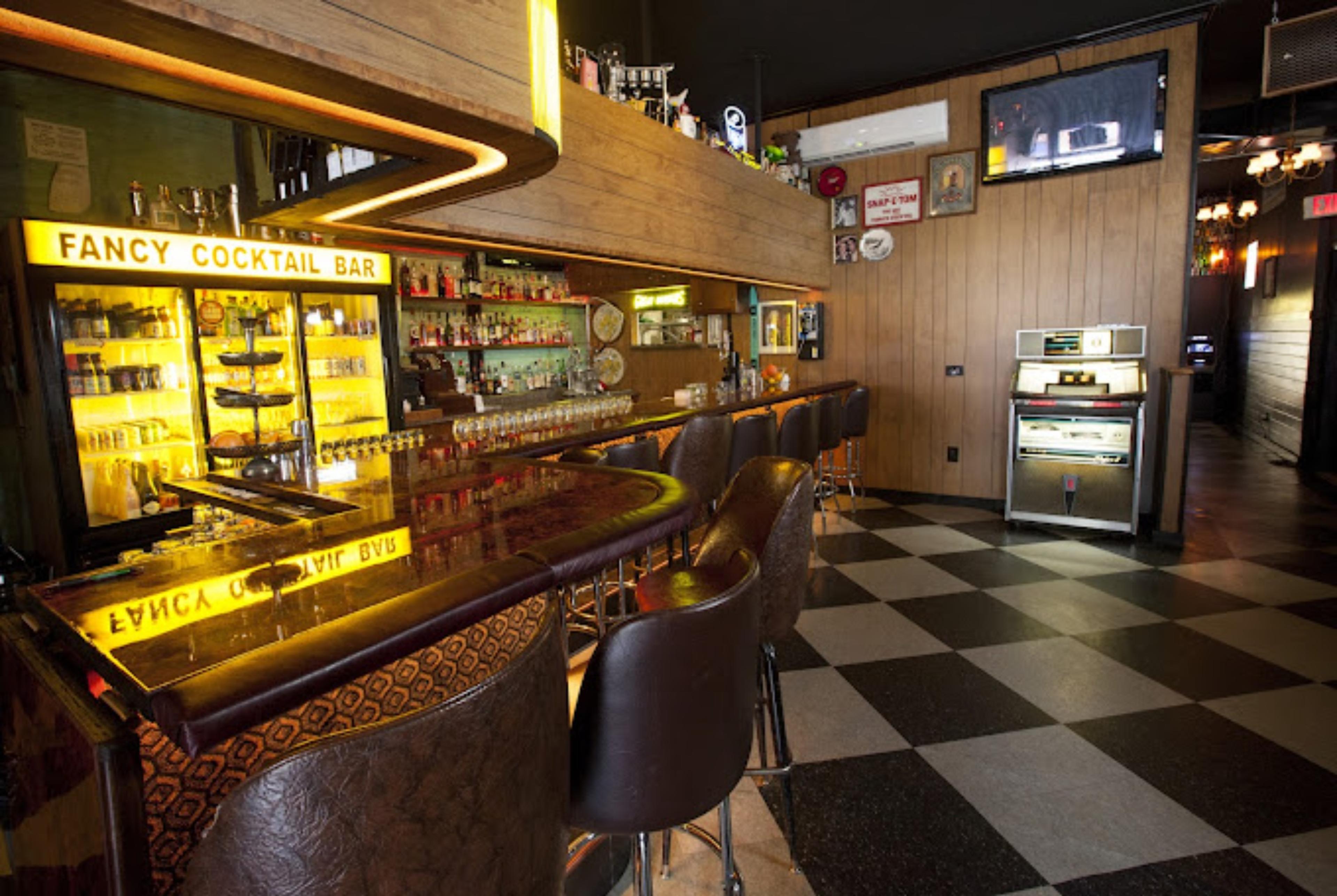
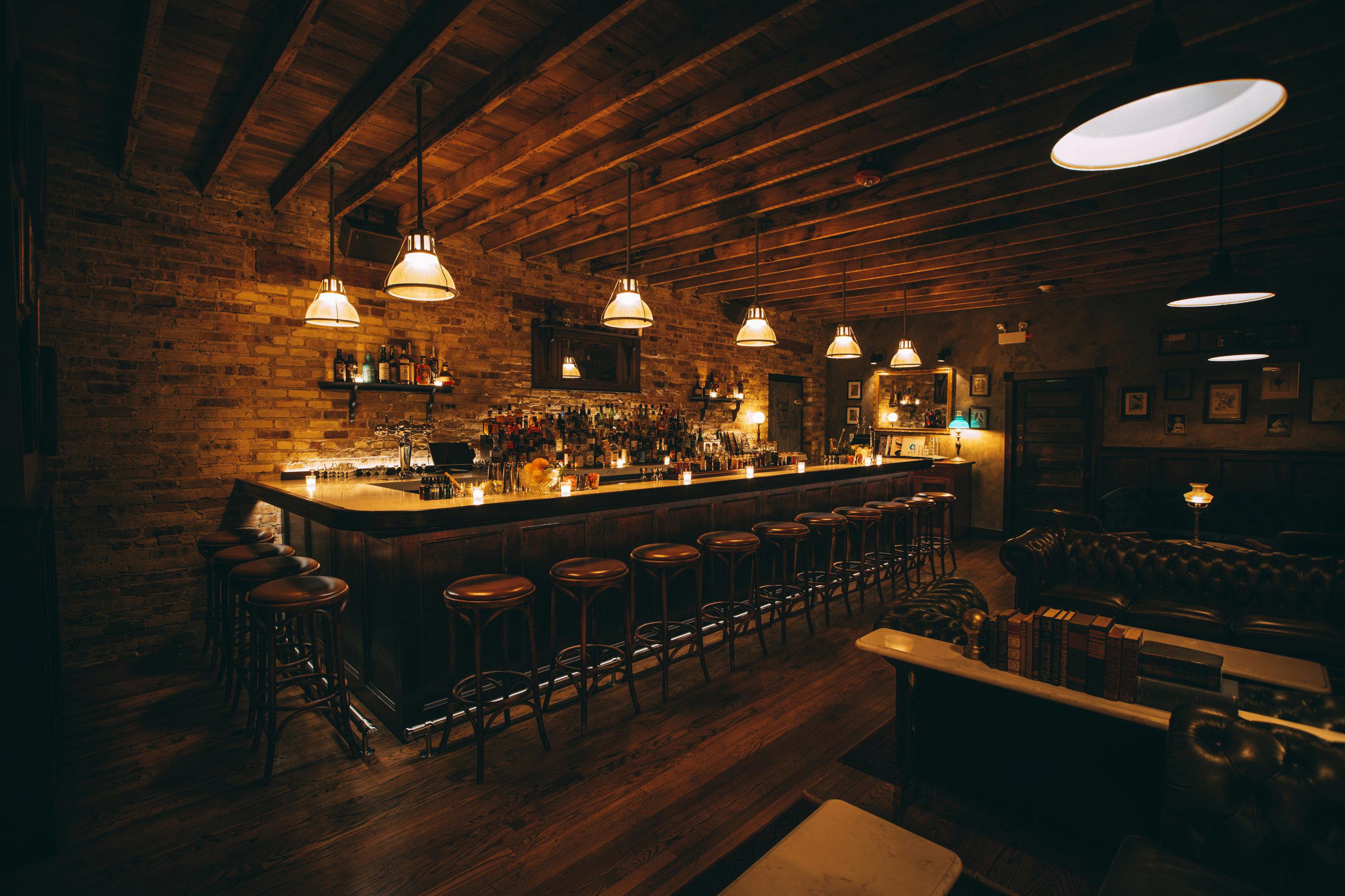
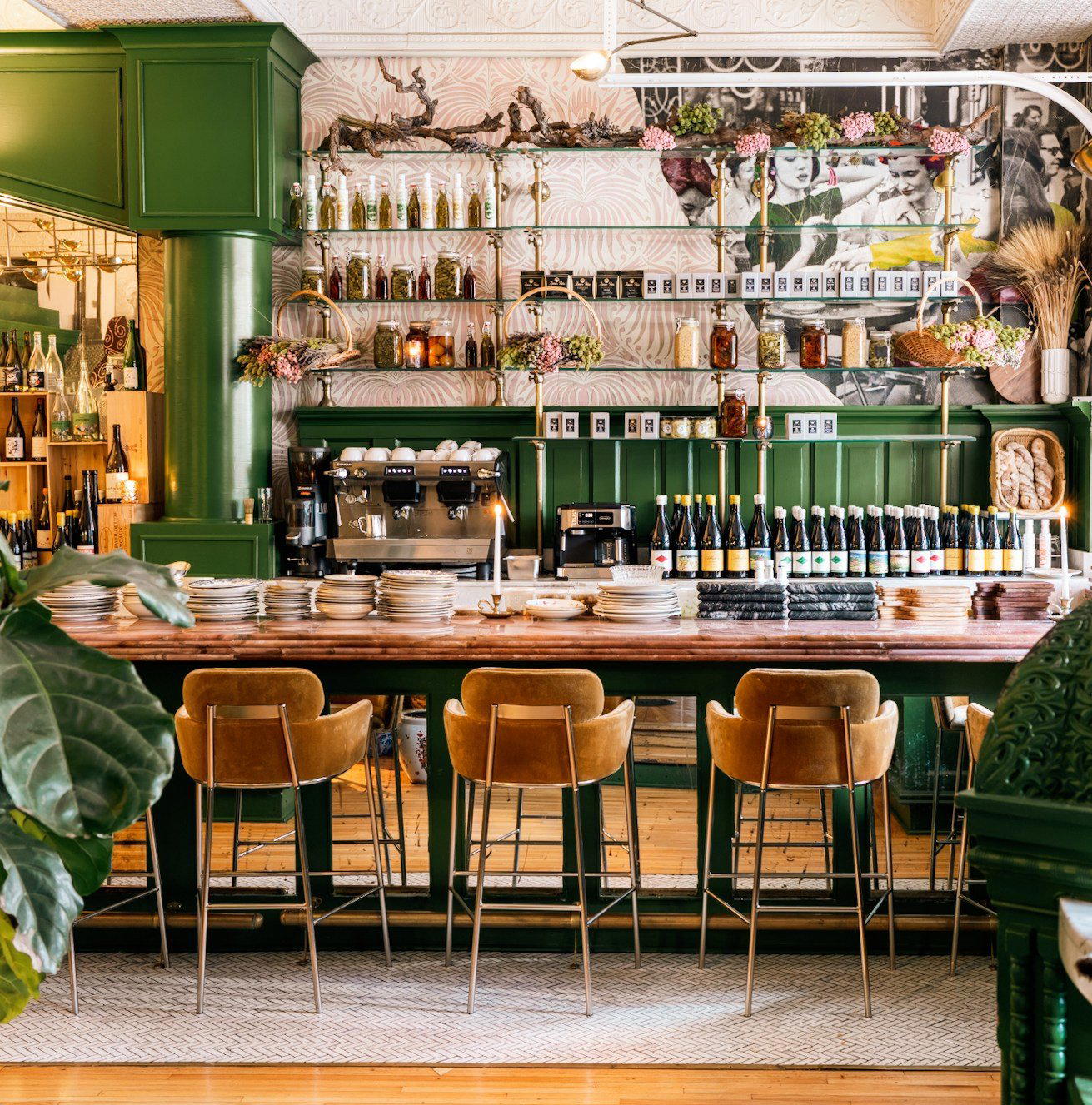
The address on Milwaukee Avenue, in a stretch north of Irving Park Road, puts the restaurant in a zone where storefronts are functional rather than designed for visual impact. Neighborhood bars in this corridor tend to have honest interiors, long wooden bars, modest lighting, a television that may or may not be on, seating that accommodates a group that wants to stay for two hours without being turned. The tavern format in Chicago has always leaned toward the bar as the gravitational center of the room, with the kitchen operating in service of that social architecture rather than the reverse.
Atmosphere at this price point and in this geography is typically democratic: you are likely to find regulars at the bar on a Tuesday alongside couples who drove in from adjacent neighborhoods. That is the functional definition of a neighborhood institution, and it is a harder thing to manufacture than a tasting menu. Restaurants with far higher public profiles, Lazy Bear in San Francisco, Addison in San Diego, or Frasca Food and Wine in Boulder, have to work deliberately to create the sense of community that a well-run neighborhood tavern generates through proximity alone.
The comparison above is instructive less as a competitive ranking than as a map of how Chicago organizes its dining. The restaurant operates in a different register entirely from the city's tasting-menu circuit. That is not a limitation, it is a distinct function. A city's dining health is measured partly by whether it has strong anchors at every level of this spectrum, not only at the prestige end.
Where Community Tavern Sits in a Wider American Context
The neighbourhood tavern model that restaurant represents has international analogues worth noting. Atelier Moessmer Norbert Niederkofler in Brunico, see the EP Club profile, has built a celebrated case for hyper-local, regionally constrained sourcing at the fine-dining end. Atomix in New York City takes a different approach, translating Korean culinary tradition into a format that commands serious critical attention. Emeril's in New Orleans occupies yet another position: the chef-driven American brasserie that anchors a city's dining identity across decades. The restaurant is closer in spirit to none of these than it is to the Chicago taverns that predate all of them, spaces where food and drink are in service of the neighborhood's social life, not the other way around. The Inn at Little Washington demonstrates what happens when that same impulse toward local rootedness is taken to an extreme of refinement; the restaurant presumably makes no such claim.
The restaurant is located at 4038 N Milwaukee Ave in Chicago's Portage Park corridor. Reservations are recommended, and the dress code is smart casual. Hours are Tuesday through Thursday from 5 to 9 PM, Friday and Saturday from 5 to 10 PM, and Sunday from 5 to 9 PM. The restaurant is closed on Monday.
The Minimal Set
Comparable venues nearby, for context on price, style, and recognition.
| Venue | Cuisine | Price | Notes |
|---|---|---|---|
| Community TavernThis venue — the venue you are viewing | Not listed | $$ | Not listed |
| Old Crow Smokehouse | Lakeview, Chicago BBQ Smokehouse | $$ | Not listed |
| Halloween Town | Not listed | $$ | River North, American-Italian Pop-Up with Halloween Themes |
| Tempo Cafe | Gold Coast, Classic American Diner | $$ | Not listed |
| Honky Tonk BBQ / The Tonk | Pilsen, Memphis-Style BBQ | $$ | Not listed |
| Gus' Sip & Dip | Not listed | $$ | River North, Classic Tavern Dips & Cocktails |


At a Glance
- Cozy
- Lively
- Rustic
- Date Night
- Casual Hangout
- Group Dining
- Open Kitchen
- Craft Cocktails
- Local Sourcing
Current opening hours
- Monday
- Closed
- Tuesday
- 5–9 PM
- Wednesday
- 5–9 PM
- Thursday
- 5–9 PM
- Friday
- 5–10 PM
- Saturday
- 5–10 PM
- Sunday
- 5–9 PM
Hours can change for holidays and private events. Last verified .
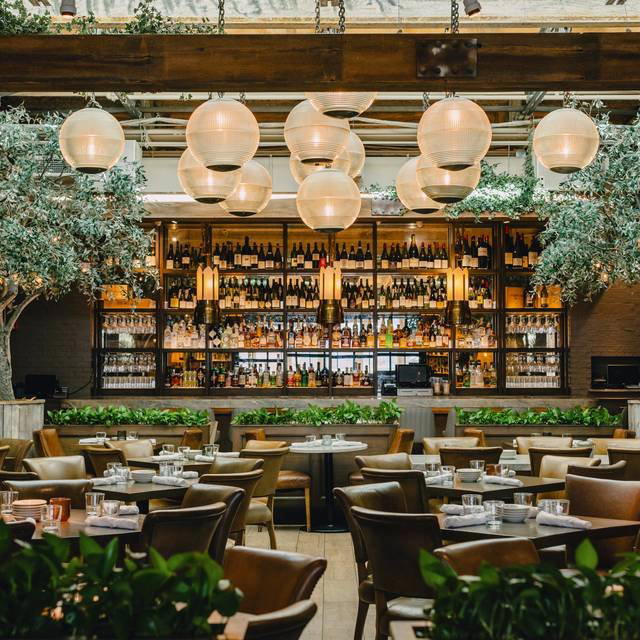
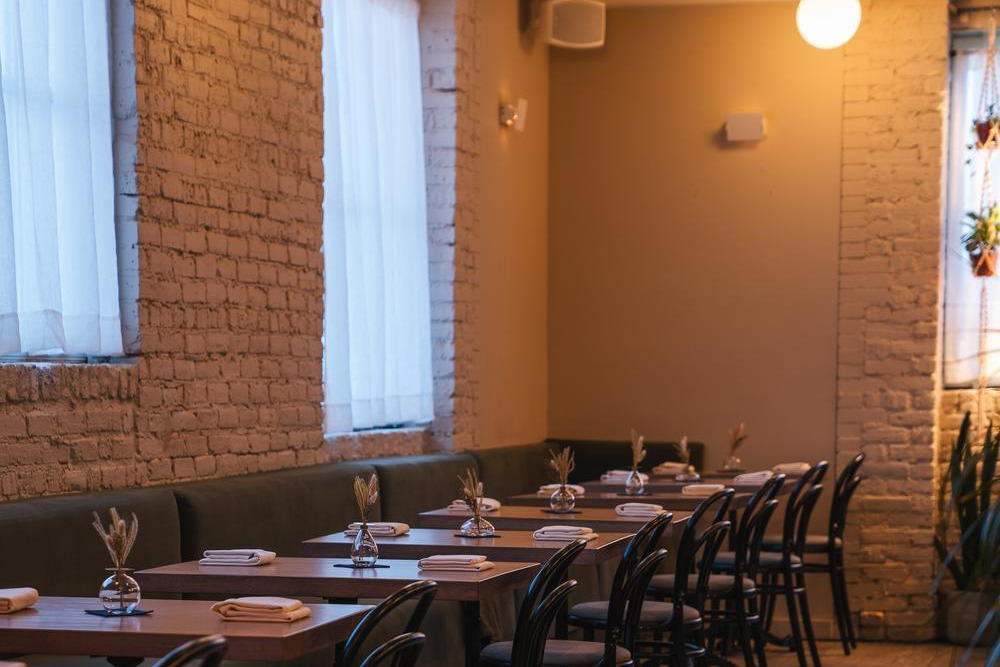
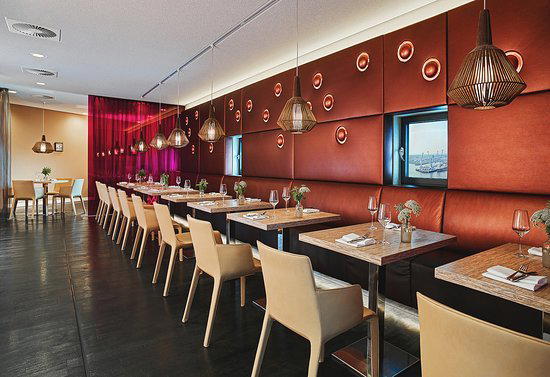
High-energy atmosphere with dark brown furniture, wooden bar, blue-accented walls, and upbeat R&B and hip hop music.