
A compact Kamakura bread-and-bagel stop on the Dankazura side of Komachi, Come va? SHOP Dankazura ten belongs to the city’s low-key bakery culture rather than its sit-down dining circuit. Tabelog selected it for Bread EAST “Tabelog 100” in 2020 and 2022, a useful signal in a category where craft often hides behind takeaway counters.
Pearl is the En Primeur Club membership app — saves, bookings, and concierge access live there. Same editors, same standards.
- Address
- 2 Chome-13-1 Komachi, Kamakura, Kanagawa 248-0006, Japan
- Phone
- +81 467-23-6328
- Website
- kibiyabakery.com
 Saves & bookings on Pearl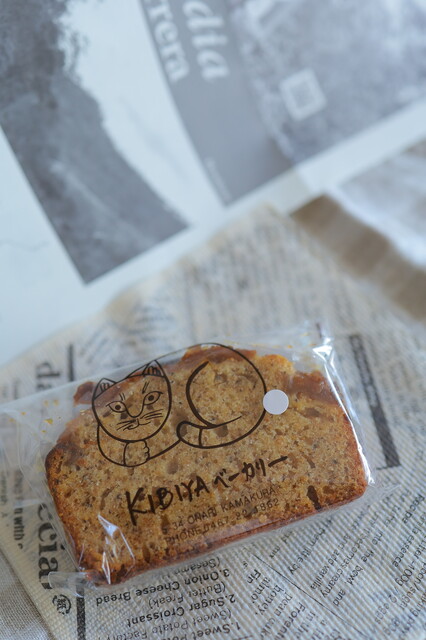
Approaching the Dankazura side of Komachi, Kamakura’s food rhythm changes from temple-day snacking to the quieter commerce of small counters, paper bags, and train-bound purchases. Bread in Japan has never been a borrowed European habit alone; it has become a local grammar of shokupan, anpan, curry pan, bagels, and natural-yeast loaves, shaped by commuter routines as much as café culture. In Kamakura, that grammar has a particular fit. The city is compact, walkable, and seasonal in its crowds, so bakery buying often works as a pause between shrine visits, seaside plans, and the return to the station.
Come va? SHOP Dankazura ten sits inside that pattern. Its Tabelog Bread EAST “Tabelog 100” selections in 2020 and 2022 place it within a specialist field rather than the broader restaurant conversation, and that distinction matters. Bread awards in Japan reward a different kind of discipline from multi-course dining: dough consistency, turnover, accessibility, and a product that has to survive the short walk from counter to street without ceremony. The category is not about theatrical service. It is about whether a bakery earns repeat use in a city where visitors and locals move on foot.
Kamakura's bakery culture rewards small formats over dining-room theatre
Kamakura’s restaurant map is often read through lunches, coffee, and sweets, but the bakery circuit tells a clearer story about how the city is actually used. A temple town with beach-town spillover needs portable food, modest portions, and places that do not require a long seating commitment. That is why bread and bagel shops can feel more culturally precise here than a drawn-out meal. They match the city’s pace: buy, walk, share, continue.
The takeaway format also shifts the criteria for judgment. Without a dining room to soften weak product, the counter has to carry the full argument. Come va? SHOP Dankazura ten is listed for bread and bagels, and its no-eat-in setup keeps the experience in the shop-and-go lane. That places it closer to Kamakura’s casual food specialists than to restaurants built around reservations or tasting menus. For travelers mapping the city through small bites, it pairs naturally with other local stops such as Bergfeld Kamakura honten, Cabbage Batake, and Cafe Vivement Dimanche, each representing a different strand of Kamakura’s daytime food culture.
Price tier matters here because it explains the role of the stop. In the local comparison set, Caraway and MAISON CACAO Kamakura komachi ten occupy the same sub-¥1,000 bracket, while Romi-Unie Confiture and Gelateria Il Brigante sit a notch higher, and Kikuta moves into a meal-tier spend. That spread is useful for planning a Kamakura day: bread belongs to the flexible end of the itinerary, not the anchor reservation. It is the kind of purchase that can absorb weather, crowds, and changing appetites without forcing the day around it.
The Tabelog Bread EAST signal puts this counter in a specialist lane
Japan’s bakery scene is unusually deep because it treats bread as both craft product and everyday convenience. The strong shops are not always the ones with long menus or elaborate design; often they are the ones with a narrow format, steady demand, and a reputation built through repeat buying. Tabelog’s Bread EAST list is useful because it isolates that field from restaurant glamour. A bakery selected there has cleared a category-specific bar, not a general popularity contest.
That is the lens to use for Come va? SHOP Dankazura ten. The award selections are the trust signal, but the cultural point is broader: Kamakura’s better food experiences are often small, specialized, and easy to miss if the day is planned only around lunch and dinner. Bread and bagels sit well beside the city’s coffee and confectionery culture, especially around Komachi, where foot traffic rewards compact formats. Nearby comparisons such as Romi-Unie Confiture and Gelateria Il Brigante show how Kamakura’s snack economy supports focused producers rather than only full-service dining rooms.
For readers building a wider itinerary, the city benefits from category mixing. A bakery stop can precede a restaurant booking, follow a coffee break, or replace a formal lunch when the day is built around walking. The broader Kamakura edit is useful here: start with Our full Kamakura restaurants guide, then widen the trip with Our full Kamakura hotels guide, Our full Kamakura bars guide, Our full Kamakura wineries guide, and Our full Kamakura experiences guide. The point is not to turn bread into a destination ritual; it is to understand how a small purchase can set the tempo for the rest of the day.
How to place it in a Japan food itinerary
Travelers often over-plan Japan around famous counters and under-plan the everyday formats that explain how cities eat. Bakeries, kissaten, curry shops, onigiri counters, and sweets specialists reveal the country’s practical food culture with less friction. In that sense, a Kamakura bread stop belongs in the same mental file as a quick regional detour to CALVA, a focused meal at arbre noir YAKUMI, or the broader habit of building days around small, specific formats rather than large dining statements.
The same logic travels well beyond Kamakura. Japan’s dining depth is visible in narrowly defined places such as. 鮪と炭火焼き うお炭 秋葉原店 in Tokyo.cafe in Osaka.know in Kumamoto, (Shoku) Vietnam in Kawasaki, [Curry Senmon Ten] Maruyama Kyoju. in Sapporo, and [ki:] in Kyoto. Even outside Japan, focused formats can carry cultural weight, as seen at Jōdo Saké Bar in Los Angeles and Onigiri Time in Pasadena. The restaurant fits that larger reading of food travel: a modest format, a clear category, and enough recognition to justify attention without pretending to be a formal dining event.
Booking and Cost Snapshot
Nearby venues at a similar price tier for orientation.
| Venue | Cuisine | Price | Notes |
|---|---|---|---|
| Come va? SHOP Dankazura tenThis venue — the venue you are viewing | Not listed | $ | Not listed |
| Mon Peche Mignon | Kamakura, French-style bakery & café | $ | Not listed |
| Coquelicot Crepe Ten | Kamakura, Crepe & dessert stand | $ | Not listed |
| MAISON CACAO Kamakura komachi ten | Not listed | $$ | Kamakura, Japanese Artisan Chocolate & Sweets Shop |
| Kamakura Naniwaya | Not listed | $ | Kamakura, Traditional Japanese Taiyaki & Wagashi Shop |
| Taiyaki Namihei | Not listed | $ | Kamakura, Traditional Japanese taiyaki & vegan-friendly bakery |
Recognition history
Dated appearances from independent guides and award organizations, with the underlying list record or original source where available.
Tabelog 100 #89 · No. 89
Tabelog · Tabelog 100 - Bread - EAST - 2022











At a Glance
- Quiet
- Cozy
- Solo
- Family
- Casual Hangout
- After Work
- Standalone
- Street Scene
Current opening hours
- Monday
- 11 AM–5 PM
- Tuesday
- 11 AM–5 PM
- Wednesday
- Closed
- Thursday
- 11 AM–5 PM
- Friday
- 11 AM–5 PM
- Saturday
- 11 AM–5 PM
- Sunday
- 11 AM–5 PM
Hours can change for holidays and private events. Last verified .
As a no-seat takeaway bakery, the atmosphere is simple and functional, with a quiet, cozy feel focused on display cases of bread rather than dine‑in ambiance.