Our verdict
On the Flensburg Förde waterfront, Columbus occupies a harbour-side address at Schiffbrücke 33 that positions it squarely within the city's compact but quietly serious dining scene. The Baltic framing matters here: this is a port city with centuries of trade connections to Scandinavia, and the best tables in Flensburg tend to reflect that geography through what arrives on the plate. Columbus belongs to that tradition.

Pearl is the En Primeur Club membership app — saves, bookings, and concierge access live there. Same editors, same standards.
- Address
- Schiffbrücke 33, 24939 Flensburg, Germany
- Phone
- +4946116068200
- Hours
- Mon–Fri 6:30–10:30 AM, 5–9:30 PMSat–Sun 7–11 AM, 5–9:30 PM
- Website
- hotel-hafen-flensburg.de
- Directions
- Get directions
- Booking
- Book on OpenTable
The menu
What to order
- Rum-pickled salmon sashimi
- Rum-painted flank steak
- Labskaus
- Coconut crème brûlée with mango and chocolate pepper ice cream
- Homemade linguini with basil pesto and steak strips
A Harbour City's Appetite for the North
Flensburg sits closer to Copenhagen than to Hamburg, a fact that shapes what the city eats more than any single kitchen decision. The Förde — the narrow inlet connecting the city to the Baltic — has historically been a trade corridor, pulling in Scandinavian produce, smoked fish traditions, and a practical approach to seasonal eating that still defines how the better restaurants here think about sourcing. At Schiffbrücke 33, Columbus occupies a waterfront position that places it directly inside that geography: the address alone signals proximity to the water, and in a port city, proximity to the water means proximity to what arrives fresh from it.
Germany's fine dining conversation tends to concentrate in the south and west, Schwarzwaldstube in Baiersbronn, Aqua in Wolfsburg, Vendôme in Bergisch Gladbach, or in Berlin, where CODA Dessert Dining has built a category of its own. Northern Germany operates more quietly. Hamburg has its institutional anchor in Restaurant Haerlin, but further north the scene thins out into a handful of addresses that draw from the landscape rather than competing with the volume of larger cities. Flensburg is precisely that kind of city: small enough that every serious table is visible, close enough to the Danish border that the culinary frame of reference shifts.
What the Baltic Puts on the Plate
The ingredient logic of the Schleswig-Holstein coast is worth understanding before you sit down anywhere in Flensburg. This is one of the narrower stretches of land in Europe, water on both sides, the North Sea to the west and the Baltic to the east, and the produce that comes out of it reflects that compression. Cold-water fish, shore-caught shellfish, root vegetables from farms that have supplied regional kitchens for generations, dairy from pastures that back up against the coast. The cooking tradition here is not showy in the way that Bavarian cuisine is showy, or technically baroque in the way that the Rhineland's serious kitchens can be. It is precise and material-focused, built on the assumption that what grows or swims nearby is the argument.
That sourcing ethos is visible across Flensburg's dining tier. James Farmhouse, which sits at the accessible end of the city's price range at €€, leans directly into regional produce as its organising principle. Das Grace, at the top of the local price tier at €€€€, takes that same raw material and applies a more international technical vocabulary to it. Minato occupies its own lane with a sushi format at €€, which in a Baltic port city makes a different kind of sense than it would inland, cold, clean fish is a local currency.
The Schiffbrücke Address
Schiffbrücke is one of Flensburg's oldest harbour-side streets, running along the eastern edge of the Förde where the old shipping trade once docked. Walking it today, the architecture still carries the memory of that mercantile past: warehouses converted into restaurants and bars, the water close enough that the smell of it registers before you've found the door. Number 33 places Columbus toward the southern end of that stretch, where the harbour character is less tourist-facing and slightly more embedded in the everyday fabric of the city.
That kind of address tends to attract a particular type of dining room: one that is confident in its location rather than dependent on foot traffic, that assumes its guests have made a deliberate choice to be there. Whether the format at Columbus leans casual or formal, the waterfront position sets a tone before service begins. Northern German harbour restaurants at their better end tend toward the direct rather than the ceremonial, clean tablecloths, good stemware, and the expectation that the product will carry the evening rather than the theatre around it. This is distinct from the more elaborate staging that characterises the ambitious rooms further south, like JAN in Munich or Victor's Fine Dining by Christian Bau in Perl.
Flensburg in the Wider German Context
For travellers arriving from outside Germany, Flensburg rarely appears on the first pass through the country's dining conversation. That reflects scale rather than quality: the city has a population of around 90,000, which limits the number of serious tables that can sustain themselves. What it does have is a distinct geographic identity that gives its better restaurants a sourcing argument that kitchens in Frankfurt or Stuttgart cannot replicate. The Baltic supply chain, the Danish border trade, the cold-climate produce, these are specific advantages that a kitchen at Schiffbrücke 33 can work with in ways that larger, more landlocked cities cannot.
The comparison that keeps coming up when writing about serious northern German cooking is not with Hamburg or Berlin but with what kitchens like Schanz in Piesport or Waldhotel Sonnora in Dreis have built in smaller cities with strong regional material. The pattern is consistent: a tightly defined ingredient territory, a kitchen that works with rather than against local supply, and a format that keeps the focus on the plate rather than the production. Globally, the argument echoes in what Le Bernardin in New York City has done with seafood as primary subject, or what Lazy Bear in San Francisco built around foraged and fermented ingredients as a sourcing philosophy. The geography differs; the discipline of letting the source material set the terms is the same.
For German fine dining in less-covered cities, the guide to Bagatelle in Trier, L.A. Jordan in Deidesheim, and ES:SENZ in Grassau offers a useful frame for how kitchens outside the major centres have built reputations on regional specificity rather than metropolitan volume.
Planning a Visit
Columbus is located at Schiffbrücke 33, 24939 Flensburg, on the eastern harbour front, walkable from the city centre. Flensburg Hauptbahnhof is the main rail arrival point, and the Schiffbrücke runs roughly parallel to the shoreline a short walk from the station. Given the limited venue data currently available, it is worth contacting Columbus directly through local listings or arriving during standard dining hours to confirm current booking arrangements, opening days, and pricing. Flensburg's dining scene is small enough that availability is generally less pressured than Hamburg or Berlin, but the harbour-side addresses tend to fill on summer weekends when the Förde draws visitors from across the region.
Frequently asked questions
Does Columbus work for a family meal?
A harbour-side address on Schiffbrücke in a port city at Flensburg's scale and price level points toward an accessible, unpretentious format. The waterfront setting gives the meal a clear focal point that works across age groups. Booking ahead for weekends is sensible, but mid-week the pace is typically relaxed enough for a longer, unhurried table.
What's the overall feel of Columbus?
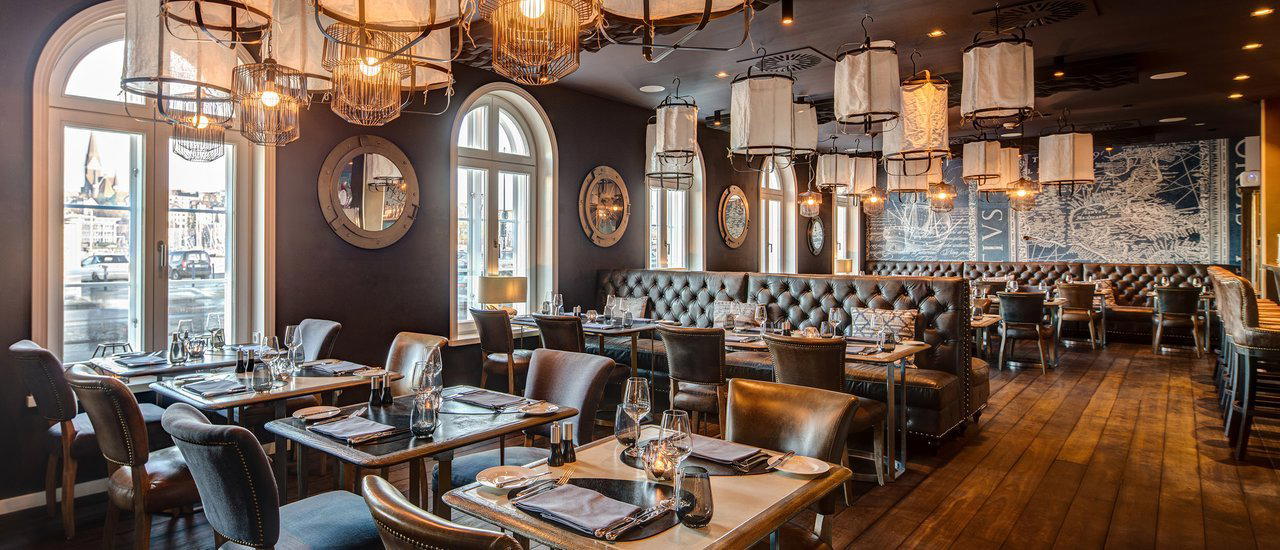
Schiffbrücke is Flensburg's oldest harbour-side street, and Columbus sits on the eastern Förde front where the city's shipping history is most legible in the architecture. The room reads as material and direct rather than formal — consistent with how northern German port cities tend to approach dining. Expect function and setting to do the work, not theatrical staging.
How does Columbus compare to other dining options along the Flensburg Förde waterfront?
Schiffbrücke 33 places Columbus at one of Flensburg's most historically active harbour stretches, which concentrates foot traffic and repeat local trade in a way that interior city addresses do not. Flensburg's dining conversation is shaped more by proximity to Denmark and Baltic ingredient access than by formal award circuits, so the benchmark here is quality of sourcing and consistency rather than Michelin recognition. Within the city's waterfront offer, the address itself carries context that newer or off-harbour venues cannot replicate.
What should I order at Columbus?
Flensburg's position on the Förde — a narrow Baltic inlet — means cold-water fish and local shellfish move through the supply chain quickly and at quality. In a harbour-front kitchen at this address, that is the logical starting point.
What's Columbus's location?
Columbus is located at Schiffbrücke 33, 24939 Flensburg, Germany, Flensburg.
Is Columbus reservation-only?
In a city of Flensburg's size, walk-in tables are often available mid-week, but a waterfront address on Schiffbrücke will fill on weekend evenings. Contacting the venue directly before arrival is the safest approach.
How It Stacks Up
Comparable venues nearby, for context on price, style, and recognition.
| Venue | Cuisine | Price | Awards | Notes |
|---|---|---|---|---|
| ColumbusThis venue — the venue you are viewing | Modern Northern German with Nordic Influences | $50–100 | Not listed | Not listed |
| James Farmhouse | Modern Farm-to-Table Northern German | Not listed | Michelin Plate | Mürwik |
| Minato | Authentic Japanese Omakase & Sushi | $50–100 | Michelin Plate | Fördepromenade |
| Das Grace | Modern Seasonal Farm-to-Fjord Fine Dining | $150–200 | 1 Michelin Star | Mürwik |
| Fischers Fritz im Hotel Birke | Regional German Seafood | Not listed | Not listed | Kiel |
| MySuite Leesch | Modern German Dithmarscher | $50–100 | Not listed | Reinsbüttel |
Continue exploring
More in Flensburg
Restaurants in Flensburg
Browse all →
Hotels in Flensburg
Browse all →
Wineries in Flensburg
Browse all →
Columbus
The wine
- Wine program
- Curated wine list
- Extensive wine list
- Craft cocktails
- Beer program
Details
- Elegant
- Modern
- Sophisticated
- Scenic
- Date Night
- Business Dinner
- Family
- Celebration
- Special Occasion
- Waterfront
- Hotel Restaurant
- Terrace
- Extensive Wine List
- Craft Cocktails
- Beer Program
- Local Sourcing
- Waterfront
- A La Carte
- Set Menu
- Buffet
- Rum
- Wine
- Cocktails
- Vegetarian Friendly
Current opening hours
- Monday
- 6:30–10:30 AM, 5–9:30 PM
- Tuesday
- 6:30–10:30 AM, 5–9:30 PM
- Wednesday
- 6:30–10:30 AM, 5–9:30 PM
- Thursday
- 6:30–10:30 AM, 5–9:30 PM
- Friday
- 6:30–10:30 AM, 5–9:30 PM
- Saturday
- 7–11 AM, 5–9:30 PM
- Sunday
- 7–11 AM, 5–9:30 PM
Hours can change for holidays and private events. Last verified .
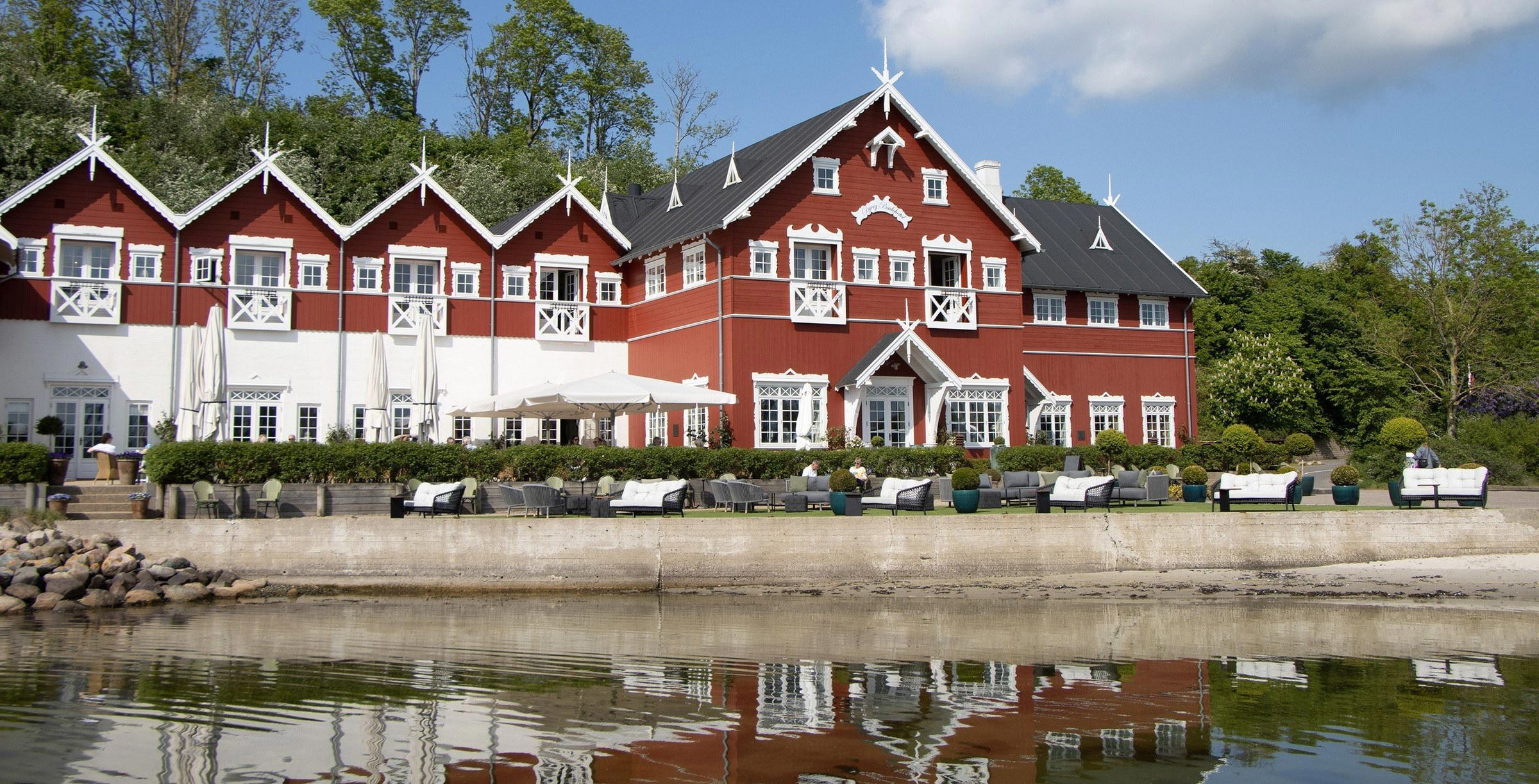
Stylishly decorated with natural materials including dark wood and leather furnishings mixed with modern design accents, evoking the spirit of distinguished seafarers with a contemporary twist; waterfront views of Flensburg Fjord create an atmospheric dining setting.