
1 Michelin Star
Our verdict
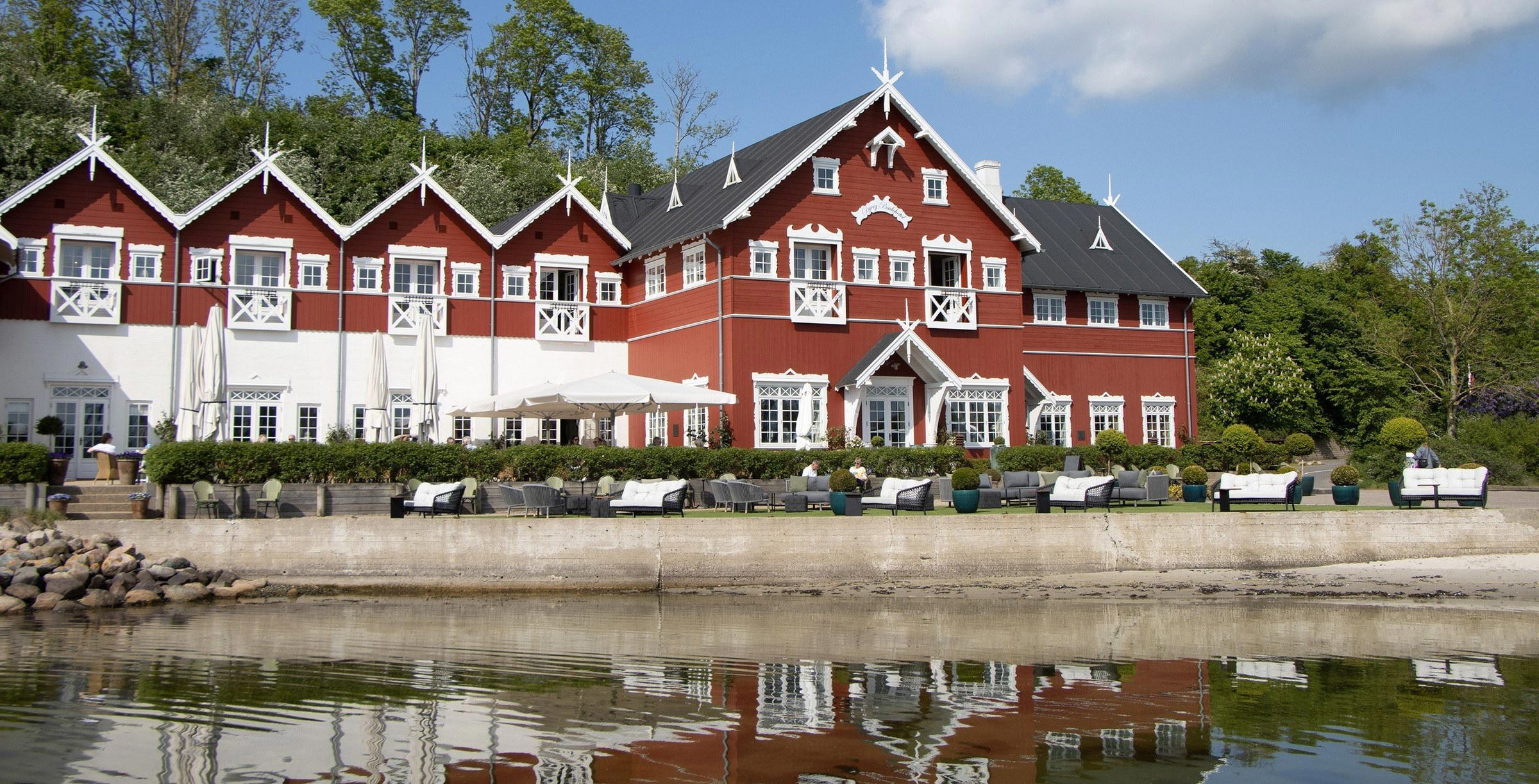
Inside a former naval building on Flensburg's marina, Das Grace holds a Michelin star for Chef Quirin Brundobler's seasonal set menus — Farm and Fjord — that draw produce from the restaurant's own James Farm and the surrounding Schleswig-Holstein coast. Seven-metre ceilings, silk-draped chandeliers, and water views set the physical register. At €€€€, it is the northern anchor of Germany's fine dining circuit.

Pearl is the En Primeur Club membership app — saves, bookings, and concierge access live there. Same editors, same standards.
- Address
- Fördepromenade 30, 24944 Flensburg, Germany
- Phone
- +49 461 1672360
- Hours
- Mon–Wed ClosedThu–Sun 6–10 PM
- Website
- dasjames.com
- Directions
- Get directions
The menu
What to order
- Beef Wellington
- Höruper Presa
- Raspberry Soufflé
A Naval Building Becomes a Fine Dining Address
Germany's Michelin-starred circuit tends to cluster in its southern and central cities. JAN in Munich, Schwarzwaldstube in Baiersbronn, and Aqua in Wolfsburg occupy well-trafficked corridors for gastronomy tourism. Flensburg, a port city of 90,000 sitting within cycling distance of the Danish border, operates at a different register entirely: quieter, more local in character, and historically overlooked by the guide circuits that have long rewarded Germany's bigger urban names. Das Grace, inside The James hotel on the Fördepromenade, is the reason that calculus is changing.
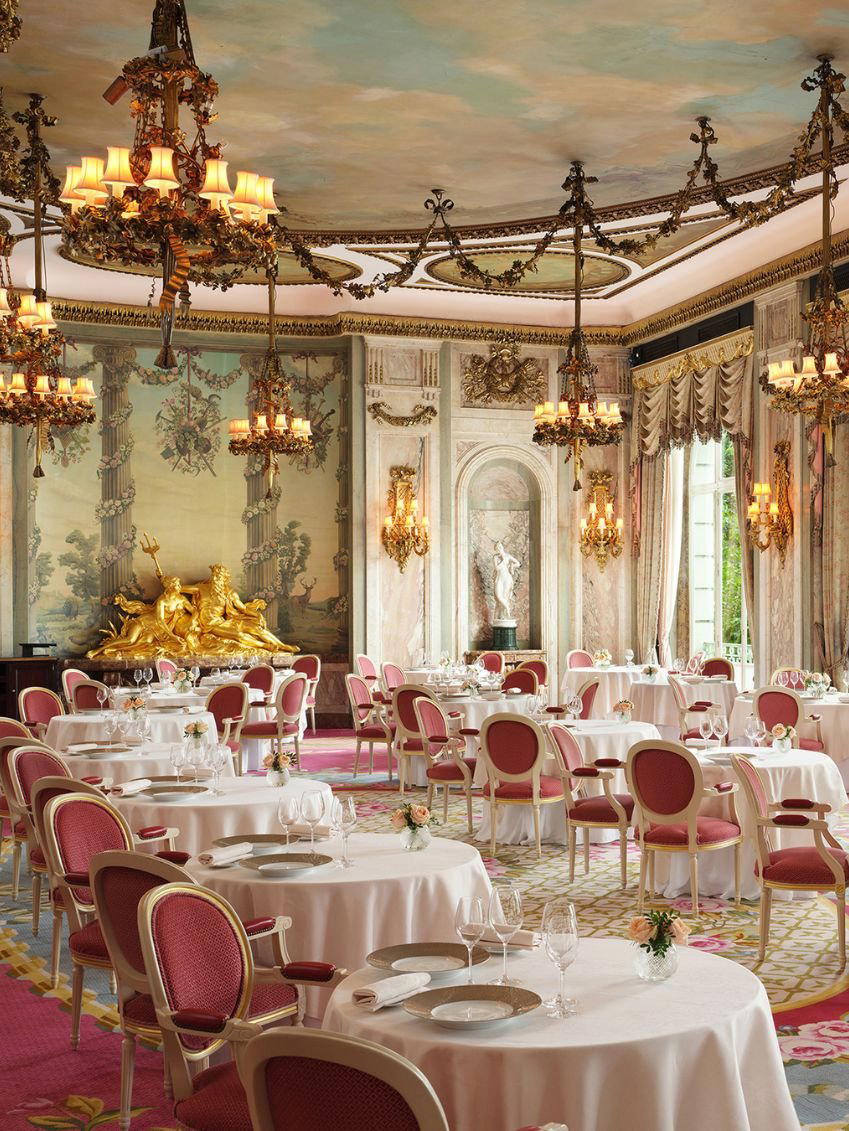
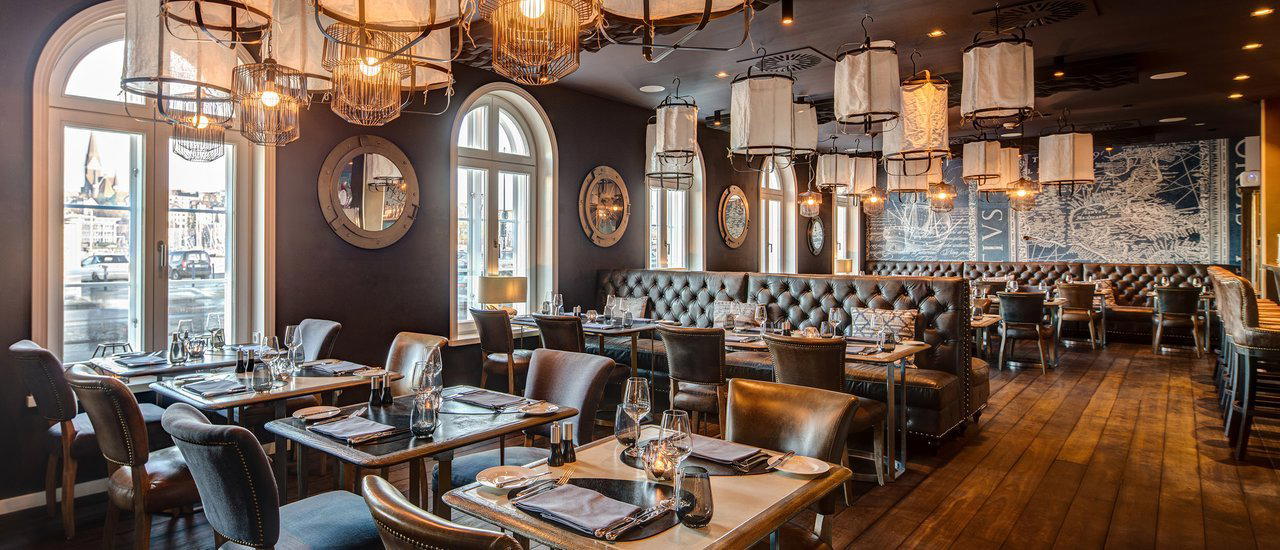
The physical setting does considerable work before the first course arrives. The building is a converted naval structure directly on the marina, and the interior preserves that scale: ceilings rise to seven metres, and the chandeliers are draped in silk rather than cast in the industrial materials the building's origins might suggest. From certain seats, the view extends over the water. The contrast between the grandeur of the room and the restraint of the cuisine is one of the more interesting tensions at the table.
Where Das Grace Sits in the German Fine Dining Tier
A single Michelin star, awarded in 2024, places Das Grace in a specific competitive bracket. For context, the three-star tier in Germany — Schwarzwaldstube, Aqua, and a handful of others — represents cooking of exceptional technical ambition. The two-star category includes houses such as Vendôme in Bergisch Gladbach and CODA Dessert Dining in Berlin, where conceptual distinctiveness shapes the entire experience. Das Grace's one-star recognition positions it as a restaurant achieving consistent excellence in a city where the fine dining infrastructure is thin, which, from a Michelin perspective, makes the award more consequential, not less. A star in Flensburg is a different signal than a star in Hamburg, where Restaurant Haerlin operates within a denser competitive field.
The €€€€ price range aligns Das Grace with the entry tier of Germany's serious fine dining, consistent with the format: two set menus, no à la carte, a room of carefully composed atmosphere. That pricing structure, combined with the award and the location, places it in a niche position, premium enough to draw from Hamburg, Kiel, and across the Danish border, but rooted enough in its local landscape that it reads as a genuine regional statement rather than a destination restaurant operating in isolation.
Farm and Fjord: The Logic of Two Menus
Modern European fine dining has largely converged on a single tasting menu format, with variations in length and dietary options. Das Grace's decision to run two distinct set menus, Farm and Fjord, is structurally significant. It is an editorial gesture about where this kitchen's produce comes from and how it wants those source relationships to register with the guest.
The Farm menu draws from the restaurant's own James Farm and from the agricultural land surrounding Flensburg: the fields, meadows, and smallholdings of Schleswig-Holstein. The Fjord menu turns toward the coast and the waters of the Flensburger Förde, the narrow inlet that defines the city's geography. Dishes such as Hörup pork cheeks (Hörup being a local village) and lightly seared sole anchor the menus in specific, named sources. This is not the vague provenance language that proliferates across tasting menu writing; the references are locational, pointing to real places within a short radius of the kitchen.
Chef Quirin Brundobler's cooking is described in Michelin's own assessment as pleasingly uncomplicated but full of flavour, a characterisation that locates him in the restraint-led tradition rather than the maximalist or highly technical school. That approach is consistent with what the leading regional German cooking has historically done well: translate honest ingredients into composed, direct dishes without obscuring the produce under technique. The approach has more in common with the market-driven traditions of Alsace or the quieter end of Scandinavian cooking than with the conceptual ambition of, say, CODA or ES:SENZ in Grassau.
The James as a Dining Ecosystem
Das Grace does not operate in isolation within the hotel. The James has constructed a layered dining proposition that is unusual for a property in a city this size. James Farmhouse offers a more open-kitchen format, where chefs cook directly in front of guests, a format that has become more common in premium regional restaurants as a way of communicating transparency and craft. Minato brings Japanese cooking to the hotel's offering, a pairing that reflects the broader European appetite for Japanese technique within hotel dining contexts, visible at comparable properties in Scandinavia and the Baltic cities. The Lion bar and the James Livingroom's tea service complete a spectrum that runs from casual to fine dining within a single address.
For the traveller arriving in Flensburg primarily for Das Grace, this ecosystem matters practically. An evening at the Michelin-starred restaurant can be preceded by drinks at The Lion without leaving the building, and other meals across a short stay can be absorbed within the same hotel without repetition. That kind of internal range is more commonly found in larger urban hotels; finding it in Flensburg is part of what makes The James a coherent destination argument rather than simply an accommodation choice.
Flensburg in the Northern European Fine Dining Context
Flensburg's position on the Danish border gives it a different relationship to Scandinavian cooking traditions than most German cities possess. The Förde connects it geographically to the kind of coastal seafood culture that runs north through Jutland to Copenhagen. The influence is visible in the Fjord menu's emphasis on local waters, and in the broader sensibility of letting produce lead rather than technique dominate. For those travelling the Scandinavian circuit, passing through Copenhagen, perhaps extending to Frantzén in Stockholm, Flensburg offers a logical southern waypoint where that northern ingredient logic meets a German fine dining framework. The city is reachable by train from Hamburg in under two hours, and Copenhagen is approximately 2.5 hours by road or rail across the border.
Elsewhere on Germany's fine dining map, restaurants such as Schanz in Piesport and Victor's Fine Dining in Perl demonstrate how strong regional kitchens can anchor a destination argument for cities well outside the major urban centres. Das Grace operates by the same logic in the far north. The broader Flensburg restaurant and hotel scene is covered in our full Flensburg restaurants guide and our full Flensburg hotels guide; those planning around a broader stay can also reference our guides to bars, wineries, and experiences in the city.
Planning Your Visit
Das Grace sits at Fördepromenade 30 within The James hotel, directly on Flensburg's marina. The set menu format at the €€€€ price point is consistent with tasting menu restaurants across Germany's one-star tier; expect an evening commitment of two to three hours. Booking several weeks in advance is advisable, particularly for Friday and Saturday sittings and during summer months when Flensburg sees higher visitor volumes from both Germany and Denmark. The hotel context means that non-residents dining at Das Grace have access to the broader James amenities before and after the meal. For the most current booking arrangements and menu pricing, contact the hotel directly via The James Flensburg's official channels.
Frequently asked questions
Is Das Grace expensive?
Pricing at Das Grace is listed as €€€€.
Who is the chef or culinary lead at Das Grace?
The chef associated with Das Grace is Ollie K.C. Liedags.
How far ahead should I plan for Das Grace?
Das Grace sits inside The James, a hotel on Flensburg's marina at Fördepromenade 30, which means demand is shaped partly by hotel occupancy and partly by destination diners travelling to one of Germany's northernmost Michelin-starred addresses. A €€€€ set menu restaurant in a city of Flensburg's size rarely holds open tables on short notice. Booking two to four weeks ahead is a reasonable baseline; the 2024 Michelin star will have tightened that window further, particularly on weekends.
Fast Comparison
| Venue | Cuisine | Price | Awards |
|---|---|---|---|
| Das GraceThis venue — the venue you are viewing | Modern Seasonal Farm-to-Fjord Fine Dining | $150–200 | 1 Michelin Star |
| Schwarzwaldstube | French, Classic French | Not listed | Michelin 3 Star |
| Aqua | Contemporary German, Italian/Japanese, Creative | Not listed | Michelin 3 Star |
| CODA Dessert Dining | Creative | Not listed | Michelin 2 Star |
| Tantris | Modern French, French Contemporary | Not listed | Michelin 2 Star |
| Vendôme | Modern European, Creative | Not listed | Michelin 2 Star |
Recognition history
Dated appearances from independent guides and award organizations, with the underlying list record or original source where available.
Michelin 1 Star
Michelin
Full recognition history (3 entries)
Michelin 1 Star
Michelin
Michelin 1 Star
Michelin
Continue exploring
More in Flensburg
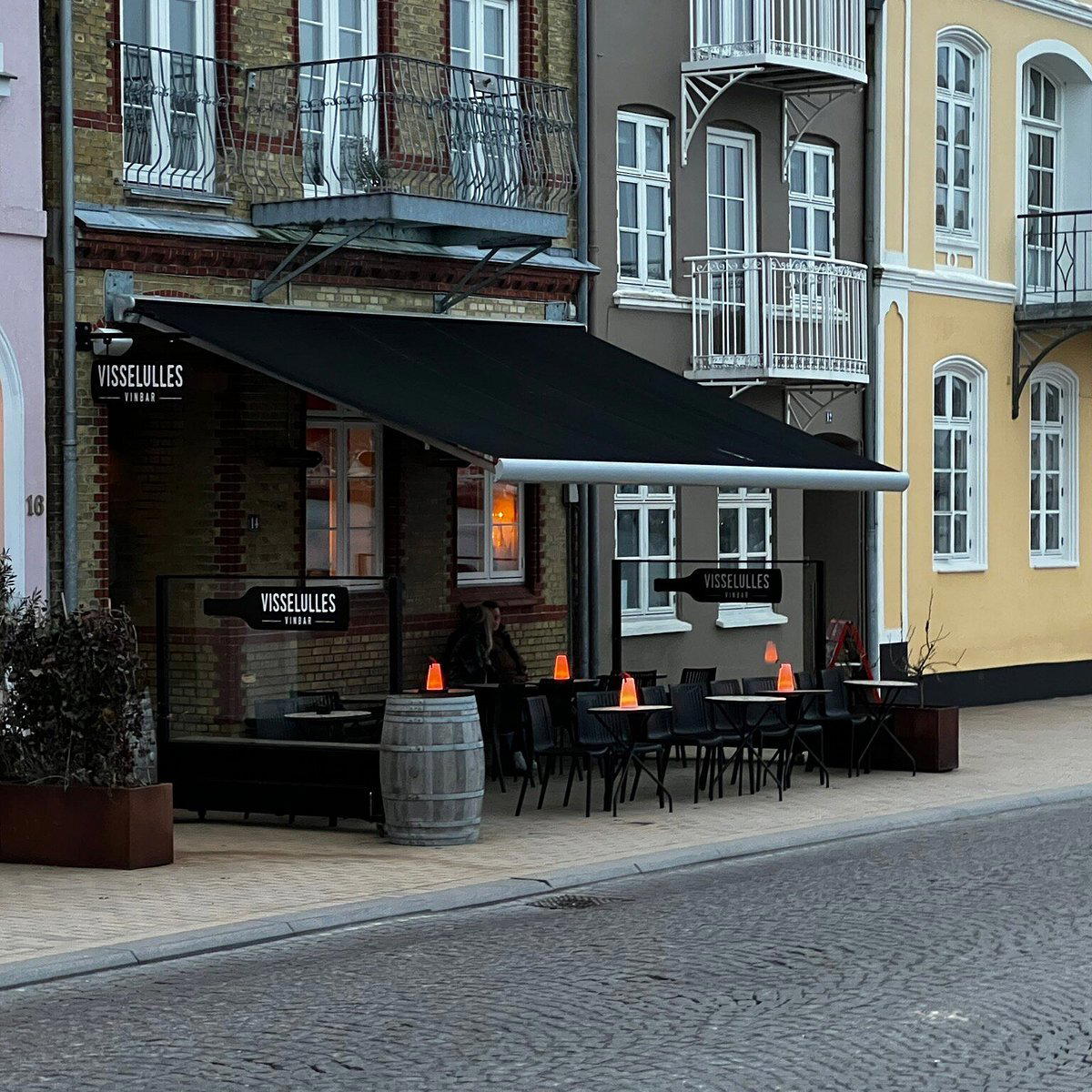
Restaurants in Flensburg
Browse all →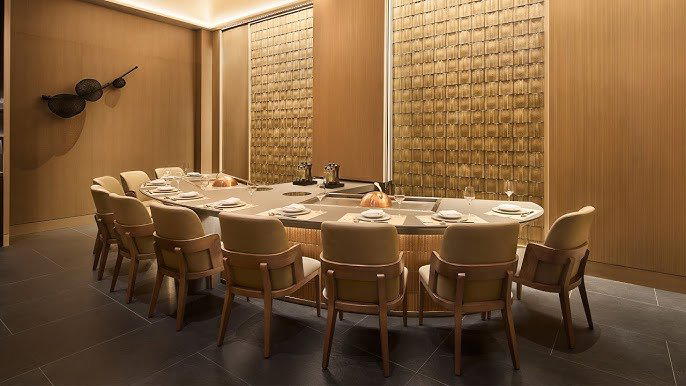
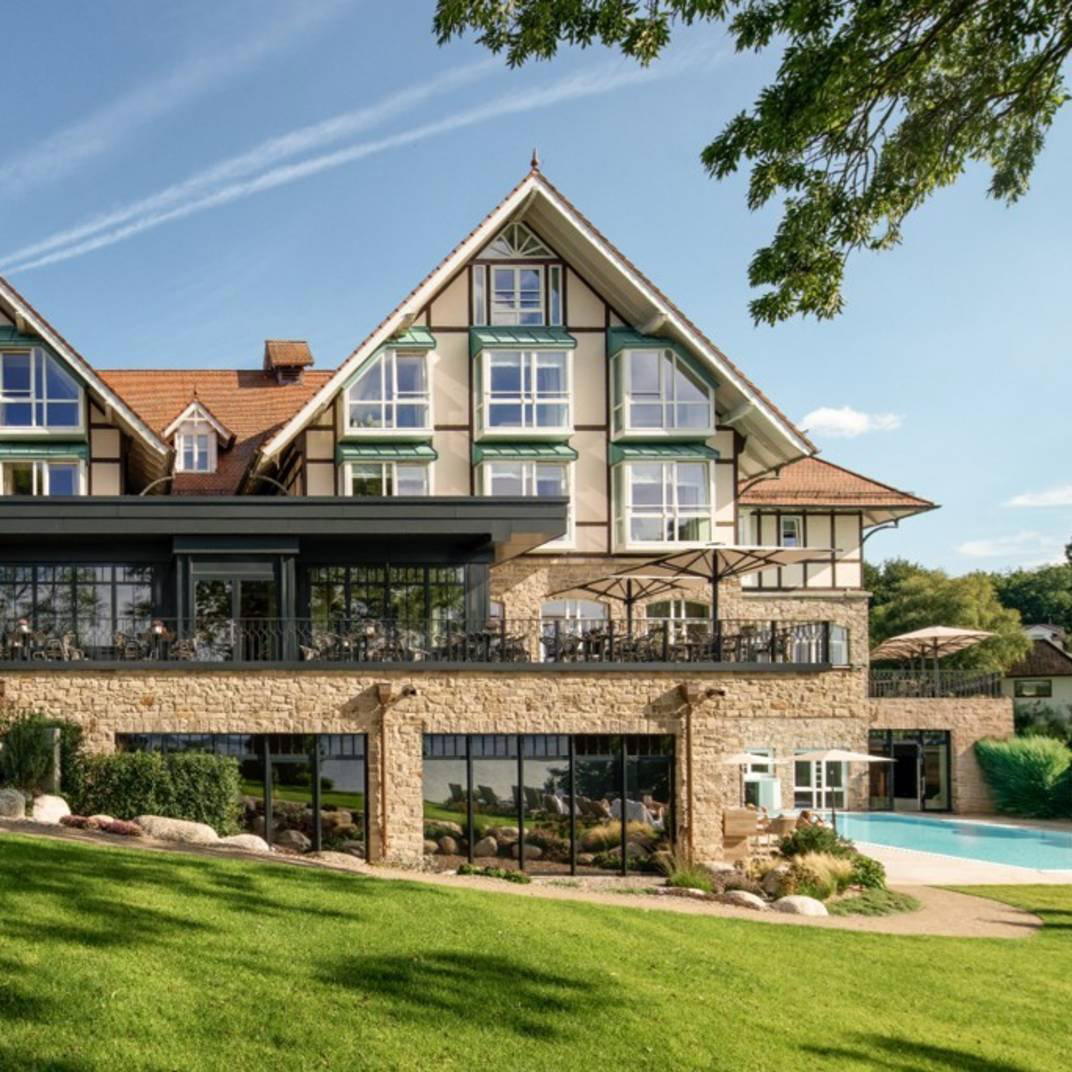
Hotels in Flensburg
Browse all →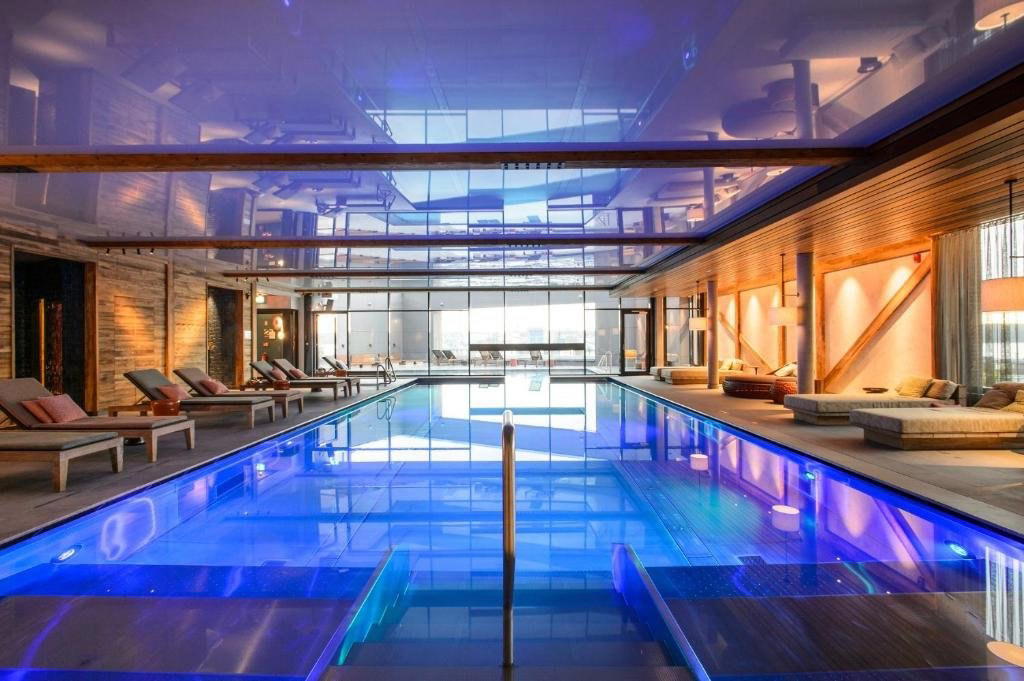
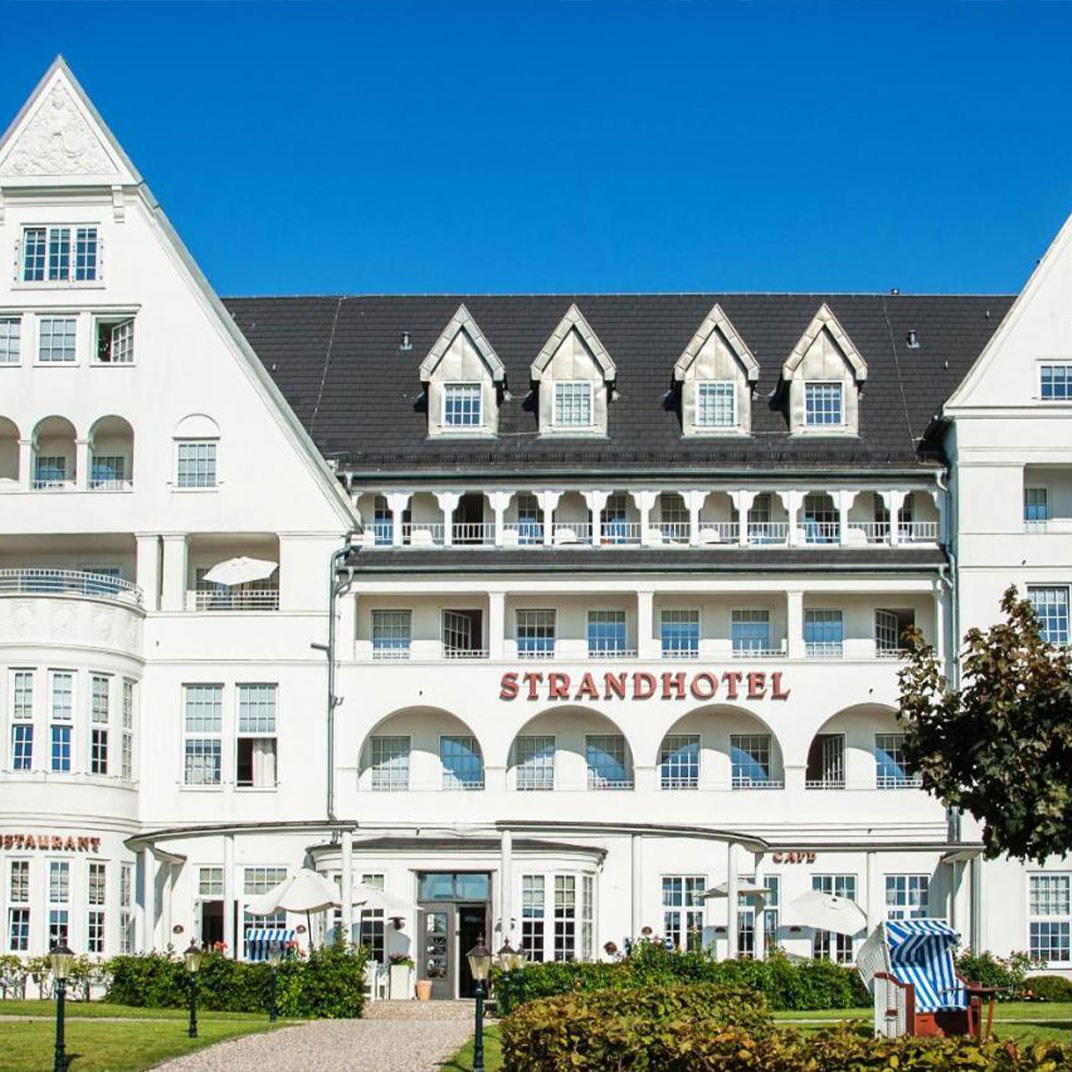
Wineries in Flensburg
Browse all →
Das Grace
The wine
- Wine program
- Curated wine list
- Extensive wine list
Details
- Elegant
- Cozy
- Modern
- Sophisticated
- Intimate
- Date Night
- Special Occasion
- Celebration
- Waterfront
- Hotel Restaurant
- Open Kitchen
- Extensive Wine List
- Farm To Table
- Local Sourcing
- Waterfront
- Set Menu
- Vegetarian Friendly
Current opening hours
- Monday
- Closed
- Tuesday
- Closed
- Wednesday
- Closed
- Thursday
- 6–10 PM
- Friday
- 6–10 PM
- Saturday
- 6–10 PM
- Sunday
- 6–10 PM
Hours can change for holidays and private events. Last verified .
Elegant high-ceilinged space with glamorous silk-draped chandeliers, warm lighting, and marina views creating a chic, cozy, and refined atmosphere.