
Minato holds a Michelin Plate for 2024 and 2025, placing it among a small tier of recognised sushi restaurants in northern Germany. Located on Flensburg's Fördepromenade, the restaurant operates in a city better known for its Baltic waterfront than its Japanese dining scene, making consistent Michelin recognition a meaningful signal of quality relative to its setting and price range.
Pearl is the En Primeur Club membership app — saves, bookings, and concierge access live there. Same editors, same standards.
- Address
- Fördepromenade 30, 24944 Flensburg, Germany
- Phone
- +49 461 1672360
- Website
- dasjames.com
- Directions
- Get directions
 Saves & bookings on Pearl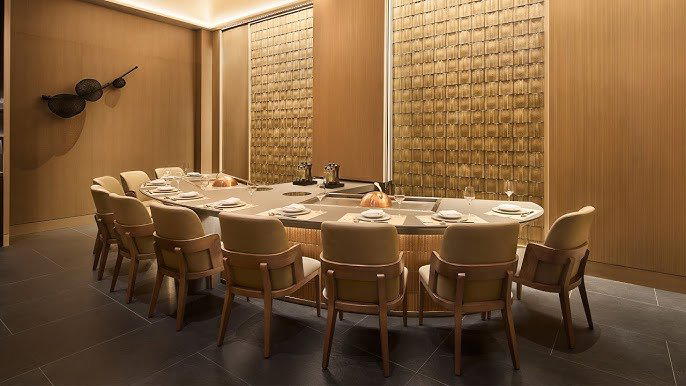
Sushi at the Edge of the Baltic
Flensburg sits closer to Copenhagen than to Hamburg, a border city whose dining identity has long been shaped by the Fördde inlet, Scandinavian trade, and a food culture that leans toward smoked fish and regional German cooking. Against that backdrop, the emergence of a sushi address at Fördepromenade 30 marks how speciality Japanese dining has extended beyond Germany's metropolitan centres. Minato occupies that position: a sushi restaurant operating in a mid-price bracket that has earned consecutive Michelin Plate recognition in both 2024 and 2025, a signal that inspectors consider the kitchen consistent and the offering worthy of attention for visitors passing through or specifically travelling to the region.
For context, the Michelin Plate is awarded to restaurants where inspectors identify good cooking, distinct from a starred or Bib Gourmand designation. Across northern Germany, sushi restaurants holding any Michelin recognition at the €€ price point are rare. The more starred Japanese addresses in Germany, such as Aqua in Wolfsburg where Japanese influence informs a multi-starred creative programme, operate at an entirely different price level and ambition. Minato does not compete in that tier; it represents something more accessible and more local, which is precisely its editorial interest.
The Counter as the Organising Principle
Japanese counter dining carries a specific logic that distinguishes it from table service in almost every practical and sensory respect. At an omakase or sushi counter, the distance between kitchen and guest collapses. Preparation happens in view; the rice is formed, the fish is placed, the sequence unfolds in front of you rather than arriving as a finished object from a closed kitchen. That proximity creates a particular kind of attention on both sides of the counter: the cook is always visible, and so is the guest's response.
This format has deep roots in the kaiseki and edomae traditions of Tokyo, where counter omakase is the dominant high-end sushi mode. At reference-tier addresses like Harutaka in Tokyo or Sushi Shikon in Hong Kong, the counter seats a small number of guests, often eight or fewer, and the choreography of service is tightly managed to maintain the rhythm of temperature and sequence that sushi requires. What makes these formats work is precisely their constraint: limited seats, a defined sequence, no deviation from the counter's spatial logic.
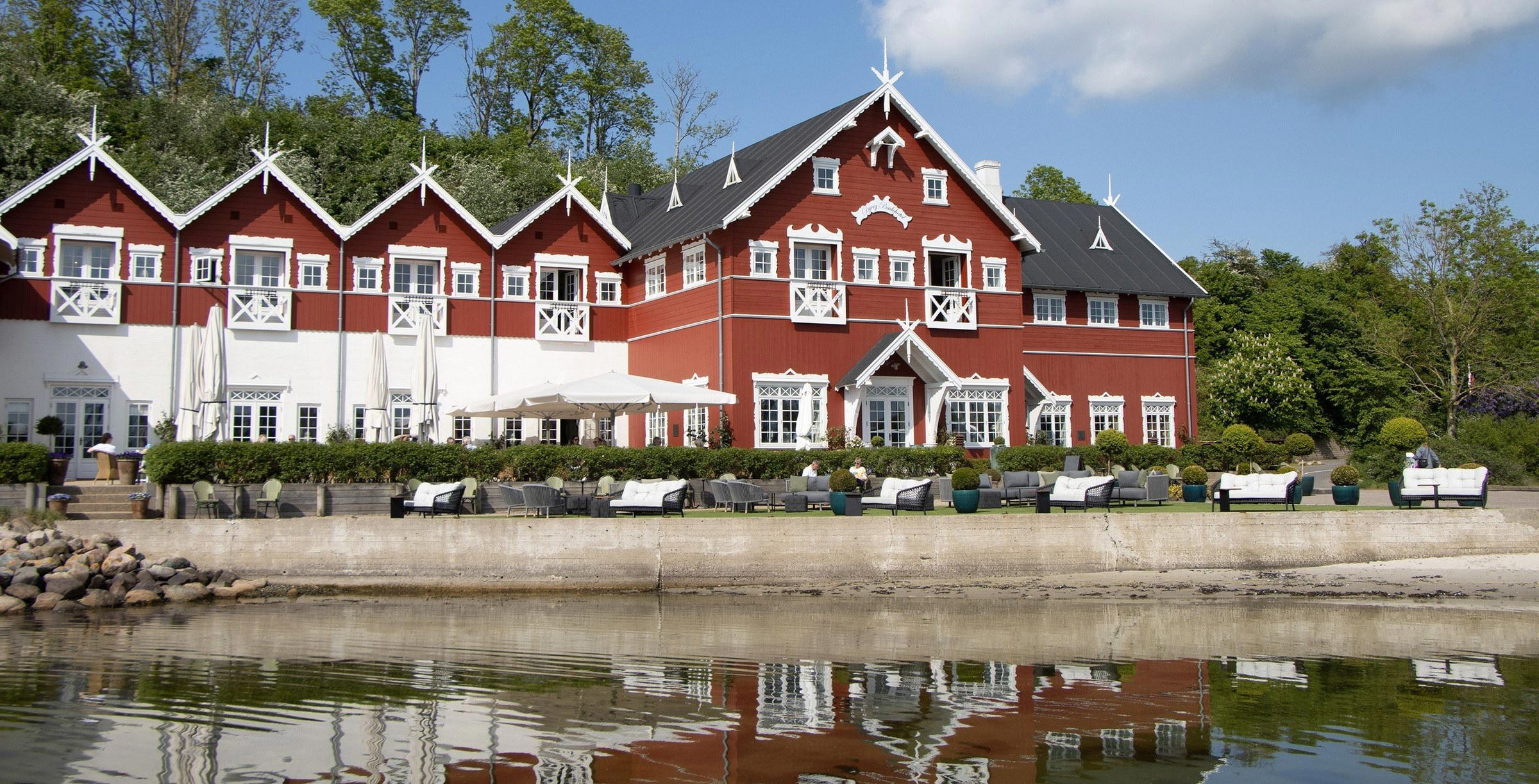
A sushi restaurant at the €€ tier, earning Michelin recognition in a city with Flensburg's dining scale, is likely succeeding through format discipline and consistency rather than through spectacle or volume. The Fördepromenade address places it on the waterfront, which in a city oriented around its inlet carries locational weight. Arriving along the promenade, with the Fördde to one side, frames a meal before you have ordered anything.
Where Minato Sits in Flensburg's Dining Picture
Flensburg's restaurant scene is smaller and less internationally documented than Hamburg or Berlin, but it is not without ambition. Das Grace represents the city's modern cuisine tier, while James Farmhouse works the regional produce angle that defines much of northern German cooking. Minato operates in a different register entirely, bringing a Japanese discipline to a city whose culinary identity is grounded in Baltic and Scandinavian influences.
That positioning matters for the traveller making decisions about how to spend a limited number of evenings. If the broader German fine-dining circuit draws you toward, say, Restaurant Haerlin in Hamburg or Schwarzwaldstube in Baiersbronn, Minato serves a different purpose. Minato fills a different need: recognised Japanese technique at a mid-range price, in a location that most international food itineraries do not include. For visitors to Schleswig-Holstein already in the region, or those using Flensburg as a base for exploring the Danish border area, the Michelin Plate across two consecutive years is a reliable signal that this is not an incidental choice.
Minato sits at a moderate price point. Restaurants like Vendôme in Bergisch Gladbach, ES:SENZ in Grassau, or Schanz in Piesport occupy the upper end of Germany's fine-dining spectrum. Minato is not competing for that audience; it is offering something more precise: consistent, inspector-recognised sushi at an accessible price in a city where that combination is genuinely scarce. JAN in Munich or CODA Dessert Dining in Berlin represent the creative edge of German dining, but the case for Minato rests on something different: regional specificity and a format that delivers at its stated level.
Planning a Visit
Minato is located at Fördepromenade 30, on Flensburg's waterfront. The €€ price range suggests a dinner in the moderate bracket by German standards, accessible without the advance financial planning that starred restaurants require. For a city of Flensburg's size, 30 reviews at 4.8 is a credible signal rather than a statistical anomaly; it suggests a regular local following rather than a venue coasting on novelty.
Booking ahead is advisable, particularly for counter seating where capacity is inherently limited. Reservations are essential, and current phone or website details should be checked before visiting. Flensburg's broader dining and hospitality options are covered in the full Flensburg restaurants guide, with complementary resources for hotels, bars, wineries, and experiences across the city and surrounding area. Waldhotel Sonnora in Dreis is included in the broader EP Club German coverage for those extending the itinerary further south.
Cuisine and Recognition
Comparable venues nearby, for context on price, style, and recognition.
| Venue | Cuisine | Price | Awards | Notes |
|---|---|---|---|---|
| MinatoThis venue — the venue you are viewing | Authentic Japanese Omakase & Sushi | $$$ | Michelin Plate | Not listed |
| James Farmhouse | Modern Farm-to-Table Northern German | $$$ | Michelin Plate | Mürwik |
| Das Grace | Modern Seasonal Farm-to-Fjord Fine Dining | $$$$ | Michelin 1 Star | Mürwik |
| Columbus | Modern Northern German with Nordic Influences | $$$ | Not listed | Flensburg Harbor |
| Lindenhof 1887 | Modern North German Regional | $$$ | Michelin Plate | Lunden |
| Portomarin | Authentic Spanish Tapas and Seafood | $$$ | Michelin Plate | Anscharhoehe |
Recognition history
Dated appearances from independent guides and award organizations, with the underlying list record or original source where available.
Michelin Plate
Michelin · 2026 Michelin Plate
Michelin Plate
Michelin
Michelin Plate
Michelin
Continue exploring
More in Flensburg
Restaurants in Flensburg
Browse all →
At a Glance
- Elegant
- Intimate
- Sophisticated
- Cozy
- Date Night
- Special Occasion
- Chefs Counter
- Waterfront
- Sake Program
- Sommelier Led
- Waterfront
Current opening hours
- Monday
- 6–9:30 PM
- Tuesday
- 6–9:30 PM
- Wednesday
- Closed
- Thursday
- Closed
- Friday
- 6–9:30 PM
- Saturday
- 6–9:30 PM
- Sunday
- 6–9:30 PM
Hours can change for holidays and private events. Last verified .
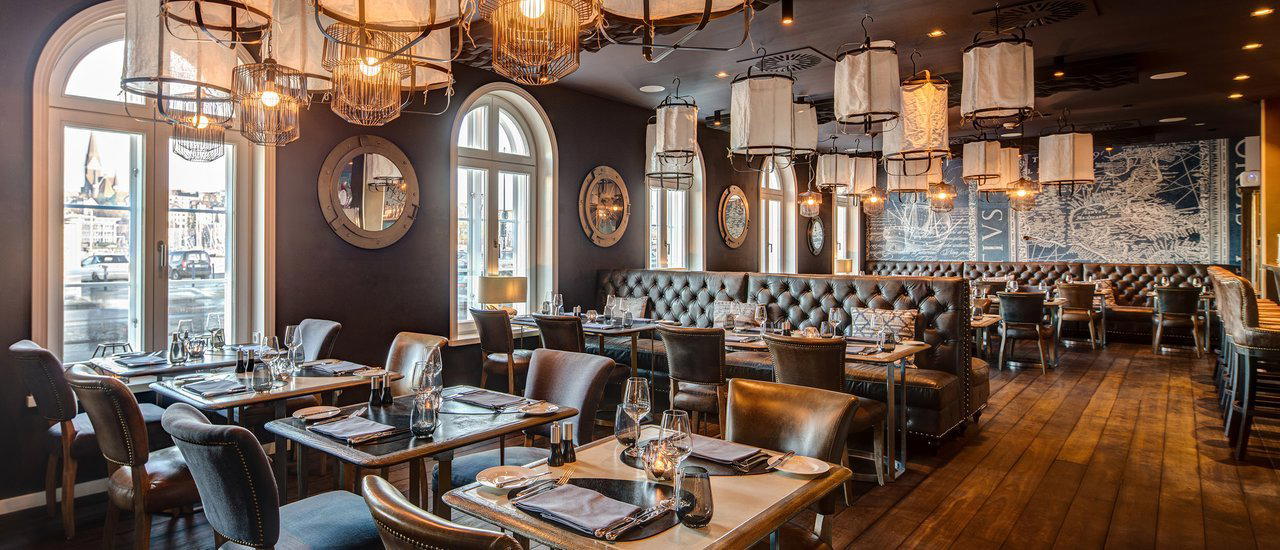
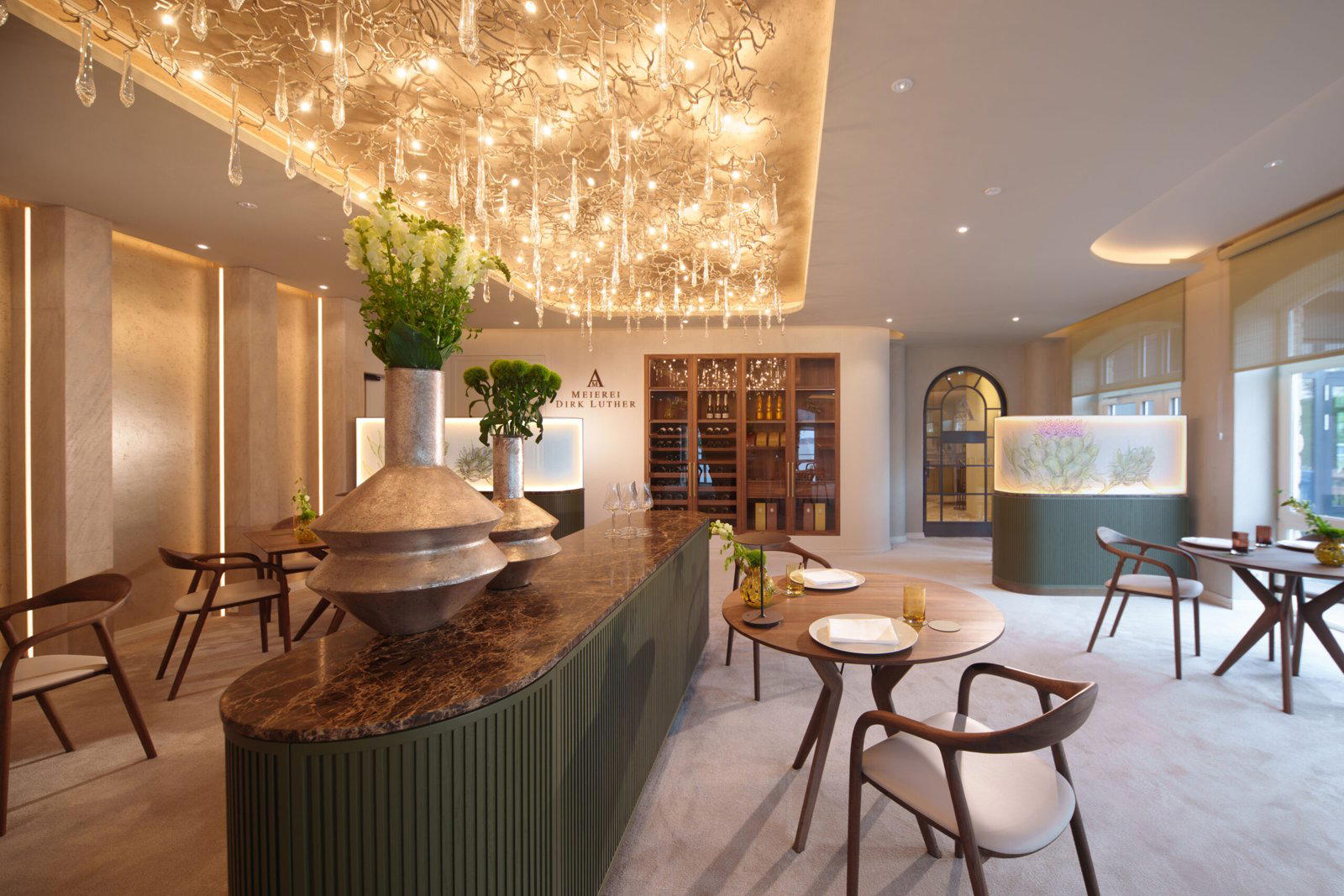
Chic design with subtle Far Eastern touches, pale cedar and soft lighting creating a harmonious, calm atmosphere.