The Occasion Around the Cup
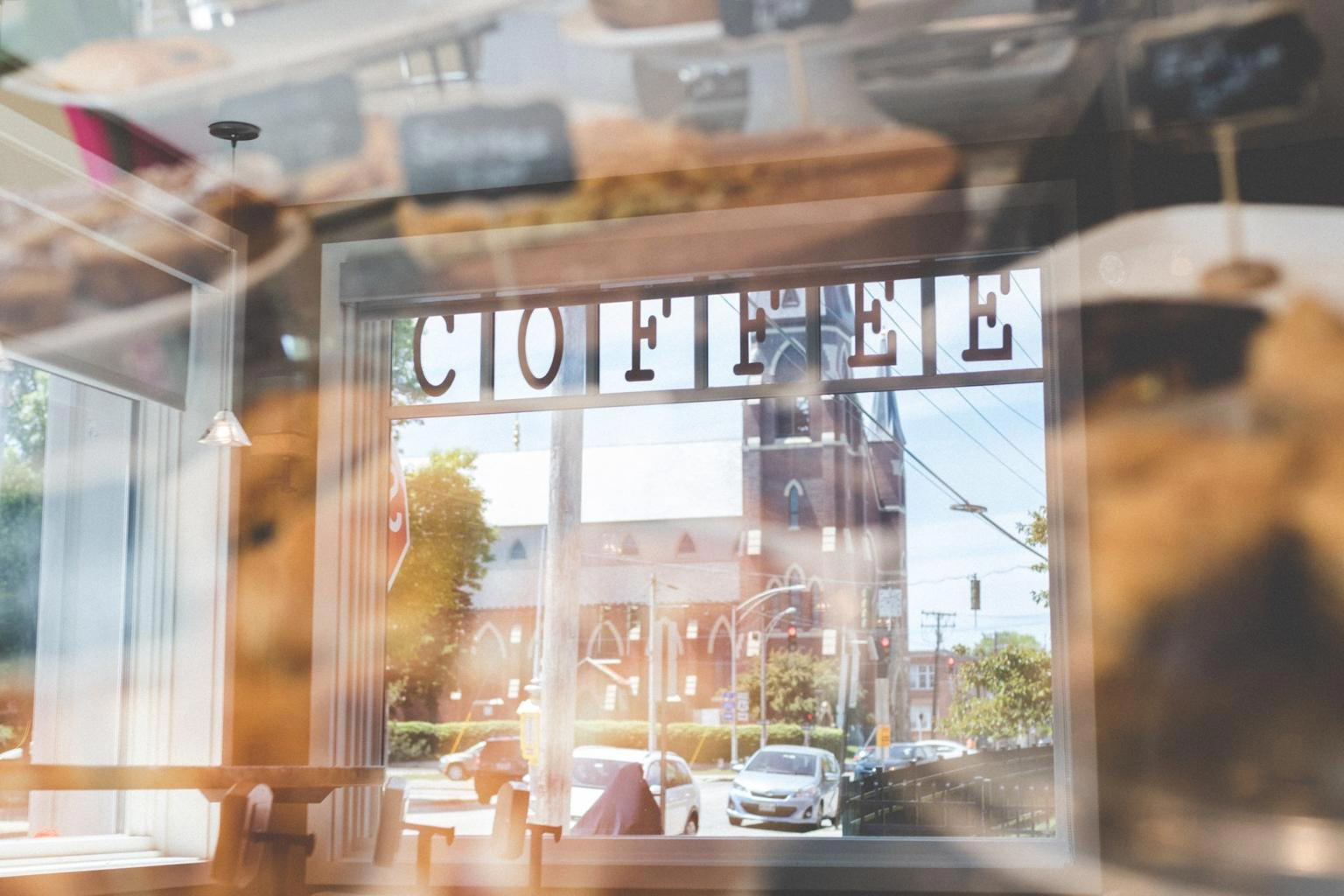
There is a version of celebration dining that begins before anyone sits down at a white-tablecloth restaurant. For milestone meals in Portland, the kind that involve a reservation made weeks out at Ken's Artisan Pizza or a longer journey to one of the city's tasting-menu counters, the hours around the reservation are part of the occasion too. Coffee ME Up, positioned in the part of the city where those restaurants cluster, fits naturally into that rhythm. It is where the afternoon before a significant dinner gets spent, or where the morning after a late celebration gets reclaimed.
American café culture, particularly in cities with strong food identities, has shifted toward the café as a deliberate stop rather than a convenience. The same impulse that drives a diner to plan a tasting-menu evening at Lazy Bear in San Francisco or a counter seat at Atomix in New York City, the desire to shape an experience rather than fall into one, applies at a smaller scale to how people treat their coffee. The café becomes a bookend to the more formal occasion, not an afterthought.
Portland's food scene has earned external attention precisely because its operators at every price point seem to understand this. The city does not rely on a single restaurant to carry its reputation. From the wood-fired approach at Ken's Artisan Pizza to the Haitian cooking at Kann, the pattern is consistent: individual operators with specific points of view accumulating into a scene that rewards planning. A café on Cumberland Avenue that takes its position seriously fits that pattern.
Where Coffee ME Up Sits in the Portland Picture
Portland, Maine's food identity has been built largely through restaurants that operate with national-level ambition at local scale, a model that has produced recognition from critics and guides without transforming the city into a destination that prices out its own residents. That calibration is worth noting when placing a neighborhood café in context. The city's café scene operates similarly: serious about craft, accessible in format, and embedded in the daily life of the neighborhoods it serves.
Cumberland Avenue is not the Old Port, where tourist concentration shapes what businesses can sustain. It runs through a residential and light-commercial stretch where the customer base includes people who live nearby and return regularly. For a café, that repeat-visitor dynamic changes what matters: consistency and a recognizable identity outperform novelty.
Comparable café scenes in cities like Portland share certain structural features. The operators who last are not the ones with the most elaborate menus but the ones who get the fundamentals right and hold them. The conversation about which café anchors a neighborhood in a food-serious city is rarely settled by a single spectacular drink, it is settled by what is reliably there, at the right hour, on the right day.
Understanding the city's café infrastructure is part of understanding how the food culture functions day to day.
The neighborhood café absorbs unscheduled time, accommodates early arrivals, and gives the solo traveler a place to pause before or after a more formal experience. Venues like Blue Hill at Stone Barns in Tarrytown, Smyth in Chicago, Addison in San Diego, Single Thread Farm in Healdsburg, The Inn at Little Washington, Emeril's in New Orleans, and Atelier Moessmer Norbert Niederkofler in Brunico represent the formal end of occasion dining; the café represents the informal frame around it, and both matter to how a dining trip actually feels.
 Discover on Pearl