Tokyo Japanese Restaurant
Tokyo Japanese Restaurant on Strada Gheorghe Marinescu brings Japanese dining to one of Transylvania's most culturally curious cities. In a Cluj-Napoca dining scene that leans heavily on Central European and contemporary Romanian cooking, Japanese cuisine occupies a distinct and still-developing niche. Visitors looking to map the city's full range of international options will find it worth factoring into the picture alongside the city's wine-forward and modern bistro offerings.
Pearl is the En Primeur Club membership app — saves, bookings, and concierge access live there. Same editors, same standards.
- Address
- Strada Gheorghe Marinescu 5, Cluj-Napoca 400000, Romania
- Phone
- +40759020024
- Website
- tokyorestaurant.ro
- Directions
- Get directions
 Saves & bookings on Pearl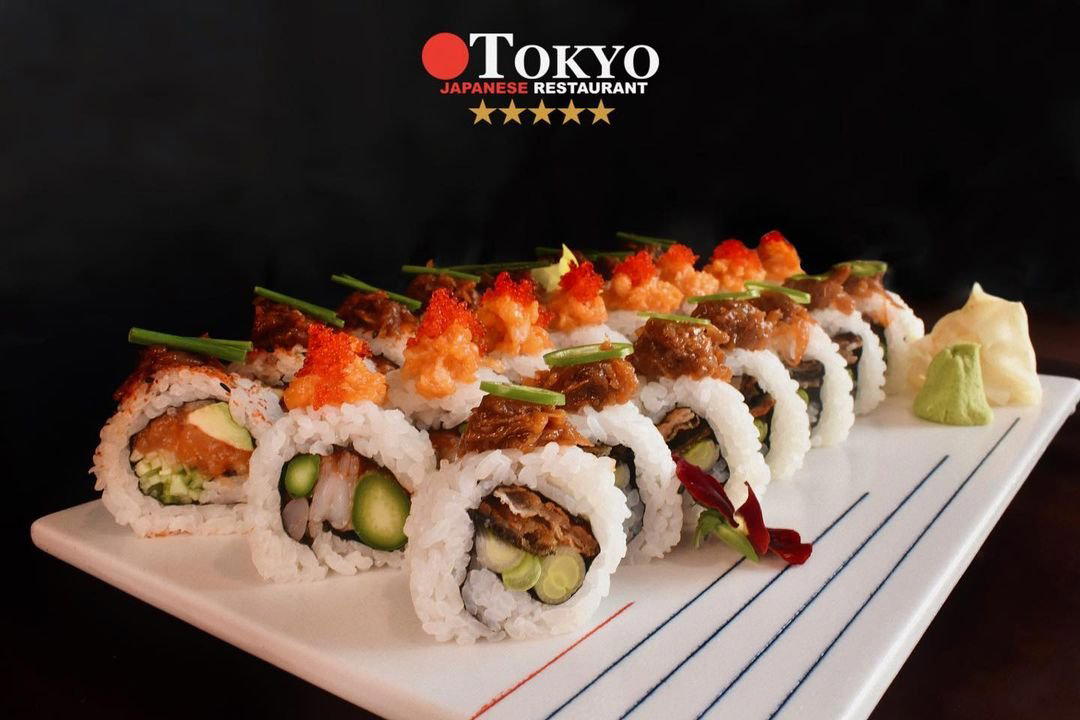
Japanese Dining in a Transylvanian City
Cluj-Napoca has spent the last decade building a dining scene that punches well above the expectations most visitors bring to a Romanian university city. The central streets around Piața Unirii fill with wine bars, modern bistros, and increasingly ambitious international kitchens. Within that context, Japanese cuisine represents one of the smaller and more recently arrived categories, a pattern consistent with how Japanese restaurants have taken root across Central and Eastern Europe broadly, following a path of student populations, cosmopolitan curiosity, and gradually deepening ingredient supply chains. Tokyo Japanese Restaurant, at Strada Gheorghe Marinescu 5, sits inside that pattern: a Japanese restaurant in Cluj-Napoca serving authentic Japanese sushi and ramen at a price tier of 3.
The street itself runs through a quieter residential pocket just off the main commercial arteries, which places the restaurant in the kind of neighbourhood that tends to attract regulars rather than foot-traffic tourists. That geography shapes what to expect from the visit: this is not a high-gloss dining room chasing international reviews, but rather a local address that has chosen to represent a specific cuisine in a market where that choice still carries some novelty value.
What Japanese Cuisine Means in This Setting
Japanese cooking carries a particular set of cultural expectations that any restaurant operating under that banner inherits, regardless of geography. The tradition places extraordinary weight on sourcing discipline, technique precision, and the relationship between temperature, texture, and timing, principles that are genuinely difficult to execute at distance from Japan's fish markets, specialist producers, and decades-deep apprenticeship culture. The leading Japanese restaurants operating outside Japan, including places like Atomix in New York City, have navigated this by building supply chains that reach back to Japanese producers and by staffing kitchens with chefs trained inside the tradition. What a smaller city venue at a local price point realistically delivers tends to sit at a different register: accessible interpretations of the canon rather than technically rigorous reproductions of it.
That is not a criticism so much as a calibration. Romanian cities have shown genuine appetite for international formats, sushi and ramen have appeared across Bucharest, Cluj, and Timișoara in various forms over the past decade, and the function these restaurants serve is cultural introduction as much as culinary precision. For diners in Cluj-Napoca whose reference point for Japanese food is limited, a local address provides access to flavour profiles and formats that would otherwise require travel. For those arriving with deep familiarity with the cuisine, the appropriate framing is neighbourhood convenience rather than destination dining.
For broader context on how Romanian cities have developed their international dining categories, the scene in Bucharest offers useful comparison points. Venues like Bogdania Bistro in Bucharest illustrate how the capital has developed more layered dining identities, while Caru' cu bere in București shows how deep-rooted local formats continue to anchor dining culture even as international options expand.
The Cluj-Napoca Context
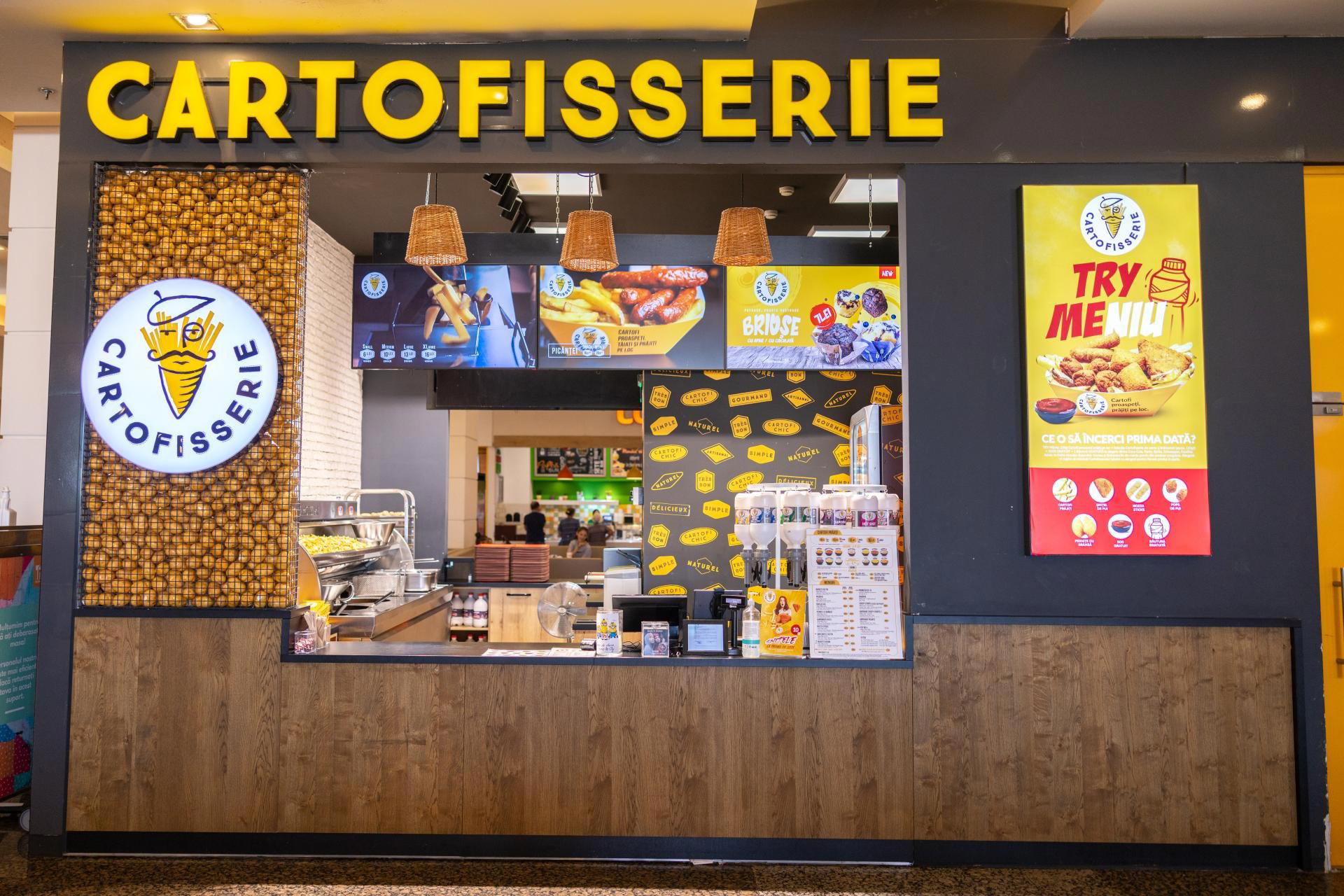
Understanding Tokyo Japanese Restaurant requires understanding the city around it. Cluj-Napoca is Romania's second city by economic weight and its most prominent university hub, with a student population that drives demand for diverse, affordable dining options and a younger professional class that has travelled enough to expect international variety. The city's dining scene has developed accordingly, with wine-focused venues and contemporary European kitchens forming the strongest tier. Kupaj Fine Wines and Gourmet Tapas and Kupaj Gourmet represent the wine-driven end of the market, while Cofeels and Cartofisserie Iulius Mall serve a more casual, high-frequency segment. Japanese cuisine operates as a distinct category within this ecosystem, serving a different occasion than the wine bar or the modern bistro.
Across Romania's regional cities, international dining formats have followed similar development arcs. Eat IT casual gourmet kitchen in Oradea and Lo Sfizio in Târgu Mureș show how cities of comparable scale have built out their own international and gourmet segments. Cluj's version of that arc has moved quickly, particularly over the past five years, and Japanese restaurants have been part of that expansion.
What to Expect from the Visit
The venue's address on Strada Gheorghe Marinescu places it within reach of the city centre. Reservations are recommended, especially on weekend evenings. Mid-week visits reduce that uncertainty. Dress expectations sit firmly in the smart-casual register.
Pricing reflects a midrange local market. Diners budgeting at mid-range Romanian restaurant prices will be in the right territory, though confirming current pricing directly before visiting is advisable given the absence of published rate information.
Venues like Cocteleria Urban Garden in Florești, just outside the city, represent the kind of post-dinner option worth keeping in mind for groups looking to extend the evening. Elsewhere in the region, Kombinat Gastro-Brewery in Sibiu and Cartofisserie in Timișoara show how Transylvanian cities are building out distinct dining identities that increasingly complement rather than replicate one another.
Pricing, Compared
Comparable venues nearby, for context on price, style, and recognition.
| Venue | Cuisine | Price | Notes |
|---|---|---|---|
| Tokyo Japanese RestaurantThis venue — the venue you are viewing | Not listed | $$$ | Not listed |
| Kupaj Gourmet | Not listed | $$$ | Centru, Fusion Gourmet Tapas & Fine Wines |
| Cartofisserie Iulius Mall | Marasti, Belgian-French Loaded Fries | $ | Not listed |
| Kupaj Fine Wines and Gourmet Tapas | Centru, Gourmet Tapas & Fine Wines | $$$ | Not listed |
| Cofeels | Not listed | $$ | Cluj-Napoca city center, Specialty Coffee & Vegan Café |
| Restaurant Seoul | Not listed | $$$ | Sector 1, Authentic Korean Barbecue |
Continue exploring
More in Cluj-Napoca
Restaurants in Cluj-Napoca
Browse all →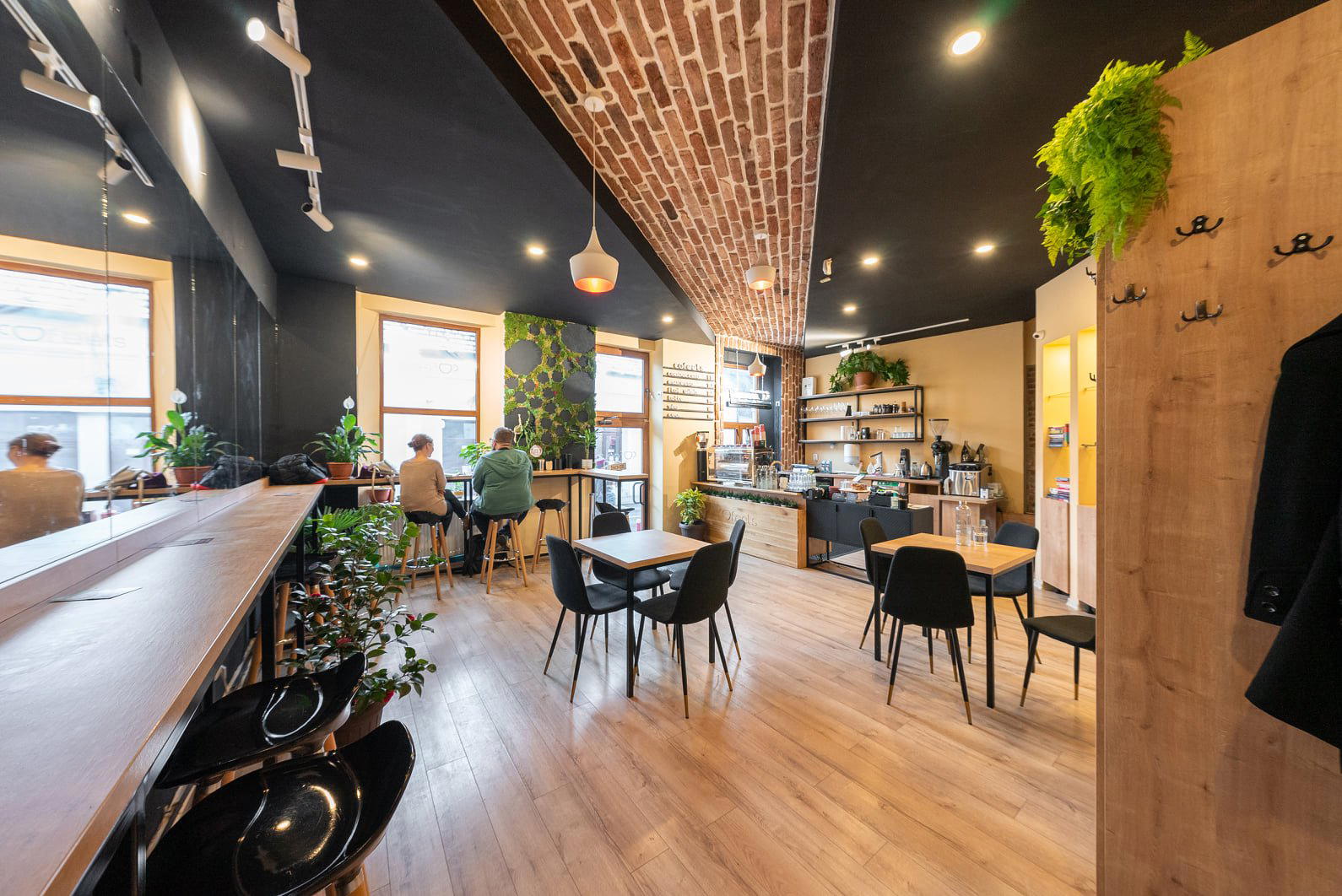

Hotels in Cluj-Napoca
Browse all →
At a Glance
- Elegant
- Cozy
- Sophisticated
- Intimate
- Date Night
- Business Dinner
- Family
- Celebration
- Private Dining
- Open Kitchen
- Sake Program
Current opening hours
- Monday
- 12–10 PM
- Tuesday
- 12–10 PM
- Wednesday
- 12–10 PM
- Thursday
- 12–10 PM
- Friday
- 12–10 PM
- Saturday
- 12–10 PM
- Sunday
- 12–10 PM
Hours can change for holidays and private events. Last verified .
Relaxed and refined atmosphere with no loud music, attentive staff in kimonos, and an authentic Japanese feel praised for its pleasant and cozy setting.