Coal Fire
Coal Fire occupies a Main Street address in Gaithersburg's Old Town district, placing it at the center of the area's most walkable dining corridor. The restaurant draws on the coal-fired cooking tradition that distinguishes a smaller tier of American pizza and grill operators from conventional wood-fire and gas-oven peers. For Montgomery County residents seeking an alternative to the broader suburban chain circuit, it fills a specific, locally useful role.
Pearl is the En Primeur Club membership app — saves, bookings, and concierge access live there. Same editors, same standards.
- Address
- 116 Main St, Gaithersburg, MD 20878
- Phone
- +13015192625
- Website
- coalfireonline.com
- Directions
- Get directions
 Saves & bookings on Pearl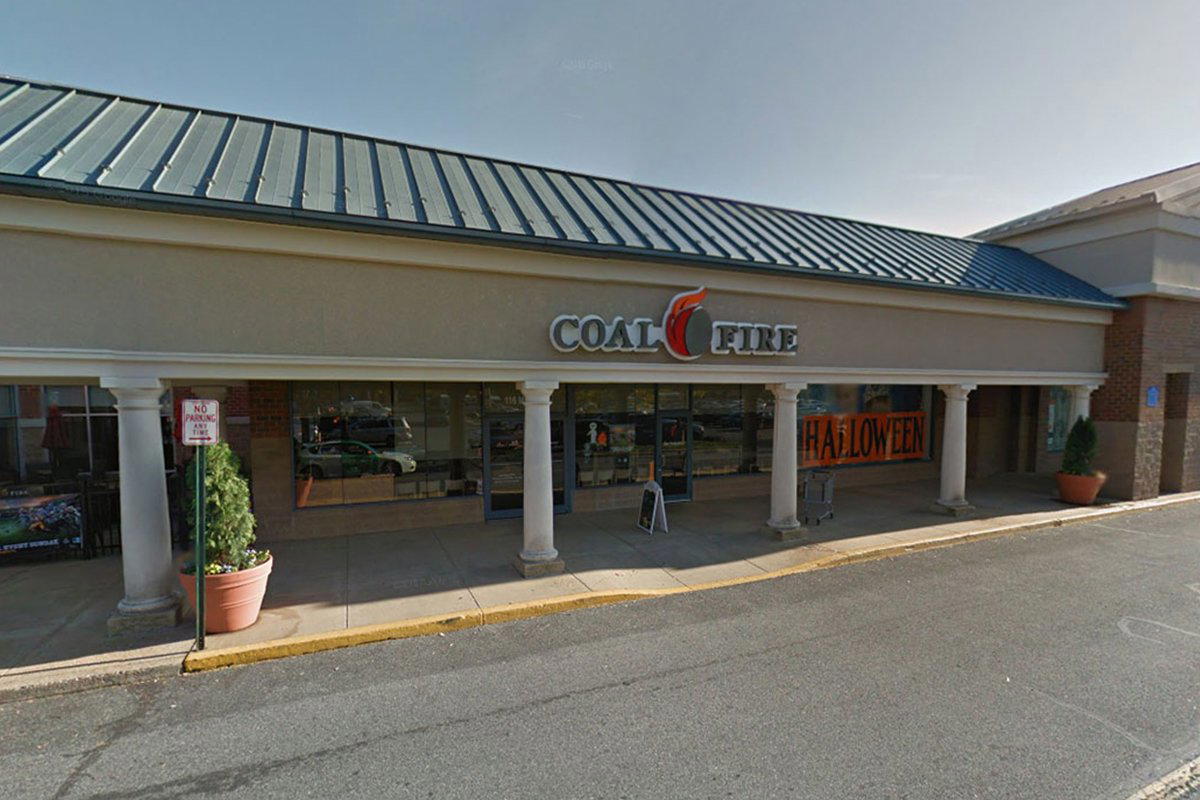
Old Town Gaithersburg and the Case for Main Street Dining
Gaithersburg's Old Town corridor operates on different logic than the county's sprawling retail-anchored dining strips. Main Street here is a short, walkable stretch where independent and regional operators hold ground against the broader suburban chain circuit that dominates much of Montgomery County. Coal Fire, at 116 Main St, sits inside that fabric, and the address matters: it positions the restaurant as a neighborhood fixture rather than a destination-only proposition, accessible on foot from the surrounding residential blocks and from the city's MARC commuter rail stop a short walk away.
That geographic context shapes the kind of room you walk into. Old Town's streetscape is lower-rise and quieter than the county's newer mixed-use corridors, and restaurants on this stretch tend to serve a genuinely local clientele rather than drawing primarily from regional drive traffic. The dynamic is common to similar historic main streets in Maryland suburbs, where a restaurant's success depends less on anchor-tenant proximity and more on embedding itself in the rhythms of the immediate neighborhood. Coal Fire's placement on this block puts it in the same editorial frame as Coastal Flats and Copper Canyon Grill as part of Gaithersburg's broader sit-down dining offer, though each operates in a distinct register.
The Coal-Fired Format and What It Actually Means
Coal-fired cooking is a specific and relatively narrow category in American restaurant formats. It differs from wood-fired and gas-oven cooking in temperature range and heat consistency: coal burns hotter and more steadily than wood, producing a characteristic crust char on pizza and a distinct sear profile on proteins. The format has its deepest American roots in the Northeast, particularly in New Haven and New York, where coal-fired pizza ovens have operated continuously since the early twentieth century. When operators outside that corridor adopt the format, the decision is usually a deliberate positioning move, aligning the restaurant with a cooking tradition that carries specific quality associations for guests who know the reference.
In the broader Washington metro area, coal-fired operators occupy a narrower tier than wood-fired or standard deck-oven pizza houses. The format also imposes operational constraints, most notably that coal-fired ovens require specific ventilation and fuel handling, which limits how many operators can or do adopt it. Scarcity of the format in suburban Maryland is part of what gives venues like this one a distinct functional identity.
Gaithersburg's Dining Spread and Where Coal Fire Fits
Montgomery County's restaurant scene distributes unevenly across its municipalities. Bethesda and Rockville carry the density and the marquee names, while Gaithersburg has historically operated as a more local-service market. That is shifting incrementally as Old Town continues its slow-burn development arc, but the dining mix in Gaithersburg still skews toward accessible neighborhood formats rather than destination-level fine dining. For reference, the county's upper tier looks outward toward Washington, D.C. and toward nationally recognized operators like The Inn at Little Washington, a property in a different category entirely.
Within Gaithersburg itself, the spread runs from Central American staples like Acajutla Restaurant and Mexican formats like Ay Jalisco Restaurant to Middle Eastern grills like Caspian House of Kabob. That diversity reflects the county's demographic composition as much as any curated dining strategy. Coal Fire's coal-fired format sits somewhat apart from that spread, drawing on an East Coast American pizza and grill tradition rather than the international repertoire that characterizes much of the area's independent restaurant sector. The contrast is useful for readers mapping out a meal in the area: Coal Fire fills a different slot than the ethnic-specialty operators that define much of Gaithersburg's independent dining character.
How This Compares to the National Coal-Fired Tier
At the national level, coal-fired cooking appears across a wide quality spectrum, from fast-casual pizza chains that use the "coal-fired" label as a differentiator to serious independent operators with genuine craft investment. The format's most recognized practitioners, particularly in New Haven, have accumulated multi-decade reputations that bear no comparison to newer suburban adopters. For context on what high-investment American restaurant craft looks like at scale, the editorial record includes operators like Smyth in Chicago, Blue Hill at Stone Barns in Tarrytown, and Single Thread Farm in Healdsburg, though these represent a fundamentally different category of restaurant and investment level.
Coal Fire in Gaithersburg operates in a more grounded register, one that serves the county's everyday dining needs rather than positioning itself against destination operators. That is not a criticism; the neighborhood-anchor role is a legitimate and necessary function in any city's dining ecosystem, and it is the role that most restaurants in most places actually play. The more useful comparison set is other coal-fired independents in the Mid-Atlantic, where the format's Northeastern roots give it a regional logic that translates reasonably well to Maryland's dining culture. For readers building a broader mental map of American restaurant craft, the Le Bernardin, Atomix, and Providence tier operates at a remove that makes direct comparison unhelpful.
Planning a Visit
Coal Fire is located at 116 Main St in Gaithersburg's Old Town, accessible from Washington, D.C. via the MARC Brunswick Line to Gaithersburg station. For current hours, reservation policy, and menu information, the most reliable approach is a direct visit to the restaurant, as contact details and booking platforms were not confirmed at time of publication. Old Town Gaithersburg's Main Street corridor is compact enough that a visit can reasonably be combined with other neighborhood dining or errands. Readers planning a broader Montgomery County dining itinerary can consult our full Gaithersburg restaurants guide for context on the area's full spread of options.
Continue exploring
More in Gaithersburg
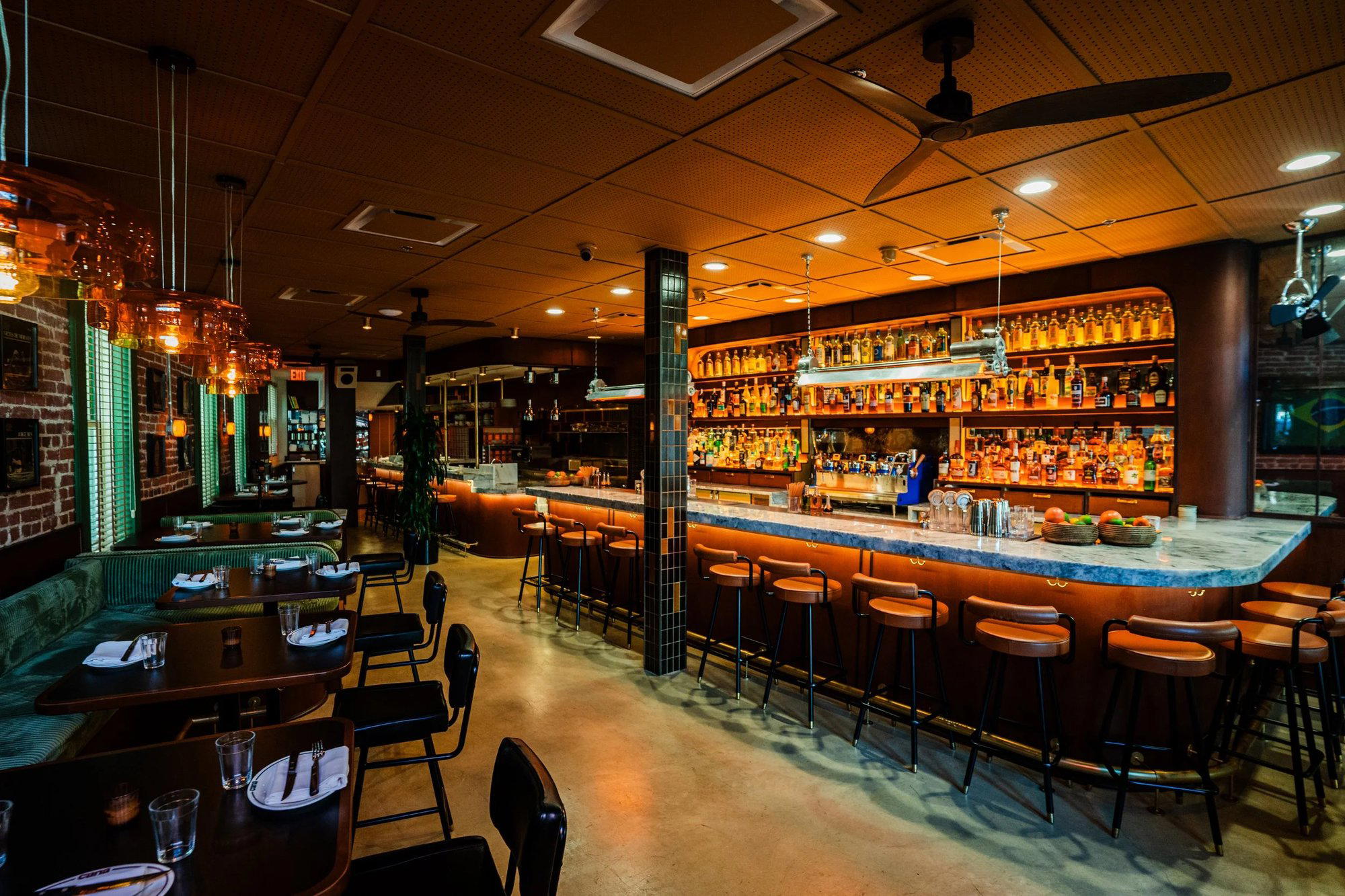
Restaurants in Gaithersburg
Browse all →
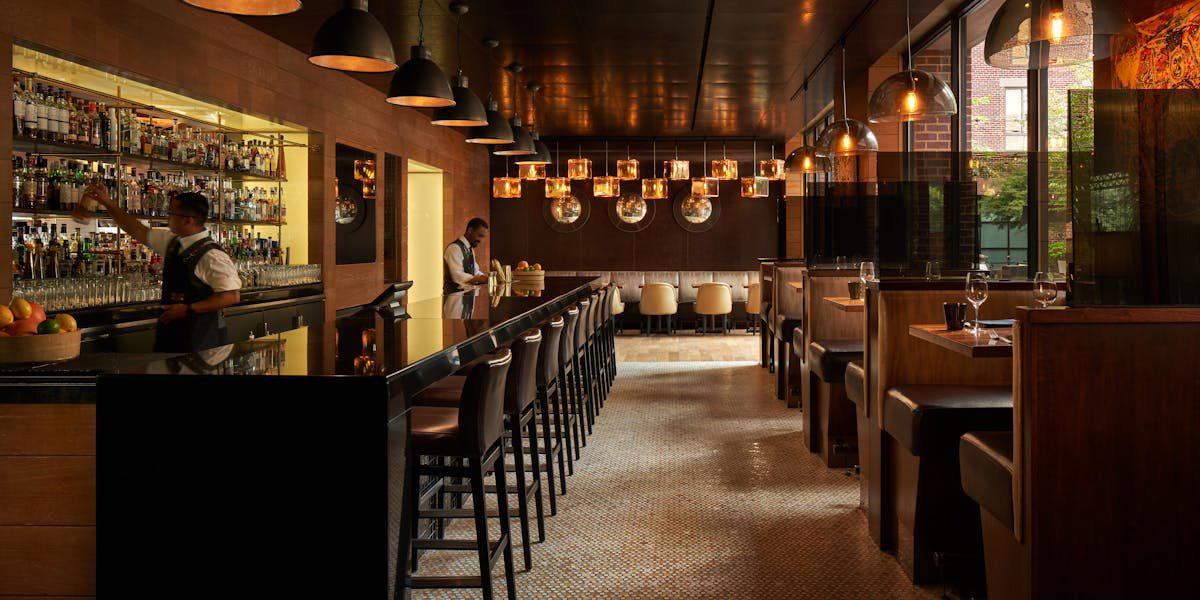
Bars in Gaithersburg
Browse all →
Hotels in Gaithersburg
Browse all →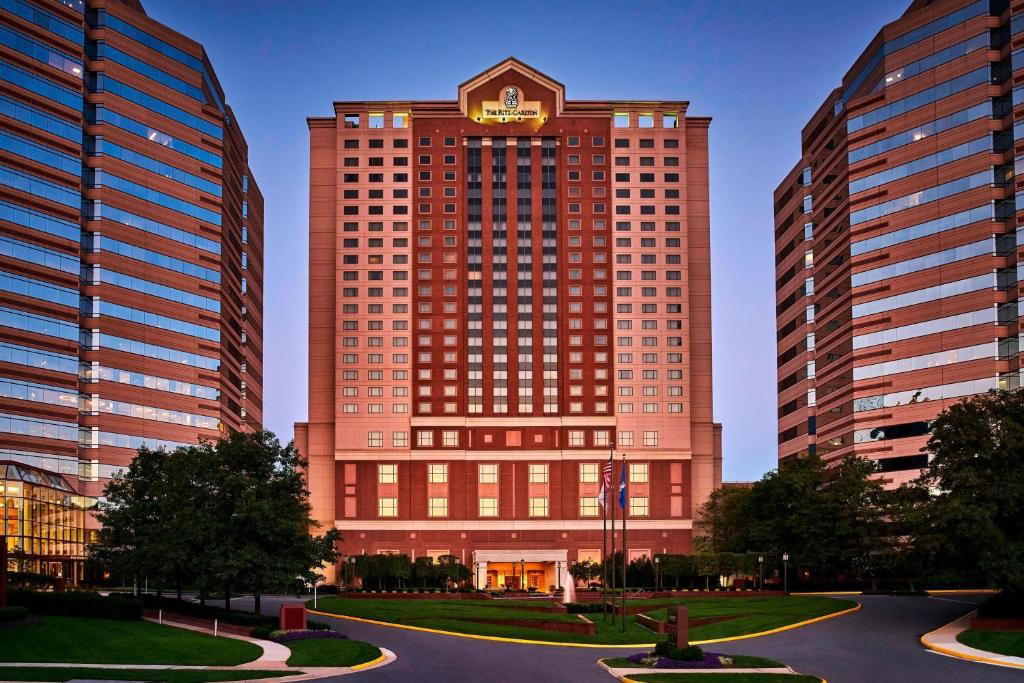


At a Glance
- Lively
- Cozy
- Casual Hangout
- Family
- Group Dining
- Open Kitchen
- Courtyard
- Beer Program
Current opening hours
- Monday
- 11 AM–10 PM
- Tuesday
- 11 AM–10 PM
- Wednesday
- 11 AM–10 PM
- Thursday
- 11 AM–10 PM
- Friday
- 11 AM–11 PM
- Saturday
- 11 AM–11 PM
- Sunday
- 11 AM–10 PM
Hours can change for holidays and private events. Last verified .
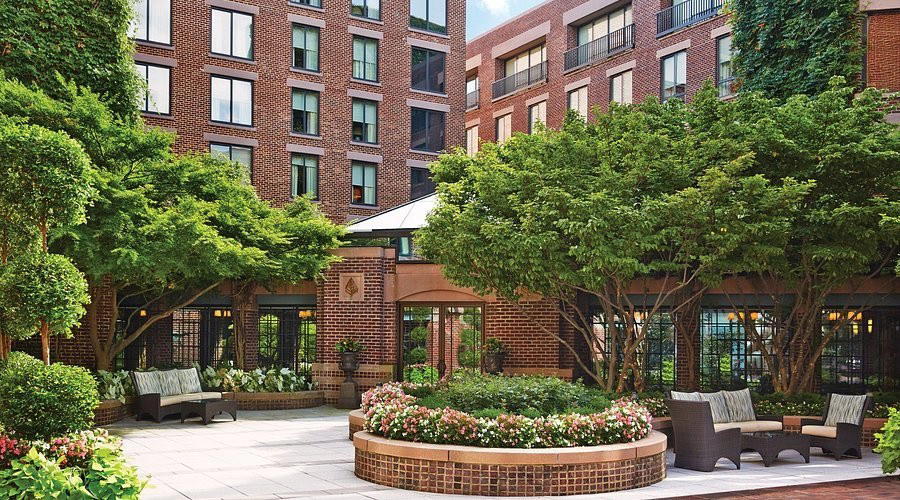
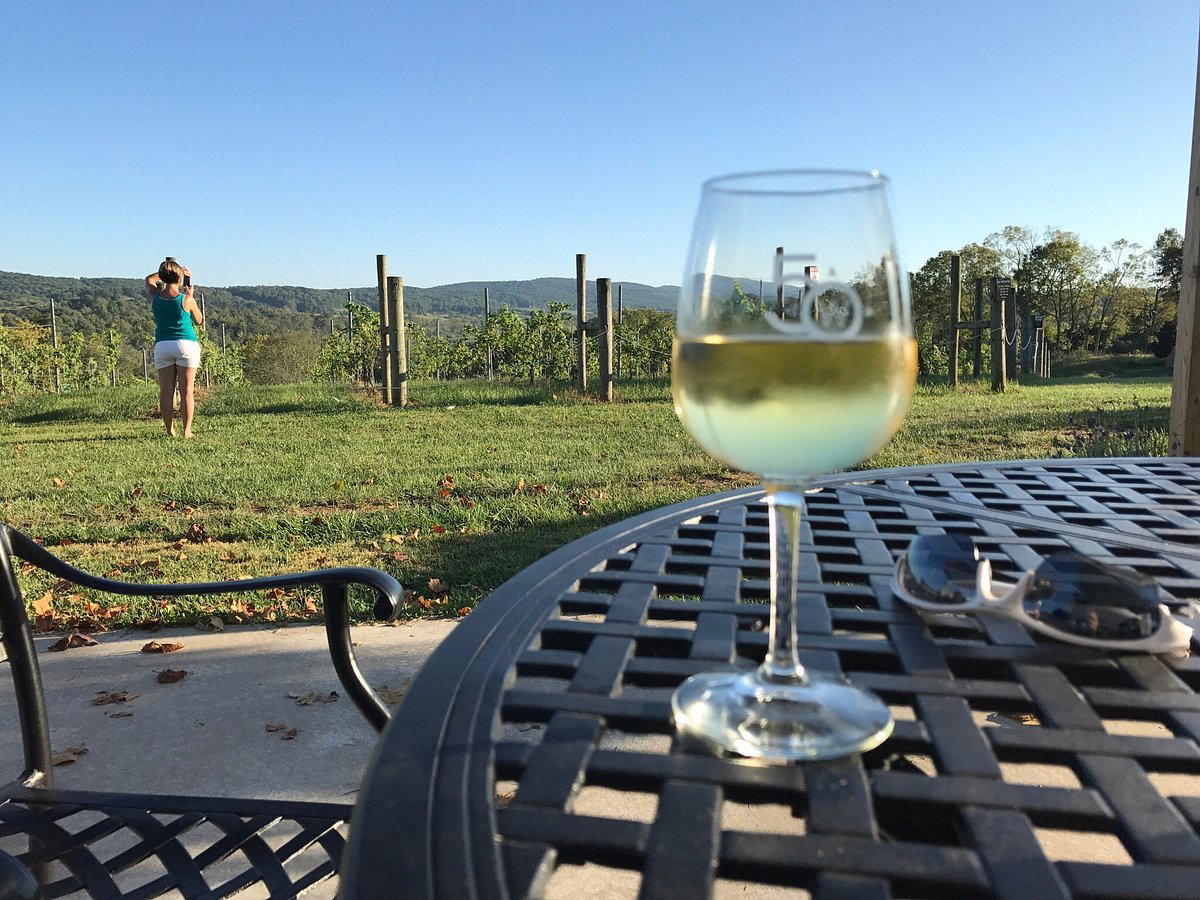
Lively and welcoming with a lively bar area, congenial atmosphere, and courtyard seating; described as noisy and popular local hangout.
Know Before You Go
- Getting there
- 116 Main St, Gaithersburg, MD 20878