Caspian House of Kabob
Caspian House of Kabob on Market Street in Gaithersburg brings the grilling traditions of the Caspian region to Montgomery County's increasingly diverse dining circuit. The format centers on the slow, deliberate ritual of kabob preparation — marinated proteins, open-flame cooking, and the kind of measured pacing that rewards those who let the meal unfold. A grounding counterpoint to the area's faster-casual options.
- Address
- 72 Market St, Gaithersburg, MD 20878
- Phone
- +13015900007
- Website
- caspiankentlands.com
- Directions
- Get directions
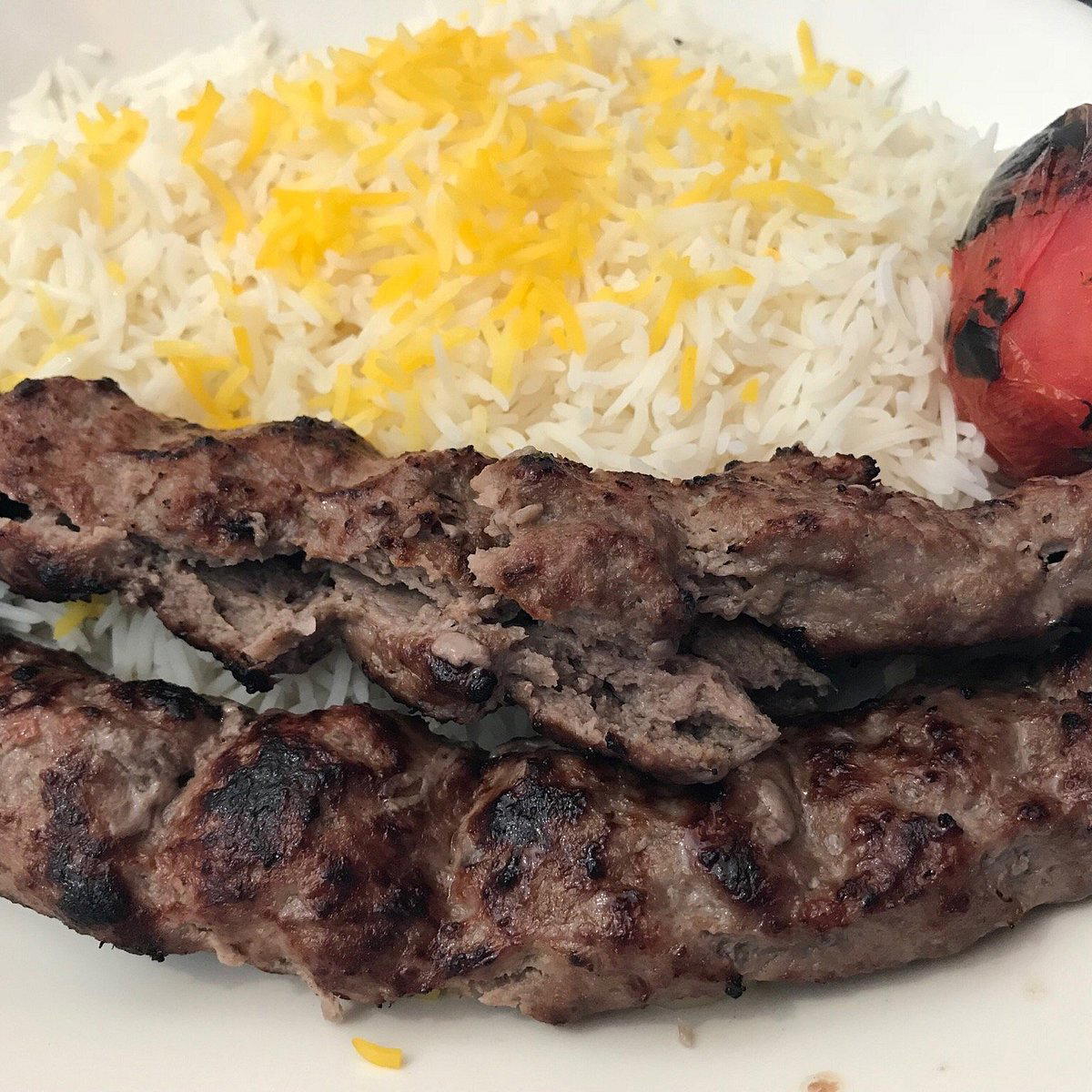
Where the Grill Sets the Tempo
Along Market Street in Gaithersburg's older commercial corridor, the pace of dining at Caspian House of Kabob is set not by a tasting-menu clock or a fixed cover time, but by the fire. Persian and Caspian-style kabob cooking is one of the few grilling traditions that refuses to be rushed: meats are marinated in advance, skewered with deliberate spacing, and cooked over heat that requires watching rather than timing. That process shapes the entire rhythm of the meal, and in Gaithersburg — a city whose restaurant scene has grown to include Latin, American, and Italian options across venues like Acajutla Restaurant and Coal Fire — Caspian House of Kabob occupies a distinct position as a specialist in a format that most of the area's dining rooms do not attempt.
The Kabob Tradition: What It Actually Means
The word "kabob" carries different freight depending on where you encounter it. In the Caspian tradition, it refers primarily to skewered, marinated meats cooked over charcoal or open flame, with specific preparations tied to regional custom. Koobideh, ground lamb or beef seasoned with onion and spices, formed directly onto wide, flat skewers, is the touchstone preparation. Barg, thinly pounded and marinated lamb or beef fillet, is its more refined counterpart. Joojeh, saffron-marinated chicken, completes the core trio that most serious kabob kitchens in this tradition keep at the center of the menu. Rice preparations matter equally: a proper chelow (steamed basmati) with tahdig, the crisp rice crust at the base of the pot, functions as more than a side. It is part of the meal's structure. In kitchens operating within this tradition, the quality of the chelow is as telling as the quality of the skewer.
This is a tradition with significant depth in major American cities, Washington D.C. and its immediate suburbs have long supported Persian restaurants, given the region's Iranian-American population, but it remains underrepresented relative to its complexity. The Gaithersburg location at 72 Market Street places Caspian House of Kabob in a community that has absorbed considerable culinary diversity over the past decade, yet kabob specialists of this type remain a smaller cohort than the Mexican, Central American, and broadly American options that dominate the local count. For context on how Gaithersburg's restaurant scene sits as a whole, see our full Gaithersburg restaurants guide.
The Dining Ritual at a Kabob Table
Eating at a Caspian-style kabob restaurant follows conventions that differ from the European tasting-menu format that defines venues like Le Bernardin in New York City or The French Laundry in Napa, but it is no less structured. The meal typically opens with a spread of meze-adjacent elements: fresh herbs (sabzi), flatbread, white cheese, and sometimes a yogurt preparation or doogh, a salted, fermented yogurt drink, that functions as both palate preparation and digestive signal. Torshi, pickled vegetables, often arrives without ordering.
The kabobs follow, arriving from the grill still on the skewer in some preparations, slid off tableside in others. The correct pairing is the chelow and, where available, grilled tomato and pepper alongside. The meal's pacing is slow by American fast-casual standards and deliberate by design: the cooking cannot be compressed without compromising the product. Diners who understand this eat better. Those who arrive expecting the speed of a counter-service meal will find the format initially unfamiliar, but most settle into it once the first round of bread and herbs arrives.
That opening spread is the meal's real first course, even when it is not billed as one. It serves as an edible threshold, a way of transitioning from street to table, from the outside world to the particular social register that Persian dining tends to establish. Comparable rituals appear across the region's traditions, from the mezze of the Levant to the banchan of Korean service, and restaurants that maintain them signal a commitment to form over convenience. For the full-arc experience of what structured dining ritual can mean at higher price points, venues like Atomix in New York City and Smyth in Chicago represent the architectural extreme of that approach.
Gaithersburg's Broader Dining Circuit
Caspian House of Kabob sits within a mid-Maryland dining scene that has diversified considerably but still tilts toward accessible, mid-range formats. The Market Street corridor and surrounding Gaithersburg blocks include a range of cuisines, and venues like Ay Jalisco Restaurant, Coastal Flats, and Copper Canyon Grill mark the spectrum from regional Mexican to American coastal to Southwestern-inflected grill formats. The nearest geographic reference point for comparable cooking quality is the D.C. metro corridor, where a longer-established Iranian-American community has supported a deeper bench of Persian restaurants over several decades.
The wider Washington region's food credibility is anchored in part by The Inn at Little Washington, which operates at the far end of the formality and price spectrum, but the region's culinary diversity runs well below that tier in ways that rarely get the same coverage. Kabob specialists in suburban Maryland represent part of that quieter depth. For travelers arriving via D.C. and ranging north into Montgomery County, the format is familiar; for those new to the area, Caspian House of Kabob provides a reasonable point of entry into a tradition with more internal variation than its single-word name suggests.
Planning Your Visit
Caspian House of Kabob is located at 72 Market Street, Gaithersburg, MD 20878. The restaurant operates in a neighborhood accessible by car, with street-level access on Market Street. No dress code is expected in a setting of this type; the dining ritual here is conveyed through the food's sequencing rather than through formality of attire. Advance contact is worthwhile not because tables are scarce in the way that counters at venues like Blue Hill at Stone Barns or Lazy Bear in San Francisco require months of lead time, but because Persian kabob kitchens often benefit from knowing group size when managing grill capacity. Arriving with time to spare, and without the expectation of a quick turn, will serve the experience better than treating it as a fast stop.
Cuisine-First Comparison
| Venue | Cuisine |
|---|---|
| Caspian House of KabobThis venue — the venue you are viewing | This venue |
Continue exploring
More in Gaithersburg
Restaurants in Gaithersburg
Browse all →
Bars in Gaithersburg
Browse all →
Hotels in Gaithersburg
Browse all →
At a Glance
- Family
- Casual Hangout
Pleasant and clean with table service.
Know Before You Go
- Getting there
- 72 Market St, Gaithersburg, MD 20878