On Rue du Pot de Fer in Paris's 5th arrondissement, Atelier Carnem occupies a stretch of the Left Bank where neighbourhood bistro culture and serious culinary ambition have long coexisted. The address places it within walking distance of the Latin Quarter's most enduring dining traditions, and the name, carnem, Latin for meat, signals a kitchen with a clear point of view. For visitors interested in how Paris handles produce-led, protein-focused cooking outside the grand palace-restaurant circuit, this is a considered stop.
Pearl is the En Primeur Club membership app — saves, bookings, and concierge access live there. Same editors, same standards.
- Address
- 5 Rue du Pot de Fer, 75005 Paris, France
- Phone
- +33172345694
- Website
- ateliercarnem.com
- Directions
- Get directions
 Saves & bookings on Pearl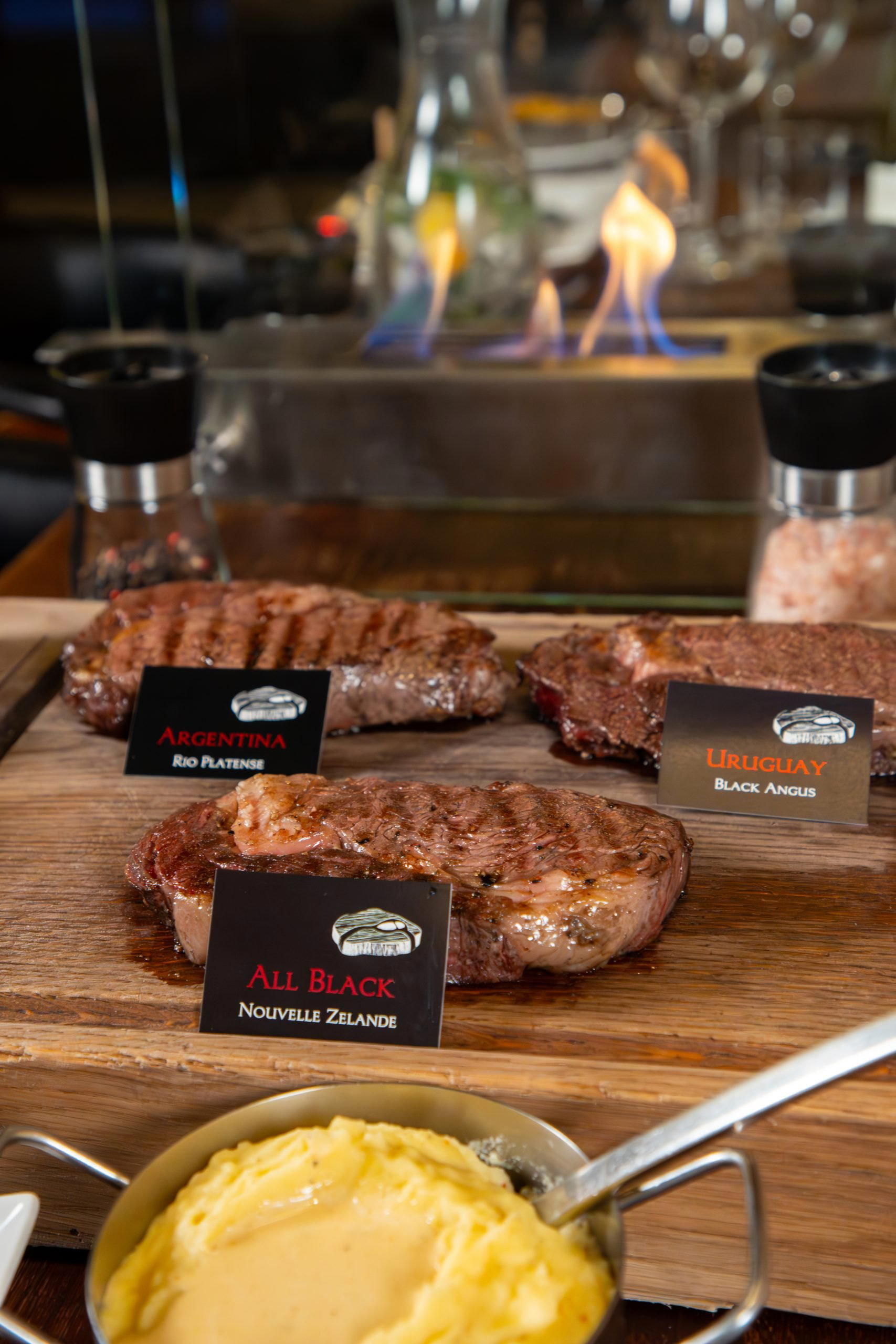
The Left Bank's Quieter Register
Rue du Pot de Fer sits in the 5th arrondissement at a remove from the obvious tourist corridors of Saint-Germain and the Île de la Cité. The street itself belongs to a particular Parisian microclimate: densely residential, with a daytime rhythm driven by students, academics, and the kind of neighbourhood regulars who have been eating at the same three tables for a decade. In Paris, the streets that sustain this kind of loyalty tend to produce restaurants that earn their reputation through repetition rather than spectacle. Atelier Carnem operates within that tradition.
The name is a statement of intent. Carnem, from the Latin for flesh or meat, positions the kitchen within a specific culinary conversation that has grown considerably louder across European restaurants over the past decade: the seriousness with which whole-animal cookery, dry-ageing, and provenance-led protein sourcing are now treated in rooms that would once have reserved that attention exclusively for fish or vegetables. Paris has been slower than London or Copenhagen to centralise this approach, which makes addresses in this niche relatively easy to map and worth understanding on their own terms.
Where the Wine Leads the Room
The editorial angle that matters most at Atelier Carnem is what the address implies about wine selection on the Left Bank at a €€€€ price point. Restaurants built around a specific protein identity, and the word atelier, meaning workshop, reinforces the craft-first positioning, tend to develop wine lists that serve the food's weight and texture rather than the room's prestige. In Paris, that often means a different cellar profile from the grand palace restaurants: less emphasis on vertical Bordeaux depth or the broadest possible Burgundy roster, more attention to producers whose style matches the kitchen's register.
Contrast with the city's leading formal tier is instructive. At Le Cinq at the Four Seasons George V, the wine programme is built partly around the hotel's own celebrated cellar, one of the largest in Paris by bottle count, with deep allocations from Bordeaux's classified châteaux and Burgundy's most collected domains. L'Ambroisie on the Place des Vosges takes a similarly classicist approach, its list a direct expression of Bernard Pacaud's decades-long relationships with French producers. Alléno Paris at the Pavillon Ledoyen pairs its creative kitchen with a list assembled around the sommelier team's own research and sourcing. Each of these represents a different philosophy for how a serious Paris restaurant builds its cellar, and each operates at the €€€€ tier where the wine programme is expected to match the kitchen's ambition directly.
A workshop-format restaurant in the 5th arrondissement operates at a different register. The expectation, and the opportunity, is a list built for the food rather than the room's history. Producers from the Loire, the Rhône, and the less-traded appellations of Burgundy and the Jura tend to perform well in this context, wines with enough structure to hold against roasted or aged proteins without the price anchoring of a Grand Cru. If the kitchen's name promises meat-focused craft, the list worth watching is the one that shows the same specificity in its sourcing. That alignment between cellar and kitchen is what separates a considered wine programme from a competent one.
The 5th Arrondissement in the Broader Paris Dining Map
Paris's dining geography has a west-to-east logic that still broadly holds. The 8th arrondissement, from the Champs-Élysées to the golden triangle, concentrates the palace hotels and most of the city's Michelin three-star tables. Arpège on the Rue de Varenne in the 7th pulls serious diners across the river for Alain Passard's vegetable-centred kitchen, now among the more discussed in Europe. Kei in the 1st represents a different strand entirely, a Japanese-French intersection that has held Michelin recognition for years.
The 5th sits outside most of those gravitational fields. It draws diners who are specifically seeking it, rather than routing through on their way to something else. That filtering effect tends to produce a more committed room, guests who have made a deliberate choice rather than a convenient one. For a kitchen with a strong identity, that audience is useful. The address on Rue du Pot de Fer reinforces the point: this is not a corner that international hotel concierges route guests toward by default.
France's broader fine dining ecosystem offers useful comparison points. Houses like Bras in Laguiole, Auberge du Vieux Puits in Fontjoncouse, and Flocons de Sel in Megève have built national reputations partly by rooting their identity in a specific place and a specific set of ingredients. In Paris, where geography is compressed and competition is dense, that same clarity of identity has to work harder to be legible. The name Atelier Carnem does that work directly.
How Atelier Carnem Sits Among Its Peers
| Venue | Arrondissement | Format | Price Tier | Wine Programme Style |
|---|---|---|---|---|
| The restaurant | 5th | Workshop / Protein-focused | TBC | Produce-aligned, left-bank register |
| Le Cinq | 8th | Grand palace dining room | €€€€ | Hotel cellar depth, classified Bordeaux |
| L'Ambroisie | 4th | Classic French haute cuisine | €€€€ | Classicist, long-term producer relationships |
| Kei | 1st | Japanese-French contemporary | €€€€ | Franco-Japanese selection |
| Alléno Paris | 8th | Creative fine dining | €€€€ | Research-led, sommelier-curated |
Planning Your Visit
Rue du Pot de Fer is accessible on foot from the Cardinal Lemoine and Place Monge Métro stations (line 10 and line 7 respectively), each roughly five minutes away. The street itself is narrow and primarily pedestrian in character during lunch and dinner service hours, which makes arrival on foot or by taxi more practical than by car. For visitors building a Paris itinerary around serious eating, the 5th arrondissement pairs well with a morning at the Marché Maubert, one of the neighbourhood's established food markets, before an afternoon or evening table. For a broader map of where the restaurant sits within the city's restaurant scene, the EP Club Paris guide provides additional context across arrondissements and price tiers.
Nearby-ish Comparables
Comparable venues nearby, for context on price, style, and recognition.
| Venue | Cuisine | Price | Notes |
|---|---|---|---|
| Atelier CarnemThis venue — the venue you are viewing | French Steakhouse | $$$$ | Not listed |
| L'Atelier | Modern French Fine Dining | $$$$ | Saint-Germain |
| Café de l’Homme | Modern French Fine Dining | $$$$ | Trocadéro |
| hotel costes | Modern French Fusion | $$$$ | Louvre / Palais-Royal |
| Restaurant Monsieur Lancaster | Modern French Regional Fine Dining | $$$$ | 8th Arr. |
| Jules | Modern French Fine Dining | $$$$ | Champ de Mars / Eiffel Tower |
Continue exploring
More in Paris
Restaurants in Paris
Browse all →
Bars in Paris
Browse all →
Hotels in Paris
Browse all →
At a Glance
- Rustic
- Elegant
- Cozy
- Modern
- Intimate
- Date Night
- Special Occasion
- Open Kitchen
- Extensive Wine List
Current opening hours
- Monday
- Closed
- Tuesday
- 7 PM–12 AM
- Wednesday
- 7 PM–12 AM
- Thursday
- 7 PM–12 AM
- Friday
- 7 PM–12 AM
- Saturday
- 7 PM–12 AM
- Sunday
- Closed
Hours can change for holidays and private events. Last verified .
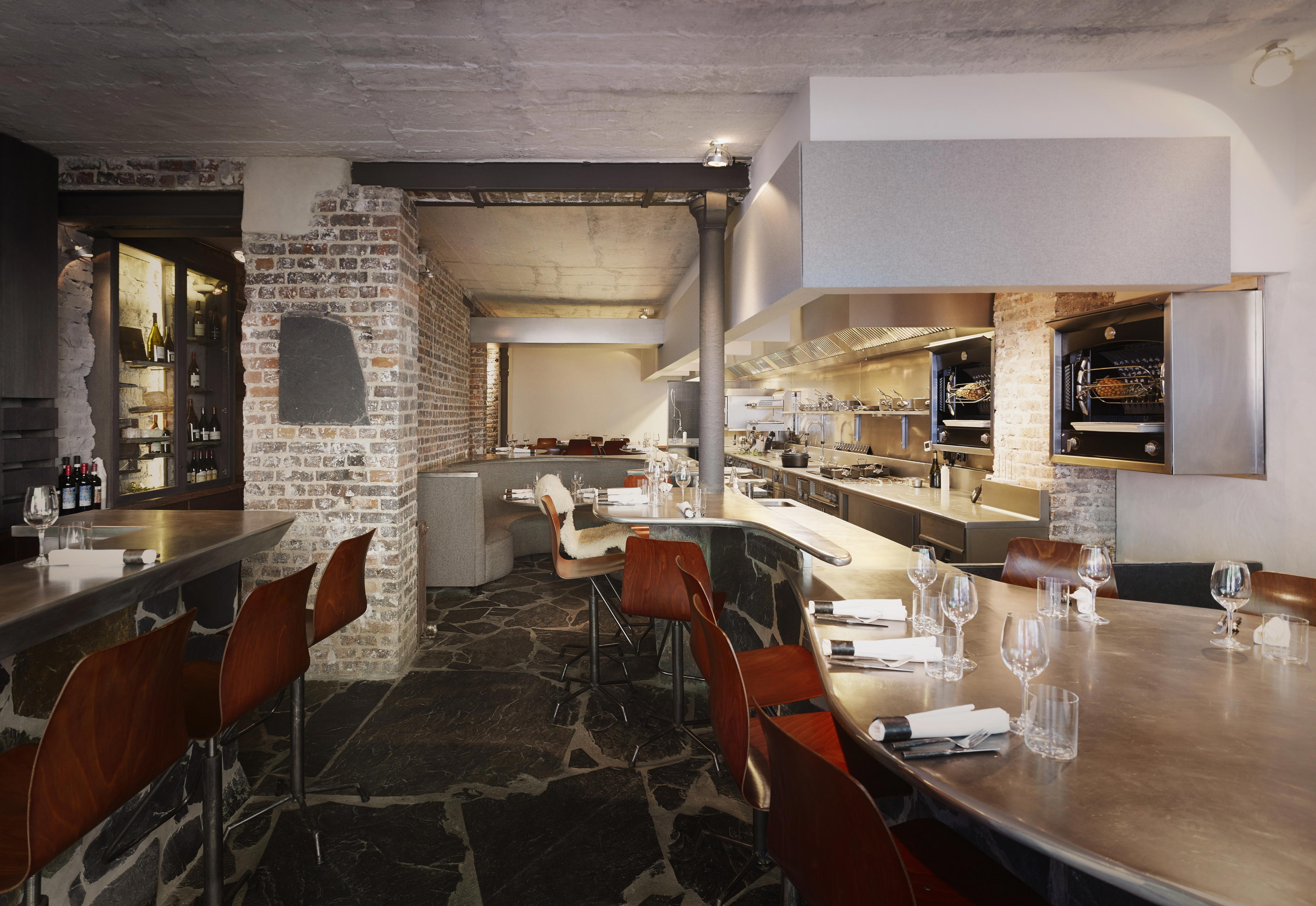
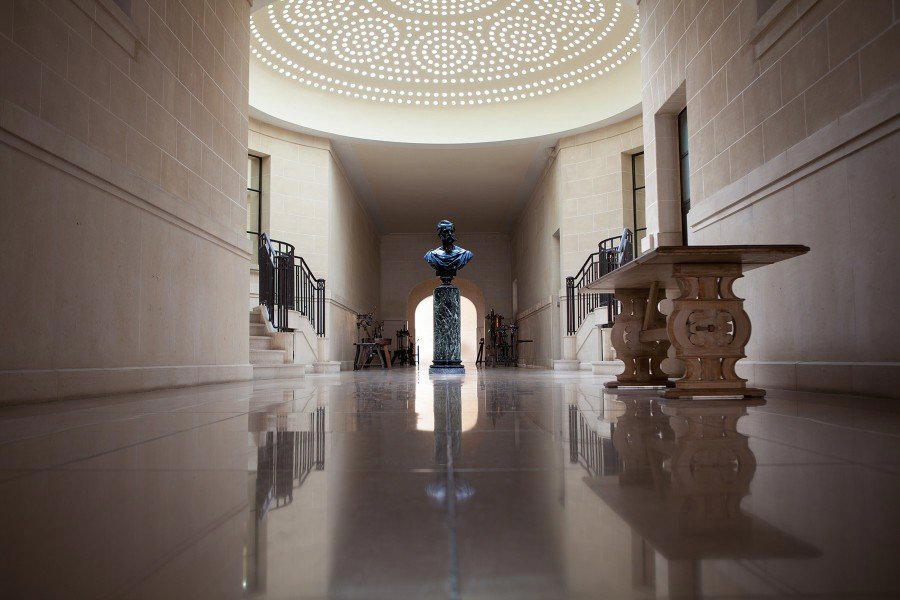
Rustic-chic atmosphere with sand floor, stone walls, wooden tables, black leather chairs, cozy and warm with high-quality decor.