Barcino Wine Resto and Bar

Barcino Wine Resto and Bar brings Spanish small-plates dining into Manilla’s social restaurant circuit, where the table matters as much as the individual plate. Its 2026 Asia Recommended recognition places it on the radar for travellers tracking the city’s international dining range rather than only Filipino or Chinese anchors.
Pearl is the En Primeur Club membership app — saves, bookings, and concierge access live there. Same editors, same standards.
- Address
- Unit 101 Forbeswood Heights, Rizal Drive, Manilla, Manila, Philippines
- Phone
- +63 9000726
- Website
- barcino.com.ph
 Saves & bookings on Pearl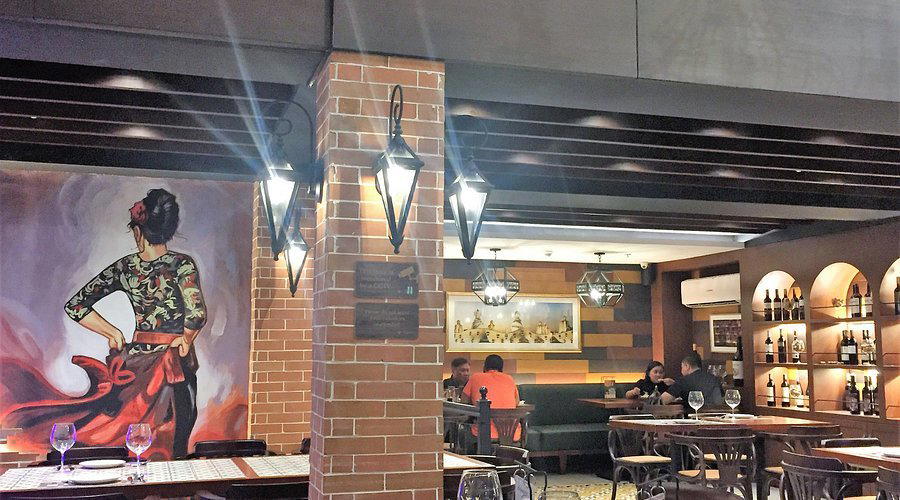
Spanish dining works differently when the room is built around shared plates rather than one main course. The pace is conversational: the table orders in waves, wine sets the rhythm, and the meal expands or contracts with appetite. In Manilla, where restaurant culture moves between family-style Chinese banquets, Filipino heritage cooking, hotel dining rooms, and chef-led tasting formats, Barcino Wine Resto and Bar occupies the casual Spanish lane: sociable, flexible, and best understood as a table ritual rather than a formal progression.
Tapas culture is not just small portions by another name. It rewards breadth over sequence and asks diners to think in categories: something salty, fried or grilled, vegetable-led, richer, then another round if the table is still talking. The stronger versions keep the table in motion without turning dinner into a checklist; the weaker versions treat tapas as a snack board. Barcino Wine Resto and Bar is most useful through that distinction: its value sits in giving Manilla a looser, wine-led alternative to tasting-menu formality.
Spanish small plates fit Manilla's group-dining instinct
Manilla understands the collective table. Filipino meals lean toward sharing, and Chinese banquet restaurants have long shaped how groups mark birthdays, negotiations, and family Sundays. Spanish small plates slide into that habit with a different grammar: less abundance as display, more grazing as conversation. The table need not commit to a single centrepiece; it can move through textures and weights, keeping the evening informal but structured.
The cuisine also carries historical charge in the Philippines, though contemporary Spanish restaurants in the city play the heritage card differently. Some lean toward polished tapas-bar familiarity, some toward Iberian grill culture, and others toward wine-bar dining with menus built to keep glasses on the table. For travellers, the question is not whether the cooking is Spanish in the abstract, but whether the restaurant understands the social engineering behind the format. Shared plates need timing, proportion, and a room that does not punish lingering.
Recognition on the 2026 Asia Recommended list gives the restaurant a public signal beyond neighbourhood familiarity. In a city where international attention often clusters around tasting-menu Filipino cooking, resort-linked dining, or hotel restaurants, that is a modest but meaningful marker. It suggests a Spanish address being read within a wider regional restaurant conversation, not only as a convenient wine bar for locals.
Where it sits in the city's wider dining map
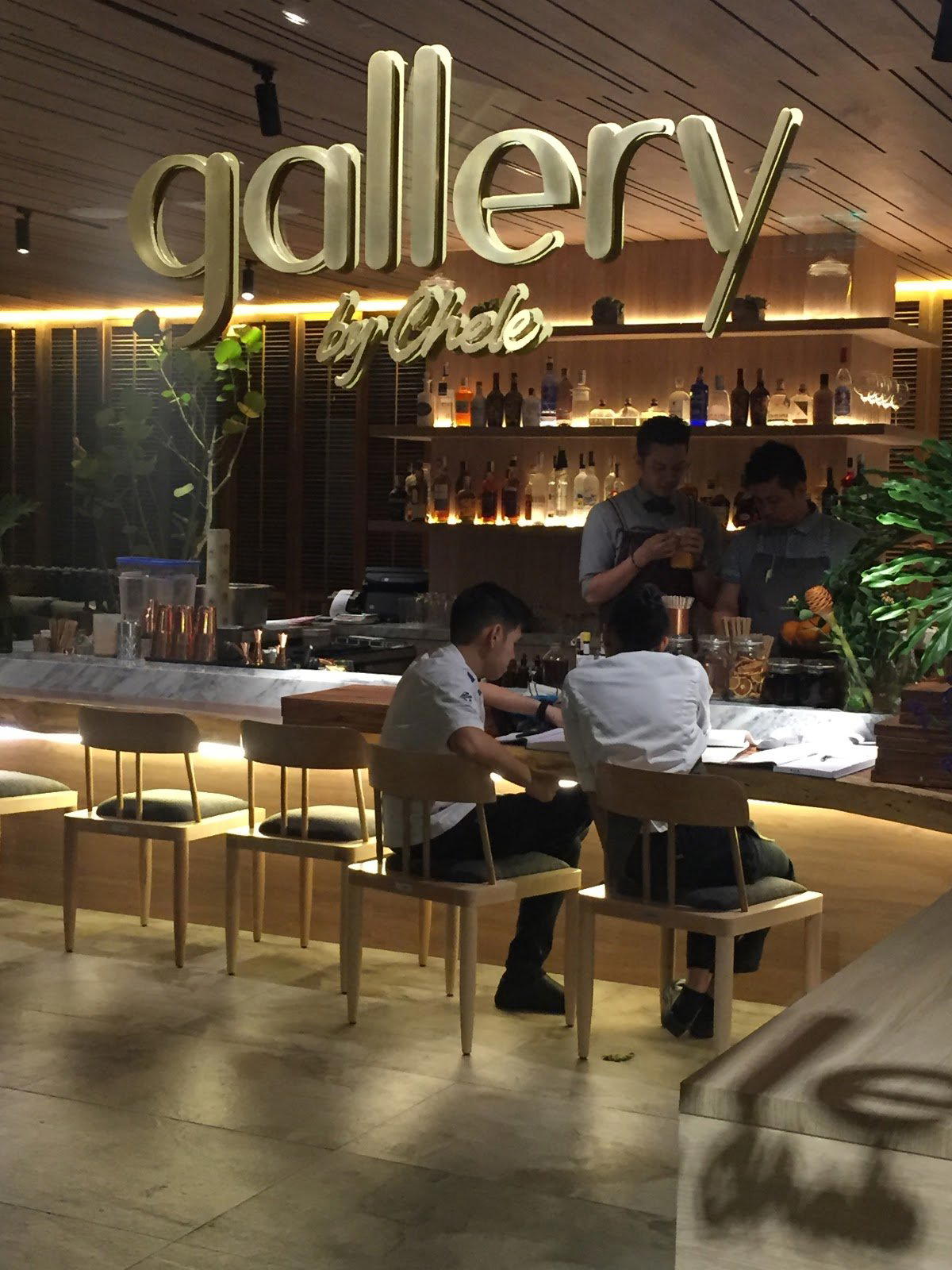
For travellers building a Manilla dining itinerary, the Spanish table works as contrast. It offers a lower-pressure counterpoint to longer, structured meals and can sit between heavier destination dinners without making the schedule feel overplanned. The city’s range is broad: Gallery By Chele (Modern Fillipino) represents the contemporary Filipino tasting-menu conversation, while Grace Park (Filipino) points toward ingredient-led local cooking. Gloria Maris Shark's Fin Restaurant (Chinese) sits in the banquet tradition, and Antonio's (Western) shows how Western dining remains a serious part of the broader Philippine restaurant circuit. Within that spread, Spanish small plates supply the in-between meal: less ceremonial than a tasting menu, more composed than a casual drink.
The regional comparison helps. Spanish cooking across Asia often splits into two tracks: heritage-adjacent restaurants in former colonial contexts, and high-precision Iberian formats in cities where Spanish dining arrived through global luxury hospitality. A reader looking beyond Manilla can see the contrast through Aca 1°, Spanish in Tokyo or Amari, Spanish in Brighton and Hove, though the local stakes differ in the Philippines. Here, Spanish food is not an imported novelty; it sits against a long colonial afterimage and a modern appetite for relaxed, wine-friendly restaurants.
That does not make every Spanish table in the city culturally weighty, but the genre has more resonance than in a city without that history. The practical reading is smarter: tapas lets groups eat without forcing hierarchy onto the meal. Nobody has to choose the single defining order. The table builds its own shape.
How to use the table: order in rounds, not all at once
A useful approach is to resist front-loading the order. Spanish small-plates dining improves when the first round tests appetite and the second corrects course. Start lighter, let the wine steer the middle, then add richer plates once the table has settled. That pacing is not affectation; it is the difference between a social dinner and a crowded table going cold before conversation catches up.
Because the chef line is credited collectively rather than built around a single named auteur, the restaurant reads less as a personality-driven project and more as a format-led Spanish operation. That can be a strength here. Tapas culture does not require a chef’s autobiography; it requires consistency, a room comfortable with shared ordering, and enough wine-bar confidence to feel unforced.
Visitors mapping a fuller stay should treat this as one piece of a wider Manilla plan, not the whole argument for the city. For restaurant context, start with Our full Manilla restaurants guide. The wider travel frame sits in Our full Manilla hotels guide, Our full Manilla bars guide, Our full Manilla wineries guide, and Our full Manilla experiences guide. Nearby and national alternatives add perspective: Txanton for another Spanish reference point in the city, 12/10 in Makati for a sharper contemporary register, 22 Prime in Manila for steakhouse formality, Abaseria Deli & Cafe in Cebu for a different Philippine regional lens, Amianan, Pangulasian Island in El Nido for resort dining, Anila Poolside Restaurant in Tagaytay City for a leisure setting, and Asador Alfonso in Cavite for the grill tradition.
The editorial case is narrow and clear: Barcino Wine Resto and Bar belongs in the itinerary when the evening calls for Spanish sharing plates, wine, and a meal that can stretch without becoming formal. In a city with heavier destination dining at one end and casual local comfort at the other, that middle register has its own use.
Comparable Venues Nearby
Comparable venues nearby, for context on price, style, and recognition.
| Venue | Cuisine | Price | Notes |
|---|---|---|---|
| Barcino Wine Resto and BarThis venue — the venue you are viewing | Spanish Tapas & Wine Bar | $$ | Not listed |
| Pepita’s Kitchen | Dining | Not listed | Manilla |
| Txanton | Spanish Jamón & Wine Bar | $$$$ | Makati |
| Grace Park Dining by Margarita Forés | Modern Filipino-Italian Fusion | $$$ | Rockwell Center |
| Mecha Uma | Dining | Not listed | Manilla |
| M Dining + Bar M | Modern European with Asian Influences | $$$ | Makati |
Recognition history
Dated appearances from independent guides and award organizations, with the underlying list record or original source where available.
Opinionated About Dining Top Restaurants in Asia Recommended
Opinionated About Dining
Continue exploring
More in Manilla
At a Glance
- Classic
- Cozy
- Elegant
- Intimate
- Sophisticated
- Date Night
- Group Dining
- Celebration
- Casual Hangout
- Special Occasion
- Standalone
- Wine Cellar
- Extensive Wine List
- Craft Cocktails
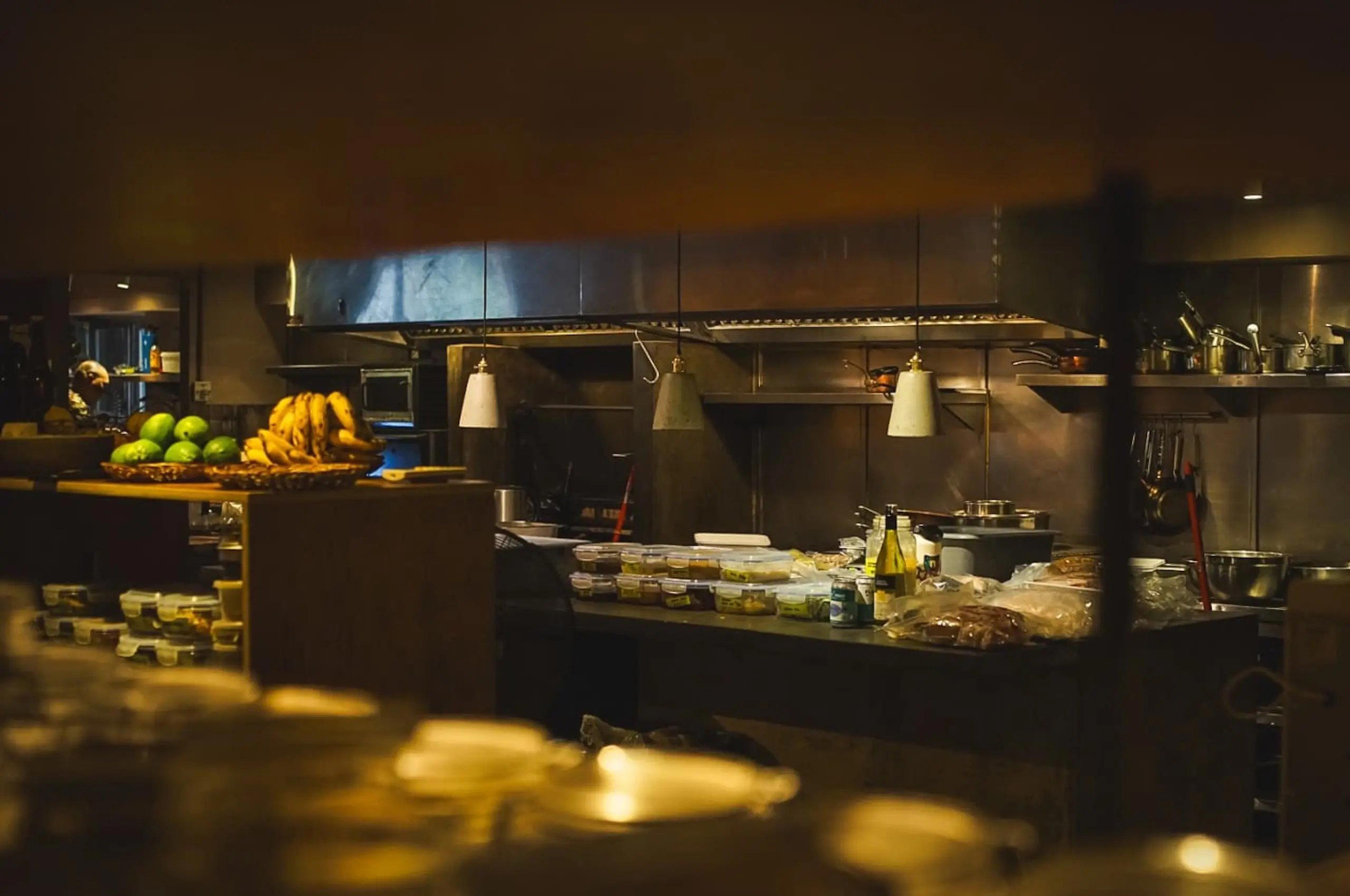
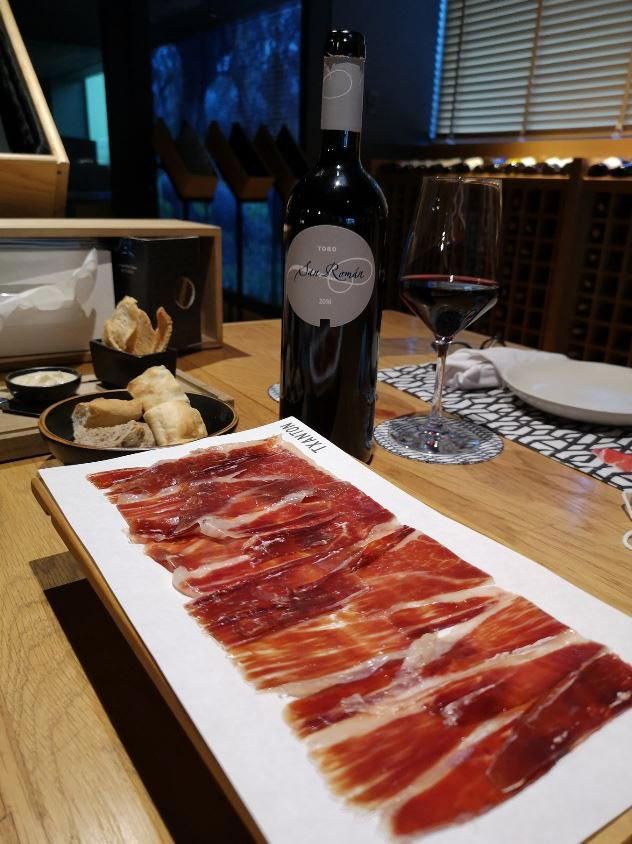
Warm, convivial, and restaurant-forward, with a classic Spanish wine-bar feel suited to dinner and post-dinner gatherings.