Windsurf Hut
On Pamalican Island in the Cuyo Archipelago, Windsurf Hut occupies a stretch of coast where the Sulu Sea sets the terms for everything on the table. The format is shaped by what arrives fresh from local waters and what the island's remote supply chain allows. For travellers already on Pamalican, it represents one direct expression of eating close to the source.
Pearl is the En Primeur Club membership app — saves, bookings, and concierge access live there. Same editors, same standards.
- Address
- Pamalican Island Cuyo Archipelago, Cuyo, 5318 Palawan, Philippines
- Phone
- +63 2 7976 5200
- Website
- aman.com
- Directions
- Get directions
 Saves & bookings on Pearl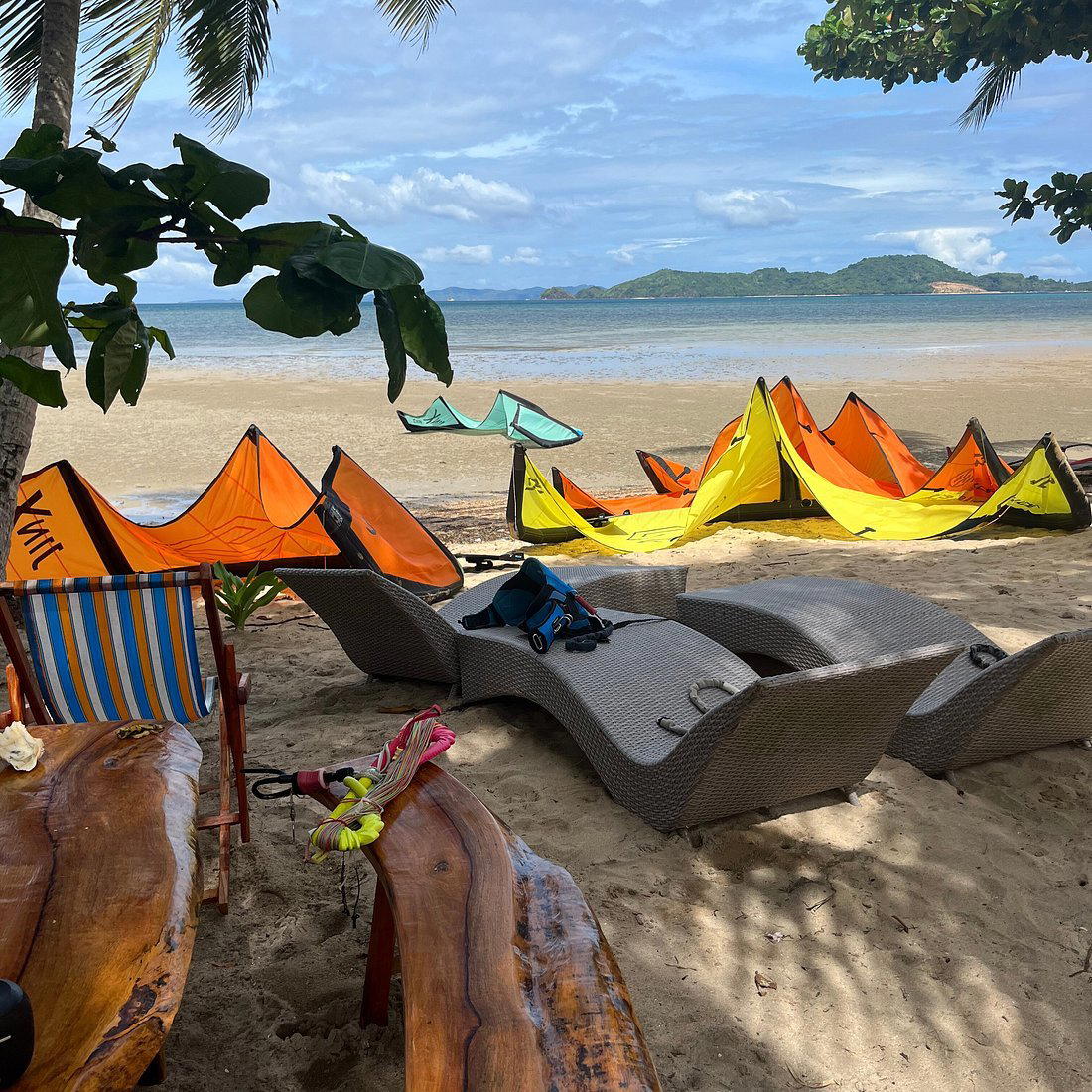
Where the Sulu Sea Sets the Menu
Pamalican Island sits inside the Cuyo Archipelago, a scatter of low-lying coral islands in the interior of the Philippine island chain, far enough from Palawan's main tourist corridor that most visitors arrive by chartered light aircraft. The remoteness is not incidental to the experience at Windsurf Hut, it is the experience. Windsurf Hut is a casual restaurant serving wood-fired pizza on Pamalican Island in Cuyo, Palawan, with reservations recommended. On an island this isolated, the supply chain is the menu. What local fishermen pull from the Sulu Sea in the hours before service largely determines what appears on the table. That relationship between source and plate, compressed to a matter of kilometres and hours, is the defining characteristic of eating here, and it sits in sharp contrast to the logistical machinery behind even ingredient-conscious restaurants in Manila's dining scene.
Coastal communities from the Visayas to northern Palawan have always eaten what the water provides, adjusting preparations to the catch rather than the reverse. Windsurf Hut operates inside that tradition, in a location where that tradition has no real alternative. There are no cold-chain distributors reaching Pamalican on a schedule. The island's separation from mainland supply networks makes ingredient provenance not a marketing point but a structural fact.
The Cuyo Archipelago as a Sourcing Environment
The waters around the Cuyo Archipelago are among the less commercially fished zones in the central Philippines, partly because of their remoteness from major fish-landing ports and partly because of lower population density across the island group. That relative pressure means the marine environment retains a quality that directly affects what ends up on the plate. Fish caught close to an uncrowded reef arrives in better condition than fish transported across longer distances, and the flavour difference between the two is not subtle to anyone paying attention.
This is the sourcing context that frames a meal at the restaurant. The venue is on Pamalican specifically, which means its kitchen draws from the surrounding marine environment. Here, that provenance is simply the starting condition.
Island Dining in a Remote Archipelago
The atmosphere on Pamalican operates on a different register from the urban dining environments most travellers know. There are no street-level crowds, no ambient city noise competing with conversation, and no light pollution softening the transition between day and service. What replaces those urban textures is the physical environment of a small coral island: open water on multiple sides, trade winds moving through whatever structure the dining space occupies, and the particular quality of light that low-latitude coastlines produce at the end of an afternoon. The name the restaurant signals something about the format, casual in structure, shaped by the conditions outside rather than insulated from them.
The experience sits closer to the tradition of Philippine beach dining, where the setting does significant work that interior design would otherwise have to supply. Balesin Dining Room in Polillo operates within a similar logic on a different island, where remoteness and coastal proximity define the terms of the meal. What varies between those contexts is the specific character of the surrounding environment, each island in the Philippine chain has its own marine and geographic personality, and Pamalican's position in the Cuyo group gives it a particular exposure to open water and prevailing winds that the dining experience reflects.
The Sourcing Argument Made Physical
At a certain level of culinary discourse, ingredient sourcing has become a well-rehearsed talking point, repeated across menus and tasting notes in cities where the supply chain between producer and kitchen runs through multiple intermediaries. The sourcing argument at the restaurant is made differently, not through language on a menu but through the physical reality of island life. A kitchen on Pamalican cannot import on a whim. Decisions about what to cook are shaped by what arrived that morning, what the weather allowed fishermen to reach, and what the island's own resources provide between resupply runs.
That constraint produces a kind of cooking that urban restaurants spend considerable effort trying to approximate: genuinely seasonal, genuinely local, with a direct line between the person who caught or grew the ingredient and the person cooking it. The Philippine tradition of fresh seafood preparations, grilled, simply dressed, or cooked in ways that defer to the ingredient rather than transforming it, maps well onto that constraint. Its menu centers on wood-fired pizza and the day’s available ingredients.
Planning a Visit
Reaching Pamalican Island requires a charter flight, typically from Manila or Puerto Princesa, which positions the island firmly in the category of destinations where the journey is planned well in advance and usually anchored to a resort stay rather than a standalone visit. For travellers already on the island, the restaurant is accessible within the resort setting, with reservations recommended and a casual dress code. The island's limited capacity and remoteness mean that dining options are fewer than on larger tourist destinations, which, for the right traveller, is precisely the point. For those exploring the wider Philippine dining scene before or after a Pamalican trip, the Manila scene offers a useful calibration point for what Filipino cooking looks like when it has access to the full urban supply chain.
Elsewhere in the Philippines, coastal dining traditions surface in different forms: Dampa in Quezon City represents the wet-market-to-table format that urban Manila has developed, while destinations further afield like Gerry's Dumaguete in Dumaguete and Asador Alfonso in Cavite each reflect regional approaches to sourcing and preparation that differ from what an island like Pamalican produces. The range across those contexts, from Honesty Coffee Shop in Ivana in the far north to coastal Palawan in the southwest, is one of the more compelling arguments for the breadth of Philippine food culture beyond the capital.
Quick Comparison
Comparable venues nearby, for context on price, style, and recognition.
| Venue | Cuisine | Price | Notes |
|---|---|---|---|
| Windsurf HutThis venue — the venue you are viewing | Wood-Fired Pizza | $$$$ | Not listed |
| Sariwon | Authentic Korean Barbecue | $$$ | Bonifacio Global City |
| Balesin Dining Room | International Multi-Cuisine Fine Dining | $$$$ | Polillo Island, Quezon Province |
| Trattoria Toscana | Tuscan Trattoria | $$$ | Toscana Village, Balesin Island |
| Dip | Nikkei Peruvian-Japanese Fusion | $$$$ | Punta Engaño |
| Milky Way Cafe | Traditional Filipino & International | $$ | Makati |
Continue exploring
More in Pamalican Island
Restaurants in Pamalican Island
Browse all →
Bars in Pamalican Island
Browse all →
Hotels in Pamalican Island
Browse all →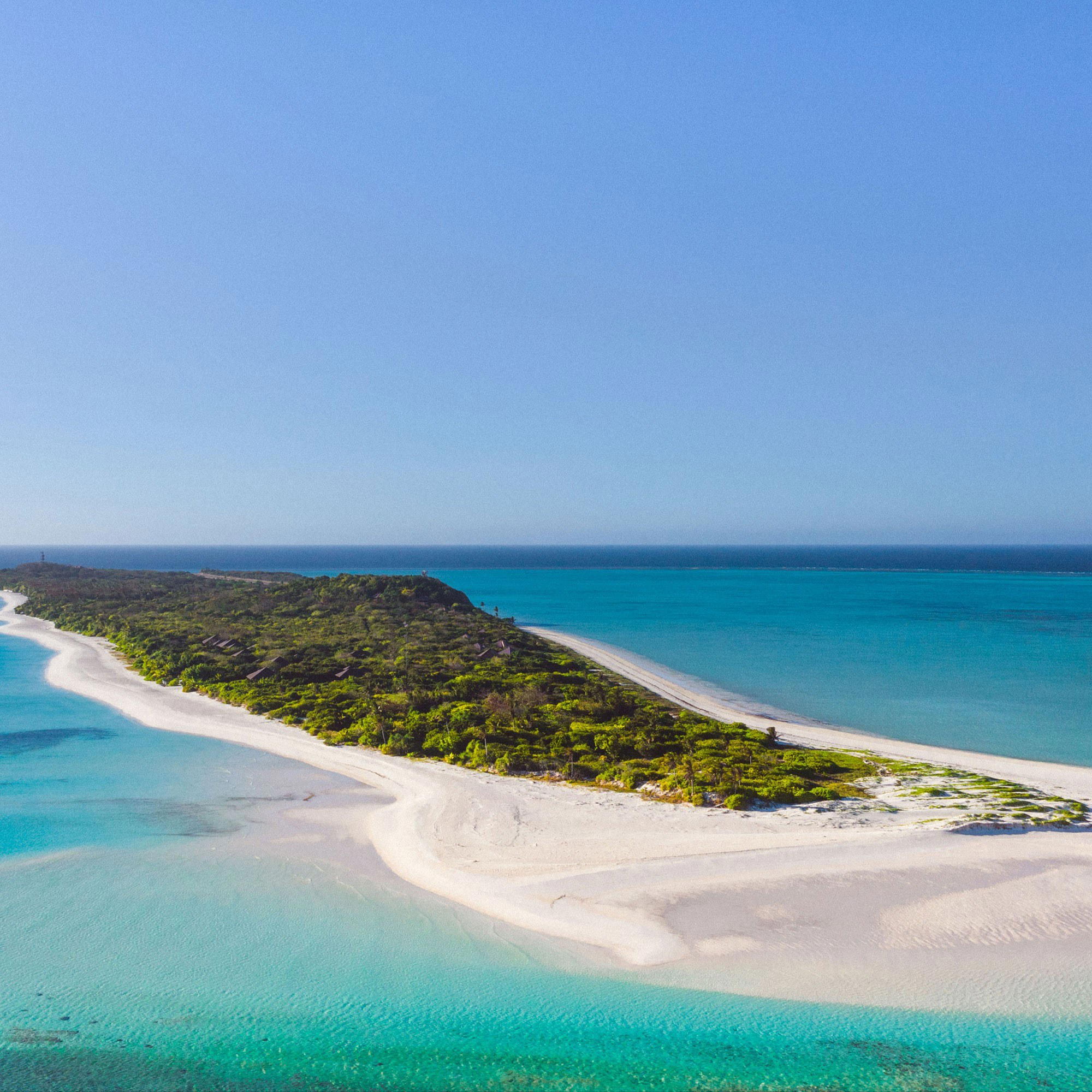
At a Glance
- Scenic
- Rustic
- Cozy
- Casual Hangout
- Family
- Waterfront
- Terrace
- Local Sourcing
- Waterfront
Relaxed beachfront atmosphere under trees on the sand with ocean views and casual tropical island vibes.