Amanpulo





On the private island of Pamalican in the Cuyo Archipelago, Amanpulo occupies a tier of Philippine hospitality defined by total seclusion and architectural fidelity to indigenous form. Named Tatler's Best Service Hotel in the Philippines and Asia's Leading Private Island Resort at the 2025 World Travel Awards, the 60-unit property arrives by charter flight only, and that access condition sets the tone for everything that follows.
Pearl is the En Primeur Club membership app — saves, bookings, and concierge access live there. Same editors, same standards.
- Address
- Pamalican Island Cuyo Archipelago, Cuyo, 5318 Palawan
- Phone
- +63 2 7976 5200
- Website
- aman.com
- Directions
- Get directions
 Saves & bookings on Pearl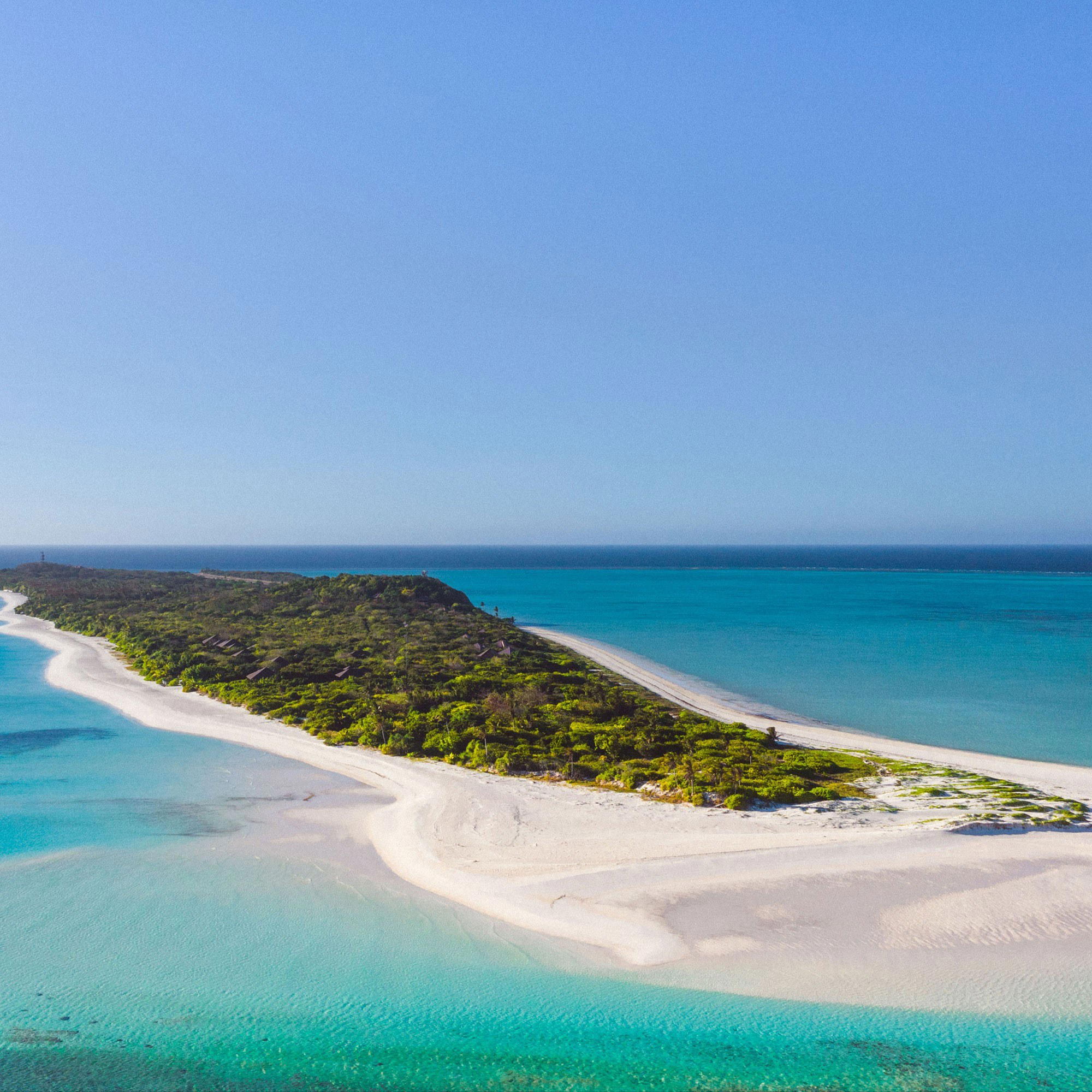
A Private Island Where Architecture Does the Work
The Philippines has accumulated a deep catalogue of island resorts, from Cauayan Island Resort in El Nido to Banwa Private Island in Palawan to the more accessible options clustered around Amorita Resort in Panglao Island and BE Grand Resort, Bohol. Within that range, a narrow tier distinguishes itself not by amenity count but by design discipline and access control. Amanpulo is a 5-star hotel on Pamalican Island in the Cuyo Archipelago of Palawan; it holds one Michelin Key and starts at about $1,860 per night. It sits at that upper end. The entire five-kilometre island is given over to the resort, and the architecture throughout draws directly from the Philippine bahay kubo tradition: thatched roofs, pebble-washed walls, and indigenous material choices that read as considered scholarship rather than decorative borrowing. Aman has applied this approach across its global portfolio, using local architectural vernacular as structural logic rather than surface ornament, and Pamalican is one of the more coherent expressions of that position.
The Physical Logic of 60 Units Across One Island
Sixty units across five kilometres of island means the question of where your casita or villa sits carries real consequence. The 42 casitas divide into distinct site conditions: Beach Casitas claim beachfront positions for direct sand-to-door access; Treetop and Hillside Casitas mount into the island's refined terrain, trading proximity to the water for refined sea views and a deeper sense of canopy immersion. Treetop Pool Casitas add a plunge pool to the tree-level setting. Deluxe Hillside Casitas sit higher still, with wider sightlines across the surrounding Sulu Sea.
The 18 villas occupy a different category entirely. Running from one to four bedrooms, each sits within an expansive estate footprint, with a private pool, dedicated living and dining pavilions, and a surrounding forest buffer that enforces the kind of isolation most resorts can only approximate. Villa stays include a dedicated butler and private chef. Personal golf carts connect villa guests to the main resort facilities. This villa tier places Amanpulo in a specific competitive set: not a large resort with private accommodation options, but a property where the villa format functions as a self-contained residence with resort infrastructure on call.
The bathroom design across categories follows a scale logic that signals the property's price positioning: nearly matching the bedroom in footprint, with dual vanities, a separate shower, and a freestanding tub. Rattan headboards and indigenous-style furnishings carry the bahay kubo vocabulary from the exterior into the interior without forcing a theme-park consistency.
Access as Architecture: The Charter Flight Model
Physical separation from the mainland is not incidental, it is a design condition built into the guest experience from the first moment of planning. Amanpulo is accessible only via charter flight from Manila, with a flight time of approximately one hour. Guests are met at Manila's international airport and transferred to the Amanpulo lounge at a nearby hangar before flying directly to Pamalican's private airstrip. The round-trip air transfer is priced at $520 or above per adult and $310 or above per child aged 2 to 11, in addition to accommodation rates that start from approximately $1,750 per night. Baggage is limited to 20 kilograms per adult including carry-on, a practical constraint that reinforces the island's deliberate remove from urban logistics.
That access structure serves a purpose beyond exclusivity signalling. It sets the island's population ceiling precisely, no day visitors, no ferry arrivals, no ambiguity about who is on the property at any given time. For Nay Palad Hideaway Siargao or Bluewater Sumilon Island Resort, access involves public transport connections and a degree of shared infrastructure. Amanpulo's charter model eliminates that entirely, placing the resort in a comparable set defined by operational self-containment rather than destination popularity.
On-Island Programming: The Reef and the Organic Farm
Pamalican Island sits within a coral reef system that provides the primary activity infrastructure. The Sea Sports Hut covers water-sports equipment and cruising options; the PADI Dive Centre handles reef diving; the seasonal Kite and Surf Centre activates when conditions align. Fishing and snorkelling off the reef round out a water-focused programme that requires no external facilitation. The island's terrain also supports cycling as an alternative to the provided club cars.
The dining programme draws from an on-property organic farm, with menus oriented around fresh, island-sourced ingredients. Palm-lined paths connect the accommodation areas to the dining venues, with the route itself functioning as part of the daily rhythm rather than a logistical inconvenience. The Aman Spa, positioned on the northern hillside, offers wellness treatments within a facility designed to sit within the island's topography rather than dominate it. Villa guests travelling with four-bedroom configurations can also access the West Villa Clubhouse for private event programming.
What the Awards Record Signals
Tatler Asia named Amanpulo both within its Leading 10 Hotels Philippines list and as Leading Service Hotel in the Philippines for 2026, as part of the broader Tatler Leading Hotels Asia-Pacific recognition. The property also took Hotel of the Year from Tatler in 2025. The World Travel Awards designated it Asia's Leading Private Island Resort in 2025, and La Liste placed it at 93.5 points in its 2026 Leading Hotels ranking. That combination of service-specific recognition alongside destination and design awards positions Amanpulo in the tier of Aman properties where operational discipline matches architectural ambition, a distinction that separates it from properties that earn design praise but receive consistent service criticism.
Within the Aman portfolio, Pamalican's private-island format gives it a different operational character than urban properties like Aman New York or Aman Venice. The isolation enforces a hospitality focus with no external city to deflect to: the resort is the entire context, and the service record reflects that concentrated responsibility.
Planning Your Stay
The November to May dry season delivers the clearest conditions for reef activities and beach use; the wet season running June through October brings rainfall and occasional rough seas that can affect water sports programming and, in some instances, flight schedules. Booking through Aman directly is the standard route, with the charter flight coordinated as part of the arrival process. For travellers assembling a broader Philippine itinerary, Manila-based options including Admiral Hotel Manila – MGallery or Solaire Resort work as pre- or post-island accommodation before or after the Amanpulo charter. Elsewhere in the archipelago, Anya Resort Tagaytay and Cala Laiya in Batangas represent contrasting styles of premium Philippine hospitality for those extending their stay on Luzon.
How It Stacks Up
Comparable venues nearby, for context on price, style, and recognition.
| Venue | Cuisine | Price | Awards | Notes |
|---|---|---|---|---|
| AmanpuloThis venue — the venue you are viewing | Tropical-rustic luxury retreat blending native Philippine architecture with contemporary amenities on a private island. | $$$$ | Michelin 1 Key | Not listed |
| Nay Palad Hideaway Siargao | Barefoot luxury hideaway immersed in nature with private villas. | $$$$ | Michelin 1 Key | General Luna |
| Dusit Thani Mactan Cebu Resort | Luxurious beachfront resort with modern Thai-inspired hospitality. | $$$$ | Michelin 1 Key | Punta Engaño |
| Raffles Makati | All-suite luxury residences in a cosmopolitan landmark glass tower | $$$$ | Michelin 1 Key | Makati |
| Cauayan Island Resort | Boutique private island resort blending traditional Philippine architecture with contemporary luxury, featuring individually designed villas with natural materials and modern amenities. | $$$$ | 5-Star | El Nido |
| The Lind Boracay | Lifestyle beachfront resort with modern, warm, and chic sensibility | $$$$ | 5-Star | Station 1 |
Recognition history
Dated appearances from independent guides and award organizations, with the underlying list record or original source where available.
La Liste Top Hotels
La Liste
Tatler Best Service
Tatler
Tatler Best Philippines: Best Service Hotel
Tatler
Tatler Best 10 Hotels Philippines
Tatler
Virtuoso Luxury Hotel Partner
Virtuoso
Michelin 1 Key
Michelin
Tatler Hotel of The Year
Tatler
Tatler Listed in Best Hotels Asia-Pacific
Tatler
World Travel Awards
World Travel Awards
Continue exploring
More in Pamalican Island
Bars in Pamalican Island
Browse all →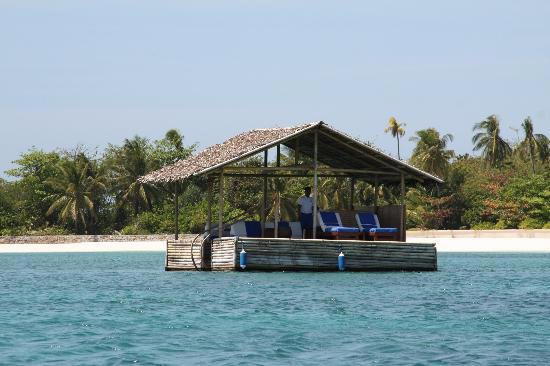
Restaurants in Pamalican Island
Browse all →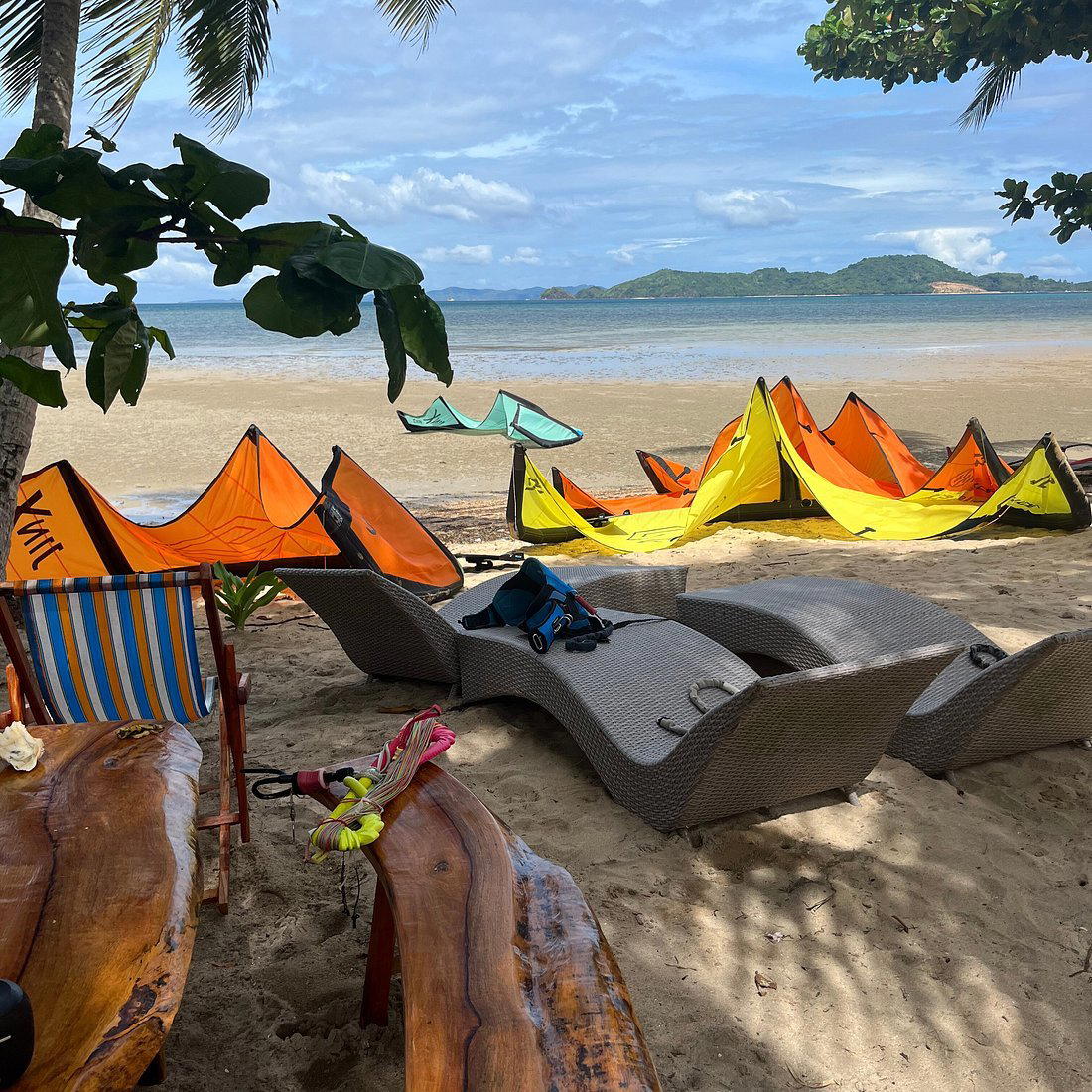
At a Glance
- Romantic
- Scenic
- Elegant
- Intimate
- Sophisticated
- Honeymoon
- Romantic Getaway
- Anniversary
- Wellness Retreat
- Destination Wedding
- Beachfront
- Private Villa
- Butler Service
- Destination Spa
- Waterfront
- Panoramic View
- Private Dining
- Spa
- Pool
- Fitness Center
- Room Service
- Concierge
- Beach Access
- Wi Fi
- Tennis Court
- Waterfront
- Spa
- Pool
- Fitness Center
- Room Service
- Concierge
- Beach Access
- Wi Fi
- Tennis Court
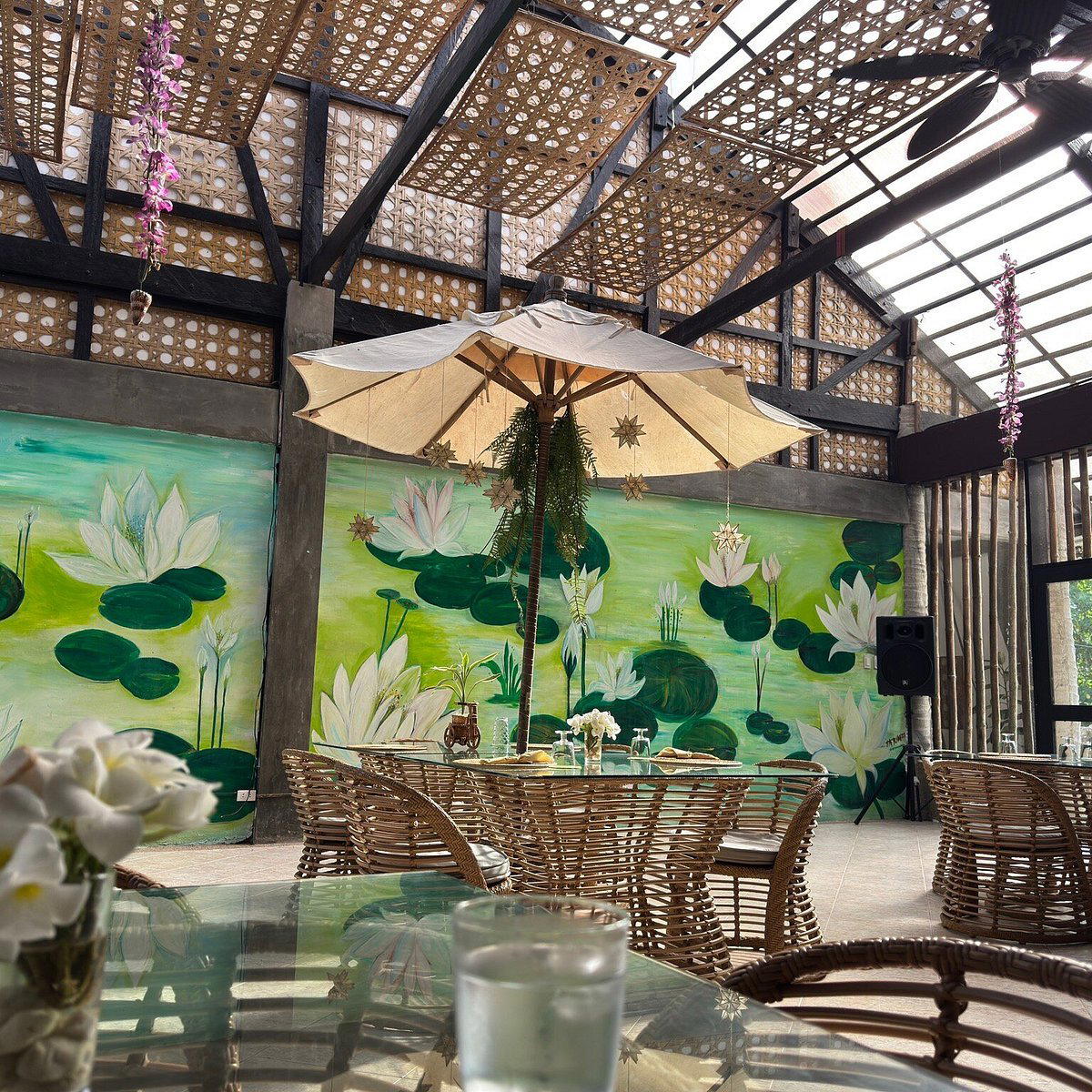
Serene and tropical with natural light filtering through thatched-roof casitas, beachfront dining under stars, and lush island vegetation creating an intimate, peaceful atmosphere.