

1 Michelin Star · Macarfi 7.6 Food Rating
Our verdict
Clos Madrid holds a 2024 Michelin star in Chamberí, operating under the sommelier-restaurateur behind Marbella's celebrated Skina. The kitchen works with traditional Spanish ingredients through a modern lens, while the wine program sits at equal weight to the food. Service philosophy centers on making guests feel valued rather than processed.

Pearl is the En Primeur Club membership app, where members save venues, book tables and use the concierge.
The menu
What to order
- Sea_bass_in_seaweed
- Vegetable_consommé
- Pigeon
Where the Wine List Has Equal Standing
In Madrid's Chamberí district, a relatively quiet residential quarter north of the Gran Vía that doesn't attract the tourist foot traffic of Malasaña or Chueca, Clos Madrid occupies a dining register that the city's top tier rarely inhabits: equal authority between the kitchen and the cellar. Most Michelin-starred restaurants in Spain lead with the chef and treat the wine program as support. Here, the structure is parity, which makes sense given that the operation is run by Marcos Granda, a sommelier first and restaurateur second, whose other house is Skina in Marbella, a two-Michelin-star address that has built its identity on exactly this kind of food-and-wine equilibrium.
The name itself signals the intent. Clos is a French term for a walled wine estate, the kind of enclosed, controlled terroir concept associated with Burgundy's premier cru vineyards. Applying it to a Madrid restaurant sets an expectation: what arrives in your glass is considered with the same seriousness as what arrives on the plate.
Chamberí and the Mid-Tier Starred Scene
Madrid's Michelin map has grown considerably in recent years, but it clusters unevenly. The city's multi-starred addresses Gaytán with two stars, and the three-starred DiverXO operating in its own separate stratosphere at €€€€ pricing, pull significant international attention. Clos Madrid sits one tier below in price (€€€) and one star below in Michelin recognition, which positions it in a more accessible bracket without conceding on the technical seriousness of either the cooking or the cellar.
That positioning matters for the reader making a practical choice. At the €€€€ level, Madrid's creative restaurants like Coque, Deessa, and Paco Roncero are delivering elaborate tasting menus at full tasting-menu prices. Clos Madrid's €€€ bracket represents a meaningful step down in financial commitment while retaining a Michelin-starred framework. For visitors already planning to anchor one meal at the top tier, perhaps at Barra Alta Madrid or elsewhere, Clos makes a logical second booking where the experience remains serious but the arithmetic is less extreme.
The Kitchen's Reference Points
Modern Spanish cuisine at the starred level operates across a spectrum. On one end: the avant-garde tradition running from El Bulli's legacy through to El Celler de Can Roca in Girona and Azurmendi in Larrabetzu, where technique and concept share billing with ingredient. On the other: addresses grounded in product fidelity and regional identity, such as Arzak in San Sebastián and Aponiente in El Puerto de Santa María, where the cooking is creative but the anchor is always a specific Spanish ingredient or tradition.
Clos Madrid reads closer to the latter camp. The kitchen's stated approach centers on traditional Spanish flavors and high-quality domestic ingredients, worked through a modern method rather than a conceptual framework. The result is contemporary without being abstract, a distinction that matters to diners who find the most technically adventurous end of Spanish fine dining occasionally disconnected from the pleasure of eating. At addresses like La Tasquería or Chispa Bistró, Madrid has also developed a strand of cooking that honors Spanish product traditions at lower price points. Clos operates further up that axis, but shares the ingredient-led orientation.
A 2024 Michelin Star and What It Implies
Earning a first Michelin star is a different kind of signal than holding one for a decade. The 2024 recognition positions Clos Madrid as a restaurant that inspectors have assessed as meeting the standard for high-quality cooking, skilled preparation, and consistent quality, the three criteria that define a single star in Michelin's framework. It also implies that the restaurant is at a phase of development where the fundamentals are solid but the ambition to reach further remains part of the story.
For context, Spain's Michelin-starred count has expanded significantly over the past decade, with Martin Berasategui in Lasarte-Oria holding an extraordinary three stars and Cocina Hermanos Torres in Barcelona representing the two-star tier in Catalonia. Within that national picture, a Madrid single-star address at €€€ pricing sits in a competitive but navigable cohort, serious enough to draw food-motivated travelers, accessible enough to function as a regular booking for local professionals.
Critical recognition and popular satisfaction don't always align in starred restaurants, particularly where menus are highly conceptual. Guests are leaving satisfied, not just impressed.
The Wine Program as Structural Equal
In most restaurant configurations, the sommelier serves the chef's vision. Granda's model inverts the hierarchy, or more precisely, flattens it. The wine cellar at Clos Madrid is treated as a co-author of the dining experience rather than an annotation to it. This approach has precedent in a handful of European addresses, some of the most regarded wine-centric restaurants in France and Italy have long operated this way, but it remains relatively unusual in Spain's fine dining scene, where chef identity tends to dominate the narrative.
For guests who arrive with serious wine knowledge, this structure creates a different kind of conversation. The sommelier's role expands from selection and service into genuine curation that shapes the meal's arc. For guests less versed in wine, it means the cellar receives the same investment and attention as the kitchen, which tends to translate into pairings that feel considered rather than assembled from a standard list.
This wine emphasis also connects Clos Madrid to a broader international trend. At addresses like Frantzén in Stockholm and FZN by Björn Frantzén in Dubai, the wine program functions as a genuine competitive differentiator. Clos operates within that same logic, applying it to a Madrid context where the cellar can draw on both Spanish regional depth and international range.
Service and the Philosophy Behind It
The restaurant's stated operating principle, that great restaurants make guests feel important, is worth taking seriously rather than dismissing as marketing language. In practice, it describes a service orientation that prioritizes the guest's comfort and sense of welcome over the kitchen's need to impress. This is a particular stance in fine dining, where service sometimes defaults to formality as a proxy for quality. At the €€€ level, the risk is rigidity: staff trained to present dishes correctly but not to read the table. The philosophy Granda has articulated points in a different direction, toward hospitality as the primary output rather than cuisine as performance.
Planning a Visit
Clos Madrid operates Tuesday through Saturday for both lunch and dinner, with lunch running from 1:30 PM to 5 PM and dinner from 8:30 PM to midnight. The restaurant is closed on Sundays and Mondays, a schedule common among Madrid's more serious kitchens, where the compressed week allows for tighter quality control and better sourcing logistics. The address on Calle de Raimundo Fernández Villaverde places it firmly in Chamberí, walkable from the Nuevos Ministerios and Alonso Cano metro stations. At €€€ pricing, a full dinner with wine pairing will represent a significant but not extreme spend by starred-restaurant standards, positioned well below the €€€€ tier occupied by DiverXO and Coque, while still requiring the kind of considered reservation that should be made in advance rather than on the night.
For visitors building a broader Madrid itinerary, the EP Club guides for restaurants, hotels, bars, wineries, and experiences provide the wider context for a well-structured stay. The Alabaster address in the city is also worth considering for those interested in wine-forward Spanish cooking at a comparable seriousness.
Frequently asked questions
at Clos Madrid?
What the awards record and the restaurant's stated philosophy indicate is that the wine pairing is as deliberate as the food itself, arriving without engaging the sommelier on the cellar would mean bypassing what distinguishes Clos from comparable single-star addresses in Madrid. The kitchen's reference point is traditional Spanish product worked through contemporary technique, which means dishes grounded in recognizable Spanish flavors rather than abstract composition. For the clearest picture of the current menu, direct contact with the restaurant before your visit is the practical path.
Just the Basics
A quick peer reference to anchor this venue in its category.
| Venue | Cuisine | Price | Awards | Notes |
|---|---|---|---|---|
| Clos MadridThis venue (the venue you are viewing) | Modern Mediterranean Haute Cuisine | $100–150 | 1 Michelin Star · Macarfi 7.6 Food Rating | Not listed |
| DiverXO | Avant-Garde Spanish Tasting Menu | $300–500 | 3 Michelin Stars · World's 50 Best #4 | Progressive - Asian, Creative |
| Deessa | Modern Valencian Fine Dining | $150–200 | 2 Michelin Stars · La Liste Top Restaurants | Modern Spanish, Creative |
| Smoked Room | Modern Japanese Fire Omakase | $200–300 | 2 Michelin Stars · La Liste Top Restaurants | Progressive Asador, Contemporary |
| Coque | Modern Spanish Fine Dining | $300–500 | 2 Michelin Stars · La Liste Top Restaurants | Spanish, Creative |
| Paco Roncero | Avant-Garde Spanish Fine Dining | $150–200 | 2 Michelin Stars · La Liste Top Restaurants | Creative |
Recognition history
Dated appearances from independent guides and award organizations, with the underlying list record or original source where available.
Michelin 1 Star
Michelin
Macarfi 7.6 Food Rating
Macarfi
Full recognition history (4 entries)
Michelin 1 Star
Michelin
Michelin 1 Star
Michelin
Continue exploring
More in Madrid
Restaurants in Madrid
All restaurants in Madrid →
Bars in Madrid
All bars in Madrid →



Clos Madrid
The wine
- Wine program
- Deep wine list
- Extensive wine list
- Sommelier-led
Details
- Elegant
- Sophisticated
- Intimate
- Modern
- Date Night
- Special Occasion
- Open Kitchen
- Wine Cellar
- Private Dining
- Extensive Wine List
- Sommelier Led
- Tasting Menu
- A La Carte
- Wine Pairing
- Vegetarian Friendly
Current opening hours
- Monday
- 1–4 PM, 8 PM–12 AM
- Tuesday
- Closed
- Wednesday
- Closed
- Thursday
- 1–4 PM, 8 PM–12 AM
- Friday
- 1–4 PM, 8 PM–12 AM
- Saturday
- 1–4 PM, 8 PM–12 AM
- Sunday
- 1–4 PM, 8 PM–12 AM
Hours can change for holidays and private events. Hours as of .
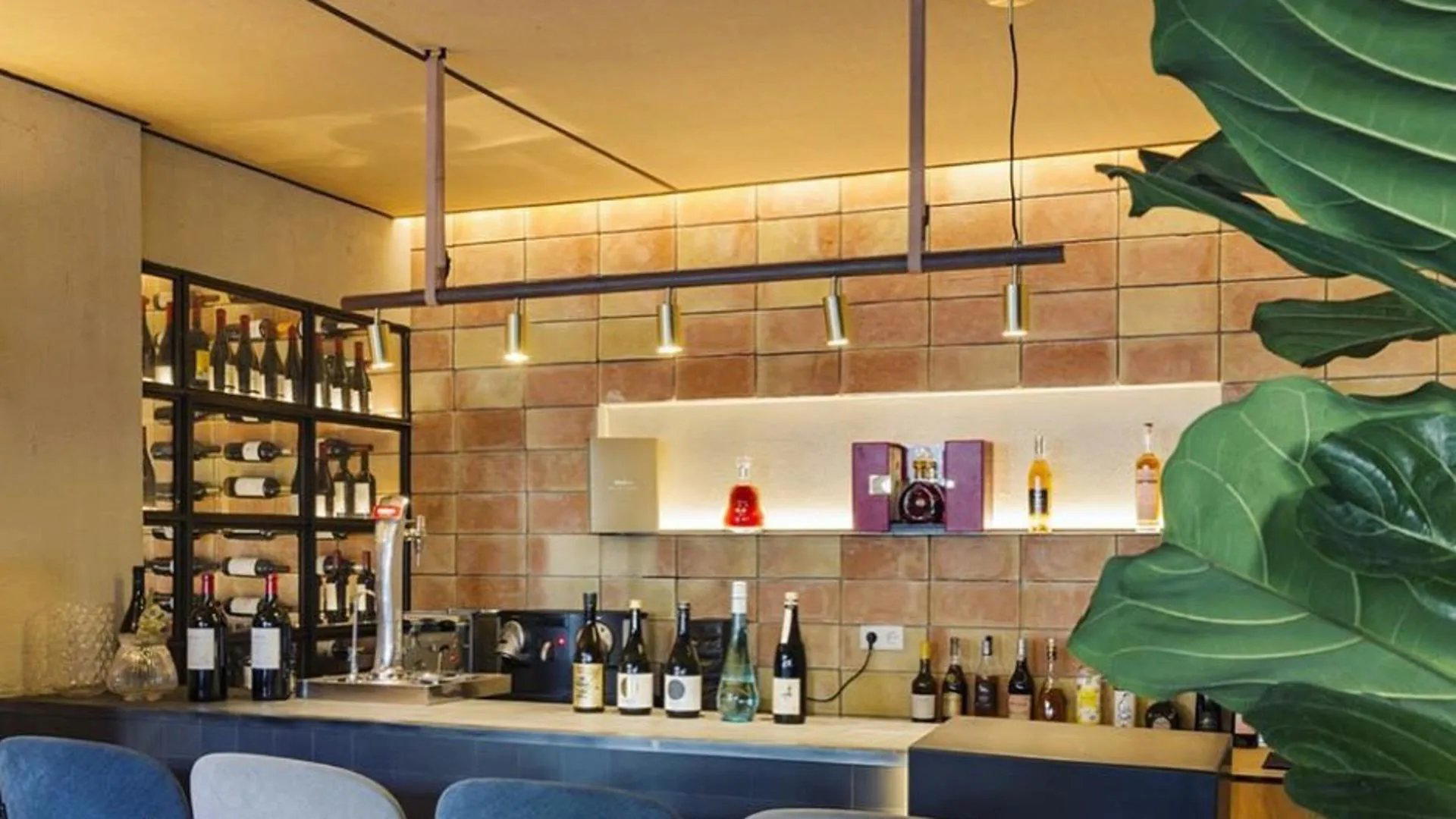
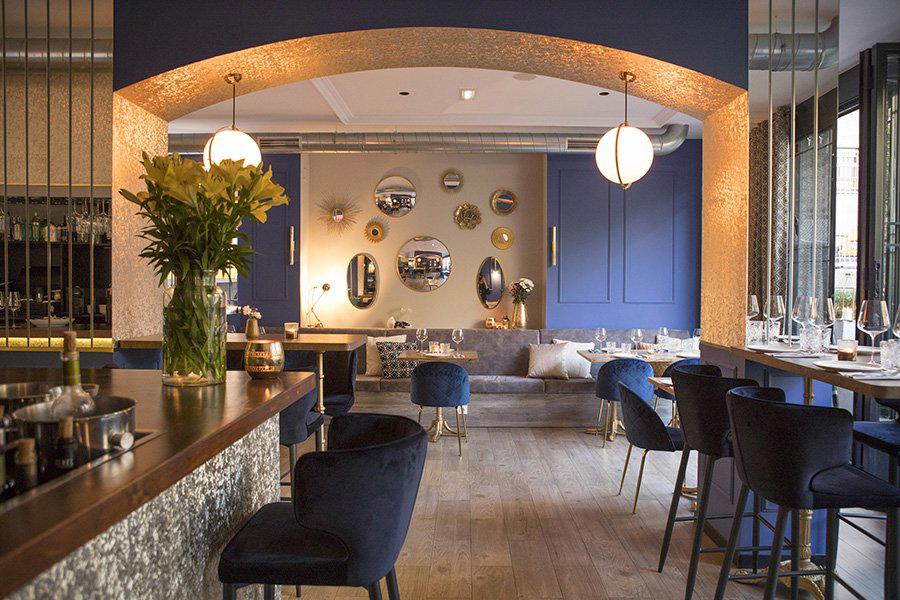
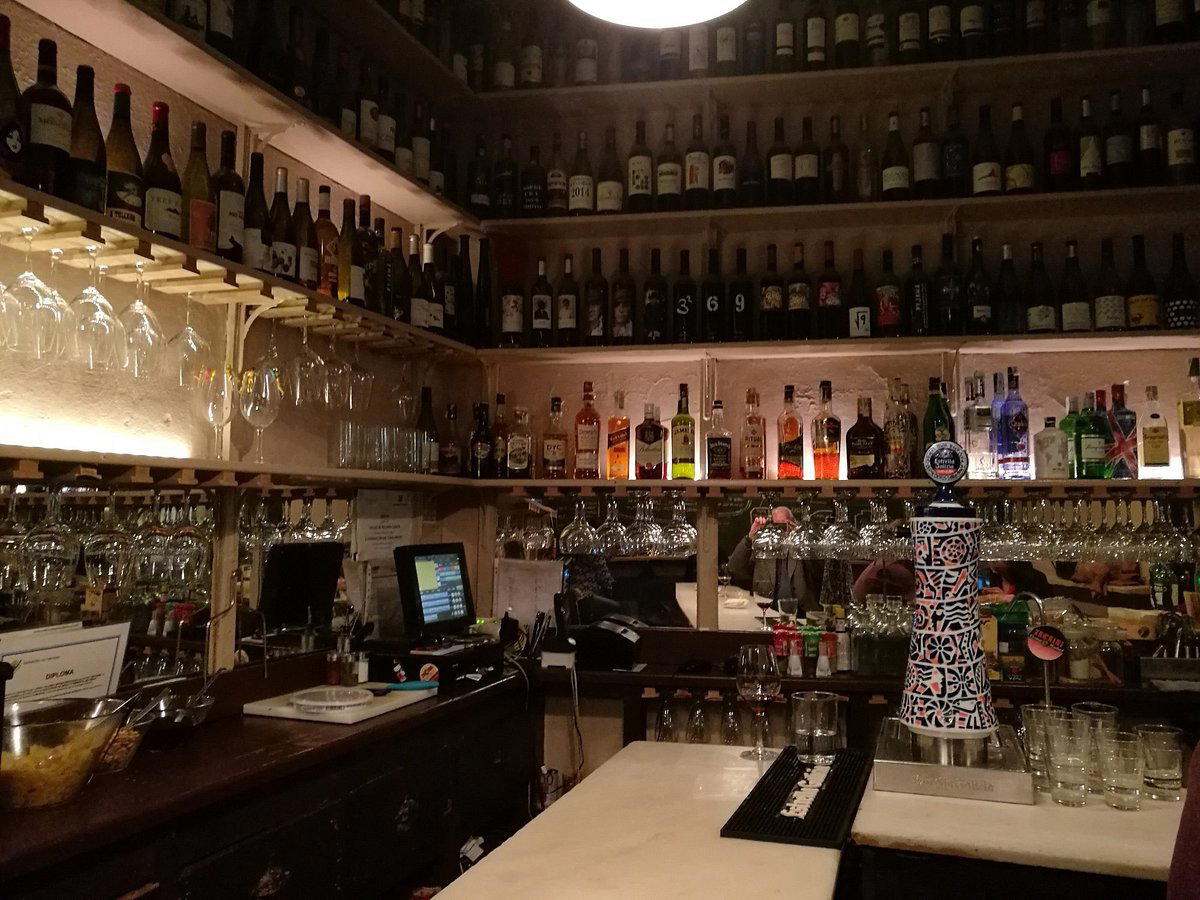
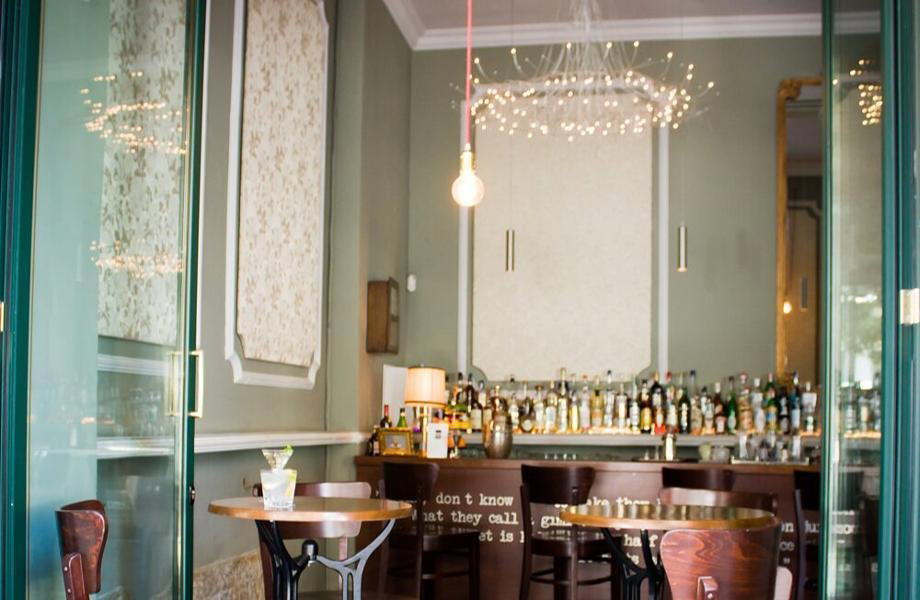
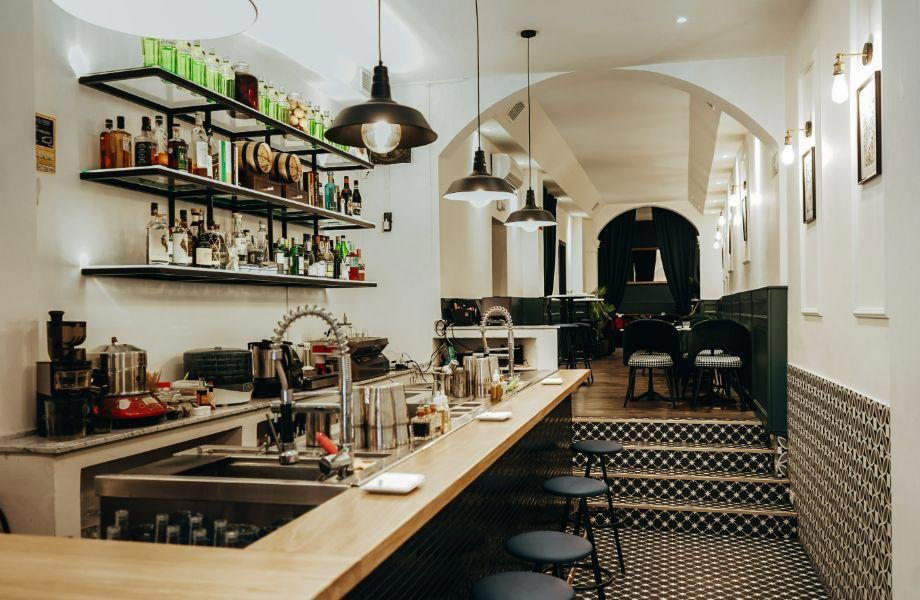
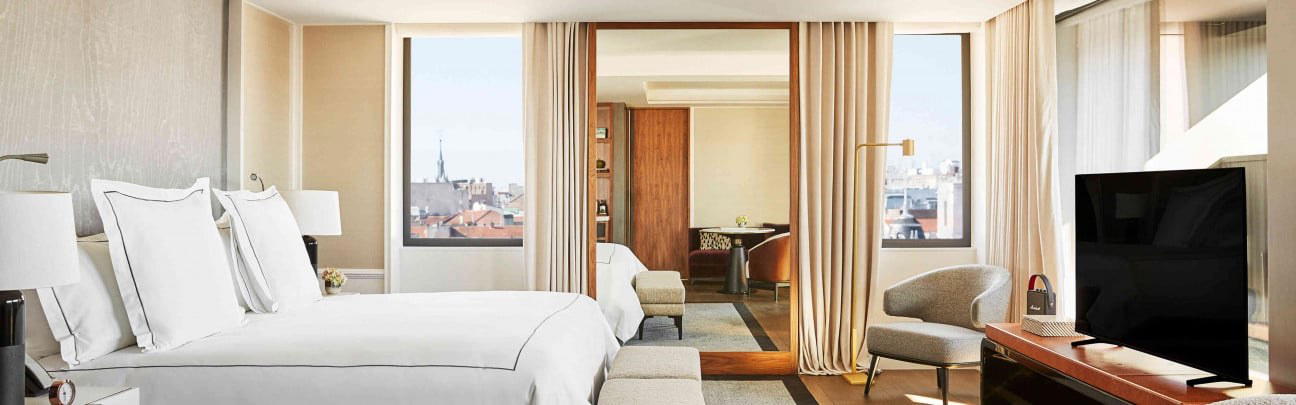
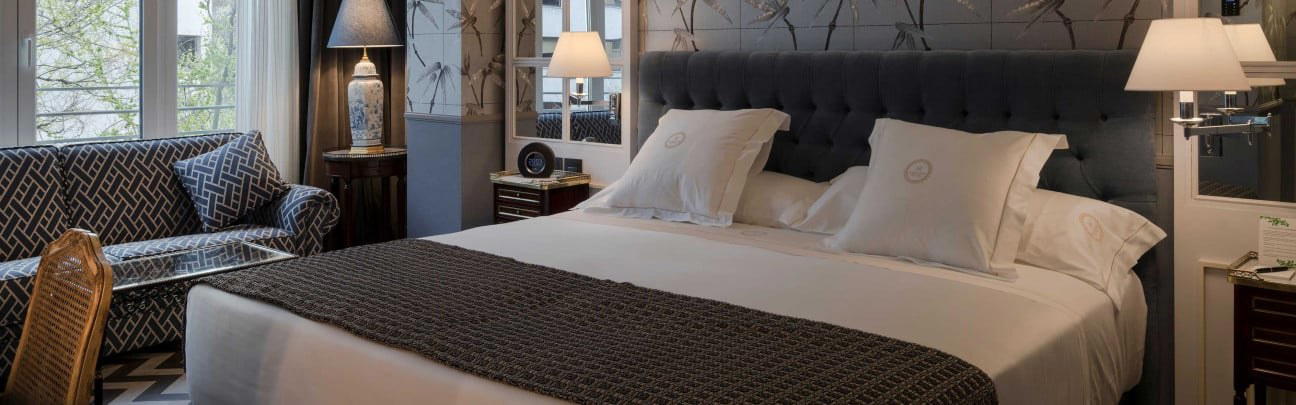
Elegant and sophisticated space with contemporary decor featuring rustic logs, white tones, luminous dining room, open kitchen, and glazed wine cellar; quiet and cozy atmosphere.