



Michelin Plate · Macarfi 8 Food Rating · Guía Repsol 1 Sol
Our verdict
Positioned steps from the Retiro park on Calle de Montalbán, Alabaster works Madrid's seasonal and traditional canon with an updated hand across two distinct menu formats, the sharing-focused Comparte and the more structured Disfruta. A Michelin Plate holder since 2024 It occupies the serious-but-accessible register between neighbourhood trattorias and the city's full tasting-menu circuit.

Pearl is the En Primeur Club membership app, where members save venues, book tables and use the concierge.
The menu
What to order
- Hake skewer with lemon pil-pil
- Toasted meringue tart with lemon cream
- Galician empanada
Retiro's Quieter Dining Register
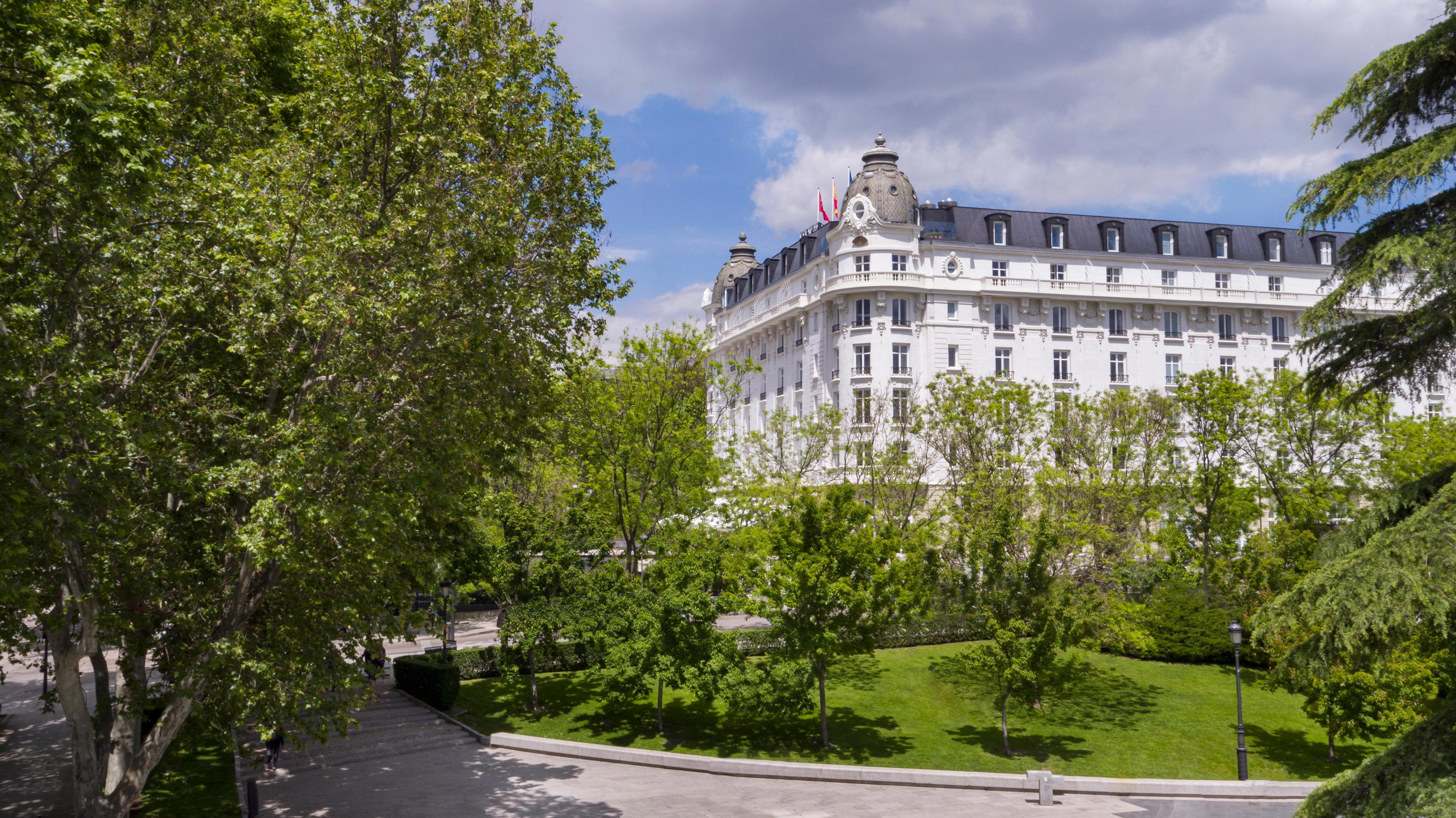
The block of Calle de Montalbán that runs between the Museo del Prado and the Parque del Retiro is one of Madrid's more quietly serious addresses. The grand boulevard noise of Paseo del Prado is close but not intrusive, and the park's canopy of stone pines creates a particular stillness that carries into the street. It is the kind of location that attracts a certain type of restaurant: one that does not need a buzzing central plaza to draw clientele, because its regulars already know where it is.
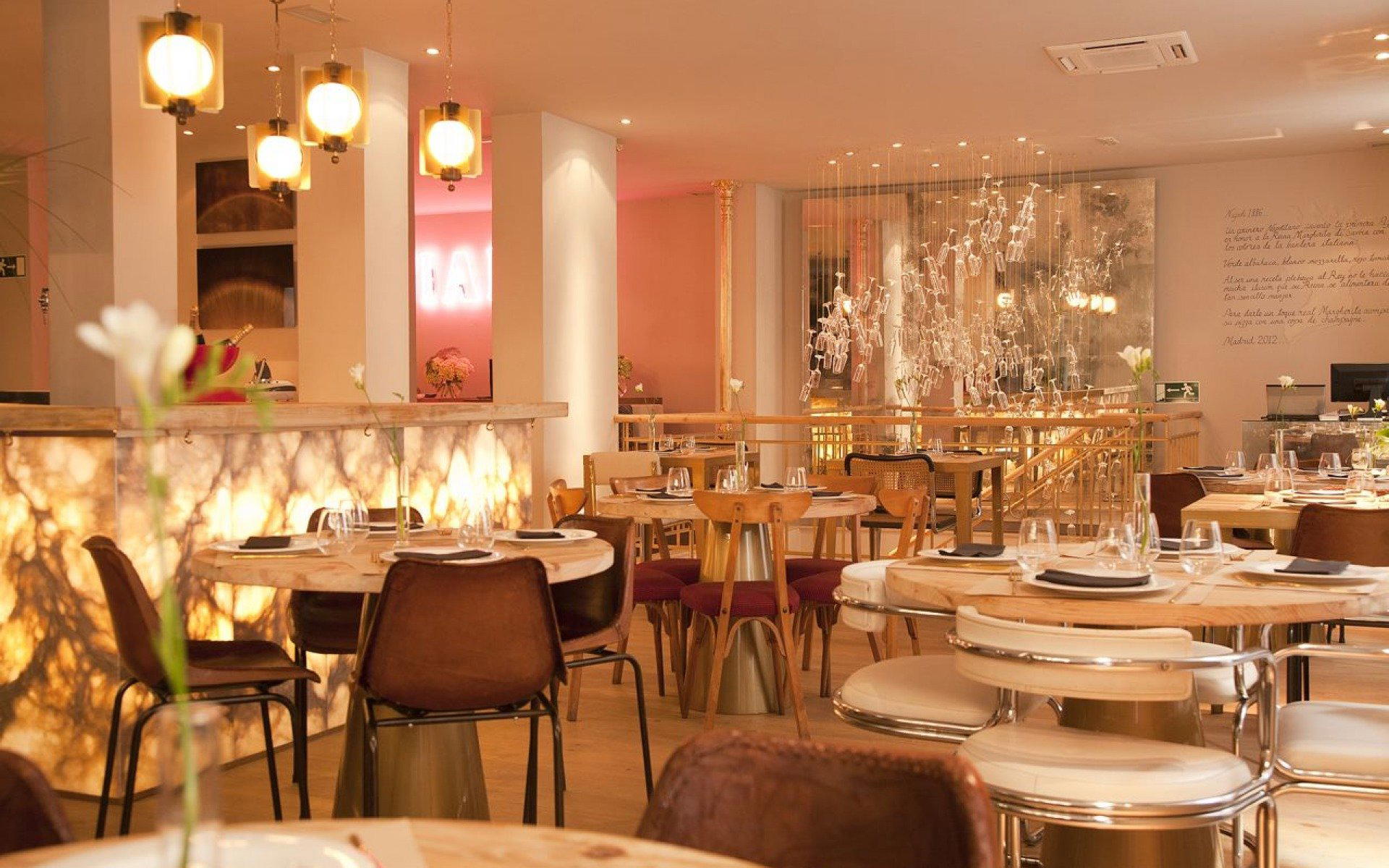
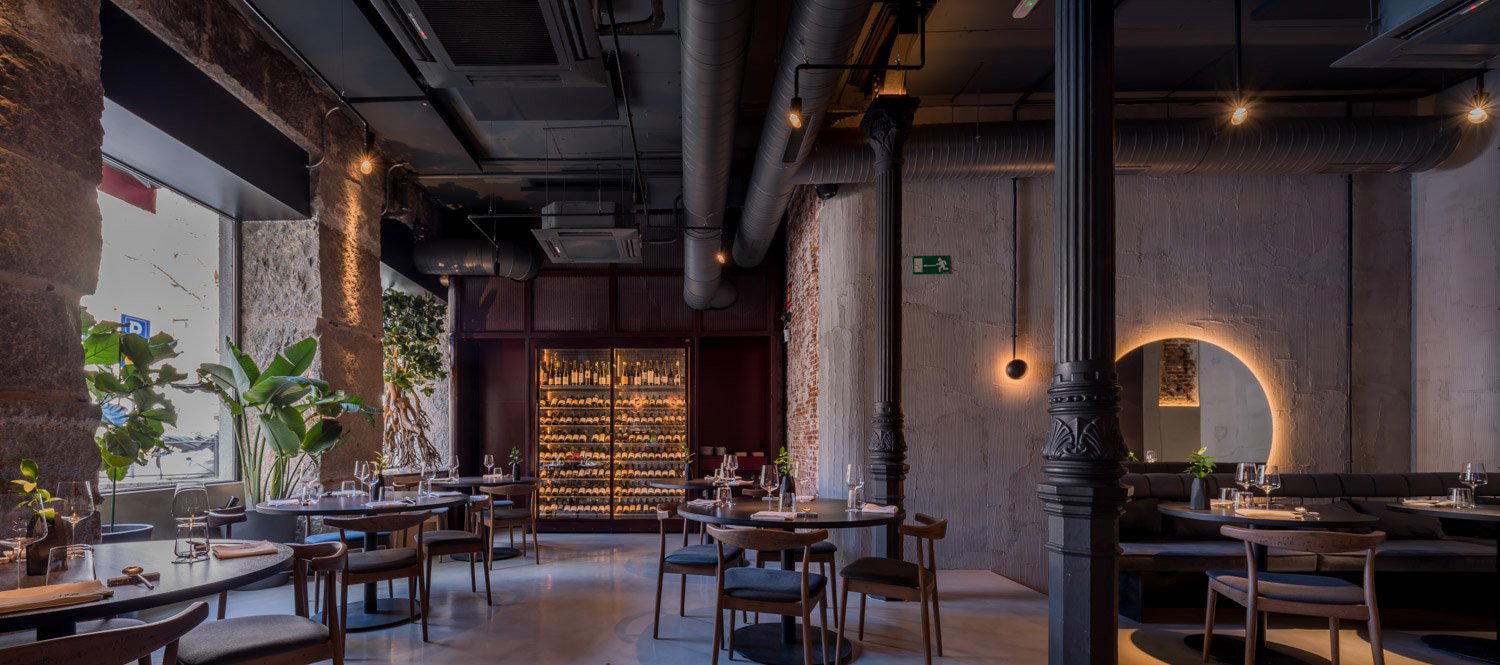
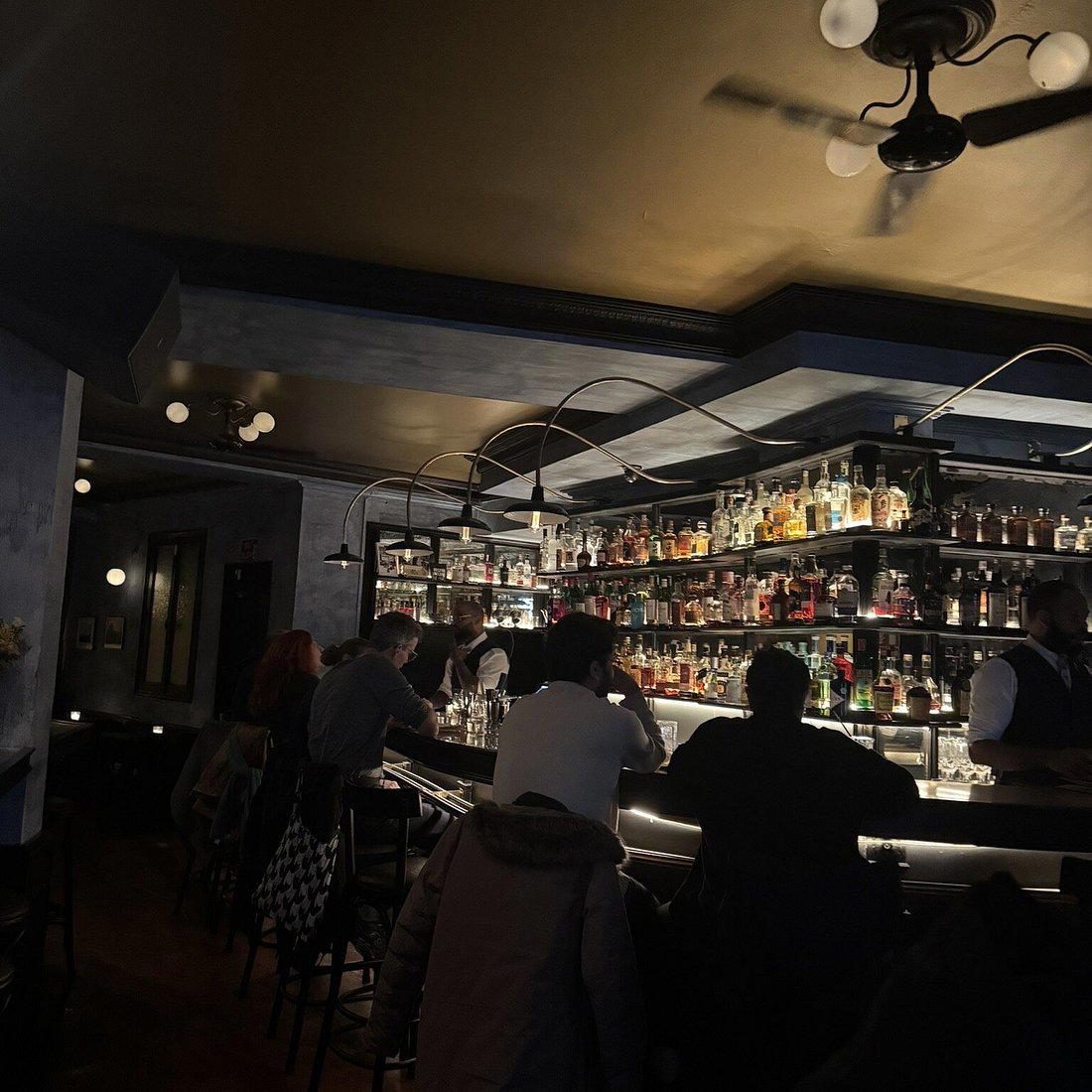
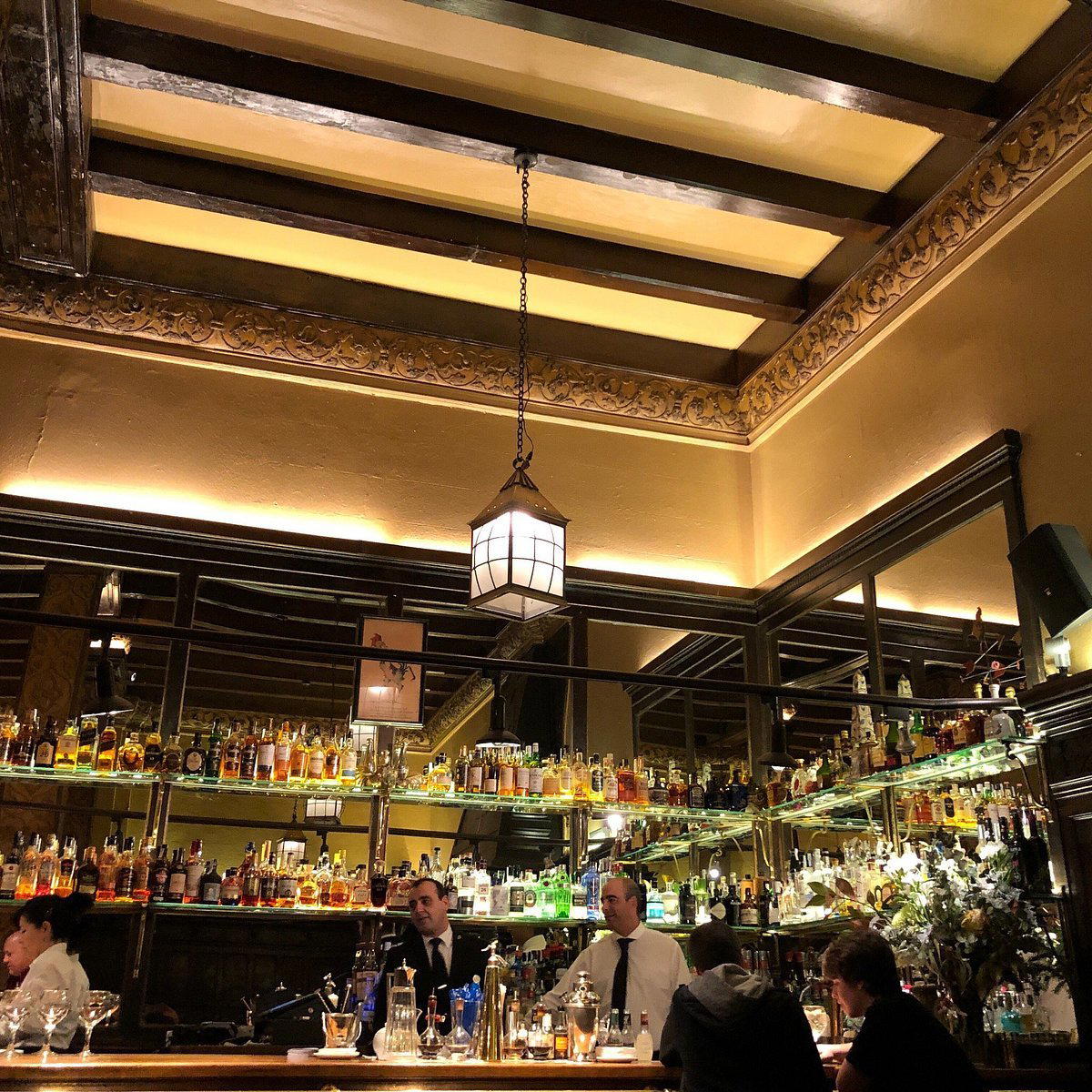
Walking in, the design signals its ambitions immediately. A glass-fronted wine cellar anchors the visual grammar of the room, functioning as both display and statement about where the kitchen's priorities sit. The main dining room is spacious without feeling under-populated, and two private spaces extend off it, a layout that makes Alabaster useful for business meals and gatherings where a degree of separation from the main room matters. High tables in the gastro-bar section near the entrance handle informal suppers without asking guests to commit to the full dining room experience. This kind of spatial layering is more common in Barcelona's contemporary bistros than in Madrid's traditional comedor culture, and it positions Alabaster in a slightly different conversation from the city's older-guard serious restaurants.
How the Menu is Structured
The à la carte at Alabaster divides into two named sections, Comparte and Disfruta, which translate broadly to sharing plates and more individually composed courses. The distinction matters because it changes how a table negotiates the meal. Comparte rewards groups willing to build a spread and eat across multiple dishes simultaneously; Disfruta suits those who prefer a more linear sequence. There is also a dedicated tasting menu named after the restaurant itself, which consolidates the kitchen's seasonal perspective into a single, pre-decided arc.
Dishes confirmed from the kitchen's output include grilled scallops with a bone marrow emulsion and breadcrumbs, which places a northern Atlantic ingredient, scallops are more closely associated with Galicia than with Madrid's landlocked pantry, inside a technique-driven frame. The bone marrow component is a recurring move in updated Spanish cooking, bridging old casquería culture with lighter contemporary plating. A Galician stew ravioli with ajada sauce and fried cabbage takes a regional peasant form and reconstructs it through pasta, keeping the flavour logic intact while reshaping the format. Hake with lemon pil-pil and spinach stays closer to Basque-Cantabrian source material; pil-pil is one of Spain's most technically demanding emulsion sauces, and its presence on the menu is a signal of classical confidence rather than novelty-seeking.
Under chef Óscar Marcos, the kitchen works within what Madrid's contemporary middle tier does at its most considered: drawing on Spain's regional ingredient traditions, Galician seafood, Basque sauce technique, Castilian slow-cooking logic, and refining them without departing so far from the source that the reference becomes unreadable. This is a different project from the city's highest-stakes tasting menus. Places like Gaytán or the €€€€ tier occupied by DiverXO and Coque operate on a more experimental frequency. Alabaster sits in the register below that, closer in spirit to Clos Madrid or Chispa Bistró, serious enough to hold Michelin recognition, approachable enough to sustain a regular local clientele.
Where it Sits in Madrid's Dining Spectrum
Madrid's restaurant market has developed a fairly clear layering over the past decade. At the apex, the €€€€ creative tasting-menu houses, DiverXO with three Michelin stars, Coque and Deessa with two each, operate at price points and commitment levels that make them occasion dining by definition. Below that, a populated middle tier of Michelin Plate and Bib Gourmand holders carries the city's actual weekly dining culture. Alabaster holds its Michelin Plate at €€€, placing it in the upper portion of that middle tier: more investment than a casual neighbourhood spot, less than a full creative tasting-menu evening. The Opinionated About Dining ranking of #626 in Casual Europe for 2025 gives it a cross-border peer reference, it sits inside a large, competitive field, but the Michelin recognition and review consistency mark it as a reliable choice within that set.
For Madrid comparisons at a similar seriousness level, La Tasquería and Barra Alta Madrid occupy adjacent territory, each with their own ingredient focus and format. Alabaster's particular combination, a wine-forward room, spatial flexibility, and a seasonal Spanish canon handled with classical technique, gives it a distinct enough position that the comparison is useful rather than redundant. Internationally, the project is legible alongside modern European bistros that treat regional ingredient traditions as their primary material, a format well-represented in cities from Stockholm (see Frantzén) to Barcelona (Cocina Hermanos Torres).
Spain's broader fine dining circuit runs far beyond Madrid. For those building a longer itinerary, Arzak in San Sebastián, El Celler de Can Roca in Girona, Azurmendi in Larrabetzu, Aponiente in El Puerto de Santa María, and Martin Berasategui in Lasarte-Oria form reference points for understanding where Alabaster sits within Spain's wider critical hierarchy, and how different its project is from the country's headline addresses.
Planning Your Visit
Alabaster is at C. de Montalbán, 9, in the Retiro district of Madrid, a short walk from the Prado and the park's northern edge. The Retiro metro station puts it within easy reach of the city centre without requiring a taxi. The €€€ price range and the multi-format layout, gastro-bar for shorter visits, main dining room for longer ones, private spaces for groups, mean arrival expectations should be calibrated before you book. The gastro-bar's high tables offer an entry point for those who want to assess the kitchen without committing to a full dinner-room reservation. The glass wine cellar is worth examining on arrival; the selection it represents tends to skew Spanish with depth in the regions whose ingredients appear on the plate. For a broader orientation to dining, drinking, and staying in the city, our full Madrid restaurants guide, Madrid hotels guide, Madrid bars guide, Madrid wineries guide, and Madrid experiences guide cover the wider picture.
Frequently asked questions
What should I budget for a meal at Alabaster?
Pricing at Alabaster is listed as €€€.
Awards and Standing
| Venue | Cuisine | Price | Awards | Notes |
|---|---|---|---|---|
| AlabasterThis venue (the venue you are viewing) | Modern Spanish with Galician Influences | Not listed | Michelin Plate · Macarfi 8 Food Rating | Not listed |
| DiverXO | Avant-Garde Spanish Tasting Menu | $300–500 | 3 Michelin Stars · World's 50 Best #4 | Progressive - Asian, Creative |
| Deessa | Modern Valencian Fine Dining | $150–200 | 2 Michelin Stars · La Liste Top Restaurants | Modern Spanish, Creative |
| Smoked Room | Modern Japanese Fire Omakase | $200–300 | 2 Michelin Stars · La Liste Top Restaurants | Progressive Asador, Contemporary |
| Coque | Modern Spanish Fine Dining | $300–500 | 2 Michelin Stars · La Liste Top Restaurants | Spanish, Creative |
| Paco Roncero | Avant-Garde Spanish Fine Dining | $150–200 | 2 Michelin Stars · La Liste Top Restaurants | Creative |
Recognition history
Dated appearances from independent guides and award organizations, with the underlying list record or original source where available.
Michelin Plate
Michelin
Guía Repsol 1 Sol
Guía Repsol
Macarfi 8 Food Rating
Macarfi
Opinionated About Dining Casual in Europe Recommended
Opinionated About Dining
Full recognition history (7 entries)
Michelin Plate
Michelin
Opinionated About Dining Casual in Europe Ranked #626
Opinionated About Dining
Michelin Plate
Michelin
Continue exploring
More in Madrid
Restaurants in Madrid
All restaurants in Madrid →
Bars in Madrid
All bars in Madrid →




Details
- Elegant
- Cozy
- Sophisticated
- Modern
- Date Night
- Business Dinner
- Special Occasion
- Private Dining
- Open Kitchen
- Wine Cellar
- Extensive Wine List
- Local Sourcing
- A La Carte
- Small Plates
- Wine
- Vegetarian Friendly
- Vegan Options
- Gluten Free Options
Current opening hours
- Monday
- 1:30–3:30 PM, 8:30–10:30 PM
- Tuesday
- 1:30–3:30 PM, 8:30–10:30 PM
- Wednesday
- 1:30–3:30 PM, 8:30–10:30 PM
- Thursday
- 1:30–3:30 PM, 8:30–10:30 PM
- Friday
- 1:30–3:30 PM, 8:30–10:30 PM
- Saturday
- 1:30–3:30 PM, 8:30–10:30 PM
- Sunday
- Closed
Hours can change for holidays and private events. Hours as of .
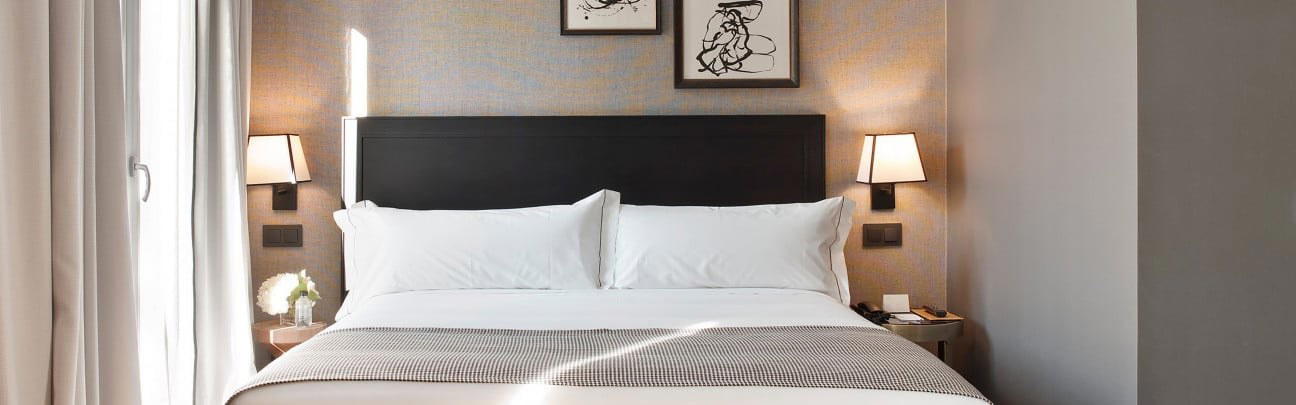
Refined yet cozy with bright and elegant decor, pleasant atmosphere, and impressive glass-fronted wine cellar.