Our verdict
Ciéutat occupies a quiet address on Rue des Combattants in La Ciotat, a port town on the Provençal coast better known for pétanque and shipyard history than fine dining. The restaurant sits within a local dining scene that has quietly developed a range of serious tables, from Mediterranean-focused tasting menus to Provençal bistro cooking, making it a representative stop for anyone tracing the culinary character of this stretch of coast.

Pearl is the En Primeur Club membership app, where members save venues, book tables and use the concierge.

La Ciotat and the Provençal Coastal Table
The Provençal coast between Marseille and Toulon has never competed for attention the way the Côte d'Azur does. Towns like La Ciotat built their identities around industry, fishing, and the kind of unceremonious outdoor life that places pétanque courts ahead of restaurant terraces in the civic hierarchy. That context matters for understanding what a serious table here means. It does not mean the formal codes of, say, Mirazur in Menton or the institutional weight of Alléno Paris au Pavillon Ledoyen. It means cooking that reads its local geography accurately: olive oil over butter, herbs that grow twenty minutes inland, fish landed that morning, and a restraint in presentation that reflects Mediterranean habit rather than Parisian aspiration.
Ciéutat sits at 18 Rue des Combattants in La Ciotat, an address that places it within the town's older residential grid rather than along the waterfront strip where most visitors orient themselves. That positioning, away from the harbour promenade, is itself a signal about the kind of restaurant this is: one that draws on local regulars and purposeful visitors rather than passing foot traffic.
The Scene on Rue des Combattants
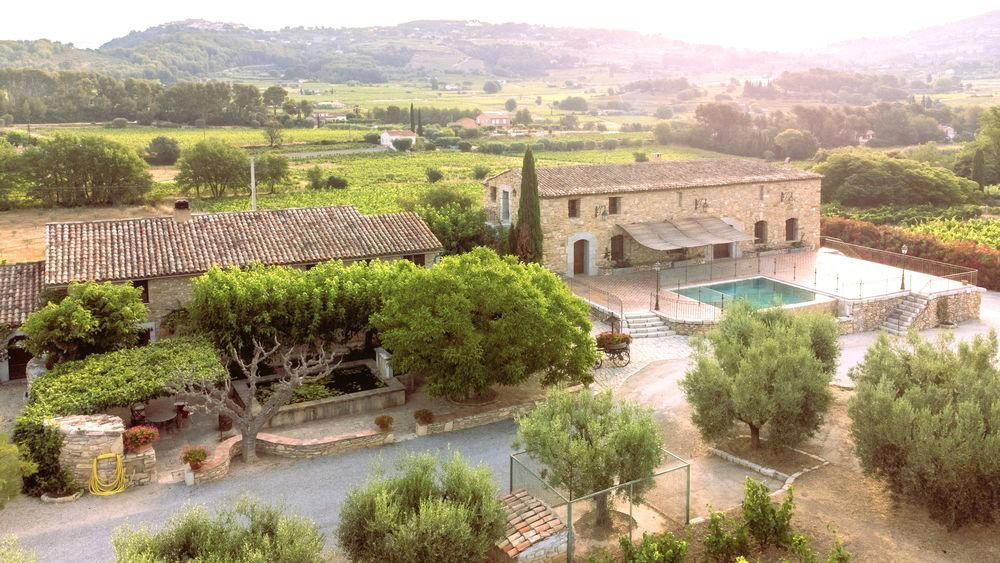
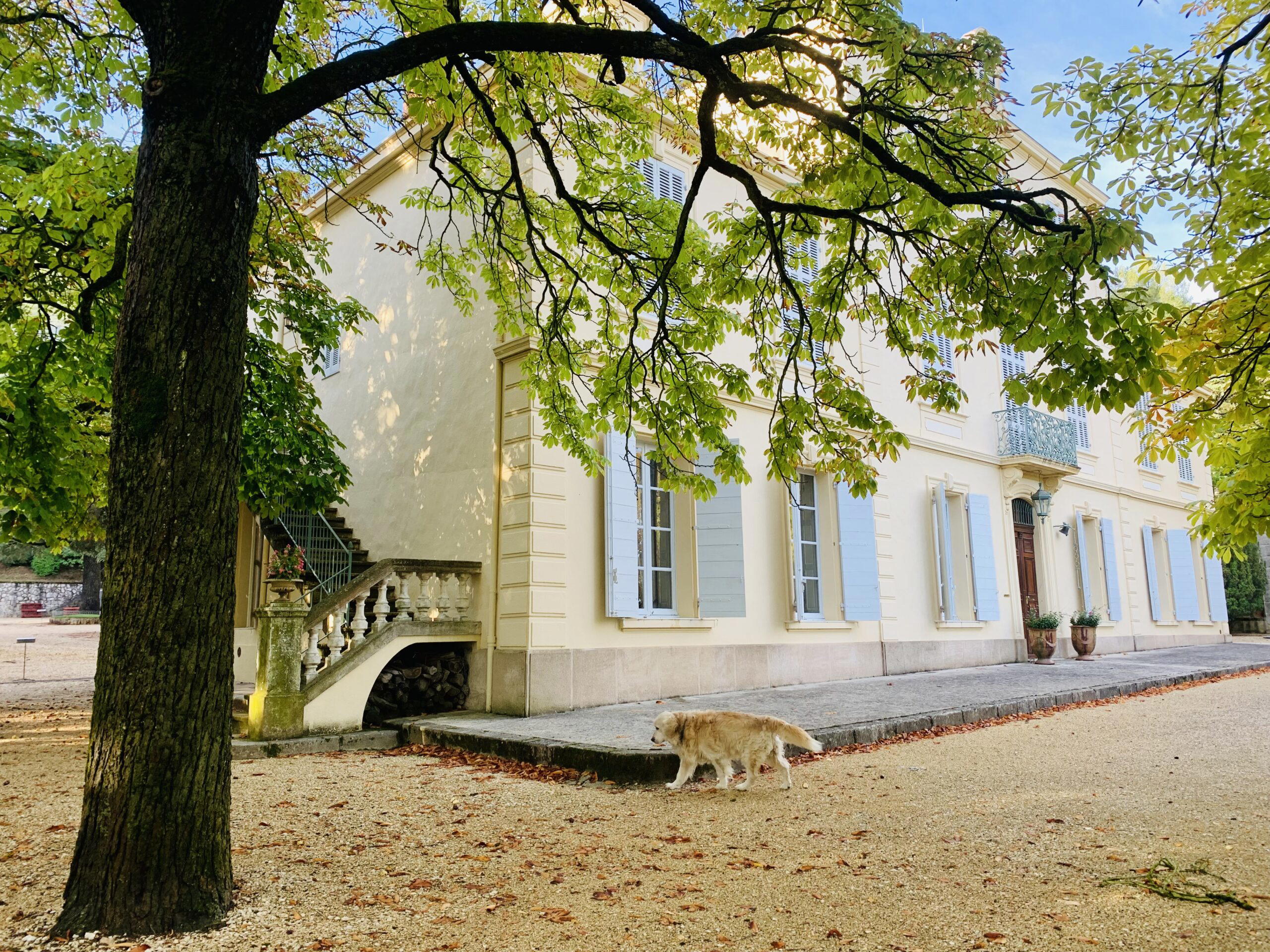
Rue des Combattants is a quiet street by any measure. The approach is residential in character, the kind of block where you check the address twice before committing. This is not unusual for the better tables along this coast: the gap between street presence and interior seriousness has long been a defining feature of Provençal dining, where the cooking tradition does not require a theatrical façade to assert itself. Houses and their courtyard gardens do the architecture. The food, the wine, and the rhythm of service do the rest.
The broader La Ciotat dining scene has developed along recognisable lines in recent years. At one end, fusion formats like Couleurs de Shimatani operate at the €€€€ tier, testing how far Japanese-influenced techniques travel to a Provençal context. At the other end, neighbourhood-priced Provençal cooking at places like Roche Belle holds to the €€ register, where simplicity is the method and local sourcing is the credential. Between those poles, Mediterranean tasting formats at La Table de Nans occupy the €€€€ bracket. Ciéutat enters a scene with defined competition and a readership that knows what it wants from this coast.
Provençal Cooking as Cultural Argument
To understand any serious table in this part of France, it helps to understand what the Provençal culinary tradition is actually arguing. It is not the haute cuisine lineage of Lyon, where institutions like Paul Bocuse's Auberge du Pont de Collonges or Georges Blanc in Vonnas built empires around classical French technique. It is not the mountain-influenced terroir cooking of Flocons de Sel in Megève or the rural auberge tradition of places like Auberge de l'Ill in Illhaeusern.
Provençal cooking, at its most articulate, is a Mediterranean argument: that flavour comes from quality of ingredient and clarity of preparation rather than from technique as performance. The herb-scented braises, the aioli, the fish grilled over vine cuttings, the tomatoes that carry actual sugar because they ripened in actual sun, these are not rustic simplifications of a more sophisticated cuisine. They are a competing set of values. When a restaurant along this coast operates with seriousness, it is typically in service of that argument, not in spite of it.
This tradition connects, at a different scale, to the ethos behind places like Bras in Laguiole, where the surrounding land drives the menu, or Auberge du Vieux Puits in Fontjoncouse, where a remote address does not dilute the ambition. On the coast east of Marseille, proximity to the sea and the garrigue behind it defines what the kitchen can credibly do.
La Ciotat as a Dining Destination
For visitors arriving from outside the region, La Ciotat sits roughly equidistant between Marseille and Cassis, accessible by road in under thirty minutes from either direction. The town's waterfront, the old shipyard cranes still visible from the port, and the calanques accessible by boat or on foot give it a texture that larger resort towns have lost. Chez Tania at Calanque de Figuerolles represents the most geographically embedded version of this character, a table reached by a path through limestone terrain. Ciéutat, operating from a town-centre address, functions differently: as a destination within the town rather than a destination defined by its landscape.
Visitors who have eaten at coastal formats of comparable seriousness Le Bernardin in New York for its treatment of seafood as primary material, or La Table du Castellet further east along this coast, will find La Ciotat's dining scene operating in a register that rewards specific expectation: less institutional, more embedded in local supply rhythms, and more dependent on repeat engagement with a particular place and season. See our full La Ciotat restaurants guide for a broader map of the town's dining options.
Planning a Visit
Ciéutat's address at 18 Rue des Combattants, 13600 La Ciotat is the primary booking reference available. This is consistent with how most serious smaller tables in Provence operate: they reward guests who build their trip around the region rather than around a single booking confirmation. For comparison research and booking context across similar formats, the Lazy Bear model in San Francisco, a dining format that requires advance planning and regional commitment, offers a useful reference point for the kind of intentionality these visits call for. Similarly, the rural commitment required to visit Les Prés d'Eugénie in Eugénie-les-Bains or Troisgros Le Bois sans Feuilles in Ouches illustrates how France's most considered tables have always sat slightly outside easy convenience.
Frequently asked questions
How do I find Ciéutat?
Ciéutat is located at 18 Rue des Combattants, 13600 La Ciotat, France, La Ciotat.
Where exactly is Ciéutat and how do you get there from Marseille or Cassis?
Ciéutat is at 18 Rue des Combattants, 13600 La Ciotat, a residential street in the town itself, not on the waterfront. La Ciotat sits roughly equidistant between Marseille and Cassis by road, accessible in under thirty minutes from either direction, making it a practical stop on a coastal itinerary through Provence.
What's the signature dish at Ciéutat?
No specific dishes are documented in the public record for Ciéutat. Given La Ciotat's position on the Provençal coast between Marseille and Cassis, kitchens in this corridor typically anchor their menus in local catch, olive oil, and seasonal market produce, but any dish specifics here would require confirmation direct with the venue at 18 Rue des Combattants.
Is Ciéutat reservation-only?
Rue des Combattants is a residential street where foot traffic is low, which suggests walk-ins may be unreliable. Contacting the venue directly before arrival is advisable, particularly for weekend visits or travel from outside the La Ciotat area.
What makes Ciéutat worth seeking out?
La Ciotat sits outside the main tourist circuit of the Côte d'Azur, which means the restaurants that hold ground here do so on local merit rather than passing trade. Ciéutat's address at 18 Rue des Combattants places it away from the harbour-front strips, the kind of location that rewards deliberate planning over casual discovery.
Cost Snapshot
Comparable venues nearby, for context on price, style, and recognition.
| Venue | Cuisine | Price | Awards | Notes |
|---|---|---|---|---|
| CiéutatThis venue (the venue you are viewing) | French Mediterranean Bistro | $30–50 | Not listed | Not listed |
| Chez Tania, Calanque de Figuerolles | Modern Mediterranean | $50–100 | Not listed | Calanque de Figuerolles, Modern Mediterranean |
| Roche Belle | Provençal Mediterranean | $30–50 | Michelin Bib Gourmand | Corniche du Liouquet, Provençal Mediterranean |
| Couleurs de Shimatani | Japanese-Mediterranean Fusion | $50–100 | 1 Michelin Star | historic centre, Japanese-Mediterranean Fusion |
| La Table de Nans | Mediterranean Fine Dining | $100–150 | 1 Michelin Star | Corniche du Liouquet, Mediterranean Fine Dining |
| Bienheureux | Modern French Creative | Not listed | Michelin Plate | Wasquehal, Modern French seasonal tasting menu |
Continue exploring
More in La Ciotat
Restaurants in La Ciotat
All restaurants in La Ciotat →
Bars in La Ciotat
Browse all →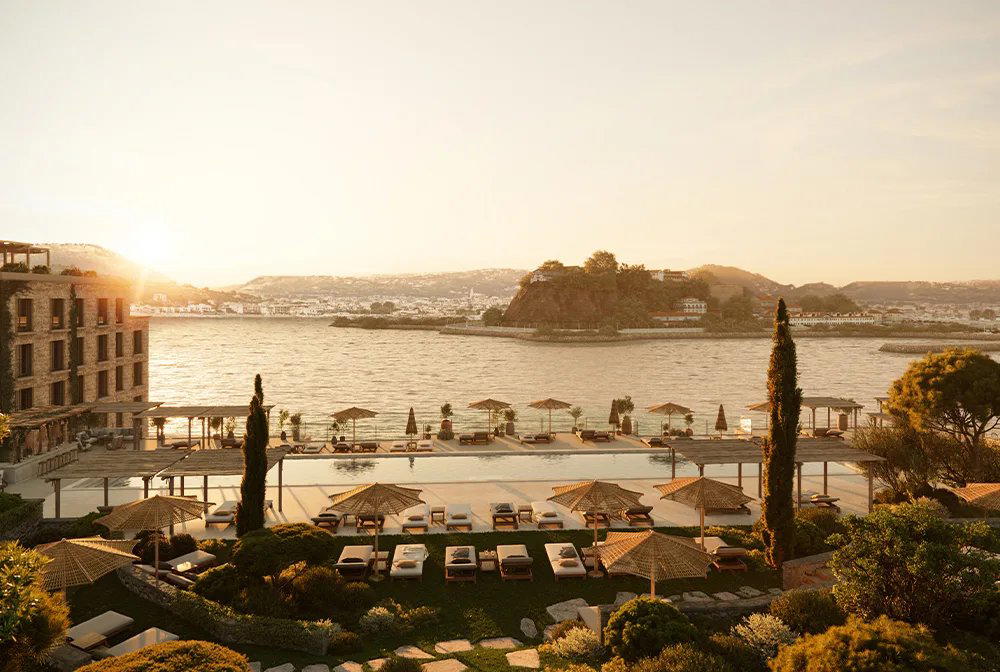

Details
- Lively
- Cozy
- Casual Hangout
- Date Night
- Terrace
- Waterfront
- Waterfront
- A La Carte
Current opening hours
- Monday
- 9 AM–10 PM
- Tuesday
- 9 AM–10 PM
- Wednesday
- 7–10 PM
- Thursday
- 9 AM–10 PM
- Friday
- 9 AM–10 PM
- Saturday
- 9 AM–10 PM
- Sunday
- 9 AM–10 PM
Hours can change for holidays and private events. Hours as of .
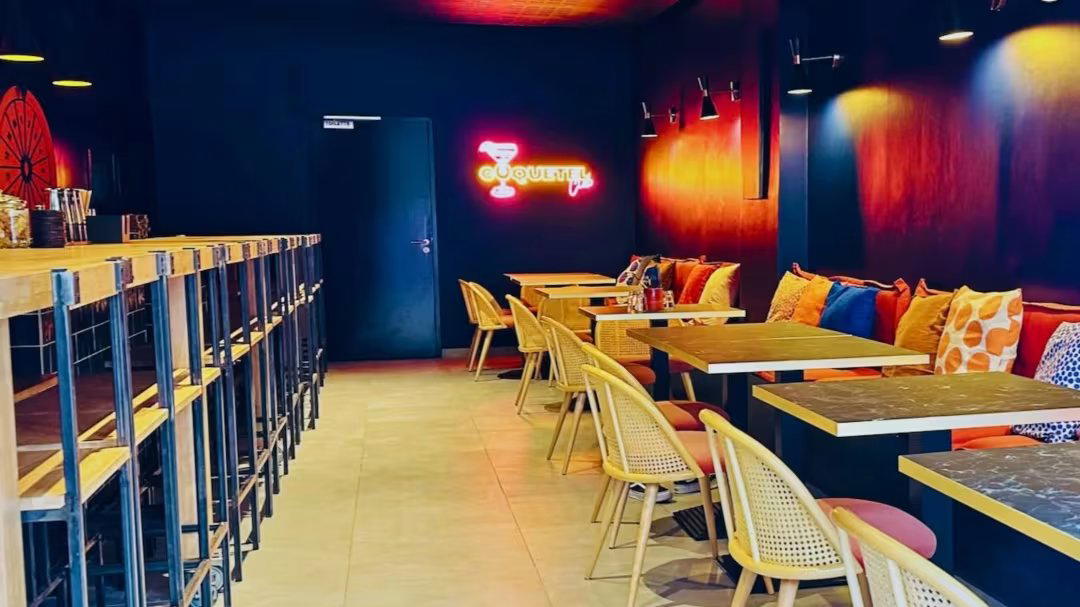
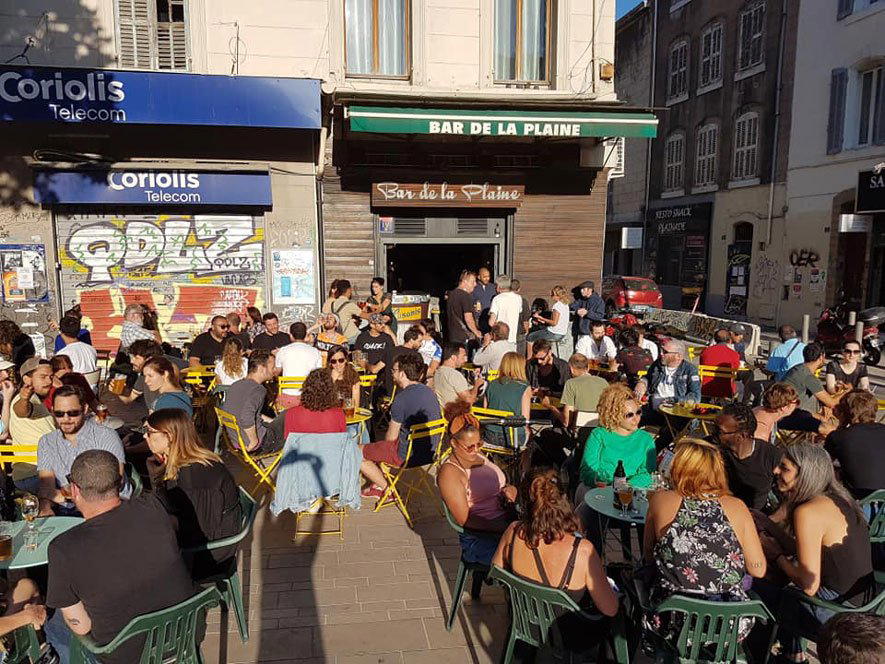
Convivial ambiance with terrace overlooking the old port, warm service, and relaxed seaside lighting.