Cino
On Queen Street in Kaka'ako, Cino occupies a position in Honolulu's evolving neighbourhood dining scene that sits apart from the resort corridor. The address places it alongside a growing cluster of chef-driven independents reshaping how locals and visitors eat in the city's most design-conscious district. Expect the kind of focused operation where menu architecture tells you more than any press release would.
Pearl is the En Primeur Club membership app — saves, bookings, and concierge access live there. Same editors, same standards.
- Address
- 987 Queen St suite 100, Honolulu, HI 96814
- Phone
- +18088883008
- Website
- cinohawaii.com
- Directions
- Get directions
 Saves & bookings on Pearl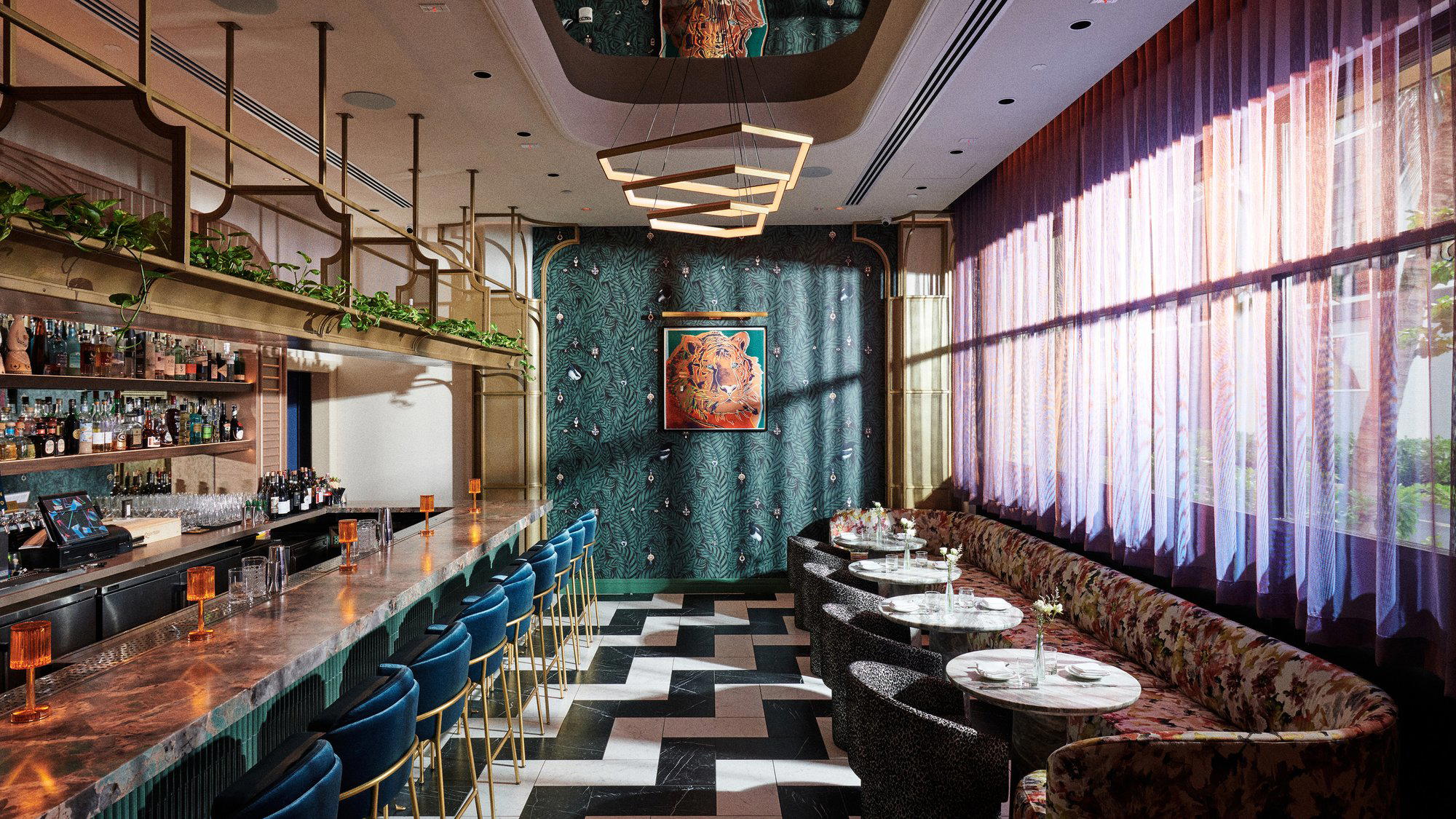
Queen Street, Kaka'ako, and the New Shape of Honolulu Dining
Honolulu's serious restaurant conversation has been migrating away from the resort strip for some time. Waikiki still commands visitor volume, but the rooms that generate the most discussion among locals tend to cluster in Kaka'ako, the former industrial district whose rapid redevelopment has created both the density and the demographic that independent, chef-driven restaurants require. Cino sits on Queen Street at the edge of that zone, at 987 Queen St, Suite 100 — an address that signals neighbourhood intent rather than tourist-facing positioning.
That geographic choice matters because it shapes everything downstream: who reserves, what price expectations look like, how the kitchen has permission to cook. Restaurants that open in Kaka'ako are not hedging toward the convention crowd. They are making a bet on a Honolulu that is increasingly interested in eating well on its own terms, without the ambient obligations of resort hospitality.
How the Menu Reads: Architecture as Argument
The most telling thing about any serious restaurant is not a single dish but the logic that connects dishes across the card. Menu architecture — how a kitchen sequences proteins, how it signals its sourcing priorities, how it moves between registers of richness and restraint, reveals what a restaurant believes about dining. For a newer operation like Cino in a market still defining its fine-dining vernacular, that architecture functions as a positioning statement.
Honolulu's independent dining tier has developed a characteristic tension in recent years: the islands sit at the intersection of Japanese technique, Pacific ingredient access, and the American casual format that dominated for decades. Restaurants that have found the clearest identity tend to resolve that tension structurally, through menus that commit to a logic rather than sampling from each tradition in equal measure. The more accomplished rooms, including Fête (New American), which has held its position as a reference point for contemporary Honolulu cooking, make architectural decisions that are legible from the first read of the card.
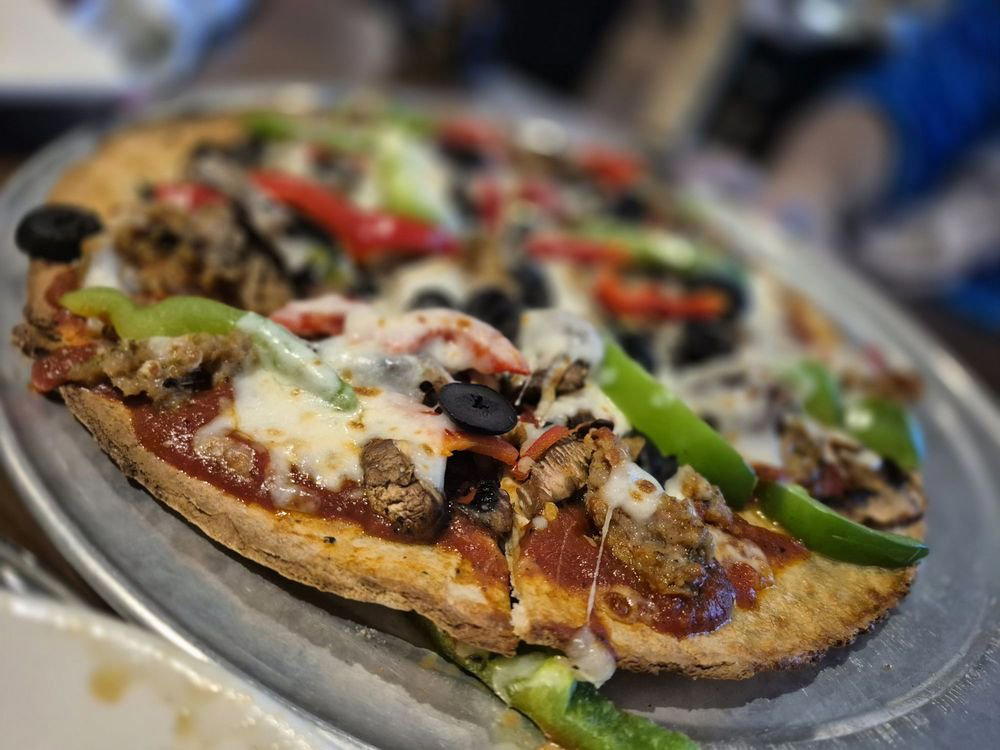
Cino's menu specifics are not yet documented in the public record in a way that allows for dish-level reporting here. What the address and format suggest is a kitchen operating in a register that distinguishes it from the high-volume, hotel-anchored restaurants that still dominate Honolulu's revenue rankings. At the neighbourhood scale Cino occupies, menus tend to be shorter, more seasonal, and structured around a point of view rather than broad appeal. That compression is itself an editorial signal.
Placing Cino in the Honolulu Independent Tier
To understand where Cino fits, it helps to map the competitive set more precisely. Honolulu's independent restaurant tier spans a wide range: from long-running institutions like 3660 On the Rise, which has anchored Kaimuki for decades, to newer format-specific rooms. Waterfront-positioned restaurants like 53 By The Sea operate in a different register altogether, where the view does significant work alongside the kitchen. Experience-anchored formats like Ahaaina Luau address a different question entirely.
The Queen Street address puts Cino in conversation with Kaka'ako's growing cluster of culinary independents rather than with any of the above. It is a different kind of argument: one about neighbourhood permanence, repeat clientele, and a kitchen that does not need a view or a cultural performance to hold attention. That is a harder case to make in Honolulu than in, say, a mainland city where dense urban neighbourhoods have decades of restaurant culture behind them, which makes the rooms that succeed at it more interesting to watch.
For national context, the restaurants that have managed to hold both critical attention and genuine neighbourhood loyalty, Smyth in Chicago, Lazy Bear in San Francisco, Providence in Los Angeles, tend to share a structural clarity that is as visible in the menu as it is in the dining room. They commit to a format and hold it. Single Thread Farm in Healdsburg and Blue Hill at Stone Barns in Tarrytown take that commitment further, building their entire menu architecture around sourcing geography. Cino's trajectory will likely be measured against whether it develops similar structural identity over time.
The Kaka'ako Context: Why This Block, Why Now
Kaka'ako's transformation from light industrial to mixed-use residential has compressed a decade of gentrification into a short window. The neighbourhood now has the residential density, the disposable income, and the design literacy that feed a particular kind of restaurant: one that rewards attention, that does not rely on spectacle, and that builds its clientele through quality of execution rather than marketing volume. Queen Street in particular has attracted a range of independent operators across food, retail, and hospitality that share that general orientation.
The timing matters because Honolulu's dining culture has historically lagged its West Coast peers in the development of a serious independent restaurant economy. Hotels controlled the premium end; fast-casual and plate-lunch formats owned the everyday. The space between them was thin. Kaka'ako's development has created, for the first time at scale, the physical and demographic conditions for that middle-to-upper independent tier to survive. Cino is one of the restaurants testing whether those conditions are durable.
For a broader picture of how the city's dining scene is currently organized, our full Honolulu restaurants guide maps the key neighbourhoods and formats. Other reference-level rooms elsewhere on the EP Club network, including Addison in San Diego, Le Bernardin in New York City, Atomix in New York City, The French Laundry in Napa, The Inn at Little Washington, Emeril's in New Orleans, and Atelier Moessmer Norbert Niederkofler in Brunico, offer useful calibration on what structural commitment looks like at the highest tier. Also worth noting in the Honolulu context: 855-ALOHA has been carving its own space in the city's evolving format spectrum.
Planning Your Visit
Cino is located at 987 Queen St, Suite 100 in Kaka'ako, accessible from central Honolulu and a short drive from both Waikiki and the downtown core. Suite addresses in this stretch of Queen Street typically indicate ground-floor units within mixed-use buildings rather than refined or hidden formats, so arrival is generally uncomplicated. Given the neighbourhood's parking patterns, arriving by rideshare during peak dinner hours tends to be the more practical choice. Current contact details, hours, and booking options are best confirmed directly, as operational specifics for newer independent rooms in this district can shift in the early months.
At a Glance
- Elegant
- Trendy
- Sophisticated
- Modern
- Date Night
- Special Occasion
- Open Kitchen
- Local Sourcing
- Street Scene
Current opening hours
- Monday
- 5–9 PM
- Tuesday
- 5–9 PM
- Wednesday
- 5–9 PM
- Thursday
- 5–9 PM
- Friday
- 5–10 PM
- Saturday
- 5–10 PM
- Sunday
- 5–9 PM
Hours can change for holidays and private events. Last verified .
Maximalist Art Deco interiors with saturated colors, plush florals, animal prints, and geometric shapes creating a complex, transportive visual feast.
Know Before You Go
- Getting there
- 987 Queen St suite 100, Honolulu, HI 96814