Brindle Room
On a quiet block of East 11th Street in the East Village, Brindle Room occupies a particular niche in New York's neighbourhood dining scene: the kind of place where the room feels lived-in and the cooking earns its reputation without theatrical framing. It sits apart from the city's high-format tasting-menu tier and closer to the tradition of serious casual American cooking that defined the borough's best neighbourhood restaurants of the early 2000s.
Pearl is the En Primeur Club membership app — saves, bookings, and concierge access live there. Same editors, same standards.
- Address
- 647 E 11th St, New York, NY 10009
- Phone
- +16465900274
- Website
- brindleroomny.com
- Directions
- Get directions
 Saves & bookings on Pearl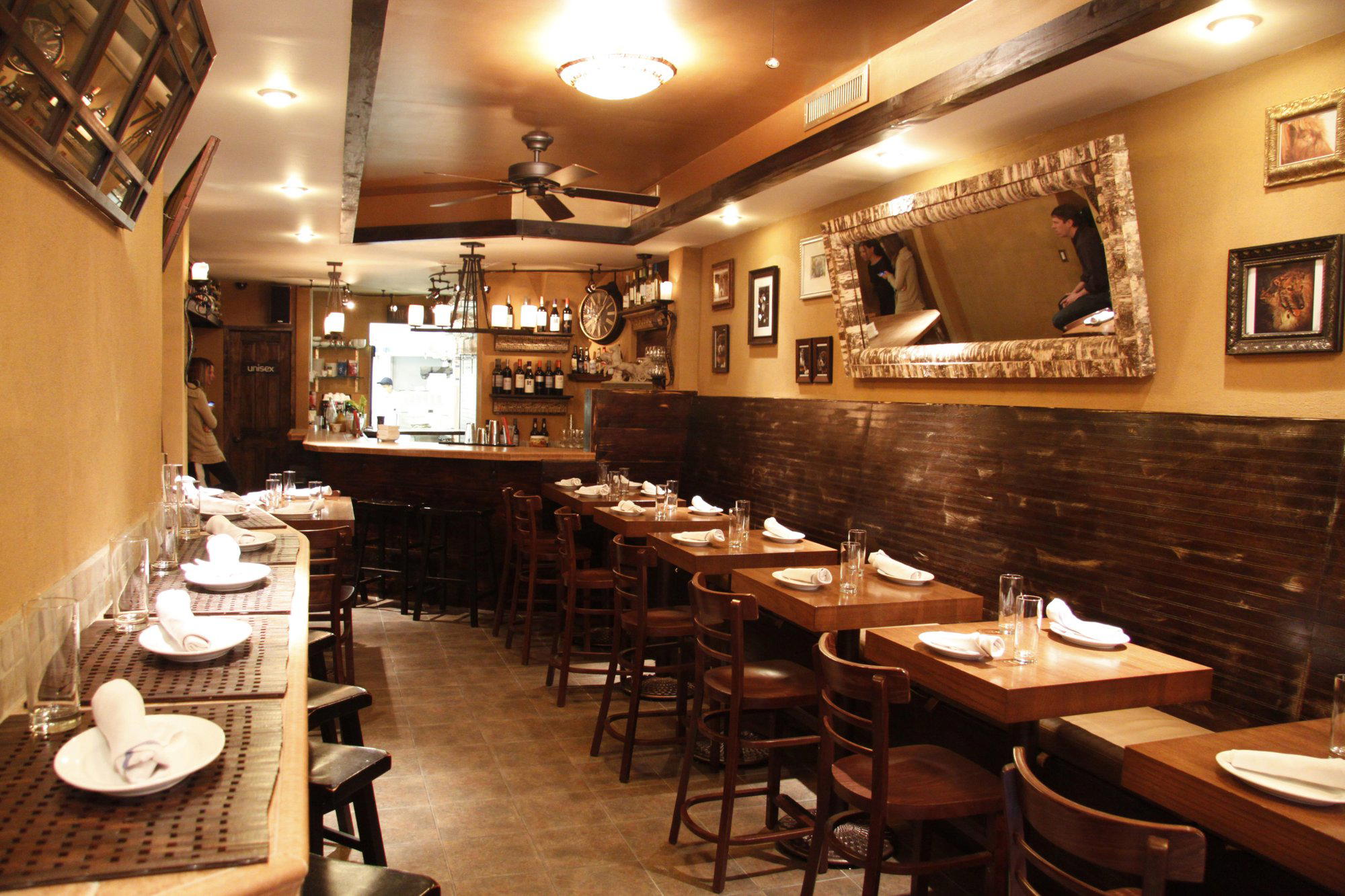
East Village, Unpacked: The Neighbourhood That Shaped Brindle Room
The East Village has been cycling through identities since at least the 1980s, when it was simultaneously a centre of punk culture and one of the few Manhattan neighbourhoods where a cook could open a small restaurant without the overhead that came with a more polished address. That economic reality shaped the block at 647 E 11th Street in ways that persist. The restaurants that took root here tended to be owner-operated, room-focused rather than concept-focused, and oriented toward a regular clientele rather than destination diners arriving by way of a reservation system. Brindle Room belongs to that tradition.
In the broader context of New York City dining, the East Village sits in an interesting middle position. It is not the formal dining corridor of Midtown, where Le Bernardin and Per Se anchor a different tier of ambition and spend. It is not the Flatiron district, where Eleven Madison Park and Atomix represent the high-investment tasting-menu format that now defines prestige dining nationally. The East Village operates at street level, with a room culture that prizes familiarity over ceremony.
What the Room Communicates
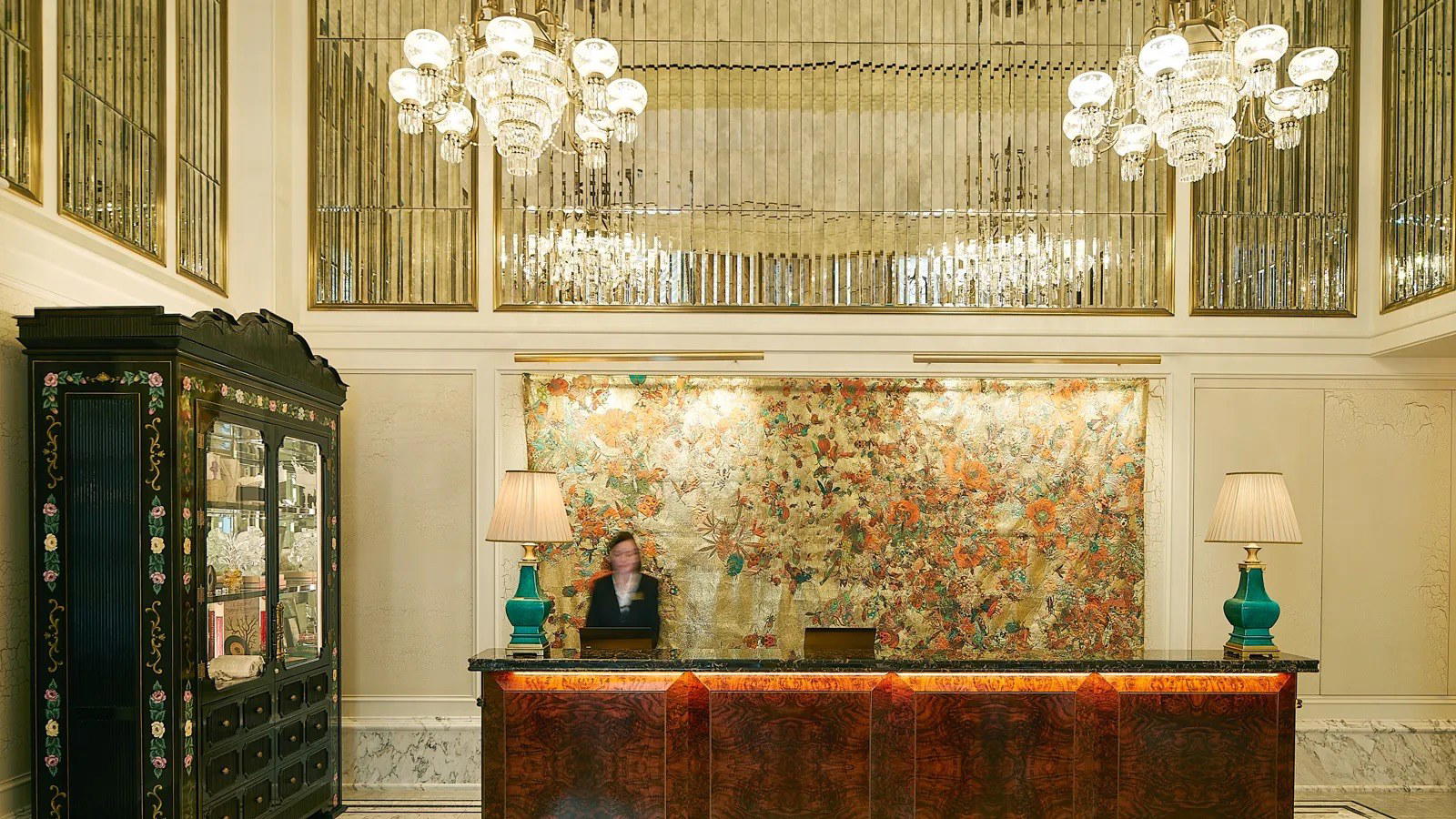
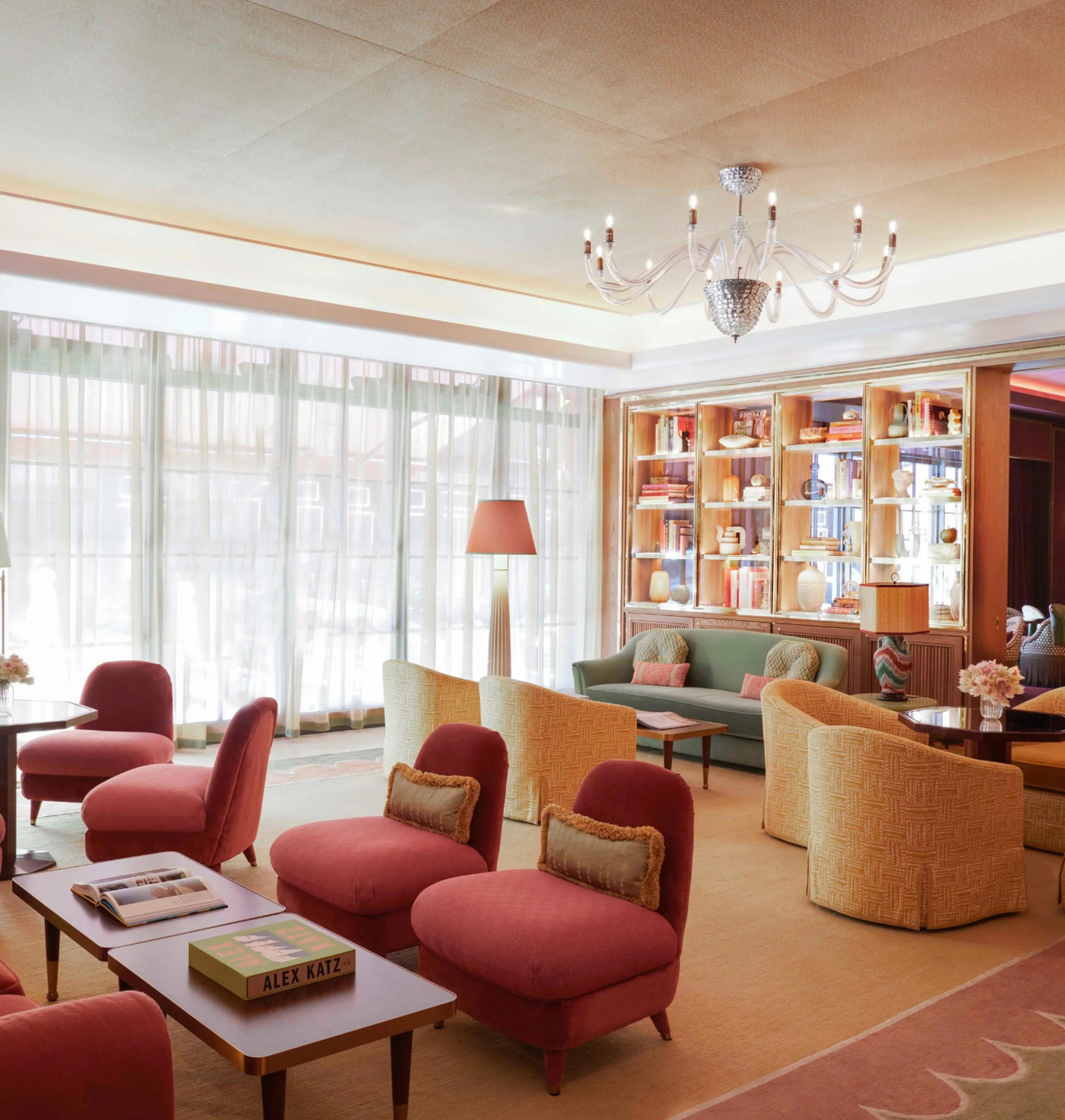
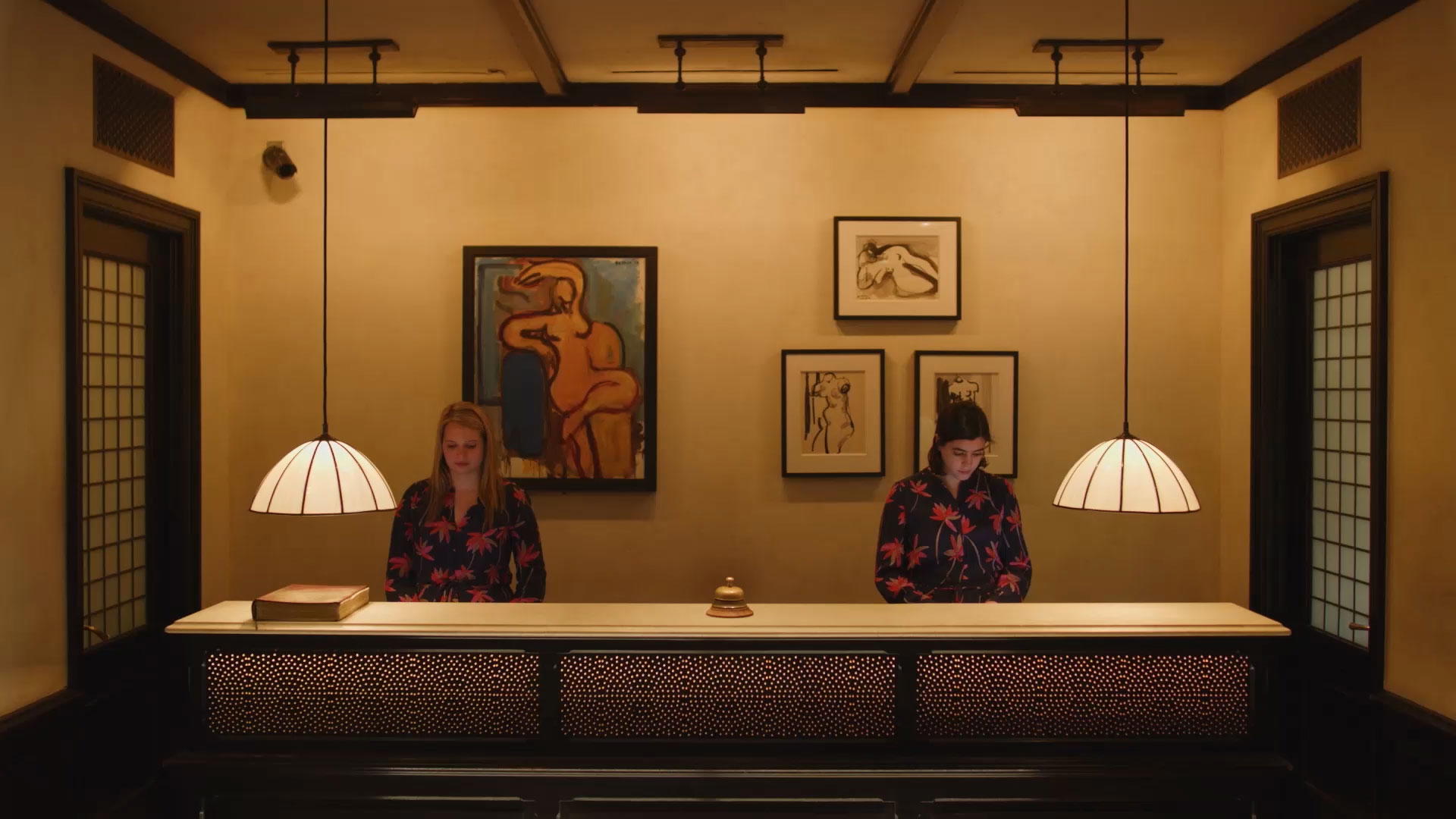
The sensory register of a neighbourhood American restaurant in this part of Manhattan follows a recognisable grammar. Low ceilings hold sound close. The smell of fat rendering in an open kitchen crosses the room before anything arrives on the table. Lighting that leans warm rather than cool signals the room's intent: this is a place to stay, not to perform. Brindle Room works within those conventions rather than against them.
The physical address, 647 E 11th Street, places the restaurant in a residential block where foot traffic is local rather than tourist-driven. The difference is audible. Conversations at neighbouring tables tend to be ongoing rather than inaugural; people know where the coat hooks are and don't need the menu explained. That quality of ease is difficult to engineer and impossible to fake. It accretes over years of consistent operation and genuine neighbourhood embeddedness.
Compare this sensory register to the formal dining tier. At Masa, silence is structural to the experience; the room is designed to isolate you inside the food. At the restaurant, sound is part of what the room offers. The two formats are not competing for the same diner on the same night.
The Casual American Cooking Tradition This Fits Into
American casual cooking in New York City has never been a single tradition. It forks between the diner heritage of short-order precision, the gastropub model imported from Britain in the 1990s, and the neighbourhood bistro model that draws more loosely from French brasserie formats while using American sourcing and portions. The restaurant sits in the last of these streams.
The neighbourhood bistro format, at its most coherent, is defined by a short menu that turns seasonally rather than annually, a wine list that is curated rather than comprehensive, and a room that functions equally well for a solo diner at the bar and a table of four celebrating something. It is a format that rewards repeat visits in a way that tasting-menu restaurants, almost by definition, do not.
Across the country, the restaurants that have sustained versions of this format share certain structural characteristics: owner presence in the room, restrained décor that ages without dating, and a kitchen that prioritises consistency over novelty. Smyth in Chicago operates in a different tier of ambition but shares the commitment to locality and restraint. Frasca Food & Wine in Boulder demonstrates how deep regional identity can anchor a room that doesn't need spectacle to hold attention.
Where Brindle Room Sits in New York's Competitive Set
New York's restaurant market stratifies sharply. The top tier, anchored by Michelin-starred destination restaurants, operates on a different economic logic than neighbourhood dining. The gap between that tier and the working neighbourhood restaurant is wide and structural: different price points, different booking windows, different reasons for going. The restaurant is not attempting to compete in the destination dining category. Its competitive set is the serious neighbourhood restaurant, a category that is easier to describe than to sustain in a city where rents and labour costs create persistent pressure on the lower end of the market.
For travellers who use New York's major destination restaurants as anchors, a place like Brindle Room represents a different use of an evening. Where Blue Hill at Stone Barns in Tarrytown asks for a full commitment of evening and attention, and where the format at Lazy Bear in San Francisco is built around a single long communal experience, the neighbourhood restaurant format offers something more flexible: you can arrive hungry or arrive having already eaten somewhere else; the room accommodates rather than choreographs. Nationally, venues like Providence in Los Angeles, Addison in San Diego, and The Inn at Little Washington occupy the formal end of the American dining spectrum; the neighbourhood bistro model is their structural opposite.
Planning Your Visit
In Context: Similar Options
Comparable venues nearby, for context on price, style, and recognition.
| Venue | Cuisine | Price | Notes |
|---|---|---|---|
| Brindle RoomThis venue — the venue you are viewing | British-leaning Gastropub | $$$ | Not listed |
| The Corner Store | Playful Nostalgic American | $$$ | SoHo-Little Italy-Hudson Square |
| Au Cheval | American Comfort Food & Burgers | $$$ | Tribeca-Civic Center |
| Gair | Modern American Gastropub | $$$ | Downtown Brooklyn-DUMBO-Boerum Hill |
| Bill's Supper Club | Classic American Steakhouse | $$$ | Midtown-Times Square |
| Cibar | Cocktail Lounge with Light Bites | $$$ | Gramercy |
Recognition history
Dated appearances from independent guides and award organizations, with the underlying list record or original source where available.
Diners, Drive-Ins and Dives Featured Restaurant
Diners, Drive-Ins and Dives · 2026 Diners, Drive-Ins and Dives Featured Restaurants
Continue exploring
More in New York City
Restaurants in New York City
Browse all →
Bars in New York City
Browse all →
Hotels in New York City
Browse all →





At a Glance
- Cozy
- Intimate
- Casual Hangout
- Brunch
- Open Kitchen
- Craft Cocktails
Current opening hours
- Monday
- Closed
- Tuesday
- 11 AM–11 PM
- Wednesday
- 11 AM–11 PM
- Thursday
- 11 AM–11 PM
- Friday
- 11 AM–12 AM
- Saturday
- 11 AM–12 AM
- Sunday
- 11 AM–10 PM
Hours can change for holidays and private events. Last verified .
Cozy and intimate neighborhood spot with subdued, charming atmosphere.