
Tokyo ramen can be as disciplined as sushi, especially at small counter shops where timing, queue systems, and turnover define the meal as much as the bowl. Chuka Soba Tagano sits in Shinagawa’s Ebara Nakanobu area with Tabelog Ramen TOKYO 100 selection in 2025, an 11-seat counter format, and a price point that keeps it firmly in the everyday-luxury lane.
Pearl is the En Primeur Club membership app — saves, bookings, and concierge access live there. Same editors, same standards.
- Address
- 2 Chome-15-10 Nakanobu, Shinagawa City, Tokyo 142-0053, Japan
- Phone
- +81 3-3787-2100
- Website
- taganosoba.jimdofree.com
 Saves & bookings on Pearl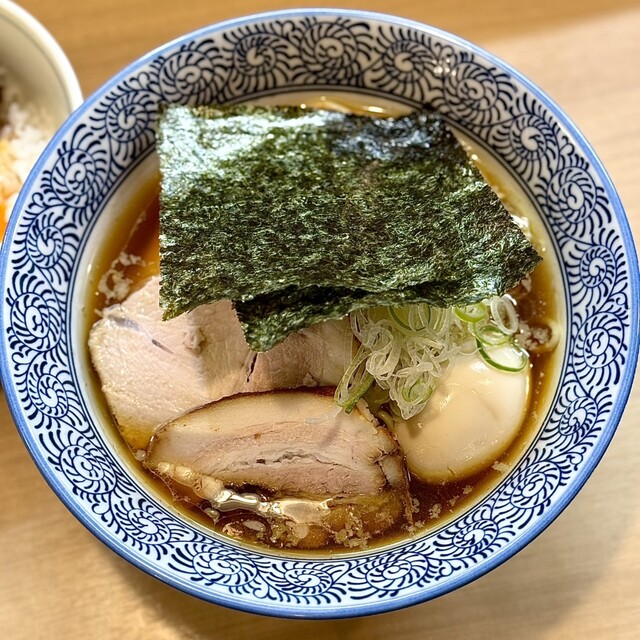
Approaching a serious Tokyo ramen counter is about sequence more than theatre: station exit, storefront, ticket machine, numbered order, and the quiet choreography of waiting for a seat. The room explains itself fast. Counter seating narrows the exchange between kitchen and diner; the pace belongs to lunch, not evening ceremony. In a city where ramen runs from commuter fuel to obsessive craft, Chuka Soba Tagano sits in the latter category without abandoning the democratic price logic that made the genre powerful.
That tension is the point. Tokyo ramen has never needed white tablecloths to signal ambition. Its serious shops use other markers: limited seats, compressed service windows, genre focus, repeat recognition, and customers willing to work around process. The meal becomes a planning exercise, not through deposits or tasting-menu releases, but through the Tokyo ramen fact that a small counter can absorb only so many diners before the day’s rhythm closes.
Tokyo ramen's low-price, high-commitment category
The city’s premium dining conversation often starts with omakase sushi or kaiseki, but ramen creates a different value equation. A counter can charge under JPY 999 and still demand more coordination than restaurants several times the price. Chuka Soba Tagano’s selection for Tabelog Ramen TOKYO 100 in 2025 places it in a crowded, data-sensitive field where consistency matters more than décor. Its Tabelog score of 3.87 is another signal: in Japan’s review culture, that is serious territory for a casual, single-category shop.
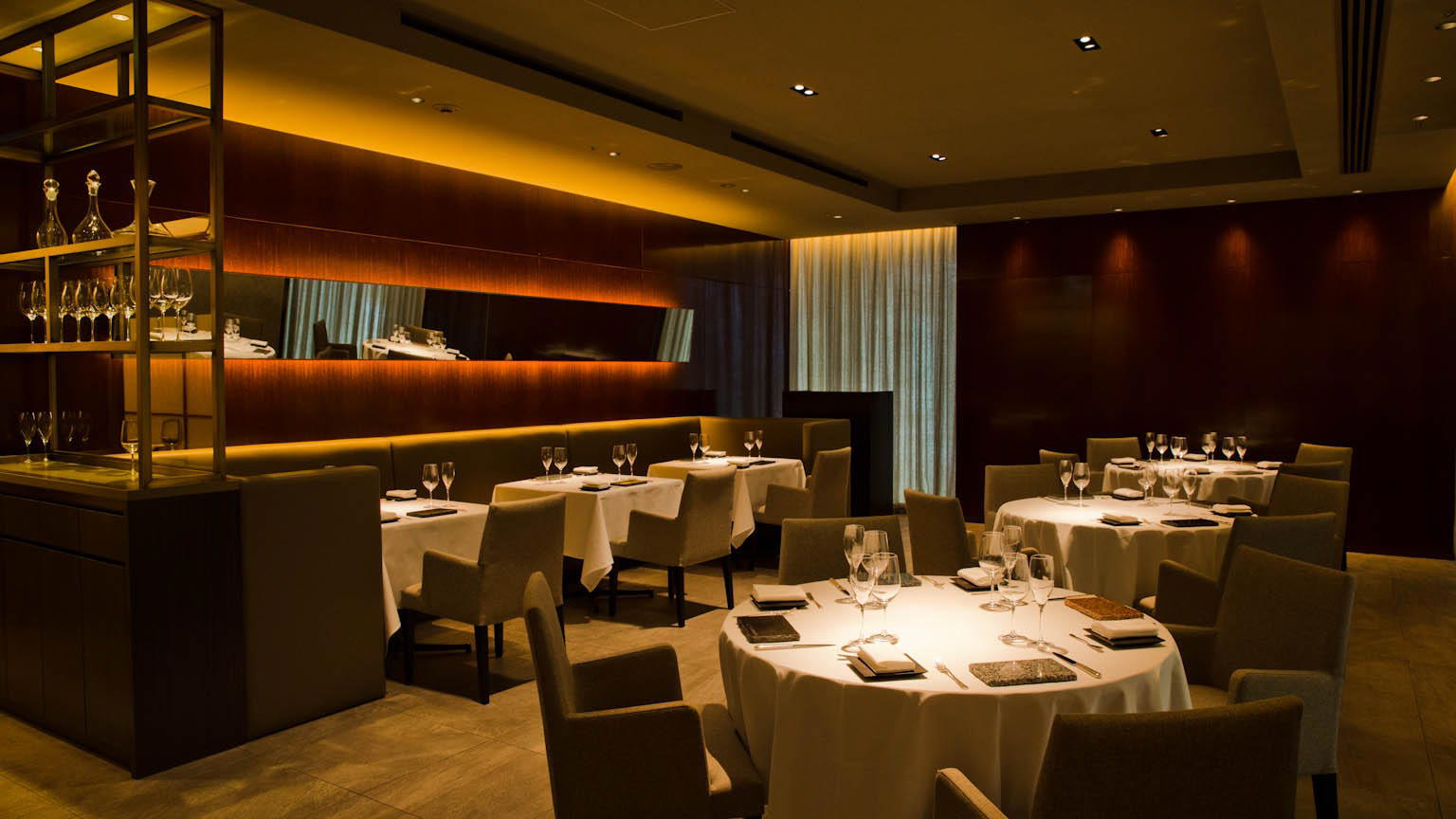
The format clarifies the audience. Ramen and tsukemen are not broad menu categories here; they are the frame. Tokyo diners who chase ramen know the difference between a shop built for variety and one built for repetition. The latter depends on speed, seat discipline, and a narrow range of decisions. Eleven counter seats create an atmosphere closer to a production line than a lounge, but that is how this tier of ramen protects focus.
Compared with nearby Tokyo casual specialists such as Mochibuta Tonkatsu Taiyo for tonkatsu or Toriki for yakitori, the appeal is not just price. It is category purity. Tonkatsu, yakitori, curry, and ramen all have Tokyo addresses where the meal is short, specific, and more technically demanding than the room suggests. For a wider map of these formats across the city, Our full Tokyo restaurants guide is stronger than a generic neighbourhood search.
The counter format makes timing part of the meal
Tokyo ramen queues have become more systematised over the past decade. The old image of an unmoving line outside a shop now competes with numbered tickets, call notifications, and hybrid waiting systems that let diners step away until their turn approaches. At Chuka Soba Tagano, that structure matters because the venue operates at a scale where every empty stool changes service pace. The meal may be inexpensive, but access asks for attention.
This is where visitors often misread ramen in Tokyo. Low price does not mean low friction. Lunch-only service, counter seating, and sold-out risk create a tighter window than many formal restaurants. The reward is cultural as much as culinary: a short meal showing how Tokyo compresses craft into routine. There is little room for lingering, and that brevity is part of the grammar. The counter is designed for concentration, not long conversation.
The Shinagawa setting adds distinction. Ebara Nakanobu is not Ginza, Shibuya, or Shinjuku, which changes expectations. The surrounding area is residential and practical, closer to daily Tokyo than visitor Tokyo. That context suits ramen. Serious bowls often live away from hotel corridors, and the trip to a smaller station can separate eating ramen as a checklist item from understanding it as a neighbourhood habit with citywide pull.
For travellers building a broader Tokyo itinerary, the contrast is instructive. A day might pair a tightly run ramen counter with a more leisurely table elsewhere, or with a bar later. The relevant planning links are not decorative: Our full Tokyo bars guide, Our full Tokyo hotels guide, Our full Tokyo experiences guide, and Our full Tokyo wineries guide help separate food stops from the day’s wider structure.
How it fits into a serious Tokyo eating day
The restaurant is strongest as a planned lunch anchor, not a casual fallback. Its recognition, counter-only scale, and focused ramen-tsukemen identity place it with other single-discipline Tokyo meals: go for the form, not menu sprawl. That is why it works better for repeat visitors than first-timers racing between landmarks. The meal asks for a small detour and returns a sharper reading of how Tokyo eats beyond the hotel-dining circuit.
Those building a comparison route can use other Tokyo listings to read the city’s range. 3 Chome no Curry Ya San shows curry in its own casual-specialist lane, while 124. KAGURAZAKA (Yakitori) and 12/10 Shinjuku point toward different night-time rhythms. 鮪と炭火焼き うお炭 秋葉原店 and 2D Cafe widen the map again, from seafood-led casual dining to visual-concept café culture.
Outside Tokyo, the same category-first discipline travels well. -Grilled beef Sukiyaki- KAMAKURA TANUKIAN 鎌倉 たぬき庵 in Kamakura.cafe in Osaka.know in Kumamoto, (Shoku) Vietnam in Kawasaki, [Curry Senmon Ten] Maruyama Kyoju. in Sapporo, and [ki:] in Kyoto show how Japan’s strongest casual meals often come from narrow formats rather than large menus. Across the Pacific, Jōdo Saké Bar in Los Angeles and Onigiri Time in Pasadena show how Japanese food culture changes inside American dining patterns.
The editorial verdict is simple: this is a ramen stop for travellers who respect process. The draw is not conventional luxury, but the compression of award-recognised craft, small-counter discipline, and low-ticket pricing into one short meal. In Tokyo, that combination often says more about the city than a far more expensive dinner.
The Short List
Comparable options at the same price tier.
| Venue | Cuisine | Price | Notes |
|---|---|---|---|
| Chuka Soba TaganoThis venue — the venue you are viewing | Shinagawa, Traditional Japanese Ramen | $ | Not listed |
| Kitchen Nankai (キッチン南海) | Jimbocho, Classic Yoshoku Katsu Curry | $ | Not listed |
| TOUJOURS DEBUTER | Not listed | $ | Shinagawa, Traditional Japanese kissaten cafe |
| Hot Spoon Gotanda ten | Not listed | $ | Shinagawa, Japanese beef tendon curry house |
| Niboshi Tsukemen Miyamoto | Ōta, Niboshi-focused Tsukemen & Ramen | $ | Not listed |
| HIIKI | Not listed | $ | Ōta, Ramen shop specializing in shoyu tonkotsu |
Recognition history
Dated appearances from independent guides and award organizations, with the underlying list record or original source where available.
Tabelog 100 #13 · No. 13
Tabelog · Tabelog 100 - Ramen - TOKYO - 2025













At a Glance
- Classic
- Cozy
- Solo
- Casual Hangout
- Group Dining
- Standalone
Current opening hours
- Monday
- 11:30 AM–2:30 PM
- Tuesday
- 11:30 AM–2:30 PM
- Wednesday
- Closed
- Thursday
- 11:30 AM–2:30 PM
- Friday
- 11:30 AM–2:30 PM
- Saturday
- 11:30 AM–2:30 PM
- Sunday
- 11:30 AM–2:30 PM
Hours can change for holidays and private events. Last verified .
A compact, old-school lunch-only ramen counter with a no-frills, focused atmosphere and likely steady midday lines.