
Chuka Ginza Tei belongs to Tokyo’s unfussy counter-dining tradition: Chinese, dumpling, and ramen cooking in Higashi Ginza, recognized on Tabelog’s Chinese TOKYO “Tabelog 100” list for 2026 and 2024. Its appeal is not ceremony but compression: a small counter, low-friction pricing, and a kitchen style that fits Ginza’s working appetite as much as its after-dark one.
Pearl is the En Primeur Club membership app — saves, bookings, and concierge access live there. Same editors, same standards.
- Address
- 7 Chome-11-10 Ginza, Chuo City, Tokyo 104-0061, Japan
- Phone
- +81 3-3571-6450
- Website
- tabelog.com
 Saves & bookings on Pearl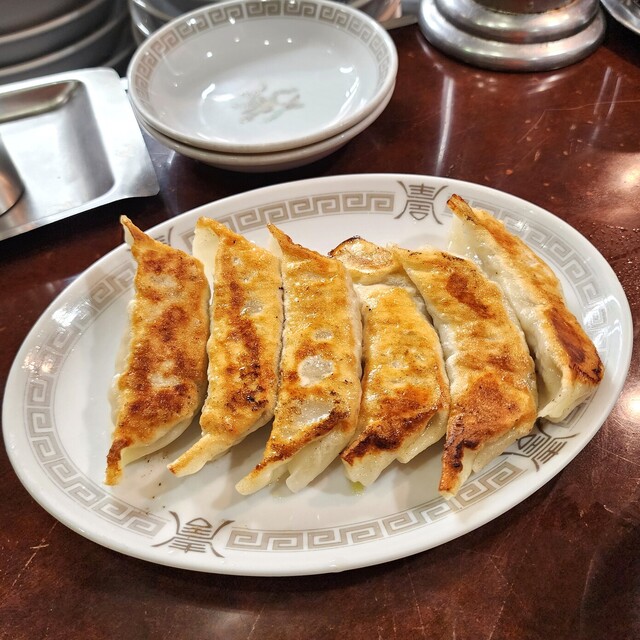
Higashi Ginza changes character block by block: theatre traffic, office workers, late meals after service, and the polished gravity of Ginza proper all pressing into the same narrow streets. In that setting, Chinese counter cooking occupies a useful role. It is quicker than kaiseki, less formal than sushi, and often more revealing about how Tokyo actually eats on a weekday. Chuka Ginza Tei sits in that register, with Chinese, dumpling, and ramen categories rather than the grand banquet vocabulary many visitors associate with Chinese dining in Japan.
Tokyo’s Chinese cooking is not a single lane. There is hotel Cantonese, Sichuan heat, gyoza shops, ramen-adjacent counters, and old-school chuka-ryori, the Japan-shaped Chinese cooking that became part of urban daily life. The important distinction here is scale. A 16-seat counter changes the rhythm of a Chinese meal: dishes move fast, decisions stay practical, and the kitchen’s handling of basic components matters more than theatrical plating. For travelers used to Ginza as a district of high-ticket sushi and luxury retail, this is a sharper lesson in the neighborhood’s working infrastructure.
Chinese counter cooking in a Ginza price tier that still feels civic
Ginza can make value feel improbable. Nearby fine-dining rooms price around ceremony, lineage, and allocation; comparison venues such as 12/10 Shinjuku ten, 124. KAGURAZAKA (Yakitori), and Ginza counters such as Sushi Kanesaka or Ginza Inaba belong to a different decision category. Chuka Ginza Tei is useful because it reminds the reader that the city’s dining intelligence is not confined to tasting menus. Tabelog selected it for the Chinese TOKYO “Tabelog 100” in 2026 and 2024, a signal that local attention has formed around a compact, everyday format rather than a chef-led luxury narrative.
The ingredient story has to be read through category rather than named producers. Chinese, dumpling, and ramen cooking in Tokyo depends on repetition: dough handling, stock discipline, wok timing, seasoning balance, and the ability to make inexpensive components feel intentional. That is why small chuka counters can earn serious loyalty. They are judged less by rarity than by execution under pressure. In a city where diners will queue for a bowl, a plate of dumplings, or a quick late meal, the sourcing question becomes practical: are familiar staples treated with enough care to compete in a dense field?
That is also where Chuka Ginza Tei’s recognition matters. Tabelog’s Hyakumeiten lists are not Michelin-style fine-dining verdicts; they are more democratic signals of category strength, especially useful in genres where price and atmosphere do not map neatly onto quality. For visitors building a Tokyo dining week, that distinction is useful. A meal here plays a different role from a sushi counter in Ginza or a crab-focused room such as Ginza Kani Matsu. It fills the slot that many itineraries miss: a serious low-key meal in a district too often reduced to expense-account dining.
Why the room's limits are part of the point
Counter-only dining creates a direct relationship between the kitchen and the room. It also removes the buffer that larger restaurants use to soften uneven pacing. In Chinese cooking, that format rewards short-cycle dishes: dumplings, noodles, rice plates, stir-fried preparations, and the kind of cooking that depends on heat and timing rather than prolonged explanation. The 16-seat structure places Chuka Ginza Tei closer to Tokyo’s compact ramen and gyoza culture than to banquet Chinese, even though it belongs to the broader Chinese category.
This is where Ginza’s geography matters. Higashi Ginza is not only the eastern edge of a luxury district; it is also a working pocket with access to theatre, offices, and late transport patterns. A counter like this carries several audiences at once: solo diners, pairs, office groups moving quickly, and visitors who understand that small-format Japanese dining is often at its strongest when it looks almost too plain. The absence of a large dining room is not a deficiency. It is the operating logic.
Tokyo’s dining culture often asks travelers to choose between prestige and usefulness. The smarter itinerary includes both. For a broader map of the city’s tables, Our full Tokyo restaurants guide gives the wider frame; adjacent planning may also include Our full Tokyo hotels guide, Our full Tokyo bars guide, Our full Tokyo wineries guide, and Our full Tokyo experiences guide. The point is not to replace a reservation-led meal, but to understand why Tokyo’s casual counters often carry as much cultural information as the formal rooms.
How to place it within a Tokyo eating day
Chuka Ginza Tei works as a corrective to overplanned dining. Tokyo rewards precision, but it also rewards appetite-led decisions within a neighborhood. In the same city, a traveler might compare casual specificity across. 鮪と炭火焼き うお炭 秋葉原店, 2D Cafe, and 3 Chome no Curry Ya San: each says something different about how narrow-format restaurants survive in a city with severe diner expectations. The common thread is clarity. A venue does not need a long menu or a high-spend room to define its place.
That principle extends beyond Tokyo. Japan’s restaurant culture is full of small formats with specific local logic, from -Grilled beef Sukiyaki- KAMAKURA TANUKIAN 鎌倉 たぬき庵 in Kamakura to.cafe in Osaka,.know in Kumamoto, (Shoku) Vietnam in Kawasaki, [Curry Senmon Ten] Maruyama Kyoju. in Sapporo, and [ki:] in Kyoto. Even outside Japan, venues such as Jōdo Saké Bar in Los Angeles and Onigiri Time in Pasadena show how Japanese dining formats travel by focusing on a tight category rather than a sprawling concept.
The editorial case for Chuka Ginza Tei is therefore specific, not inflated. It is a recognized Chinese counter in Higashi Ginza, useful for understanding how dumpling-and-ramen-adjacent chuka cooking fits into Tokyo’s daily dining economy. Seek it out when the point is not ceremony, but a compact meal with local validation in a district where casual food has to work harder than its surroundings suggest.
A Pricing-First Comparison
Comparable venues at a glance for context.
| Venue | Cuisine | Price | Awards | Notes |
|---|---|---|---|---|
| Chuka Ginza TeiThis venue — the venue you are viewing | $ | , | ||
| Rairai Ken | $ | , | Kōtō, Traditional Chinese gyoza & ramen shop | |
| Shinga | $ | , | Bunkyō, Classic neighborhood Chinese (Showa‑style) | |
| Nanxiang Steamed Bun Restaurant (南翔饅頭店) | Roppongi, Shanghai Xiaolongbao | $$ | , | |
| Anda Gyoza Yoyogi uehara ten | Shibuya, Chinese Gyoza | $$ | , | |
| Tim Ho Wan (添好運) | $$ | , | Chiyoda (Hibiya), Authentic Cantonese Dim Sum |



At a Glance
- Lively
- Classic
- Hidden Gem
- Cozy
- Solo
- After Work
- Casual Hangout
- Standalone
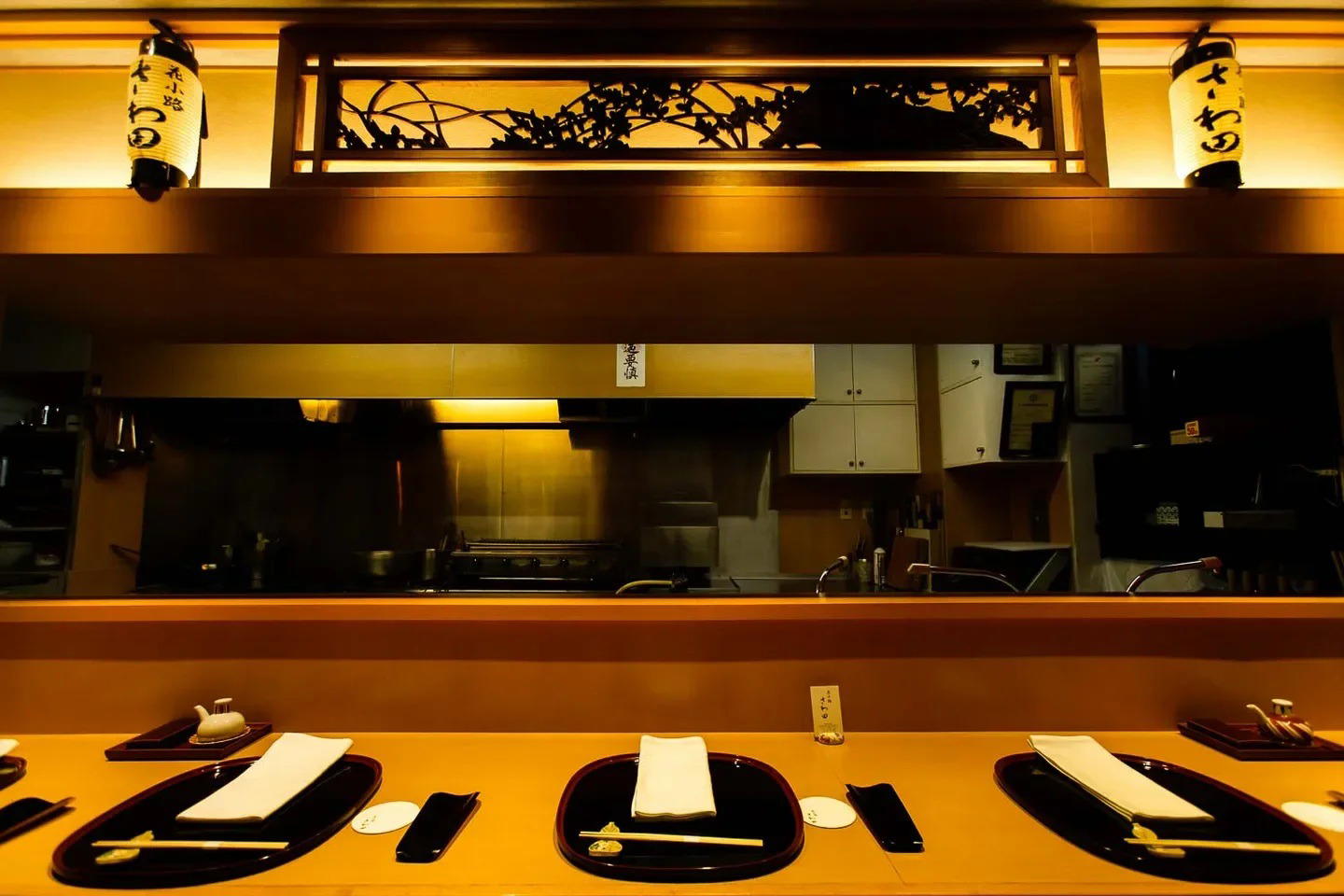
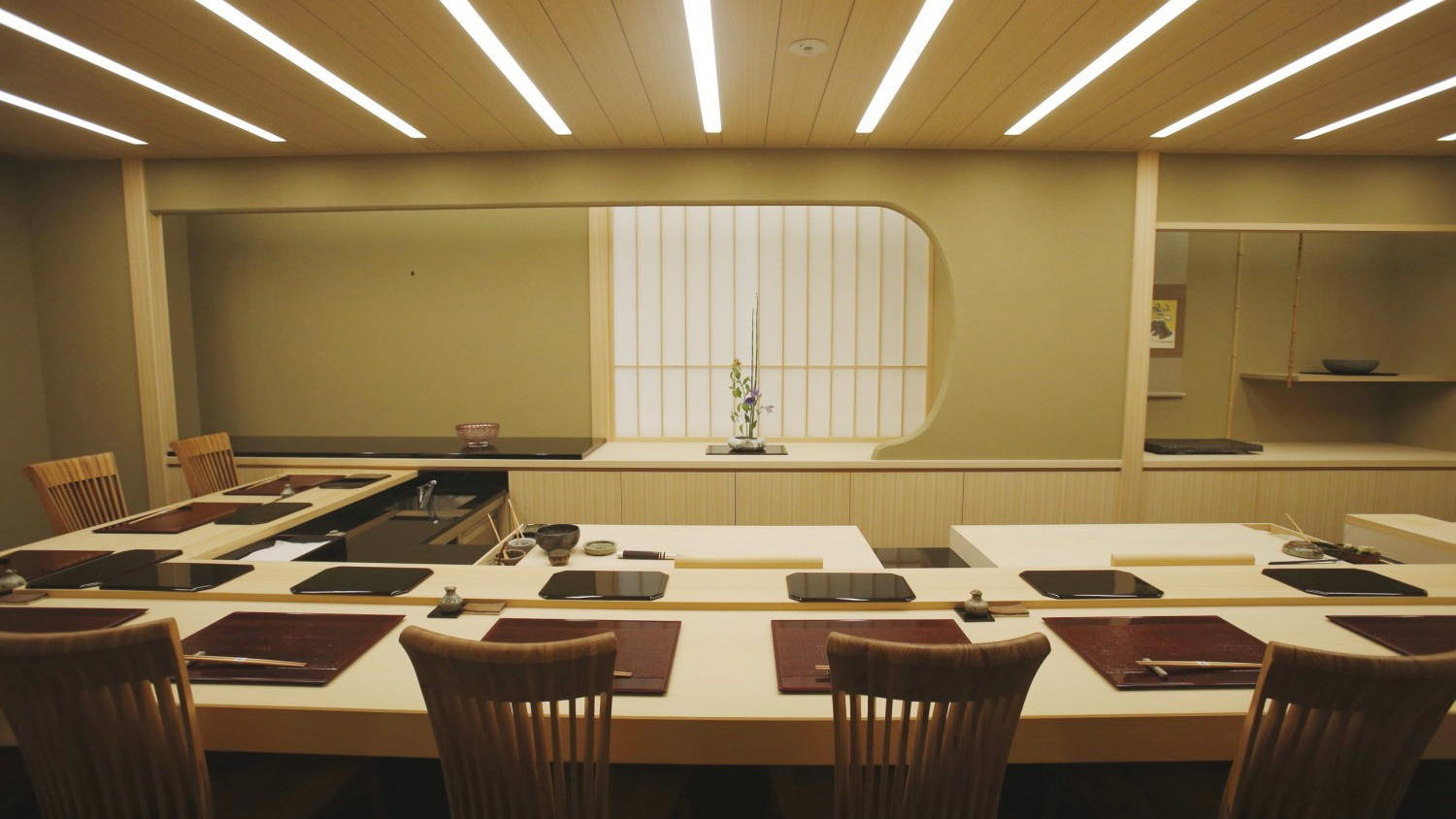
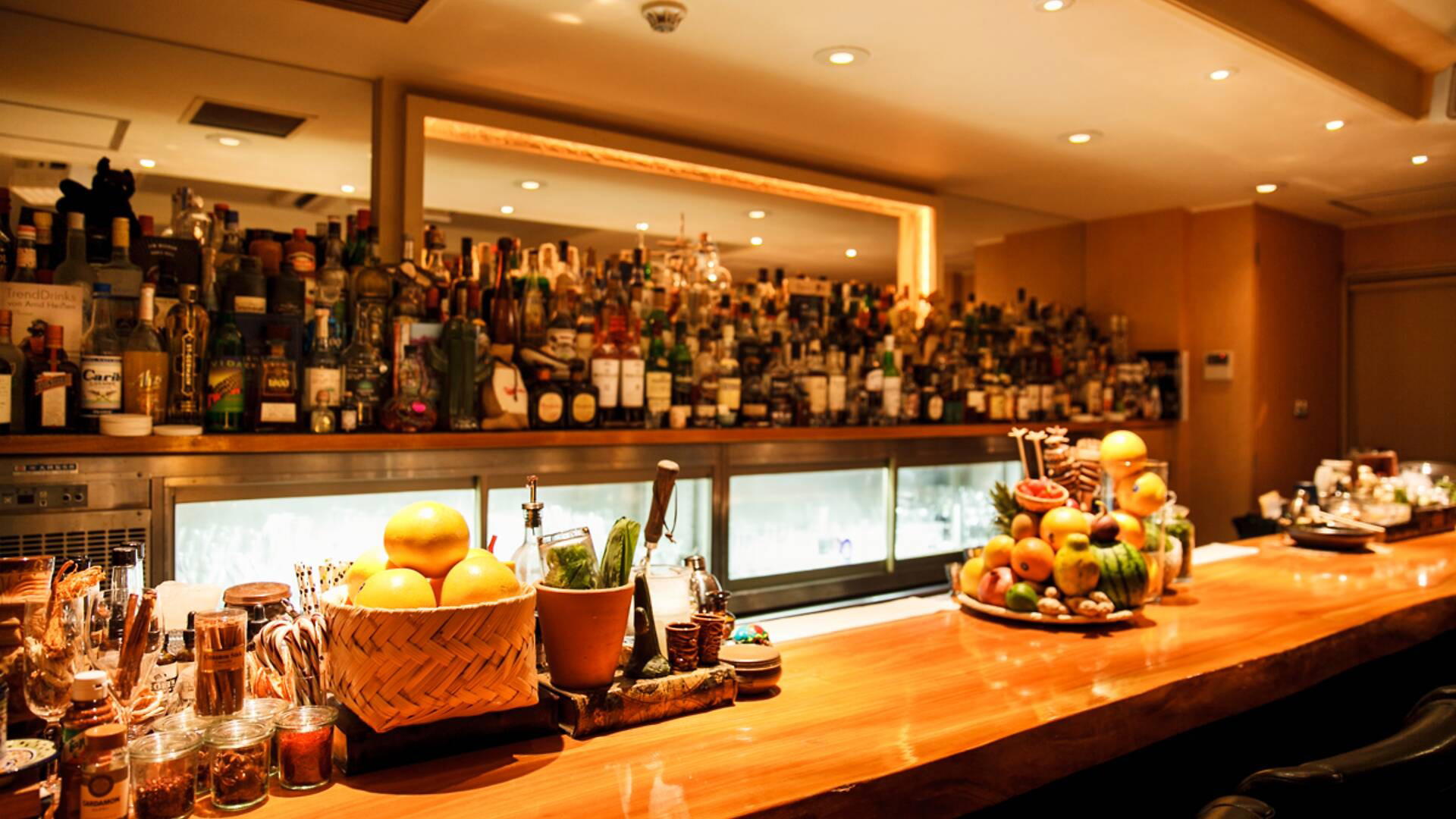
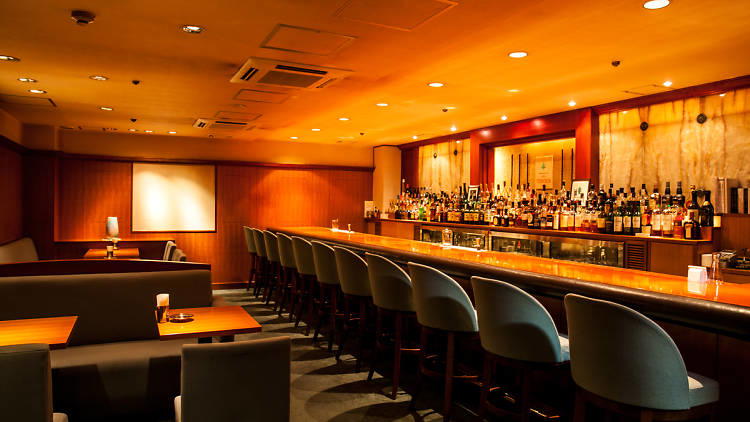
Nostalgic Showa-era neighborhood Chinese joint with a simple counter-only layout, bright and functional rather than decorative, often busy and energetic at lunch with diners sitting elbow-to-elbow in a casual, no-frills atmosphere.