Chop Shop
Chop Shop occupies a converted space on West North Avenue in Chicago's Wicker Park, placing it among the neighbourhood's more industrially inflected venues. The address positions it within a corridor that has shifted from gritty to deliberately designed over the past decade, where exposed materials and multi-use programming define the scene rather than formal dining hierarchies.
Pearl is the En Primeur Club membership app — saves, bookings, and concierge access live there. Same editors, same standards.
- Address
- 2033 W North Ave, Chicago, IL 60647
- Phone
- +17735374440
- Website
- chopshopchi.com
- Directions
- Get directions
 Saves & bookings on Pearl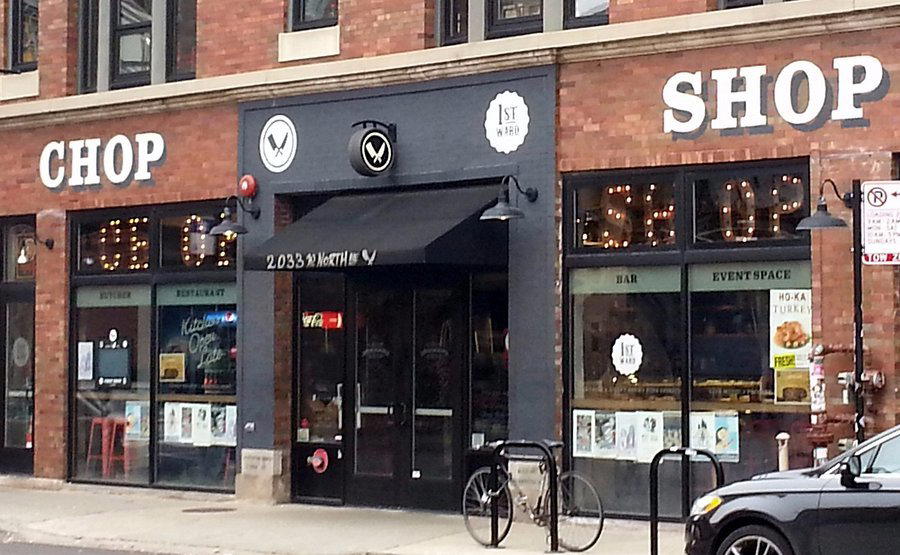
West North Avenue and the Space That Does the Talking
Wicker Park's dining and nightlife corridor along West North Avenue has followed a trajectory familiar to post-industrial Chicago neighbourhoods: warehouses and storefronts repurposed not by erasing their past but by foregrounding it. The exposed brick, raw steel, and high ceilings that define the area's built environment have become design language rather than accident, and venues that understand this tend to wear their spaces better than those that don't. Chop Shop is an Italian-American butcher shop and deli at 2033 W North Ave in Chicago. The address alone places it in a zone where the container of a space is often as much the story as what happens inside it.
Chicago has a long history of adaptive reuse in its dining and entertainment venues, and the northwest neighbourhoods have been particularly active in that pattern over the past fifteen years. What distinguishes the better-executed examples from the merely atmospheric is how the physical structure shapes the programming rather than just decorating it. Multi-level venues, mezzanines, loading-dock-style entrances, and distributed bar placements all change how people move through a space and how long they tend to stay. That spatial logic is what sets Wicker Park's industrial-format venues apart from River North's more polished, purpose-built counterparts.
Where Chop Shop Sits in the Chicago Venue Spectrum
Chicago's dining and entertainment map sorts itself into fairly distinct tiers and formats. At the summit of the formal dining bracket, venues like Alinea, Smyth, and Oriole operate around tasting-menu formats, controlled seating windows, and advance reservations measured in weeks or months. Kasama and Next Restaurant occupy adjacent territory with strong editorial identities and devoted followings. Chop Shop occupies a different register entirely: the multi-use, neighbourhood-anchored format where food, drink, live music, and physical space are weighted more evenly.
That format has its own competitive logic. The comparable set is not defined by Michelin recognition or chef lineage but by how well a venue manages multiple programming modes without any single one suffering. The risk in multi-use spaces is diffusion: a room that tries to be a bar, a restaurant, and a live music venue simultaneously can end up doing none of them particularly well. The ones that work resolve the tension through spatial zoning, acoustic management, and programming discipline. On West North Avenue, the footprint and design language of a space like Chop Shop signal that the venue is operating in this deliberate, multi-mode format rather than defaulting to it.
For context on how this format plays out in other American cities, venues like Lazy Bear in San Francisco and Emeril's in New Orleans demonstrate that space design has a direct bearing on how a dining experience is remembered, even when the food itself is the primary draw. At the other end of the formality spectrum, The French Laundry in Napa and Blue Hill at Stone Barns in Tarrytown show how completely the built environment can define expectation before a single plate arrives. The restaurant operates in a less rarified register, but the principle holds: the space makes an argument, and diners either accept it or they don't.
The Design Logic of Industrial-Format Venues
Industrial-format spaces in Chicago tend to succeed or fail based on a few structural factors. First, ceiling height determines acoustic character: the higher the ceiling, the more a venue will need to actively manage sound through baffling, soft materials, or programming choices that account for ambient noise levels. Second, sight lines from bar to stage to seating affect whether a space feels integrated or fragmented. Third, the entrance sequence sets expectation: a venue you approach from street level with a large footprint and visible activity through windows communicates accessibility in a way that a reservation-only counter does not.
These are not incidental details. In a city where the design commitments of venues like Atomix in New York or Atelier Moessmer Norbert Niederkofler in Brunico set international reference points for how space and dining experience can be fused, the design choices at neighbourhood-level venues read as positioning signals. A large, open, industrially finished room says something specific about who the venue is for and what kind of evening it expects to host. The Wicker Park context reinforces rather than dilutes that signal: this is a neighbourhood that has consistently chosen texture and character over polish.
Planning a Visit: How Chop Shop Compares Logistically
For readers considering where the restaurant fits relative to other Chicago options, the comparison below maps key logistical variables across the relevant comparable set.
| Venue | Format | Price Range | Booking | Neighbourhood |
|---|---|---|---|---|
| The restaurant | Multi-use / bar-restaurant | Not confirmed | Confirm directly | Wicker Park |
| Smyth | Progressive tasting menu | $$$$ | Advance reservation | West Loop |
| Alinea | Progressive / creative | $$$$ | Ticketed, weeks ahead | Lincoln Park |
| Kasama | Filipino, tasting menu | $$$$ | Advance reservation | Ukrainian Village |
| Next Restaurant | Themed tasting menu | $$$$ | Ticketed format | West Loop |
The table illustrates the tier gap cleanly. The restaurant operates in a neighbourhood-accessible, multi-use format where the commitment level at the door is considerably lower than at the city's tasting-menu leaders. That accessibility is a feature, not a deficit: different evenings call for different formats, and the Chicago dining scene is large enough to support both.
For readers building a broader Chicago visit, Chicago's dining geography spans neighbourhoods and formats. Those planning trips around fine dining specifically may also want to reference comparators like Single Thread Farm in Healdsburg, Providence in Los Angeles, Addison in San Diego, The Inn at Little Washington, Frasca Food and Wine in Boulder, and Le Bernardin in New York to calibrate what different investment levels and formats look like across the country.
- Italian Meatballs
- Butcher's Cut Steak
- Classic Burger
- Pulled Pork
- Butcher's Burger
- Truffle Chicken
- Caesar Salad
The Minimal Set
Comparable venues nearby, for context on price, style, and recognition.
| Venue | Cuisine | Price | Notes |
|---|---|---|---|
| Chop ShopThis venue — the venue you are viewing | Not listed | $$ | Not listed |
| Community Tavern | Not listed | $$ | Portage Park, Contemporary American with Pan-Asian Influences |
| Carpenter Street | Not listed | $$ | West Loop, Polished American Comfort Food |
| Ann Sather Restaurant | Not listed | $$ | Lakeview, Swedish-American Breakfast & Brunch |
| The Patio at Cafe Brauer | Lincoln Park, American Cafe | $$ | Not listed |
| Glenn's Diner | Not listed | $$ | Ravenswood, American Diner with Fresh Seafood |

At a Glance
- Lively
- Cozy
- Energetic
- Rustic
- Industrial
- Casual Hangout
- Group Dining
- Brunch
- After Work
- Private Event
- Live Music
- Open Kitchen
- Private Dining
- Historic Building
- Rooftop
- Craft Cocktails
- Beer Program
- Farm To Table
- Local Sourcing
- Sustainable
Current opening hours
- Monday
- Closed
- Tuesday
- Closed
- Wednesday
- 11 AM–9 PM
- Thursday
- 11 AM–9 PM
- Friday
- 11 AM–9 PM
- Saturday
- 11 AM–9 PM
- Sunday
- 11 AM–4 PM
Hours can change for holidays and private events. Last verified .
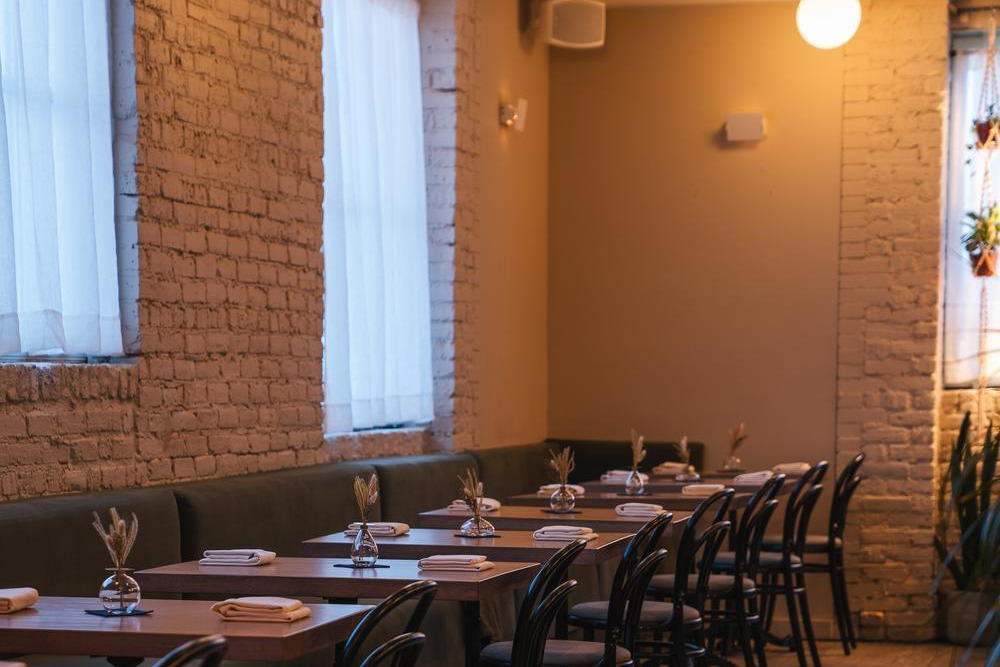
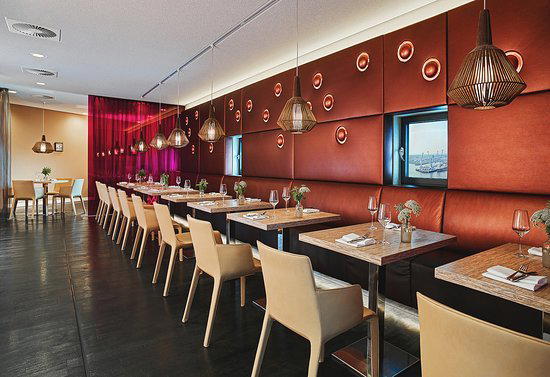
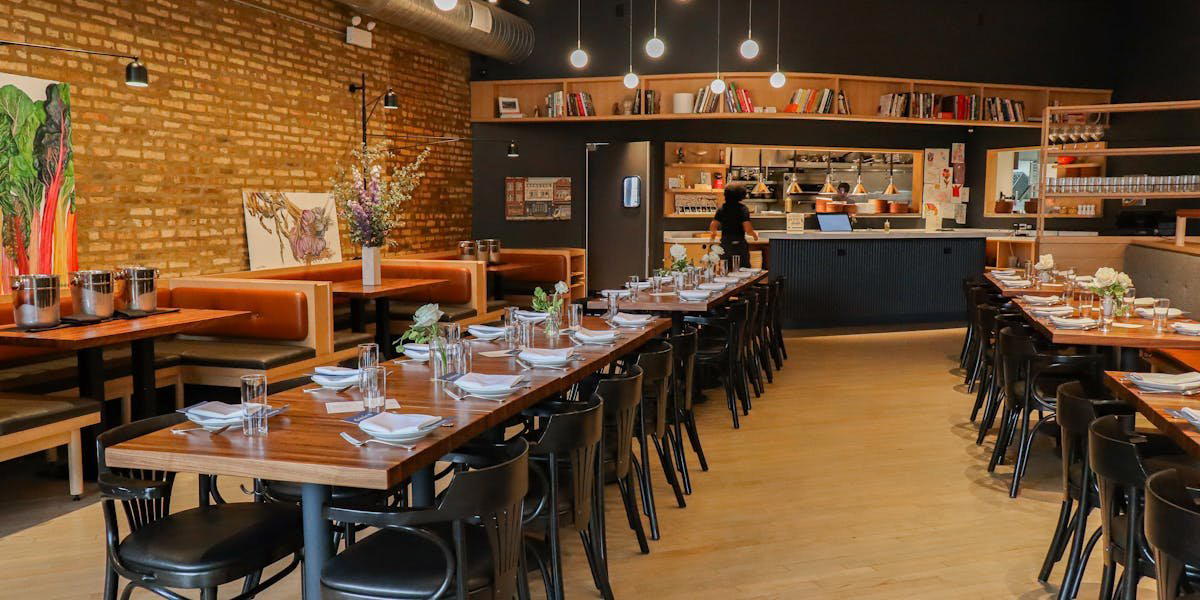
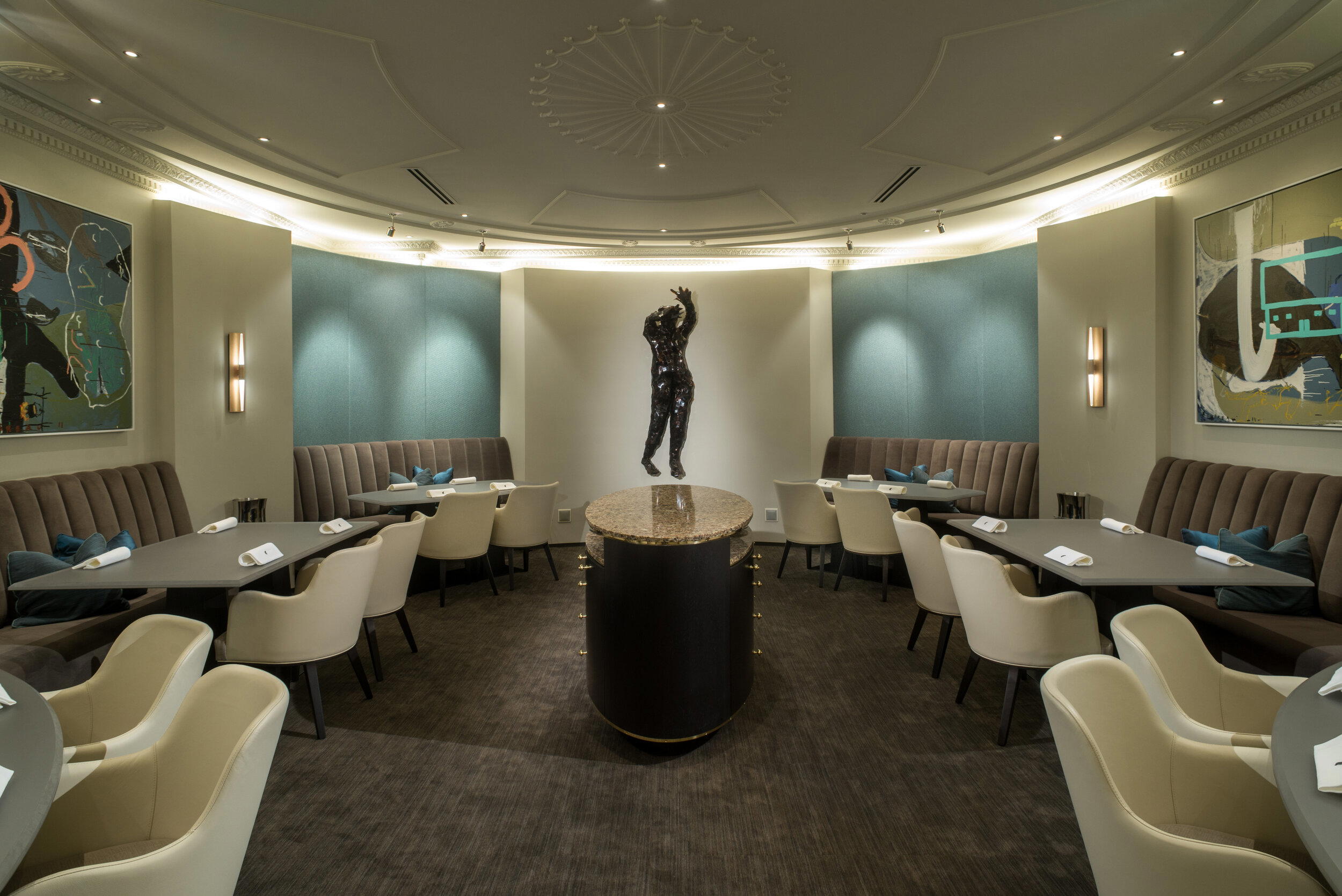
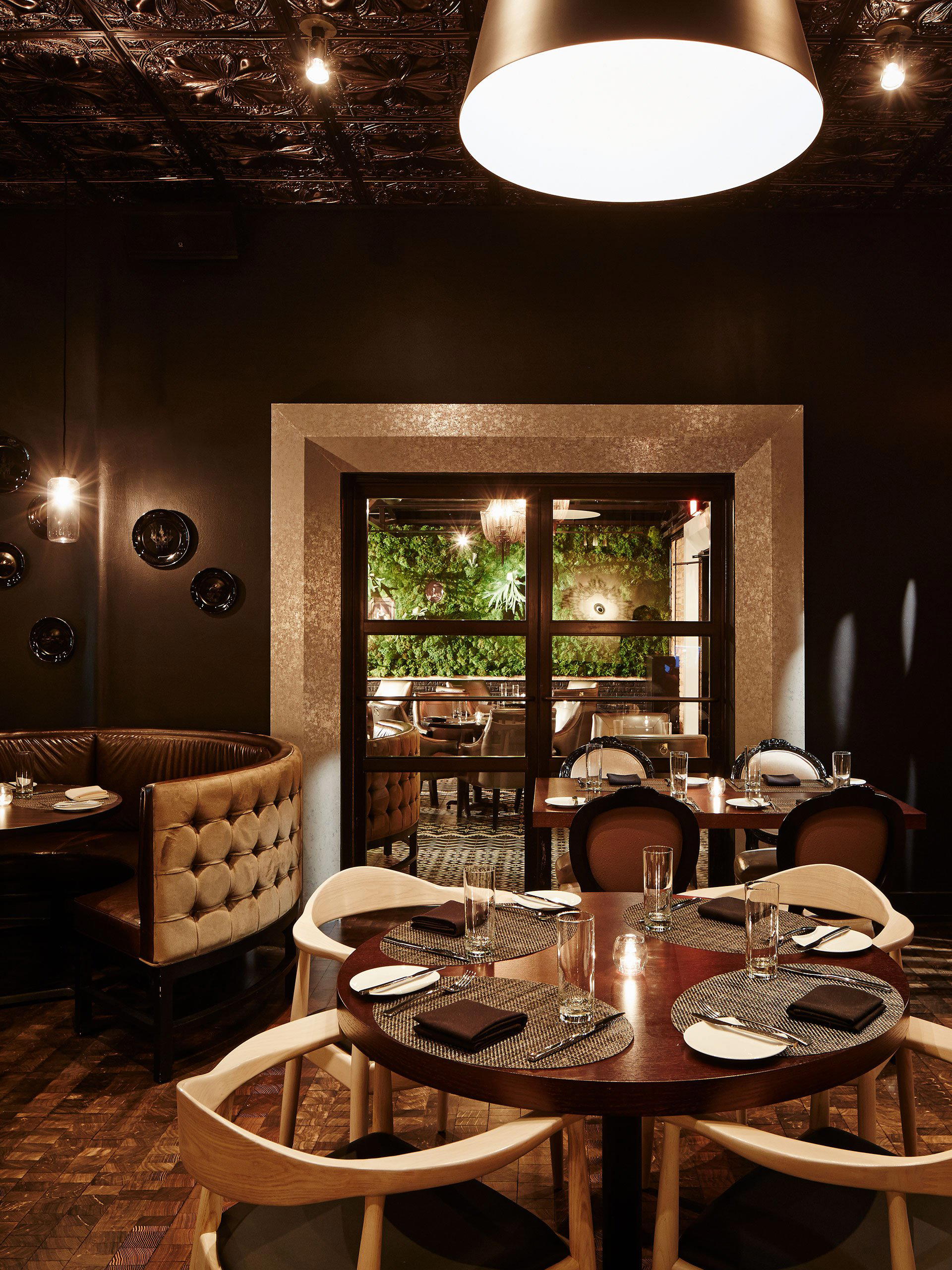
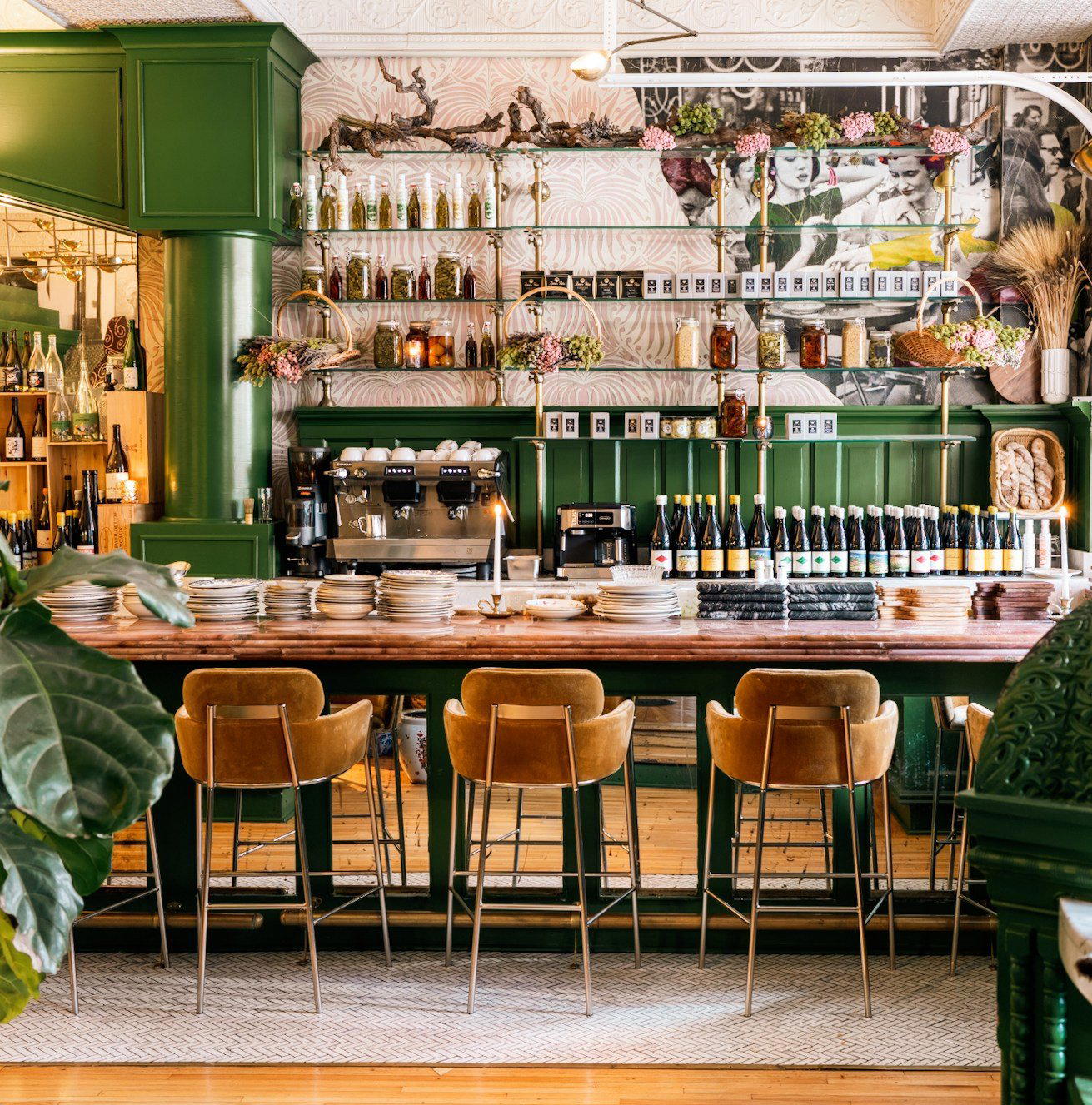
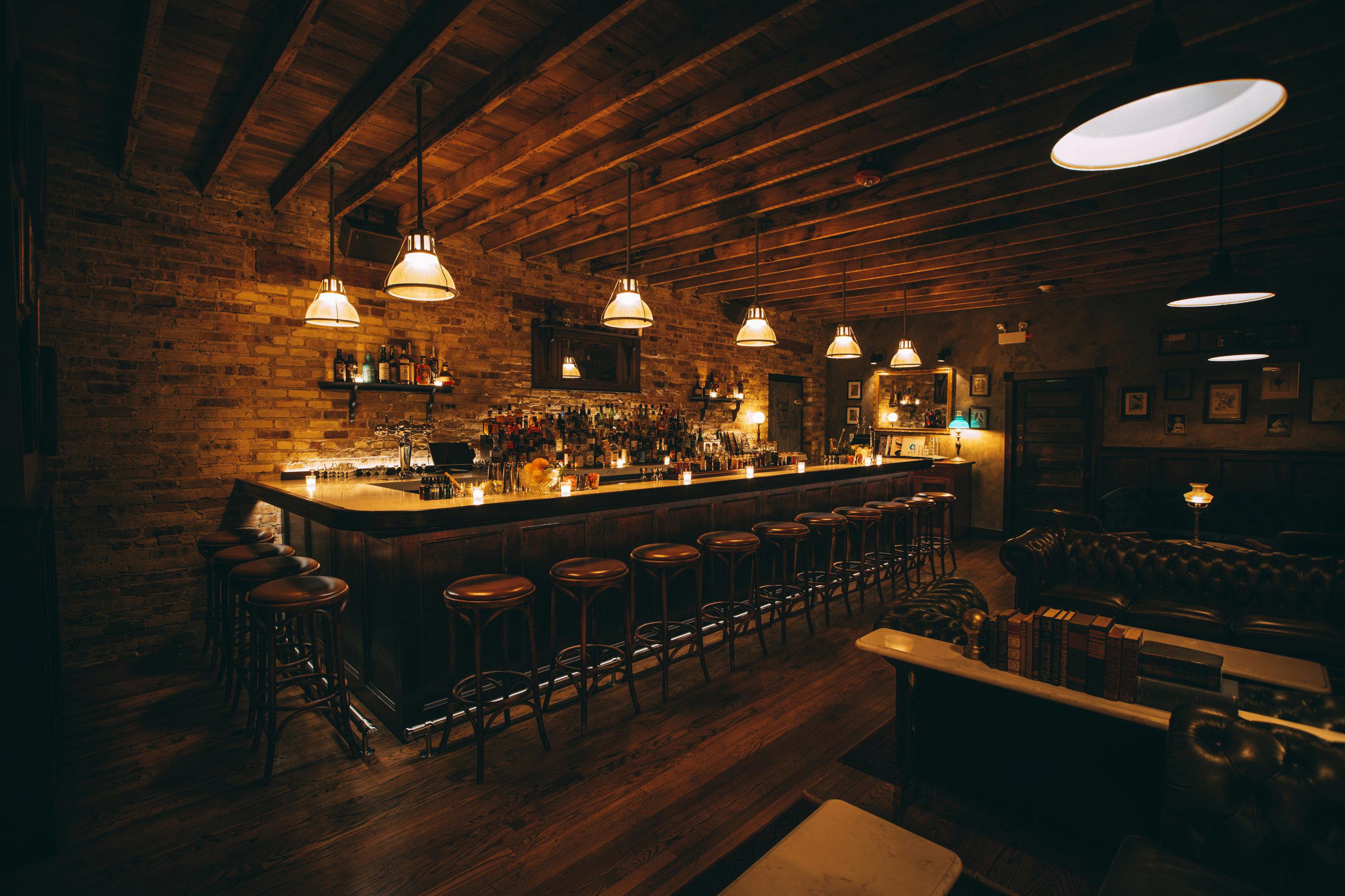
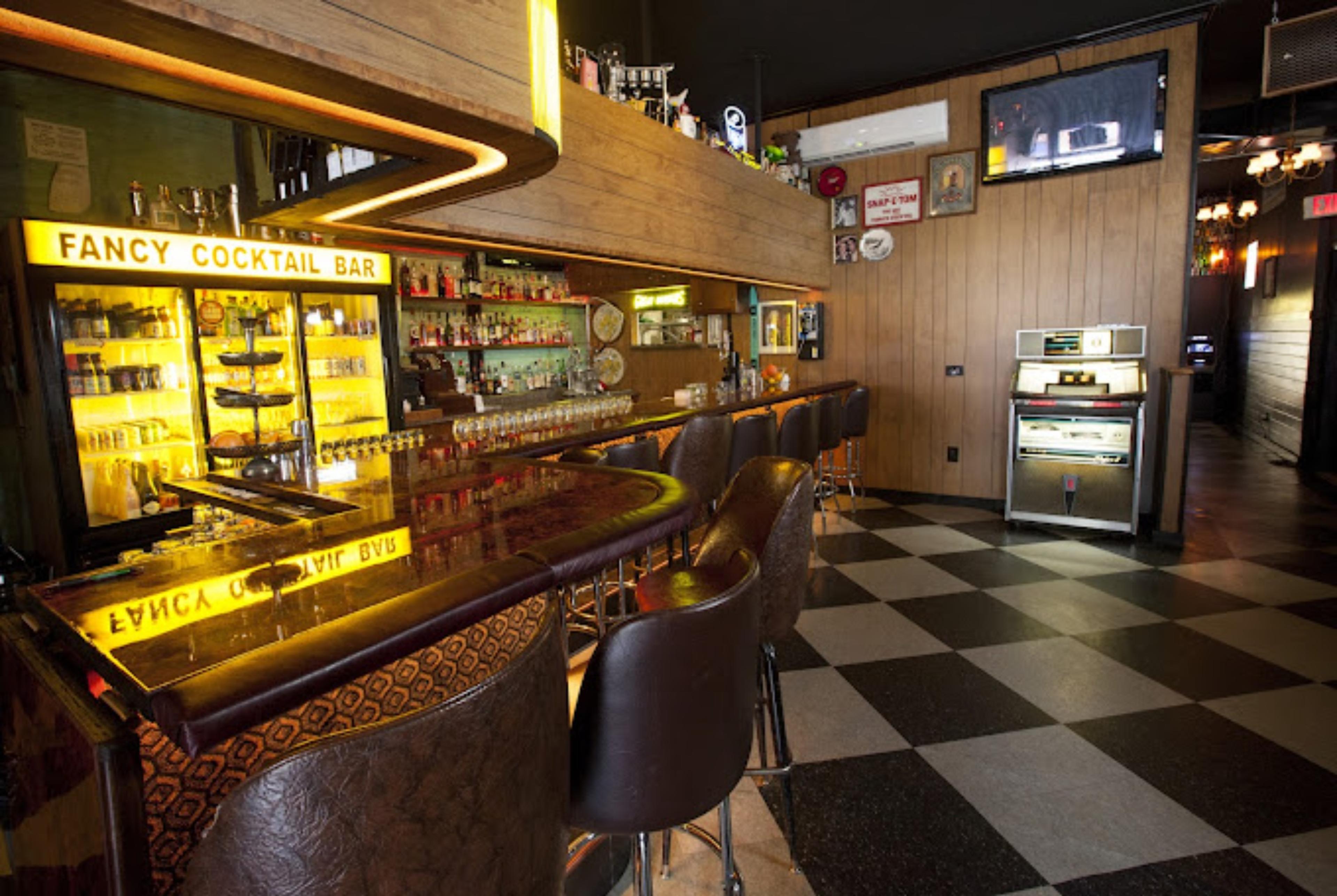
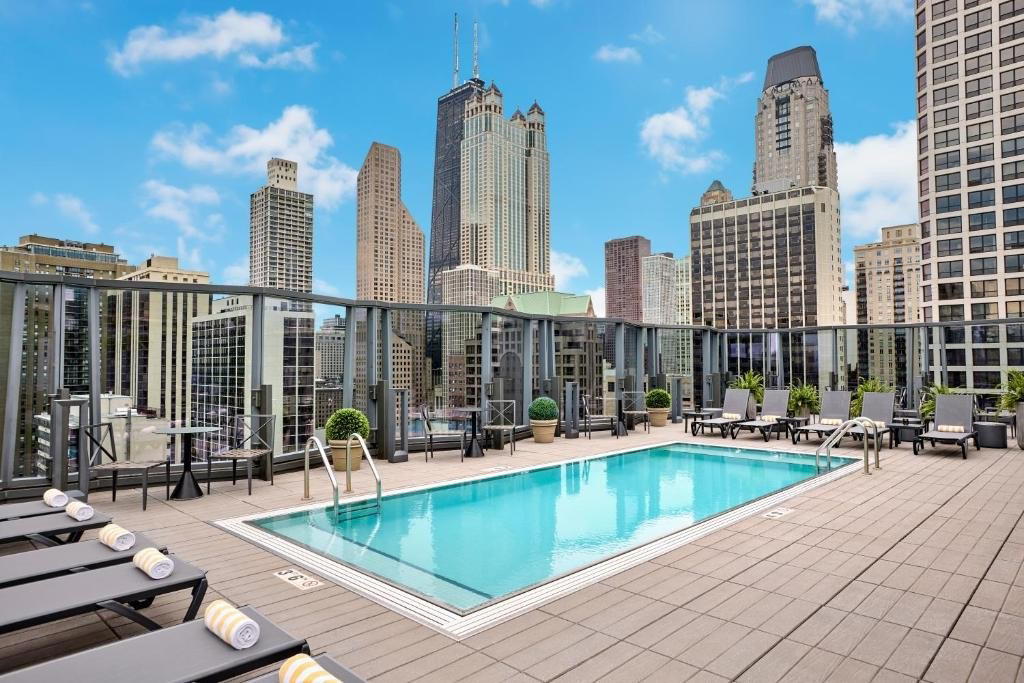
Warm and lively with a music-venue energy; features lively upstairs patio seating and cozy indoor spaces with an airy, open layout across two floors.