
Tabelog 100 #16
Our verdict
Chinese Sai Yunron brings Sichuan, Chinese cooking, meat dishes, fish focus and wine into a compact Kichijoji setting selected for Tabelog 100 Chinese TOKYO 2026. Its appeal sits in menu structure as much as heat: à la carte dining, advance courses and BYO rules point to a restaurant built for planned meals rather than casual grazing.

Pearl is the En Primeur Club membership app, where members save venues, book tables and use the concierge.
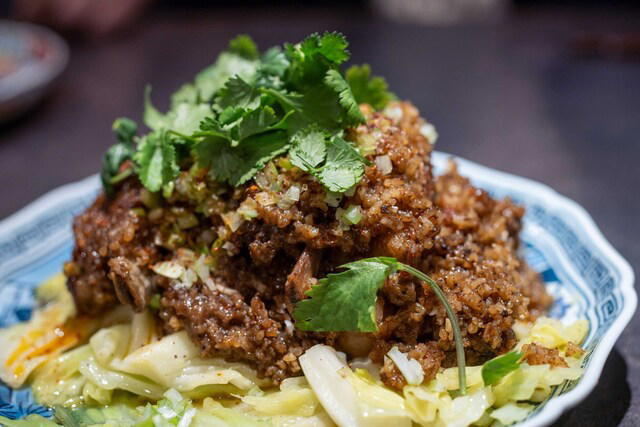
The menu
What to order
- Mapo tofu
- Green chili mapo tofu
- Seasonal omakase Sichuan course
- Shark fin soup (by request)
Behind Kichijoji’s commercial ease, the dining mood quickly tightens: smaller rooms, fewer seats, sharper specialisation. Tokyo Chinese dining spans hotel rooms, neighbourhood counters and Sichuan-led specialists, but current interest sits with compact kitchens treating spice, fish, meat and wine as controlled structure, not broad catalogue. Chinese Sai Yunron fits that camp, with 12 table seats and a Tabelog 100 Chinese TOKYO 2026 listing, a signal in a city judging Chinese cooking across luxury dining rooms and local independents.
Kichijoji makes that position more interesting. The area is usually read through cafés, curry shops, bakeries and everyday queues, not destination Chinese dining. Nearby comparisons such as LITTLE SPICE, Liberte Patisserie Boulangerie Tokyo honten・kichijoji, Hikiniku to Kome Kichijouji, Sabo Musashino Bunko and Dans Dix ans point to repeatable appetites and tight formats. Against that backdrop, a Sichuan and Chinese restaurant with advance-course architecture occupies another register: local in scale, deliberate in assembly.
Sichuan structure, not a catch-all Chinese menu
Tokyo diners often use “Chinese” as shorthand, but stronger rooms define themselves by regional grammar, pacing and drink logic. Here the categories are Sichuan, Chinese and meat dishes, with attention to fish and wine. That suggests contrast: spice and oil, protein weight, seafood precision and bottle pacing. The point is not simply heat; serious Sichuan cooking depends on layering, timing and texture as much as chilli force.
The menu architecture gives the clearest read. À la carte dinner exists, but higher-commitment dining comes through set courses requiring advance planning. The Sakizuke course, omakase course and recommended course form a ladder from shorter structure to chef-directed breadth. In Tokyo terms, the restaurant sits closer to a planned Chinese meal than a drop-in neighbourhood order. The wine note is not decorative: once Chinese menus move from plate-by-plate ordering into courses, acidity, sweetness, tannin and spice management become part of the rhythm.
The owner background adds context without becoming the story. Experience connected to Kichijoji Hainan cooking, Harajuku Sichuan, Yamanoue Hotel Chinese dining, Old Sichuan Piao Xiang in Yoyogi Uehara and Azabu Juban, plus Chengdu restaurants, reads as a map of influences across Tokyo and Sichuan rather than a single-school credential. In a city where Chinese dining can mean gyoza counters or banquet rooms, that range supports the restaurant’s hybrid position: intimate, Sichuan-leaning and structured enough to reward diners who know the meal they are choosing.
Kichijoji's casual surface hides a sharper dining tier
Kichijoji often makes serious eating look less formal than it is. The station area absorbs students, families, shoppers and office traffic, while surrounding streets hold small restaurants sustained by regulars and repeat value. That makes the 2026 Tabelog 100 selection a meaningful trust signal, identifying the restaurant inside a Tokyo-wide Chinese category rather than only a local dining map.
Scale changes the decision. A 12-seat dining room is not comparable to a large hotel Chinese restaurant, nor to the quick-lunch economy of many Kichijoji staples. It occupies a narrow middle: accessible in tone, serious in intent, constrained more by capacity than ceremony. That tier is often where Tokyo’s compelling specialist restaurants operate, small enough for a defined kitchen point of view without luxury theatre.
Price positioning reinforces the split. Dinner sits in a moderate specialist bracket for Tokyo Chinese, while lunch is much lighter, creating two readings of the same kitchen. Dinner reveals the architecture: cover charge, drink requirement, time discipline and advance-course options all point to a managed sequence. Lunch is a compressed way into the cooking, useful for travellers already in Kichijoji but less representative of the full format.
For wider Tokyo planning, place it on a different track from broad survey days. Use Our full Tokyo restaurants guide for citywide dining context, then set this meal within a west-side itinerary rather than forcing it between central Tokyo reservations. Travellers building a larger trip can cross-reference Our full Tokyo hotels guide, Our full Tokyo bars guide, Our full Tokyo wineries guide and Our full Tokyo experiences guide to avoid treating Kichijoji as a quick detour. The neighbourhood rewards time on foot.
How to read the choice before committing
The strongest reason to choose Chinese Sai Yunron is small-room discipline, Sichuan orientation and course-based planning in a neighbourhood better known for casual eating. Diners wanting a sprawling menu, private-room comfort or card-led convenience will find the format less forgiving. Those seeking a compact, specialist Tokyo Chinese meal with intentional structure are reading the signal correctly.
The BYO policy is part of the editorial picture. Wine can be brought for a stated corkage, whiskey at a higher fee, and cake with a per-person charge, all requiring advance notice to secure space. This reveals the operating style: small room, controlled service and a meal expected to be planned rather than improvised. In Tokyo, that specificity often separates a casual local restaurant from a specialist address with a loyal audience.
For diners comparing categories across Japan, this is not the same decision as a beef-focused trip to -Grilled beef Sukiyaki- KAMAKURA TANUKIAN 鎌倉 たぬき庵 in Kamakura, a café stop like.cafe in Osaka, a regional bar or dining room such as.know in Kumamoto, or a casual international meal at (Shoku) Vietnam in Kawasaki. Nor is it in the same lane as curry specialists like [Curry Senmon Ten] Maruyama Kyoju. in Sapporo, Kyoto dining such as [ki:] in Kyoto, or Los Angeles Japanese-adjacent stops like Jōdo Saké Bar in Los Angeles and Onigiri Time in Pasadena. The relevant comparison is tighter: small, specialist, urban Japanese dining where format tells the diner almost as much as cuisine.
Within Tokyo, contrast is just as useful. A seafood-and-fire izakaya rhythm at. 鮪と炭火焼き うお炭 秋葉原店, a Shinjuku specialist like 12/10 Shinjuku ten, skewered precision at 124. KAGURAZAKA (Yakitori), graphic café culture at 2D Cafe and curry comfort at 3 Chome no Curry Ya San answer different Tokyo cravings. Chinese Sai Yunron is for the night when the choice is Sichuan structure, measured capacity and a meal that benefits from advance intent.
Frequently asked questions
What does dinner at Chinese Sai Yunron typically cost?
Pricing at Chinese Sai Yunron is listed as JPY 6,000 - JPY 7,999 JPY 1,000 - JPY 1,999.
What's Chinese Sai Yunron's location?
Chinese Sai Yunron is located in Tokyo.
How far ahead should I plan for Chinese Sai Yunron?
For the Omakase Course, the restaurant requires reservation seven days in advance, and the Sakizuke Course needs one day ahead. With only 12 seats in Kichijoji and Tabelog 100 Chinese 2026 recognition, planning a week out is the safer baseline.
What is Chinese Sai Yunron known for?
Chinese Sai Yunron is primarily known for its core concept and execution in Tokyo.
Comparable Options
Comparable venues at similar price and category levels.
| Venue | Cuisine | Price | Awards | Notes |
|---|---|---|---|---|
| Chinese Sai YunronThis venue (the venue you are viewing) | Sichuan Chinese | $50–100 | Tabelog 100 #16 | Not listed |
| LITTLE SPICE | Japanese curry house | $10–20 | Tabelog 100 #71 | JPY 1,000 - JPY 1,999 JPY 1,000 - JPY 1,999 View spending breakdown |
| Liberte Patisserie Boulangerie Tokyo honten・kichijoji | Not listed | $10–20 | Tabelog 100 #67 | JPY 2,000 - JPY 2,999 JPY 1,000 - JPY 1,999 |
| Hikiniku to Kome Kichijouji | Charcoal-Grilled Japanese Hamburger Steak Set | $10–20 | Tabelog 100 #93 | JPY 1,000 - JPY 1,999 JPY 1,000 - JPY 1,999 |
| Sabo Musashino Bunko | Traditional Japanese curry & coffee kissaten | $10–20 | Tabelog 100 | JPY 1,000 - JPY 1,999 JPY 1,000 - JPY 1,999 |
| Dans Dix ans | Artisan Japanese Bakery | Not listed | Tabelog 100 #96 | JPY 999 JPY 1,000 - JPY 1,999 View spending breakdown |
Recognition history
Dated appearances from independent guides and award organizations, with the underlying list record or original source where available.
Tabelog 100 #16 · No. 16
Tabelog · Tabelog 100 - Chinese cuisine - TOKYO - 2026
Continue exploring
More in Tokyo
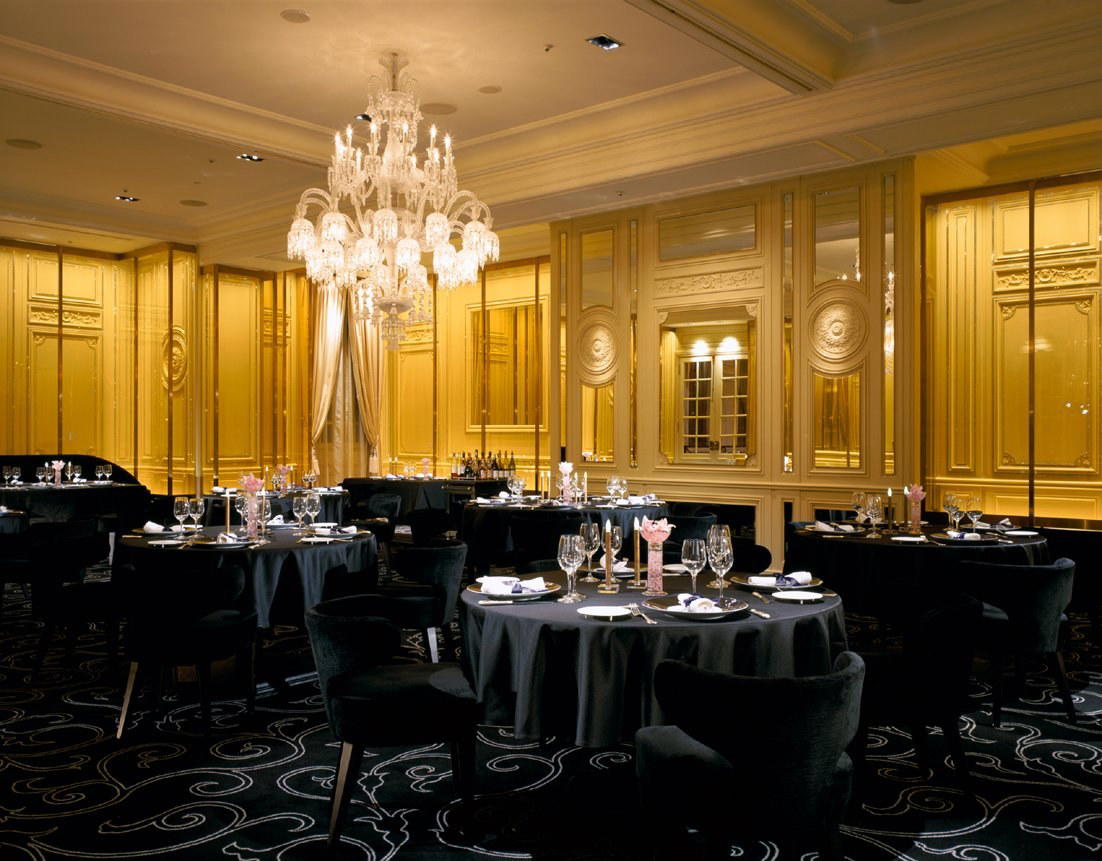
Restaurants in Tokyo
All restaurants in Tokyo →



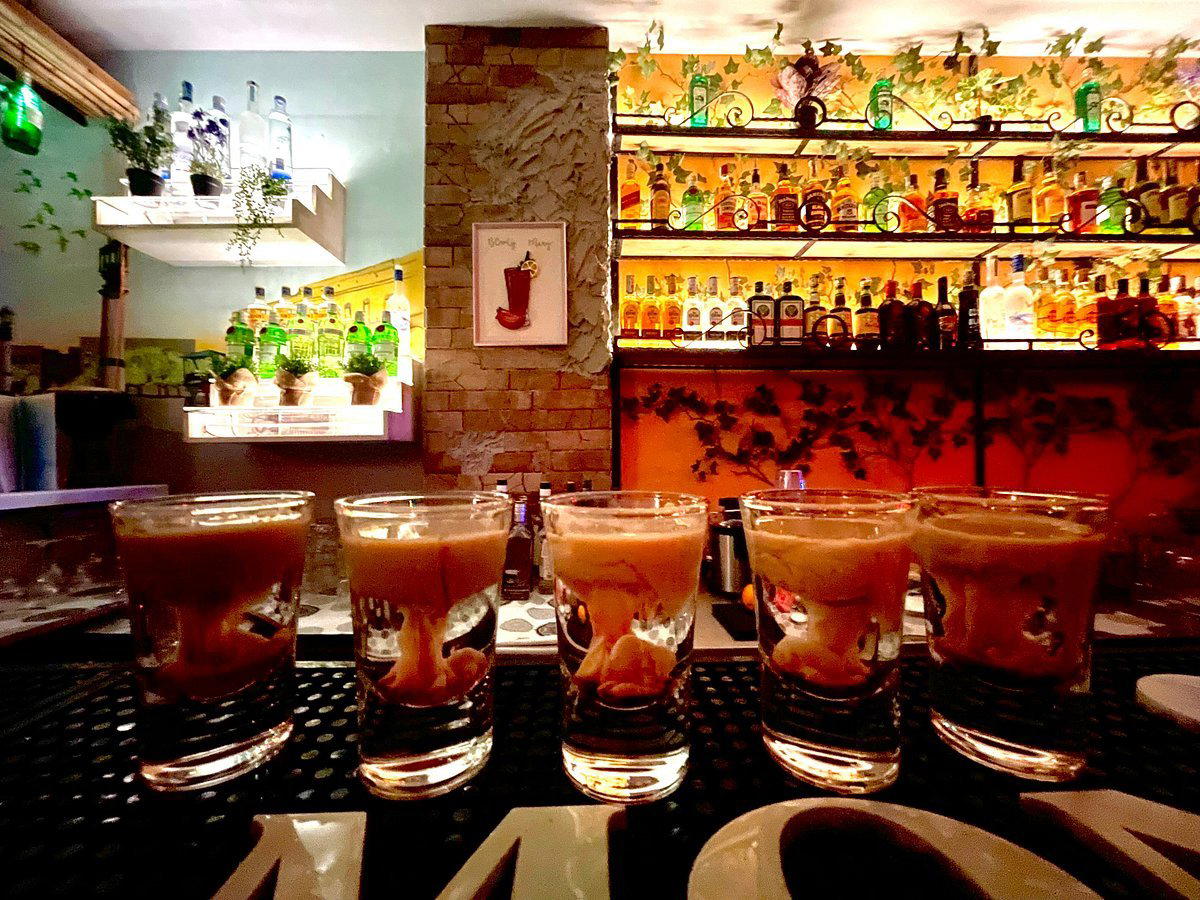
Bars in Tokyo
All bars in Tokyo →


Hotels in Tokyo
All hotels in Tokyo →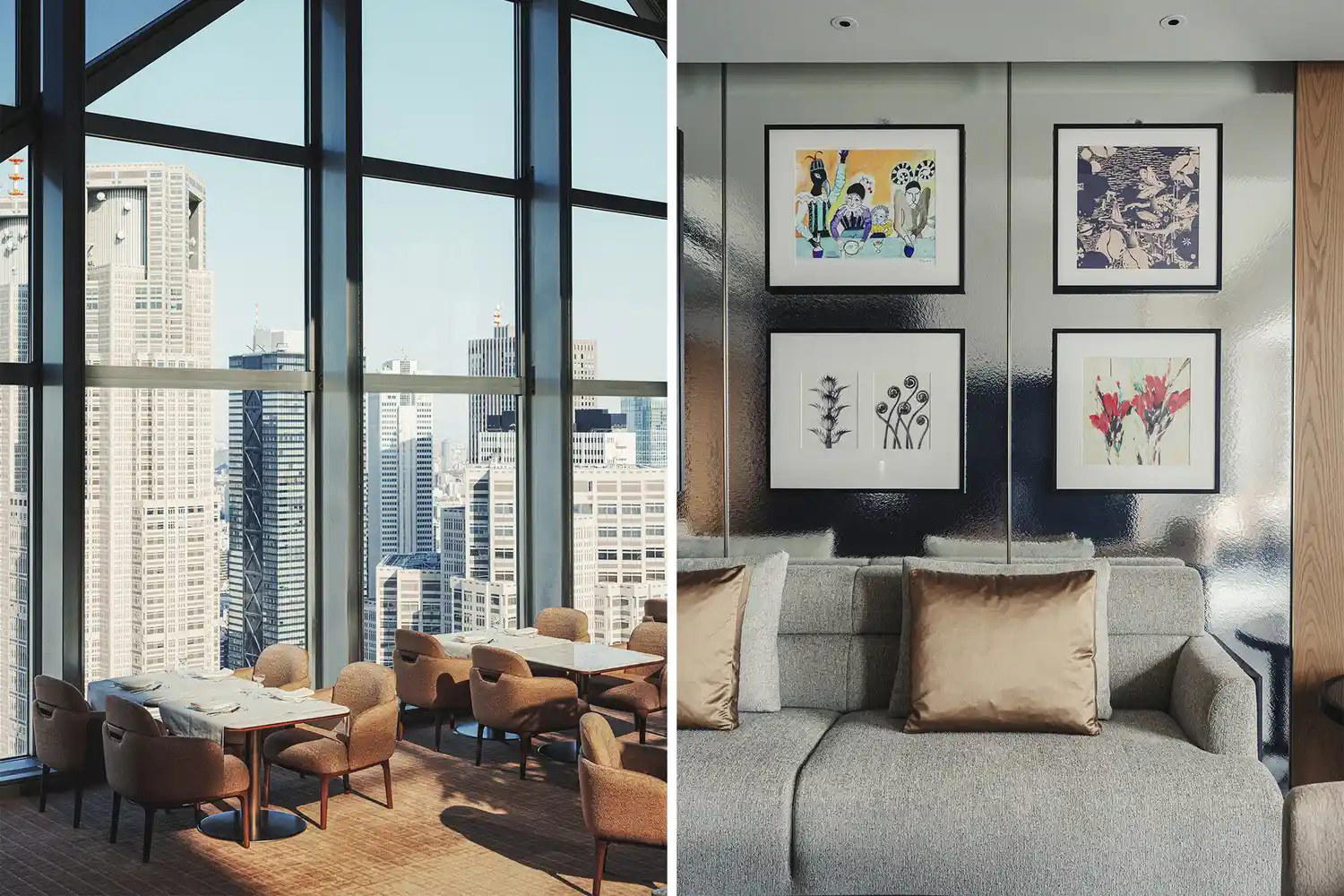


Wineries in Tokyo
Browse all →
Details
- Cozy
- Modern
- Intimate
- Date Night
- Special Occasion
- Business Dinner
- Group Dining
- Family
- Casual Hangout
- After Work
- Standalone
- Design Destination
- Extensive Wine List
- Byob
- A La Carte
- Tasting Menu
- Omakase
- Set Menu
- Wine
- Allergy Accommodating
A small, stylish yet relaxed hideout with only 12 seats, non‑smoking, softly lit table seating that feels cozy and intimate rather than formal.