
Tabelog 100 #9
Our verdict
Ramen Kanekatsu gives Saitama’s ramen scene a compact counterpoint to Tokyo’s headline shops: an eight-seat Kita-Urawa counter focused on ramen and tsukemen, with repeated Tabelog Ramen EAST 100 selections from 2023 through 2025. Its price band keeps it in everyday noodle territory, but the recognition places it among the region’s more closely watched bowls.

Pearl is the En Primeur Club membership app — saves, bookings, and concierge access live there. Same editors, same standards.
- Address
- 埼玉県さいたま市浦和区北浦和3-1-6
- Website
- tabelog.com
- Directions
- Get directions
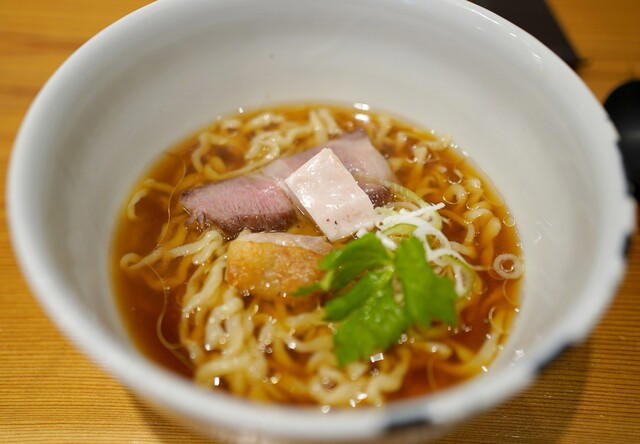
The approach to a serious ramen shop in Saitama is rarely theatrical. The signal is usually focus: a clear noodle format, quick turnover, and the quiet concentration of diners who know that a bowl has a narrower window than a tasting menu. Ramen Kanekatsu belongs to that focused school. With a format listed around ramen and tsukemen, it makes the case for Saitama as more than a simple waypoint between the capital and the wider region.
Japanese ramen culture rewards precision at low prices in a way few dining categories can match. A shop can sit in the JPY 1,000 to JPY 1,999 band and still be judged with the seriousness usually reserved for far more expensive restaurants. That is the useful tension here: the meal remains accessible, but the margin for error is small. Noodles, broth, tare, aroma oil, toppings, timing and temperature all have to land within minutes, not over a leisurely sequence of courses.
A focused place inside Saitama's ingredient-driven ramen tier
The ingredient question matters because ramen is often misread as a single-bowl comfort food rather than a system of sourcing decisions. Wheat selection determines noodle bite; bones, seafood, dried goods or vegetables define broth weight; soy sauce, salt or miso tare sets the seasoning architecture. Tsukemen adds another layer, separating noodles and dipping soup so texture becomes part of the main argument. Ramen Kanekatsu is listed in both ramen and tsukemen, a pairing that places it within the modern shop category where noodle structure is as important as broth character.
Saitama’s stronger casual dining addresses often work this way: clear specialization, and a tighter relationship between price and craft than luxury dining suggests. In the same city, Acacier Kitaurawa honten and other local specialists show how focused formats can occupy accessible brackets while operating under different rules of technique and display. Ramen compresses that technical standard into speed, heat and repetition. The format is not decorative; it is the operating model.
The strongest trust signal is external selection. Ramen Kanekatsu was selected in the 2025 Tabelog Hyakumeiten recognition, with a Tabelog score of 3.80 attached to that listing. Tabelog’s ramen lists are not Michelin-style luxury signals. They are better read as category recognition in a field where regional specialists and destination noodle shops compete on consistency. For a Saitama ramen shop, inclusion says more than a passing burst of attention.
Saitama rewards narrow formats, not spectacle
Saitama is a useful setting for this kind of restaurant. It does not need the density of Tokyo’s ramen corridors for a focused shop to matter; it has to serve regulars and deliberate visitors rather than lean only on tourist churn. That changes the dining rhythm. A ramen address in Saitama has to be efficient, legible and durable; novelty fades quickly when the audience can return without planning a special trip across the capital.
That local context also explains why comparisons inside Saitama are more instructive than broad national rankings. Inakaya Irori, Kuni Toroku Bunkazai Nikiya, Wataya and goden each occupy different lanes in the city’s dining landscape. Against those, a recognized ramen venue at this price point is not competing on ceremony. It is competing on concentration: a clear menu category, a direct service format, and the ability to turn everyday ingredients into a bowl that can stand up to repeat scrutiny.
The city’s casual map is broader than noodles. Other Saitama dining rooms, bakeries and everyday specialists point to the range of eating that exists outside formal restaurant settings. For a wider read on the area, use Our full Saitama restaurants guide, then cross-check the city through Our full Saitama hotels guide, Our full Saitama bars guide, Our full Saitama wineries guide and Our full Saitama experiences guide.
Who this counter makes sense for
This is a stronger choice for diners who understand ramen as a craft format rather than a quick refuelling stop. The appeal is not luxury, privacy or a long evening. It is the opposite: direct service, a focused setting, and a bowl category where sourcing and preparation show up immediately. The accessible price band keeps the focus on the food rather than ceremony.
For travellers building a Japan itinerary around specific casual formats, Ramen Kanekatsu fits beside other focused addresses rather than grand restaurants. Across Japan and beyond, the same pattern repeats in many categories: a single format, a narrow menu logic, and enough discipline to turn everyday dining into a destination. Saitama’s unnamed noodle shops, casual dining rooms and specialist venues make the point locally without requiring a luxury frame. Specialization is often the more useful luxury.
The editorial read is clear. Ramen Kanekatsu is not a grand occasion restaurant, and that is precisely why it matters. In Saitama, where strong dining can sit inside everyday routines, a 2025 Tabelog Hyakumeiten selection gives visitors a practical reason to treat the city as a serious noodle stop rather than a line on the rail map.
Frequently asked questions
Is Ramen Kanekatsu a family-friendly restaurant?
Ramen Kanekatsu is a ramen and tsukemen venue in Saitama. For current details on family visits, seating and service conditions, check the venue's official channels before going.
How would you describe the vibe at Ramen Kanekatsu?
The mood is pared back and service-driven: a focused ramen and tsukemen setting in Saitama, suited to diners who want a direct noodle-shop experience rather than a long formal meal.
Is Ramen Kanekatsu more mid-range or high-end?
Pricing at Ramen Kanekatsu is listed as JPY 1,000 - JPY 1,999.
Where is Ramen Kanekatsu located?
Saitama.
In Context: Similar Options
Nearby venues at a similar price tier for orientation.
| Venue | Cuisine | Price | Awards | Notes |
|---|---|---|---|---|
| Ramen KanekatsuThis venue — the venue you are viewing | Ramen & Tsukemen Shop | $10–20 | Tabelog 100 #9 | Not listed |
| goden | Ramen & Tsukemen | $10–20 | Tabelog 100 #81 | Urawa Ward |
| Ramen Jiro Koshigaya ten | Jiro-style Ramen Shop | $10–20 | Tabelog 100 #27 | Koshigaya |
| Noroshi Honten | Tsukemen / Ramen | $1–10 | Tabelog 100 #11 | Kita Ward, Saitama City |
| Komorebi Shokudo + | Healthy Japanese Café & Teishoku | $10–20 | Tabelog 100 #45 | Urawa |
| Ono Udon | Traditional Sanuki Udon | Not listed | Tabelog 100 #98 | Saitama |
Recognition history
Dated appearances from independent guides and award organizations, with the underlying list record or original source where available.
Tabelog 100 #9 · No. 9
Tabelog · Tabelog 100 - Ramen - EAST - 2025








Details
- Lively
- Cozy
- Trendy
- Well Known
- Solo
- Family
- Casual Hangout
- After Work
- Chefs Counter
- Open Kitchen
- Standalone
- A La Carte
- Counter Dining
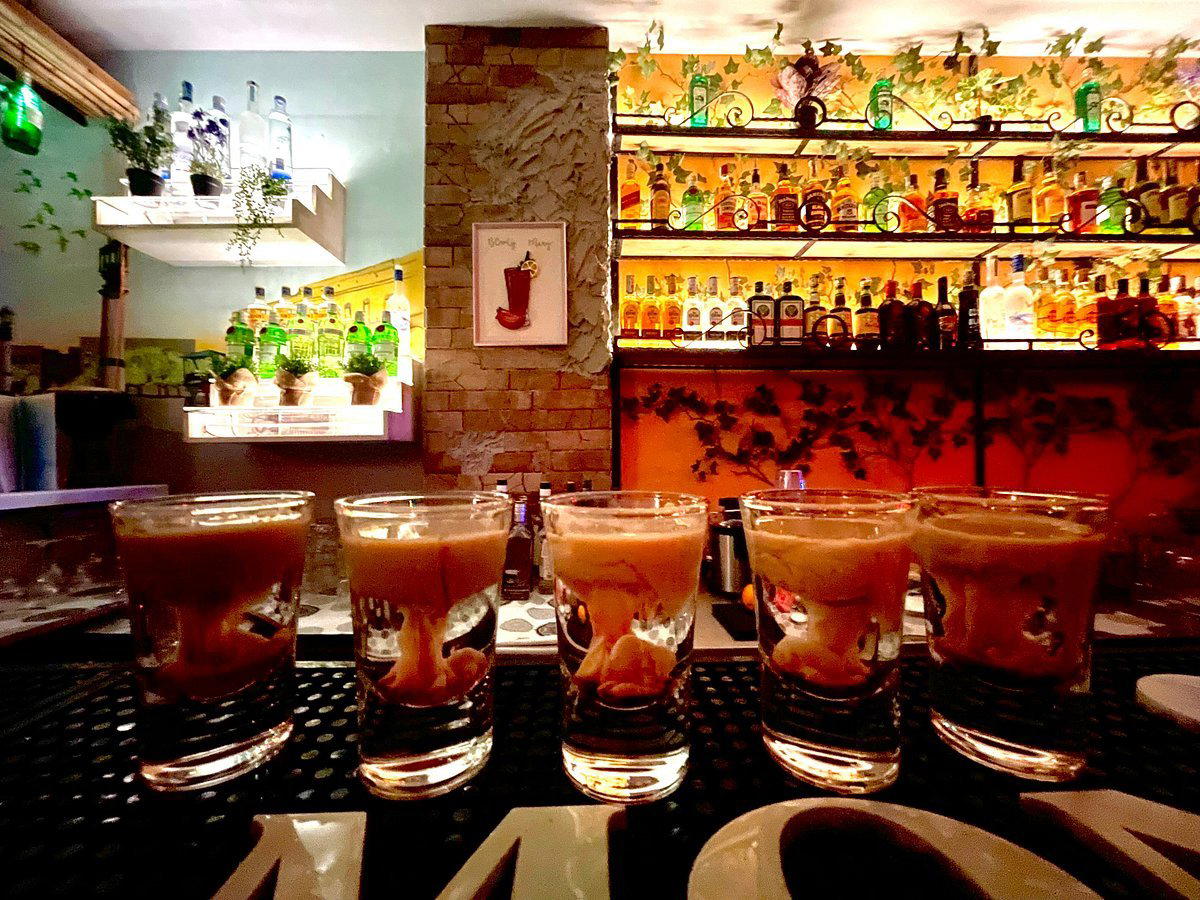
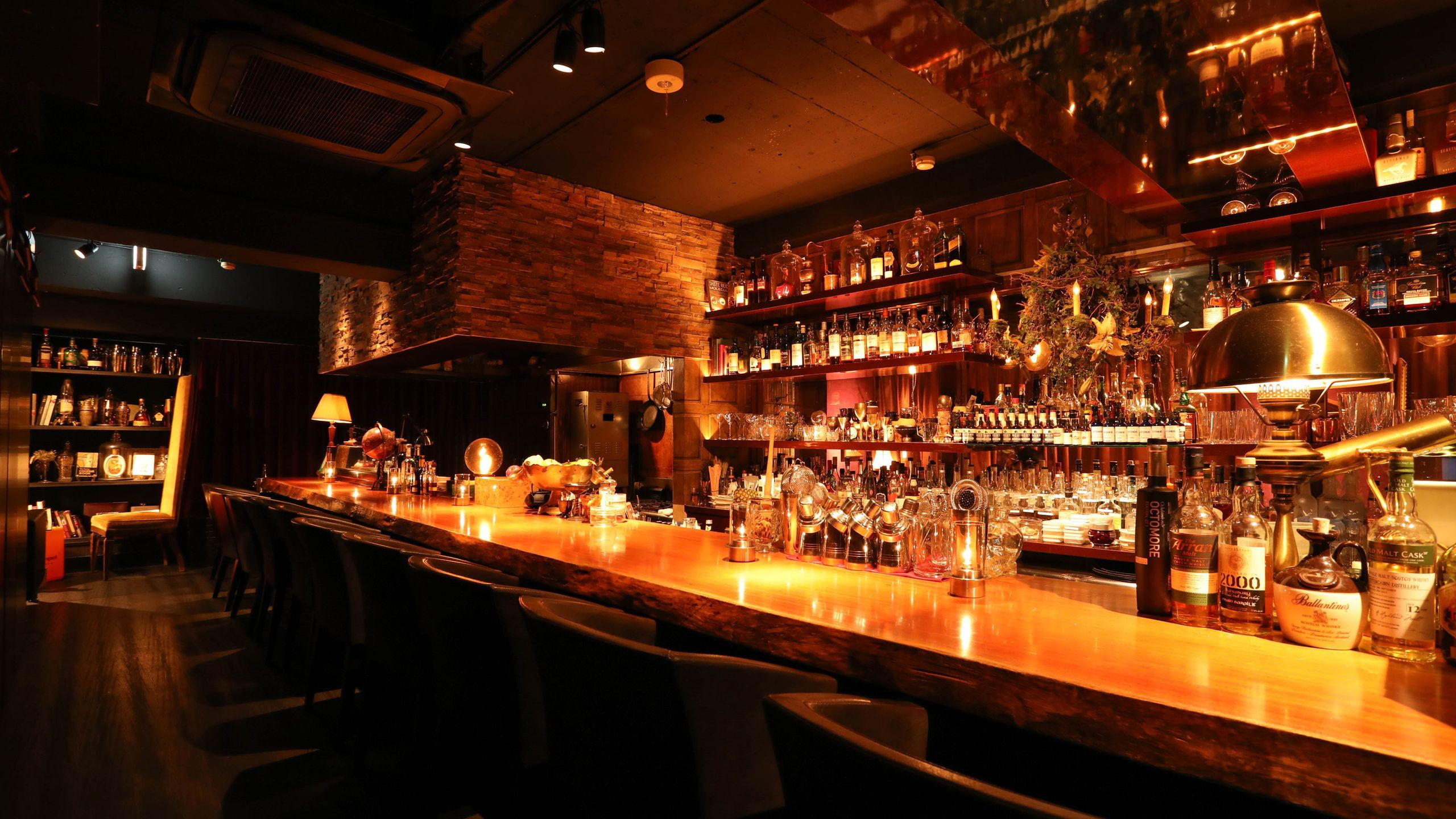
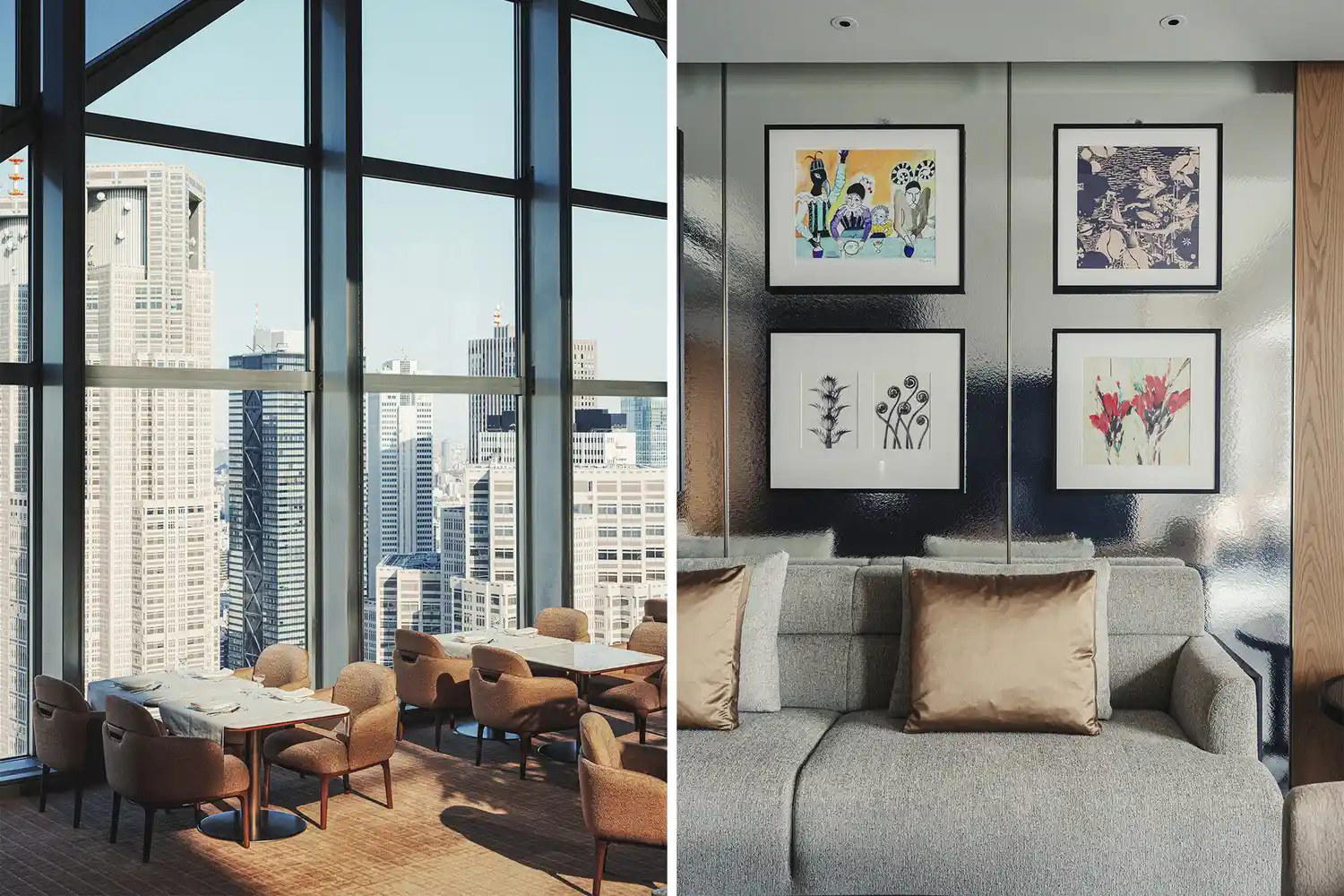
A compact 8-seat, non-smoking counter ramen shop with an open-kitchen feel, energetic queue-driven atmosphere, and a casual, ramen-nerd destination vibe rather than a leisurely sit-down restaurant.