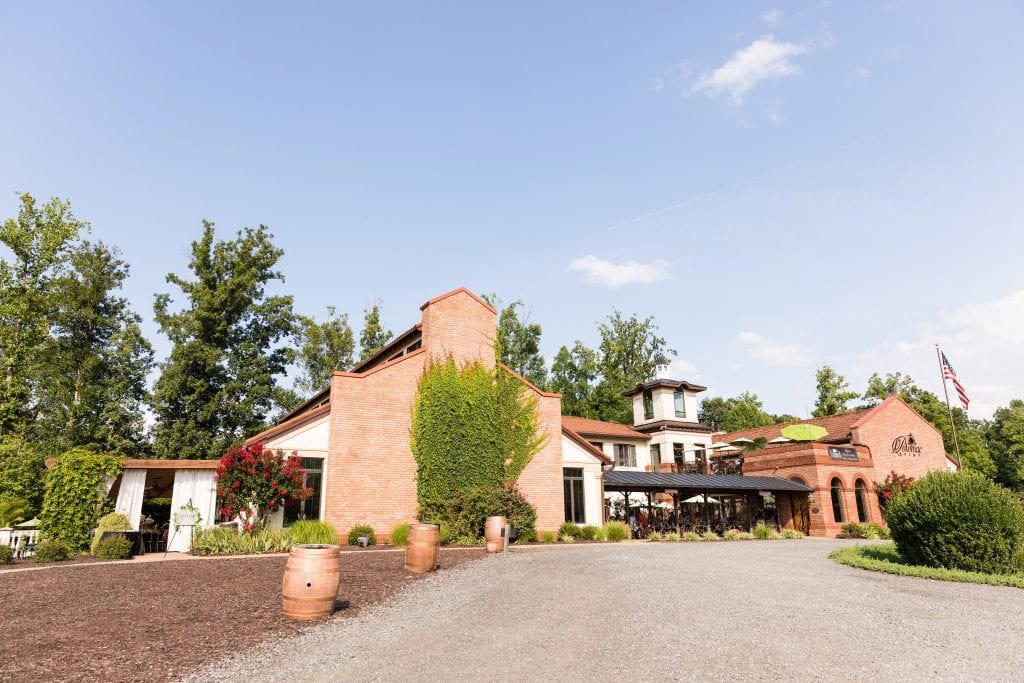
Chinatown Garden
Our verdict
On H Street NW in Washington's historic Chinatown corridor, Chinatown Garden occupies a stretch that has watched the neighborhood contract and reinvent itself over decades. The restaurant draws regulars from across the city who know that finding a table without a plan is the first test. A practical guide to what to expect before you arrive.

Pearl is the En Primeur Club membership app, where members save venues, book tables and use the concierge.

The menu
What to order
- General Tso's Chicken
- Moo Shu Pork
- Szechuan Crispy Beef
- Crab Rangoon
- Shrimp Toast
H Street and the Chinatown That Remains
Washington's Chinatown is one of the most documented cases of neighborhood attrition in American urban dining. At its height in the mid-twentieth century, the H Street corridor between 6th and 8th NW held dozens of Chinese-operated businesses. Today, a handful of Chinese restaurants persist amid sports bars, chain outlets, and Capital One Arena foot traffic. That contraction makes the survivors meaningful in a way that transcends any single review: they are evidence of a community's presence in a city that has repeatedly redeveloped around it.
Chinatown Garden, at 618 H St NW, sits inside that compressed zone. For anyone planning a Washington itinerary that leans on the neighborhood's ethnic dining heritage rather than its more recent arrivals, understanding the booking and arrival dynamic here is as important as understanding the menu.
The Logistics of Getting a Table
The editorial angle on Washington dining increasingly runs through reservation systems, timed releases, and multi-month waitlists. Venues like Jônt and minibar operate on structured booking windows that require planning weeks or months in advance. Chinatown Garden operates in a different register entirely. The restaurant belongs to the walk-in, show-up, eat-now tradition that still defines a significant portion of the neighborhood's Chinese dining options, a format that suits the crowds spilling out of the arena on game nights as much as it suits a Tuesday lunch.
That accessibility is not incidental. It reflects a practical relationship with a high-footfall street, where table turnover and visibility matter more than reservation management software. For a visitor or a local who has not planned ahead, this is the relevant intelligence: the experience here is organized around showing up, not scheduling weeks out.
Compare this to the tier of Washington restaurants where the booking experience is itself part of the proposition. At Causa or Albi, the reservation process signals something about the meal to follow, controlled capacity, deliberate pacing, a menu designed to be experienced on the kitchen's terms. Chinatown Garden sits at the opposite end of that axis, where the terms are the diner's.
What the Neighborhood Context Tells You
H Street's Chinatown is small enough now that choosing any one restaurant within it is partly a statement about where you stand on the neighborhood's history. The blocks between 6th and 8th NW remain dotted with Chinese-character signage, some of it purely cosmetic, retained for atmosphere after the businesses changed hands entirely, but the restaurants that have persisted through multiple cycles of development carry a different status. They predate the arena, predate the gentrification cycle, and have managed to hold market position without the support structures that newer concepts can access.
This matters for the visitor who wants to understand Washington's dining geography rather than simply tick venues. The restaurant sits a short walk from the Gallery Place-Chinatown Metro station, which positions it at one of the most accessible intersections in the city. That accessibility cuts both ways: it generates consistent foot traffic, but it also means the surrounding blocks compete hard for attention. Choosing to eat here is a deliberate act of neighborhood engagement rather than a discovery.
How Chinatown Garden Fits Washington's Broader Dining Map
Washington has developed, over the past decade, one of the more stratified dining environments among American cities. At the leading end, tasting-menu restaurants operate with the same structural seriousness you find at Le Bernardin in New York City, The French Laundry in Napa, or Smyth in Chicago. In that tier, Washington holds its own. Venues like Oyster Oyster and The Inn at Little Washington represent the city's credentials at the serious end of the market.
Chinatown Garden operates several tiers below that price and formality ceiling, which is precisely its role in the ecosystem. Cities with healthy dining cultures need mid-register neighborhood restaurants as much as they need destination venues. The absence of a sustained ethnic Chinese restaurant presence in what remains of D.C.'s Chinatown would be a significant cultural loss, regardless of what Michelin-designated kitchens are doing a few blocks away.
For international context, the kind of neighborhood-anchored Chinese restaurant that persists in tight urban footprints under development pressure is a pattern visible in cities from San Francisco's Tenderloin to London's Gerrard Street corridor. Washington's version is compressed, but it follows the same logic: a community institution adapting to a changed demographic and economic environment while maintaining a physical and cultural presence on the street.
Arriving and What to Expect
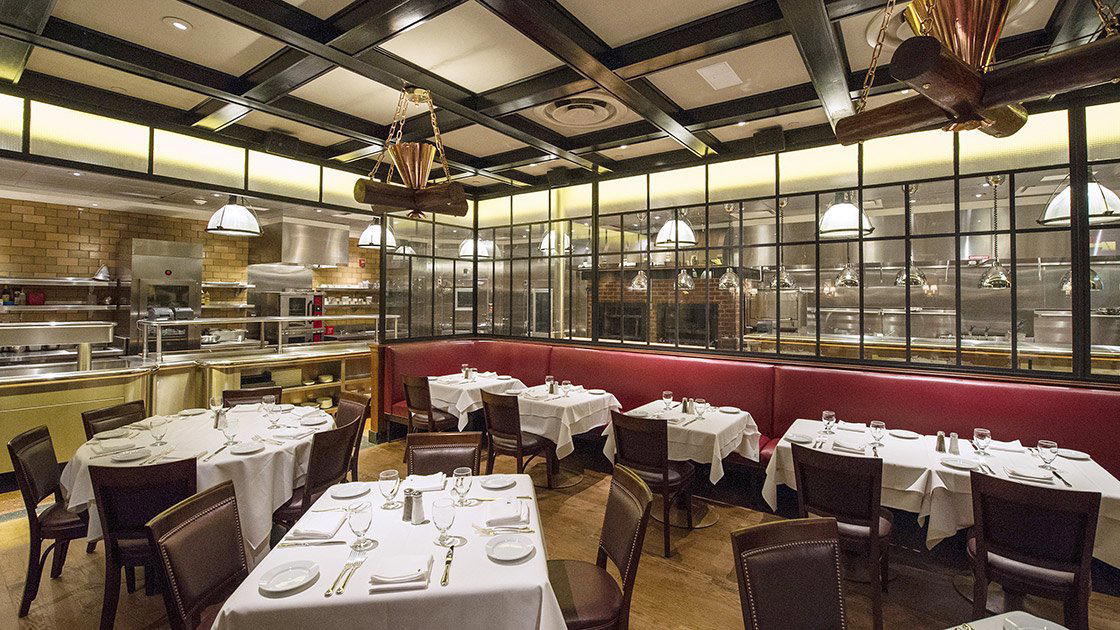
The physical environment on H Street NW reflects the neighborhood's layered history. The block mixes older low-rise commercial buildings with newer development, and the pedestrian traffic shifts markedly depending on whether there is an event at the arena nearby. On game nights, H Street takes on a different character entirely, louder, more congested, with lines forming at sports bars up and down the block. Arriving outside those windows means a quieter, more functional dining experience.
For anyone building a Washington itinerary that spans multiple price points and formats, the H Street Chinatown visit fits logically into a day that might begin at Lazy Bear in San Francisco in spirit, that is, a planned, booked, deliberate meal, and end with something spontaneous. The walk-in format here is the spontaneous option on a street that otherwise demands advance planning to eat well.
Our full Washington, D.C. restaurants guide maps the city's dining by neighborhood and format, from the H Street corridor through to Penn Quarter, Shaw, and beyond. For reference points in other American cities that span the same range from neighborhood anchor to destination kitchen, consider Providence in Los Angeles, Addison in San Diego, Blue Hill at Stone Barns in Tarrytown, Single Thread Farm in Healdsburg, and Emeril's in New Orleans.
Know Before You Go
- Address: 618 H St NW, Washington, DC 20001
- Nearest Metro: Gallery Place-Chinatown (Red, Yellow, Green lines), the intersection is one of the most transit-accessible in the city
- Reservations: Walk-ins accepted; no advance booking required
- Leading timing: Avoid arena event nights on H Street if a quieter setting is the priority; weekday lunches and early dinners are consistently lower-traffic
- Price tier: Mid-range; consistent with the neighborhood's Chinese dining comparables
- Cuisine: Chinese
Frequently asked questions
How do I find Chinatown Garden?
Chinatown Garden is located at 618 H St NW, Washington, DC 20001, Washington, D.C.
Is Chinatown Garden one of the last authentic Chinese restaurants in Washington D.C.'s Chinatown?
Washington's Chinatown, centered on H Street NW, has contracted sharply from a mid-century community of dozens of Chinese-operated businesses to a handful of restaurants today, making any remaining Chinese dining establishment on that block a significant holdout. Chinatown Garden at 618 H St NW occupies that context directly.
What do regulars order at Chinatown Garden?
Given the restaurant's position as one of the few remaining Chinese dining establishments in Washington's contracted Chinatown, regulars tend to treat the menu as a continuity choice: familiar dishes that reflect the neighborhood's pre-displacement food culture rather than a rotating seasonal program. Confirming current offerings directly with the restaurant before visiting is advisable.
Do they take walk-ins at Chinatown Garden?
Walk-in policy for Chinatown Garden has not been formally documented in available venue data. Washington's H Street corridor operates differently from the reservation-heavy tasting-menu circuit further uptown, and smaller neighborhood Chinese restaurants in the area have historically accommodated walk-in traffic. Contacting the venue directly at 618 H St NW, Washington, DC 20001 will confirm current seating policy.
Cuisine and Credentials
Comparable venues nearby, for context on price, style, and recognition.
| Venue | Cuisine | Price | Notes |
|---|---|---|---|
| Chinatown GardenThis venue (the venue you are viewing) | Modern Chinese with Szechuan & Cantonese | $20–30 | Not listed |
| China Boy | Authentic Cantonese Noodles | $10–20 | Mount Vernon Triangle |
| Alfie’s | Locally Sourced Northern & Isaan Thai | Not listed | Georgetown |
| Wiseguy Pizza | New York-Style Pizza | $20–30 | Judiciary Square |
| All-Purpose & AP Pizza Shop | Italian-American pizzeria and AP Pizza Shop counter | Not listed | Shaw |
| Little Serow | Northern Thai Prix Fixe | Not listed | Dupont Circle |