
Chigusa Soba belongs to Tsuruga’s quieter, ingredient-led dining register: buckwheat noodles, udon, sake and a room built around everyday local use rather than ceremony. Its selection for Tabelog 100 Soba WEST 2025 gives it a clear credential, but the appeal is narrower and more specific: a regional soba stop that fits the city’s railway-port rhythm.
Pearl is the En Primeur Club membership app — saves, bookings, and concierge access live there. Same editors, same standards.
- Address
- 1 Chome-20-8 Kiyomizucho, Tsuruga, Fukui 914-0052, Japan
- Phone
- +81 770-23-1182
- Website
- chigusasoba.com
 Saves & bookings on Pearl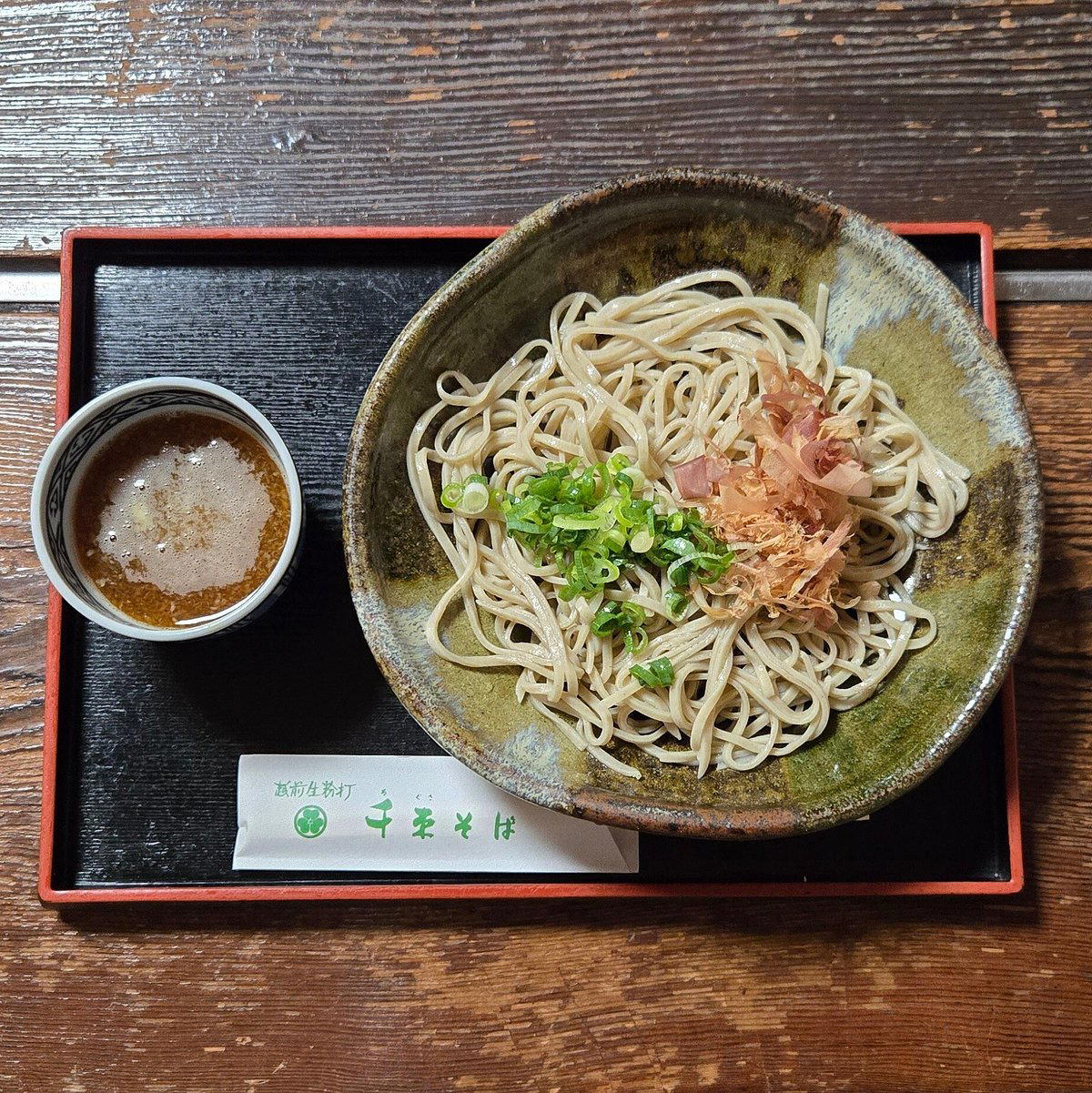
Approaching a soba shop in Tsuruga is different from entering a counter in Ginza or a temple-town noodle room in Kyoto. The pace is lower, the meal is shorter, and the point is not performance. In Kiyomizucho, the appeal sits in the old compact formula of regional Japan: buckwheat noodles, udon, sake, tatami seating and a daytime rhythm shaped by local traffic rather than destination-dining choreography.
That context matters because Fukui has a serious soba culture. The prefecture is closely associated with oroshi soba, where grated daikon and a clean dipping style make buckwheat character harder to hide. A good bowl in this part of Japan is not about excess garnish or luxury sourcing language. It is about noodle texture, broth balance and how the kitchen handles a staple that locals know well. Chigusa Soba sits inside that tradition, with its Tabelog 100 Soba WEST 2025 selection marking it as part of the stronger western-Japan soba conversation rather than a generic station-area noodle stop.
Fukui soba, judged by restraint rather than theatre
Japan’s regional noodle culture is often misread from abroad as a hierarchy: ramen for speed, udon for comfort, soba for refinement. In practice, the categories overlap, and many serious local shops serve more than one form. Here, the listed categories are soba and udon, which places the restaurant in a practical, everyday lineage rather than the tasting-menu wing of Japanese dining. That is a strength. Tsuruga is a working coastal city and rail junction, not a city built around luxury restaurant tourism, so the better meals often come from focused formats with a local base.
The ingredient angle is central. Buckwheat has a different burden from wheat noodles: it carries its own aroma and texture, and it exposes sloppy handling quickly. Fukui’s reputation for soba rests on that grain-forward discipline, often sharpened by daikon, soy-based dipping broth and a preference for clean structure over decorative plating. The shop’s recognition in the 2025 Tabelog 100 Soba WEST list is useful because soba quality is hard to assess from menu language alone. Awards in this category tend to reward consistency and local credibility, not spectacle.
For travellers building a food day in Tsuruga, this is not the same proposition as Caldo or ソニョーポリ, where the frame shifts toward Italianate dining. It also differs from Chuka Soba Ichiriki (Ramen), where the noodle conversation moves into broth depth, fat and postwar ramen idioms. Chigusa Soba is more austere in its pleasures: a buckwheat-and-dashi register, with udon as part of the same local lunch grammar.
A Tsuruga room for noodles, sake and local cadence
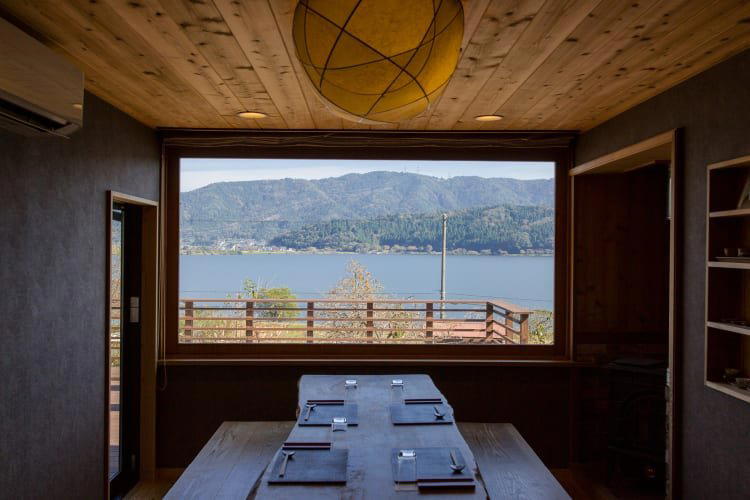
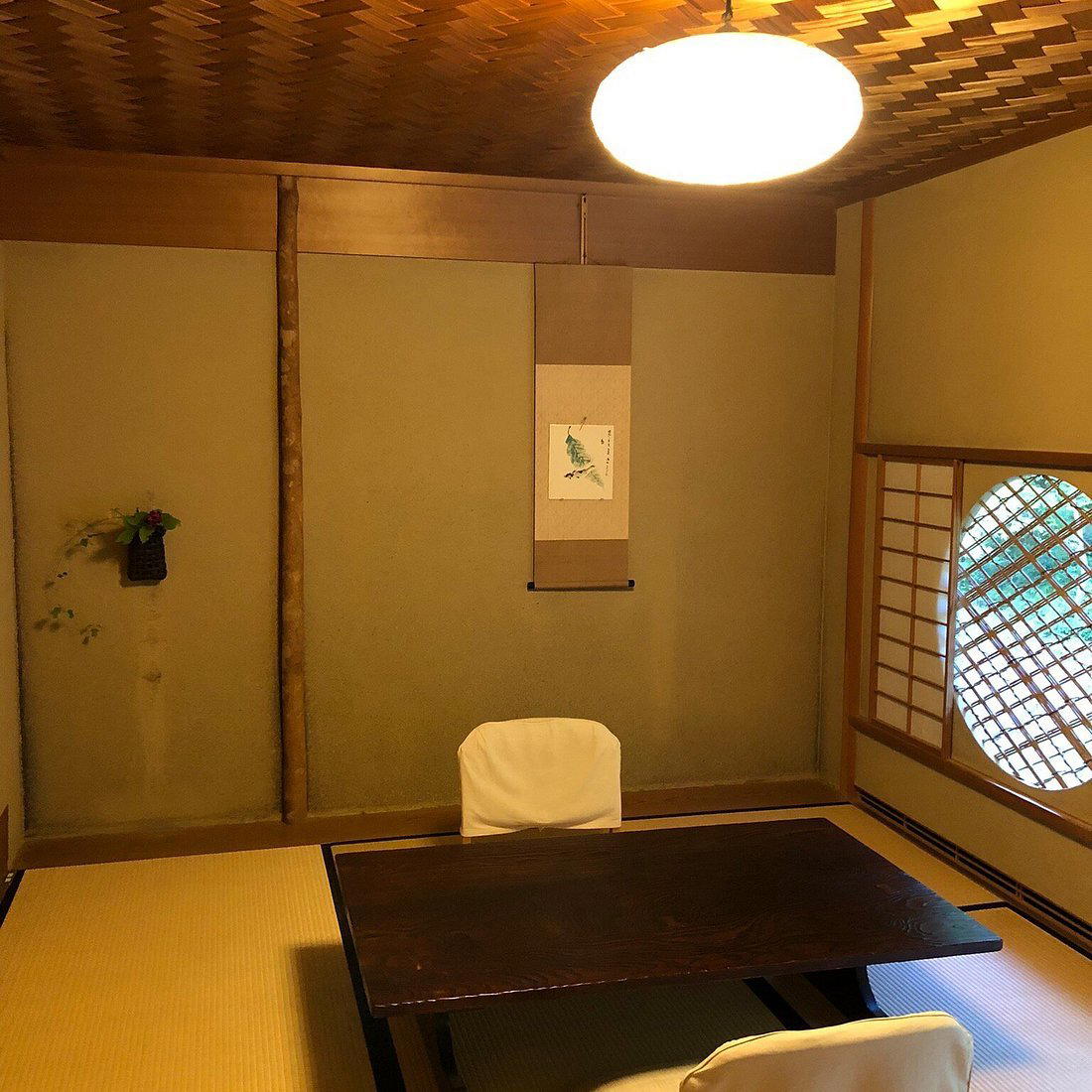
The setting signals a traditional Japanese casual restaurant rather than a chef-counter room. Private rooms are listed, there is a tatami room, sake appears among the drinks, and take-out is part of the service format. Those details put the restaurant in the category of places used by locals for ordinary meals and small social gatherings, not just by visitors checking off a name from an awards list.
That distinction is important in Tsuruga. The city sits between Hokuriku, Kansai and the Sea of Japan coast, so its dining identity is not a single glossy narrative. Seafood matters, noodle shops matter, and practical restaurants near transport routes carry real weight. A soba meal here can sit comfortably between Kehi Jingu, port-side wandering and a wider day of regional eating. The point is not to stretch lunch into an event; it is to read the city through the foods residents keep in rotation.
Compared with out-of-metro destination restaurants such as Tokuyamazushi, SOWER or 湖里庵, the scale and intent are different. Those names belong to more elaborate regional dining circuits, where travellers plan around set meals, rural settings or contemporary technique. A Tabelog-recognised soba shop in Tsuruga works at another frequency: lower ceremony, tighter spend, a shorter meal, and a stronger link to the daily food culture of the city itself.
How to place it in a Tsuruga itinerary
The cleanest way to use Chigusa Soba is as an anchor for a daytime food route rather than as the only reason to be in town. Tsuruga rewards that kind of planning. Pair a soba lunch with another local meal later, or contrast it with ramen to understand how two noodle traditions use broth, grain and texture differently. For a broader sweep, start with Our full Tsuruga restaurants guide, then use Our full Tsuruga hotels guide, Our full Tsuruga bars guide, Our full Tsuruga wineries guide and Our full Tsuruga experiences guide to build the rest of the trip around the city rather than a single meal.
For readers extending the Japan file beyond Fukui, the useful comparison is not only between cuisines but between formats. A soba room in Tsuruga has little in common with beef-led dining at -Grilled beef Sukiyaki- KAMAKURA TANUKIAN 鎌倉 たぬき庵 in Kamakura, izakaya-style seafood and charcoal at. 鮪と炭火焼き うお炭 秋葉原店 in Tokyo, or cafe culture at.cafe in Osaka. It is also a different register from.know in Kumamoto, (Shoku) Vietnam in Kawasaki, [Curry Senmon Ten] Maruyama Kyoju. in Sapporo, [ki:] in Kyoto and #肉といえば松田 奈良本店 in Kashihara. Outside Japan, the contrast becomes sharper: Jōdo Saké Bar in Los Angeles and Onigiri Time in Pasadena show how Japanese formats travel, while Tsuruga’s soba culture shows how they function at home.
The editorial case is clear: this is a specialist local noodle stop with a credible award signal, not a luxury detour. Go for the discipline of Fukui soba culture, the regional ingredient logic and the compactness of the experience. In a city where transport, shrines, coastline and working restaurants sit close together, that compactness is part of the value.
A Quick Peer Check
Comparable venues by cuisine and price in the same metro.
| Venue | Cuisine | Price | Notes |
|---|---|---|---|
| Chigusa SobaThis venue — the venue you are viewing | Traditional soba noodle shop | $ | Not listed |
| Chuka Soba Ichiriki | Traditional Tsuruga Chuka Soba | $ | Chuo-cho |
| ソニョーポリ | Italian Trattoria with Local Fukui Ingredients | $$ | Kanegasaki, Tsuruga |
| Caldo | Italian Trattoria | $$ | Awano |
| Gyoza Hohei (ぎょうざ 歩兵) | Japanese Gyoza Specialist | $ | Gion |
| Numazu Gyoza Nomiseko Taguchitei | Numazu Gyoza Standing Bar | $ | Numazu Station area |
Recognition history
Dated appearances from independent guides and award organizations, with the underlying list record or original source where available.
Tabelog 100 #39 · No. 39
Tabelog · Tabelog 100 - Soba - WEST - 2025
At a Glance
- Cozy
- Classic
- Family
- Casual Hangout
- Group Dining
- Solo
- After Work
- Standalone
Current opening hours
- Monday
- 11 AM–4 PM
- Tuesday
- 11 AM–4 PM
- Wednesday
- Closed
- Thursday
- 11 AM–4 PM
- Friday
- 11 AM–4 PM
- Saturday
- 11 AM–4 PM
- Sunday
- 11 AM–4 PM
Hours can change for holidays and private events. Last verified .