On Rue Legendre in the 17th arrondissement, Chez Léon occupies the kind of address that Paris's traditional bistro culture has always favoured: residential, unhurried, removed from the tourist circuits. The room sets the register before the first course arrives. For visitors tracing the slower rhythms of neighbourhood dining in the French capital, it represents a different tier of the city's eating culture.
Pearl is the En Primeur Club membership app — saves, bookings, and concierge access live there. Same editors, same standards.
- Address
- 32 Rue Legendre, 75017 Paris, France
- Phone
- +33142270682
- Website
- restaurantchezleon.com
- Directions
- Get directions
 Saves & bookings on Pearl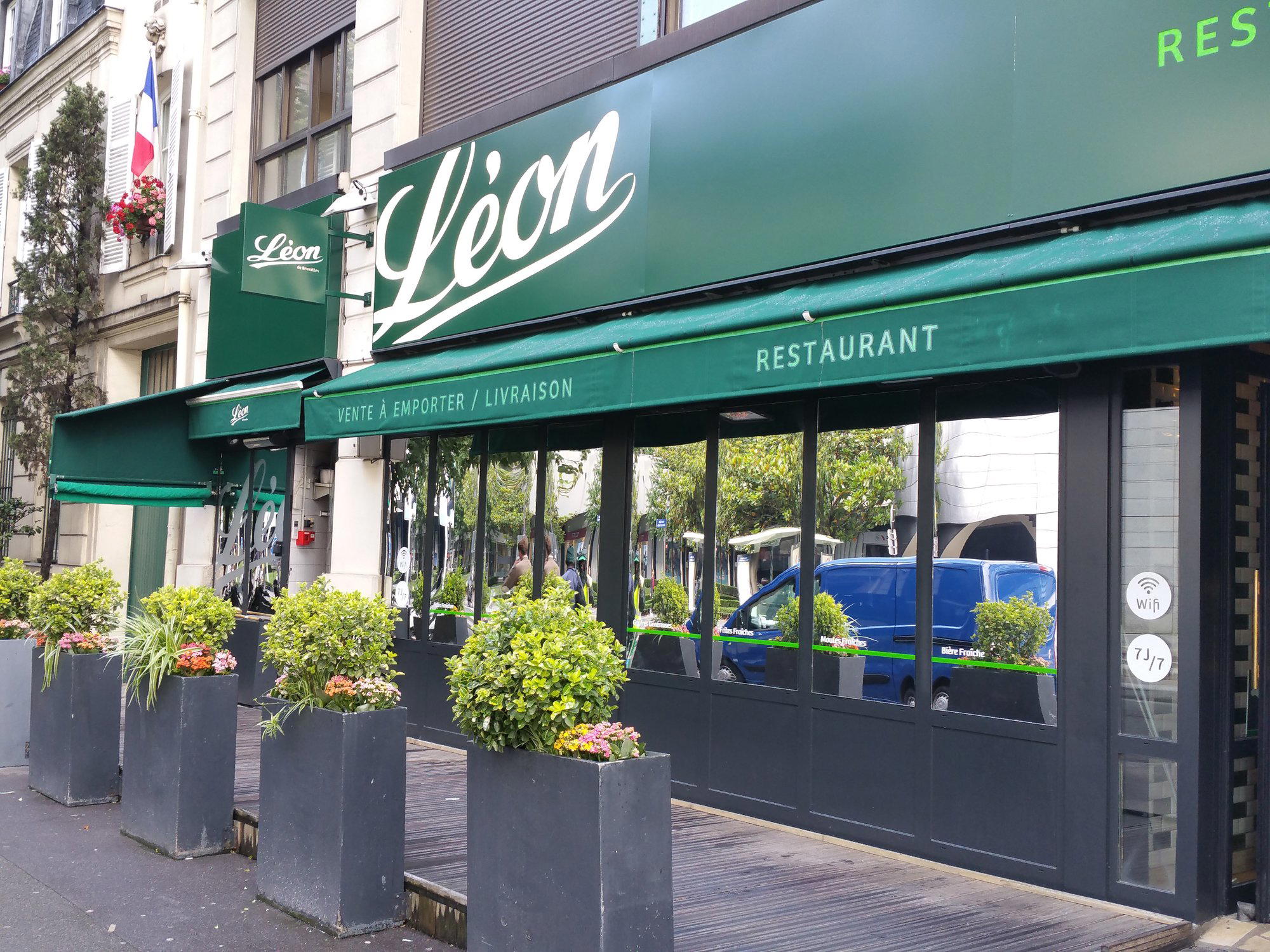
The 17th Arrondissement and the Bistro Tradition It Protects
Paris's relationship with its neighbourhood bistros is an ongoing negotiation between a dining culture that prizes continuity and a property market that keeps erasing it. The 17th arrondissement, running north from the broad avenues near the Arc de Triomphe into the quieter residential blocks around the Batignolles quarter, has historically sat outside the circuits that draw international press. That relative remove is precisely what has allowed streets like Rue Legendre to preserve the kind of address that Chez Léon represents: a room serving the neighbourhood rather than performing for it.
Understanding what a place like this means to the city requires placing it against the other tier of Parisian dining that tends to capture coverage. The Alléno Paris au Pavillon Ledoyen and Le Cinq at the Four Seasons George V occupy the grand-format end of the spectrum, where the room, the brigade, and the price bracket are all calibrated for an international audience. Kei and Arpège represent a different contemporary tension, where technical ambition and market-driven sourcing reframe what French cooking can mean. L'Ambroisie in the Marais maintains the classic-cuisine register at its most refined. Chez Léon on Rue Legendre sits outside all of those conversations, and that is the point.
What a Bistro Address on Rue Legendre Signals
At 32 Rue Legendre, the address itself carries information. This is not a destination street in the way that the Palais-Royal arcades or the Île Saint-Louis waterfront function for visiting diners. Rue Legendre is a daily-life street: a bakery, a tabac, apartment buildings with intercom panels. Arriving here for dinner, you are not walking toward a landmark. You are arriving at a room that the surrounding neighbourhood has made its own.
The physical experience of approaching a traditional Parisian bistro of this register follows a recognisable grammar. Handwritten menu boards or paper inserts rather than bound leather. Tables set close enough that conversation from the adjacent party becomes ambient. A zinc counter or at least its memory in the room's layout. Light that reads as warm without being engineered. These are not accidents of low budget; they are the accumulated results of a format that has been optimised over generations for a specific kind of evening: unhurried, wine-anchored, organised around conversation rather than spectacle.
France's broader restaurant tradition has produced particularly technically demanding addresses in the world. Mirazur in Menton and Flocons de Sel in Megève represent the mountain and coastal poles of haute cuisine outside Paris. Troisgros in Ouches, Paul Bocuse in Collonges-au-Mont-d'Or, Bras in Laguiole, and Auberge de l'Ill in Illhaeusern are all part of the same country's dining identity, but they describe a different register entirely. The neighbourhood bistro exists as the counterweight to all of that ambition, the format that argues a well-executed steak frites and a carafe of Côtes du Rhône can be as complete a meal as any tasting menu.
The Cultural Logic of the Neighbourhood Bistro
French bistro culture carries a specific set of values that are worth naming plainly. The format prioritises repetition over novelty: regulars who order the same thing every Tuesday, servers who remember preferences without being asked, a menu that changes with the market but retains its core structure across years. This stands in deliberate contrast to the seasonal-concept model that drives many contemporary restaurant openings in London, New York, or even central Paris.
Internationally, the French bistro template has been exported and reinterpreted at considerable cost. Le Bernardin in New York represents a different strain of French dining culture transplanted abroad, and Lazy Bear in San Francisco shows how the communal-table, chef-driven dinner format has evolved in American hands. Neither is trying to be a Parisian neighbourhood bistro, but the contrast usefully illustrates what the bistro format is actually doing: resisting the drift toward performance-dining that has reshaped the upper tiers of the global restaurant industry.
Within France, the same tension plays out at the regional scale. Les Prés d'Eugénie in Eugénie-les-Bains, Georges Blanc in Vonnas, Auberge du Vieux Puits in Fontjoncouse, and La Table du Castellet in Le Castellet each represent the grande maison tradition in provincial France, where the address, the cellar, and the kitchen are the point of a deliberate journey. A bistro on Rue Legendre operates on an entirely different premise: you are already in the neighbourhood, or you have chosen to come to this neighbourhood, and the restaurant is the reasonable conclusion of that choice.
Seasonal Rhythms and When to Go
The Parisian bistro calendar has its own logic. August hollows out the neighbourhood dining rooms as both kitchens and their regulars scatter. September marks the return: the market restocks with autumn produce, the room fills again with locals who have been away, and the menu reflects a shift toward the richer preparations that cooler weather permits. For a visitor trying to read the city through its neighbourhood dining rather than its monuments, the September-to-November window and the February-to-April stretch offer one representative picture of what a room like this does in full operation.
The 17th arrondissement is accessible by Metro lines 2 and 3, with Villiers station placing you within a short walk of Rue Legendre.
Planning Your Visit
Chez Léon is located at 32 Rue Legendre, 75017 Paris. Villiers on Metro lines 2 and 3 is the closest station. Reservations are recommended, and the dress code is smart casual.
Nearby-ish Comparables
Comparable venues nearby, for context on price, style, and recognition.
| Venue | Cuisine | Price | Notes |
|---|---|---|---|
| Chez LéonThis venue — the venue you are viewing | Traditional French Bistro | $$ | Not listed |
| Le Soufflé | Classic French Soufflé Specialist | $$ | Louvre/Palais-Royal |
| L'Entredgeu | Traditional French Bistro | $$ | Ternes |
| Dépôt Légal | Modern French Bistro | $$ | Vivienne |
| Le Pré aux Clercs | Classic French Brasserie | $$ | Luxembourg |
| Le Coupe Gorge | Bistronomic French | $$ | Saint-Merri |
Continue exploring
More in Paris
Restaurants in Paris
Browse all →

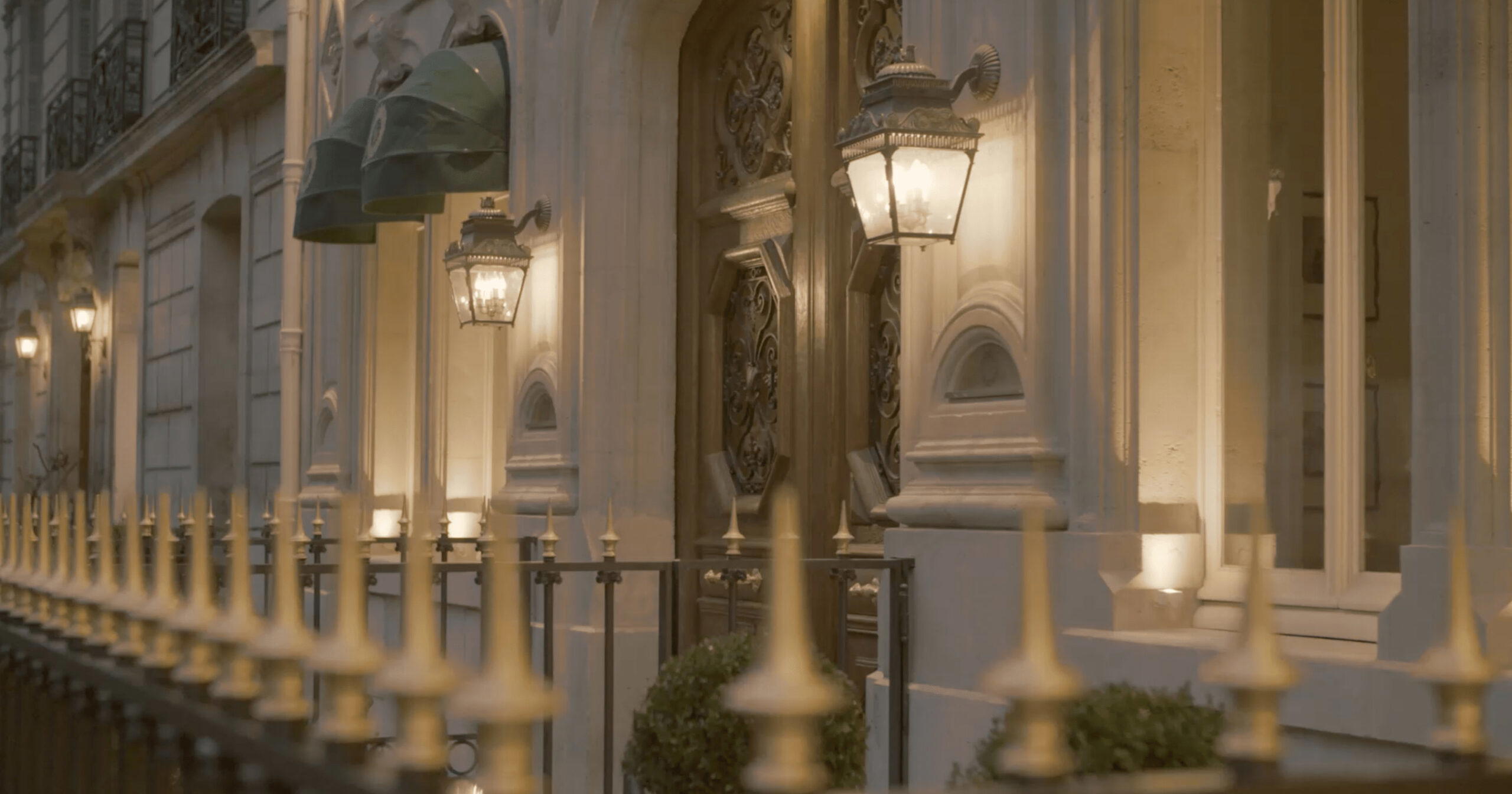
Bars in Paris
Browse all →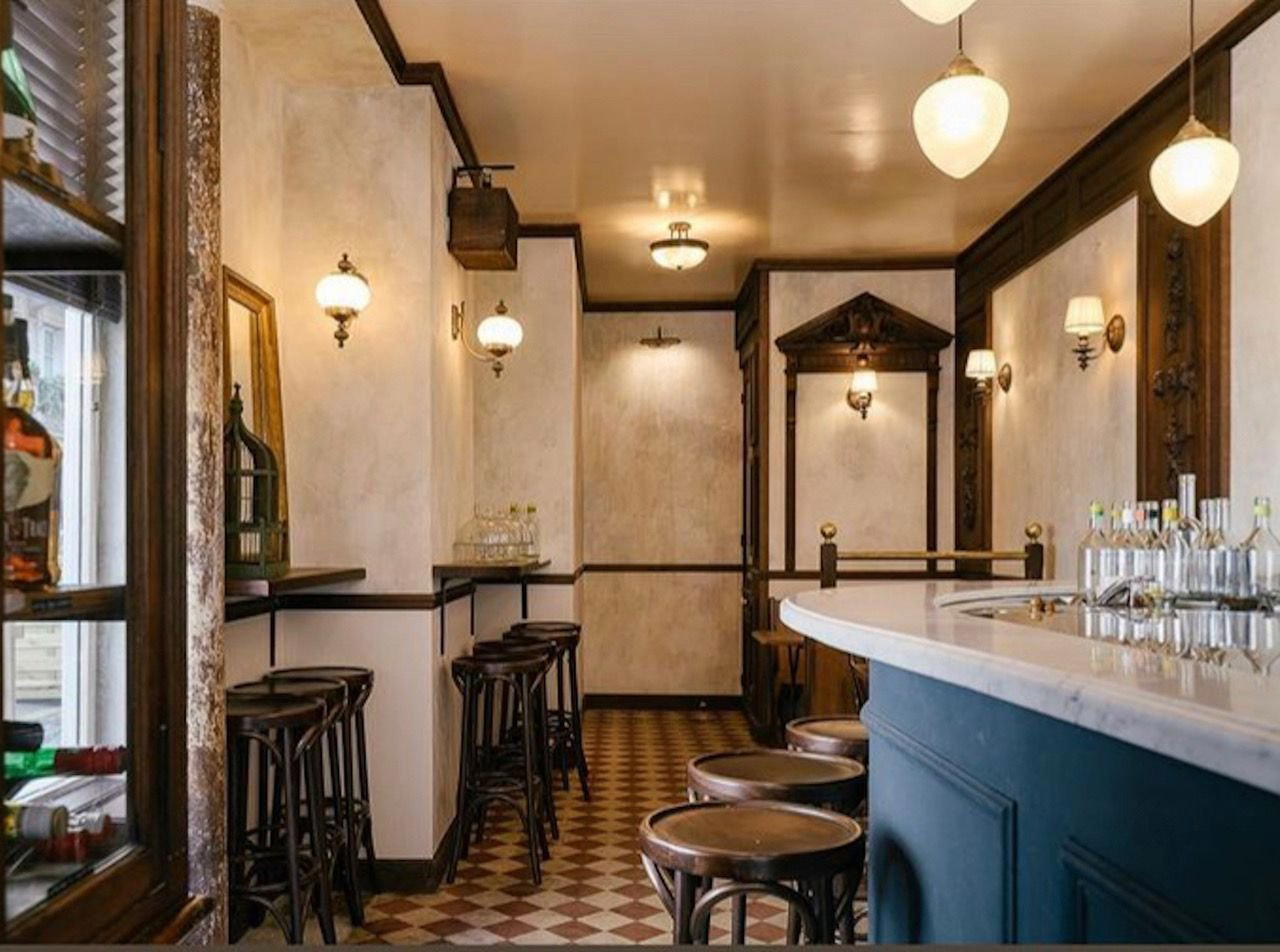
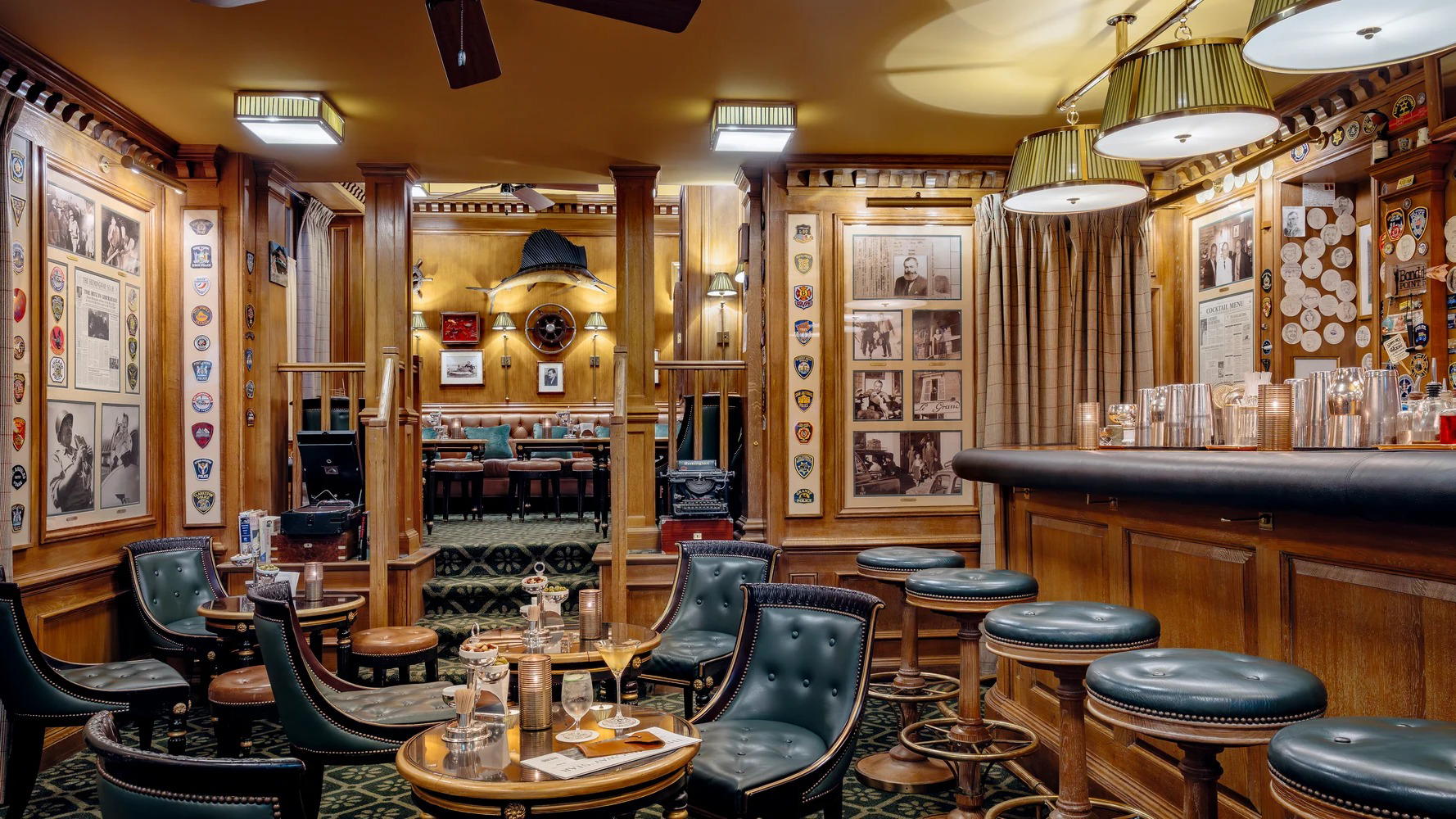
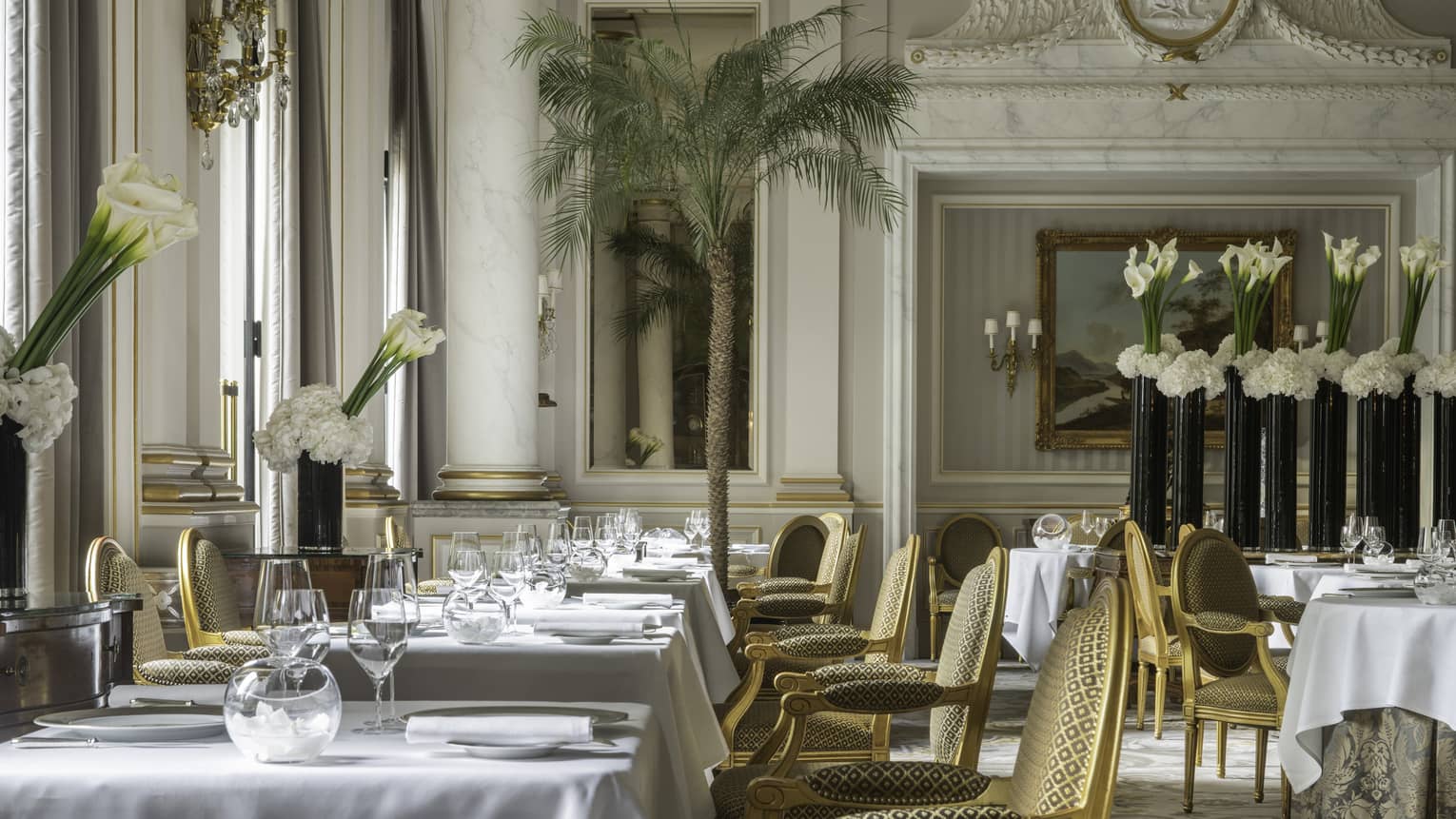
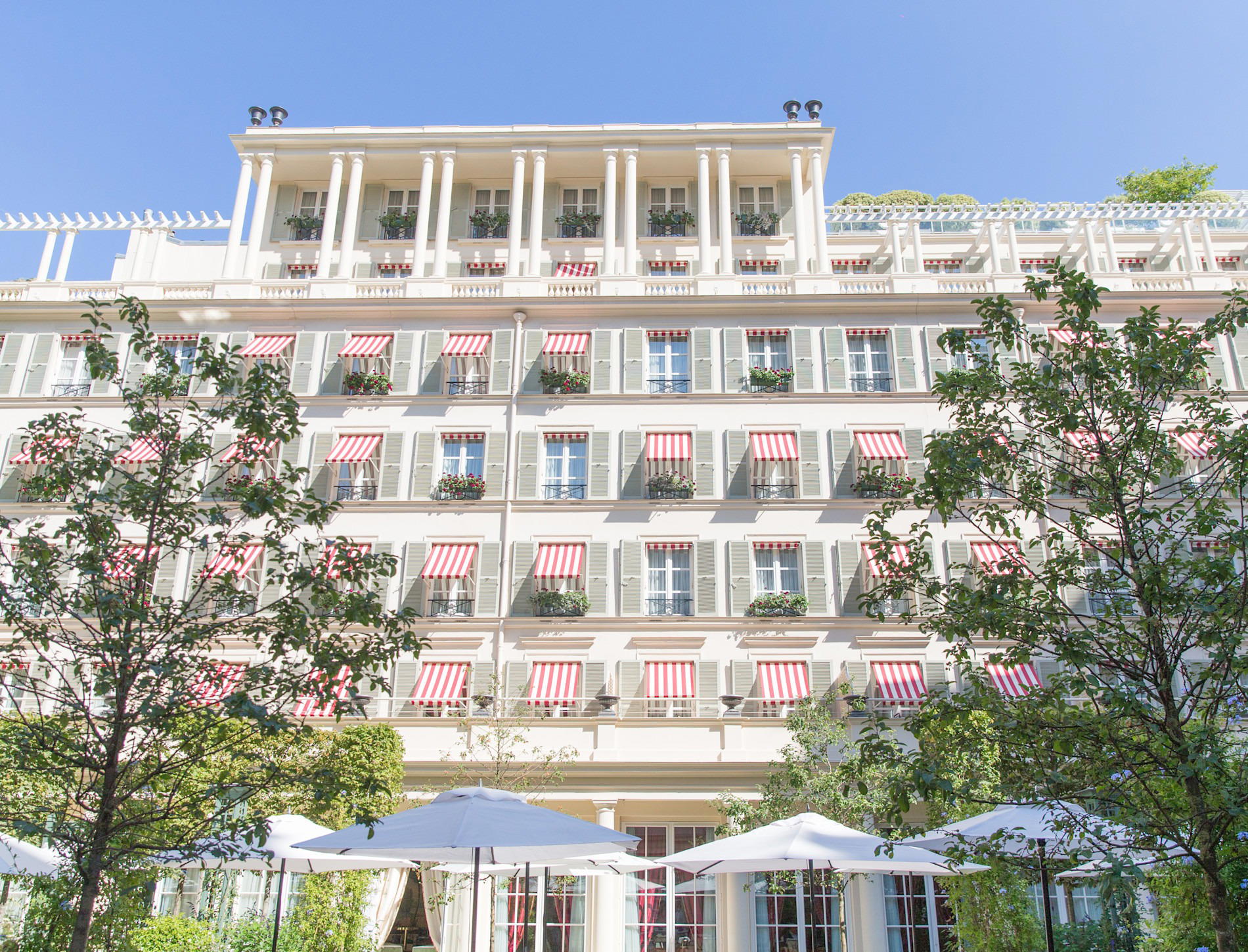
Hotels in Paris
Browse all →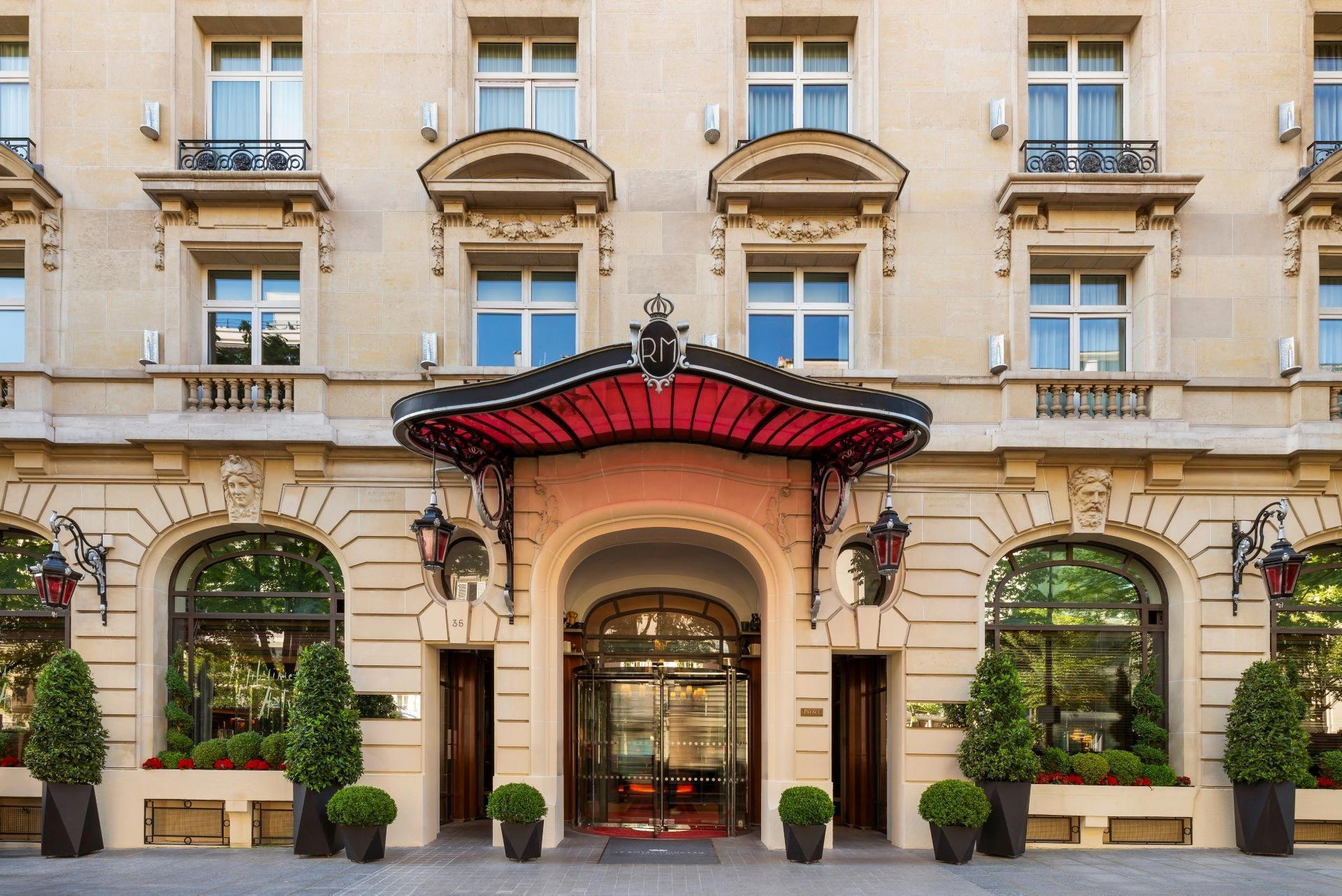
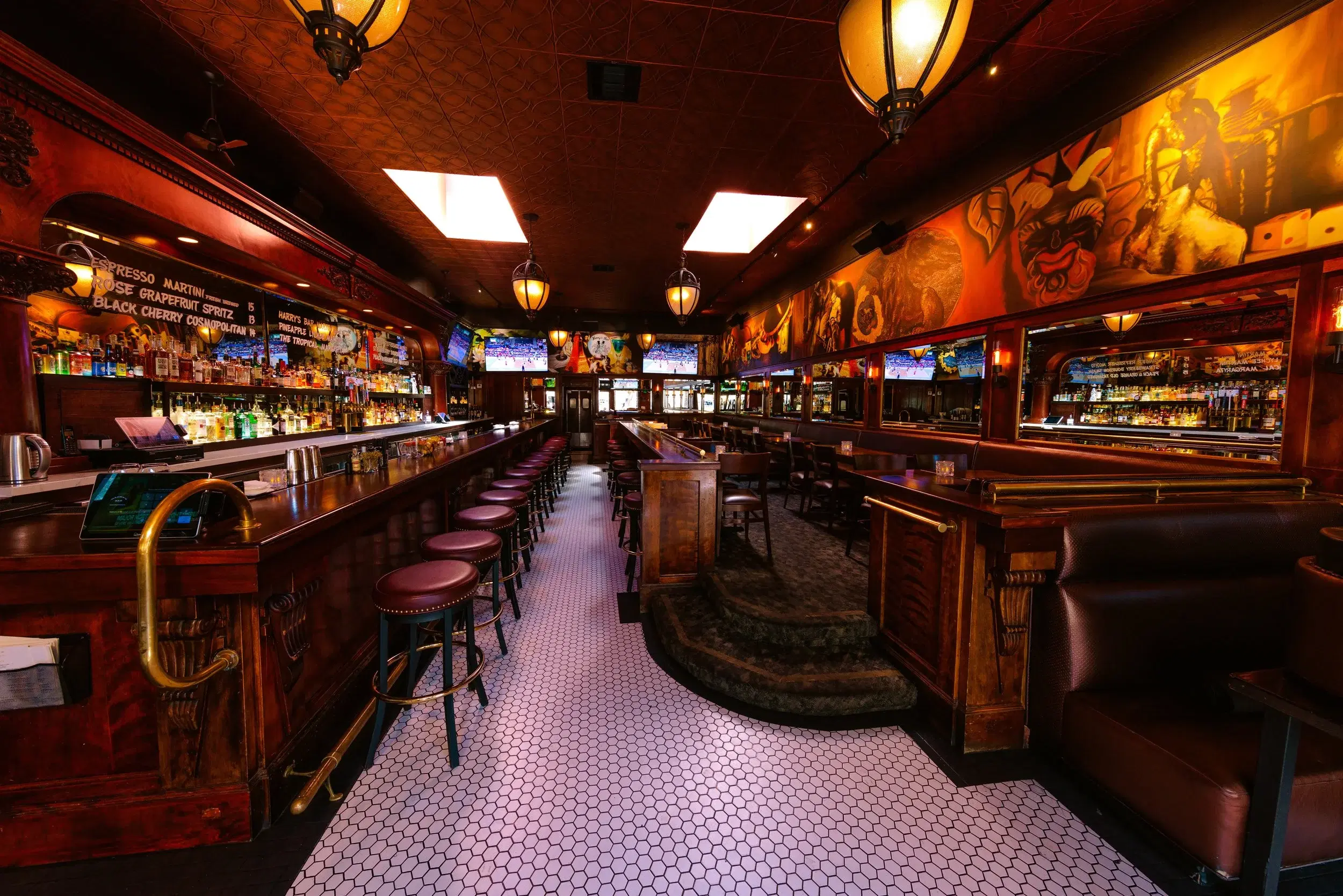
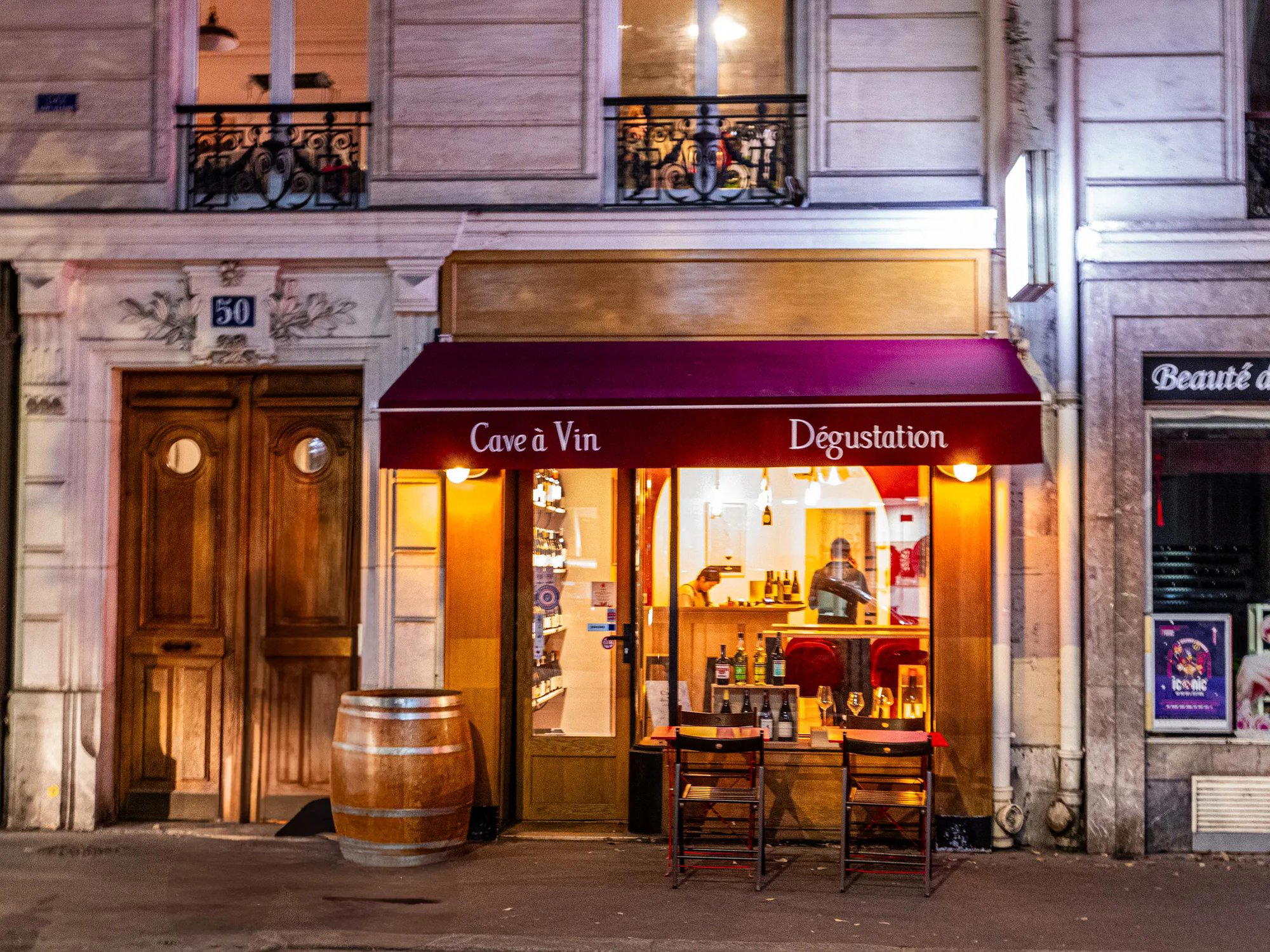
Wineries in Paris
Browse all →
At a Glance
- Classic
- Cozy
- Lively
- Casual Hangout
- After Work
- Historic Building
- Local Sourcing
Current opening hours
- Monday
- 12–2 PM, 7–10:30 PM
- Tuesday
- 12–2 PM, 7–10:30 PM
- Wednesday
- 12–2 PM, 7–10:30 PM
- Thursday
- 12–2 PM, 7–10:30 PM
- Friday
- 12–2 PM, 7–10:30 PM
- Saturday
- 12–2:30 PM, 7–10:30 PM
- Sunday
- Closed
Hours can change for holidays and private events. Last verified .
Old-fashioned bistro decor with zinc bar, antique plaques, and lively traditional atmosphere.