Chez Jean
Our verdict
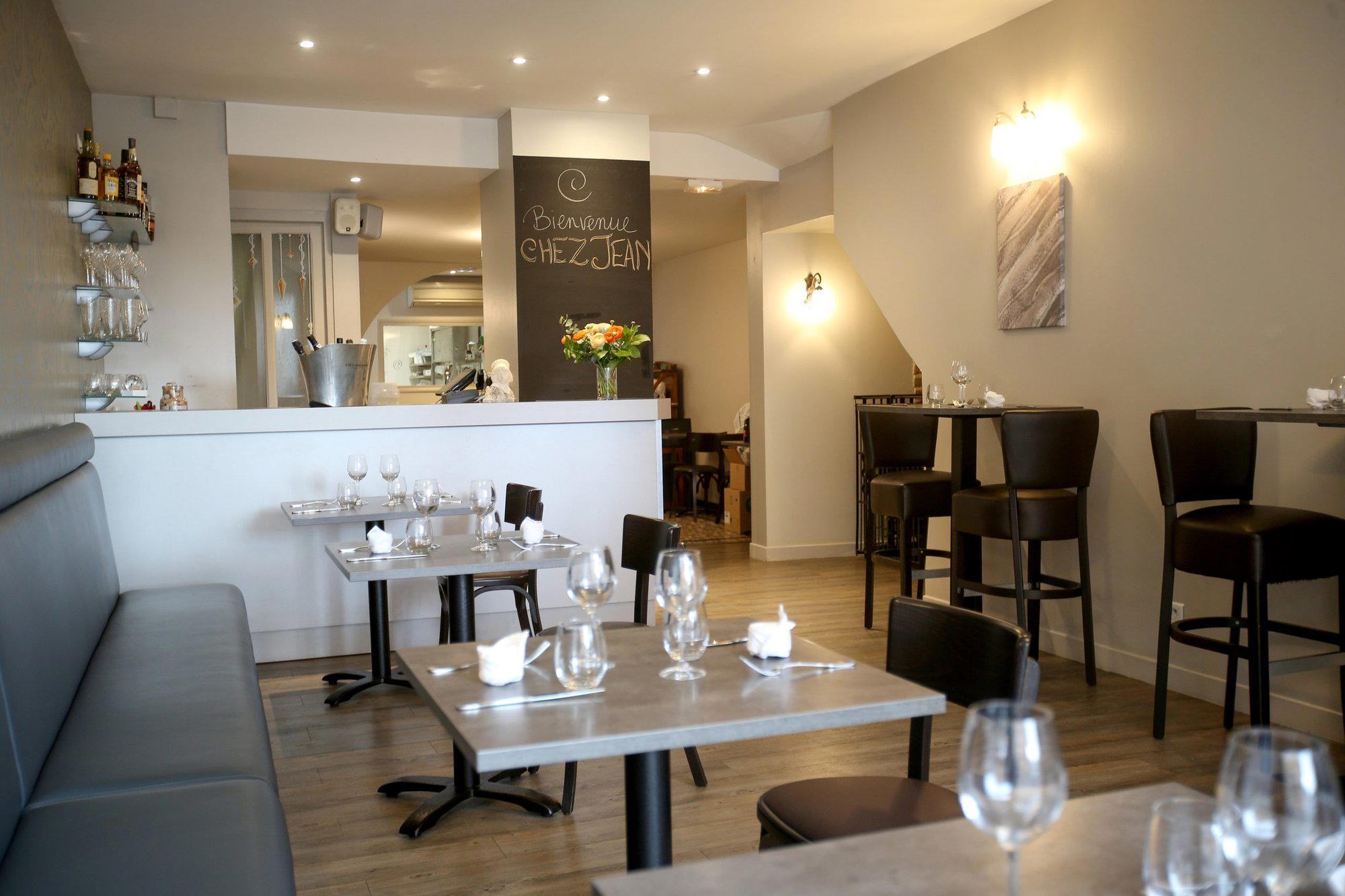
On Rue de Lyon in the centre of Saint-Quentin, Chez Jean occupies a position that says something about how provincial French dining persists outside the grandes tables circuit. The kitchen draws on the produce traditions of the Hauts-de-France region, and the room operates at the tempo of a lunch town rather than a destination dining city. A reliable address for anyone passing through northern France with appetite and a sense of place.

Pearl is the En Primeur Club membership app, where members save venues, book tables and use the concierge.
Saint-Quentin and the Case for Provincial French Dining
The grandes tables of France, the addresses that collect three Michelin stars and draw pilgrims from across Europe, tend to cluster in Paris, Lyon, and a handful of celebrated rural outposts. Mirazur in Menton, Flocons de Sel in Megève, Troisgros in Ouches: these are destinations in themselves, restaurants that justify the journey. But French dining has never depended solely on those addresses. The deeper tradition, the one that actually feeds the country, lives in the ville moyenne, the mid-sized provincial city where a well-run restaurant on a named street draws the same tables week after week, not because it is chasing recognition, but because it is doing its job.
Saint-Quentin is that kind of city. The Hauts-de-France capital of the Aisne sits roughly midway between Paris and the Belgian border, a working town with a cathedral and an Art Deco townscape that most visitors pass through on the way somewhere else. Which is precisely why its restaurants operate on local logic rather than tourist logic: the clientele is regular, the expectations are formed by repeated visits, and the kitchen cannot survive on novelty alone.
Chez Jean, at 4bis Rue de Lyon, belongs to this tradition. The address places it in the city's central fabric rather than at some peripheral commercial strip, and the name, a given name, no surname, no flourish, signals a certain directness about what the place intends to be. You can find the same construction all across provincial France: Chez Pierre, Chez Marcel, Chez Suzette. It is a format that implies ownership, personality, and cooking that does not require a press release to explain itself.
Ingredient Traditions in Hauts-de-France
Understanding what a restaurant like Chez Jean might offer requires understanding the produce traditions of the region it sits inside. Hauts-de-France is not the part of France that appears on wine maps or truffle itineraries. It is, instead, a region of market gardens, sugar beet plains, coastal fishing ports, and a chicory-growing tradition that runs deep enough to have shaped local palates for generations. The cooking that has historically emerged from this territory tends toward substance over delicacy: carbonade flamande, potjevleesch (a cold terrine of mixed meats set in jelly), waterzooï, dishes that carry Flemish and Picard influences in roughly equal measure.
The coastal proximity to Boulogne-sur-Mer, one of France's most active fishing ports, means that northern French kitchens with any ambition have historically had access to serious seafood: herring, mackerel, sole, and North Sea shellfish. The farmland of the Thiérache to the east produces dairy and a regional cheese tradition. These are not the glamorous ingredients of Provence or the Périgord, but they are honest ones, and a kitchen that works with them well earns a different kind of respect than one that imports prestige produce from elsewhere.
The broader French provincial dining tradition, the one that connects addresses from Auberge de l'Ill in Illhaeusern to Auberge du Vieux Puits in Fontjoncouse, is built on this kind of sourcing logic: the kitchen is an expression of its territory, not an escape from it. Restaurants like Bras in Laguiole and Georges Blanc in Vonnas have made the argument at the highest level that regionality and ambition are not in tension. At the neighbourhood level, the same argument runs through every bistro and brasserie that chooses to source from the farms and docks it knows rather than from a consolidated national supplier.
The Room and the Rhythm
Positioning of Chez Jean on Rue de Lyon puts it within the pedestrian and commercial centre of Saint-Quentin, which means it operates on a lunch cycle as much as a dinner one. Northern French cities of this scale have a working lunch culture that the larger metropolitan centres have partly lost: tables fill between midday and half-past one, conversation runs alongside the service rather than as a performance of it, and the pace is set by people who need to return to offices and workshops rather than by travellers with an afternoon to spend.
This shapes what a restaurant in this position offers. The menu is likely calibrated for repetition, dishes that reward the regular rather than chase the first-time visitor. In French provincial terms, that means a formule structure that anchors the midday service, with a more expansive dinner format for those who choose to linger. It is a different proposition from the tasting menu architecture of starred houses like Alléno Paris au Pavillon Ledoyen or Le 1947 à Cheval Blanc in Courchevel, and the comparison is not meant to diminish it. These are different formats serving different functions within the French dining ecosystem.
How Chez Jean Fits the Saint-Quentin Scene
Saint-Quentin does not currently appear on any major awards circuit. The city is not tracked in the Michelin regional selection at the level of, say, Chagny (home to Maison Lameloise) or Les Baux (home to L'Oustau de Baumanière). For the traveller comparing options across France, this matters: you are not arriving in Saint-Quentin to eat at a destination restaurant. You are arriving, more likely, because the route requires a stop, or because the city itself is the purpose of the visit.
In that context, Chez Jean reads as the address you look for: a name-above-the-door establishment with a fixed street address in the city centre, in a country where that combination has been a reliable indicator of seriousness for the better part of a century. The comparison set here is not Paul Bocuse's Auberge du Pont de Collonges or La Vague d'Or in Saint-Tropez, addresses built around pilgrimage and occasion. It is the category of honest provincial French restaurant that has outlasted trends precisely because it serves a community rather than a market. For a broader map of what Saint-Quentin's restaurant scene offers, see our full Saint-Quentin restaurants guide.
Planning Your Visit
Chez Jean's address at 4bis Rue de Lyon puts it in the walkable centre of Saint-Quentin, accessible from the train station on foot in under ten minutes. Saint-Quentin sits on the Paris-Nord to Brussels main line, making it a feasible stopping point for anyone moving between northern France, Belgium, or onward to London via Lille. Booking ahead is advisable for lunch in the working week, when the room is likely to fill with local regulars; weekend evenings tend to follow a different pace.
Frequently asked questions
Is Chez Jean a family-friendly restaurant?
Chez Jean sits on Rue de Lyon in the pedestrian and commercial centre of Saint-Quentin, a location that typically draws a mixed midday crowd of locals, shoppers, and office workers. That street-level, city-centre context tends to support a relaxed, all-ages environment at lunch. Specific family facilities are not documented.
How far is Chez Jean from Saint-Quentin train station, and is it convenient for a stopover meal?
Chez Jean's address at 4bis Rue de Lyon places it in the walkable centre of Saint-Quentin, reachable from the train station on foot in under ten minutes. Saint-Quentin sits on the Paris–Maubeuge rail corridor, making a midday stop plausible for travellers moving between the capital and the Belgian border. The city does not appear on the main French restaurant awards circuit, so Chez Jean functions as a provincial stopover rather than a destination in itself.
What should I eat at Chez Jean?
Hauts-de-France kitchens draw on a strong regional larder: endive, Maroilles cheese, freshwater fish from the Somme watershed, and charcuterie from the Thiérache. Without a published menu on record, specific dish recommendations are not possible, but a restaurant in this regional context would typically reflect those ingredient traditions. Contacting the venue directly before your visit is the most reliable approach.
What's Chez Jean's location?
Chez Jean is located at 4bis Rue de Lyon, 02100 Saint-Quentin, France, Saint Quentin.
Is Chez Jean reservation-only?
No booking policy is documented for Chez Jean at 4bis Rue de Lyon, Saint-Quentin. Restaurants in walkable city-centre locations like this one often accept walk-ins at lunch, though that can change here. Check the venue's official channels for the latest details.
A Quick Peer Check
Comparable venues nearby, for context on price, style, and recognition.
| Venue | Cuisine | Price | Notes |
|---|---|---|---|
| Chez JeanThis venue (the venue you are viewing) | Traditional French Bistro | $20–30 | Not listed |
| L’aventure | French Mountain Grill | $30–50 | Oz en Oisans |
| Friterie Mestré | French Friterie | $10–20 | Franklin |
| Estaminet 'T Rijsel | Traditional Flemish Bistro | $30–50 | Vieux Lille 2 |
| Au Vieux de la Vieille | Traditional Northern French Estaminet | $20–30 | Vieux Lille 3 |
| LA MANIGUETTE | Modern French Bistronomy | $30–50 | La Madeleine |
Continue exploring
More in Saint Quentin
Restaurants in Saint Quentin
All restaurants in Saint Quentin →
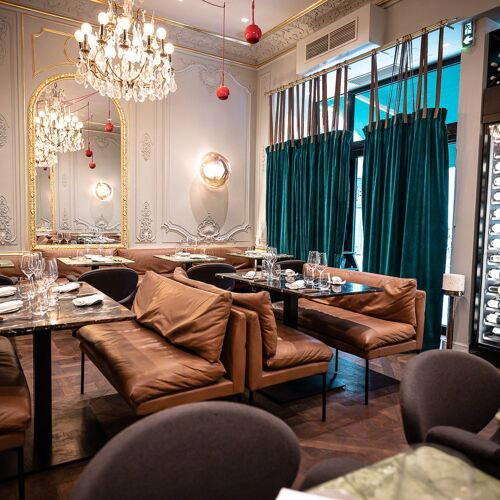
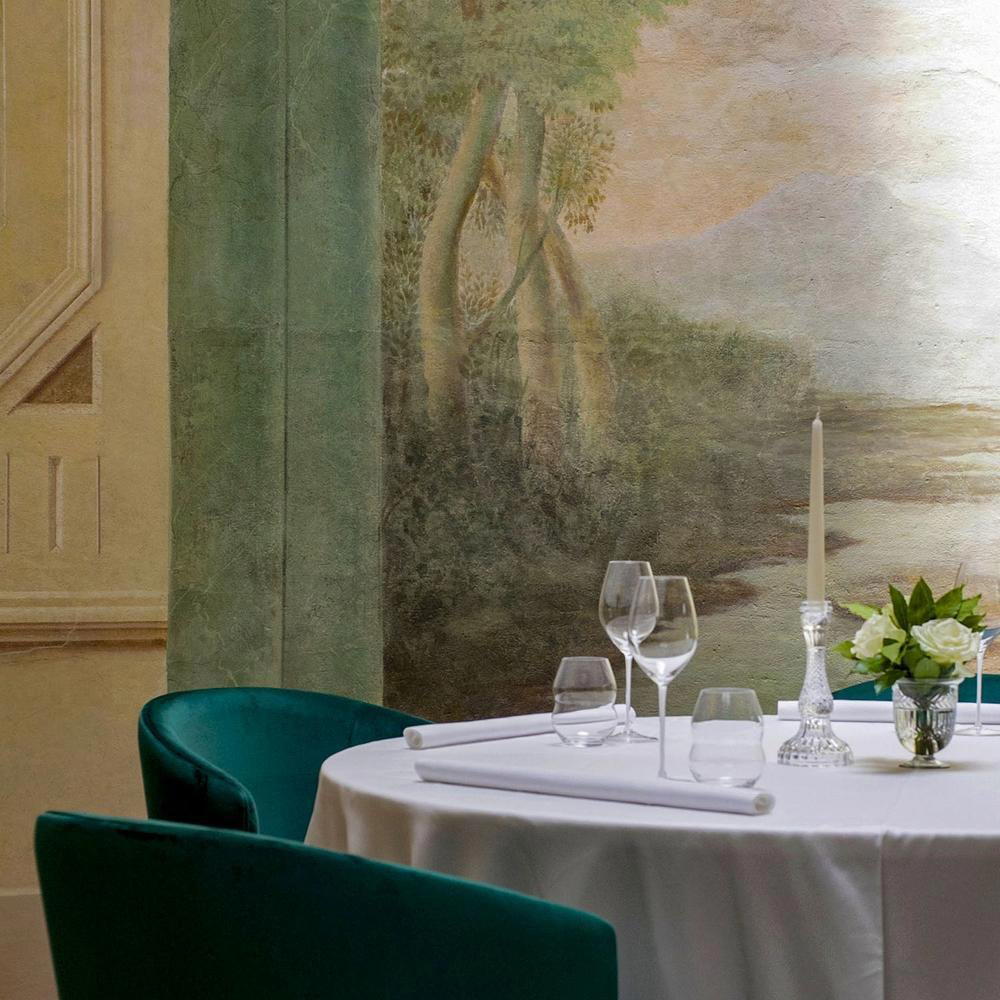
Hotels in Saint Quentin
Browse all →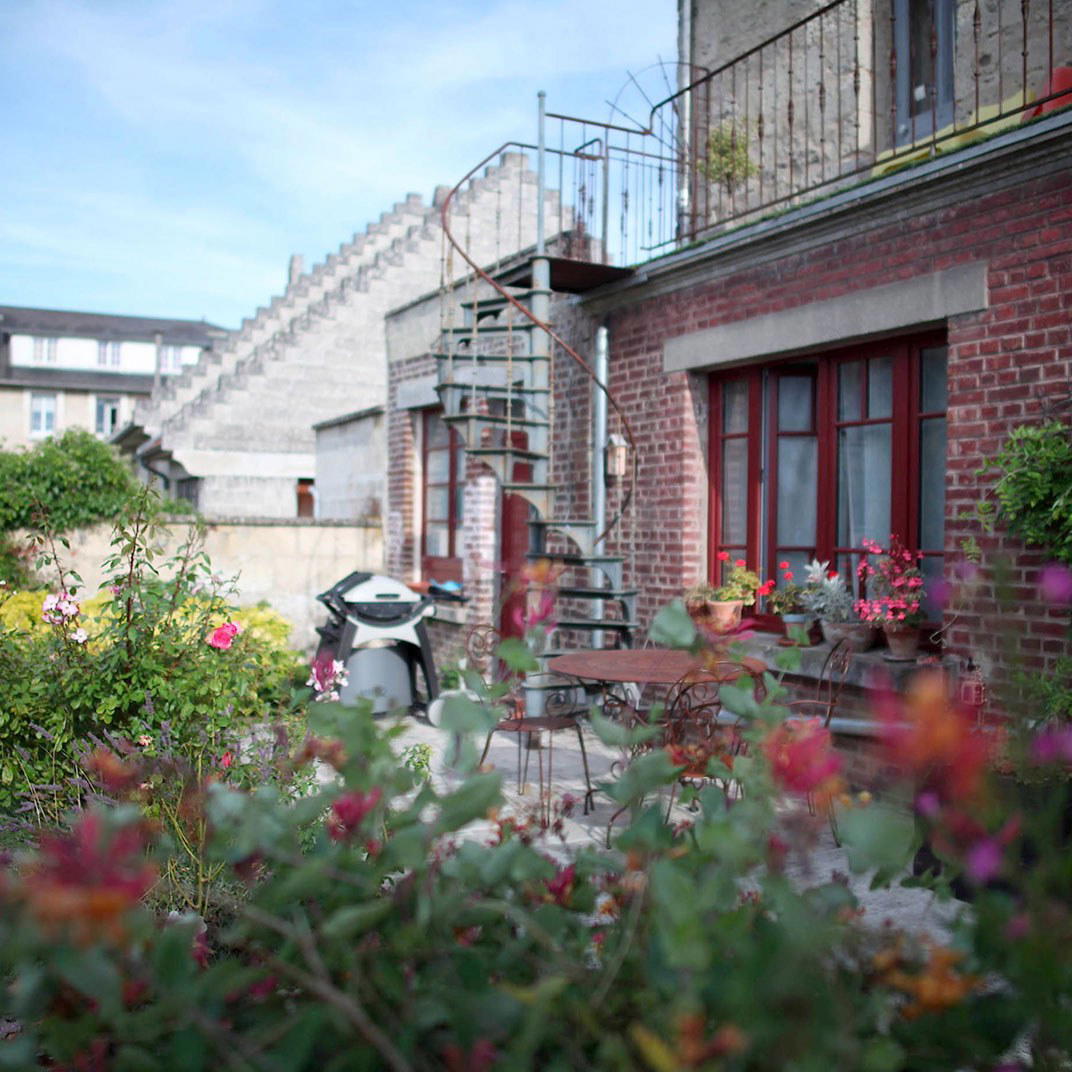
Wineries in Saint Quentin
Browse all →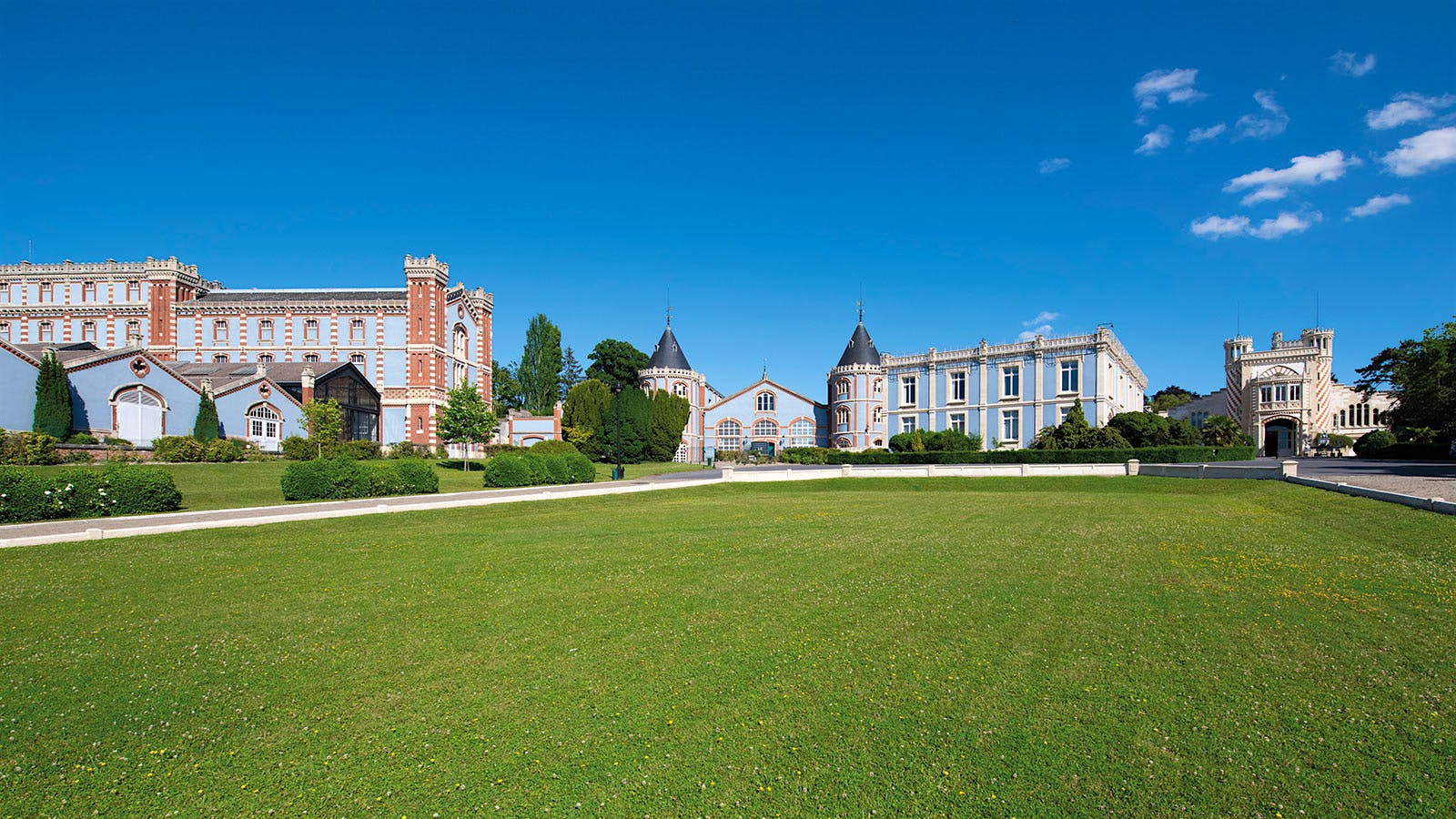
Details
- Classic
- Cozy
- Elegant
- Date Night
- Family
- Special Occasion
- Historic Building
- Local Sourcing
- Street Scene
- A La Carte
- Vegetarian Friendly
Current opening hours
- Monday
- 12–2 PM, 7:30–9 PM
- Tuesday
- 12–2 PM
- Wednesday
- 12–2 PM, 7:30–9 PM
- Thursday
- 12–2 PM
- Friday
- 12–2 PM, 7:30–9 PM
- Saturday
- 12–2 PM, 7:30–9 PM
- Sunday
- Closed
Hours can change for holidays and private events. Hours as of .
Warm and welcoming Art Deco interior with a cozy, historic atmosphere.