LA MANIGUETTE
Our verdict
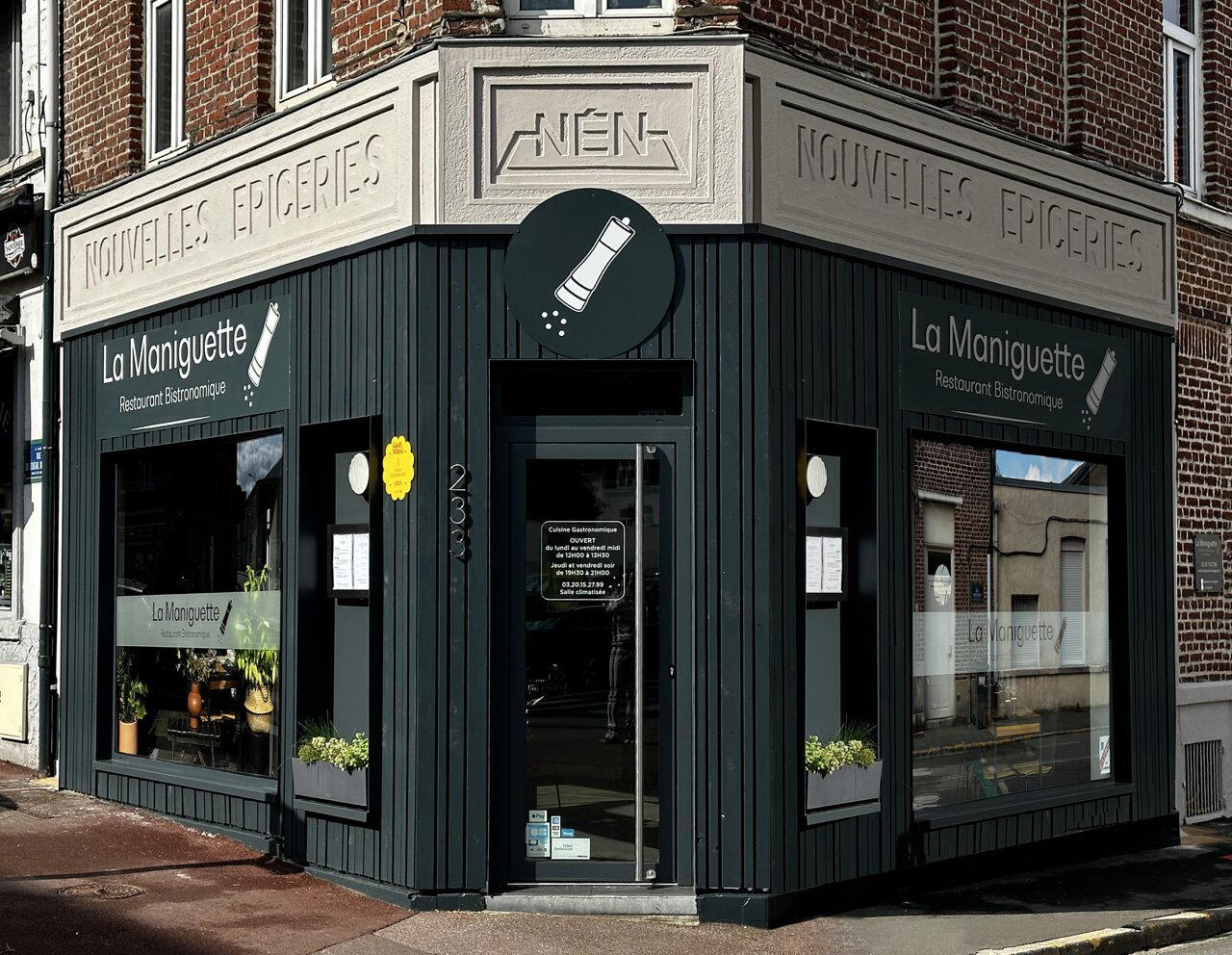
La Maniguette sits on Rue du Général de Gaulle in La Madeleine, the residential commune that borders Lille's northern edge. With sparse public data available, it represents the kind of neighbourhood address that sustains itself on local loyalty rather than destination traffic, a format increasingly common in France's mid-sized urban satellites where serious cooking operates below the radar of national guides.

Pearl is the En Primeur Club membership app, where members save venues, book tables and use the concierge.
The menu
What to order
- Fish tartare
- Faux filet blue beef
- Egg with sweet potato velouté
- Beef carpaccio
- Pigeon
La Madeleine and the Case for the Neighbourhood Table
Approach La Madeleine from central Lille and you cross an invisible threshold: the density of a major French city gives way to a quieter register of tree-lined streets, low-rise commerce, and residential rhythms. Rue du Général de Gaulle runs through this zone with the functional confidence of a main artery that never became a tourist corridor. That distinction matters. The restaurants that survive here, La Maniguette at number 233 among them, tend to do so not through guidebook exposure or destination marketing, but through the kind of repeat patronage that only comes when a kitchen consistently earns it. In a region where serious cooking has deep roots, that is no small thing.
The Nord-Pas-de-Calais tradition places French cuisine in an agricultural context that rarely gets the attention lavished on Burgundy or the Loire. Yet the Lille metropolitan area sits within reach of some of France's most productive farmland, Belgian border producers, the North Sea fishing grounds around Boulogne-sur-Mer, and a centuries-old Flemish food culture that prizes fermented, smoked, and slow-cooked preparations. Neighbourhood restaurants in La Madeleine, at their leading, draw on this proximity in ways that metropolitan flagship addresses sometimes cannot, the supply chains are shorter, the ingredients more seasonally reactive, the relationship between kitchen and producer less mediated by reputation management. See our full La Madeleine restaurants guide for the wider picture of where this suburb fits into the regional dining map.
Ingredient Sourcing as the Defining Logic of Northern French Cooking
French regional cooking has always been most coherent when it follows the logic of place, when the sourcing decisions made at the start of the supply chain shape every plate at the end of it. In northern France, that logic runs through a specific set of products: endive from the fields around Saint-Omer, Maroilles cheese from the Avesnois, freshwater fish from the Flemish waterways, hop-based preparations that echo the brewing culture just across the Belgian border, and coastal catches that move quickly from the Opal Coast to inland markets. A restaurant positioned in La Madeleine, kilometres from central Lille, hours from any major tourist circuit, is structurally positioned to work with this material in a less performative, more habitual way.
This sourcing-driven approach sits at the opposite end of the spectrum from what drives the three-Michelin-star addresses further south. Places like Alléno Paris au Pavillon Ledoyen, Mirazur in Menton, or Flocons de Sel in Megève command sourcing relationships calibrated to Michelin expectations and international clientele. The neighbourhood table in a mid-sized French satellite town operates with a different brief: to serve the community around it, week in and week out, with whatever the season and the local supply chain make available. That is not a lesser ambition, it is a different one, and often a harder one to sustain.
For context on how the most sustained French regional kitchens have built identity through ingredient philosophy over decades, the histories of Bras in Laguiole, Auberge de l'Ill in Illhaeusern, and Troisgros in Ouches are instructive, each built a sourcing identity tightly linked to a specific terroir, and each survived generational transition because that identity was legible and repeatable, not dependent on a single personality.
The La Madeleine Dining Context
La Madeleine is not a dining destination in the sense that Vonnas is for Georges Blanc or Collonges-au-Mont-d'Or is for Paul Bocuse. It is a commuter suburb of a major northern French city, with a resident population that eats locally and a dining culture shaped by practicality as much as aspiration. That context produces a particular kind of restaurant: the address that locals treat as their own, that does not market itself to passing trade, and that builds quality into the routine rather than the occasion.
For a visitor arriving from Lille, reachable via the Métro line 2 stop at Canteleu or a short taxi ride from the Gare de Lille-Flandres, the shift in register is immediate. This is not the concentrated restaurant density of Vieux-Lille or the design-forward addresses in the Wazemmes district. The restaurants that operate in La Madeleine, La Maniguette included, function as community infrastructure. Booking in advance is advisable, particularly later in the week, when local demand peaks. A neighbouring address with clearer public data, Restaurant l'Été Indien, offers a useful comparison point for the range of formats operating in this suburb.
Where La Maniguette Sits in a Larger Map of French Cooking
French cooking is most legible when you understand the distance between its registers. At the leading, addresses like Assiette Champenoise in Reims, Au Crocodile in Strasbourg, Auberge du Vieux Puits in Fontjoncouse, Christopher Coutanceau in La Rochelle, AM par Alexandre Mazzia in Marseille, and L'Oustau de Baumanière in Les Baux represent the credentialled, awarded, internationally recognised tier. Below that, and no less important, is the dense middle tier of regional addresses that feed French people rather than visiting critics. La Maniguette, based on its address and format, almost certainly belongs to that middle tier.
For international points of comparison, consider the contrast with high-investment urban restaurant formats like Le Bernardin in New York City or Atomix, addresses where the entire economic and editorial apparatus is calibrated toward recognition. La Maniguette operates, structurally, in a different economy: one where the measure of success is not a star count but a full room on a Tuesday.
Planning Your Visit
La Maniguette is located at 233 Rue du Général de Gaulle, 59110 La Madeleine. No booking platform, website, or phone number is publicly indexed at this time, which suggests reservations are likely handled directly at the restaurant or via telephone. Visiting in person to check availability, a common approach for neighbourhood restaurants of this type in northern France, is a reasonable strategy. Given the residential setting and likely local clientele, a midweek lunch visit will generally offer more flexibility than a Friday or Saturday dinner slot. Dress expectations at this type of address in the Nord region tend toward smart casual rather than formal.
Frequently asked questions
Can I bring kids to LA MANIGUETTE?
La Madeleine's residential character shapes the restaurants that serve it, and addresses along Rue du Général de Gaulle tend to reflect the family rhythms of the suburb rather than the formality of central Lille. Nothing in the venue's profile signals a policy against families. Confirming arrangements directly before your visit is the practical approach, given that no contact details are publicly indexed at this time.
What kind of setting is LA MANIGUETTE?
La Maniguette sits at 233 Rue du Général de Gaulle in La Madeleine, a commuter suburb immediately north of Lille. The address positions it as a neighbourhood table serving a residential catchment rather than a destination draw pulling diners across the region. That distinction matters: the atmosphere here belongs to the suburb's own cadence, not to the theatre of a city-centre dining room.
Is La Maniguette a good option for lunch near Lille without going into the city centre?
La Maniguette's address at 233 Rue du Général de Gaulle, La Madeleine places it on the northern edge of Lille's urban area, accessible without entering the city's central dining circuit. For those based in or passing through La Madeleine, it represents the suburb's own neighbourhood restaurant offer rather than a satellite of Lille's more prominent addresses.
What's the signature dish at LA MANIGUETTE?
No single dish is documented publicly for La Maniguette. Northern French cooking at this register typically follows seasonal and regional sourcing logic, the kind of repertoire that shifts with what the Hauts-de-France supply chain produces rather than anchoring to a fixed showpiece. For current menu specifics, contacting the restaurant directly is the only reliable route.
At-a-Glance Comparison
Comparable venues nearby, for context on price, style, and recognition.
| Venue | Cuisine | Price | Notes |
|---|---|---|---|
| LA MANIGUETTEThis venue (the venue you are viewing) | Modern French Bistronomy | $30–50 | Not listed |
| Restaurant l'Été Indien | Authentic Indian | $20–30 | La Madeleine |
| Chez Jean | Traditional French Bistro | $20–30 | centre-ville |
| Le Petit Canard | Traditional French Duck Bistro | Not listed | 9th arrondissement |
| La Cense | Modern French Gastronomy | $30–50 | Lambersart |
| Café Mazette | French Bistro | $30–50 | Roncq |
Continue exploring
More in La Madeleine
Restaurants in La Madeleine
All restaurants in La Madeleine →
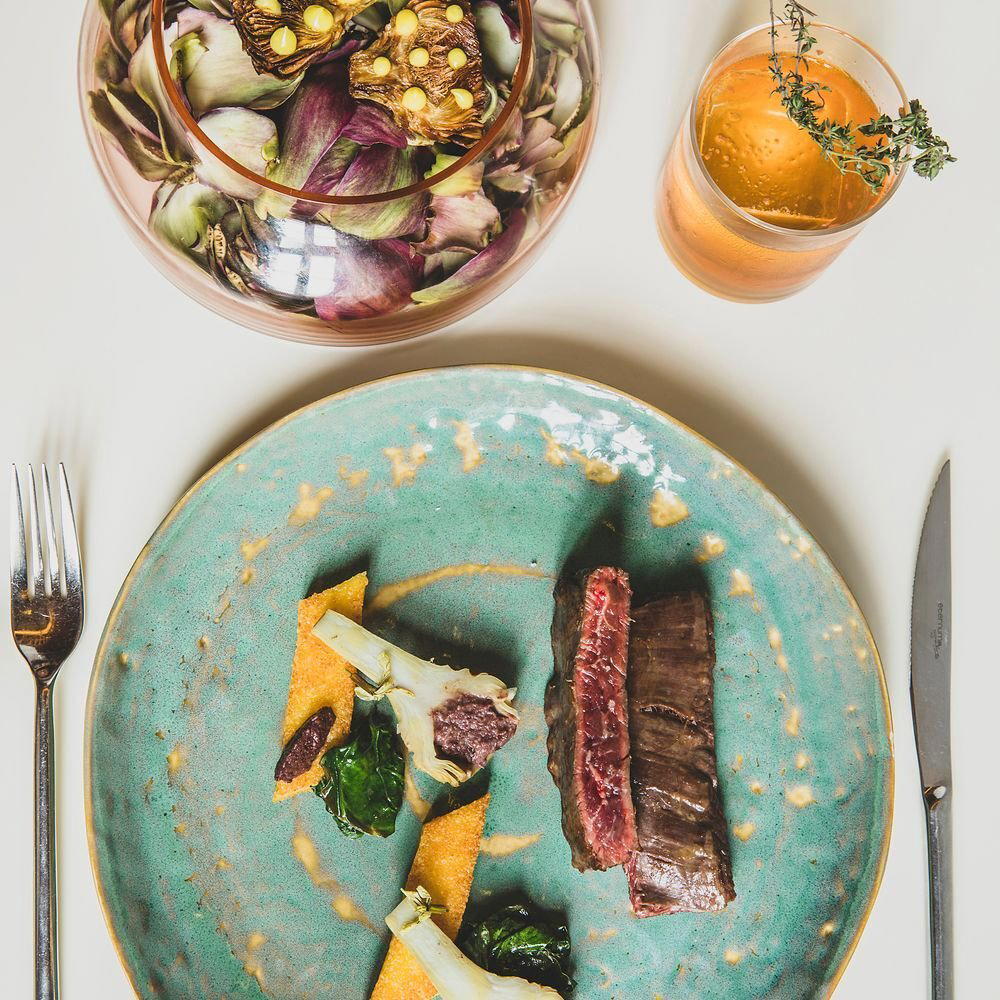

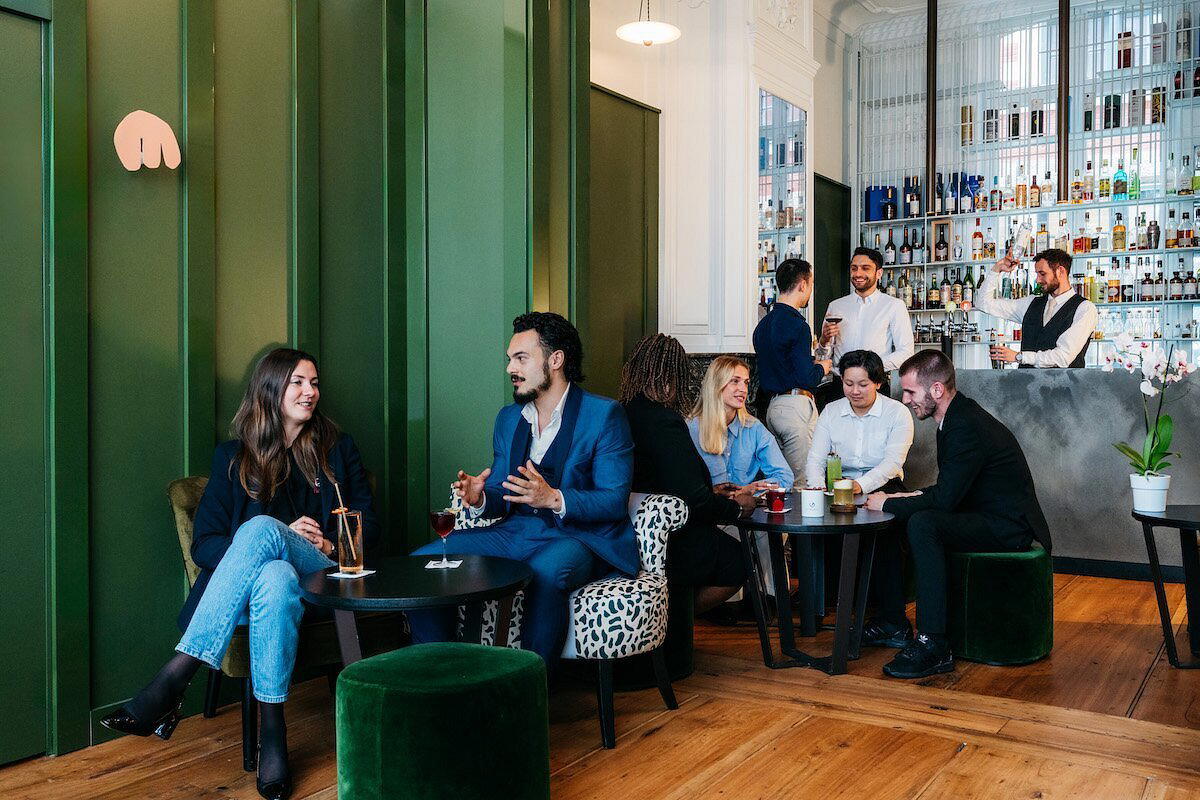
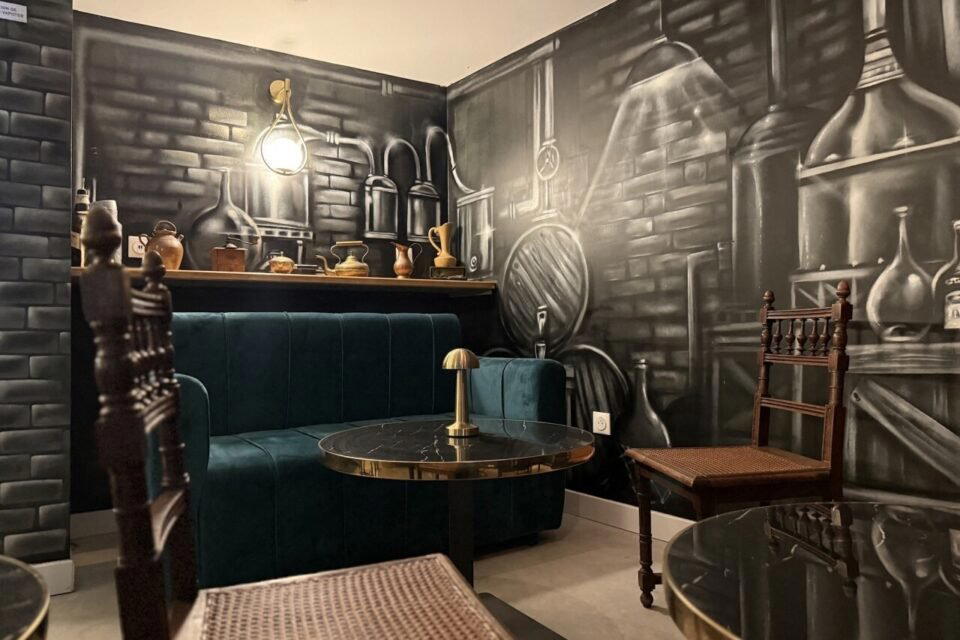
Bars in La Madeleine
Browse all →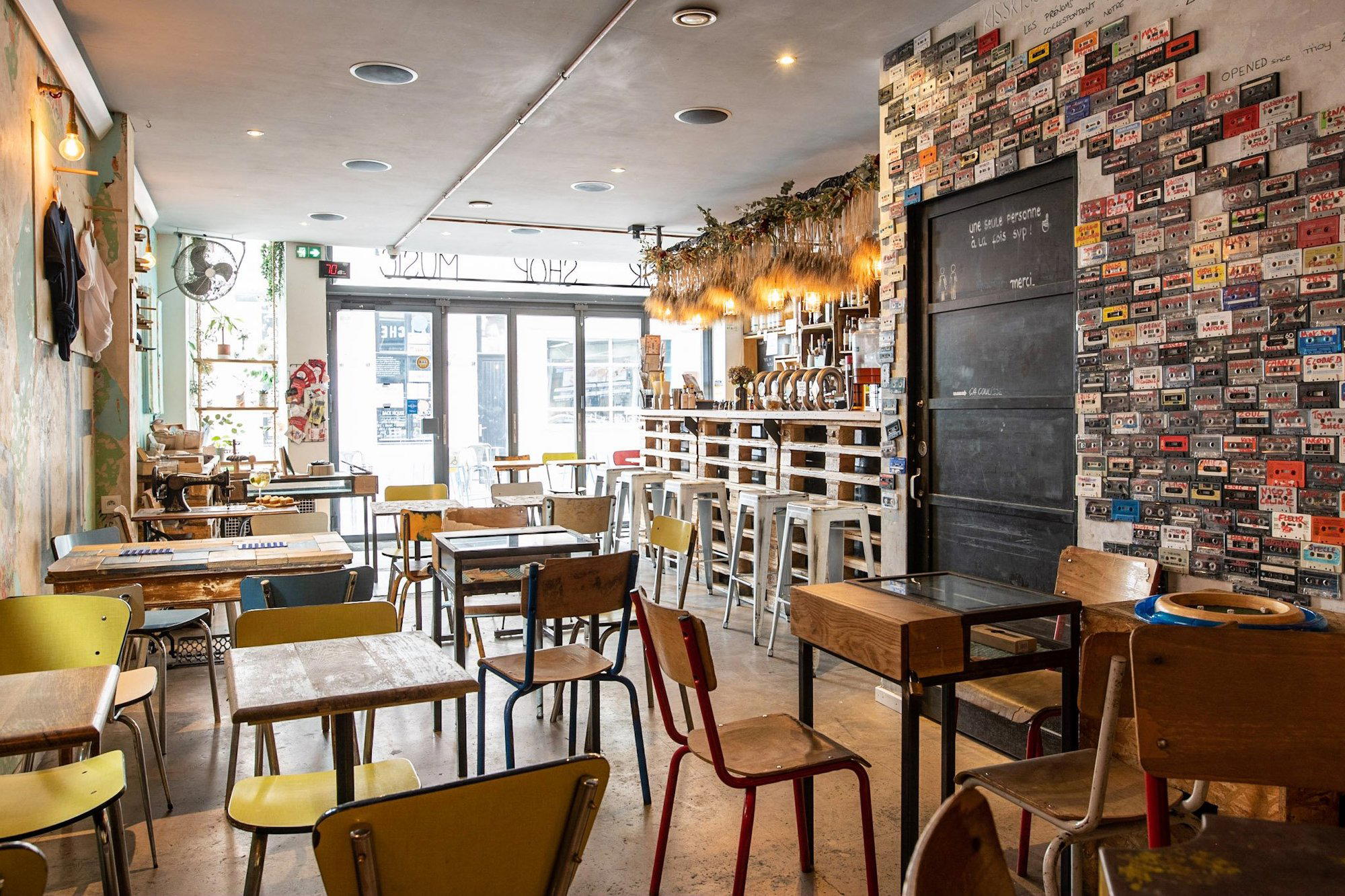
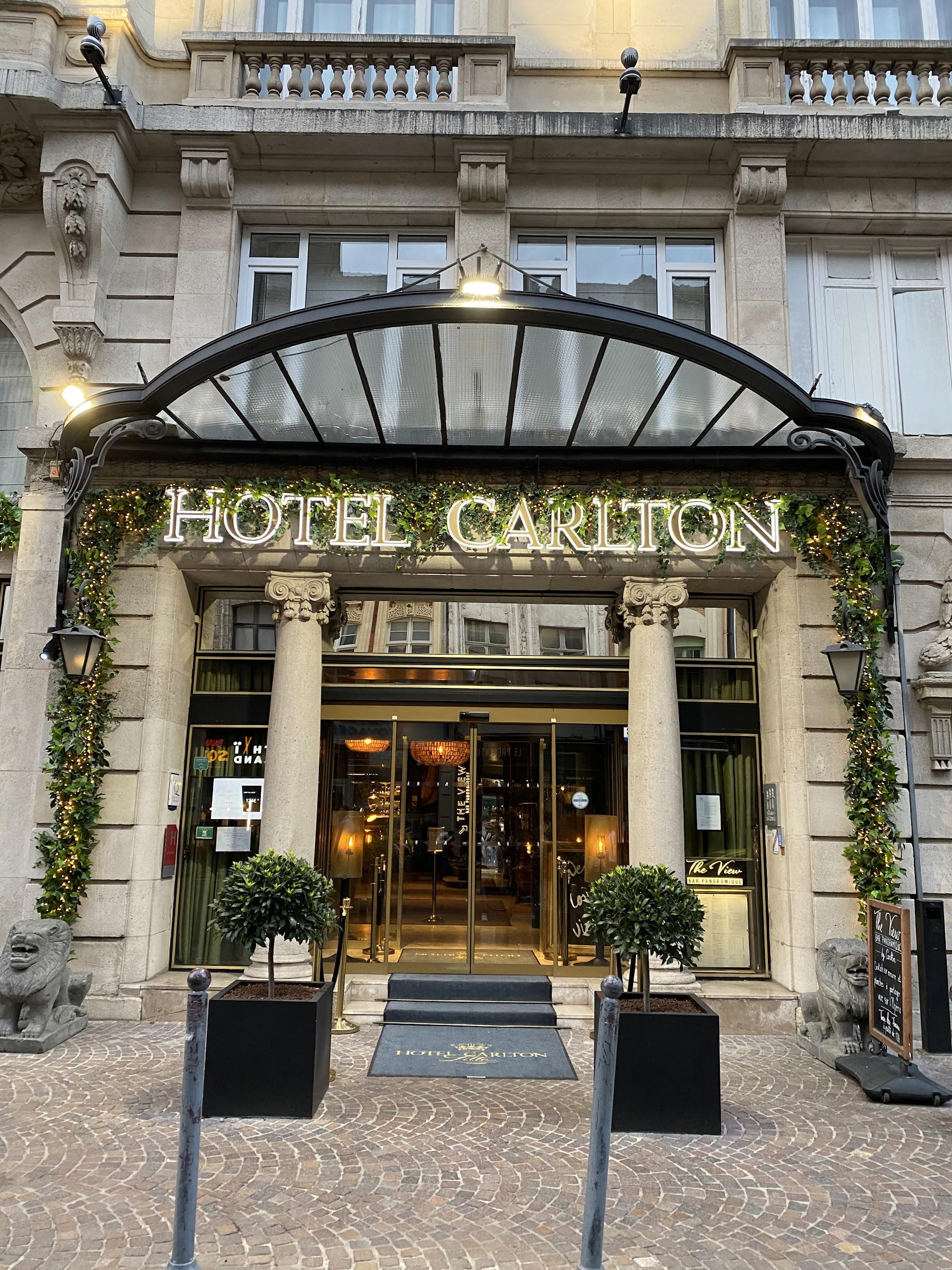
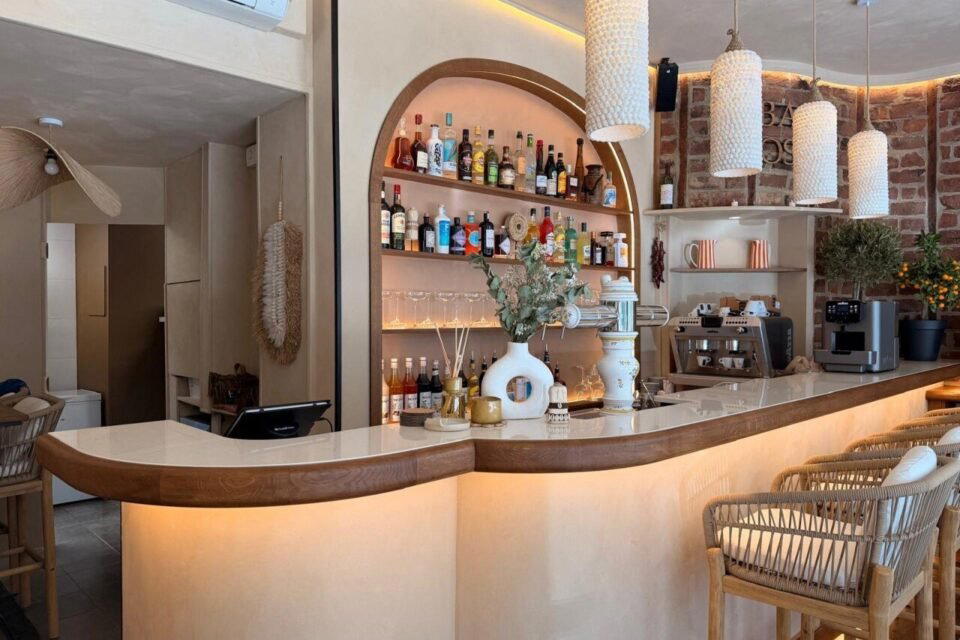
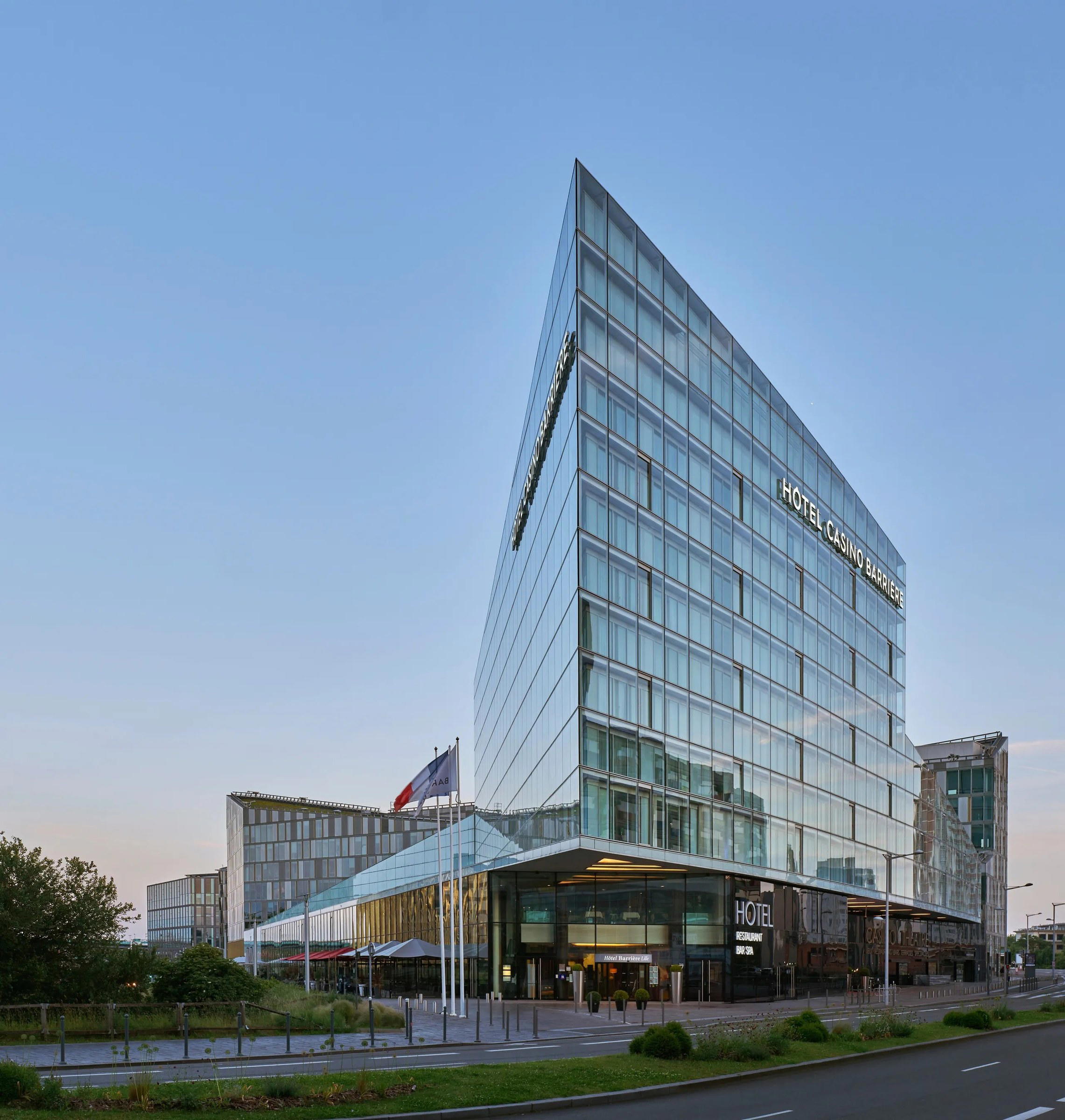
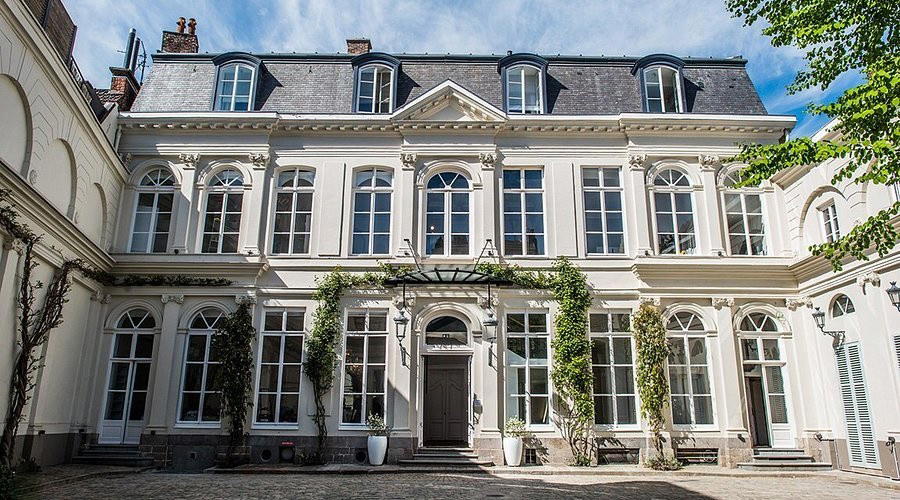
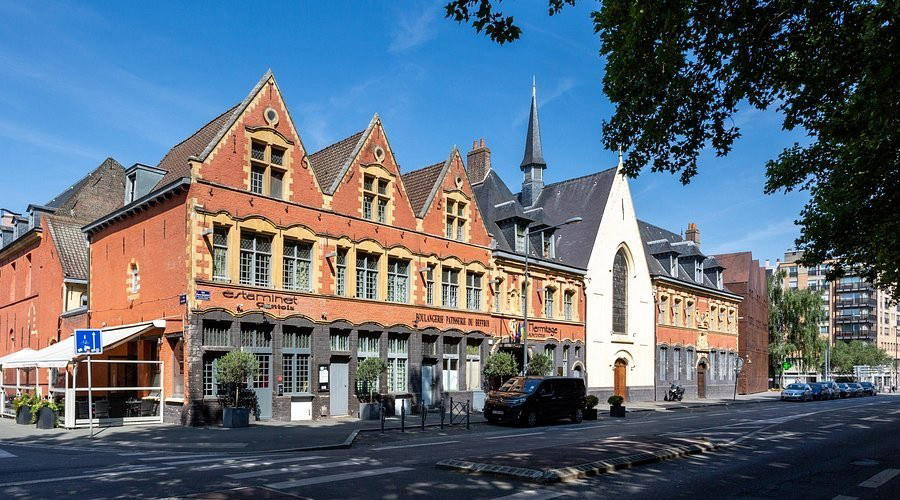
Hotels in La Madeleine
Browse all →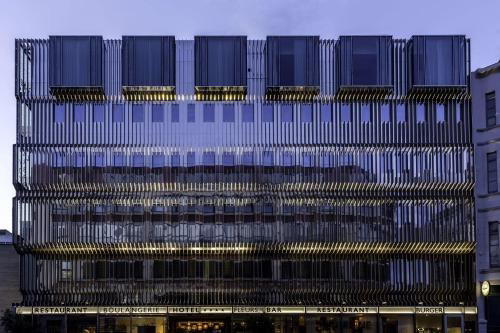
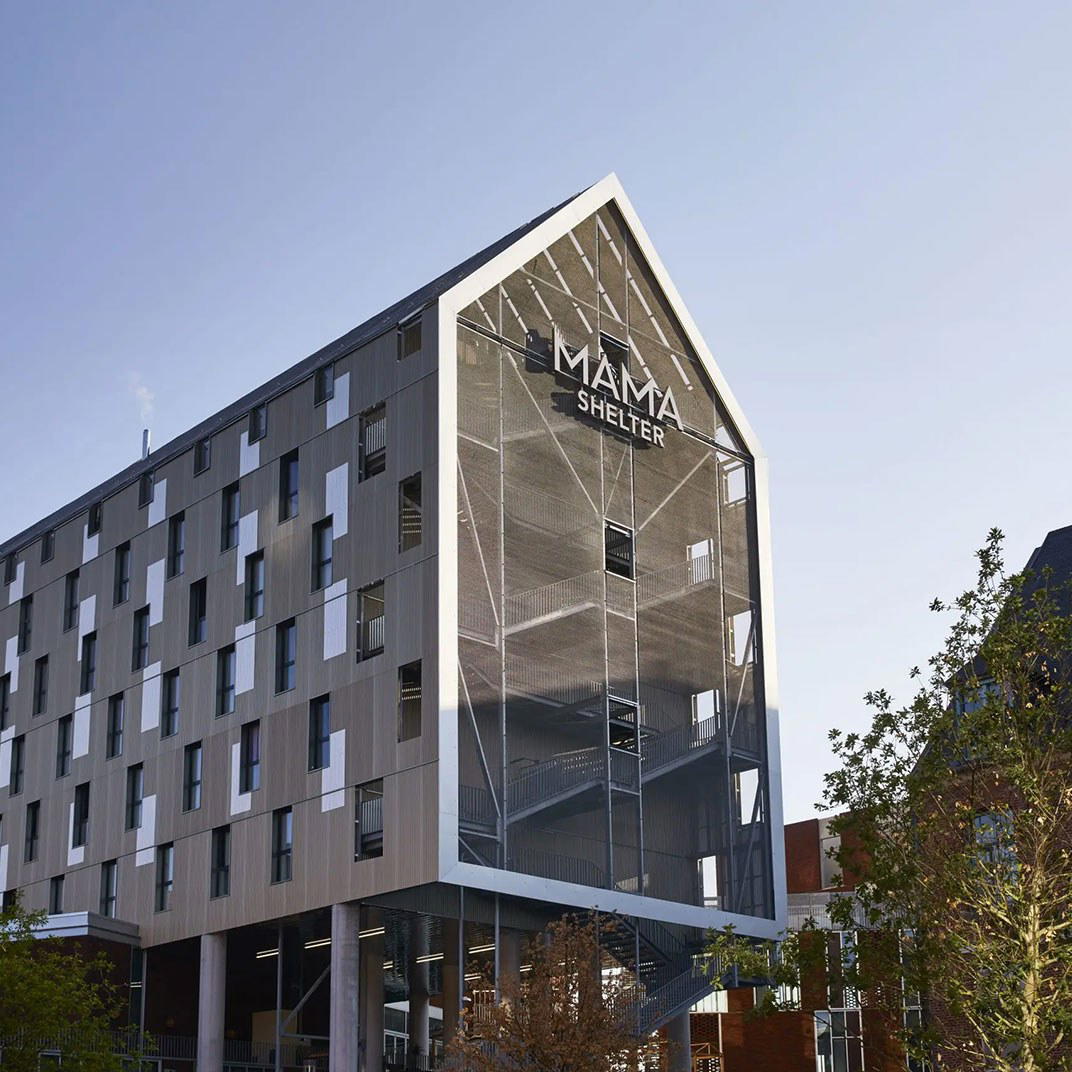
Wineries in La Madeleine
Browse all →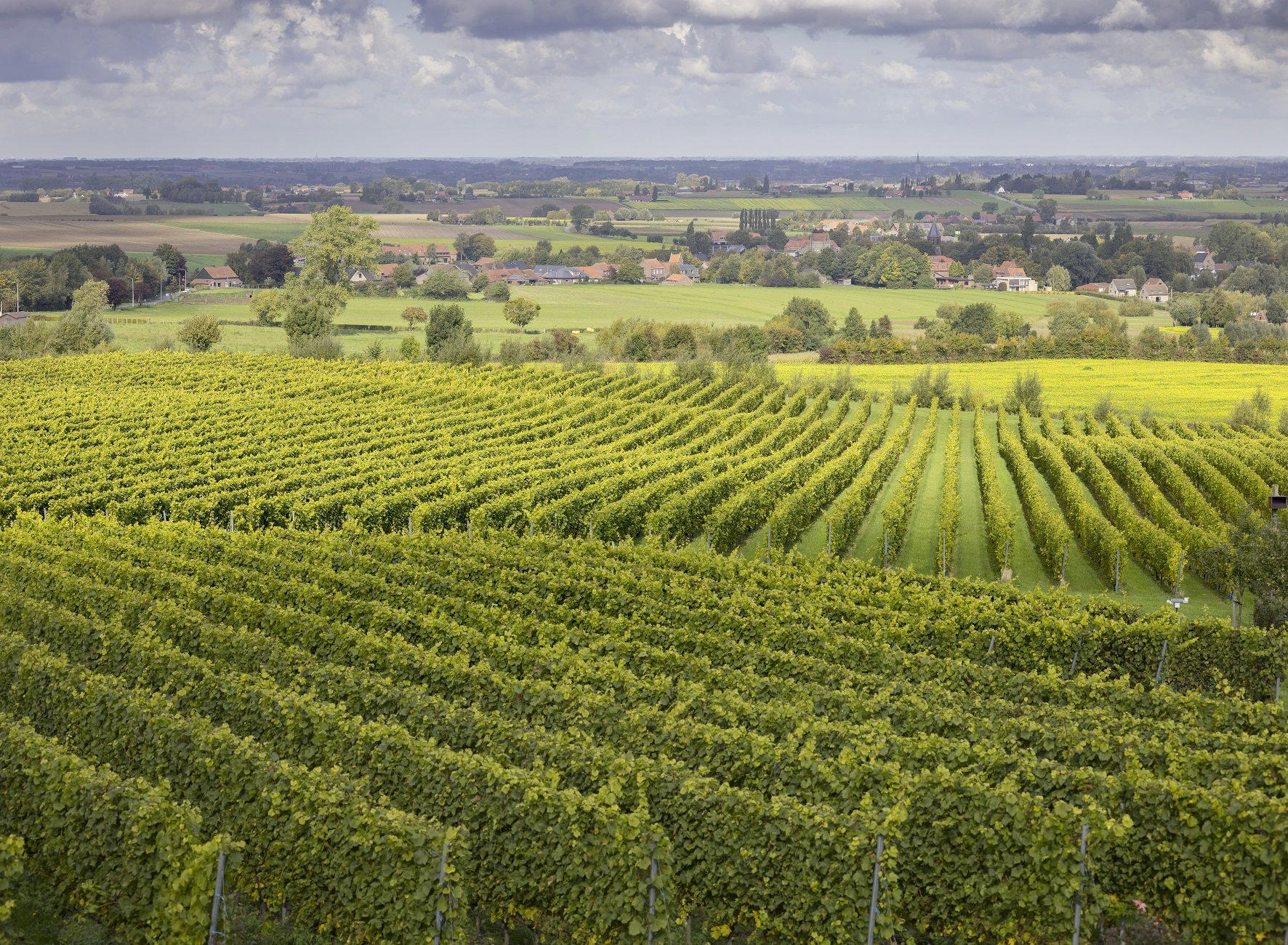
Details
- Romantic
- Cozy
- Intimate
- Date Night
- Casual Hangout
- Business Dinner
- Garden
- Open Kitchen
- Zero Proof
- Farm To Table
- Local Sourcing
- Organic
- A La Carte
- Set Menu
- Wine
- Mocktails
- Vegetarian Friendly
- Organic Focus
- Allergy Accommodating
Current opening hours
- Monday
- 12–1:30 PM
- Tuesday
- 12–1:30 PM
- Wednesday
- 12–1:30 PM
- Thursday
- 12–1:30 PM, 7:30–9:30 PM
- Friday
- 12–1:30 PM, 7:30–9:30 PM
- Saturday
- Closed
- Sunday
- Closed
Hours can change for holidays and private events. Hours as of .
Charming neighborhood bistro with a warm, welcoming atmosphere emphasizing quality and sustainability.