Taste of Asia
A neighborhood fixture on the northwest side of Las Vegas, Taste of Asia draws a loyal local crowd to 9090 Alta Drive, well removed from the Strip's theater. With a name that signals pan-Asian range rather than a single culinary tradition, it occupies the casual, community-anchored tier of the city's Asian dining scene, where regulars return for familiarity rather than occasion.
Pearl is the En Primeur Club membership app — saves, bookings, and concierge access live there. Same editors, same standards.
- Address
- 9090 Alta Dr, Las Vegas, NV 89144
- Phone
- +17026367111
- Website
- tasteofasialv.com
- Directions
- Get directions
 Saves & bookings on Pearl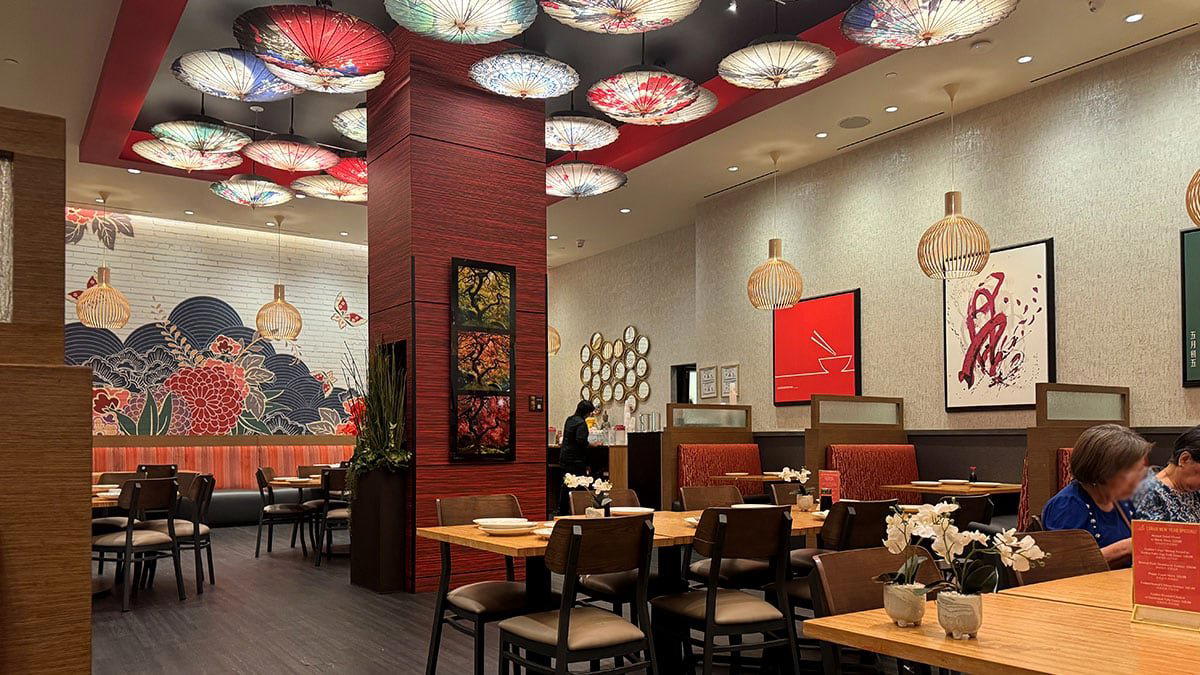
Northwest Las Vegas and the Restaurants Its Residents Actually Use
The Strip's Asian dining options arrive with celebrity chefs and prices calibrated to expense accounts. At the other end of the spectrum, geographically and in every other sense, sits the Alta Drive corridor in the 89144 zip code, a residential stretch in northwest Las Vegas where the dining culture runs closer to the rhythm of people who actually live here. Taste of Asia, at 9090 Alta Dr, is part of that fabric. Its regulars found it, and they keep coming back.
Las Vegas has a more layered Asian dining scene than its resort-strip reputation implies. Operations like Aburiya Raku built serious reputations in the city's off-Strip pockets, and newer entrants across Korean, Japanese, and pan-Asian formats continue to develop the scene. Taste of Asia occupies a different position in that hierarchy: not destination dining for visiting critics, but the neighborhood constant that regulars slot into a Tuesday or a Sunday without deliberation.
What Keeps Regulars Returning: The Logic of the Unwritten Menu
In any city, the restaurants that sustain a loyal local following over time tend to share a few structural characteristics. The menu is broad enough to absorb different moods, something lighter, something more substantial, something recognizable to a child and something with enough complexity for an adult who has been eating this food for decades. Pan-Asian formats, when they work, provide exactly that range. They are not trying to represent a single regional tradition with scholarly precision; they are building a usable rotation for people who return weekly or monthly.
The regulars at this kind of restaurant develop what amounts to a parallel, unwritten menu, the dish they always order, the combination that does not appear together on any printed page, the timing trick that gets them a particular preparation at its leading. That accumulated knowledge is the real product of a neighborhood restaurant. It is not transferable in a review or a social post; it accumulates through visits.
For Las Vegas residents in the northwest, the alternative to a place like Taste of Asia is either the Strip's version of Asian cuisine, which means significantly higher prices and a dining-as-event format, or a longer drive to the Spring Valley and Chinatown corridor along Spring Mountain Road, where the city's densest concentration of Chinese, Vietnamese, Korean, and Japanese operators cluster. Both alternatives exist, but neither fills the same role as a walkable or short-drive neighborhood option.
Where It Sits in the City's Asian Dining Picture
Las Vegas's off-Strip Asian dining scene has developed in distinct geographic clusters. The Spring Mountain Road corridor remains especially established, with a concentration of Cantonese, Vietnamese, and Korean restaurants that draw both community regulars and food-focused visitors. A separate cluster operates in Henderson and the southeast suburbs. The northwest, where the restaurant operates, is less densely covered by the city's dining press, which means spots that do develop loyal followings there tend to do so through word of mouth rather than critical attention.
That dynamic is worth noting because it affects the competitive context. A restaurant like 108 Eats or 18bin operates with a different set of expectations, format-driven, with the kind of specificity that attracts deliberate, destination visits. The restaurant's comparable set is the neighborhood-anchor category, where durability and consistency matter more than novelty. Compare this to the precision-driven Korean format at 777 Korean Restaurant or the more concept-forward approach at A Different Beast, and the distinctions in audience and intent become clear.
At the further end of the American fine dining spectrum, restaurants like Le Bernardin in New York City, Alinea in Chicago, The French Laundry in Napa, and Providence in Los Angeles represent a category where every element is calibrated to a single visit of significance. The regulars-and-neighborhood tier does something different and no less valid: it provides the repetition that builds real familiarity. Places like Blue Hill at Stone Barns in Tarrytown, Single Thread Farm in Healdsburg, Addison in San Diego, Lazy Bear in San Francisco, Atomix in New York City, Emeril's in New Orleans, The Inn at Little Washington, and 8 1/2 Otto e Mezzo Bombana in Hong Kong each occupy a high-investment, destination slot in a diner's calendar. The restaurant is something different in function, not in the importance it holds for the people who use it.
On the Strip itself, Craftsteak represents the resort-anchored dining format, where the room, the occasion, and the price point are calibrated for the visitor economy. The northwest neighborhood category works on entirely different assumptions about who is eating and why.
Planning a Visit
The restaurant is located at 9090 Alta Dr, Las Vegas, NV 89144, in a strip-center-style commercial block typical of the city's suburban northwest. The address puts it away from tourist infrastructure, which is partly the point: this is a restaurant for people who live nearby or are specifically seeking it out. Reservations are recommended. Dress is casual. Budget: about $20 per person. Hours: Mon: 12–9 PM; Tue: 12–9 PM; Wed: Closed; Thu: 12–9 PM; Fri: 12–10 PM; Sat: 12–10 PM; Sun: 12–9 PM.
A Lean Comparison
Comparable venues nearby, for context on price, style, and recognition.
| Venue | Cuisine | Price | Notes |
|---|---|---|---|
| Taste of AsiaThis venue — the venue you are viewing | Not listed | $$ | Not listed |
| Nom Wah | Angel Park Ranch, Cantonese Dim Sum | $$ | Not listed |
| The Noodle Den | Not listed | $$ | Northern Strip, Northern Chinese Hand-Pulled Noodles |
| Pearl Ocean | Northern Strip, Chinese Dim Sum | $$ | Not listed |
| Ondori | Bracken, Chinese & Japanese Fusion | $$ | Not listed |
| Copper Sun - Resorts World | Not listed | $$ | Northern Strip, Polished Inner Mongolian Hot Pot |
Continue exploring
More in Las Vegas
Restaurants in Las Vegas
Browse all →
Bars in Las Vegas
Browse all →
At a Glance
- Modern
- Group Dining
- Hotel Restaurant
Current opening hours
- Monday
- 12–9 PM
- Tuesday
- 12–9 PM
- Wednesday
- Closed
- Thursday
- 12–9 PM
- Friday
- 12–10 PM
- Saturday
- 12–10 PM
- Sunday
- 12–9 PM
Hours can change for holidays and private events. Last verified .
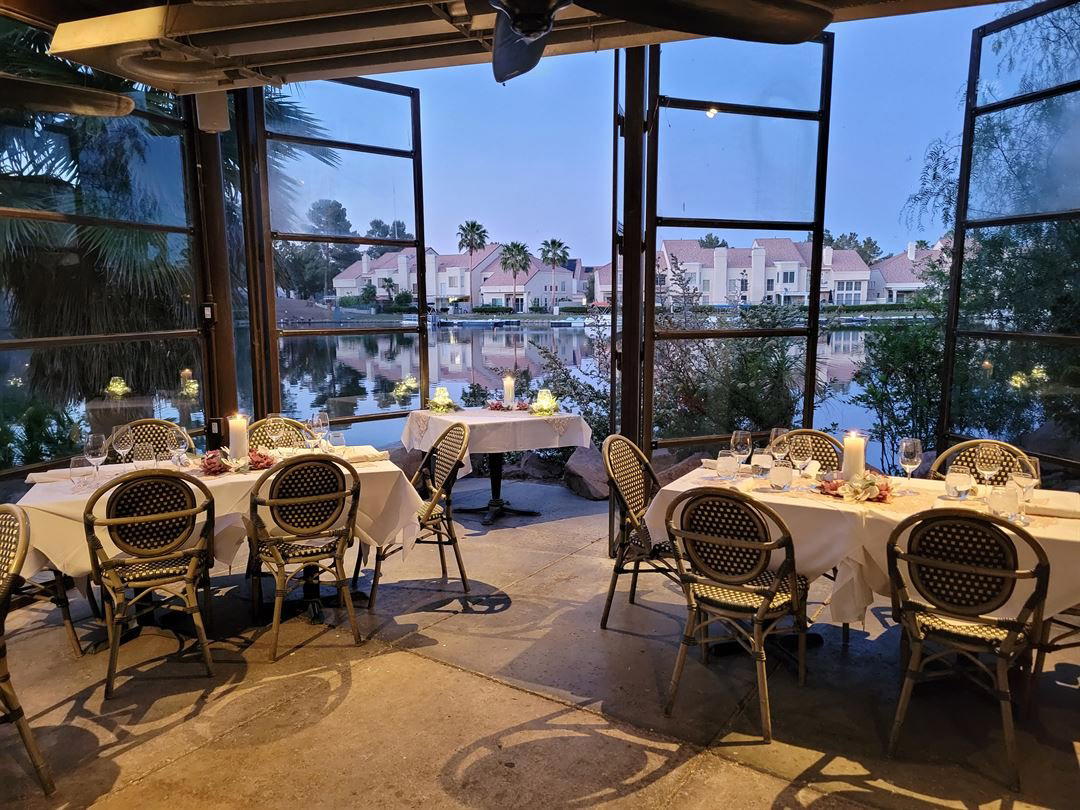
Colorfully decorated with a clean, welcoming atmosphere and friendly professional service.