
We're Smart World 4 Radishes
Our verdict
At the Ritz-Carlton Kyoto, Chef Katsuhito Inoue structures his menu around the Japanese calendar's 72 micro-seasons, with vegetables harvested directly by the kitchen team and brought to the table at peak freshness. The result is a plant-forward tasting format that places ingredient provenance at the centre of every course. Recognised by the We're Smart Green Guide for its depth of seasonal sourcing, this is one of Kyoto's most considered ingredient-led dining experiences.

Pearl is the En Primeur Club membership app, where members save venues, book tables and use the concierge.
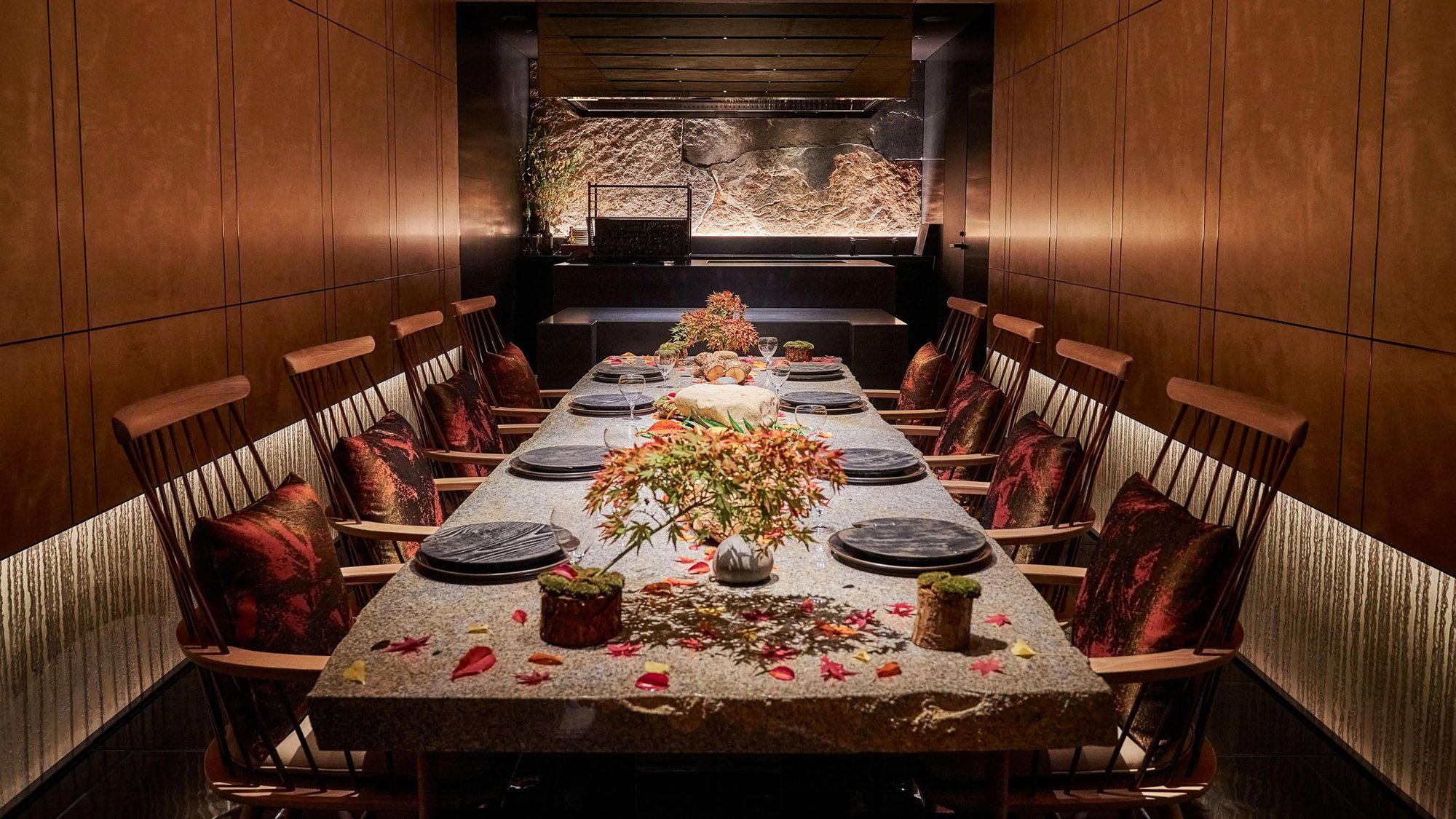
Where the Kamogawa Sets the Stage
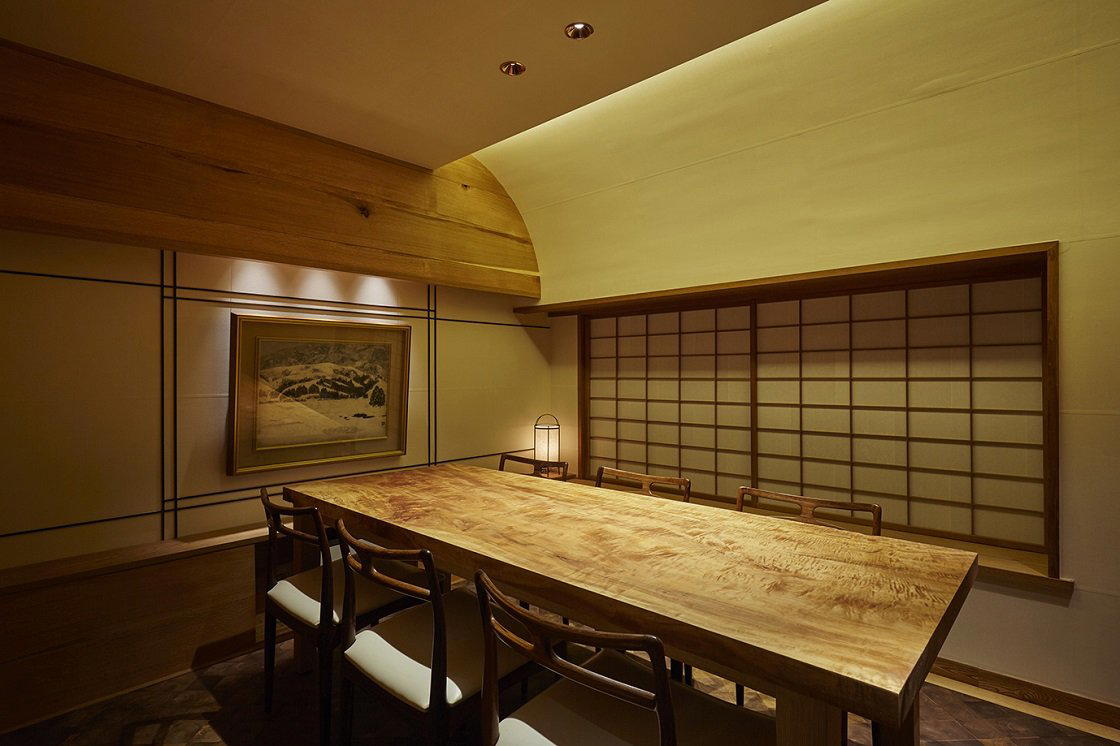
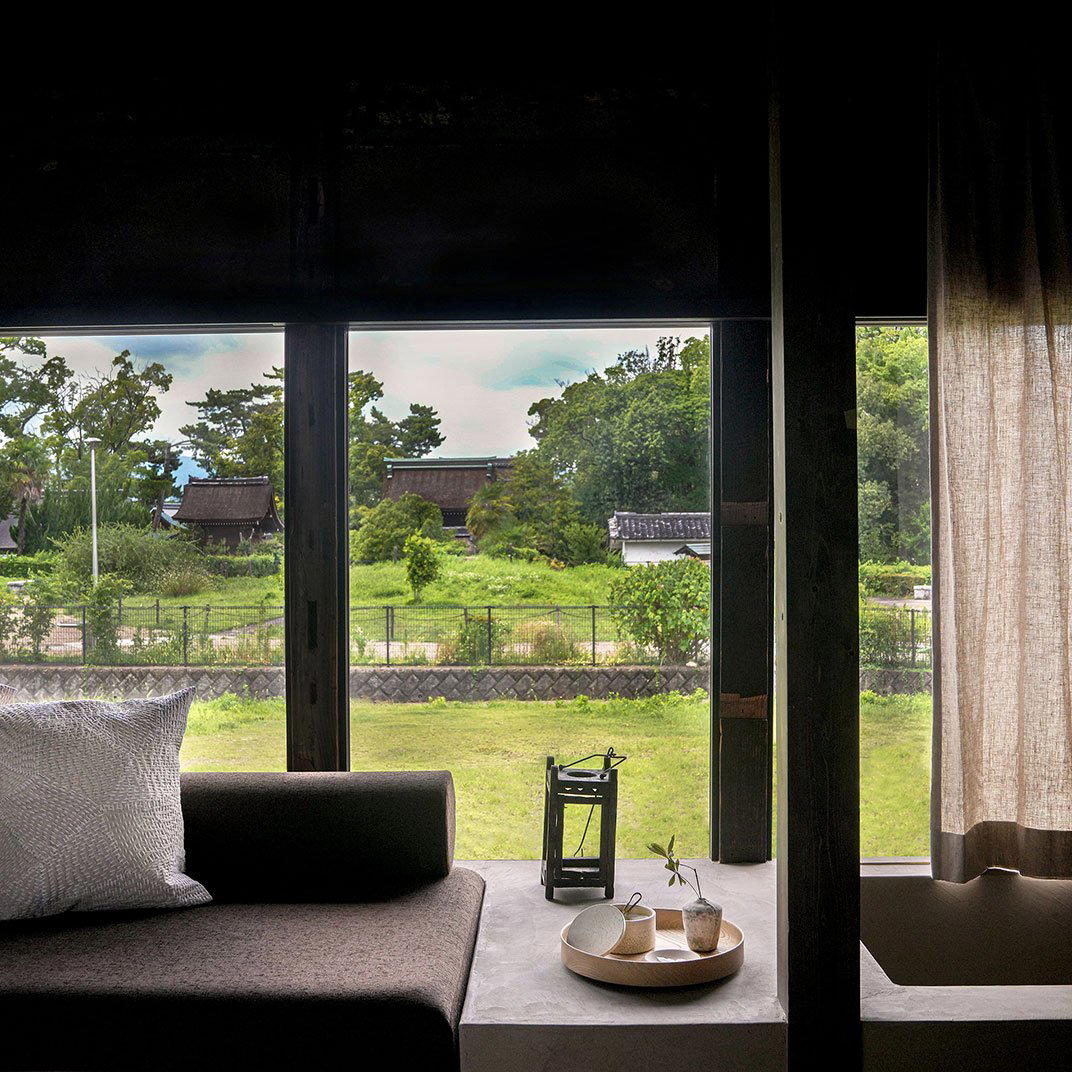
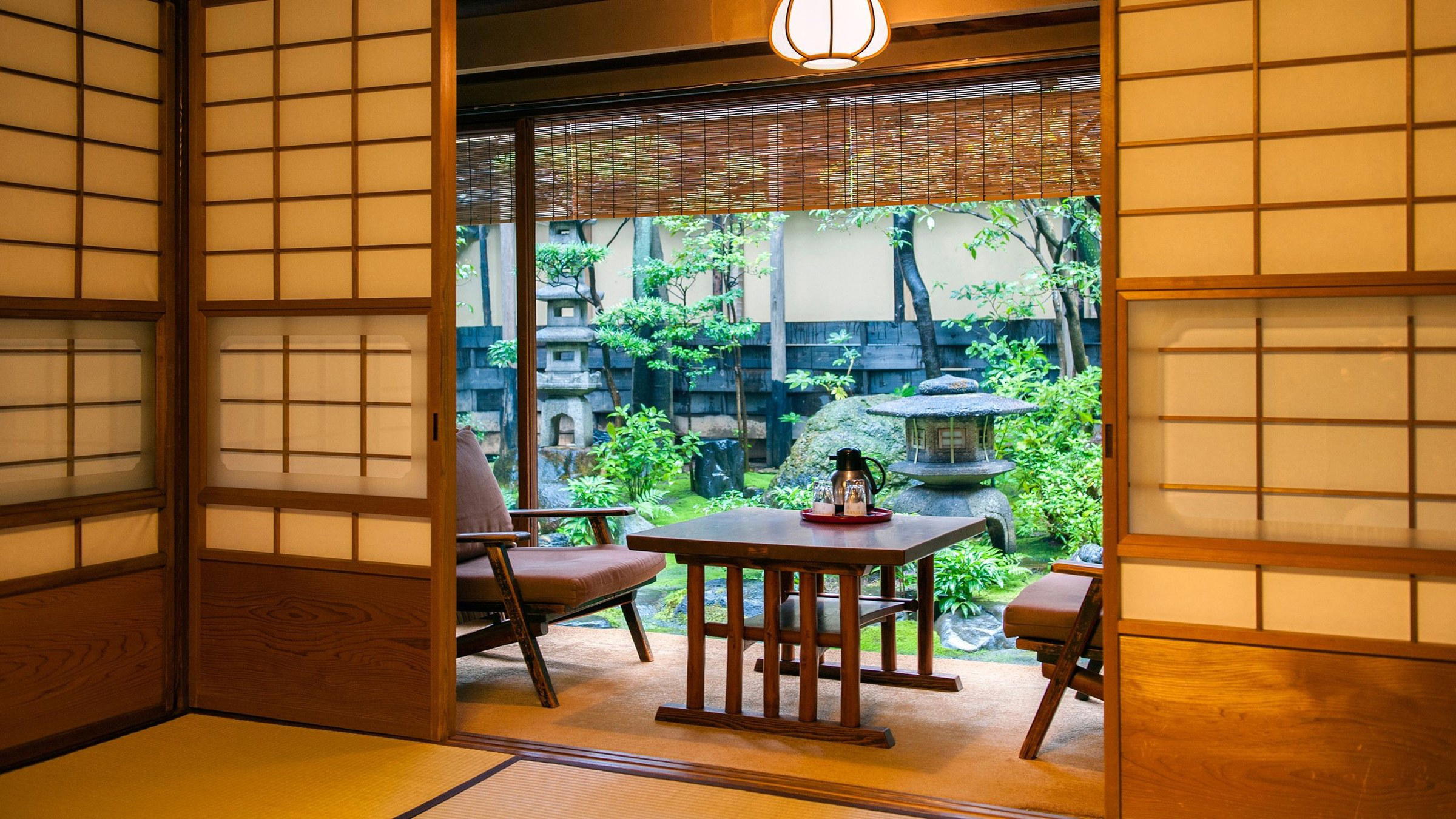
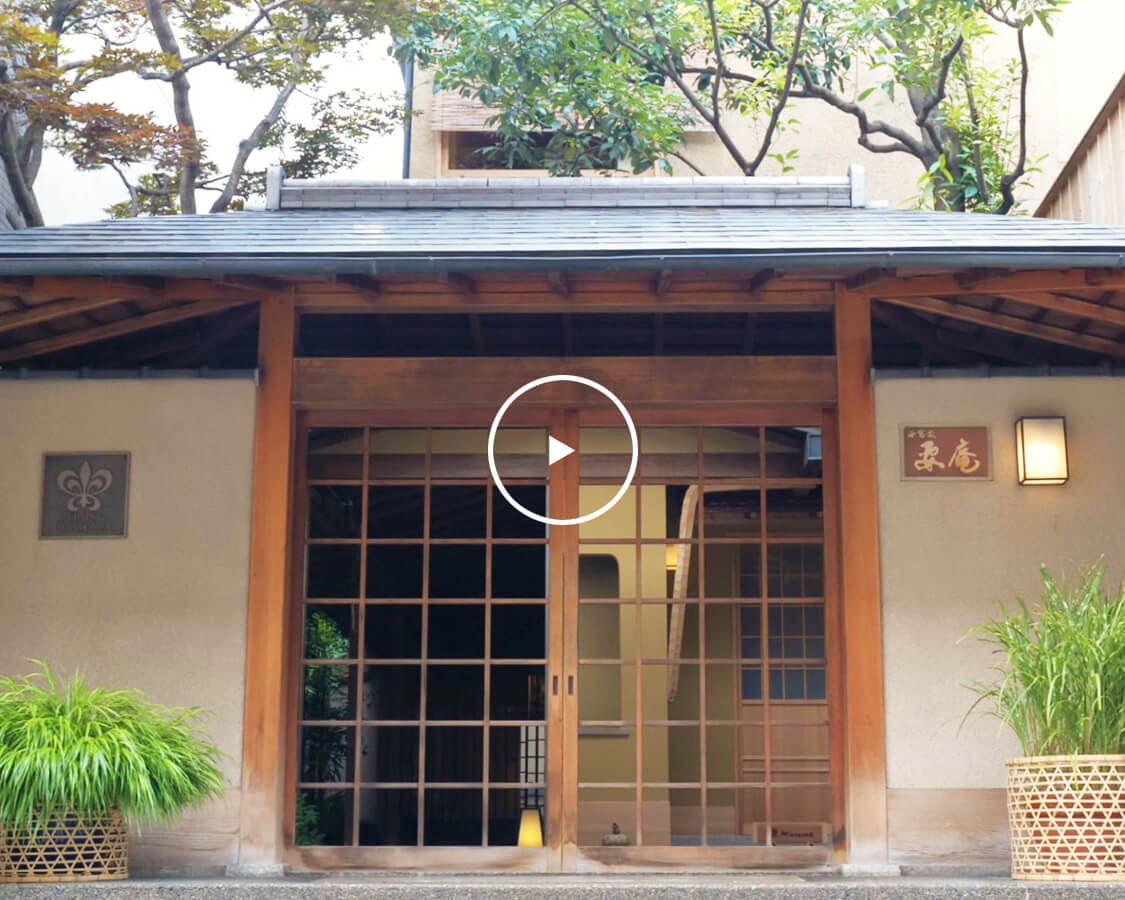
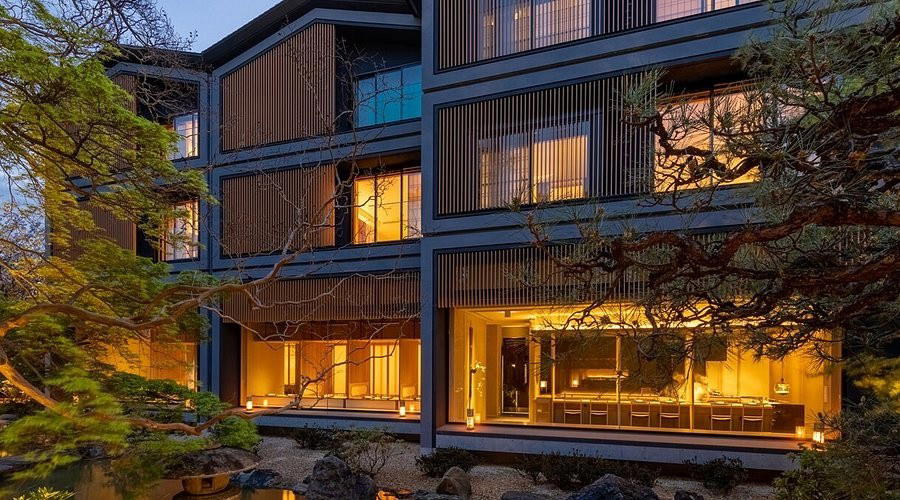
The Ritz-Carlton Kyoto occupies a position on the bank of the Kamogawa River near Nijo-Ohashi bridge, a site that places it squarely within the city's historic central corridor, where Nakagyo Ward's blend of traditional machiya architecture and modern hospitality has made it a reference point for premium dining in the city. Arriving from the riverfront, the transition from the outside world into the hotel's interior is a studied exercise in compression and release: the noise of the city recedes, and the spatial logic shifts toward something more deliberate. Chef's Table by Katsuhito Inoue operates within this setting, and the hotel's architectural restraint becomes relevant context for what the kitchen is doing.
The 72 Micro-Seasons Framework
Japanese culinary tradition already divides the year into 24 solar terms, each carrying its own produce and preparation norms. Inoue's kitchen refines this further, aligning its sourcing and menu rotation to Japan's 72 micro-seasons, a framework derived from ancient Chinese and Japanese agricultural calendars that assigns distinct natural phenomena, plants, and conditions to five-day intervals across the year. In practical terms, this means the menu is not simply "seasonal" in the broad Western sense of spring-summer-autumn-winter rotation. It shifts with a granularity that most kitchens, even ambitious ones, do not attempt.
Kyoto's kaiseki tradition, as practiced at counters like Kikunoi Honten, Hyotei, and Gion Sasaki, is already built around a deep respect for seasonal produce. What distinguishes Inoue's approach is the decision to place plants at the lead rather than treating them as the supporting cast to protein. This is not a vegetarian format born from dietary restriction, it is an editorial choice about what deserves the most attention on the plate.
Harvesting as Methodology
The We're Smart Green Guide, which recognises restaurants for the depth and integrity of their vegetable sourcing, cites Inoue's kitchen specifically for harvesting its own vegetables. This is a meaningful distinction. In Japan's premium dining tier, relationships with dedicated farmers are common, Mizai and Isshisoden Nakamura both work within producer networks that supply Kyoto's leading tables. But harvesting directly, with the kitchen team involved in the gathering, compresses the chain between field and plate to a degree that most hotel restaurants, constrained by operational scale, do not attempt.
The consequence is produce arriving in a state of freshness that changes what cooking can achieve. Vegetables that have spent hours rather than days in transit retain cellular structure, moisture content, and flavour compounds that slow-supply chains erode. This is not a philosophical claim, it is a technical one, and it is the foundation on which the kitchen's stated commitment to simplicity rests. When an ingredient is this fresh, intervention tends to obscure rather than improve. The recognition from We're Smart Green Guide is a trust signal that this sourcing model has been externally verified rather than self-declared.
For comparison, plant-forward tasting formats at this level of hotel integration are rare in Japan. HAJIME in Osaka pursues ecological philosophy through a different lens, while Bleston Court Yukawatan in Nagano works closely with local alpine producers. Inoue's kitchen sits in a distinct position: urban Kyoto address, luxury hotel context, and a sourcing methodology that operates closer to farm-kitchen models than to the import-driven supply chains that many hotel restaurants rely on.
Simplicity as a Technical Achievement
The We're Smart Green Guide's note about being "overwhelmed by the simplicity" with which ingredients are handled is worth reading carefully. Simplicity in a kitchen at this level is not absence of skill, it is skill directed at restraint. The decision not to mask an ingredient, not to add a secondary element that competes for attention, is harder to execute consistently than complexity. Kyoto's culinary tradition has long understood this: the city's kaiseki canon prizes the moment when a single ingredient is presented in a way that communicates its precise state of ripeness, its texture at that specific time of year, its relationship to the season as a whole.
This tradition is present in how kitchens like Gion Sasaki approach their fish courses, and in the dashi-led construction of dishes at Hyotei. Inoue applies the same logic to vegetables, which in most fine dining contexts still occupy a secondary position relative to protein. The departure from that hierarchy is what positions this kitchen as a genuine editorial statement rather than a trend-responsive menu adjustment.
The Hotel Setting and What It Changes
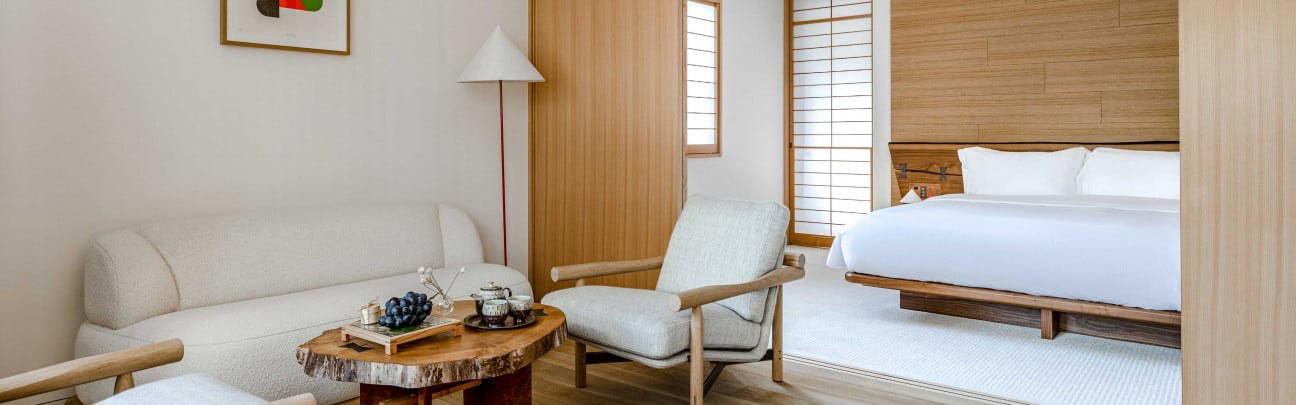
Dining within a Ritz-Carlton property introduces a specific set of expectations about service formality, spatial comfort, and access. For guests exploring Kyoto's hotel options, the Ritz-Carlton's riverside location near Nijo-Ohashi positions it centrally for access to the city's core dining and cultural districts. The chef's table format within a hotel of this tier typically means a more structured service sequence than standalone restaurant counters, with the hotel infrastructure supporting dietary communication and reservation management in multiple languages, a practical advantage for international visitors who may find the booking and dietary communication processes at smaller independents more challenging.
Guests planning a broader Kyoto itinerary can use our full Kyoto restaurants guide, Kyoto bars guide, and Kyoto experiences guide to build around this meal. For those travelling across Japan, comparable levels of sourcing integrity and tasting format ambition appear at Harutaka in Tokyo, akordu in Nara, Goh in Fukuoka, and giueme in Akita, though each operates within a different culinary tradition and sourcing framework.
Planning Your Visit
The restaurant sits within the Ritz-Carlton Kyoto at Kamogawa Nijo-Ohashi Hotori, Nakagyo Ward, reachable on foot from Kyoto-Kawaramachi Station in under ten minutes. As a hotel restaurant operating a chef's table format, reservations are handled through the Ritz-Carlton's standard reservation channels; contacting the hotel directly in advance is advisable, particularly for guests with dietary requirements, as the kitchen's vegetable-forward sourcing model lends itself well to customisation for those avoiding specific proteins. Specific pricing, hours, and menu structure are confirmed at booking. For those building a full trip around Japan's premium dining tier, our Kyoto wineries guide and restaurant guide provide additional context for pairing decisions.
Frequently asked questions
Where do I go for Chef’s Table by Katsuhito Inoue @Ritz Carlton?
Chef’s Table by Katsuhito Inoue @Ritz Carlton is located at Kamogawa Nijo-Ohashi Hotori, Nakagyo Ward, Kyoto, 604-0902, Japan, Kyoto.
What distinctions does Chef’s Table by Katsuhito Inoue @Ritz Carlton have?
Chef’s Table by Katsuhito Inoue @Ritz Carlton has received recognition including: We are happy to introduce you to chef Katsuhito Inoue for several reasons. First, because a meal at this establishment is a total experience. Second, because the philosophy of the place is based on 72 micro seasons where plants are the lead….
What's the best way to book Chef’s Table by Katsuhito Inoue @Ritz Carlton?
Reservations are recommended for Chef’s Table by Katsuhito Inoue @Ritz Carlton in Kyoto. Confirm current policy via the venue's official channels.
What's the standout thing about Chef’s Table by Katsuhito Inoue @Ritz Carlton?
Chef’s Table by Katsuhito Inoue @Ritz Carlton is best approached by focusing on the core concept and signature offerings.
What if I have allergies at Chef’s Table by Katsuhito Inoue @Ritz Carlton?
Dietary accommodations can vary. Flag restrictions in advance via the venue's official channels.
Comparable Venues
Comparable venues nearby, for context on price, style, and recognition.
| Venue | Cuisine | Price | Awards | Notes |
|---|---|---|---|---|
| Chef’s Table by Katsuhito Inoue @Ritz CarltonThis venue (the venue you are viewing) | Modern Japanese-Italian Fusion Kaiseki | $200–300 | We're Smart World 4 Radishes | Not listed |
| Lurra˚ (Kyoto) | Nordic-Influenced Fire-Cooked Fusion | Not listed | Not listed | Higashiyama |
| LURRA° | Modern Nordic-Influenced Fusion | $200–300 | 1 Michelin Star · Tabelog 100 #64 | Higashiyama |
| Kyo-Suiran (京 翠嵐) | French-Inspired Traditional Kaiseki | $200–300 | Not listed | Arashiyama |
| Restaurant MAEKAWA | Modern Japanese Ryoriya | $200–300 | Not listed | Higashiyama |
| Yoshikawa | Traditional Japanese Tempura Kaiseki | $150–200 | Tabelog 100 #43 | Nakagyō |
Recognition history
Dated appearances from independent guides and award organizations, with the underlying list record or original source where available.
We're Smart World 4 Radishes
We're Smart World
Continue exploring
More in Kyoto
Restaurants in Kyoto
All restaurants in Kyoto →
Bars in Kyoto
All bars in Kyoto →
Hotels in Kyoto
All hotels in Kyoto →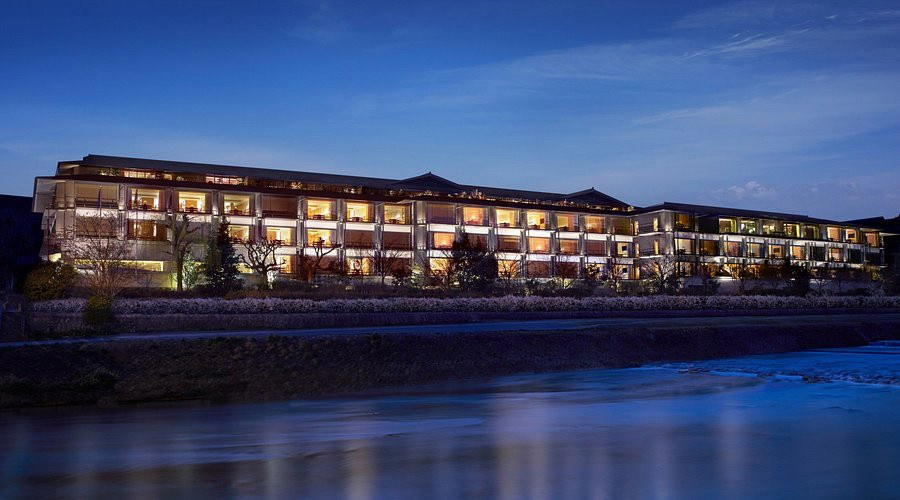
Wineries in Kyoto
Browse all →
Details
- Intimate
- Elegant
- Sophisticated
- Special Occasion
- Chefs Counter
- Hotel Restaurant
- Private Dining
- Sake Program
- Farm To Table
- Local Sourcing
- Zero Waste
- Garden
- Tasting Menu
Current opening hours
- Monday
- Closed
- Tuesday
- 6–10 PM
- Wednesday
- 6–8 PM
- Thursday
- 6–8 PM
- Friday
- 6–8 PM
- Saturday
- 6–8 PM
- Sunday
- Closed
Hours can change for holidays and private events. Hours as of .
Tranquil botanical paradise with lush garden decor, living moss, textured wood, seasonal elements, wood smoke aromas, and subtle grill crackling.