

A private kitchen in Tianhe that reconstructs the grandeur of Guangzhou's Xiguan mansion era through decor, seasonal ingredients, and a Cantonese menu anchored by braised Doumen mud crab, lemongrass-scented squab, and ginger milk custard with bird's nest. Recognised on La Liste's 2026 Top Restaurants list with 77 points, BingSheng Private Kitchen operates at the ¥¥¥ tier and requires reservations two to three days in advance.
Pearl is the En Primeur Club membership app — saves, bookings, and concierge access live there. Same editors, same standards.
- Address
- 168 Tianhe E Rd, Tianhe District, Guangzhou, Guangdong Province, China, 510620
- Phone
- +86 20 8751 8682
- Website
- bingsheng.com
 Saves & bookings on Pearl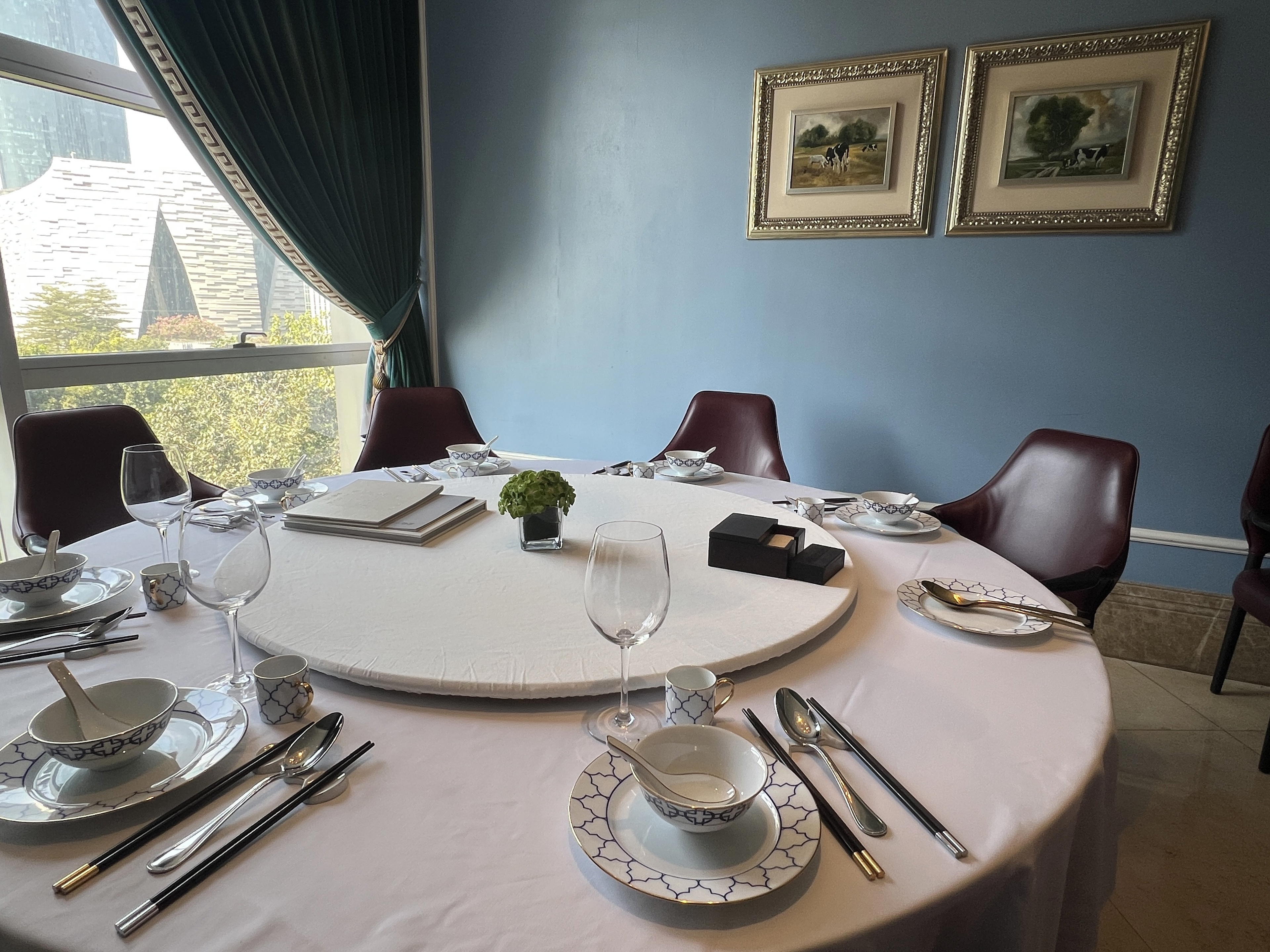
Old Guangzhou, Reassembled in Tianhe
Guangzhou's private kitchen format occupies a specific cultural position in the city's dining hierarchy. Unlike the grand hotel dining rooms at the top of the market or the neighbourhood char siu shops that define everyday Cantonese eating, the private kitchen sits between both: smaller in scale, more deliberate in atmosphere, and rooted in a hospitality tradition that traces back to the wealthy merchant households of the Pearl River Delta. BingSheng Private Kitchen on Tianhe East Road draws on that lineage directly, reconstructing the interior language of Xiguan district luxury mansions, the ornate domestic spaces that belonged to Guangzhou's commercial elite during the late Qing and Republican periods.
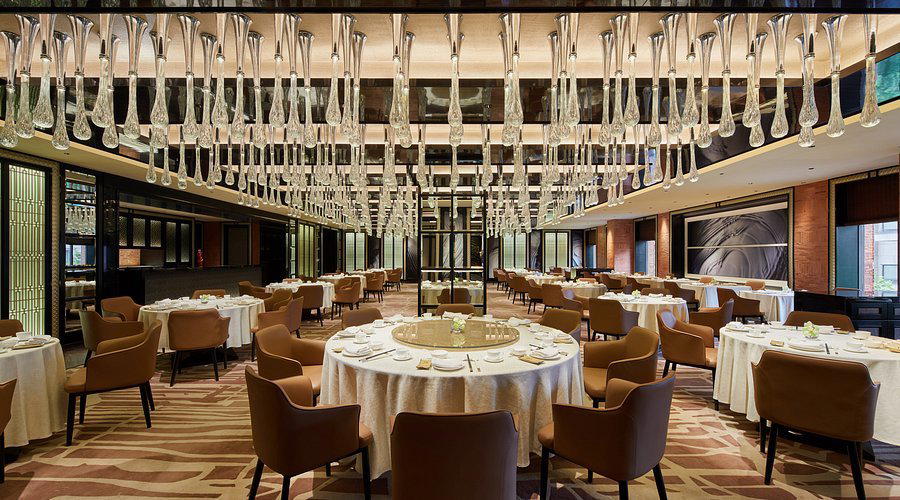
The Xiguan aesthetic is specific and recognisable to anyone familiar with the older parts of western Guangzhou: carved wood screens, layered textiles, the kind of decorative density that reads as accumulated rather than designed. Here, that reference is updated with artwork and floral installations that prevent the space from tipping into pure nostalgia. The result is an environment that contextualises the food before a dish arrives, you are eating within a claim about what Cantonese hospitality once looked like, and what it can still mean.
The Cantonese Kitchen as a Seasonal Instrument
Cantonese cooking at this tier is defined less by technique innovation and more by ingredient sourcing and restraint. The dominant cooking philosophy in Guangzhou's private kitchen circuit is one that prizes the ingredient's native character over elaborate transformation, a principle that runs counter to the kind of noodle-forward showmanship you find in northern Chinese kitchens, where hand-pulling and knife-cutting technique become the visual centre of the meal. In Cantonese cooking, the equivalent performance is seasonal selection: knowing which estuary produces the right mud crab in which month, which squab farm achieves the right fat distribution, which milk comes from the right source for a ginger custard to set with the correct texture.
BingSheng's menu reflects this seasonal-organic orientation. The braised Doumen mud crab with hairy squash draws on Doumen, a district in Zhuhai known for its estuary aquaculture, pairing the crab with a gourd that absorbs the seafood's braising liquid without competing with it. The roast lemongrass-scented squab is a format common across Guangzhou's upper-tier kitchens but differentiated here by the aromatic marinade, which introduces a Southeast Asian register into what is otherwise a classically Cantonese preparation. The ginger milk custard with bird's nest is the meal's most technically demanding dish: the custard relies on a chemical reaction between ginger protease and warm milk, a process with no margin for temperature error, and the bird's nest component places it in the premium ingredient tier associated with formal Cantonese hospitality.
None of these dishes are noodle-based, which matters as context: the absence of hand-pulled or knife-cut starch formats here is itself a statement. Guangdong's noodle tradition runs toward thin wonton egg noodles and rice noodle rolls, not the pulled wheat noodles of Shanxi or the belt noodles of Shaanxi. Choosing to centre this menu on protein, produce, and custard rather than on any noodle format places BingSheng squarely within southern China's ingredient-driven cooking identity, distinct from the technique-display traditions further north.
Where BingSheng Sits in Guangzhou's Dining Tier
At ¥¥¥ pricing, BingSheng Private Kitchen operates in the same broad tier as Imperial Treasure Fine Chinese Cuisine, which holds two Michelin stars and competes in Guangzhou's formal Cantonese bracket, and Jade River. The private kitchen format, however, sits differently within that tier. Where hotel-based or large-format Cantonese restaurants compete on scale and institutional credibility, the private kitchen's value proposition is intimacy, curation, and a domestic register of hospitality that formal dining rooms cannot replicate.
The La Liste 2026 recognition with 77 points places BingSheng in documented company across the region. For comparison, Cantonese cooking at this level is also represented by Forum in Hong Kong and Jade Dragon in Macau, both of which operate at higher scale and with longer institutional histories. Within Guangzhou specifically, Jiang by Chef Fei and Lai Heen hold Michelin recognition and anchor the city's formal Cantonese end. BingSheng competes on different terms: the private kitchen format self-selects for guests who are specifically seeking the Xiguan aesthetic and the seasonal-ingredient focus, rather than institutional prestige signals.
The BingSheng name itself appears across multiple addresses in Guangzhou. BingSheng Mansion on Xiancun Road is the sibling address operating under a related identity. For travellers building a Guangzhou itinerary around Cantonese private kitchen dining, these two locations represent distinct experiences rather than duplicates, and the Tianhe East Road address carries its own La Liste credential.
Guangzhou's private kitchen tradition also has counterparts in other cities. 102 House in Shanghai and Ru Yuan in Hangzhou work in related registers of heritage-inflected, curated Chinese dining, while Chef Tam's Seasons in Macau approaches Cantonese tradition from a more contemporary angle. Xin Rong Ji in Beijing, Xin Rong Ji in Chengdu, and Dai Yuet Heen in Nanjing extend the map of premium Chinese regional dining that serious travellers use to triangulate where Guangzhou's private kitchen circuit fits.
Planning Your Visit
BingSheng Private Kitchen on Tianhe East Road sits at 168 Tianhe East Road in the Tianhe District, Guangzhou's main commercial and business spine east of the old city. The area draws a mix of corporate and residential dining traffic, and the private kitchen format here appeals to both business entertaining and deliberate food-focused visits. Reservations two to three days in advance are the stated norm, which is standard for a private kitchen at this recognition level, shorter lead times than the city's most competitive formal restaurants, but enough notice to indicate that walk-ins are unlikely to succeed.
The ¥¥¥ price tier positions this as a considered spend rather than a casual meal, in line with what Guangzhou's recognised private kitchens charge when seasonal ingredients and heritage-format hospitality are the product. Chef Burton Yi leads the kitchen.
Quick Comparison
Comparable venues nearby, for context on price, style, and recognition.
| Venue | Cuisine | Price | Awards | Notes |
|---|---|---|---|---|
| BingSheng Private Kitchen (Tianhe East Road)This venue — the venue you are viewing | Michelin-Starred Cantonese Private Kitchen | $$$ | Michelin 1 Star | |
| Hongtu Hall | Michelin-Starred Cantonese Dim Sum | $$$ | Michelin 1 Star | Panyushi |
| Xin Ji | Traditional Cantonese Seafood | $$$ | Michelin 1 Star | Zengchengshi |
| Yu Yue Heen | Modern Cantonese Fine Dining | $$$$ | Michelin 1 Star | Guangzhoushi |
| Song | Modern Sichuan Cuisine | $$$$ | Michelin 1 Star | Guangzhoushi |
| Suyab Courtyard・Pickmoon Gourmet | Refined Chao Zhou | $$$$ | Michelin 1 Star | Guangzhoushi |
Continue exploring
More in Guangzhou
Restaurants in Guangzhou
Browse all →
Bars in Guangzhou
Browse all →
At a Glance
- Elegant
- Intimate
- Classic
- Cozy
- Business Dinner
- Special Occasion
- Family
- Private Event
- Private Dining
- Organic
- Local Sourcing
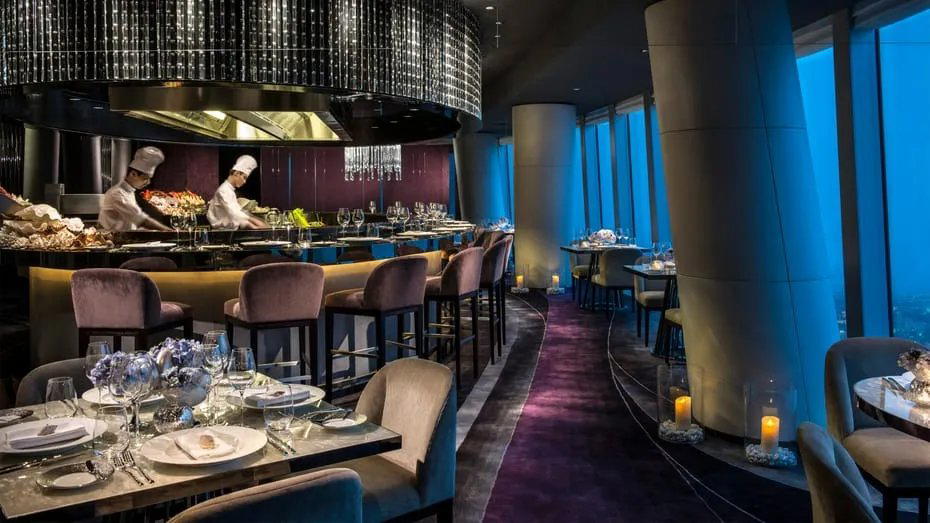
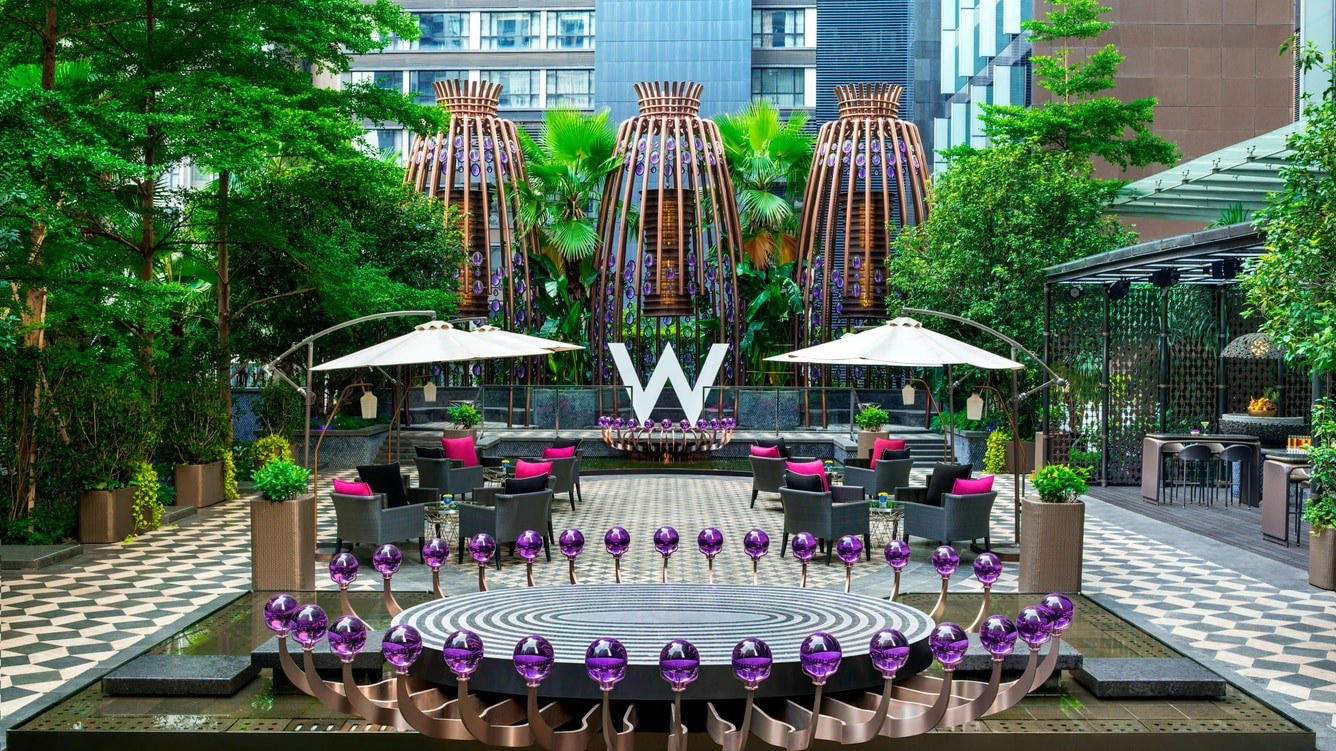
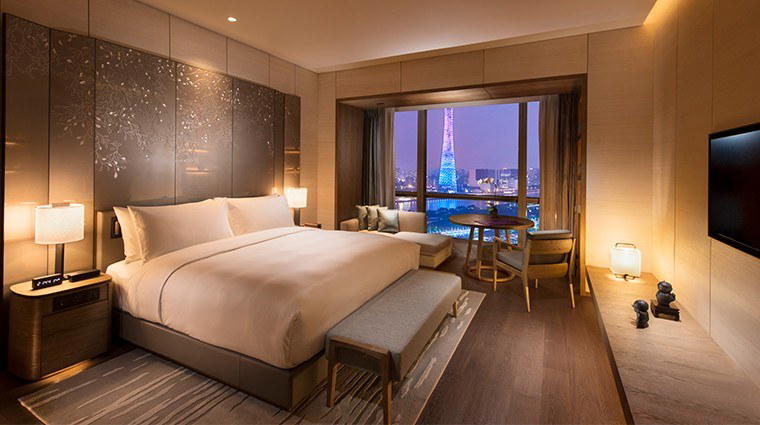
Quiet and elegant Xiguan-style decor recreating old-time luxury mansions with artwork, floral accents, glass chandeliers, and personalized service.