Château Diter sits on the Route de Pégomas outside Grasse, a town whose identity has been shaped for centuries by the cultivation and distillation of raw botanical ingredients. That agricultural heritage gives this address a particular resonance for visitors who arrive expecting the Alpes-Maritimes to offer more than coastal scenery. Full details on booking and current format are best confirmed directly with the property.
Pearl is the En Primeur Club membership app — saves, bookings, and concierge access live there. Same editors, same standards.
- Address
- 500 Rte de Pégomas, 06130 Grasse, France
- Phone
- +33 6 14 09 98 59
- Website
- chateauditer.com
 Saves & bookings on Pearl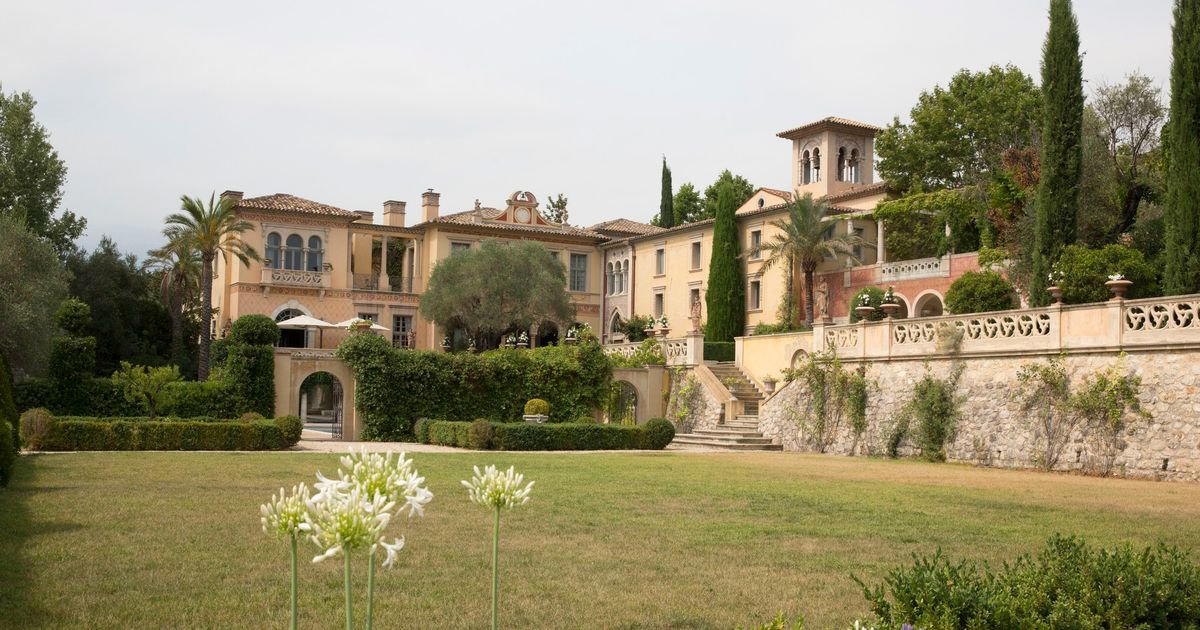
Where Perfume Country Meets the Table
Grasse occupies a ridge above the Côte d'Azur that most visitors speed past on the way to Cannes or Nice. That oversight is partly geographic: the town sits inland at around 330 metres, connected to the coast by a road that climbs quickly enough to discourage casual detours. But Grasse has its own internal logic, one built over three centuries around the cultivation of jasmine, rose de mai, tuberose, and lavender. The fields that surround the Route de Pégomas, where Château Diter sits at number 500, are the agricultural engine of what became the world's dominant perfume industry. Dining in this context carries a particular kind of weight. The raw materials that define French haute parfumerie also define Provençal cuisine: herbs grown in the same limestone soil, flowers harvested by the same hands, fruit from orchards that share the same microclimate. Any serious table in this area answers, implicitly or explicitly, to that terroir.
The Sourcing Argument That Grasse Makes Automatically
The ingredient-sourcing conversation that has consumed restaurant culture globally for the past two decades looks different when you are physically inside the producing region rather than importing from it. In cities like Paris, where addresses such as Alléno Paris au Pavillon Ledoyen operate at the highest technical level, provenance is often a claim made on a menu and substantiated by supply chain relationships. Here, the provenance is the surrounding countryside. Mimosa, orange blossom, and wild herbs are not imported ingredients: they are what grows outside. That compression of distance between field and plate is not a marketing position in Grasse, it is simply the physical reality of where the town sits in the Alpes-Maritimes.
Regional French dining at this latitude sits in a competitive zone that includes some of France's most significant countryside addresses. L'Oustau de Baumanière in Les Baux has defined Provençal luxury dining for decades from its position among the limestone formations of the Alpilles. La Table du Castellet in Le Castellet operates from within a wine-producing estate. Mirazur in Menton has placed the French-Italian coastal border on the global fine dining map. Grasse represents a different proposition: a production landscape rather than a coastal or viticultural one, where the agricultural density is botanical and aromatic rather than vinous.
Château Diter in the Context of Grasse's Table
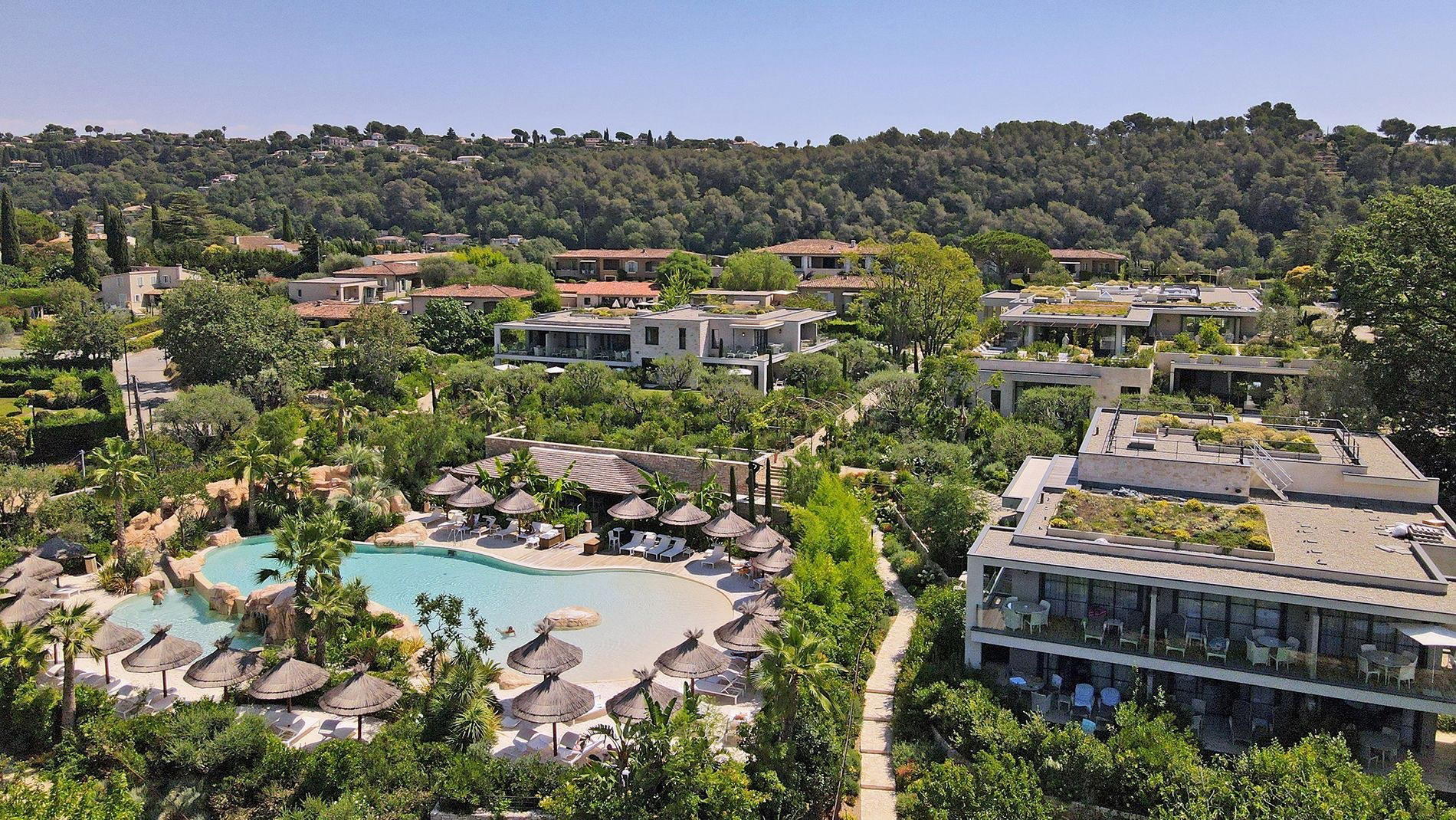
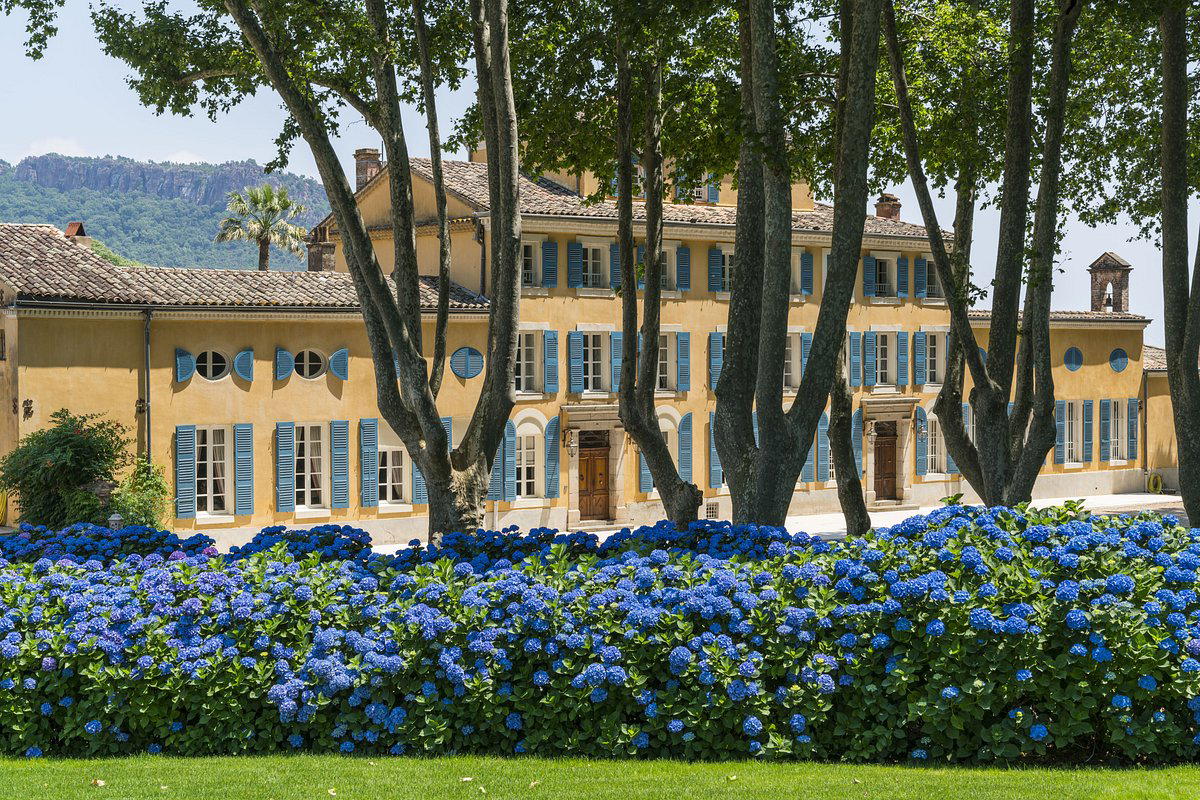
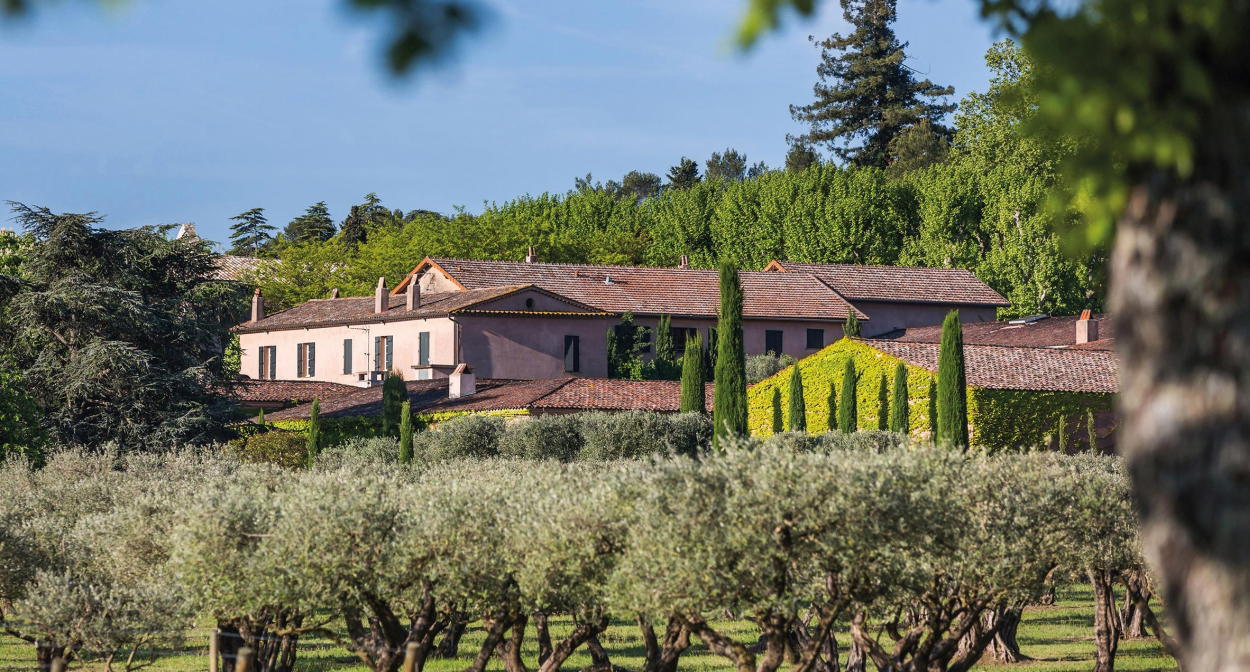
The address on the Route de Pégomas places Château Diter outside the historic centre of Grasse, in the agricultural corridor where estate properties occupy land that was historically given over to flower cultivation. This positioning matters. Grasse's restaurant scene has historically been anchored closer to the old town, addresses like La Bastide Saint-Antoine, which holds Michelin recognition and represents the benchmark for Provençal cooking in the area, and La Fleur de Lys, which operates in a more accessible register. An estate address on the Route de Pégomas signals a different experience: more space, more grounds, a relationship with the landscape that an in-town address cannot replicate.
Across southern France more broadly, the estate-dining format has proven durable precisely because it anchors the sourcing claim in something visible and tangible. Guests arriving at Bras in Laguiole understand immediately that the plateau outside the windows is where the foraging happens. The same logic applies to Les Prés d'Eugénie - Michel Guérard in Eugénie-les-Bains, where the thermal landscape is as much a part of the experience as the plate. An estate in the flower-growing belt outside Grasse participates in a similar grammar: the land is the argument.
What the French Countryside Table Does Well
France's long tradition of destination countryside dining, the kind that requires a drive, a reservation made weeks in advance, and a willingness to commit a full afternoon or evening, rests on a set of assumptions about what a meal can do that urban dining cannot. The auberge tradition, represented at its most sustained by addresses like Auberge de l'Ill in Illhaeusern and Auberge du Vieux Puits in Fontjoncouse, treats the surrounding region as both context and larder. The guest arrives knowing they are somewhere specific, and the kitchen responds by making that specificity legible on the plate. For visitors who have already experienced high-altitude estate dining in the Alps at addresses like Flocons de Sel in Megève or Le 1947 à Cheval Blanc in Courchevel, the Provençal equivalent offers a warmer, more herb-driven register: olive oil over butter, aromatic herbs over reduced stocks, stone fruit over root vegetables.
The broader French fine dining tradition, from Paul Bocuse - L'Auberge du Pont de Collonges in Collonges-au-Mont-d'Or through to Troisgros - Le Bois sans Feuilles in Ouches and Georges Blanc in Vonnas, has always placed significant weight on the producer relationship and on the ability of a kitchen to express a specific geography. Grasse's geography is as legible as any in France. The question for any table here is how fully it commits to that expression.
Planning a Visit
Château Diter sits at 500 Route de Pégomas in Grasse, Alpes-Maritimes. The property is most accessible by car from Cannes (roughly 14 kilometres inland) or from Nice via the A8. Visitors arriving from the coast should allow time to settle into the elevation and the quieter pace that marks the Pays de Grasse. Plan ahead and confirm hours and reservations directly before visiting. For comparison points at a similar distance from the coast, Le Bernardin in New York City and Lazy Bear in San Francisco represent how different geographies and formats have approached the question of what makes a dining destination worth the commitment of travel, a question that countryside Provence has been answering, in its own register, for a very long time.
Comparable Venues
Comparable venues nearby, for context on price, style, and recognition.
| Venue | Cuisine | Price | Awards | Notes |
|---|---|---|---|---|
| Château DiterThis venue — the venue you are viewing | French Seasonal Fine Dining | $$$$ | , | |
| La Bastide Saint-Antoine | Provençal Fine Dining | $$$$ | Michelin Plate | Grasse |
| La Fleur de Lys | Modern French Bistro | $$$ | , | Parking La Roque |
| Nuances | Modern French Chef's Surprise Tasting | $$$$ | , | Nice Historique |
| Le Petit Canard | Traditional French Duck Bistro | $$$ | , | 9th arrondissement |
| La Langouste | French Seafood Mediterranean | $$$ | , | Cœur de Nice |
At a Glance
- Romantic
- Elegant
- Opulent
- Scenic
- Iconic
- Celebration
- Special Occasion
- Private Event
- Date Night
- Private Dining
- Garden
- Terrace
- Historic Building
- Panoramic View
- Garden
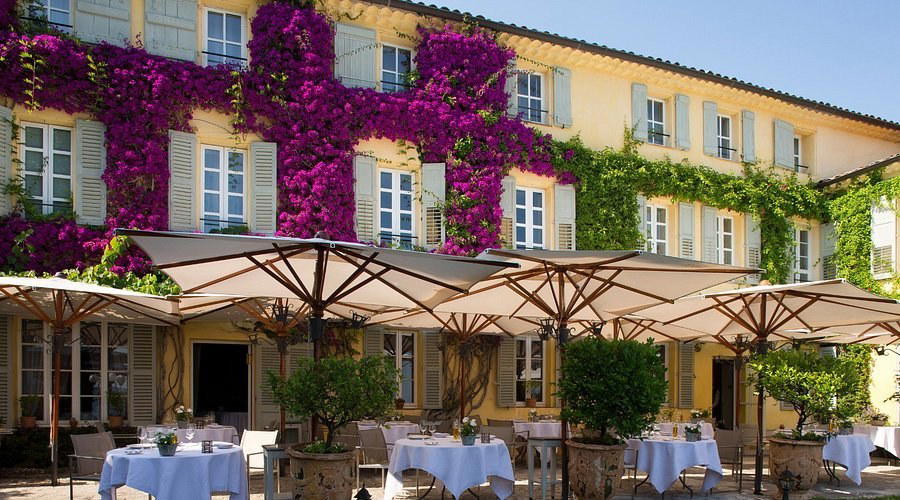
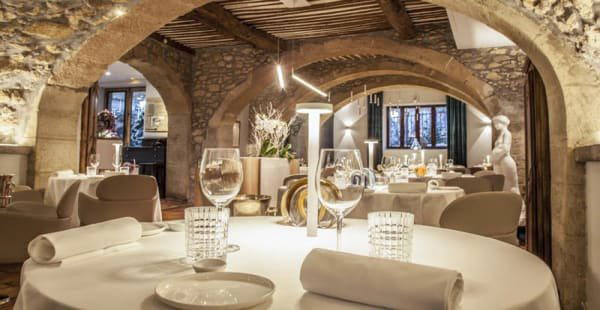
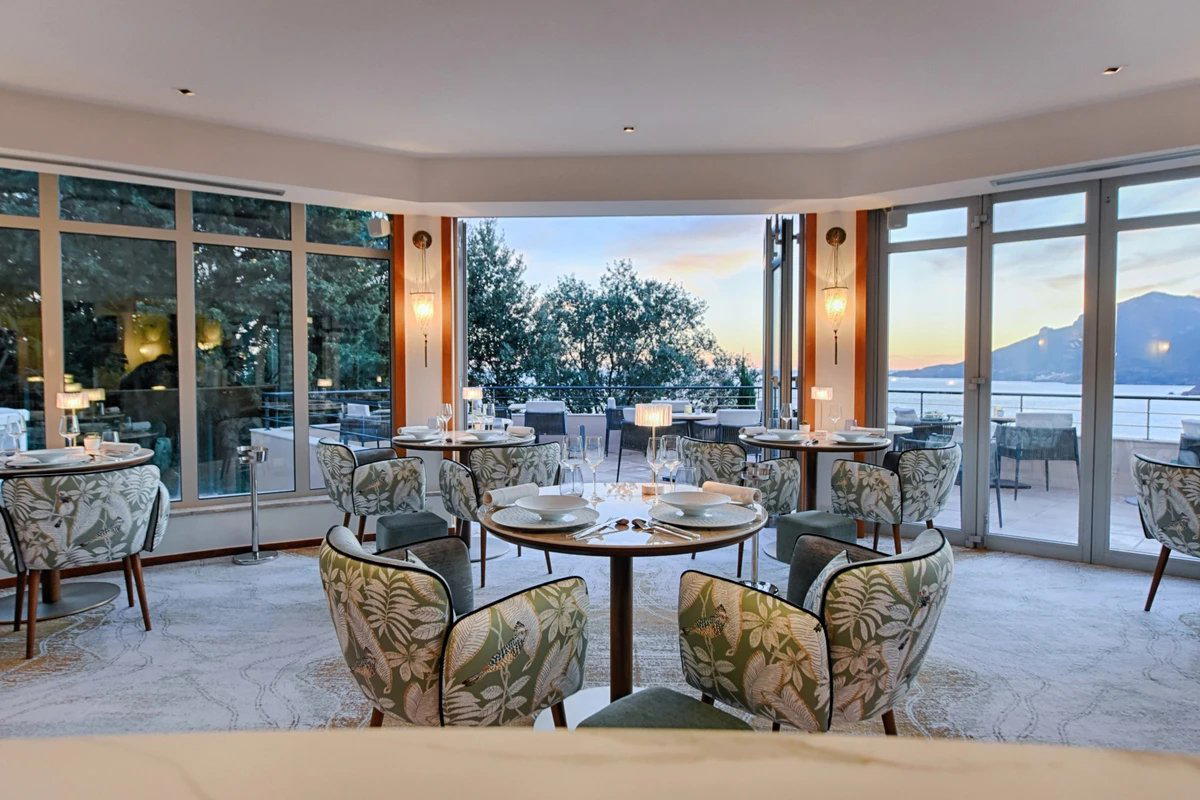
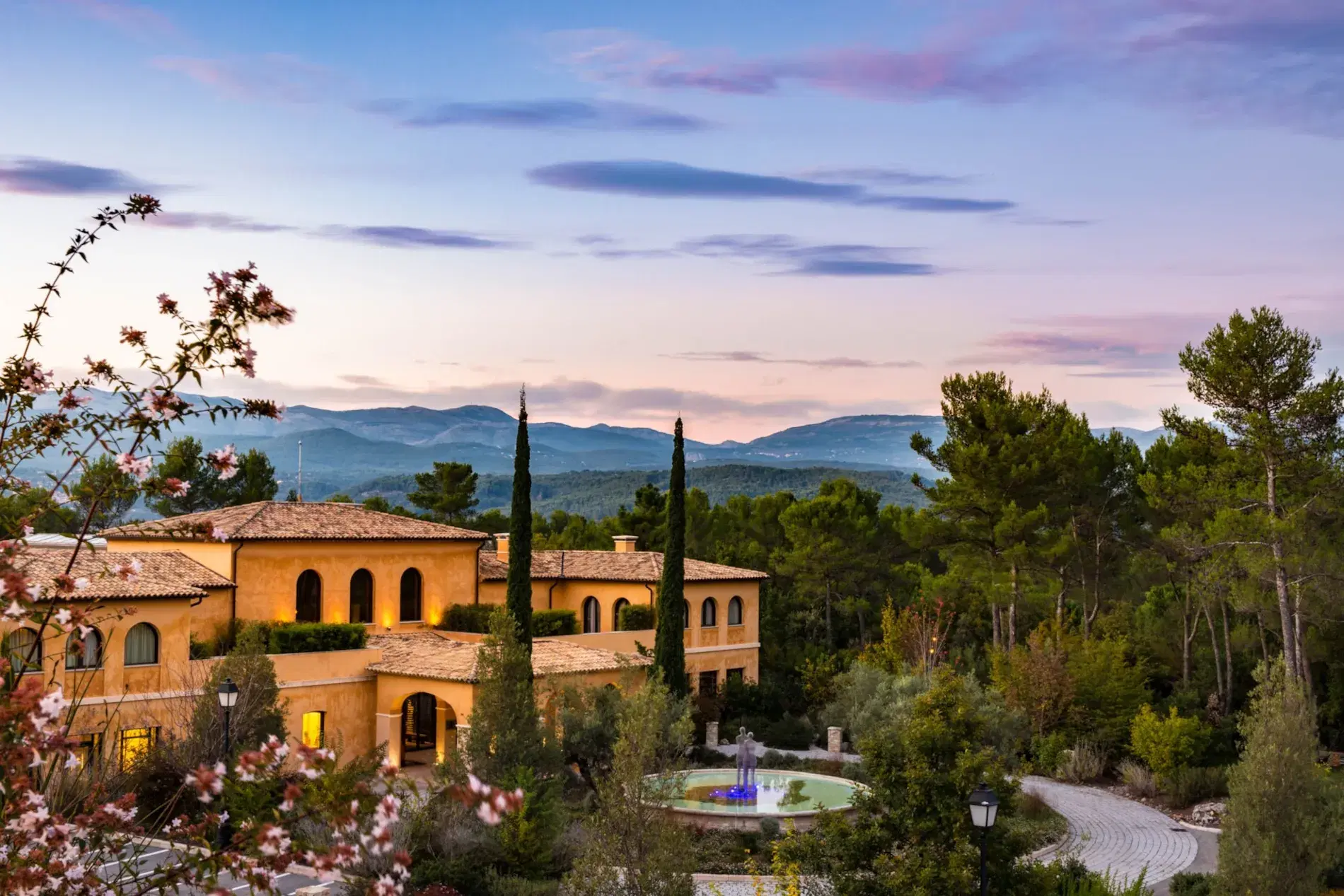
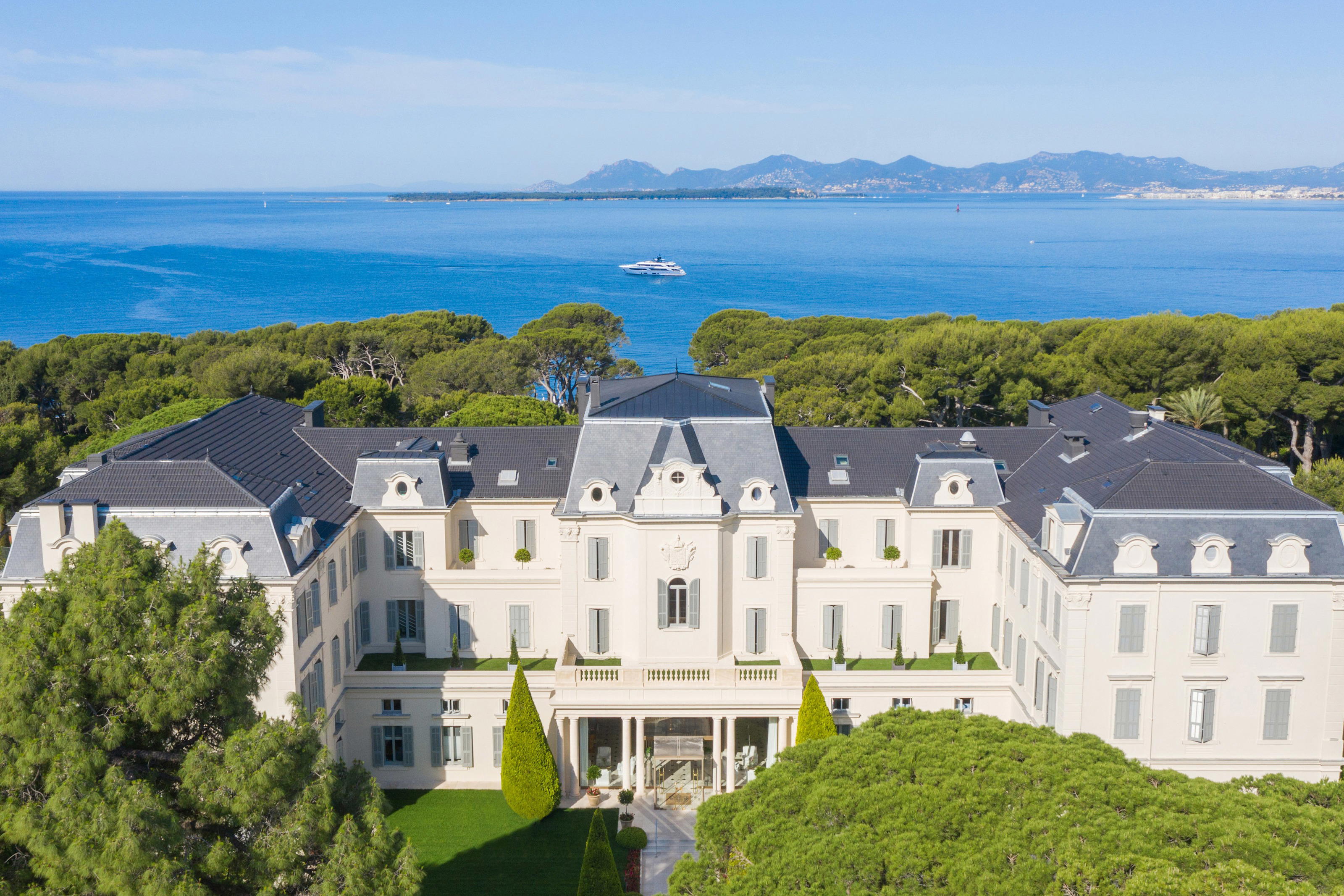
Sumptuous and palatial with spectacular architecture, ornate fountains, manicured Italian gardens with citrus and floral scents, and a movie-set quality that evokes timeless elegance and Italian charm.