La Fleur de Lys sits in Grasse, the Provençal town that has defined global perfumery for centuries and now supports a small tier of serious dining drawing on the same extraordinary agricultural terroir. Located on Avenue Chiris, it operates in a city where flower fields, aromatic herbs, and Mediterranean produce converge in ways that shape what ends up on the plate. For visitors to the Alpes-Maritimes with fine dining on the agenda, Grasse rewards the detour.
Pearl is the En Primeur Club membership app — saves, bookings, and concierge access live there. Same editors, same standards.
- Address
- 2 Av. Chiris, 06130 Grasse, France
- Phone
- +33783596552
- Website
- lafourchette.rest
- Directions
- Get directions
 Saves & bookings on Pearl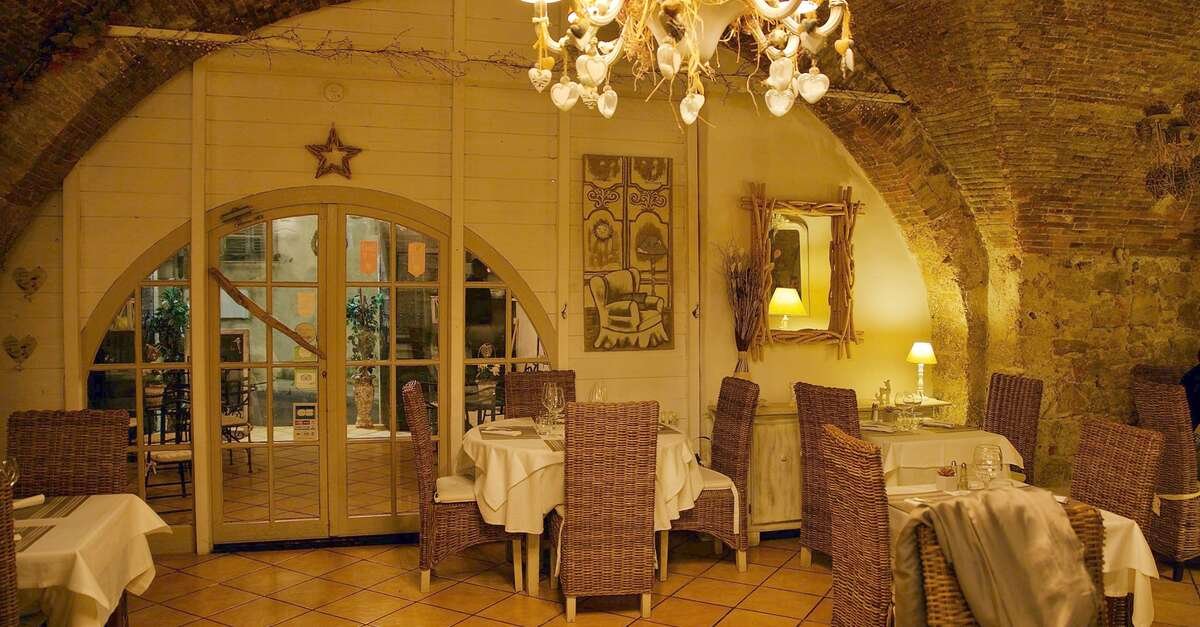
Grasse as a Culinary Address
Most visitors arrive in Grasse for the perfume. The town sits at roughly 330 metres in the hills above the Côte d'Azur, and its microclimate has made it the capital of the French fragrance industry since the seventeenth century. What that history has also produced, less often discussed, is among the more concentrated terroirs in the South of France: jasmine, rose de mai, lavender, thyme, and rosemary grown at altitude with a clarity of scent and flavour that flatland Provence rarely matches. The connection between fragrance agriculture and culinary produce is not metaphorical here. It is structural. The same hillside conditions and the same tradition of careful cultivation that shaped the perfume houses also define what local producers bring to market. Any serious kitchen operating in Grasse has access to an ingredient supply that its coastal counterparts, an hour's drive down into Nice or Cannes, cannot simply replicate.
La Fleur de Lys is a Modern French Bistro at 2 Avenue Chiris, 06130 Grasse, France. The address places it within the historic town, a short distance from the Musée International de la Parfumerie and the old quarter where the Chiris family built one of the major perfume manufacturing dynasties. The building and the street carry the weight of that industrial and agricultural heritage, which in Grasse is never entirely separate from the question of what grows in the surrounding countryside.
Where La Fleur de Lys Sits in the Local Dining Tier
Grasse is not a restaurant city in the way that Nice or Cannes commands international dining attention. Its fine dining tier is small by comparison, with La Bastide Saint-Antoine holding one documented position at the upper end, backed by Michelin recognition and a long-established reputation for Provençal cooking grounded in local produce. Château Diter represents a different format, anchored to a private estate model. La Fleur de Lys operates within this context, in a town where the dining scene rewards visitors willing to look beyond the coastal strip. For the broader picture of what Grasse offers across price points and styles,
Within the broader South of France frame, the regional benchmark for produce-led, terroir-driven cooking sits along the Côte d'Azur at Mirazur in Menton, where Mauro Colagreco's kitchen draws from a kitchen garden and coastal foraging to build a menu structured around what the land and sea provide on a given day. That model, produce first, technique in service of ingredient, has become the reference point for serious cooking in the region. It sits in conversation with how the leading mountain and hill kitchens of France operate, from Flocons de Sel in Megève, where altitude shapes both the larder and the cooking register, to the more classically anchored French regional traditions documented at houses like Auberge de l'Ill in Illhaeusern and Georges Blanc in Vonnas.
The Ingredient Logic of the Grasse Hills
The editorial angle on any Grasse kitchen worth considering is sourcing, because the town's agricultural geography makes it among the more distinctive ingredient addresses in metropolitan France. The rose de mai harvest, which runs through May and into early June, produces petals at a concentration and quality level that distinguishes Grassois production from imitations grown elsewhere. The jasmine harvest follows in late summer. These are not incidental local colour. They are proof of a cultivation tradition, sustained over generations, that prioritises aromatic intensity in everything grown on these hillsides, including the vegetables, herbs, and fruit that end up in kitchens rather than distilleries.
Producers supplying serious Grasse restaurants operate within that same tradition. Olive groves in the immediate territory around the town produce oils with a character shaped by altitude and the limestone-rich soils of the pre-Alps. Wild herbs from the surrounding garrigue, including varieties that are more aromatic at elevation than at sea level, give local cooking a different register from the cuisine you find in beach-adjacent restaurants along the Riviera.
This produce logic connects Grasse to a wider French tradition of kitchen identity built around terroir fidelity rather than technique showmanship. The houses that have maintained the longest reputations in French dining, from Bras in Laguiole, which defined gargouillou and the idea of the kitchen as an extension of the surrounding land, to Auberge du Vieux Puits in Fontjoncouse in the Corbières, share a commitment to placing specific geography at the centre of the menu. That is the tradition into which a serious Grasse kitchen naturally fits.
Planning Your Visit
Grasse sits approximately 15 kilometres inland from Cannes via the D4 or D109, and around 25 kilometres from Nice, making it a workable half-day excursion from either coastal base. The town is most directly reached by car, though a regular bus connection runs from Cannes. The harvest periods, rose de mai in May and jasmine from August into September, represent the moments when the town's agricultural character is most visible and when produce sourced locally carries the seasonal intensity. Visiting outside peak summer also means the old quarter is substantially less crowded. The restaurant is located at 2 Avenue Chiris, within walking distance of the historic centre and the major perfumery museums. The restaurant is recommended for reservations and follows a smart casual dress code.
The Wider Fine Dining Context
AM par Alexandre Mazzia in Marseille represents one decorated contemporary address in the region, while the classical French canon is documented at length through houses such as Paul Bocuse in Collonges-au-Mont-d'Or and Troisgros in Ouches. At the creative end of the Paris spectrum, Alléno Paris au Pavillon Ledoyen and the rigorous programmes at Assiette Champenoise in Reims and Au Crocodile in Strasbourg represent the broader range of serious French dining. Further afield, Christopher Coutanceau in La Rochelle shows how Atlantic coastal sourcing can anchor a three-star kitchen. For reference points outside France entirely, Le Bernardin in New York City and Atomix in New York City demonstrate how ingredient-led precision translates across culinary traditions.
In Context: Similar Options
Comparable venues nearby, for context on price, style, and recognition.
| Venue | Cuisine | Price | Awards | Notes |
|---|---|---|---|---|
| La Fleur de LysThis venue — the venue you are viewing | Modern French Bistro | $$$ | Not listed | Not listed |
| Château Diter | French Seasonal Fine Dining | $$$$ | Not listed | Grasse |
| La Bastide Saint-Antoine | Provençal Fine Dining | $$$$ | Michelin Plate | Grasse |
| L'Ambroisy | Traditional French in a Historic Chapel | $$$ | Not listed | Vence |
| Les Vieux Murs | Mediterranean French Bistro | $$$ | Not listed | Vieil Antibes |
| La Belle Etoile | Modern French Mediterranean Bistro | $$$ | Not listed | Vieille Ville |
Continue exploring
More in Grasse
Restaurants in Grasse
Browse all →
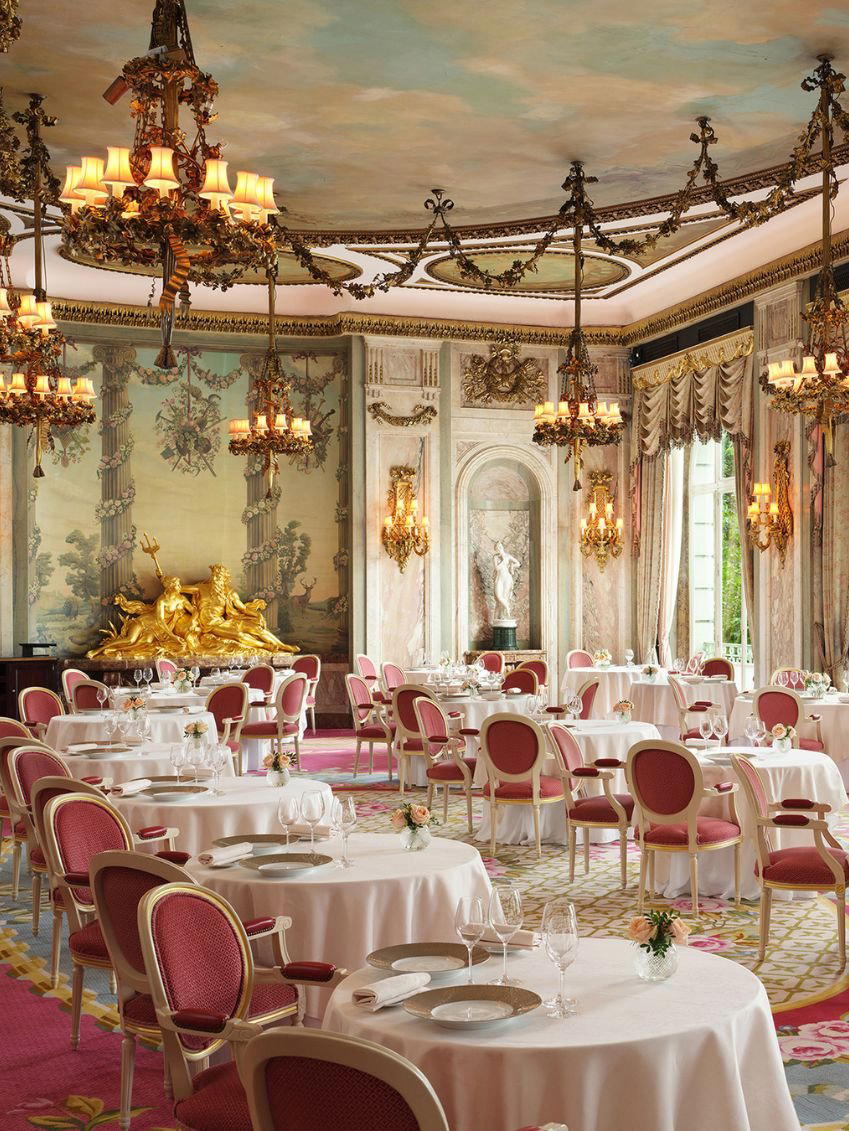
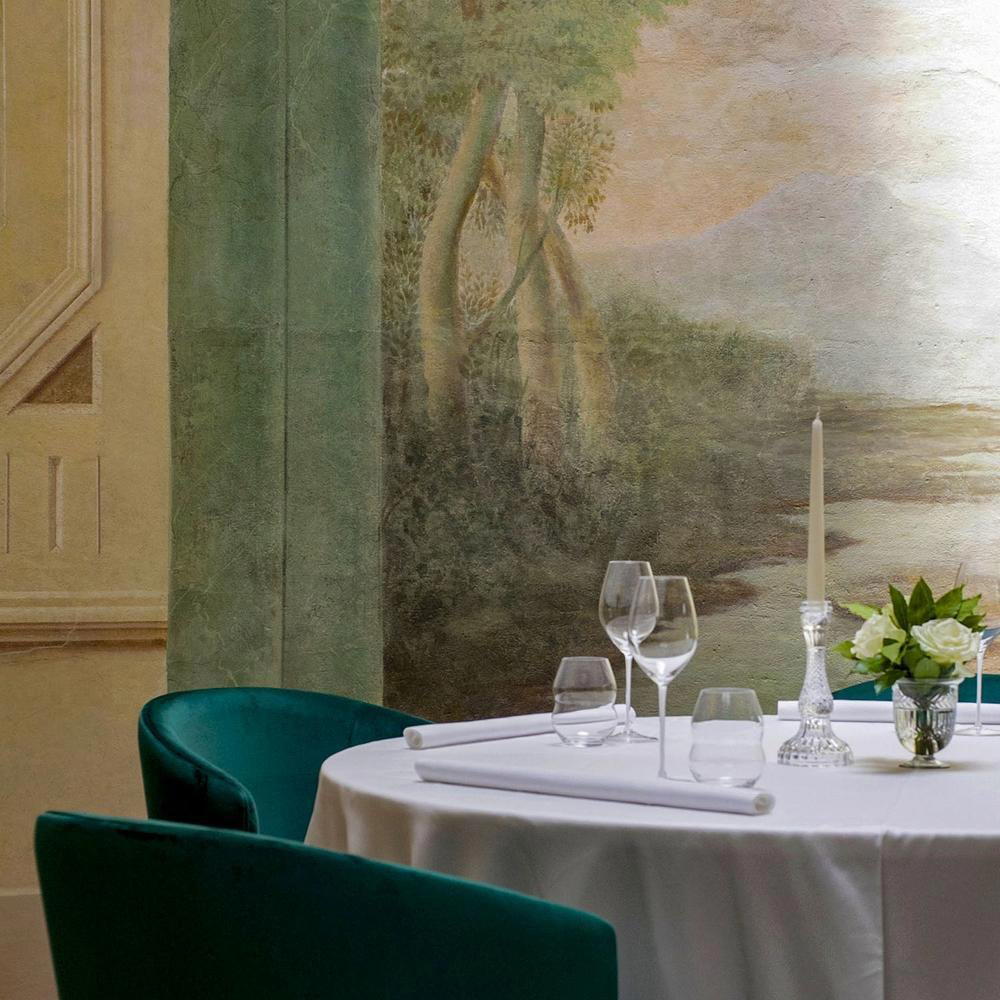
Bars in Grasse
Browse all →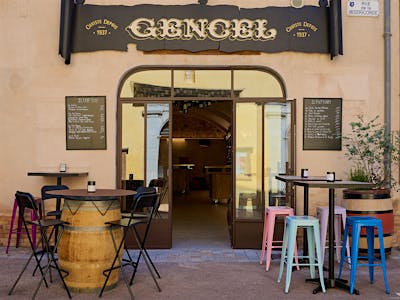
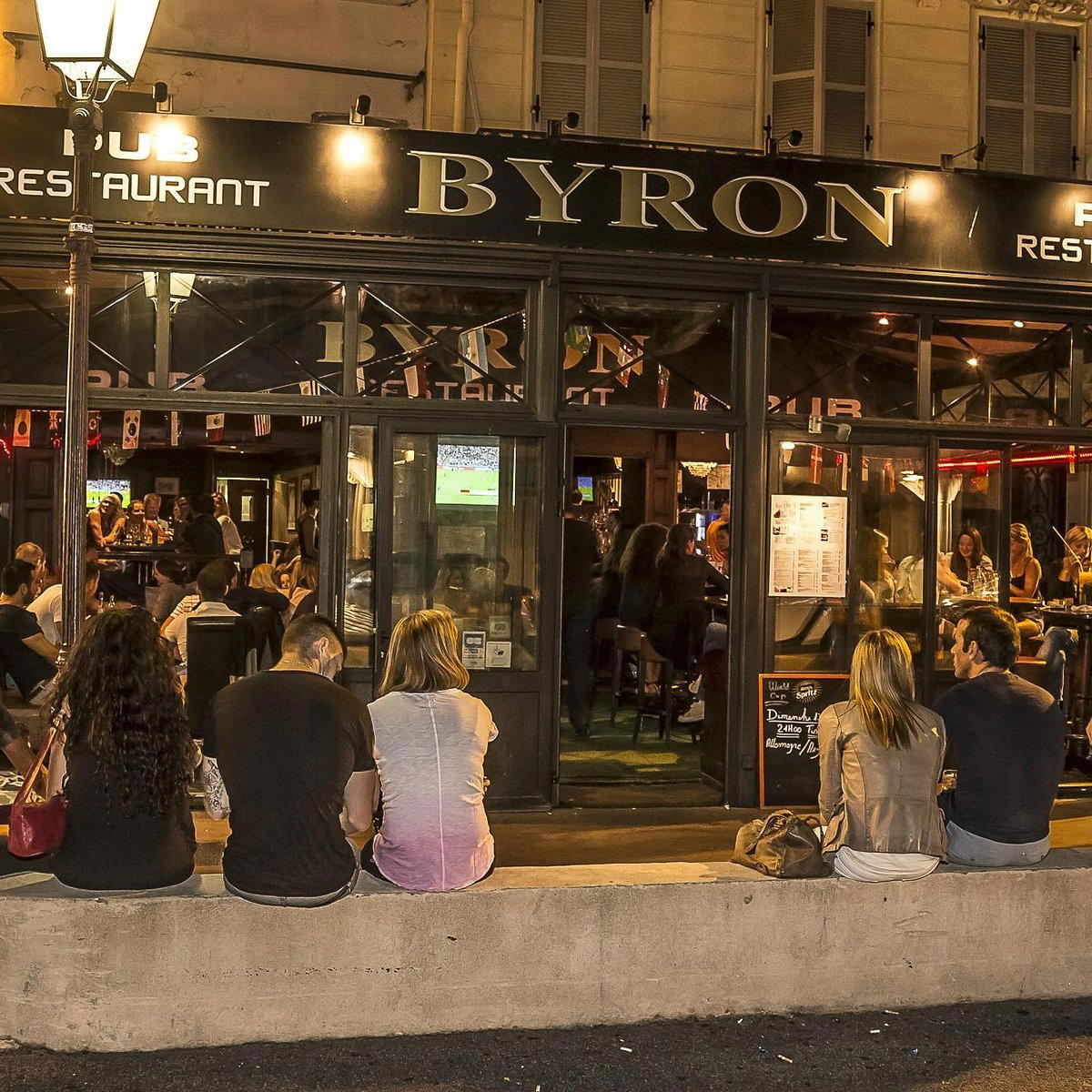
Hotels in Grasse
Browse all →

At a Glance
- Elegant
- Cozy
- Intimate
- Classic
- Date Night
- Special Occasion
- Historic Building
- Extensive Wine List
- Local Sourcing
Current opening hours
- Monday
- Closed
- Tuesday
- 7–10 PM
- Wednesday
- 7–10 PM
- Thursday
- 12–2 PM, 7–10 PM
- Friday
- 7–10 PM
- Saturday
- 12–2 PM, 7–10 PM
- Sunday
- Closed
Hours can change for holidays and private events. Last verified .
Warm and pleasant setting in magnificent vaulted stone room with inviting welcome.